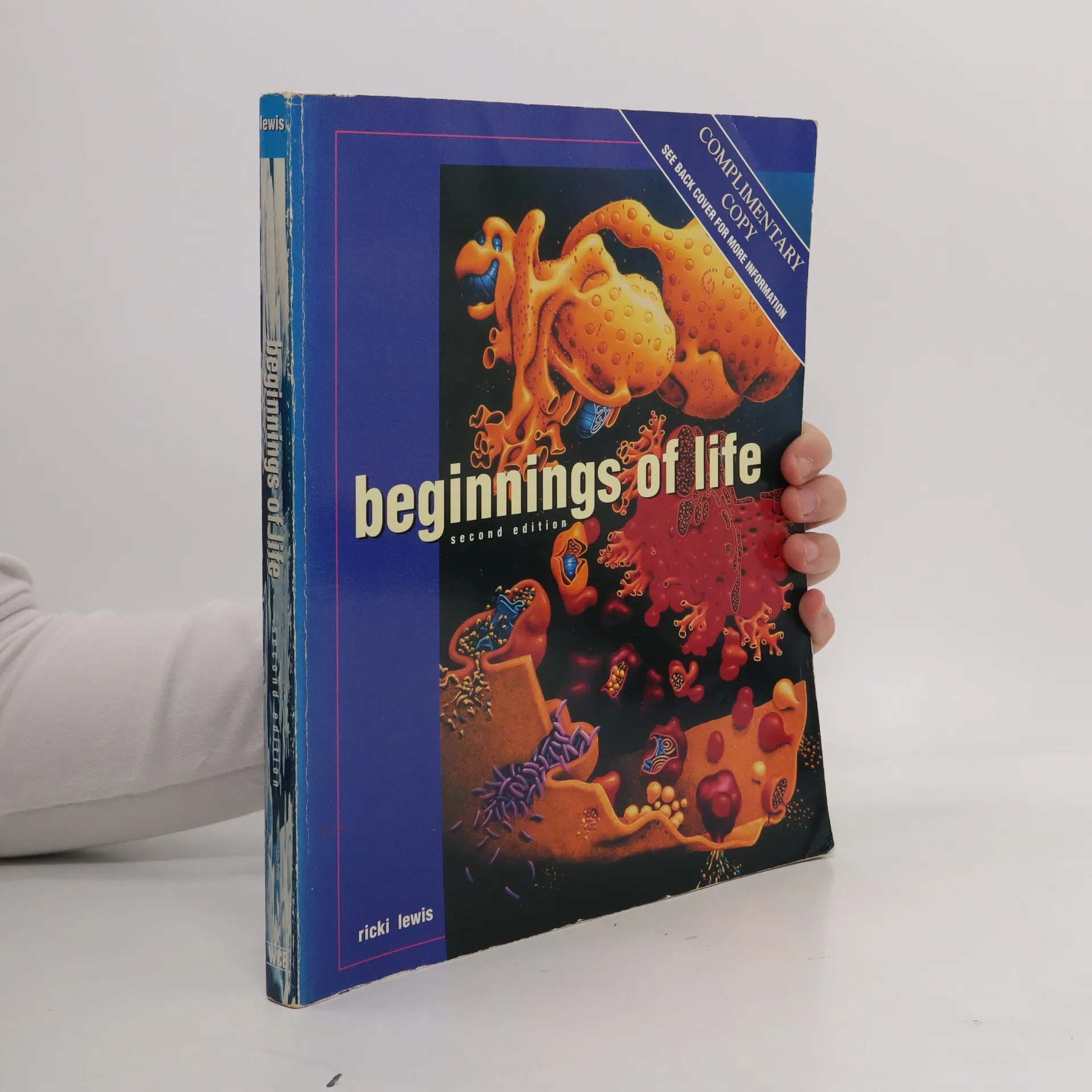
Intended for introductory, one semster courses, this book begins with a discussion of the physical basis of life and is then organised according to human body systems, with the level of complexity within each system gradually building
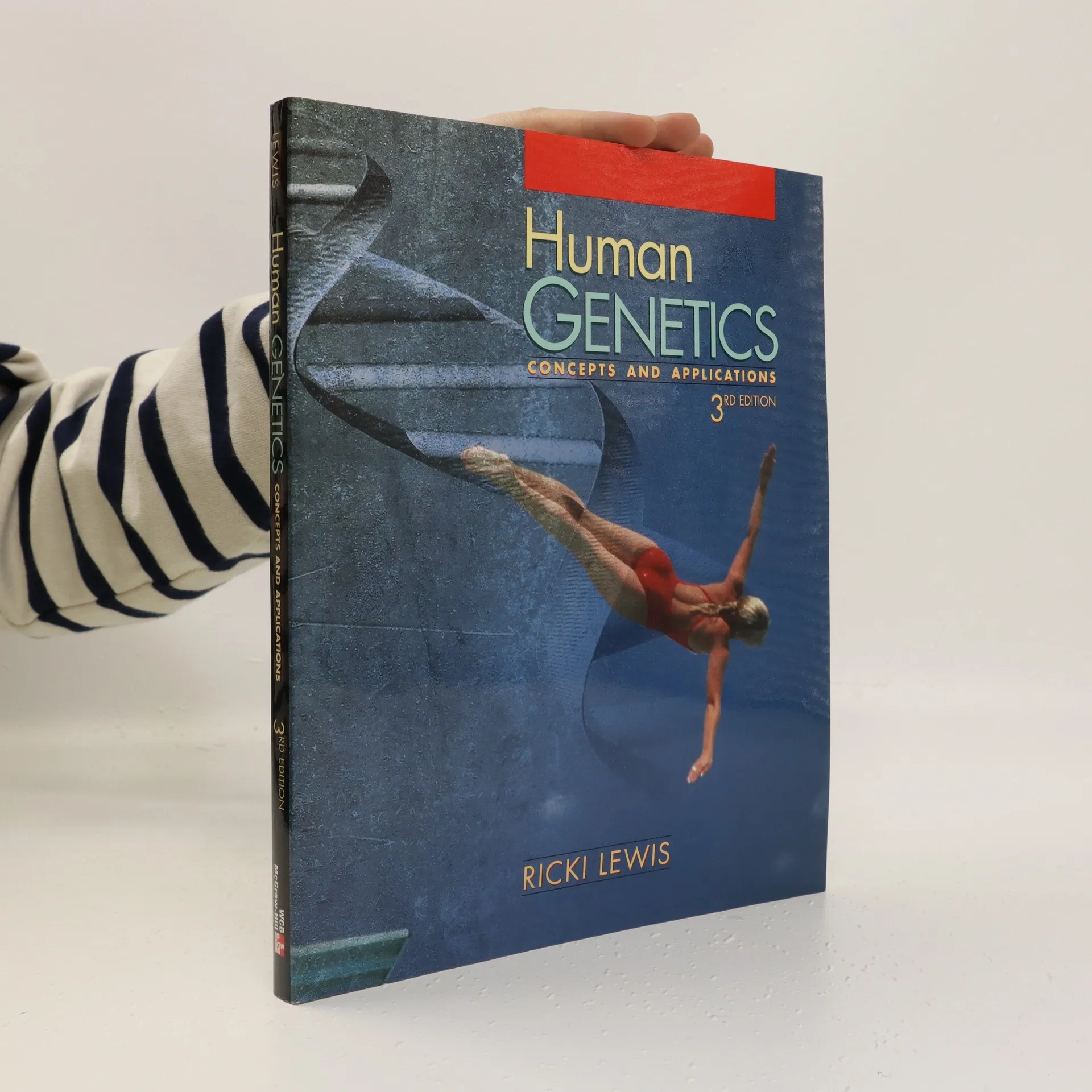
Human genetics has blossomed from an obscure biological science and
explanation for rare disorders to a field that is profoundly altering health
care for everyone. This thoroughly updated new edition of Human Genetics: The
Basics provides a concise background of gene structure and function through
the lens of real examples, from families living with inherited diseases to
population-wide efforts in which millions of average people are learning about
their genetic selves. Written in an engaging, narrative manner, this concise
introduction is an ideal starting point for anyone who wants to know more
about genes, DNA, genomes, and the genetic ties that bind us all.
"Human Genetics, Seventh Edition," is a non-science majors human genetics text that clearly explains what genes are, how they function, how they interact with the environment, and how our understanding of genetics has changed since completion of the human genome project. It is a clear, modern, and exciting book for citizens who will be responsible for evaluating new medical options, new foods, and new technologies in the age of genomics..
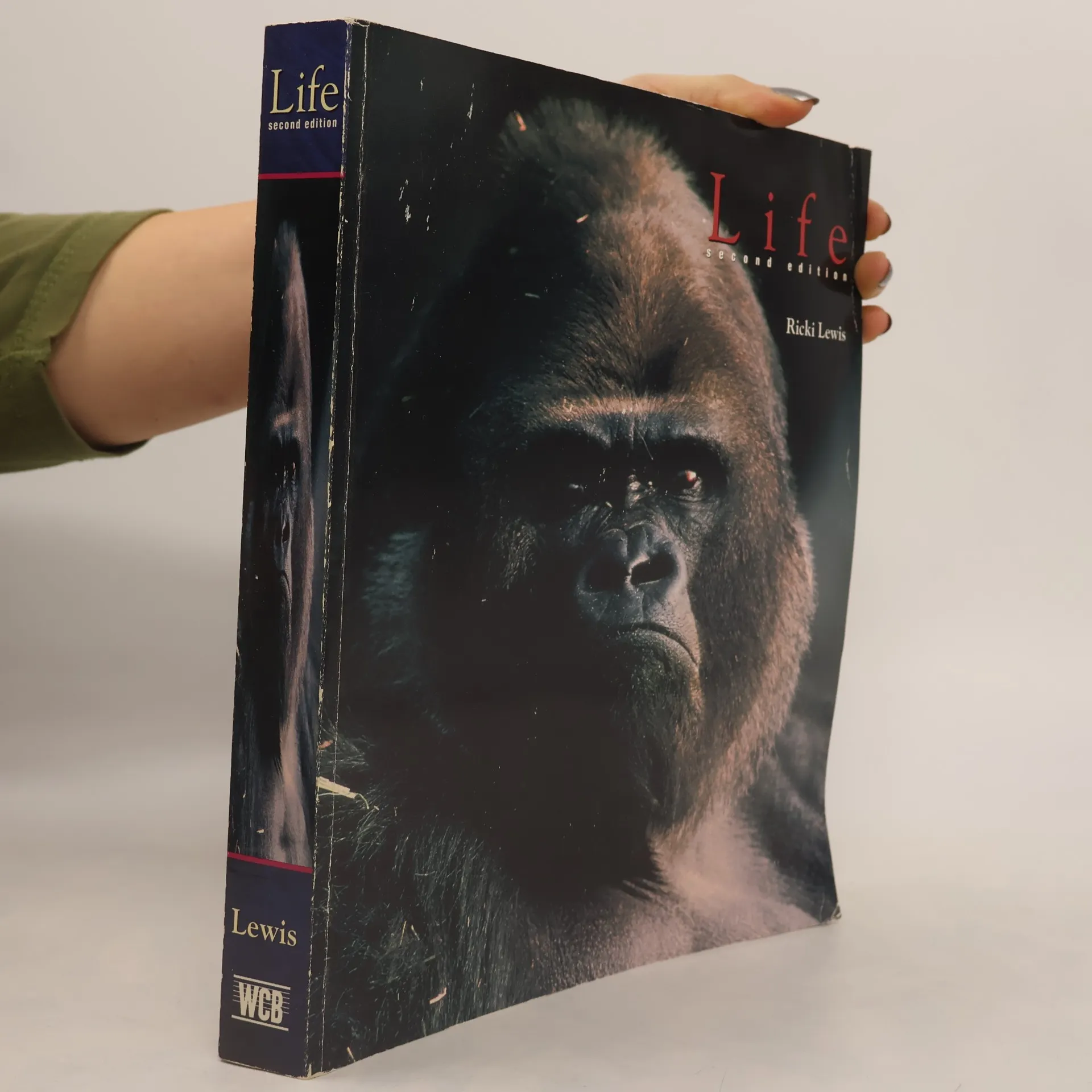
Covering every area of general biology, Life uses a lively, storytelling writing style and current, true-life examples to engage students in a nonintimidating way. The fifth edition has a totally new design. A beautiful color-coordinated art and photo program was developed with the purpose of instruction. All chapters have been updated to reflect the latest advances and new thinking in the field of genomics, and a section of genetics problems have been added to the appropriate chapters. An Online Learning Center provides teachers and students with hundreds of animations, learning activities, and quizzes designed to help students grasp complex concepts.