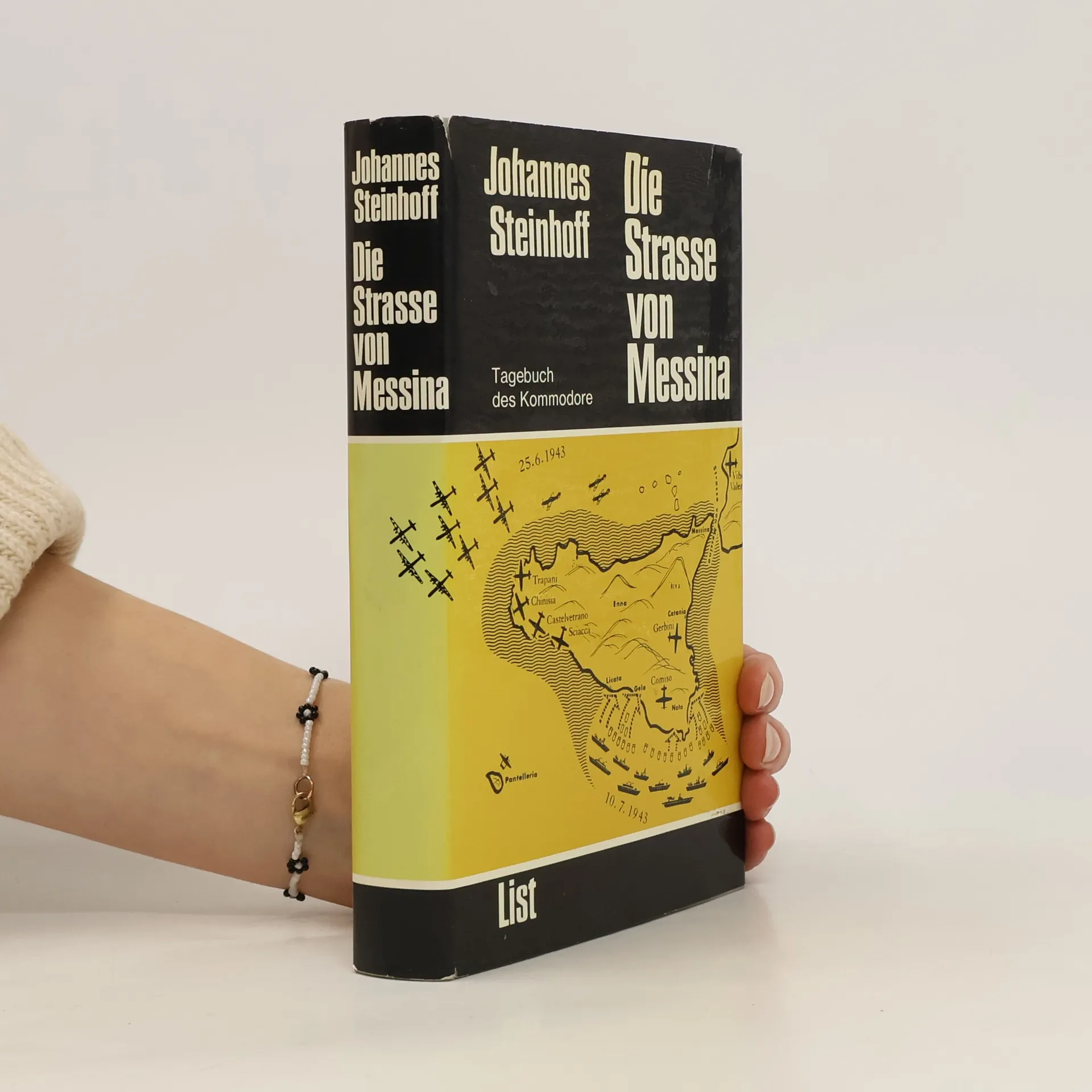
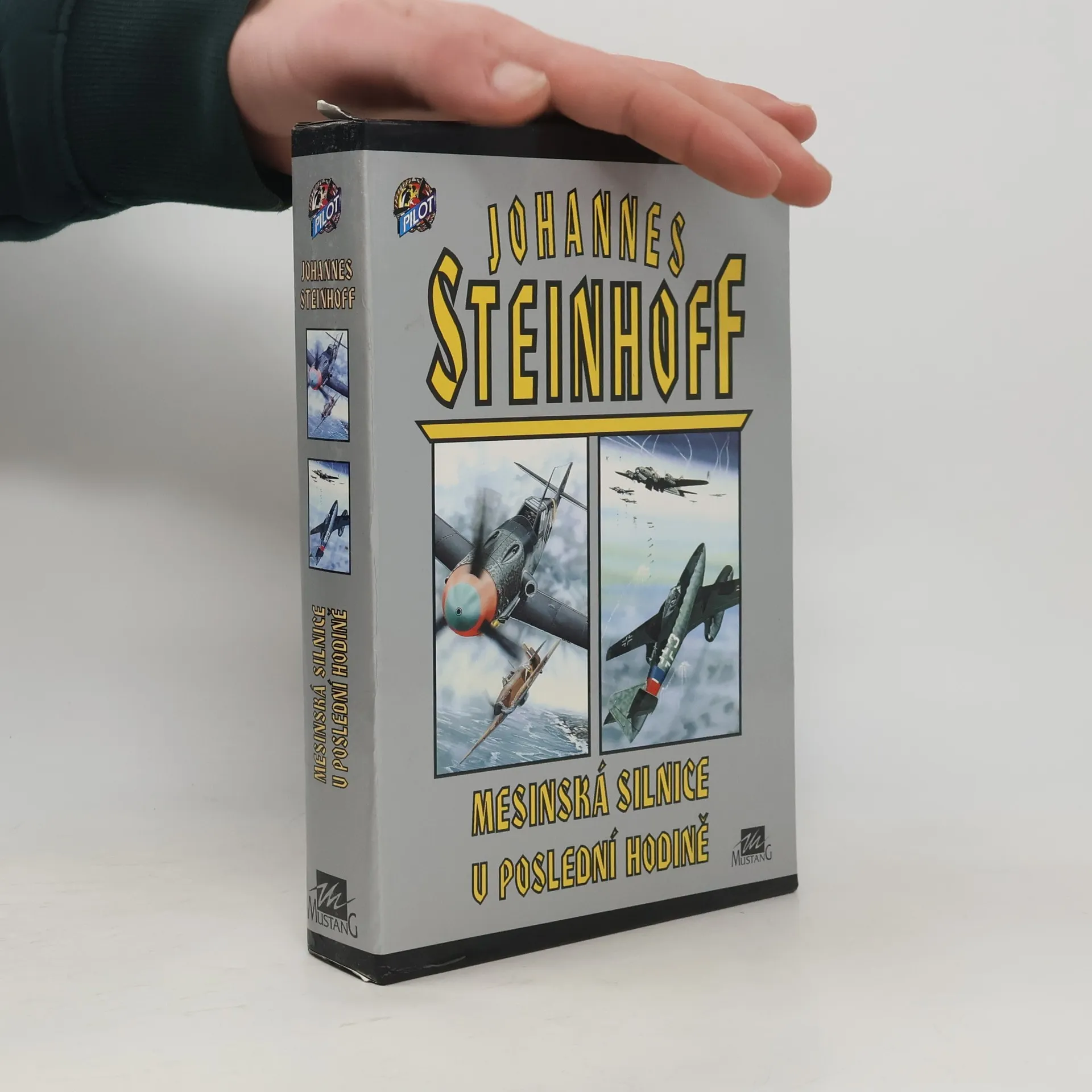
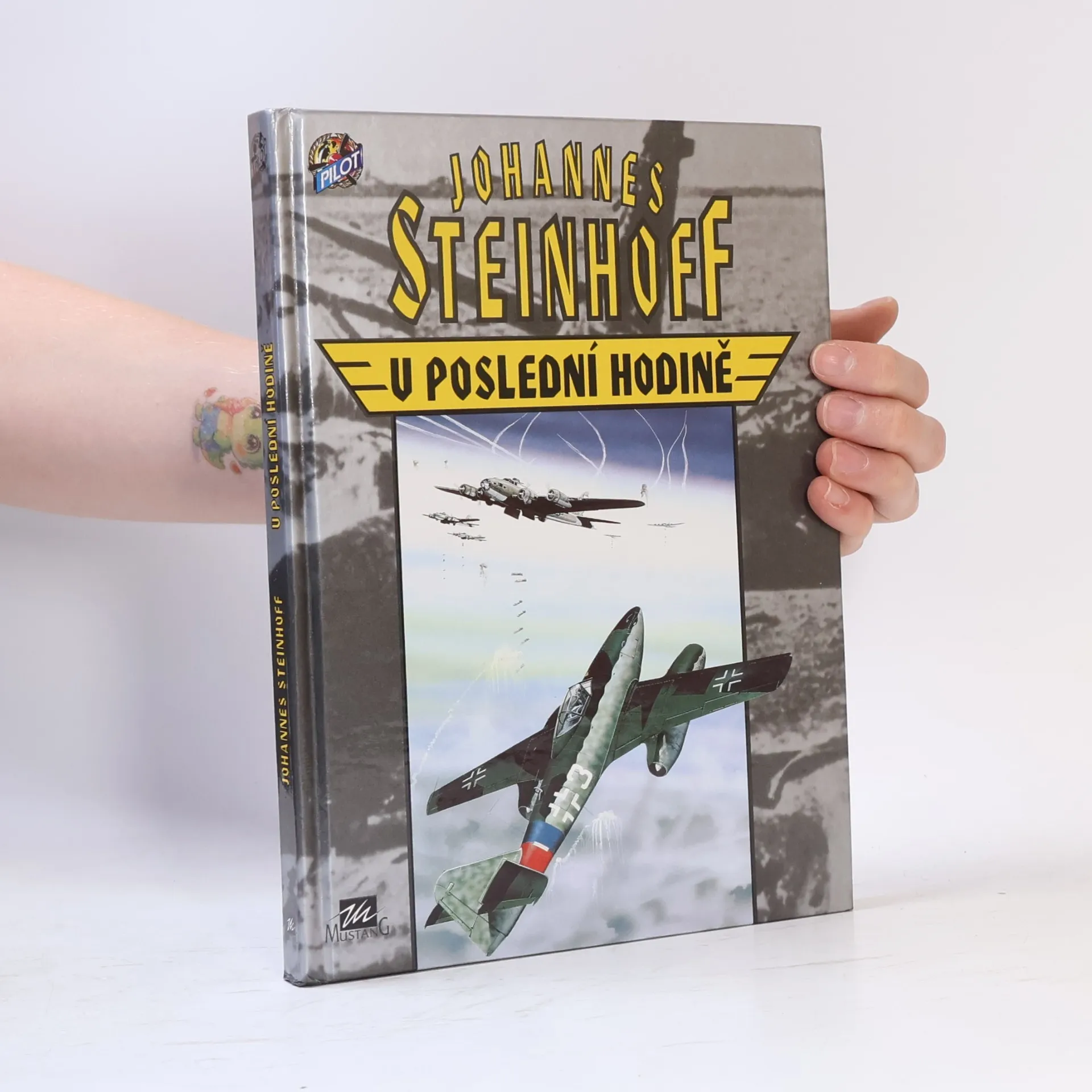
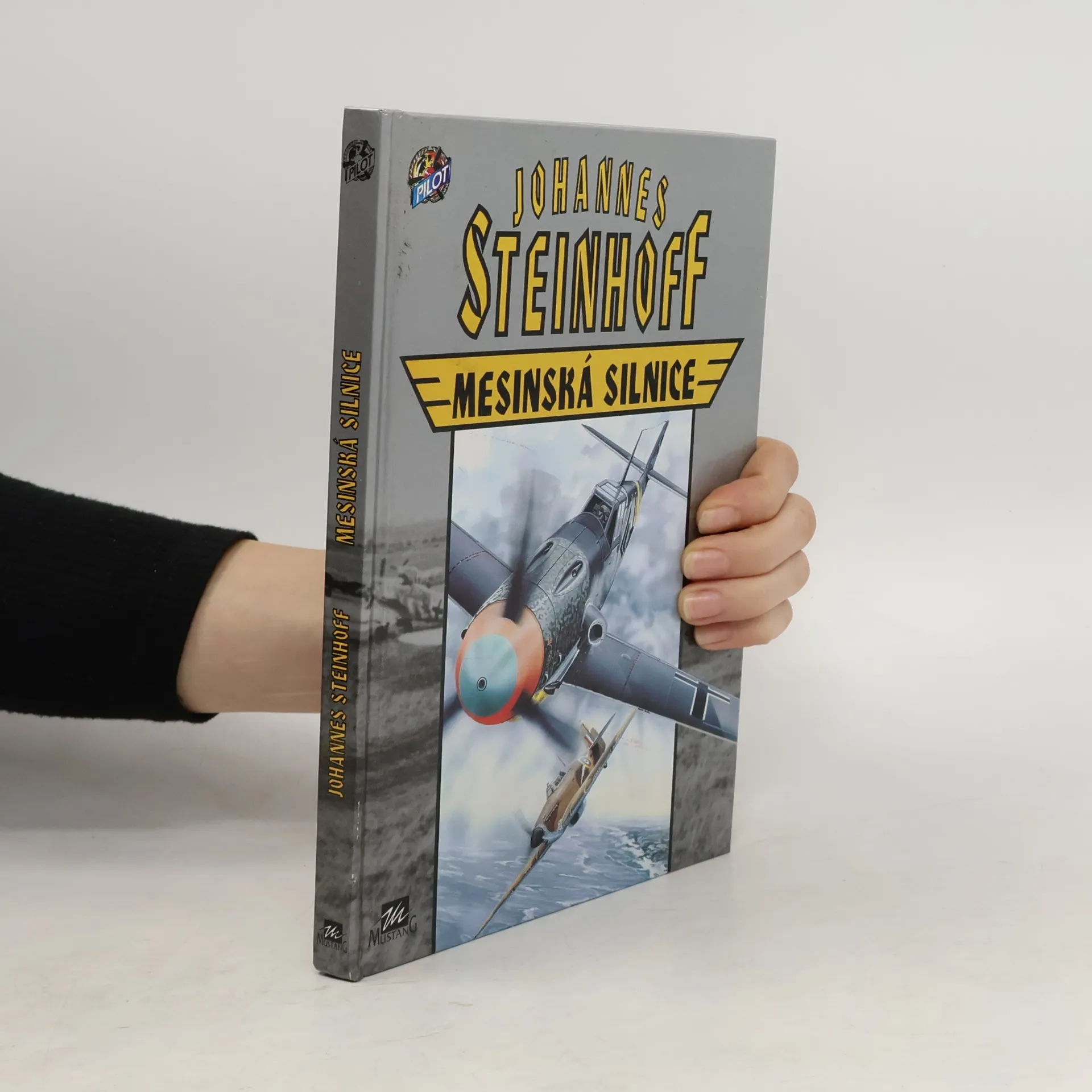
Je rok 1943. Winston Churchill a Franklin D. Roosevelt se dohodli, že příštím cílem spojeneckých útoků bude Sicílie. Proti spojeneckým svazům tu stojí asi 1250 německých a italských letounů. Německé letectvo, které tu má jen málo kvalitních strojů, navíc již začíná trpět nedostatkem kvalitních pilotů. Steinhoffova JG 77 je složená většinou z mladíků, starých a ostřílených stíhačů je let od letu méně.
Steinhoff, eso s více jak stem sestřelů na kontě, vypráví o fyzickém i psychickém nebezpečí plynoucím z opotřebení pilotů, jež se den co den vrhají do sebevražedného boje proti mnohonásobné převaze spojeneckého letectva.
Je rok 1945. Luftwaffe díky diletantství vrchního velení, nedostatečné vycvičenosti příliš čerstvých pilotů a obrovským ztrátám začíná zvolna podléhat morálnímu rozkladu a ztrácí svou sílu. Říšský maršál, který již nebyl v oblibě u Hitlera, označil své vlastní stíhače za zbabělce, protože Německo systematicky decimují nálety spojeneckých bombardérů a doporovodné stíhačky se volně prohánějí po jeho obloze.
Steinhoff spolu s Gallandem a řadou dalších špičkových stíhacích pilotů nejsou spokojeni ani se stavem letectva ani se svým postavením. Vzniká spiknutí proti Hermannu Göringovi a jeho pomocníkům. Je to poslední pokus ulehčit Německu v jeho "poslední hodině".
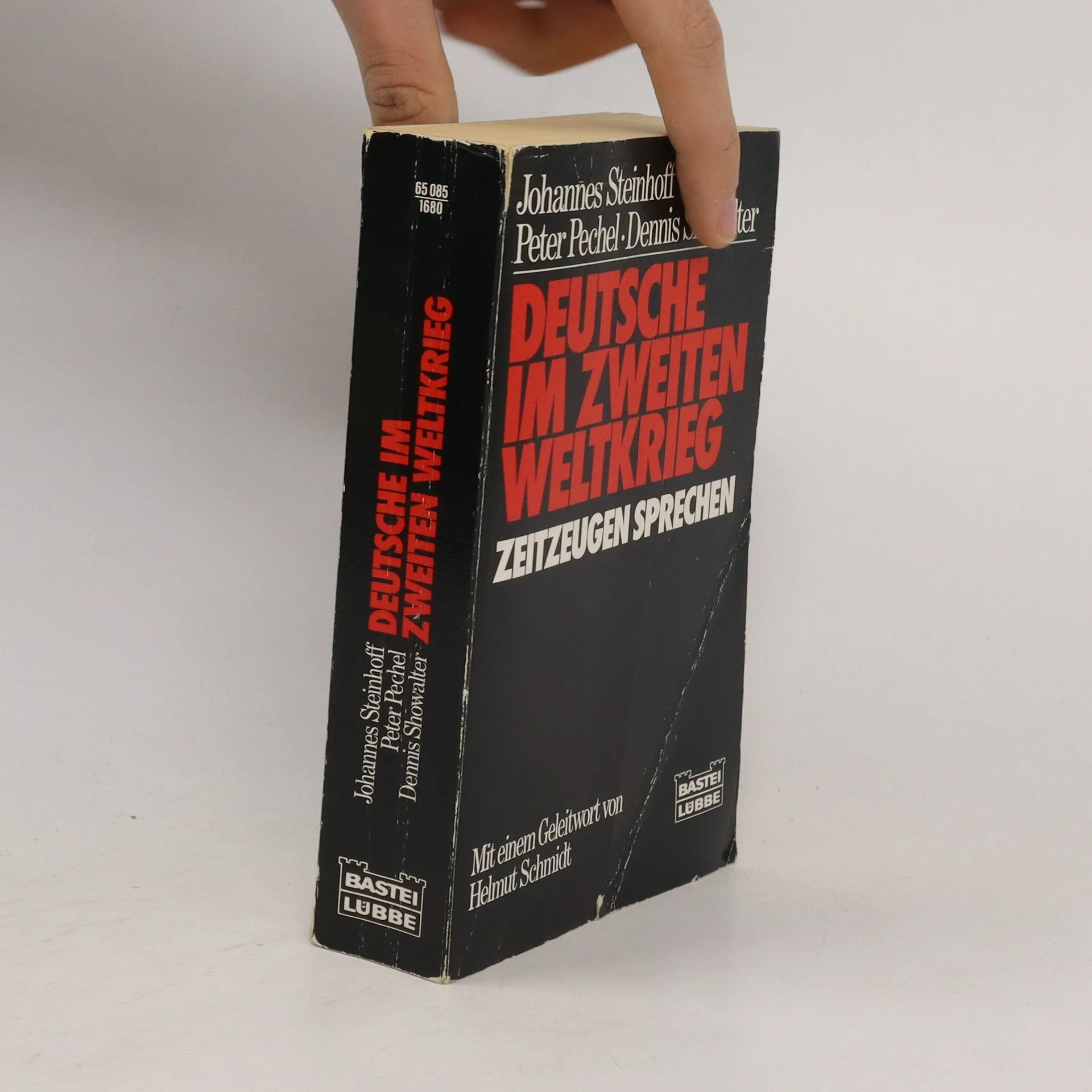
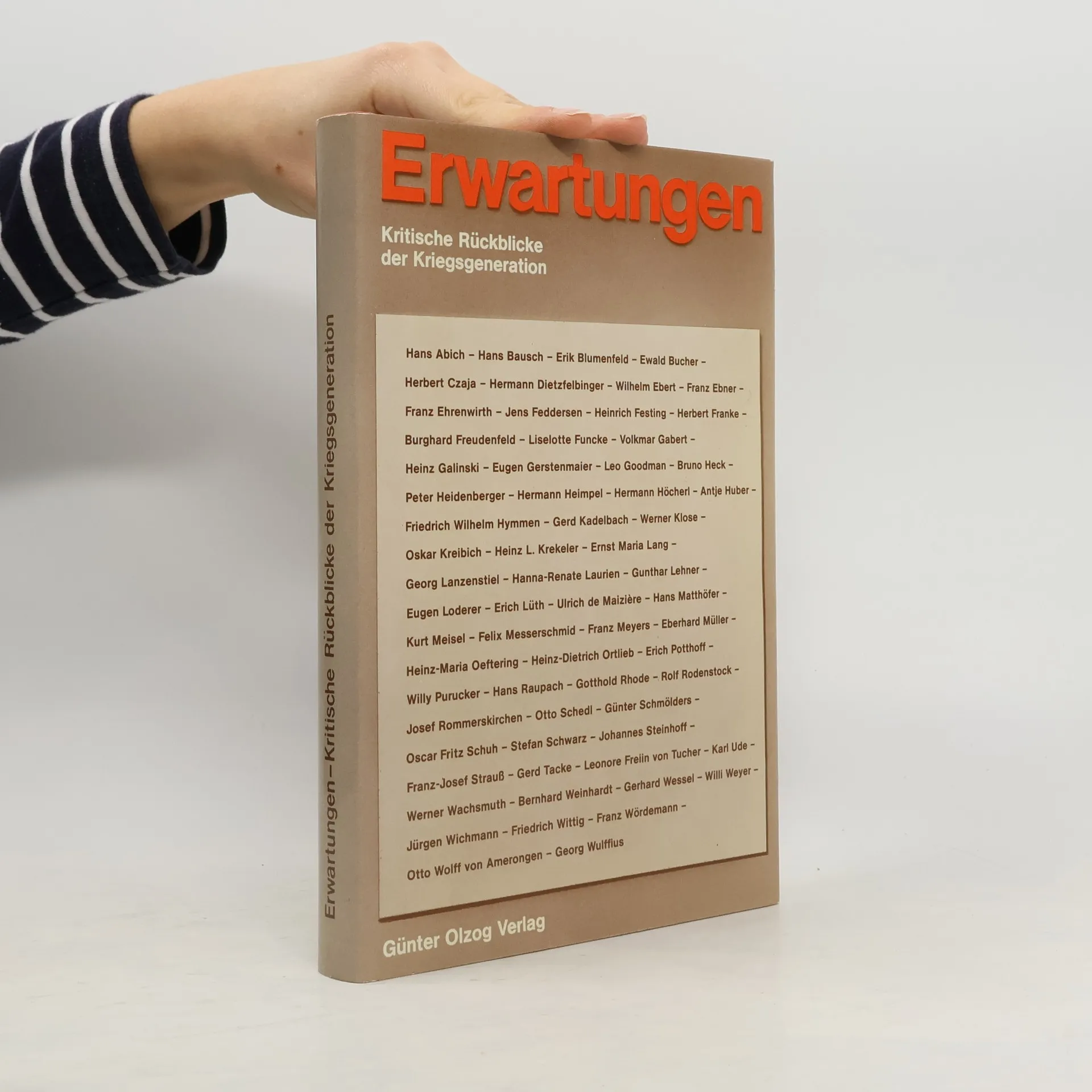
In diesem außdergewönlichen Dokument subjektiv und spontan erzählter Zeitgeschichte sprechen 161 Zeitzeugen über ihre Erlebnisse und Konflikte, ihr Leben im Dritten Reich und im Zweiten Weltkrieg, bis zur Kapitulation 1945. Das Geleitwort zu diesem historisch faszinierenden Werk schrieb Helmut Schmidt. Die Lektüre „ermöglicht einen Einblick in Wertmaßstäbe und Verhaltenprinzipien, die in jenen Jahren in Deutschland weit verbreitet waren und die für manche bis heute noch nicht ihre Gültigkeit verloren haben.“ (Die Zeit)
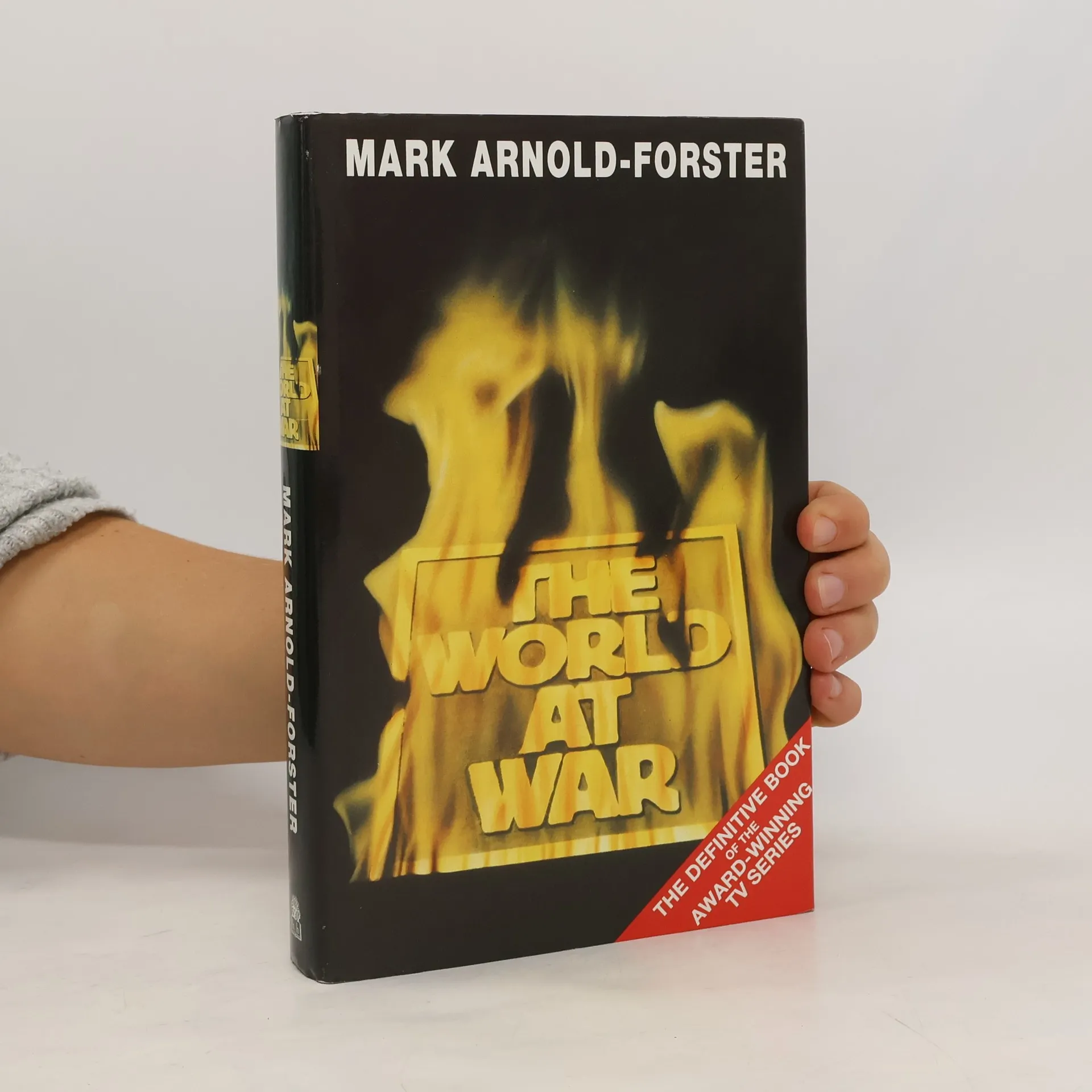
Sir Jeremy Isaacs has rightfully received numerous accolades for his documentary work, including the Royal Television Society's Desmond Davis Award, an Emmy, and a knighthood from Queen Elizabeth II. His monumental series remains the definitive visual history of World War II, distinguished by the extensive visual documentation preserved by both the Axis and Allies. This war is uniquely understood through its powerful images, with the Nazis meticulously documenting their atrocities in surprising color footage. The series was among the first to fully utilize these resources, providing an extraordinary visual narrative of the 20th century's greatest event.
Key highlights include: "A New Germany 1933-39," showcasing Hitler's rise; "Whirlwind," depicting early British losses; "Stalingrad," marking a pivotal defeat for Germany; and "Inside the Reich," offering a captivating look at life in Nazi Germany. The series also features "Morning," one of the few unromanticized views of the Normandy invasion, and "Genocide," a widely shown introduction to the Holocaust. While primarily focused on Europe, it also addresses wartime Japan and the Manhattan Project in "The bomb." This series stands as an essential resource for historians and students alike, ensuring that no serious collection is complete without it. Rarely is film so crucial to understanding history.