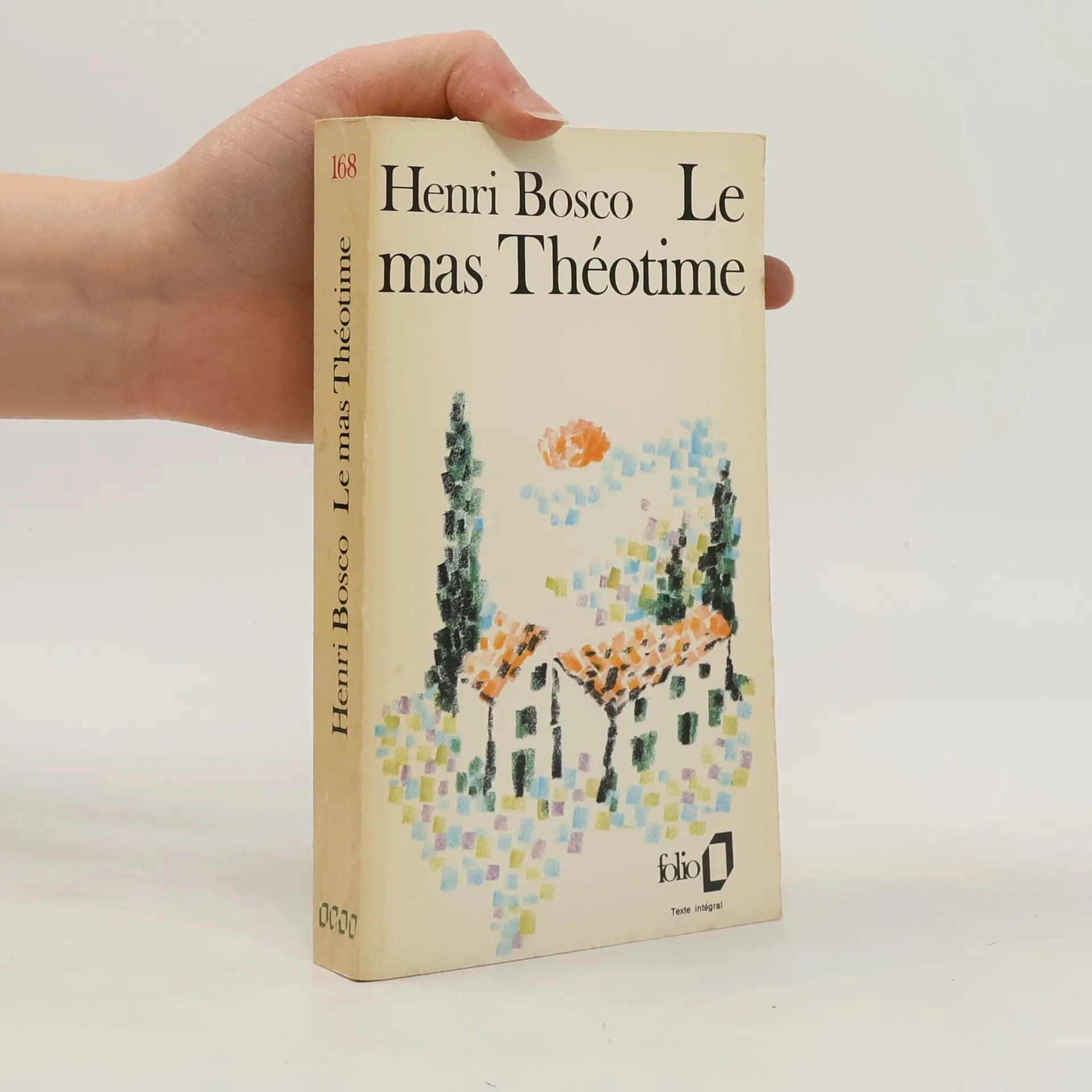
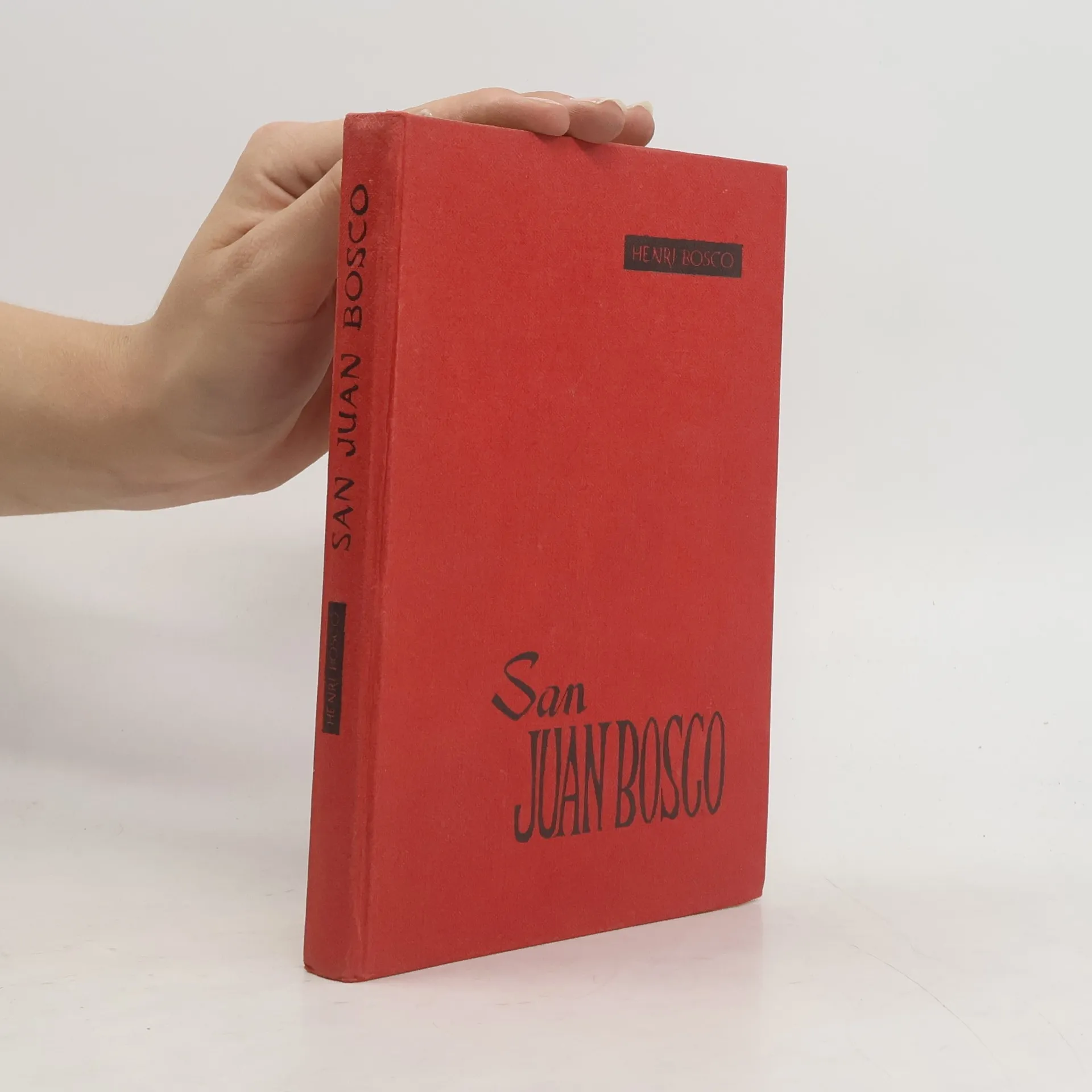
Poetický román jež se odehrává v jihofrancouzské Provence, v době kdy Martial Malicroix opouští své bydliště a rodiště, přichází na venkov se ujmout svého dědictví – domu, statku, sídla i pozemků. V novém a dosud neznámém prostředí se dostává do střetu s vlastními životními zvyklostmi a s lidmi, kteří ho jen většinou neradi přijímají mezi sebe.
Henri Bosco Knihy
16. listopad 1888 – 4. květen 1976
Henri Bosco byl spisovatel, jehož díla prozkoumávají hluboké duchovní otázky a hledání smyslu života. Jeho styl se vyznačuje poetickou prózou, která čtenáře přenáší do krajin vnitřního i vnějšího světa. Bosco se často zaměřuje na témata identity, paměti a transformace, inspirován svou bohatou životní zkušeností a duchovními hledáními. Jeho psaní odráží snahu o nalezení harmonie mezi lidským bytím a přírodním světem.



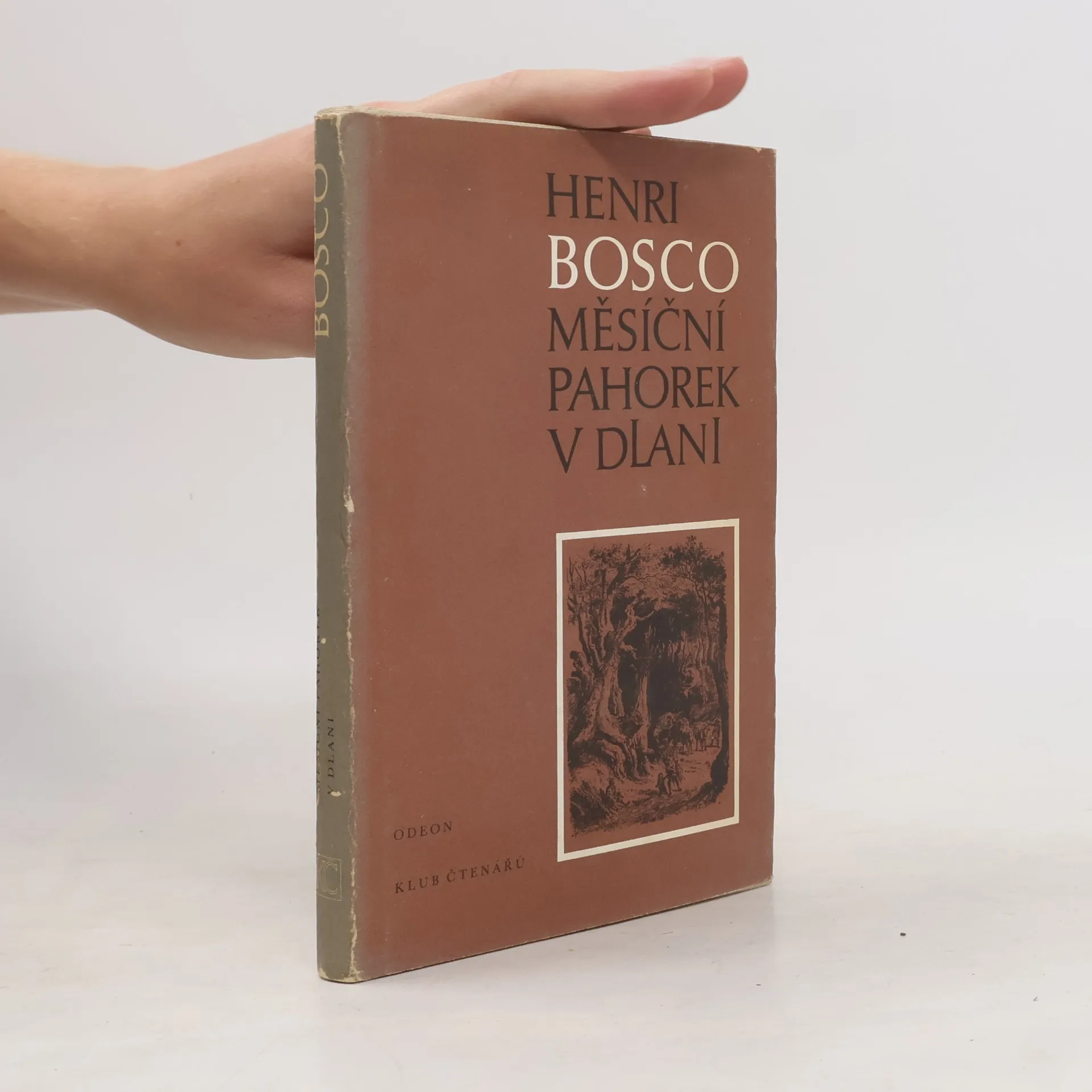
Román je životní zpověď mladého Pascala Dérivata. Je to neobyčejně vznětlivý a citlivý mladý muž, který žije na svém statku uprostřed nespoutané přírody na nejzazším výběžku úrodné země přímo na úpatí alpského předhoří. Vychutnává všechny radosti, které mu nabízí nádherná příroda a žije v klidu a míru na svém zděděném statku. Ale osud rozvrátí jeho klid a dá mu v jediném létě prožít tolik horké a mučivé vášně, která ho zavede tak daleko, že se ocitá v sázce jeho láska, čest i sám život.
Malicroix
- 286 stránek
- 11 hodin čtení
Fans of William Faulkner will appreciate the work of Henri Bosco, a four-time Nobel Prize nominee. For the first time in English, Malicroix explores the life of a recluse in the French countryside, revealing the journey to his solitude. Although lesser-known among English readers, Bosco (1888-1976) was a prolific and respected mid-twentieth-century French author, with over thirty works of fiction and poetry. He received prestigious awards like the Grand prix national des lettres and the Prix des Ambassadeurs. Malicroix is celebrated as Bosco's "finest achievement," noted for its "intimate blending of the real world and the world of myth," and is frequently referenced by Gaston Bachelard in his works, where he describes it as a "vast prose poem." Set in the early nineteenth century, the novel presents a first-person narrative of a timid young man who inherits a house on an island in the wild Camargue region. To claim his inheritance, he must live alone there for three months, confronting the turbulent river, fierce winds, and his own solitude. He must also complete a challenging task from his great-uncle while fending off others eager to seize the property. The story chronicles his journey toward self-discovery and ownership of both his inheritance and himself.
Lane Culotte
- 214 stránek
- 8 hodin čtení
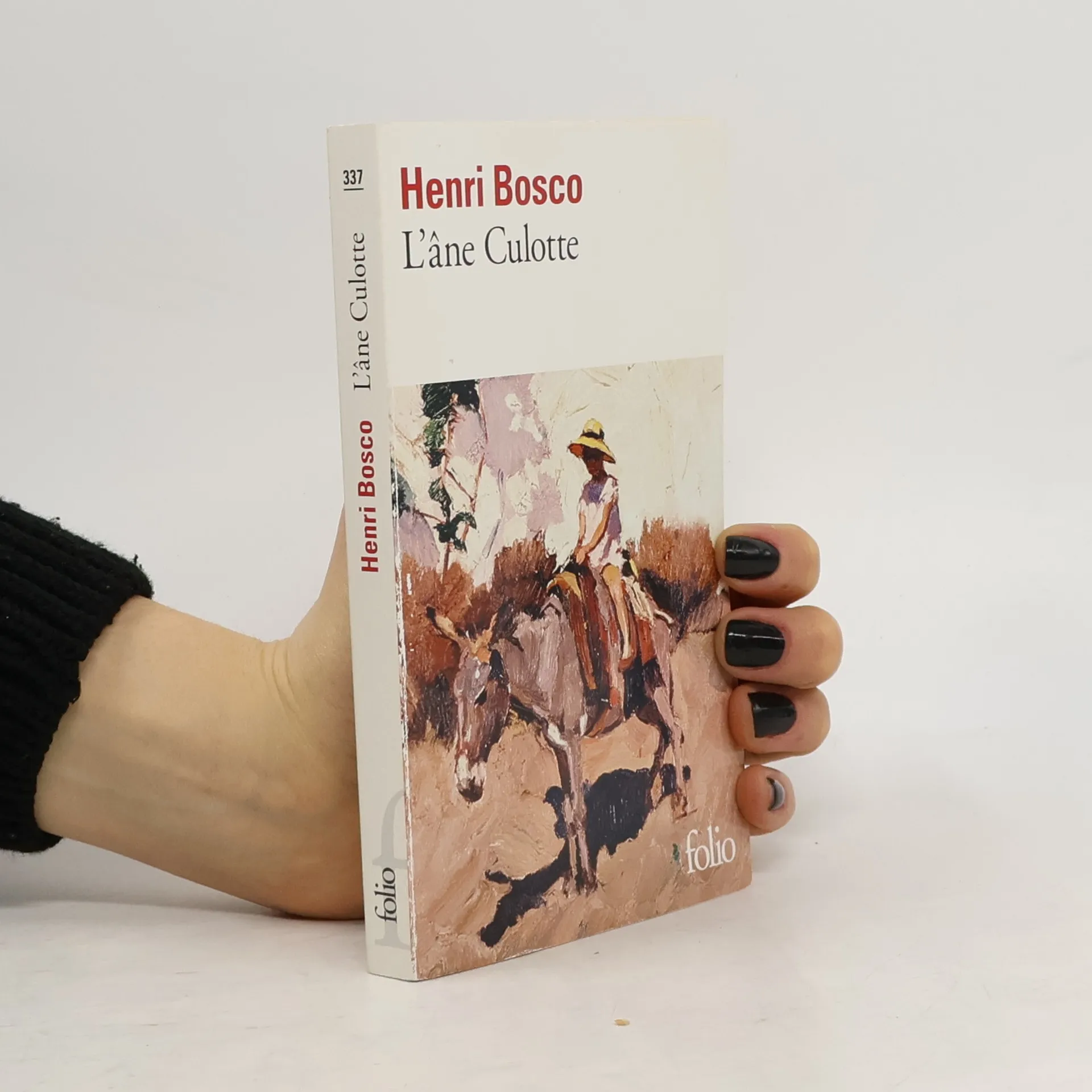
He passed by, making his light, small donkey steps echo on the stones of the bridge. The baskets swaying on his back were filled to the brim with flowering branches of argelas. This plant, which blooms in February, resembles a spiny broom. I was astonished by the donkey's load and followed him from a distance. He headed straight for the rectory. Surely he was expected there, as Father Chichambre immediately emerged and carried the argelas into the church. Afterward, he spoke a few kind words to the donkey Culotte and gave him a pat on the hindquarters. The donkey turned around and set off back toward the mountain.
This simple and moving tale is the story of Pascalet and his river. He was forbidden to go near it, but once or twice every year the flood waters ran swiftly over the low fields to Pascalet's door. From time to time the river called to him in the shape of Bargabot the fisherman, who told Pascalet of its fish and beaches and lonely islands. This lovely tale, which catches the magic of untamed nature, speaks to young and adult alike.
Ústredným záujmom všetkých Boscových literárnych diel sú tajomné a záhadné sily prírody, ktoré determinujú konanie človeka. Mocnou intuíciou objavuje tieto sily a podáva skôr sugestívne pohľady na ne, než sa ich snaží vysvetliť. Pritom dar intuitívneho prenikania do tajomstiev prírody spája sa u neho s darom hlbokého pohľadu do psychologickej ústrojnosti človeka. Bosco patrí medzi najväčších majstrov francúzskeho románového štýlu.
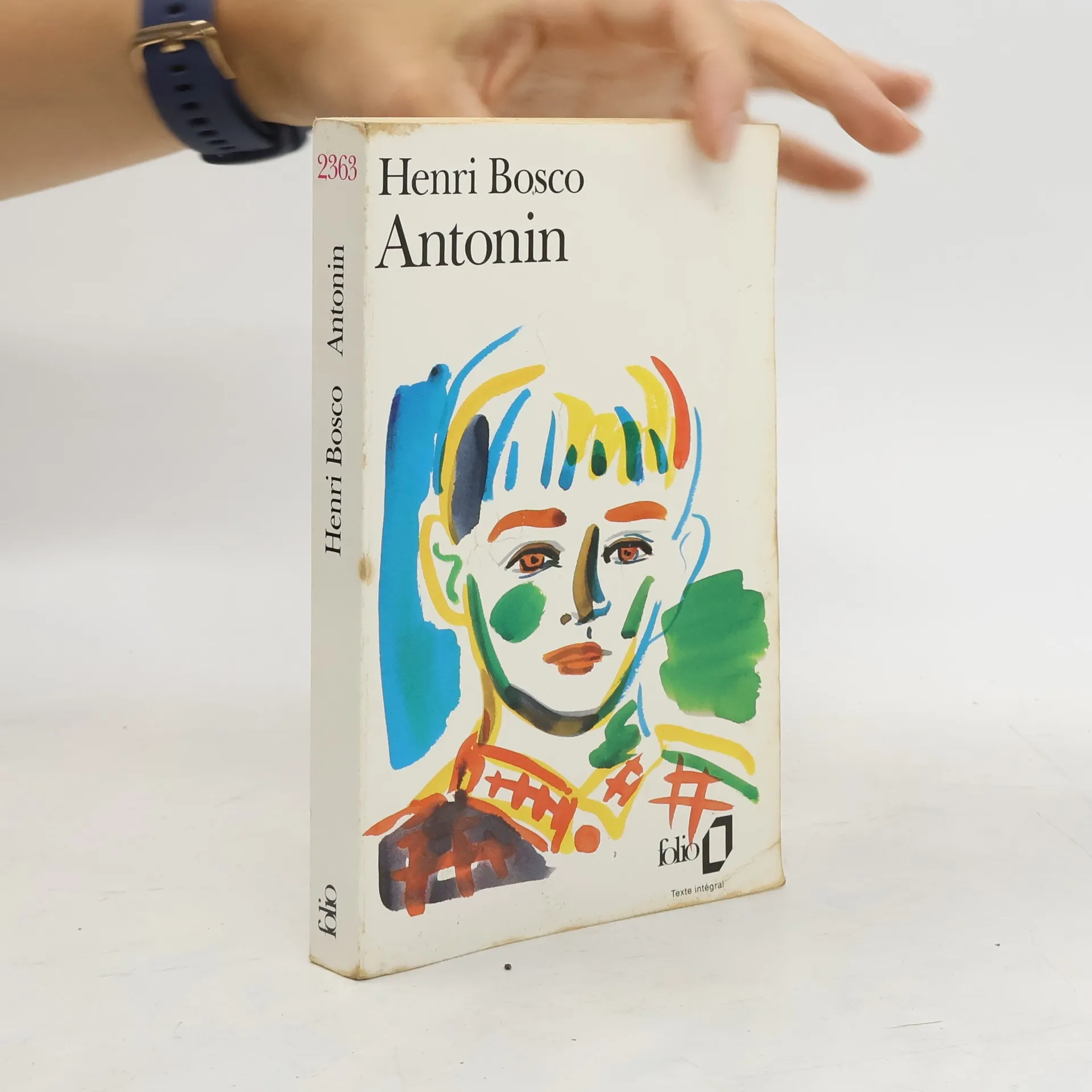
Il a huit ans, l'âge de raison, mais encore l'âge des songes. Ses parents, obligés à de longues absences, le confient à des étrangers, qui demeurent très loin de sa maison des champs, dans une banlieue d'Avignon, banlieue sans grâce ; mais il y a une grâce pour les enfants et les jeux de leurs rêveries. Antonin est d'abord, un temps, en pension, chez les Bénichat. Ce sont de pauvres gens. Le mari, bon colosse, est chef de train. Il emmène souvent Antonin en promenade. Il lui fait faire un réveillon de neige, en pleine campagne, dans la baraque de son ami l'aiguilleur, cependant que grondent, tout près, les rapides de nuit, merveilleux et terribles. Antonin aura d'autres joies et aussi des peines. Il découvrira, puis perdra, la tendre et mystérieuse Marie. Antonin apprendra à connaître ce qu'on peut connaître à son âge, des hommes, des arbres, des oiseaux, du ciel - et aussi de la vie et de la mort. Antonin est l'oeuvre d'amour d'un grand écrivain, d'un magicien aussi, dont la magie reste invisible.
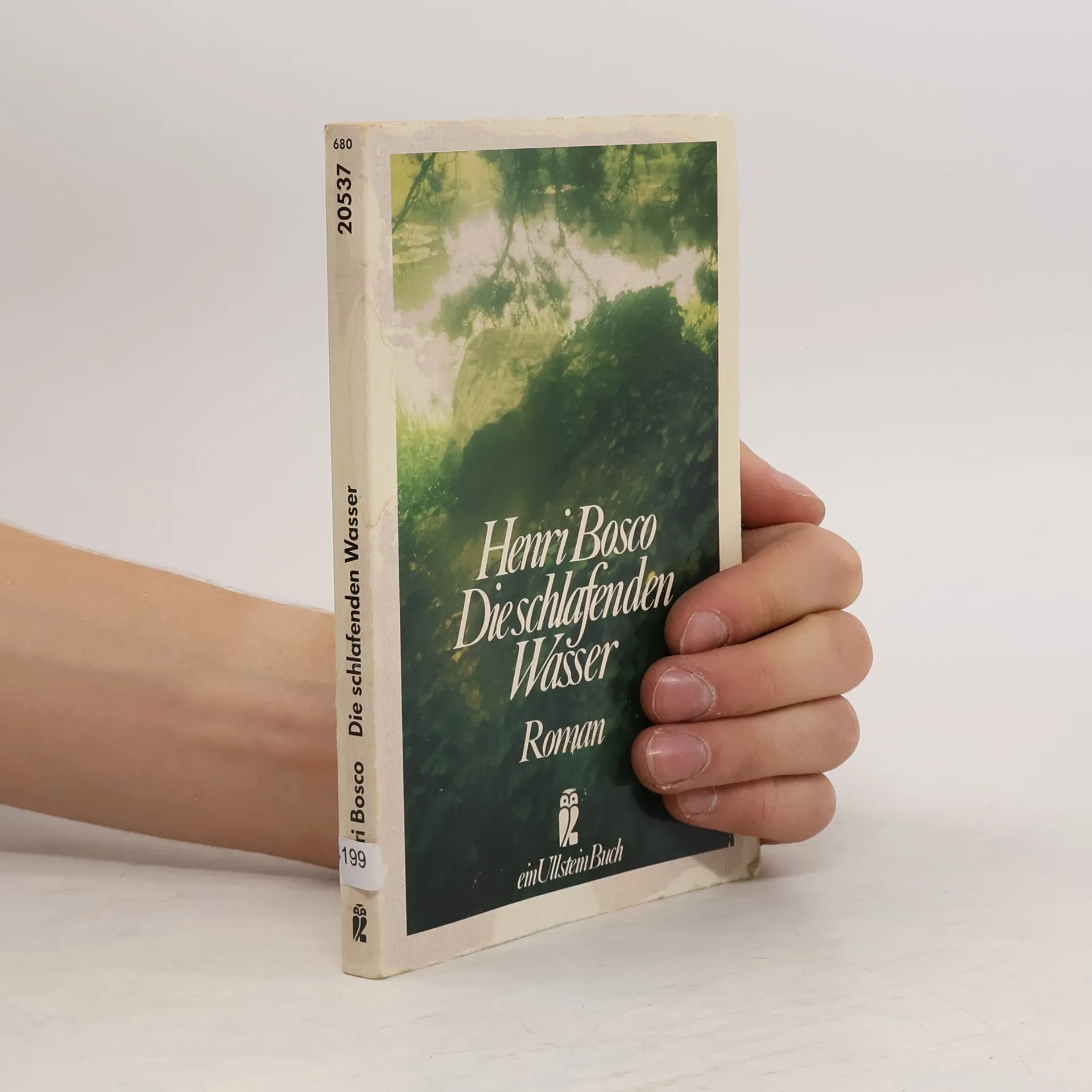
Die schlafenden Wasser
- 158 stránek
- 6 hodin čtení
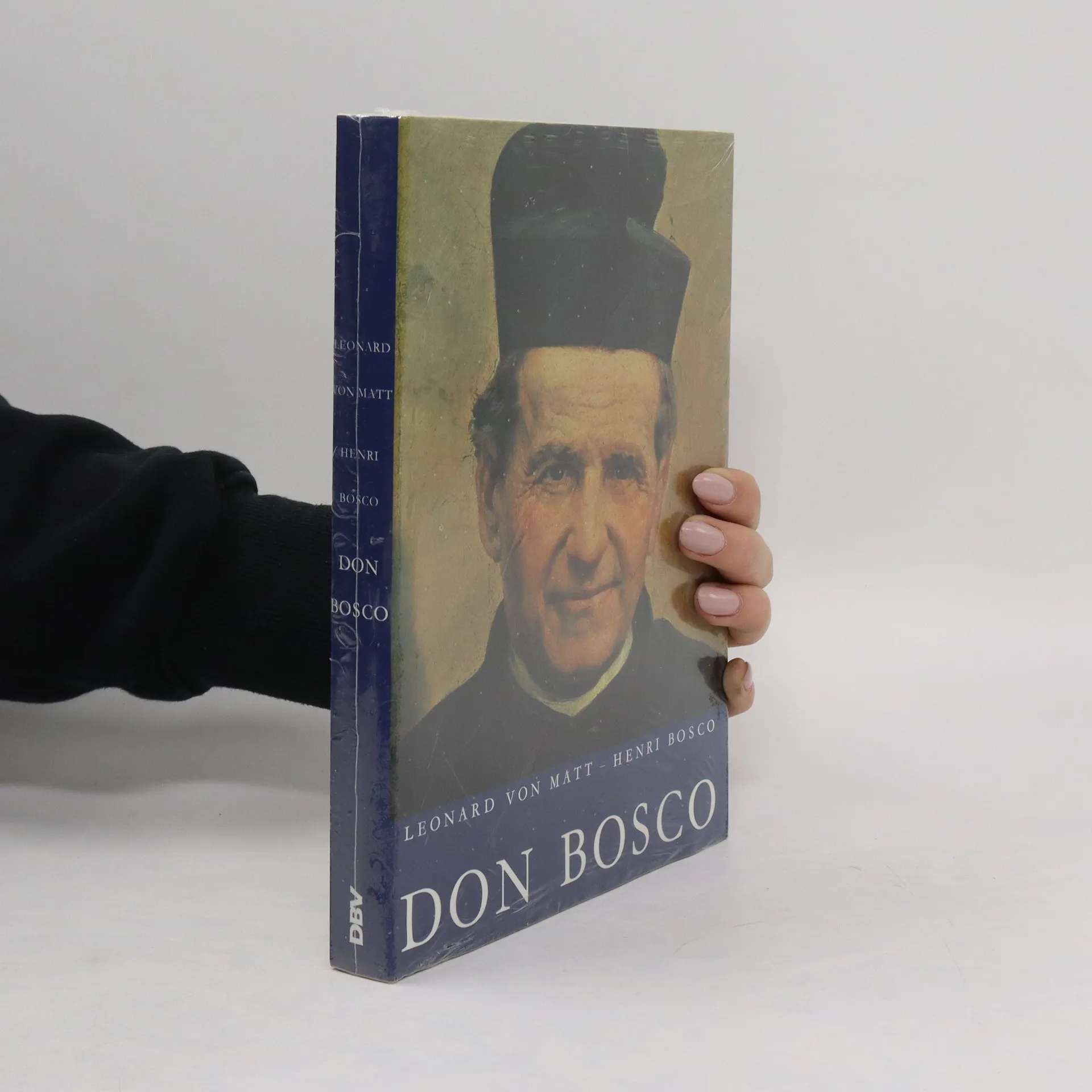
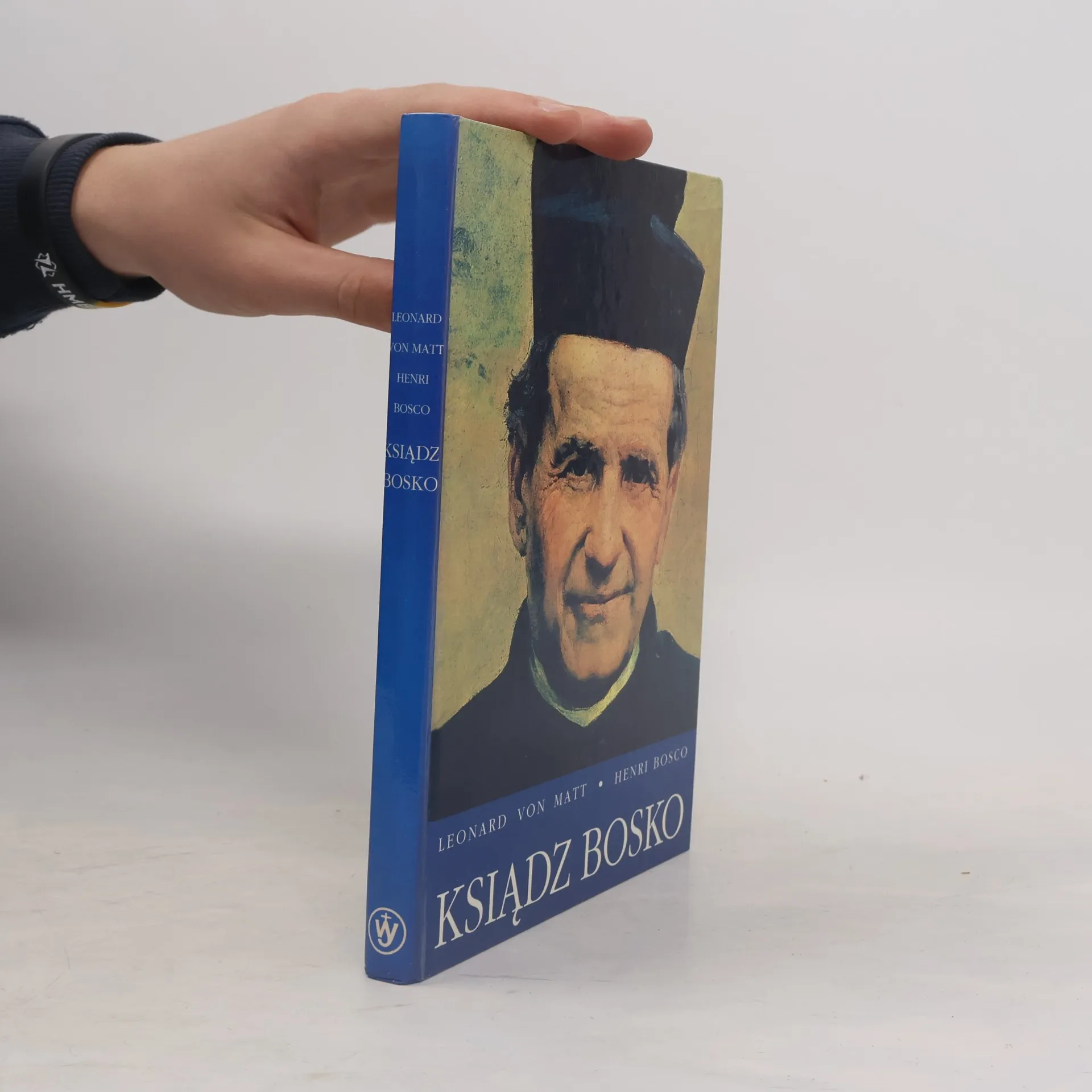
De Don Bosco poseemos numerosas grabaciones originales, recuerdos intactos y testimonios impactantes. Henri Bosco, un pariente de Don Bosco y destacado escritor, narra con cuidado biográfico la personalidad creativa, la incansable labor pastoral y la apasionada labor educativa de Don Bosco, utilizando detalles vívidos que surgen de un corazón pleno. La combinación de texto e imagen se complementa de manera perfecta, entrelazándose sin esfuerzo. Así, se retrata de manera válida la vida de este santo.