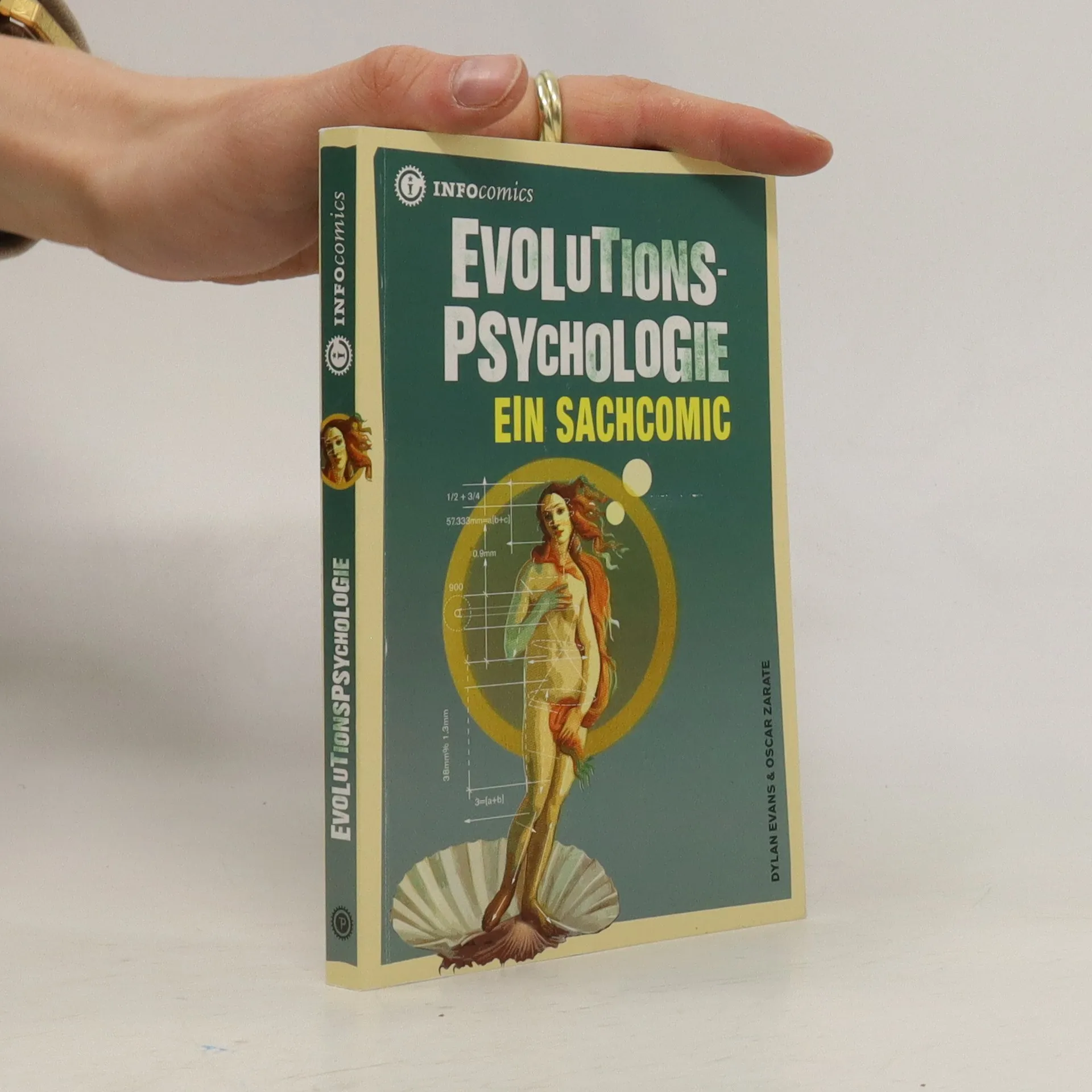
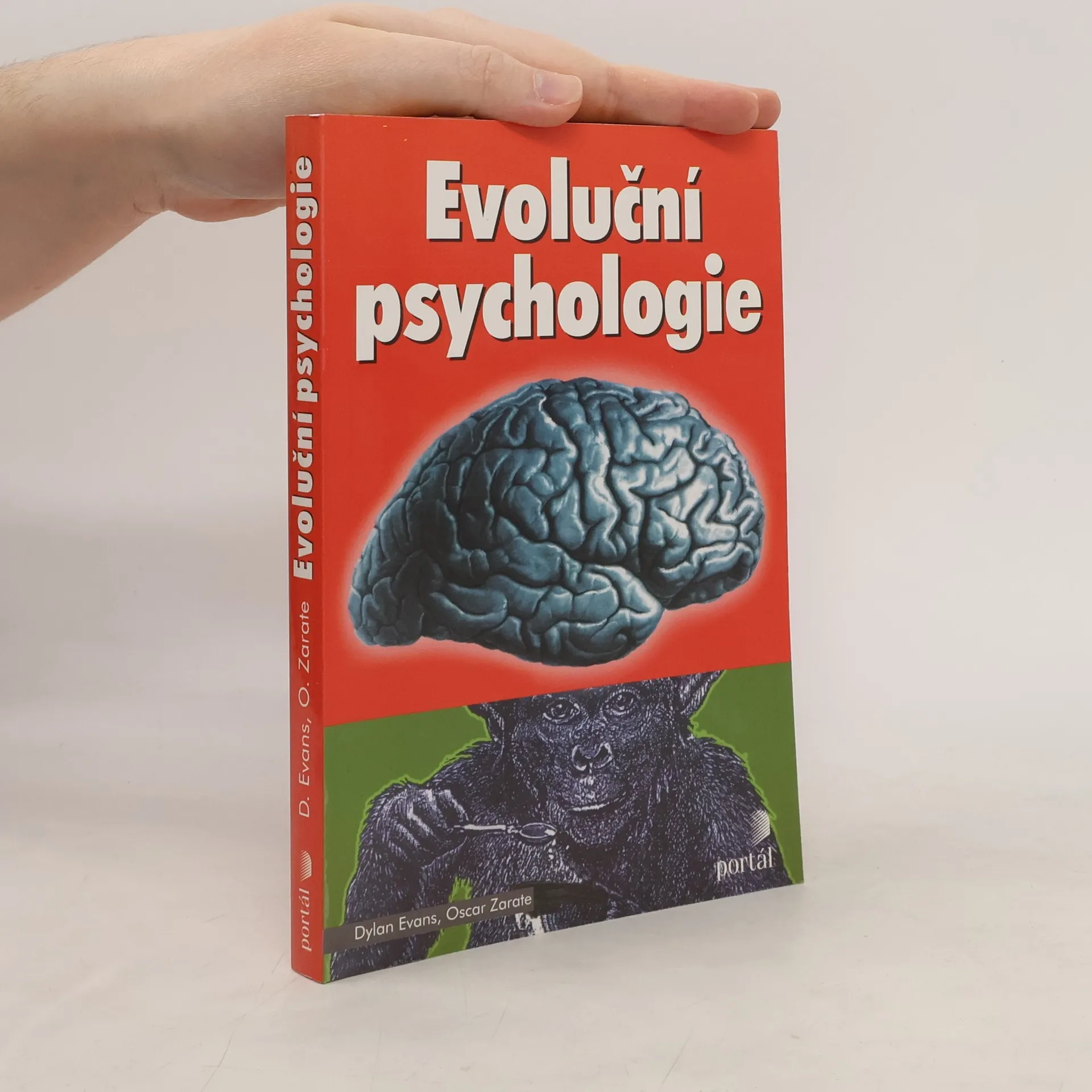
Jak se vyvíjela lidská mysl? Jak se člověk v této oblasti odlišuje od svých vývojových předchůdců? Je-li člověk založen na sobeckých genech, proč je tak kooperativní? Mohou být rozdíly mezi psychologií muže a ženy vysvětleny z evolučního pohledu? Tyto a další otázky jsou v centru zájmu vědeckého oboru, jež se nazývá evoluční psychologie. Kniha Evoluční psychologie je srozumitelným a zábavným úvodem do této nové discipliny. Předkládá klíčové poznatky evoluční biologie, kognitivní psychologie, ale i antropologie nebo archeologie, které evolučním psychologům pomáhají lépe pochopit, jaká je lidská přirozenost.
Dylan Evans Knihy
Dylan Evans se zaměřuje na hluboké otázky lidského vnímání a rozhodování, zejména v kontextu nejistoty a emocí. Jeho dílo zkoumá vědecké základy sentimentu a vlivu víry, čímž čtenáře provádí složitostí toho, jak přemýšlíme a reagujeme na svět. Evansova práce podtrhuje jeho zájem o to, jak můžeme lépe navigovat nejistotu a porozumět emocionálním procesům, které formují naše životy. Prostřednictvím svých publikací nabízí vhled do vědeckých principů, které ovlivňují naše vnímání a chování.


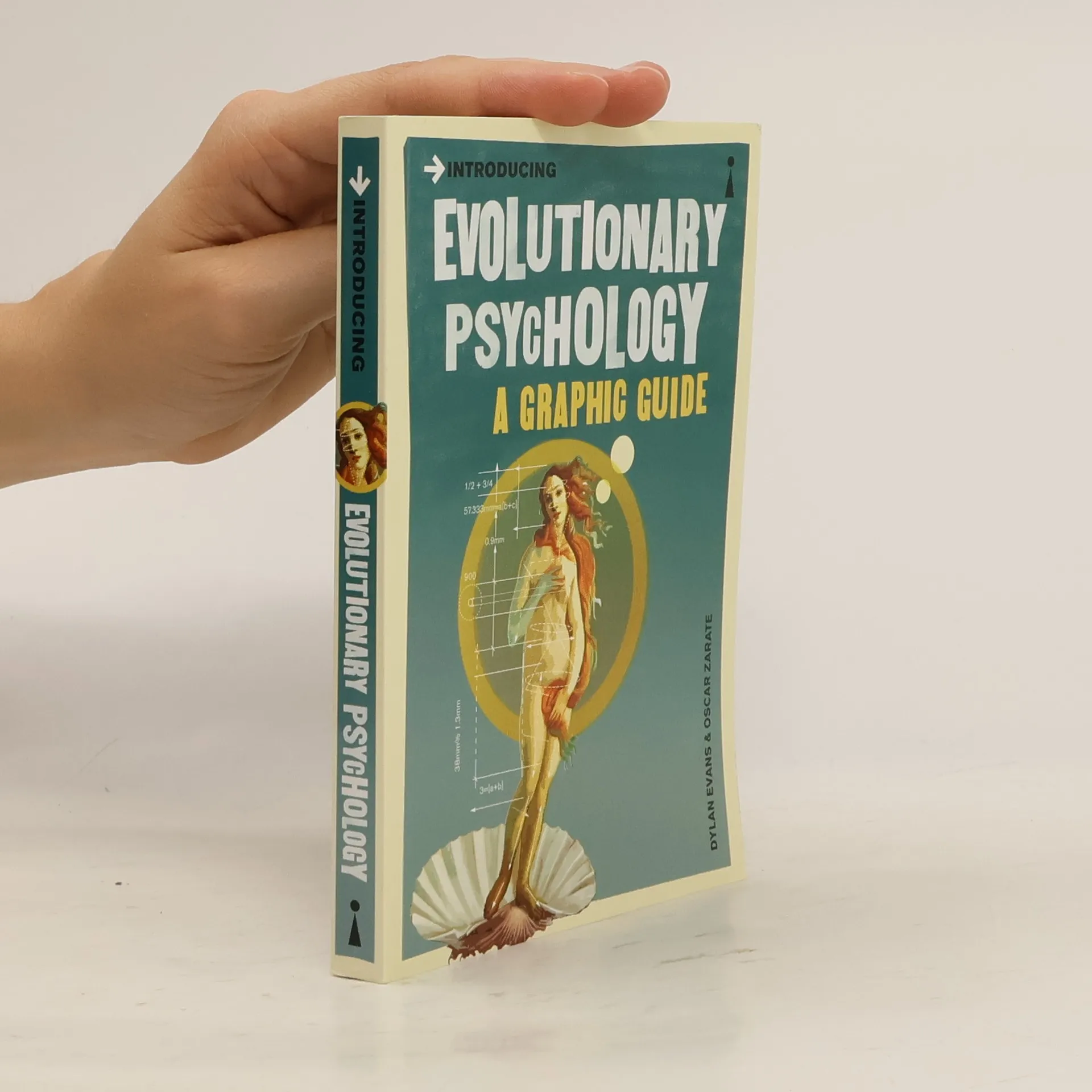
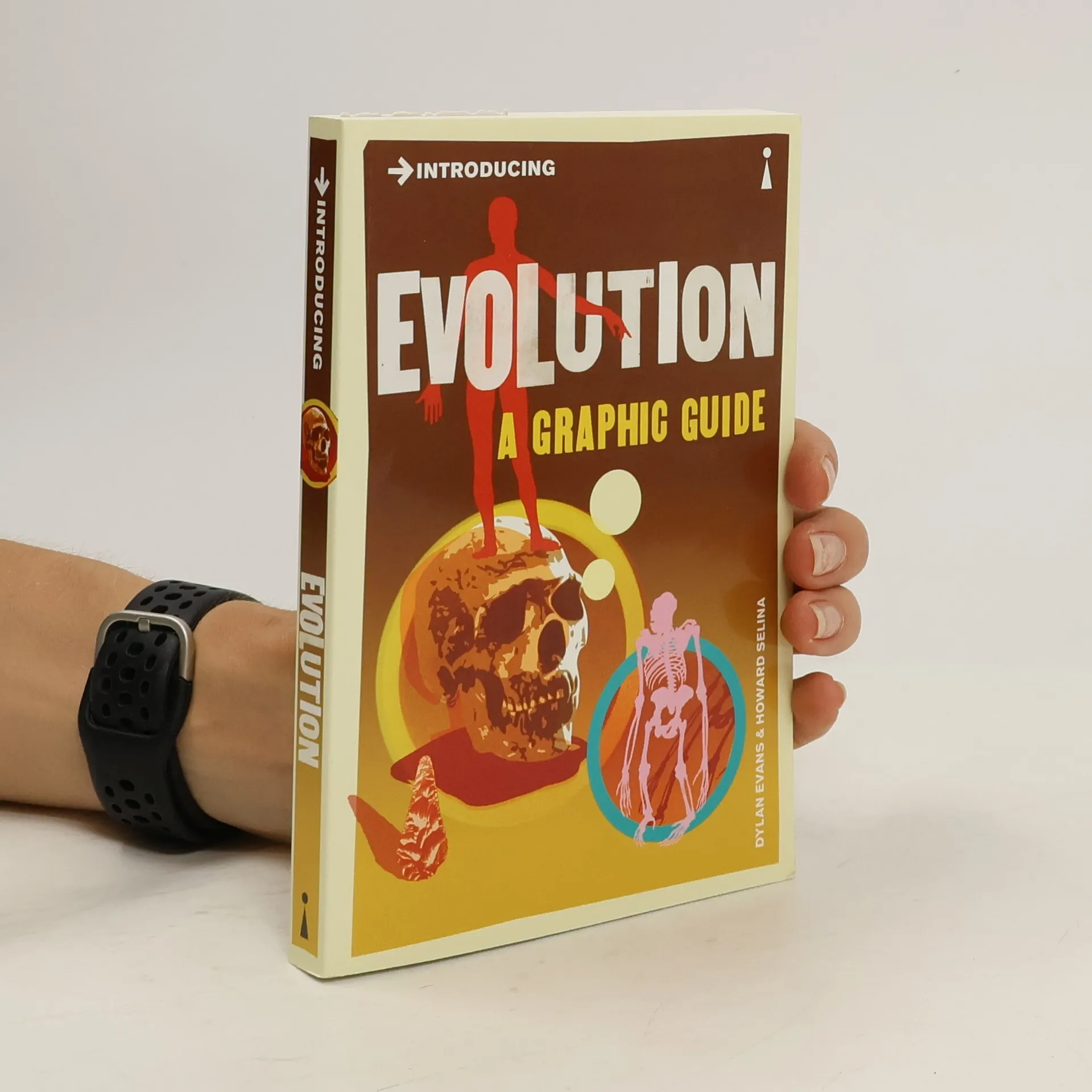
Introducing Evolution A Graphic Guide
- 176 stránek
- 7 hodin čtení
In 1859, Charles Darwin shocked the world with a radical theory - evolution by natural selection. One hundred and fifty years later, his theory still challenges some of our most precious beliefs. Introducing Evolution provides a step-by-step guide to 'Darwin's dangerous idea' and takes a fresh look at the often misunderstood concepts of natural selection and the selfish gene. Drawing on the latest findings from genetics, ecology and animal behaviour - as well as the work of best-selling science writers such as Richard Dawkins and Steven Pinker - a string of brilliant examples, superbly illustrated by Howard Selina, reveals how the evidence in favour of evolutionary theory is stronger than ever. With wit and clarity, Dylan Evans addresses many puzzling issues: Did life first evolve on other planets? What's the advantage of having sex? Why do your parents look after you? And what good to a bird is half a wing? From the death of the dinosaurs to the development of digital organisms, Introducing Evolution brings Darwin up-to-date with the latest scientific discoveries. This is the ideal guide to the most important idea ever to appear in the history of science
Introducing Evolutionary Psychology
- 176 stránek
- 7 hodin čtení
How did the mind evolve? How does the human mind differ from the minds of our ancestors, and from the minds of our nearest relatives, the apes? If our minds are built by selfish genes, why are we so cooperative? These questions are at the centre of a research programme called evolutionary psychology.
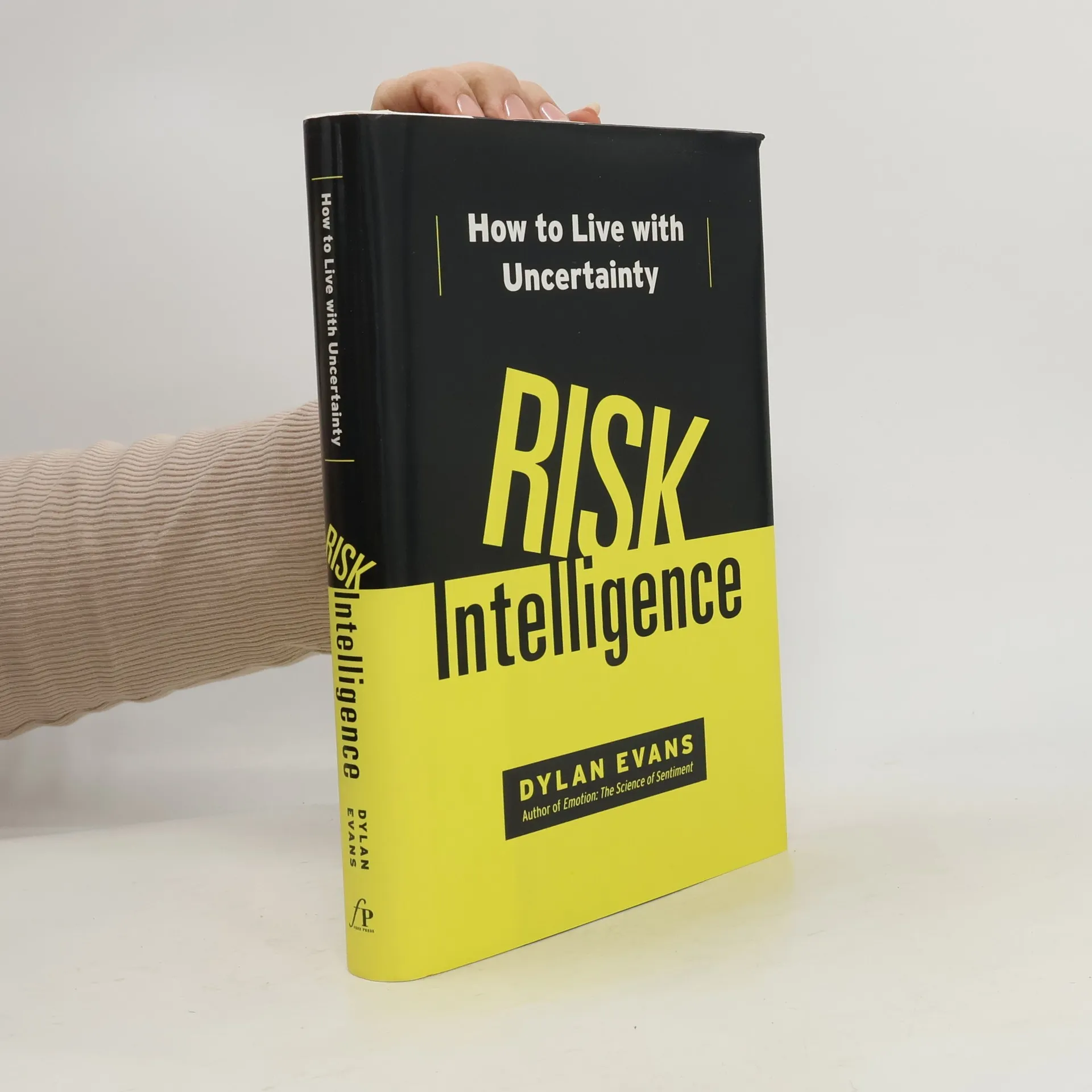
This groundbreaking work by leading researcher Dylan Evans explores a newly identified form of intelligence essential for assessing risks, known as risk intelligence. The book emphasizes the importance of this intelligence in our daily decision-making, from elective surgeries to financial advice and job offers. Evans introduces a simple test to measure risk intelligence, which garnered significant interest online, revealing that many people possess low risk intelligence compared to a select few with high RQs. Through a wealth of research findings, Evans highlights common cognitive errors that hinder our risk assessment abilities, such as ambiguity aversion, overconfidence, and the fallacy of mind reading. He illustrates how the presentation of information can mislead us, using real-life examples from horse racing to the financial crisis, demonstrating that even trusted experts can falter in risk evaluation. The book offers readers a revolutionary test to assess their own RQs and provides practical techniques to enhance their risk assessment skills. With engaging insights and transformative ideas, this work invites readers to improve their thinking and decision-making processes, ultimately enhancing their lives through better risk evaluation.
Emotion. The Science of Sentiment
- 220 stránek
- 8 hodin čtení
Was love invented by European poets in the middle ages, as C. S. Lewis claimed, or is it part of human nature? Will winning the lottery really make you happy? Is it possible to build robots that have feelings? These are just some of the intriguing questions explored in this new guide to thelatest thinking about emotions.Drawing on a wide range of scientific research, from anthropology and psychology to neuroscience and artificial intelligence, The Science of Sentiment takes the reader on a fascinating journey into the human heart. Illustrating his points with entertaining examples from fiction,film, and popular culture, Dylan Evans ranges from the evolution of emotions to the nature of love and happiness to the language of feelings, offering readers the most recent thinking on real life topics that touch us all.
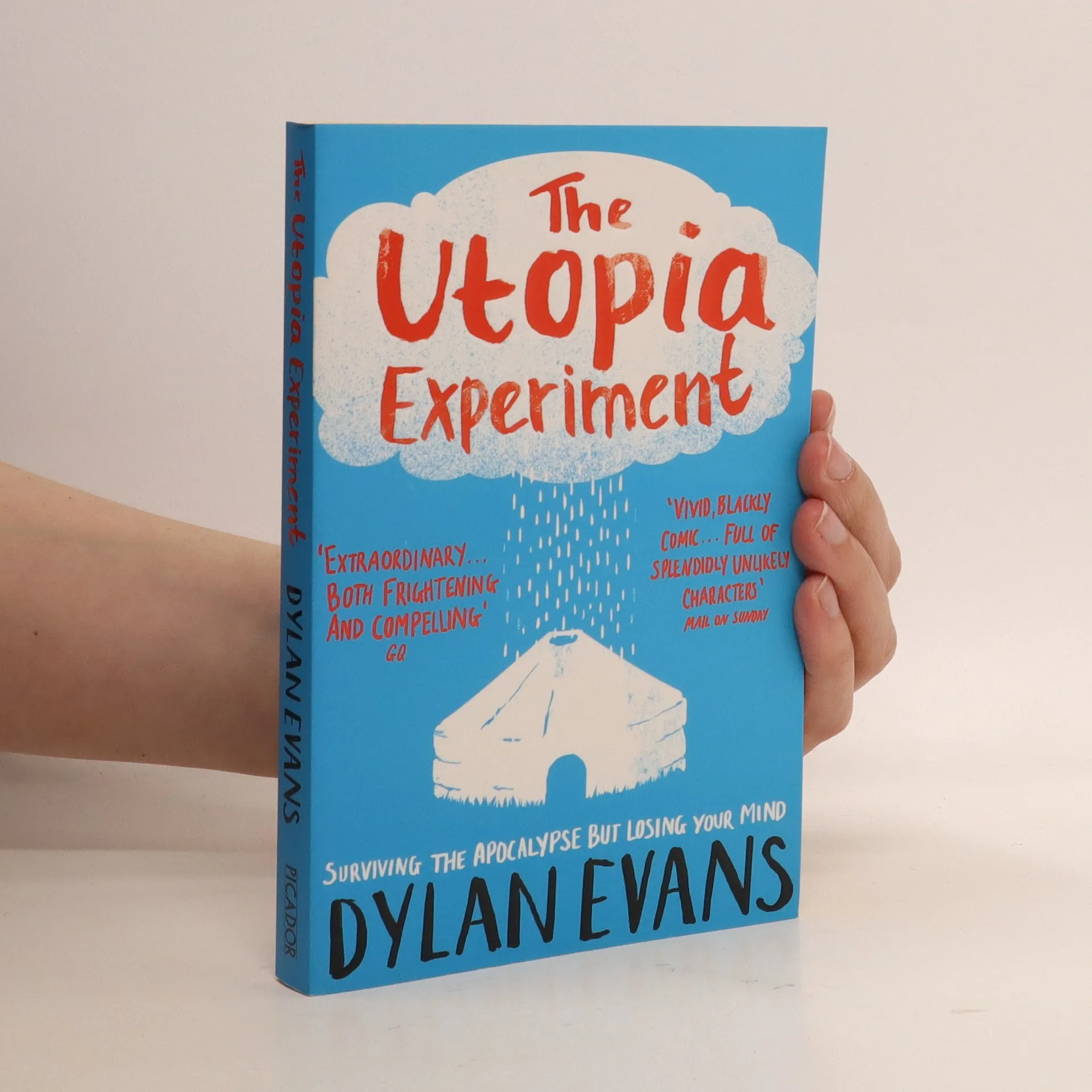
'Vivid, blackly comic . . . a thought-provoking tale, full of splendidly unlikely characters' Mail on Sunday
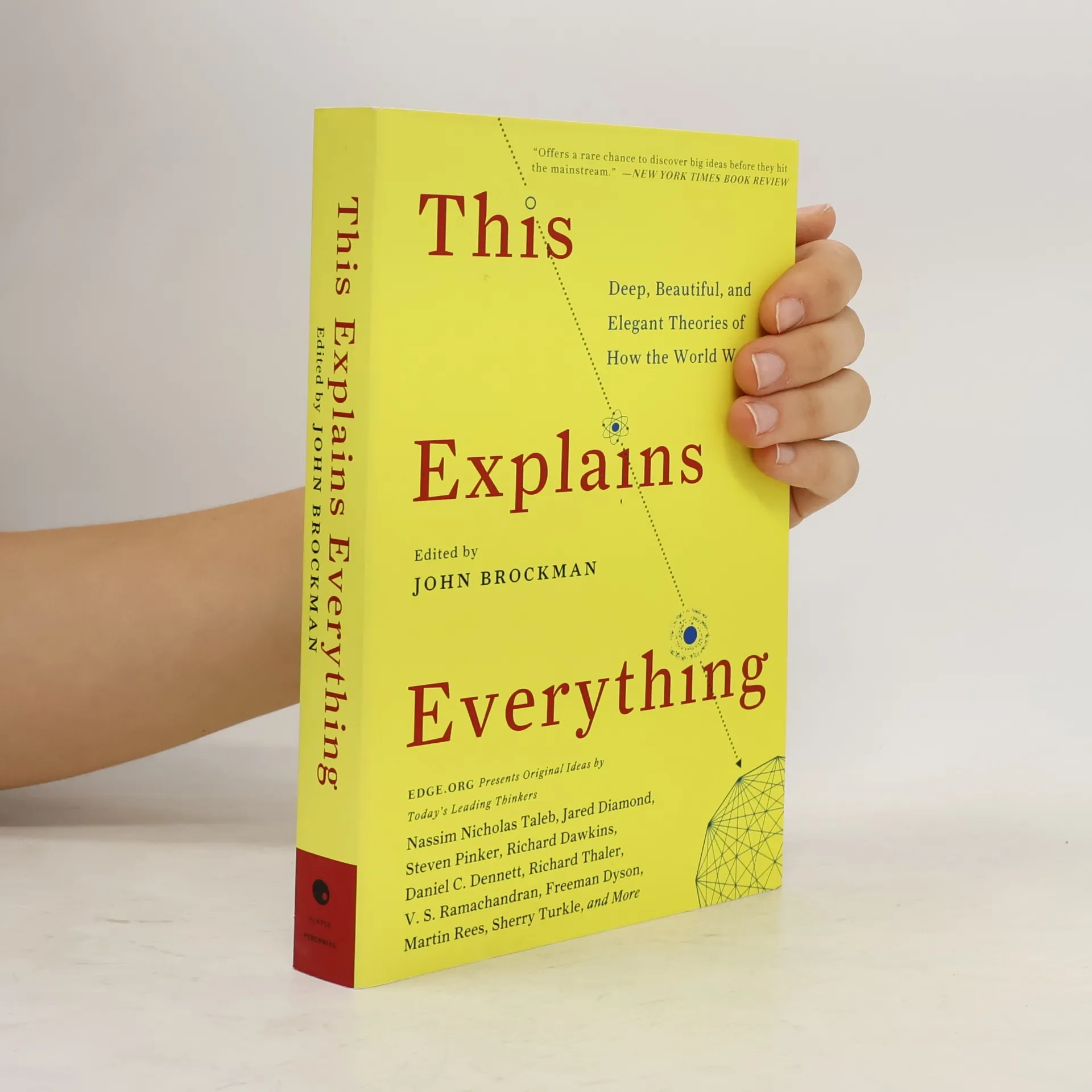
This explains everything : deep, beautiful, and elegant theories of how the world woks
- 432 stránek
- 16 hodin čtení
In This Explains Everything, John Brockman, founder and publisher of Edge.org, asked experts in numerous fields and disciplines to come up with their favorite explanations for everyday occurrences. Why do we recognize patterns? Is there such a thing as positive stress? Are we genetically programmed to be in conflict with each other? Those are just some of the 150 questions that the world's best scientific minds answer with elegant simplicity. With contributions from Jared Diamond, Richard Dawkins, Nassim Taleb, Brian Eno, Steven Pinker, and more, everything is explained in fun, uncomplicated terms that make the most complex concepts easy to comprehend.
Lebt der Neandertaler noch in uns? Das allmähliche Entstehen von Geist und Psyche: Wie hat sich unser Gehirn entwickelt? Wie unterscheidet es sich von dem unserer nächsten Verwandten, den Affen? Gibt es das Jäger-Gen bei den Männern, das Sammler-Gen bei den Frauen? Die räumliche Orientierung ist Männern angeboren, die Nestbauerorientierung den Frauen? Wieso gibt es überhaupt ein Sozialverhalten und nicht nur egoistische Gewalt? Wie also sind wir durch die vielen Jahrhunderttausende zum dem geworden, was wir heute sind? Anhand der Erkenntnisse aus Evolutionsbiologie, Soziobiologie und Kognitionspsychologie sowie den Informationen aus Anthropologie, Archäologie und Primatenforschung macht sich die Evolutionspsychologie an eine erste umfassende wissenschaftliche Beschreibung des Menschen. Dieser Band aus der Reihe Infocomics ist eine perfekte Einführung in dieses spannende Forschungsgebiet.
Wörterbuch der Lacan'schen Psychoanalyse
- 353 stránek
- 13 hodin čtení
Das Standardlexikon zur Orientierung im Werk Lacans. Lacan’sche Begriffe haben in verschiedenen Theoriebereichen einen großen Anwendungswert bewiesen, obwohl sein Werk nur schwer zu lesen und erst teilweise publiziert ist. Die 175 Stichworte dieses Wörterbuchs führen zu den wesentlichen Strukturen des Lacan’schen Denkens und erläutern die historischen und psychoanalytischen Wege von Freud zu Lacan. Mit Grafiken und Übersichten – z. B. zur Reihe des »Seminars«, zur Lacan’schen Algebra, Topologie usw. – bietet Dylan Evans’ Wörterbuch wertvolle Werkzeuge an. Es ist ein verlässlicher Leitfaden für die Anwendung Lacan’scher Ansätze in den Human- und Kulturwissenschaften. Lacans »Rückkehr zu Freud« und seine Neufassungen der Freud’schen Termini werden in den historischen und institutionellen Kontext gestellt. Ebenso werden seine Bezugnahmen auf Saussure und die Philosophen von Platon über Hegel bis Heidegger erörtert. Eine kurze Chronologie zu Jacques Lacans Leben und Werk rundet das Bild ab.
RQ
- 320 stránek
- 12 hodin čtení
Jeden Tag müssen wir wichtige Entscheidungen fällen, auch wenn wir ihre Tragweite nicht abschätzen können. Welcher Job bietet mir die größten Karrierechancen? Sind die Anlagetipps meines Finanzberaters vertrauenswürdig? Soll ich mich der von meinem Arzt angeratenen Operation wirklich unterziehen? Es gibt eine spezielle Intelligenz zum Abwägen von Risiken und Chancen: Risikointelligenz ist die Fähigkeit, Wahrscheinlichkeiten möglichst genau einzuschätzen – vorsichtig zu sein, wenn wir uns kaum auskennen, und selbstsicher zu handeln, wenn wir bestens Bescheid wissen. Der britische Psychologe Dylan Evans zeigt anhand sehr anschaulicher Beispiele aus der Alltags- und Berufswelt, wie man in unklaren Situationen mit einer hohen Trefferquote auf das richtige Pferd setzt. Und er erklärt, wie wir ein sicheres Gespür für richtige Entscheidungen entwickeln und unsere Risikointelligenz trainieren können.