With all the keen literary intelligence familiar from The New York Trilogy or
Sunset Park, Paul Auster crafts an intensely intimate work from a ground-
breaking combination of introspection, meditation and biography.
From the author of "The Enchantment of Lily Dahl" comes a powerful and heartbreaking novel that chronicles the epic story of two families, two sons, and two marriages.
Poet and student Adam Walker meets the enigmatic Frenchman Rudolf Born and his silent, seductive girlfriend, Margot, sending Adam into a perverse triangle that leads to a shocking act of violence that will alter his life.
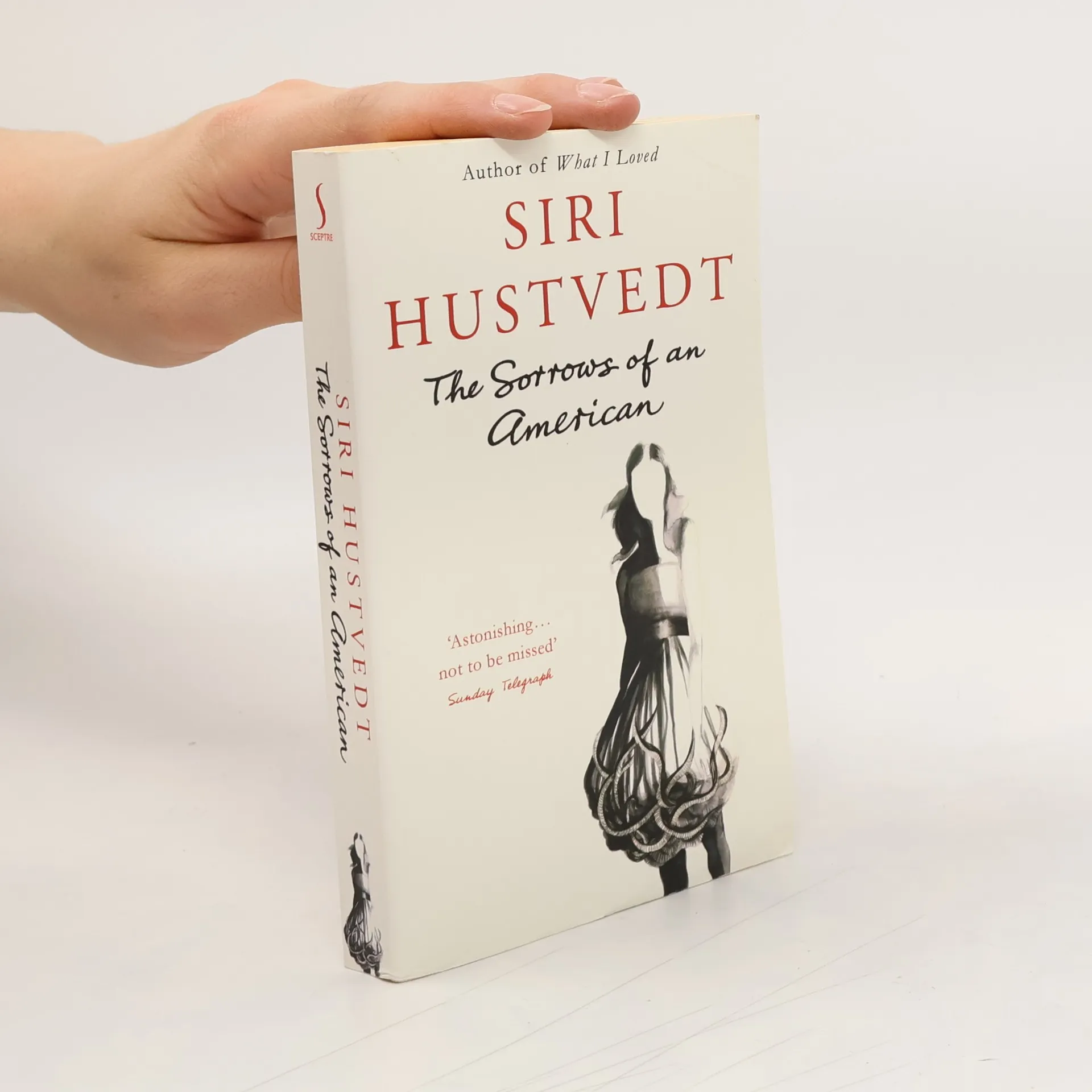
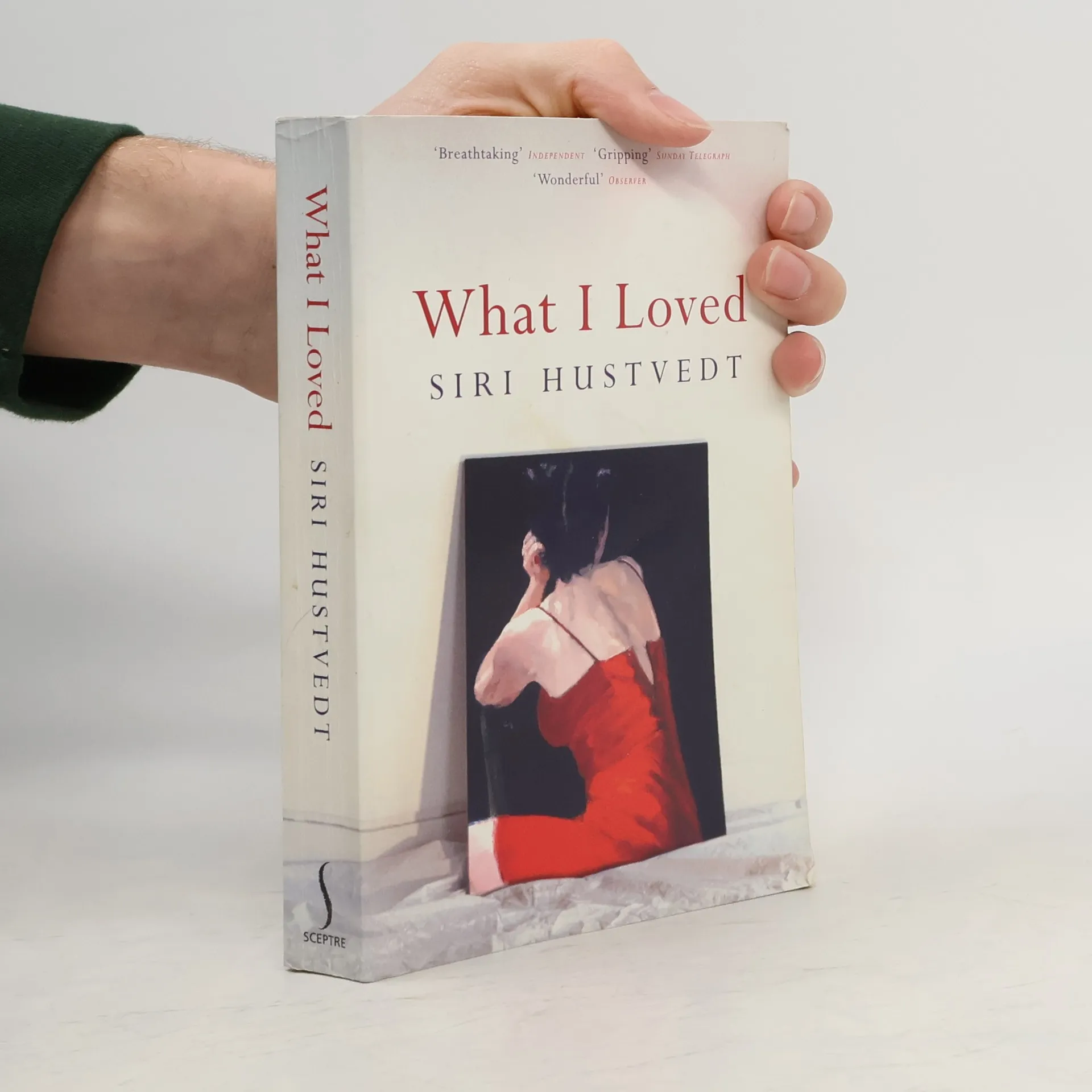
The dazzling new novel by the author of the international bestseller, WHAT I LOVED, about the secrets and ghosts that haunt families from one generation to the next
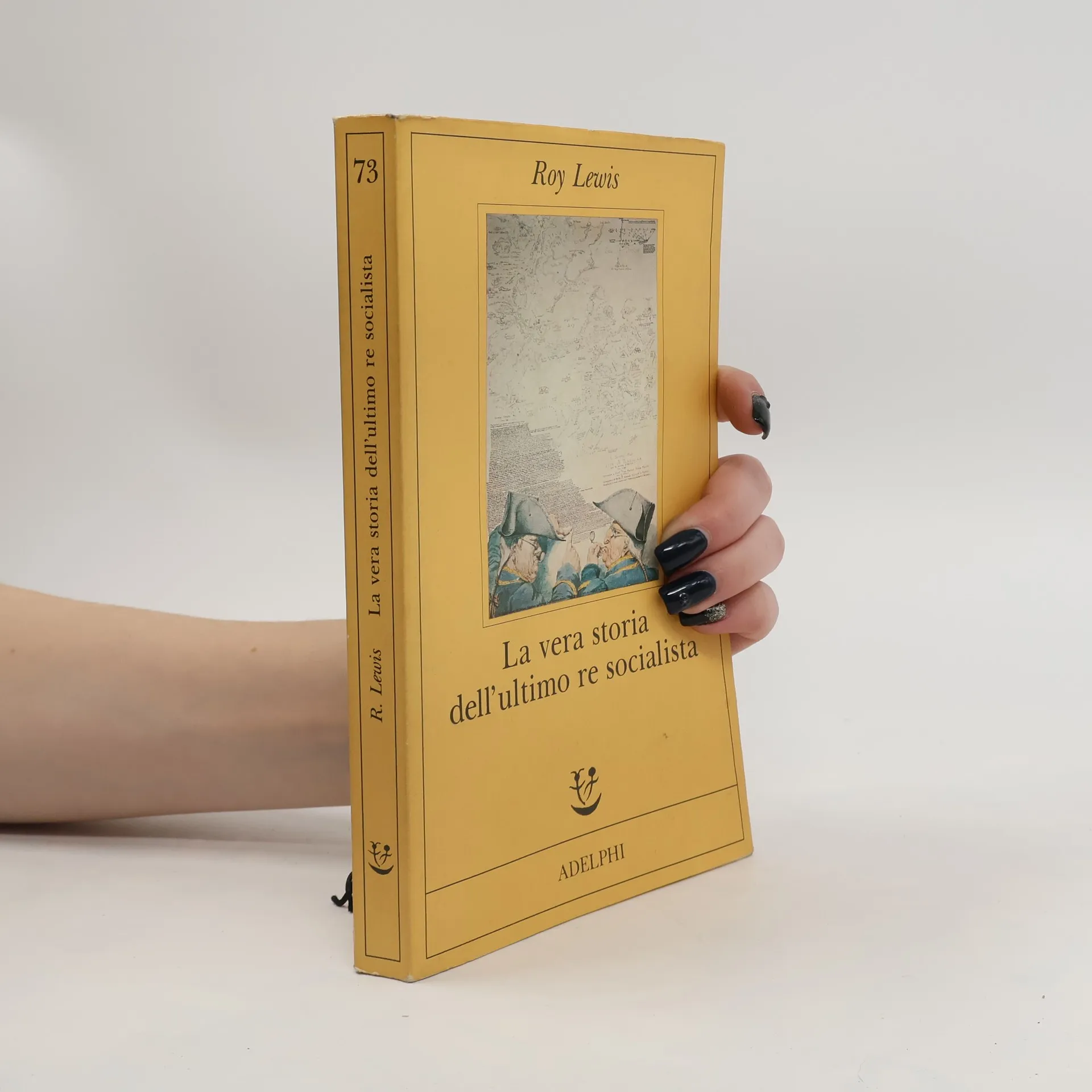
«E se le cose fossero andate in un altro modo?». Domande che chiunque si pone quando riflette sulla Storia. Roy Lewis esplora questa tematica in un romanzo, utilizzando lo stesso approccio vivace e illuminante che ha caratterizzato il suo lavoro sulla preistoria. Immagina un supercomputer che elabora la vittoria del socialismo anziché del capitalismo nella rivoluzione del 1848 in Europa. Il risultato è un racconto in cui la regina Vittoria abdica nel 1849 a causa della rivolta dei cartisti. Si instaura un regime socialista che, pur mantenendo la monarchia, si concentra su lavoro e uguaglianza. Tuttavia, questo socialismo bucolico si rivela un lento disastro, poiché non riesce a gestire l'impatto della tecnologia, che altera continuamente i rapporti sociali. I socialisti, incapaci di adattarsi, preparano così il terreno per una nuova rivoluzione. Ma cosa accade quando l'«ultimo re socialista» diventa complice di questa rivolta? La sua storia, narrata da lui stesso, è indimenticabile: un sovrano gentile e amabile, che avrebbe preferito insegnare matematica, si trova a guidare una controrivoluzione per rovesciare il proprio regime, esautorando se stesso. La vera storia dell'ultimo re socialista è stata pubblicata in Inghilterra nel 1990.
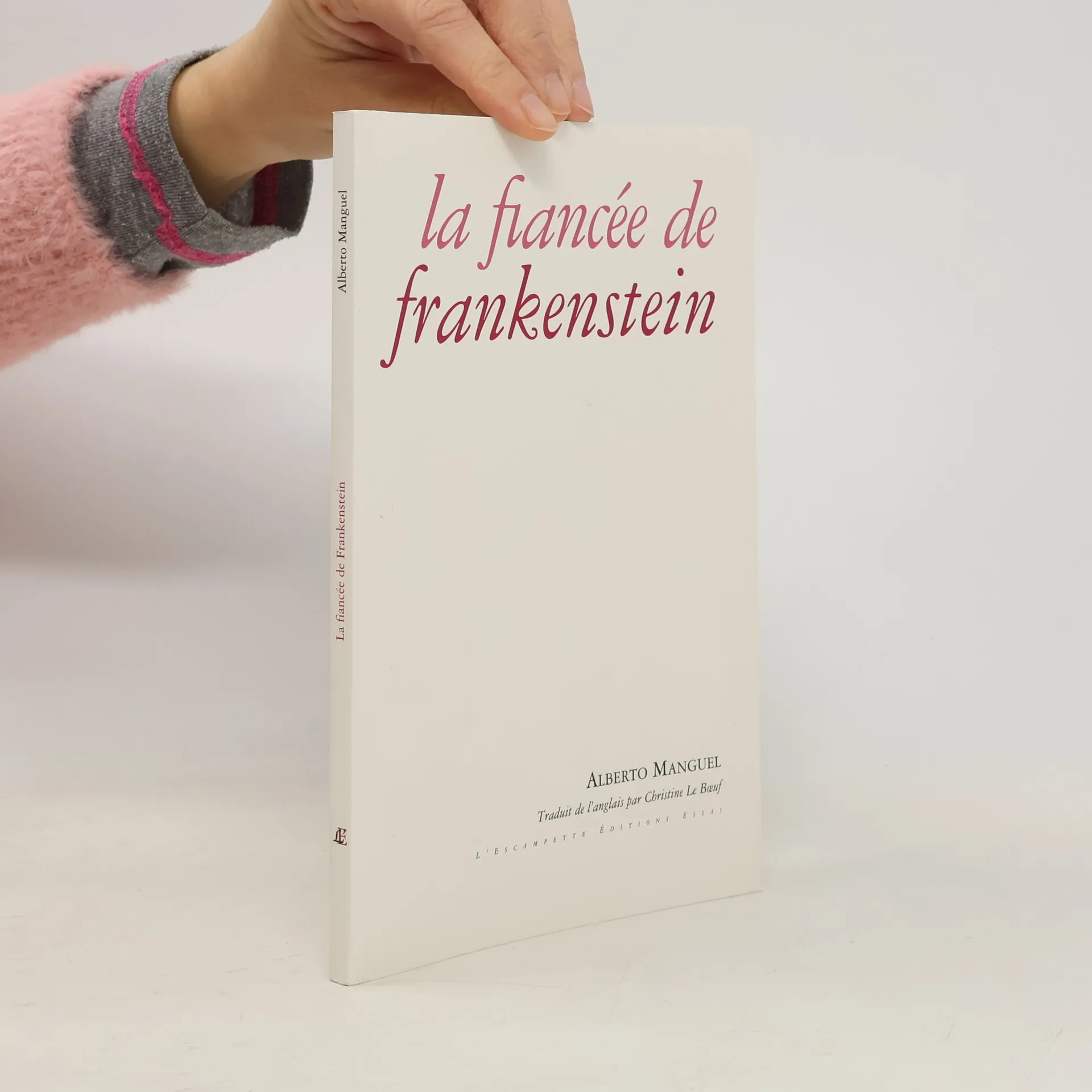
En première lecture, ce livre est un essai sur le film de James Whale (1935), ses origines (le célèbre roman de Mary Shelley), l'écriture de son scénario, le choix de ses acteurs, la relation avec la censure, etc. Mais, plus profondément, c'est un essai sur la création, sur les relations du créateur avec sa création, sur la prédominance de l'acte de création sur tout autres considérations philosophiques, religieuses ou morales. C'est aussi un essai sur le mal, sur la tentation de puissance, sur le vertige des interdits. A sa première apparition, le visage du monstre est présenté par Manguel comme l'une des icônes de notre temps, au même titre que le visage de Greta Garbo... Cela fait partie des nombreuses réussites de ce livre provoquées par ces rapprochements inattendus où nous entraînent l'intelligence et la culture de Manguel. La comparaison, du point de vue de la création pure, entre la Fiancée créée par Frankenstein et la Mariée mise à nu par ses célibataires créée par Duchamp est un grand moment d'analyse et de jubilation ! Enfin, et d'une façon assez classique dans la littérature et le cinéma fantastiques, la monstruosité n'est peut-être pas là où on le penserait. Le monstre n'aspire qu'à une harmonie que la société des hommes " normaux " lui refuse. L'instant de bonheur que connaît le monstre en compagnie d'un vieillard aveugle est une scène magnifiquement décrite...
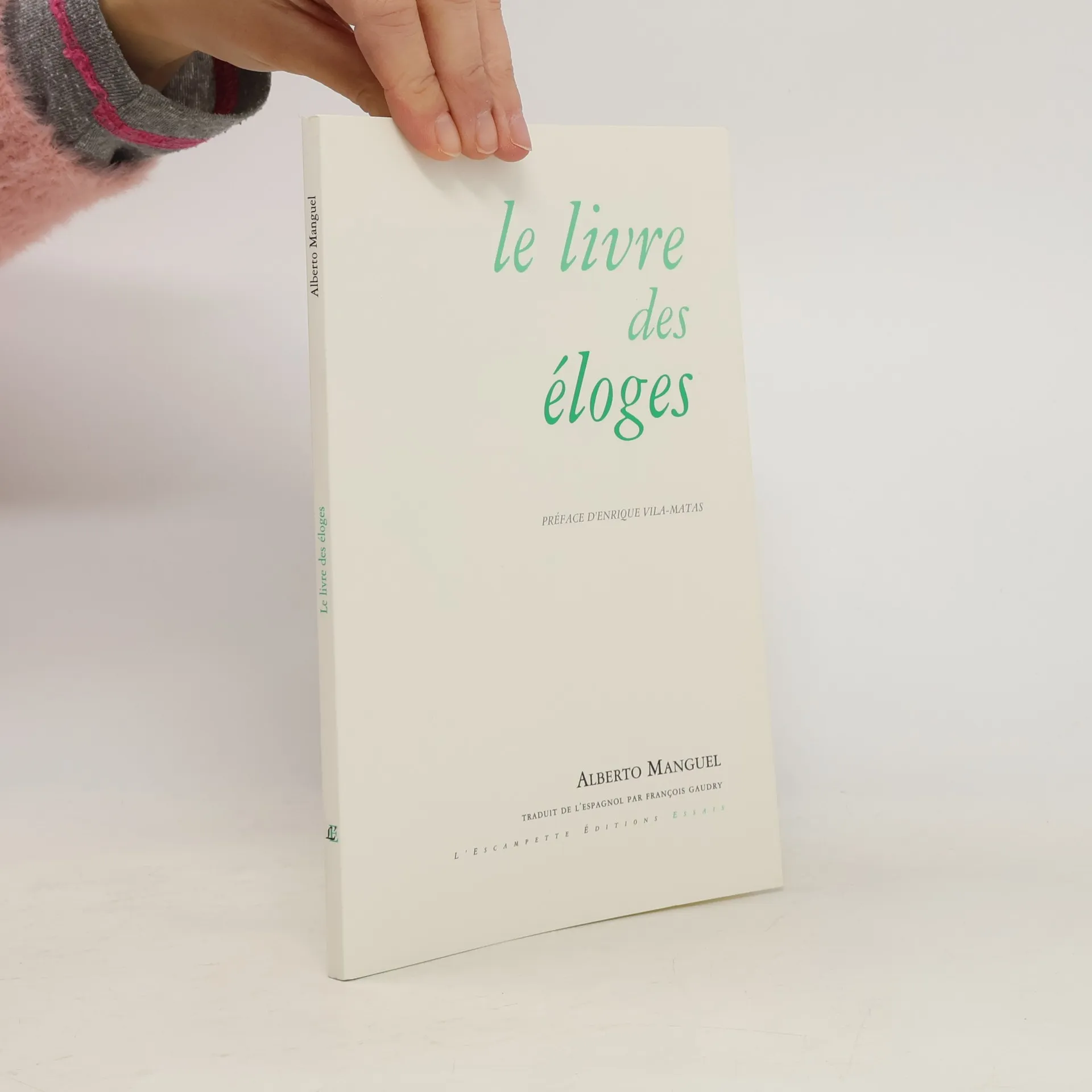
Série d'éloges qui sont autant de variations sur les sujets les plus variés : la Bible, la librairie, l'horreur, le plaisir, les animaux, le blasphème ou la France.
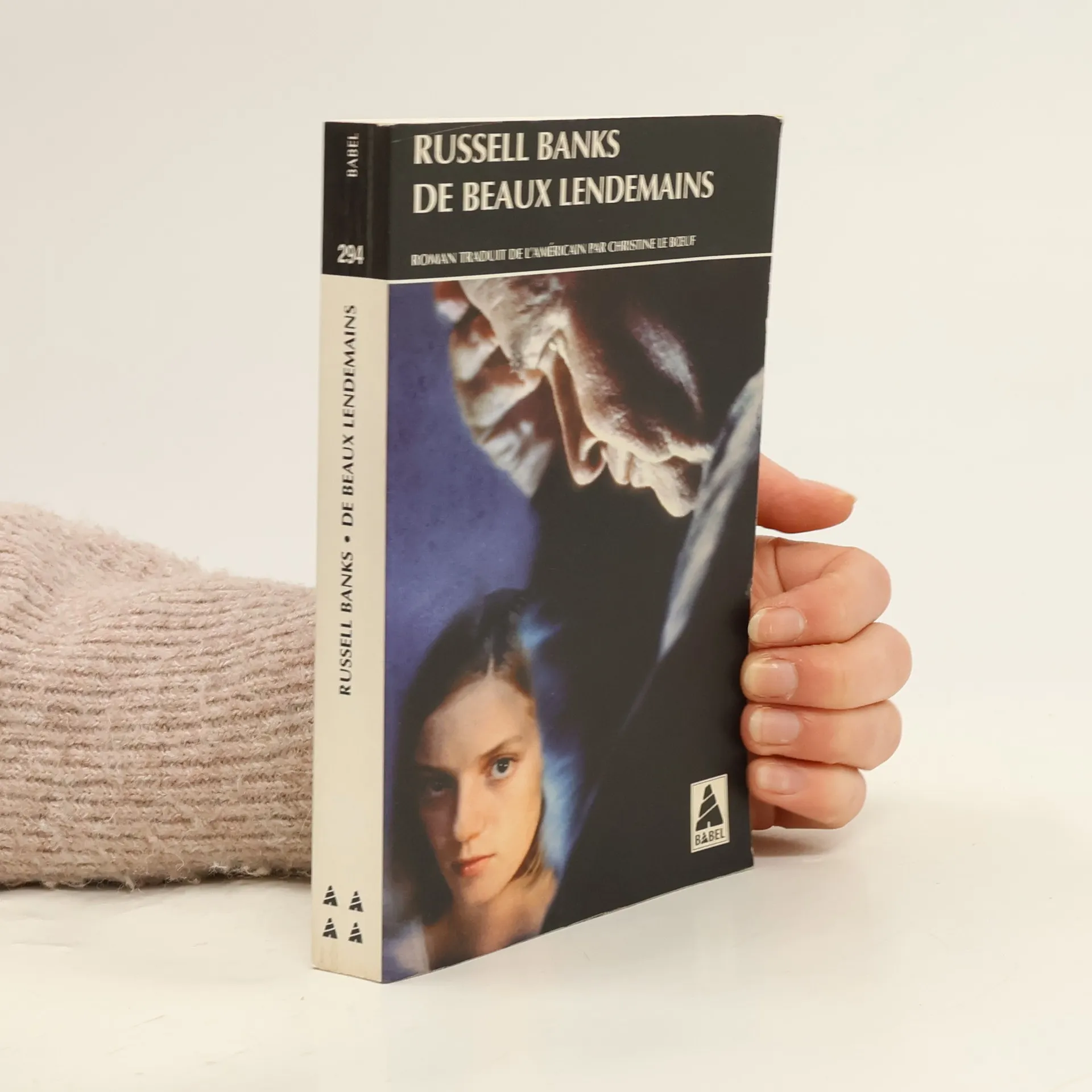
L'existence d'une bourgade au nord de l'Etat de New York a été bouleversée par l'accident d'un bus de ramassage scolaire, dans lequel ont péri de nombreux enfants du lieu. Les réactions de la petite communauté sont rapportées par les récits de quatre acteurs principaux. Il y a d'abord Dolorès Driscoll, la conductrice du bus scolaire accidenté, femme solide et généreuse, choquée par cette catastrophe. Vient Billy Ansel, le père inconsolable de deux des enfants morts. Ensuite, Mitchell Stephens, un avocat new-yorkais poursuivant avec une hargne passionnée les éventuels responsables de l'accident. Et enfin Nicole Burnell, adolescente promise à tous les succès, qui a perdu l'usage de ses jambes et découvre ses parents grâce à une lucidité chèrement payée. Ces quatre voix font connaître les habitants du village, leur douleur, et ressassent la question lancinante - qui est responsable ? - avec cette étonnante capacité qu'a Russell Banks de se mettre intimement dans la peau de ses personnages.
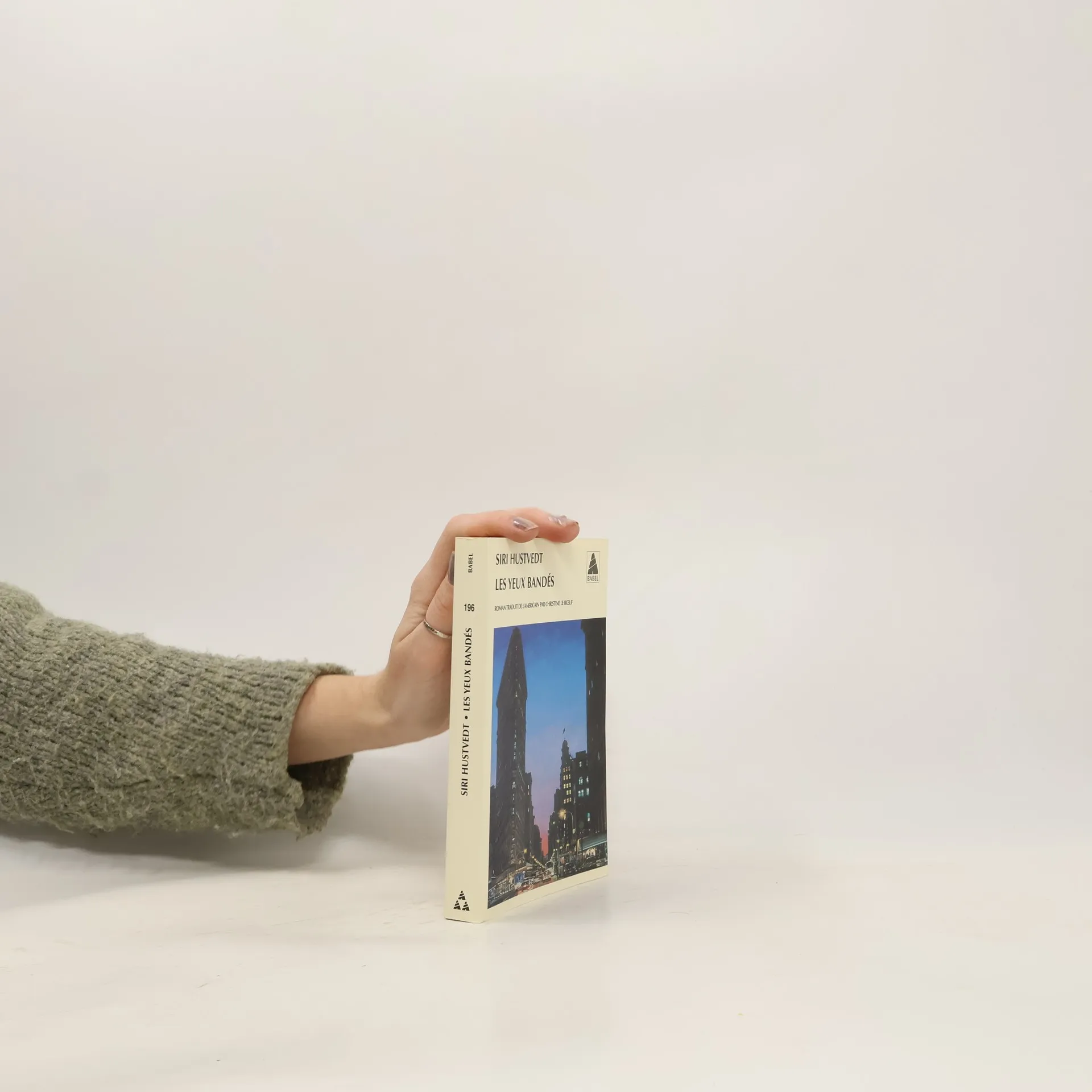
"Pour moi, Klaus demeurait un jeune homme, en dépit du fait que les gens qui me connaissaient sous ce nom ne me prenaient jamais pour un garçon. Le fossé entre ce que j’étais bien obligée d’admettre devant les autres — à savoir : que j’étais une femme — et mes rêves intérieurs ne me dérangeait pas. En devenant Klaus la nuit, j’avais effectivement brouillé mon genre. Le costume, mon crâne tondu et mon visage nu modifiaient la perception que les gens avaient de moi, et à travers leurs yeux je changeais de personnalité. Jusqu’à ma façon de parler changeait quand j’étais Klaus." Entre ombre et lumière, entre nuit et jour, dans la ville superlative, New York — elle-même personnage à part entière de ces récits —, Iris Vegan, la narratrice, fait l’expérience d’étranges rencontres et de singulières transformations de sa propre identité. Polyptyque à quatre volets, Les Yeux bandés a marqué, lors de sa publication en 1993, l’entrée en littérature d’un talent subtil et incontestable, celui de Siri Hustvedt.