
Knihobot

Neil Postman

    8. březen 1931 – 5. říjen 2003

    Neil Postman byl americký vychovatel, mediální teoretik a kulturní kritik, který se proslavil svým varováním před vlivem masmédií. Ve své práci zkoumal, jak televize a další formy komunikace zjednodušují vážné myšlenky a podkopávají seriózní diskurs tím, že je proměňují v zábavu. Postman zdůrazňoval, že interaktivní přístup je pro skutečné učení nezbytný, nikoli pouze pasivní příjem informací shora dolů. Jeho analýzy nadále nabízejí kritický pohled na vztah mezi informacemi a lidskou reakcí.

    Neil Postman
    Building a Bridge to the 18th Century
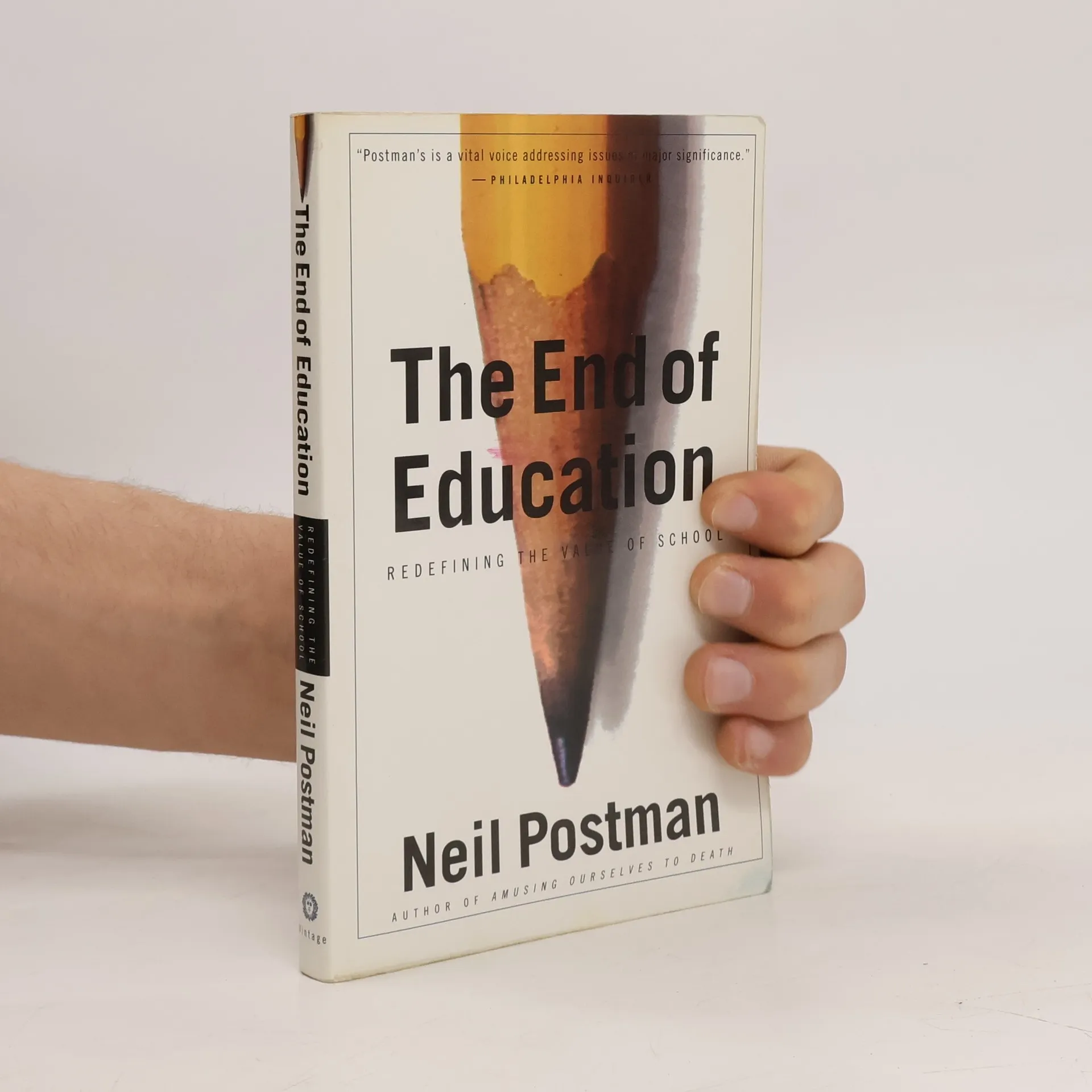
    The End of Education: Redefining the Value of School
    Technopoly
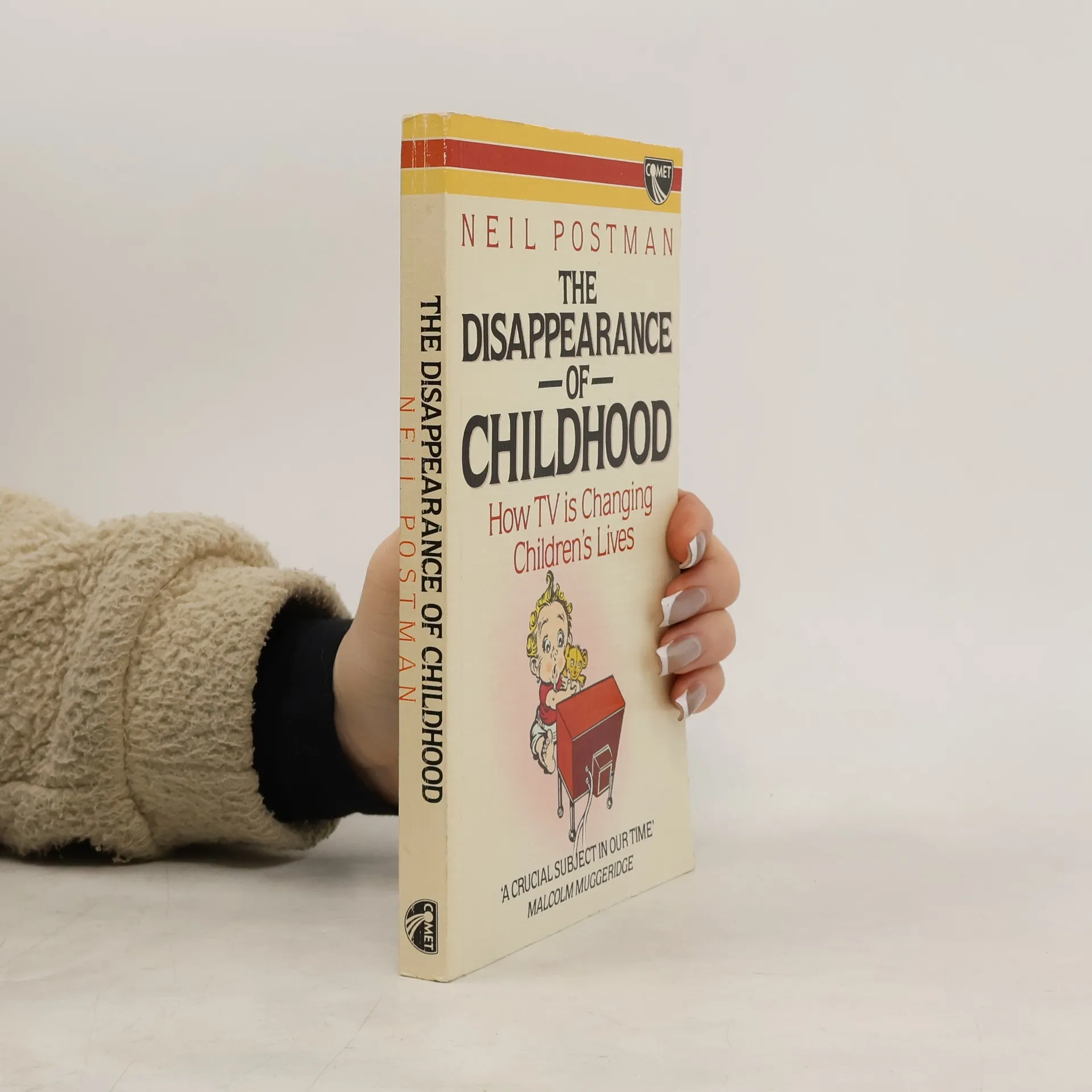
    The Disappearance of Childhood
    Teaching as a Subversive Activity
    Ubavit se k smrti: Veřejná komunikace ve věku zábavy
    • 2008

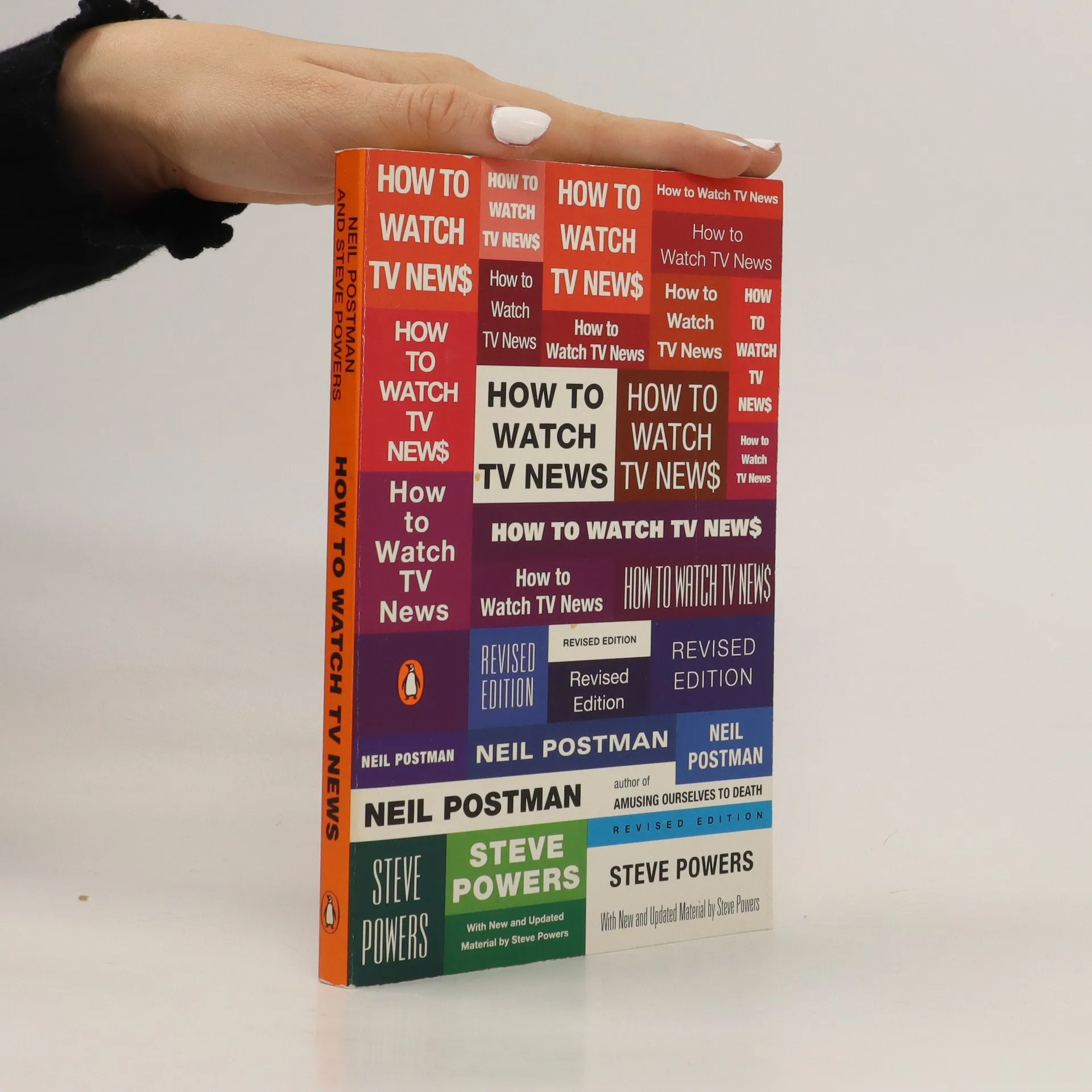
      How to watch TV news

      • 178 stránek
      • 7 hodin čtení
      3,7(96)Ohodnotit

      A scathing and prescient look at television news' now updated for the new tech-savvy generation Television news : genuine information or entertainment fodder? Fifteen years ago, Neil Postman, a pioneer in media education and author of the bestselling Amusing Ourselves to Death, and Steve Powers, an award-winning broadcast journalist, concluded that anyone who relies exclusively on their television for accurate world news is making a big mistake. A cash cow laden with money from advertisers, so-called news shows glut viewers with celebrity coverage at the cost of things they really should know. Today, this message is still appallingly true but the problems have multiplied, along with the power of the Internet and the abundance of cable channels. A must-read for anyone concerned with the way media is manipulating our worldview, this newly revised edition addresses the evolving technology and devolving quality of America's television news programming.

      How to watch TV news
    • 2000

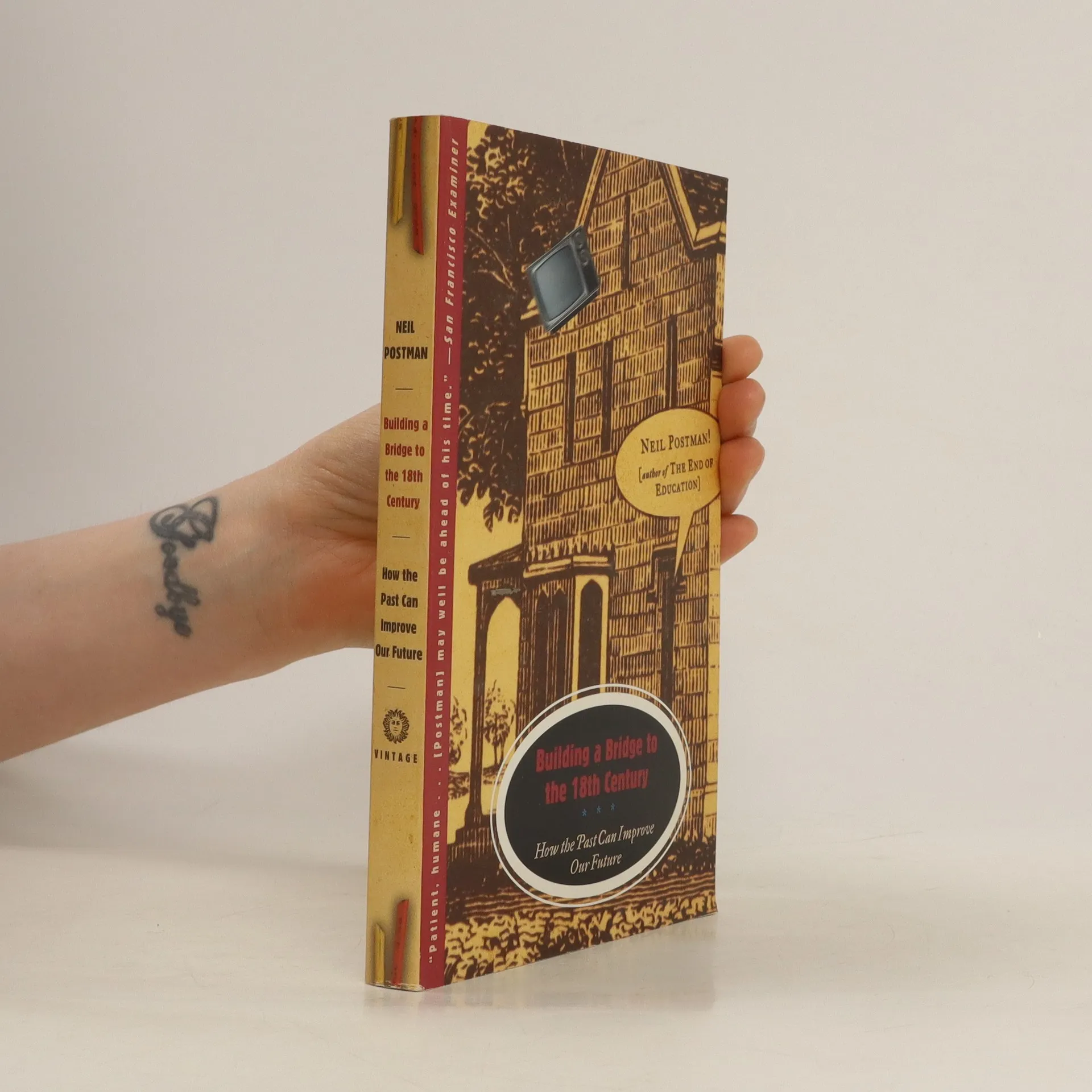
      Building a Bridge to the 18th Century

      • 224 stránek
      • 8 hodin čtení
      3,9(529)Ohodnotit

      In Building a Bridge to the 18th Century, acclaimed cultural critic Neil Postman offers a cure for the hysteria and hazy values of the postmodern world. Postman shows us how to reclaim that balance between mind and machine in a dazzling celebration of the accomplishments of the Enlightenment-from Jefferson's representative democracy to Locke's deductive reasoning to Rousseau's demand that the care and edification of children be considered an investment in our collective future. Here, too, is the bold assertion that Truth is invulnerable to fashion or the passing of time. Provocative and brilliantly argued, Building a Bridge to the 18th Century illuminates a navigable path through the Information Age-a byway whose signposts, it turns out, were there all along.

      Building a Bridge to the 18th Century
    • 1999

      In bekannter Radikalität definiert der Medienkritiker die großen vor uns liegenden Herausforderungen. Seine Themen sind Fortschritt, Technologie, Sprache, Information, Demokratie und Erziehung. Er hinterfragt die modernen Technologien wie Internet, interaktives Fernsehen, virtuelle Realität: "Was ist das Problem, für das diese Technologie die Lösung bietet?"§Für Postman liegt die Antwort in den Erkenntnissen des Zeitalters der Aufklärung. Postmans frühere Analysen sind durch die modernen Industriegesellschaften ausnahmslos bestätigt worden - auch in diesem Buch liefert er Handlungsmodelle, die sich im 21. Jahrhundert als fruchtbar erweisen könnten.

      Die zweite Aufklärung
    • 1998

      „Mein Zugang zur Erziehung ist geprägt von der Erfahrung, dass die Menschen einander extrem gefährlich werden, wenn sie ihre rationalen Kräfte preisgeben. Auf diese Einsicht ist alles, was ich geschrieben, oder alles, über das ich gesprochen habe, zurückzuführen. Nichts fürchte ich mehr, als wenn die Menschen ihre Vernunft aufgeben. Aber mein Glaube ist es, dass wir in der Schule die Möglichkeit haben, jungen Menschen zu helfen, die Fähigkeit zu entwickeln, vernünftig zu denken. Wenn das dort nicht geleistet wird, wird es in den meisten Fällen überhaupt nicht getan. Ohne einen transzendenten Sinn wird das Schulwesen jedoch bald zu Ende sein, und je schneller wir diesen finden, desto besser. Mit solch einem Sinn wird die Schule eine zentrale Institution sein, durch die junge Menschen lernen können, sich über ihre Schulzeit hinaus selbst zu erziehen.“ Neil Postman

      Der Autrag der Schule heute
    • 1995

      Postman suggests that the current crisis in our educational system derives from its failure to supply students with a translucent, unifying "narrative" like those that inspired earlier generations. Instead, today's schools promote the false "gods" of economic utility, consumerism, or ethnic separatism and resentment. What alternative strategies can we use to instill our children with a sense of global citizenship, healthy intellectual skepticism, respect of America's traditions, and appreciation of its diversity? In answering this question, The End of Education restores meaning and common sense to the arena in which they are most urgently needed."Informal and clear...Postman's ideas about education are appealingly fresh."--New York Times Book Review

      The End of Education: Redefining the Value of School
    • 1992

      Technopoly

      The Surrender of Culture to Technology

      • 222 stránek
      • 8 hodin čtení
      4,0(4275)Ohodnotit

      From a renowned social critic, an intriguing look at how high technology is changing our society and culture, and what this means for our future. Postman suggests ways in which a true democracy can use its technical skills not to control but to enhance human endeavor and preserve freedom and individuality.

      Technopoly
    • 1992

      Technopol" to przede wszystkim książka opowiadająca się za ludzką autonomią, wolnością i twórczością. Błyskotliwy pamflet nie tyle na technikę, ile na stechnicyzowanych ludzi owładniętych ideą, że środki techniczne mogą ich wyręczyć w myśleniu i działaniu.

      Technopol
    • 1988

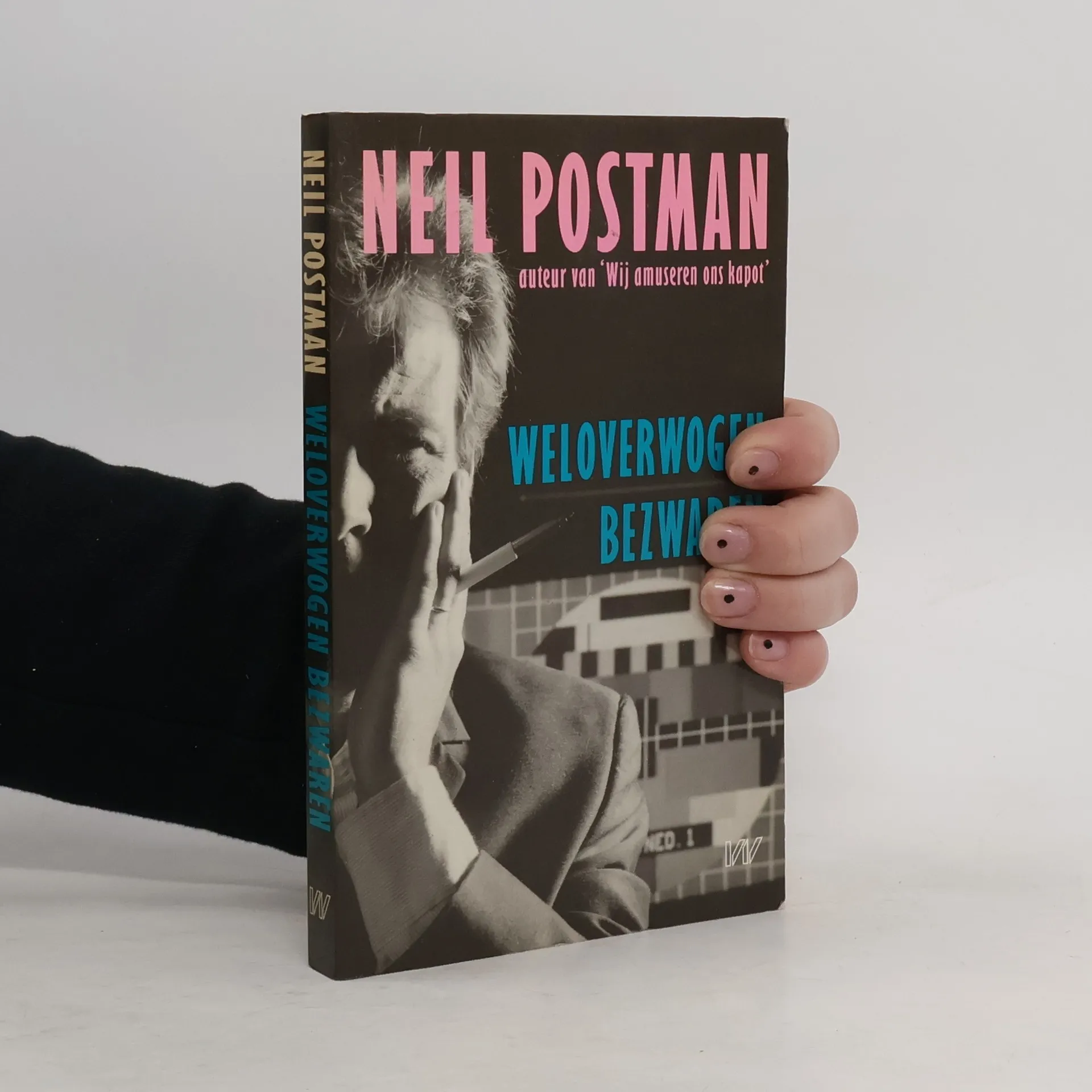
      Weloverwogen bezwaren

      Tegendraadse beschouwingen over taal, technologie en onderwijs

      • 173 stránek
      • 7 hodin čtení
      Weloverwogen bezwaren
    • 1988

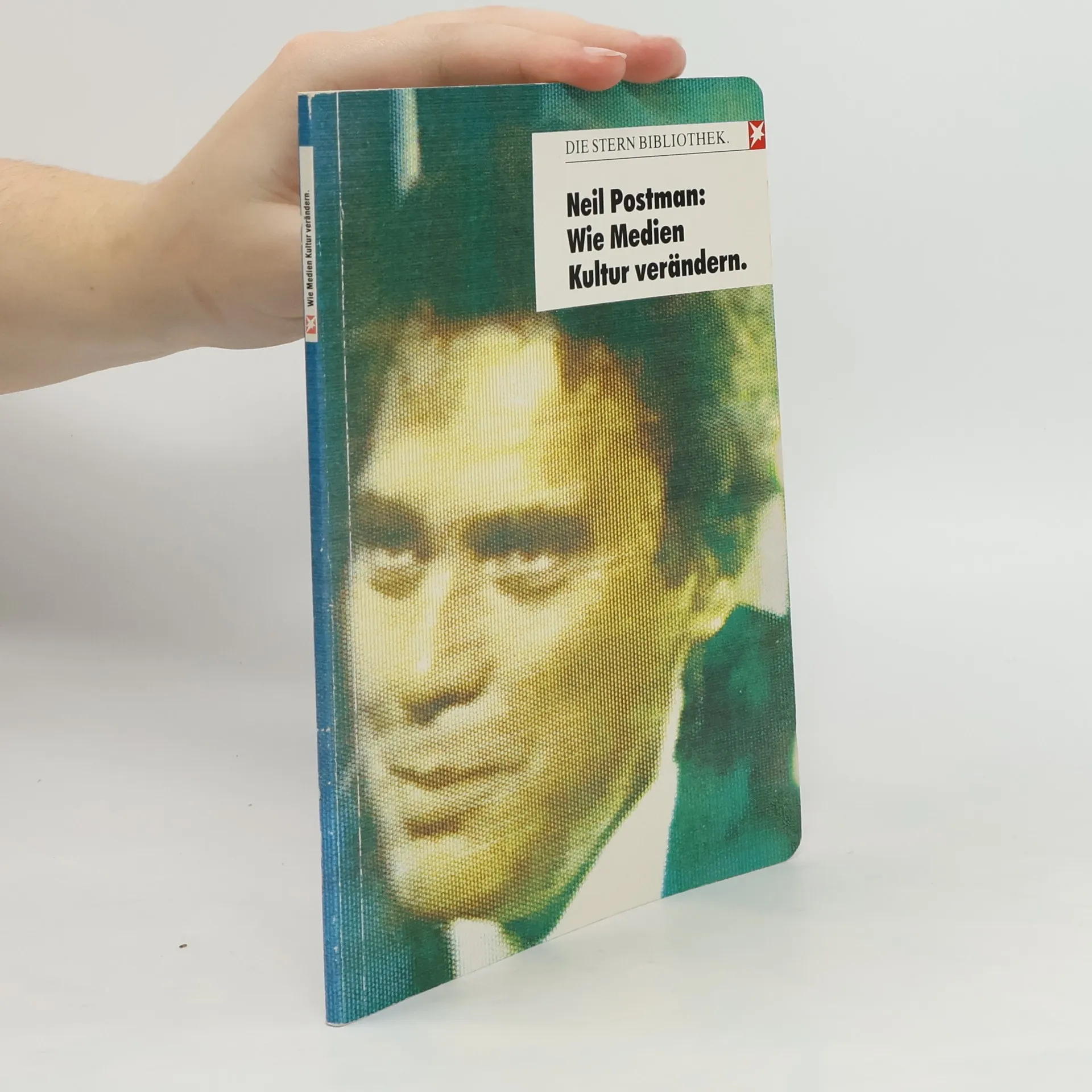
      Es ist klar, dass die Ingenieure und nicht die Poeten die heimlichen Gesetzgeber unserer Zeit sind. aber ohne das Gegengewicht einer starken Opposition ist die Tyrannei der Technik unausweichlich ..

      Die Verweigerung der Hörigkeit