Knihobot

Yves Bonnefoy

    24. červen 1923 – 1. červenec 2016

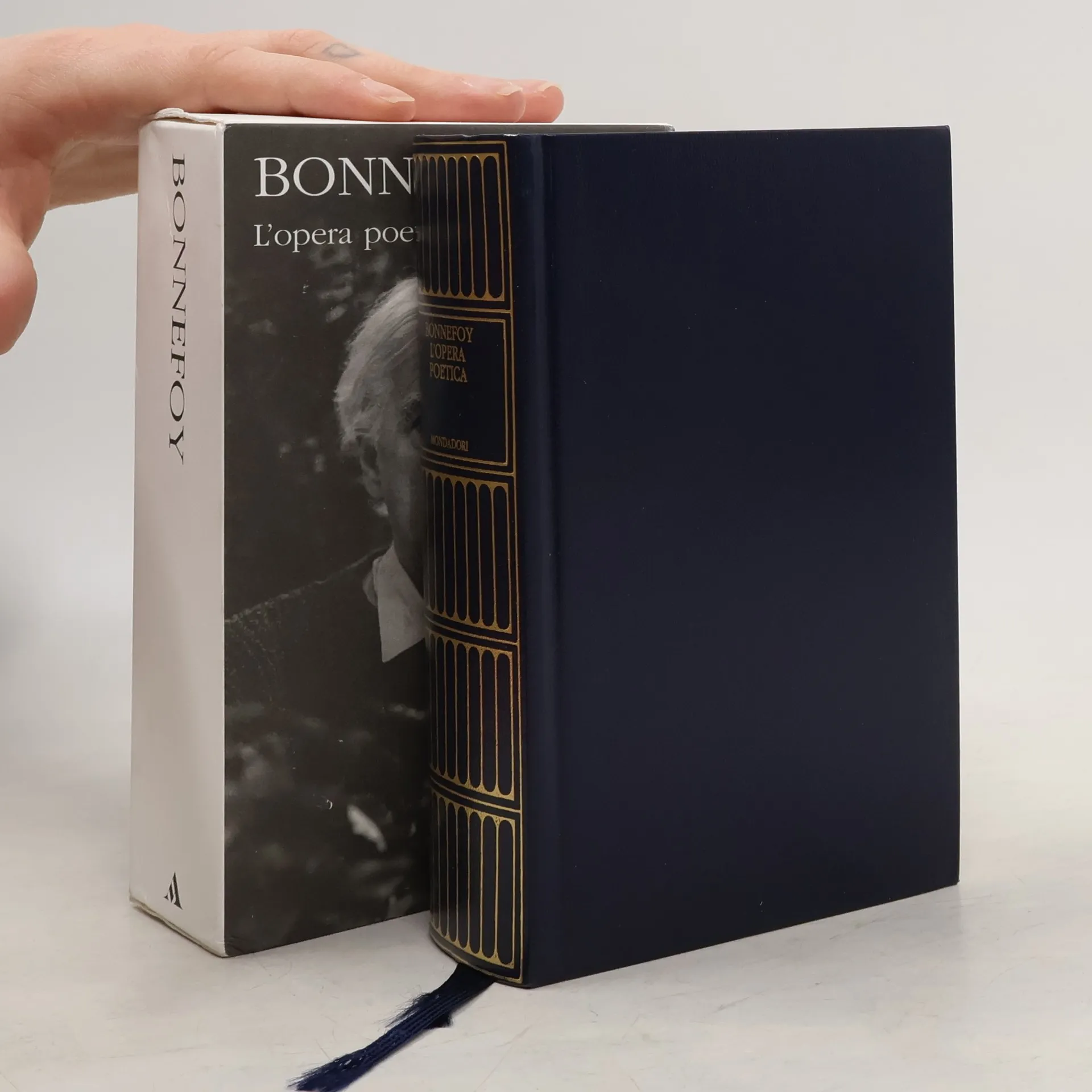
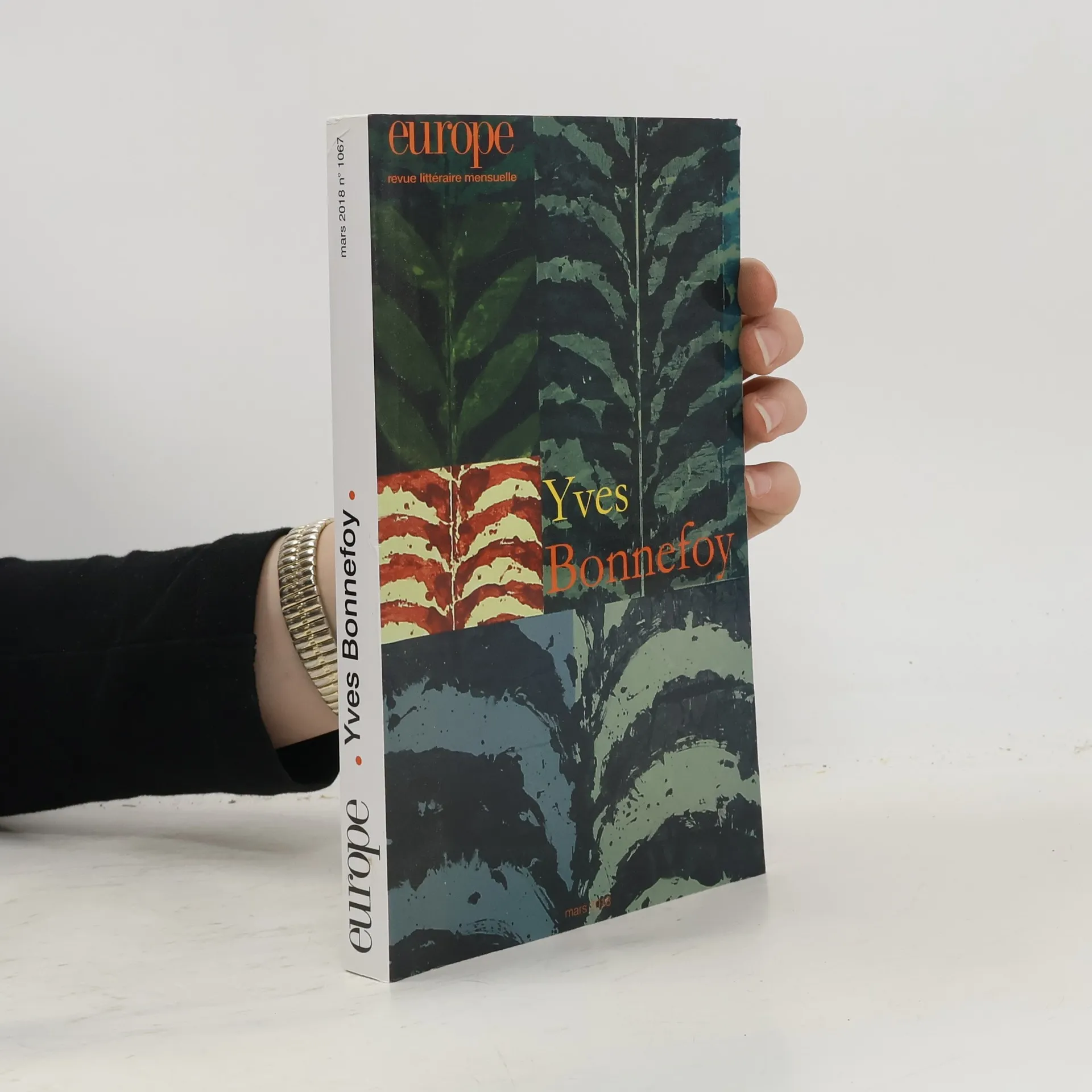
    Yves Bonnefoy byl francouzský básník a esejista, jehož dílo má zásadní význam pro francouzskou literaturu poválečné doby. Ve své tvorbě, která je poetická i teoretická, zkoumal smysl mluveného a psaného slova. Bonnefoy se věnoval také překladům, zejména Williama Shakespeara, a publikoval řadu prací o umění a dějinách umění.

    Yves Bonnefoy
    Prose
    Kam preniká vietor
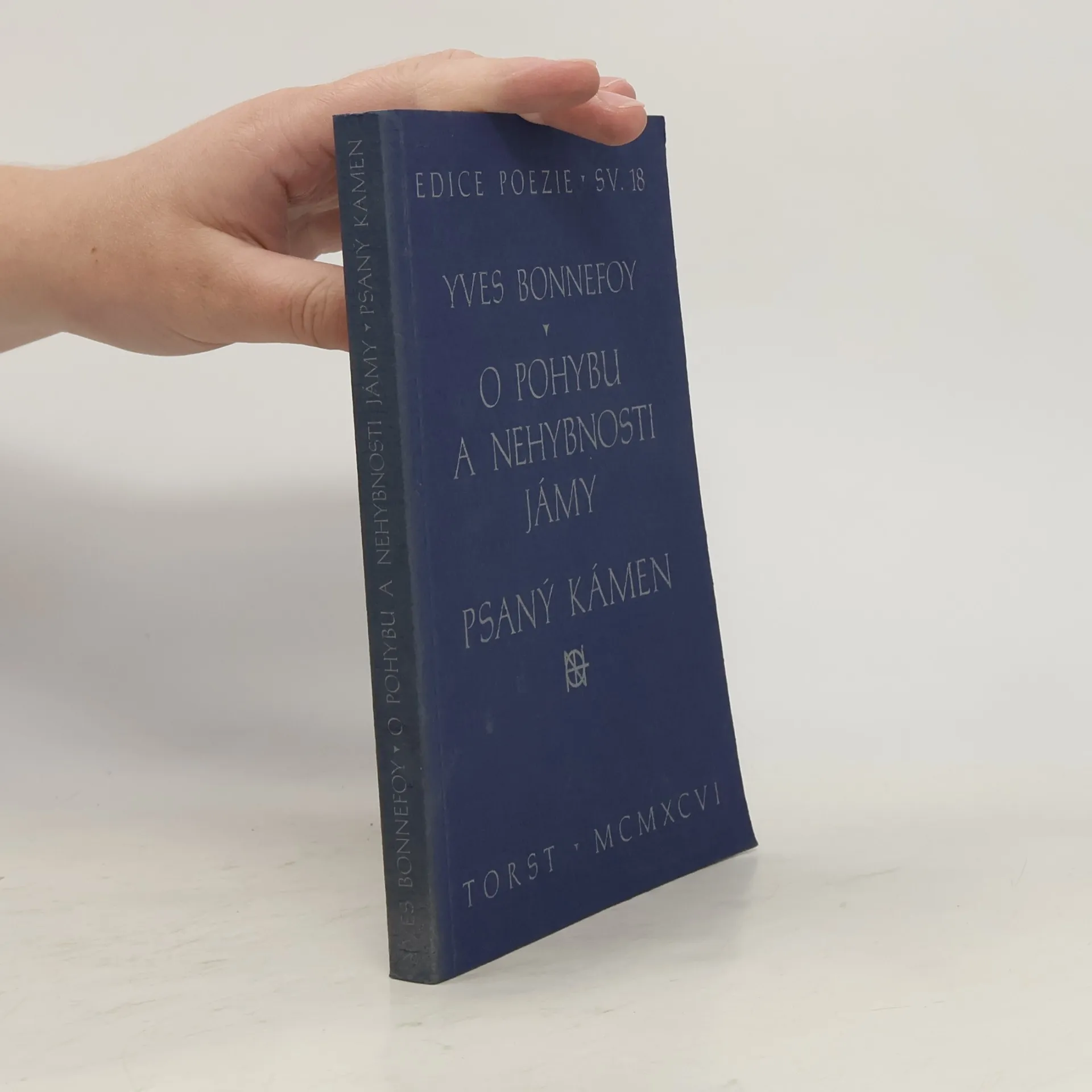
    O pohybu a nehybnosti Jámy / Psaný kámen
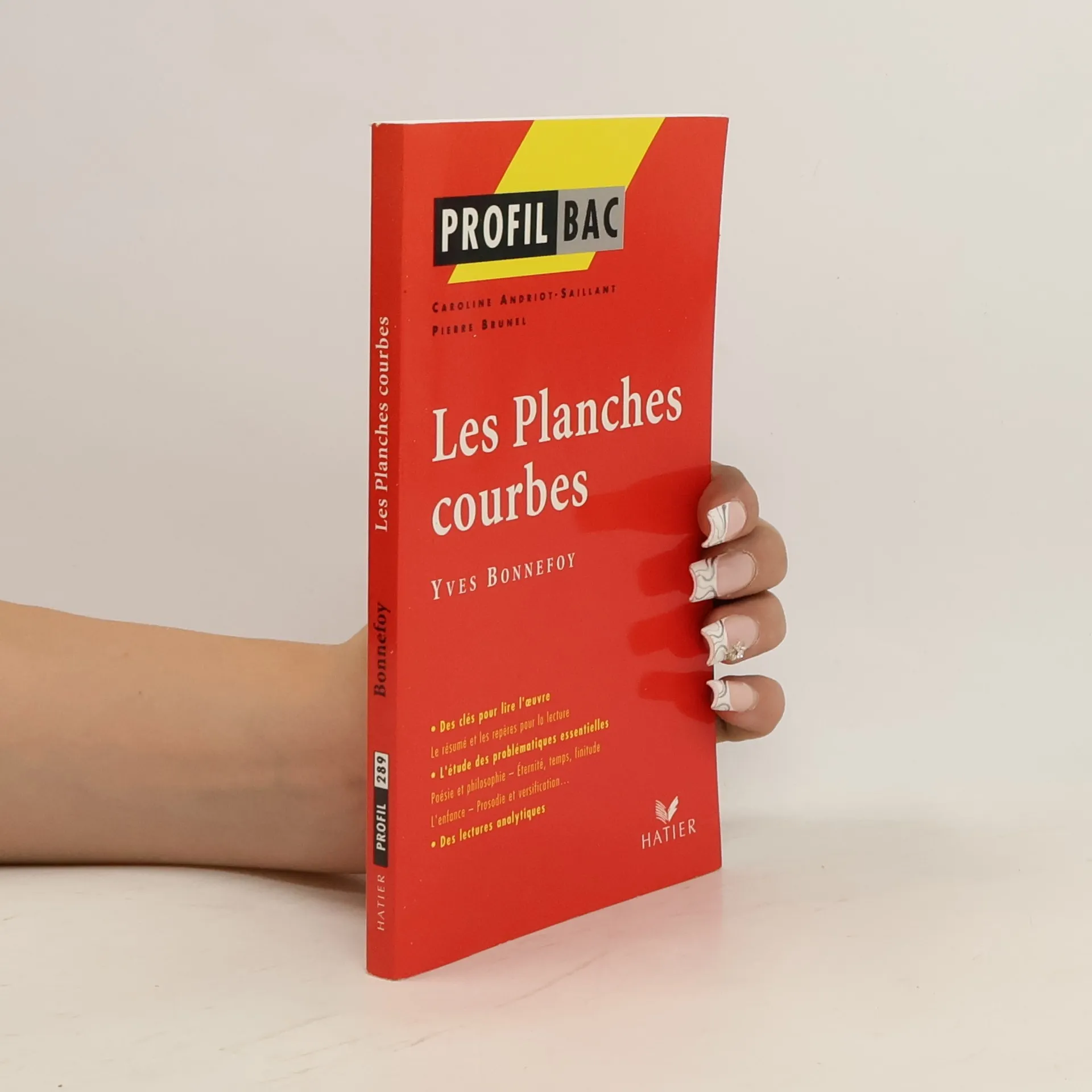
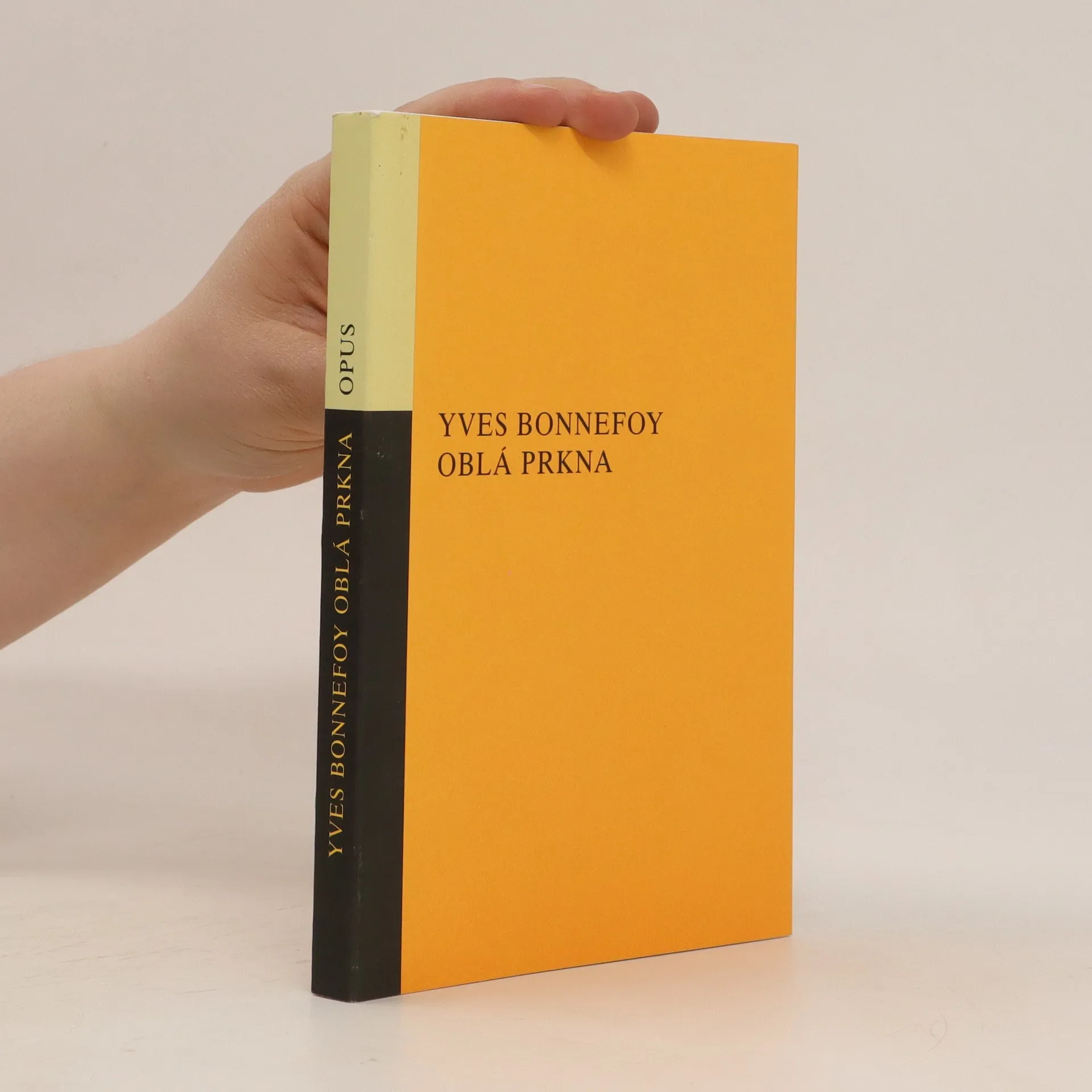
    Oblá prkna
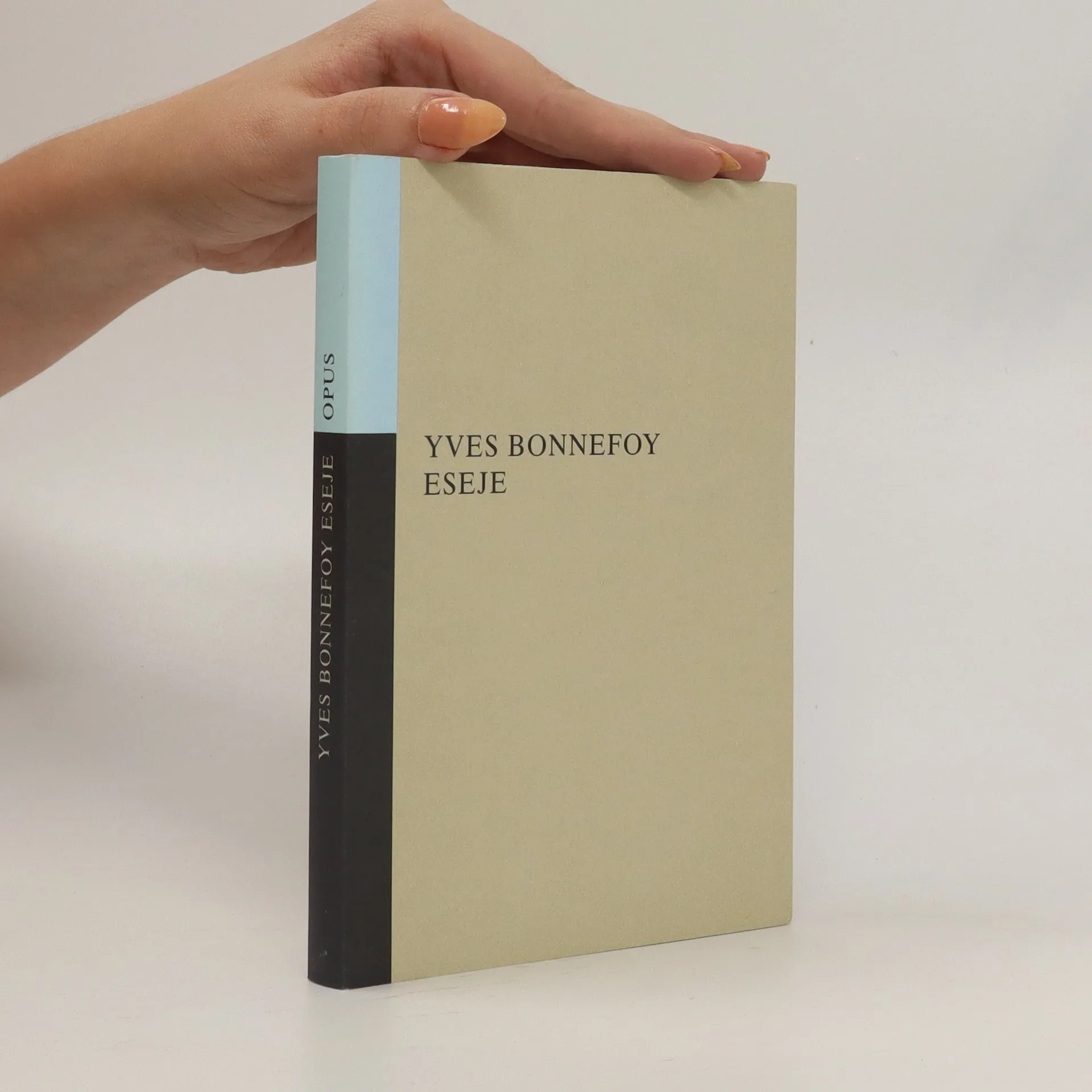
    Eseje
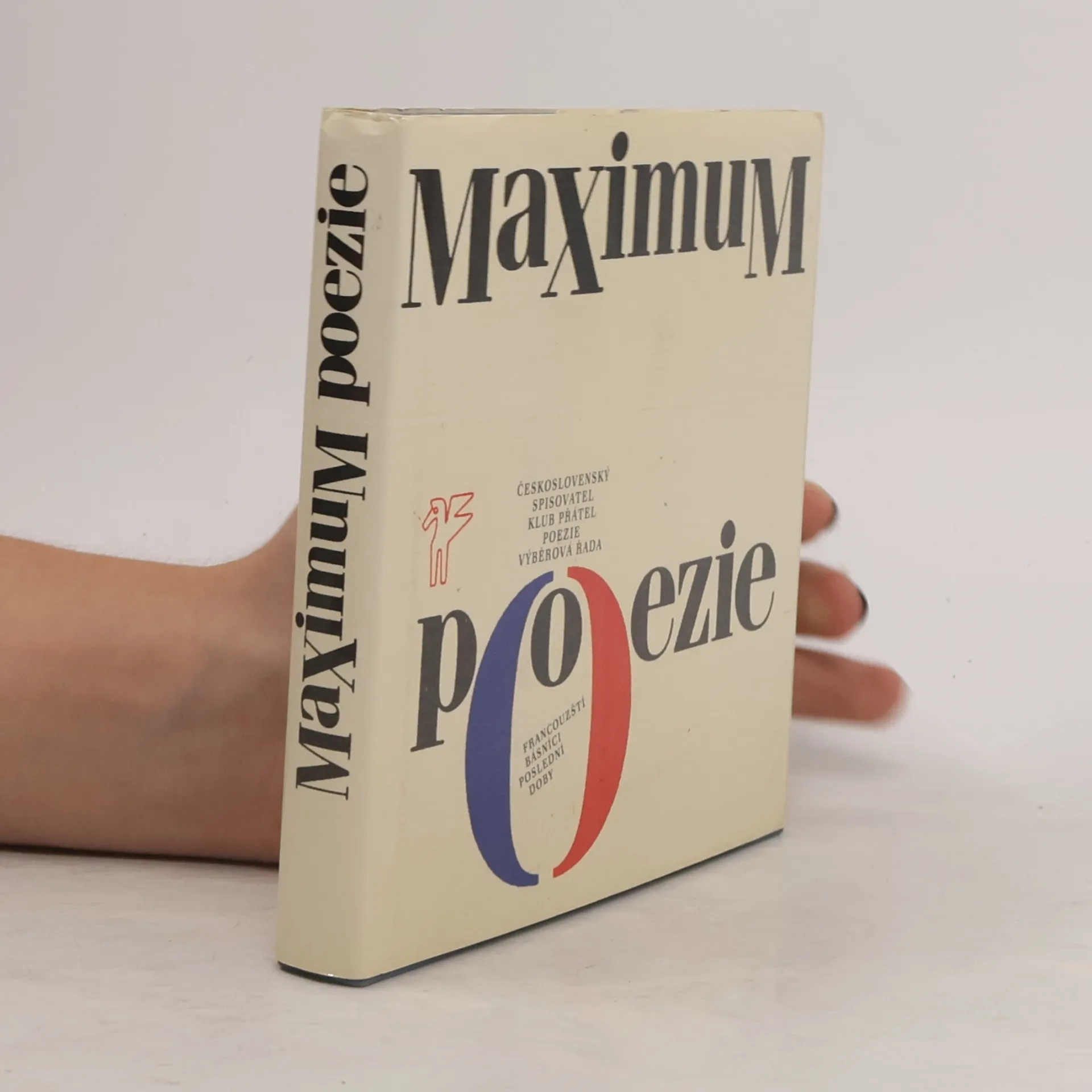
    Maximum poezie. Francouzští básnící poslední doby
    • Francouzští básníci poslední doby Jaká je dnešní francouzská poezie? Bezpochyby formálně a názorové bohatá. Má také různou myšlenkovou inspiraci: surrealistickou, existencialistickou i křesťanskou. Českému čtenáři, vedenému k zemitosti a lidovosti, se však může zdát abstraktní a spekulativní... Má blízko k próze, a to poetické zůstává v maximálně účinném obraze, v hudbě a volbě slov a v rytmu věty. Ve Francii se klade větší důraz na jazykovou stránku poezie. V naší znalosti francouzské poezie vznikla mezera a tu bylo třeba zaplnit. Antologie obsahuje ukázky z tvorby 14 současných francouzských básníků. Svazek seznamuje čtenáře jednak s předchůdci dnešní francouzské poezie (Char, Ponge, Michaux), dále s básníky narozenými ve 20. letech i se současnými nadějnými autory. Editor Aleš Pohorský. Kniha je doplněna fotografiemi Paříže od Barbary Huckové.
      Maximum poezie. Francouzští básnící poslední doby
      4,7
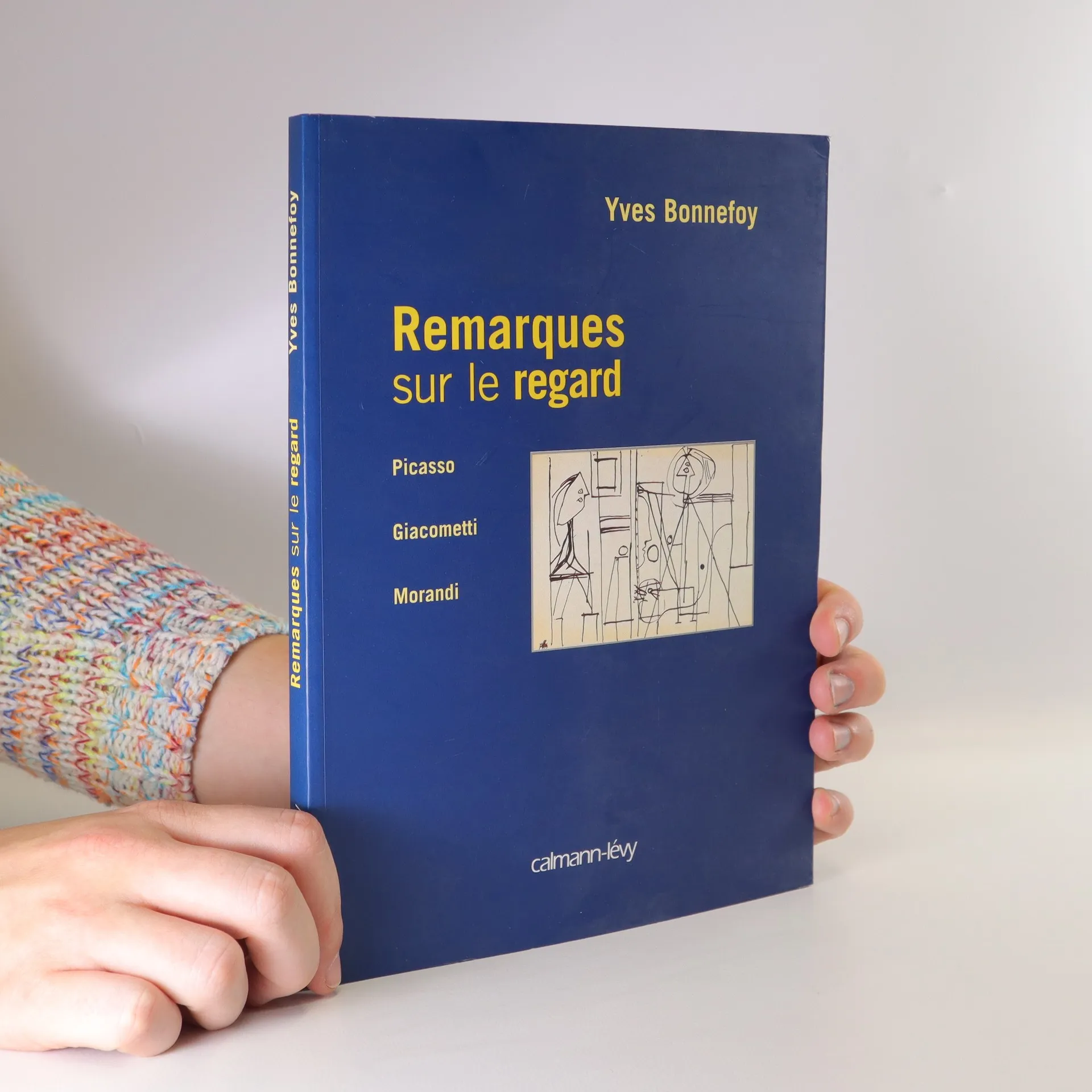
    • Bonnefoy, esejista je jedním z vrcholných představitelů francouzské tradice kultivovaného přemýšlení o věcech umění, tradice, na níž participovali Baudelaire, Mallarmé, Valéry nebo Reverdy. Tematická škála jeho esejů je rozsáhlá: vedle zamyšlení o osudech a funkci poezie jsou věnovány i jednotlivým básníkům, sochařům, malířům a architektům. Předkládaný výbor přináší jednak filozoficky fundované úvahy o místě básnického slova v dnešním kulturním kontextu, jednak brilantní charakteristiky básníků a výtvarných umělců, jako jsou Leopardi, Baudelaire, Rimbaud, Celan, Mondrian nebo Giacometti. Přeložil Jiří Pelán a Václav Jamek.

      Eseje
      4,8
    • Zatím poslední básnická sbírka francouzského básníka a esejisty, jednoho z nejvýraznějších představitelů současné francouzské kultury. Sbírka veršů podivuhodně oproštěných a projasněných, poezie, jež si uchovala vnímavost, citlivost a samozřejmost dětského pohledu.

      Oblá prkna
      4,4
    • V překladu a s obsáhlým doslovem Jiřího Pelána vycházejí dvě sbírky nejvýznamnějšího současného francouzského básníka. Hluboká poezie, zrcadlící tragiku lidské existence, vybízí k opětovnému čtení, kdy znovu odhaluje své při prvním čtení nezachycené stránky.

      O pohybu a nehybnosti Jámy / Psaný kámen
      4,3
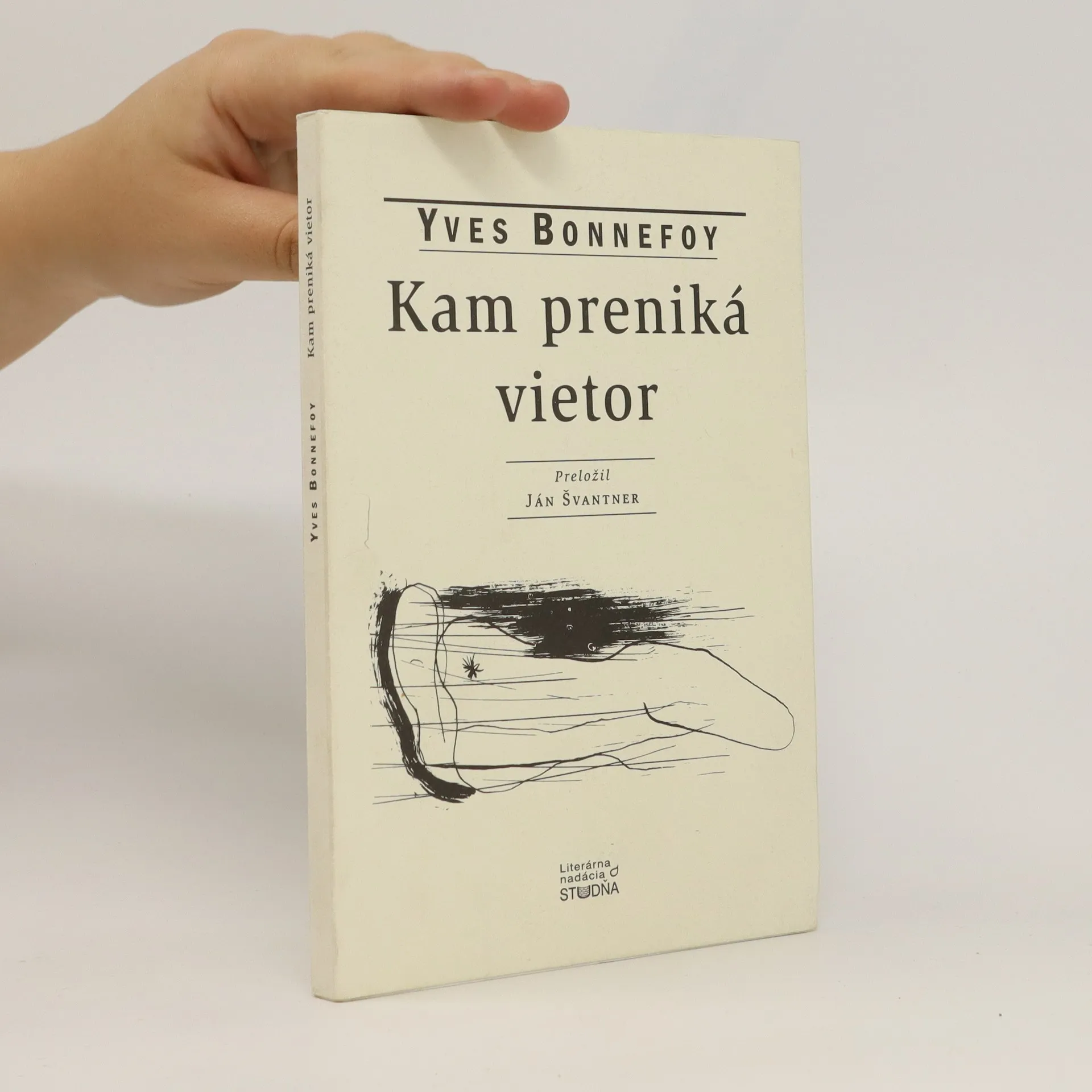
    • Kam preniká vietor

      • 167 stránek
      • 6 hodin čtení

      Tryzne súčasného vedomia v jeho vzťahu k svetu a funkcia, ktorú v súčasnosti môže plniť poézia a umenie, to sú otázky, ktorým dielo Yvesa Bonnefoya čelí od svojich začiatkov. Prináša na ne odpoveď spôsobom slobodným a úplne osobným, ale s úsilím sprostredkovať zmysel, ktorý môže byť zdieľaný v širokom meradle. Vybral a preložil Ján Švantner.

      Kam preniká vietor
      4,0
    • Prose

      • 456 stránek
      • 16 hodin čtení

      Following on from 2017's celebrated Poems, this is a wide-ranging selection of Bonnefoy's essays on literature, art and life.

      Prose
      5,0
    • The Digamma

      • 64 stránek
      • 3 hodiny čtení

      An inspiring book of poetry and prose by the celebrated author Yves Bonnefoy. Heralded as one of France's greatest poets, Yves Bonnefoy has been dazzling readers since the publication of his first book in 1953. He remains influential and relevant, continuing to compose groundbreaking new work. Though Bonnefoy recently celebrated his ninetieth birthday, many are calling these past two decades his most impressive yet. His latest book of poetry and prose, The Digamma, fits wonderfully into his impressive oeuvre, offering his signature style of simple but powerful language with fresh new grace. A key passage of the title piece of the book depicts the figures of Nicolas Poussin's The Shepherds of Arcadia, which Bonnefoy has identified as crucial to the artist's evolution. The sustained reference to Poussin's iconography serves to ground the text in the lost civilizations of antiquity. Subtly, it brings out the underlying theme of the entire collection--in the ambivalent world we inhabit, being and non-being is fundamentally one. As a leading translator of Shakespeare in France, Bonnefoy's fascination with the master playwright is displayed in "God in Hamlet" and "For a Staging of Othello," two poems in prose that belong to an ongoing series of meditations on the plays. The collection also includes haunting reflections on children, nature, the origins of art, and vanished cultures.

      The Digamma
      5,0
    • Rue Traversiere

      • 88 stránek
      • 4 hodiny čtení

      Praised by Paul Auster as “one of the rare poets in the history of literature to have sustained the highest level of artistic excellence throughout an entire lifetime,” Yves Bonnefoy is widely considered the foremost French poet of his generation. Proving that his prose is just as lyrical, Rue Traversière, written in 1977, is one of his most harmonious works. Each of the fifteen discrete or linked texts, whose lengths range from brief notations to long, intense, self-questioning pages, is a work of art in its own right: brief and richly suggestive as haiku, or long and intricately wrought in syntax and thought; and all are as rewarding in their sounds and rhythms, and their lightning flashes of insight, as any sonnet. “I can write all I like; I am also the person who looks at the map of the city of his childhood, and doesn’t understand,” says the section that gives the book its title, as he revisits childhood cityscapes and explores the tricks memory plays on us. A mixture of genres—the prose poem, the personal essay, quasi-philosophical reflections on time, memory, and art—this is a book of both epigrammatic concision and dreamlike narratives that meander with the poet’s thought as he struggles to understand and express some of the undercurrents of human life. The book’s layered texts echo and elaborate on one another, as well as on aspects of Bonnefoy’s own poetics and thought.

      Rue Traversiere
      4,4
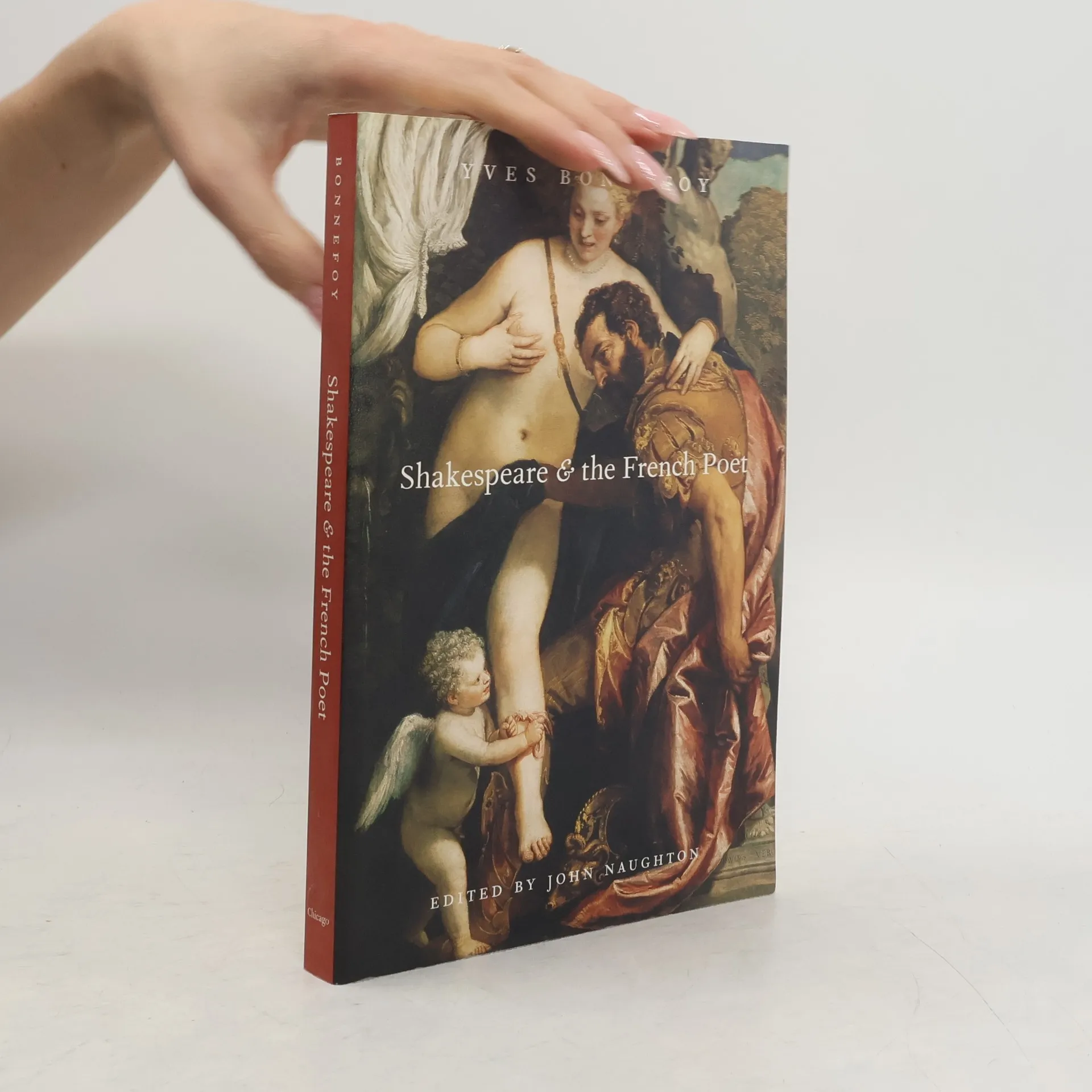
    • Shakespeare and the French Poet

      • 304 stránek
      • 11 hodin čtení

      A meditation on the major plays of Shakespeare and the thorny art of literary translation, Shakespeare and the French Poet contains twelve essays from France's most esteemed critic and preeminent living poet, Yves Bonnefoy. Offering observations on Shakespeare's response to the spiritual crisis of his era as well as compelling insights on the practical and theoretical challenges of verse in translation, Bonnefoy delivers thoughtful, evocative essays penned in his characteristically powerful prose.Translated specifically for an American readership, Shakespeare and the French Poet also features a new interview with Bonnefoy. For Shakespeare scholars, Bonnefoy enthusiasts, and students of literary translation, Shakespeare and the French Poet is a celebration of the global language of poetry and the art of "making someone else's voice live again in one's own."

      Shakespeare and the French Poet
      5,0
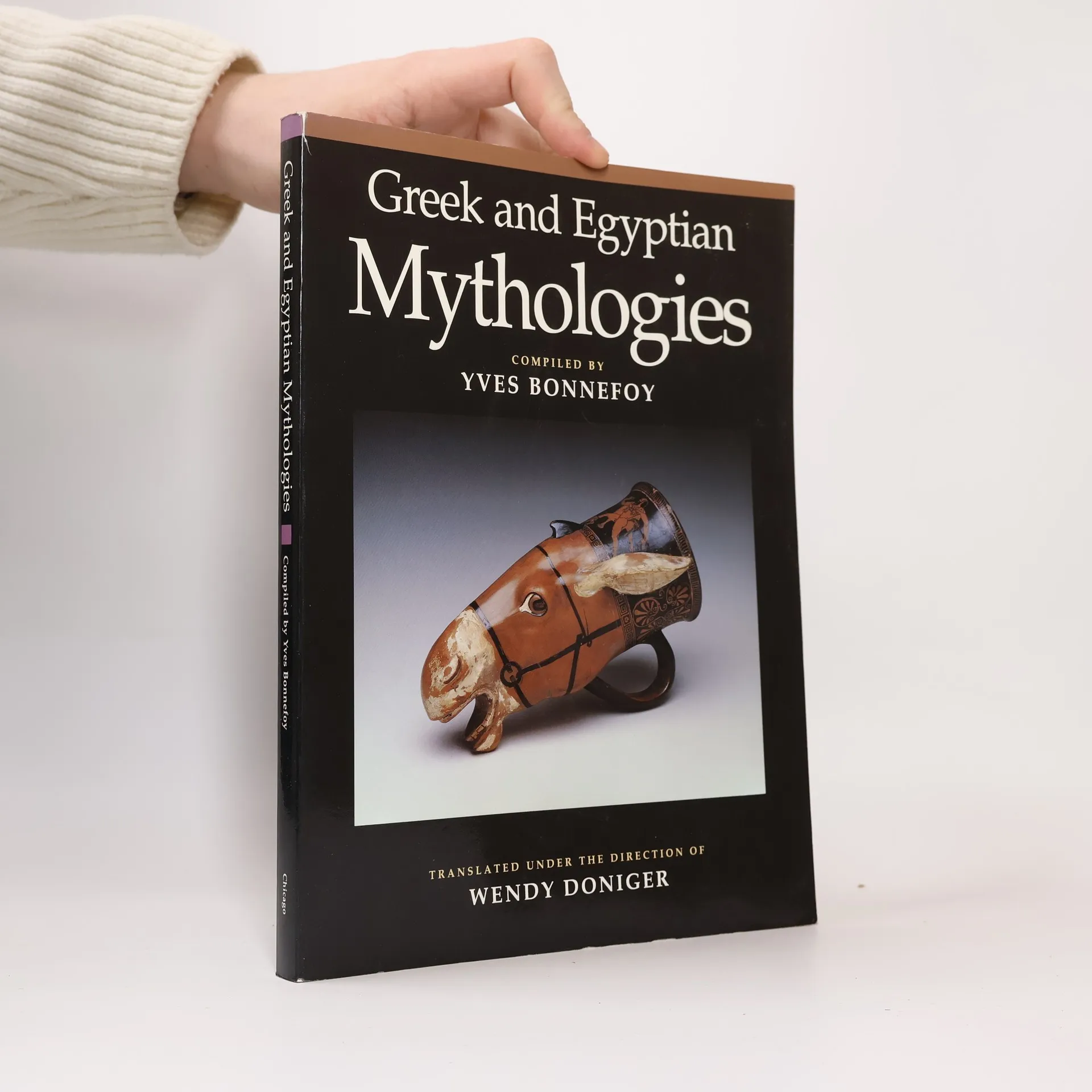
    • Greek and Egyptian Mythologies

      • 294 stránek
      • 11 hodin čtení

      The seventy-two entries in this volume explore, among other topics, the history, geography, and religion of Greece, Plato's mythology and philosophy, the powers of marriage in Greece, heroes and gods of war in the Greek epic, and origins of mankind in Greek myths. Ancient Egyptian cosmology, anthropology, rituals, and religion—closely linked to Greek mythology—are also discussed."In a world that remains governed by powerful myths, we must deepen our understanding of ourselves and others by considering more carefully the ways in which the mythological systems to which we cling and social institutions and movements to which we are committed nourish each other. Yves Bonnefoy's Mythologies not only summarizes the progress that has already been made toward this end, but also lays the foundation for the difficult work that lies ahead."—Mark C. Taylor, New York Times Book Review"The almost 100 contributors combine, with characteristic precision and élan, the arts of science and poetry, of analysis and translation. The result is a treasury of information, brilliant guesswork, witty asides, and revealing digressions. This is a work of genuine and enduring excitement."—Thomas D'Evelyn, Christian cience Monitor

      Greek and Egyptian Mythologies
      4,1