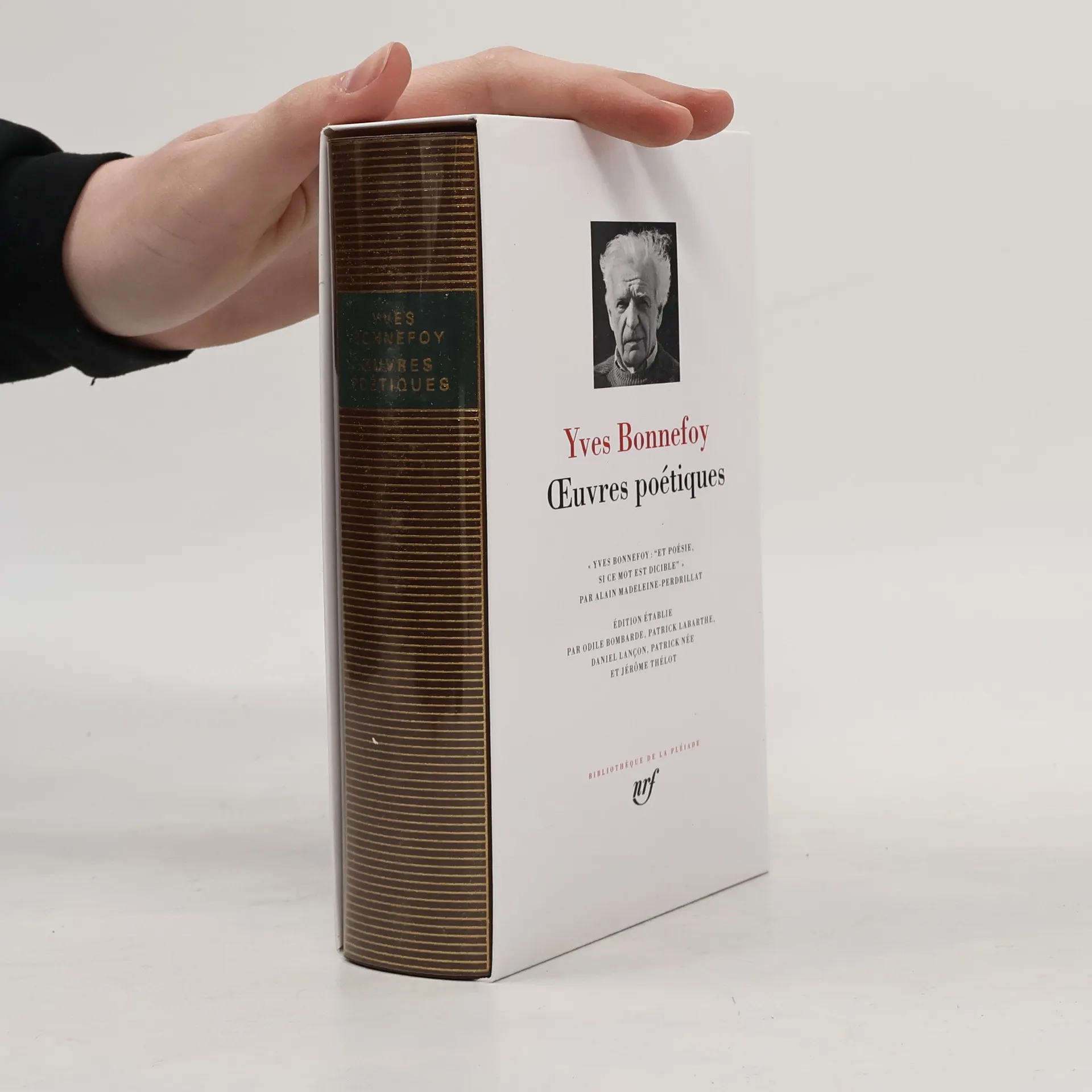
"Edition chronologique des recueils du poëte, au laquelle s'ajoutent son Oeuvre de traducteur, de Celan au Emily Dickinson en passant par Yeats, Shakespeare, Keats, Leopardi ou PeÌtrarque, ainsi que quelques textes et fragments ineÌdits."--
Yves Bonnefoy Pořadí knih (chronologicky)
24. červen 1923 – 1. červenec 2016
Yves Bonnefoy byl francouzský básník a esejista, jehož dílo má zásadní význam pro francouzskou literaturu poválečné doby. Ve své tvorbě, která je poetická i teoretická, zkoumal smysl mluveného a psaného slova. Bonnefoy se věnoval také překladům, zejména Williama Shakespeara, a publikoval řadu prací o umění a dějinách umění.

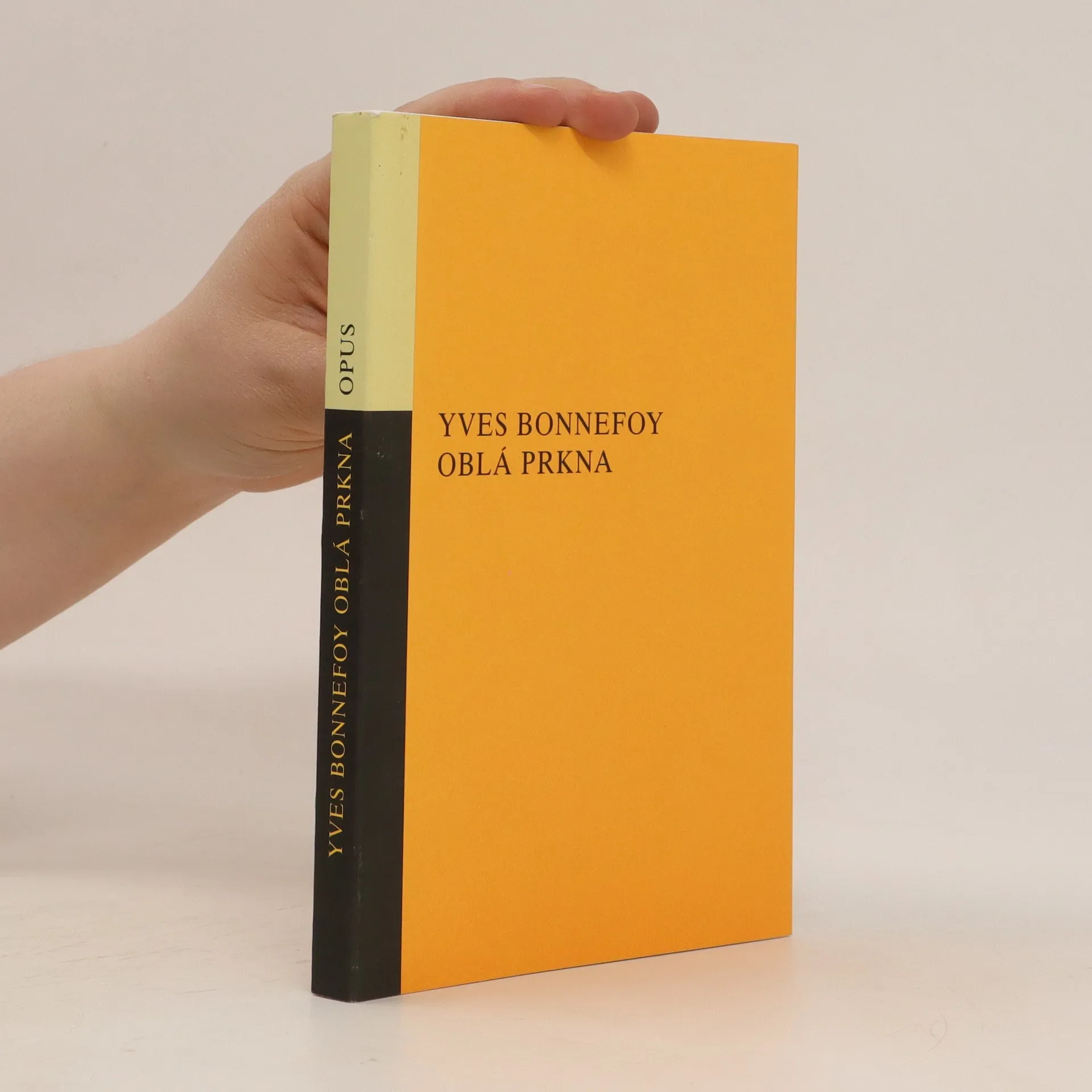
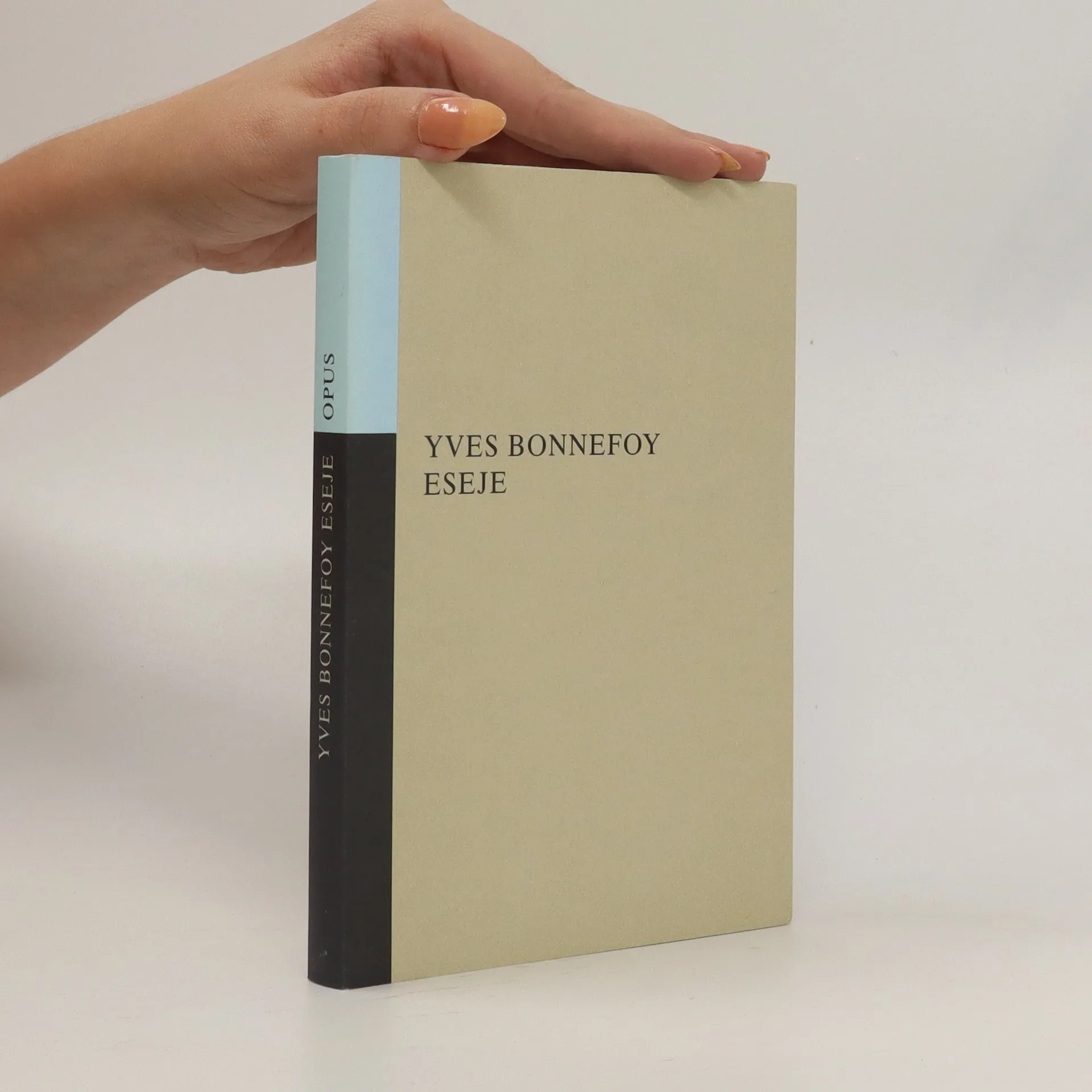
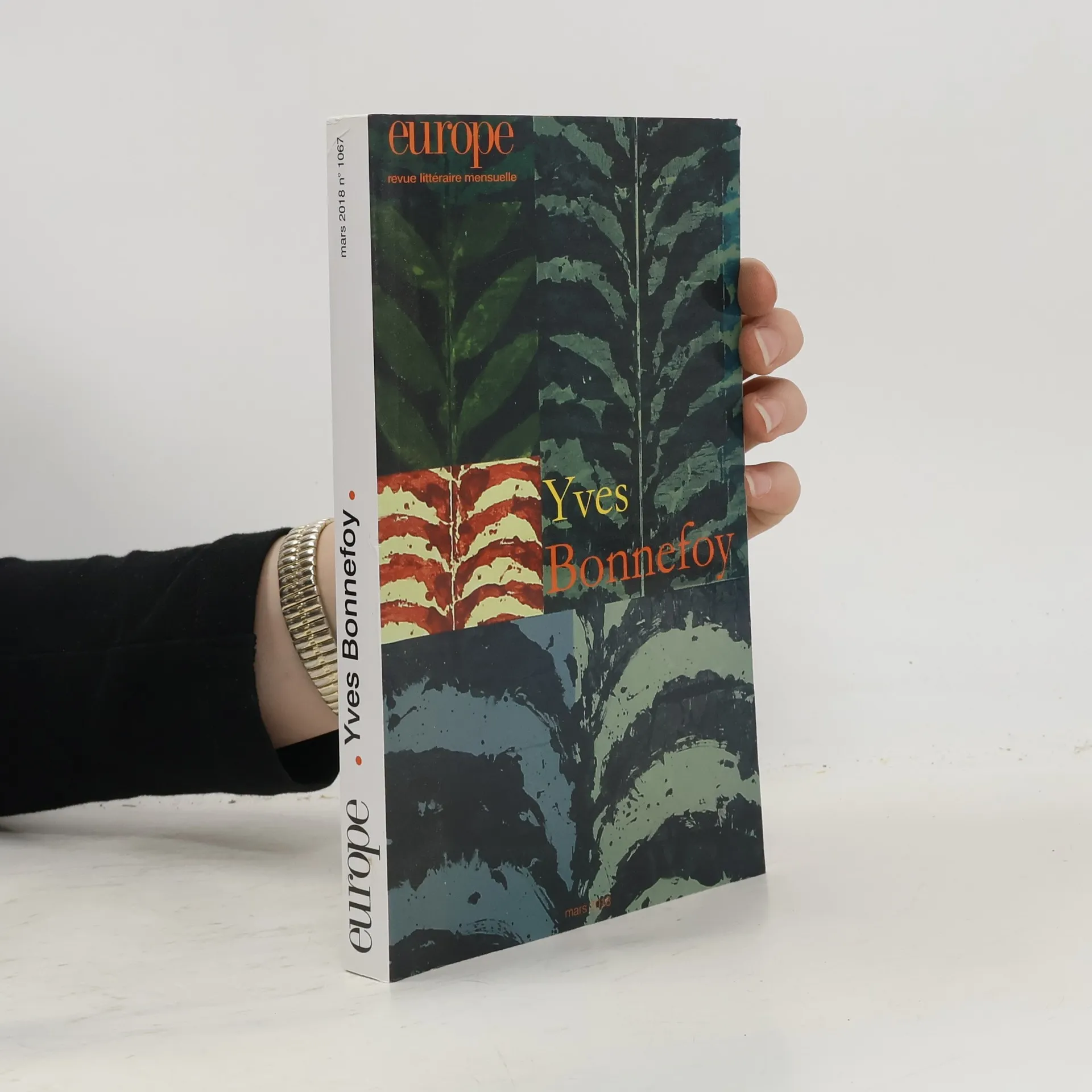
Europe - 1067: Yves Bonnefoy
- 348 stránek
- 13 hodin čtení
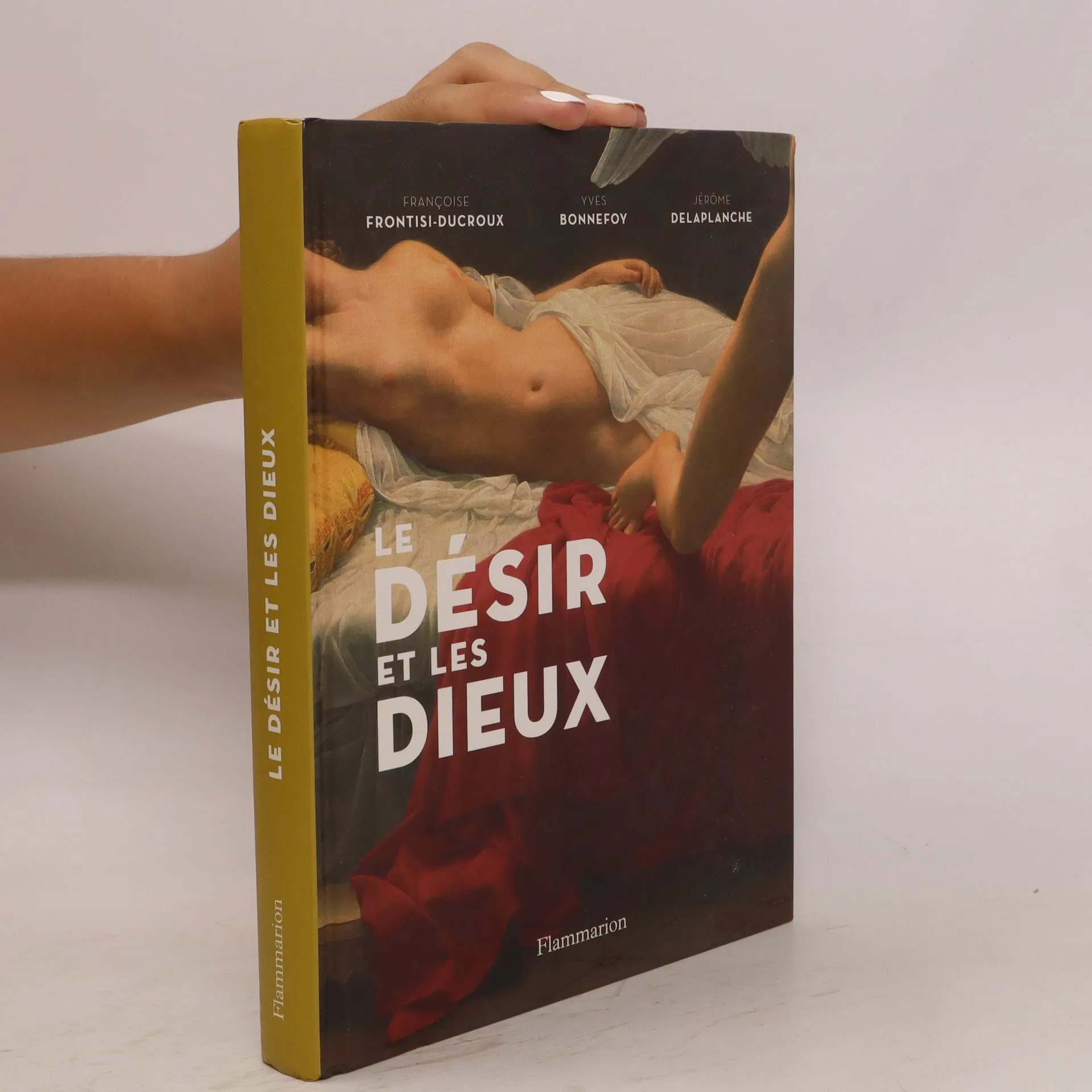
Le désir et les dieux
- 255 stránek
- 9 hodin čtení
La mythologie gréco-romaine a été une source d'inspiration inépuisable pour les artistes. La redécouverte de l'Antiquité au XVe siècle a permis la renaissance de cet univers riche en héros, récits épiques et histoires d'amour entre dieux et mortels, que des artistes tels que Titien, Poussin, Tintoret ou Rembrandt ont exploré. L'enthousiasme des artistes, libres avec leurs pinceaux, est palpable lorsqu'ils interprètent les mots d'Homère ou d'Ovide, traduisant les mouvements d'une pulsion, le jeu des regards et la force érotique d'un corps, tout en intégrant le fantastique. Cependant, les peintres, en traduisant les poètes, commettent souvent des trahisons. Faux-sens et contresens nourrissent leurs créations. Par exemple, l'érudition de Botticelli contraste avec la désinvolture de Corrège, qui dédaigne le texte d'Ovide en ajoutant une métamorphose inédite à l'histoire de Jupiter et Io. En interprétant les amours des dieux, les artistes découvrent également la liberté inhérente à l'acte de créer. Cet ouvrage propose de revisiter la mythologie en mettant en parallèle les récits passionnés des amours divines et les œuvres d'art, peintes ou sculptées, inspirées par ce mariage du ciel et de la terre.
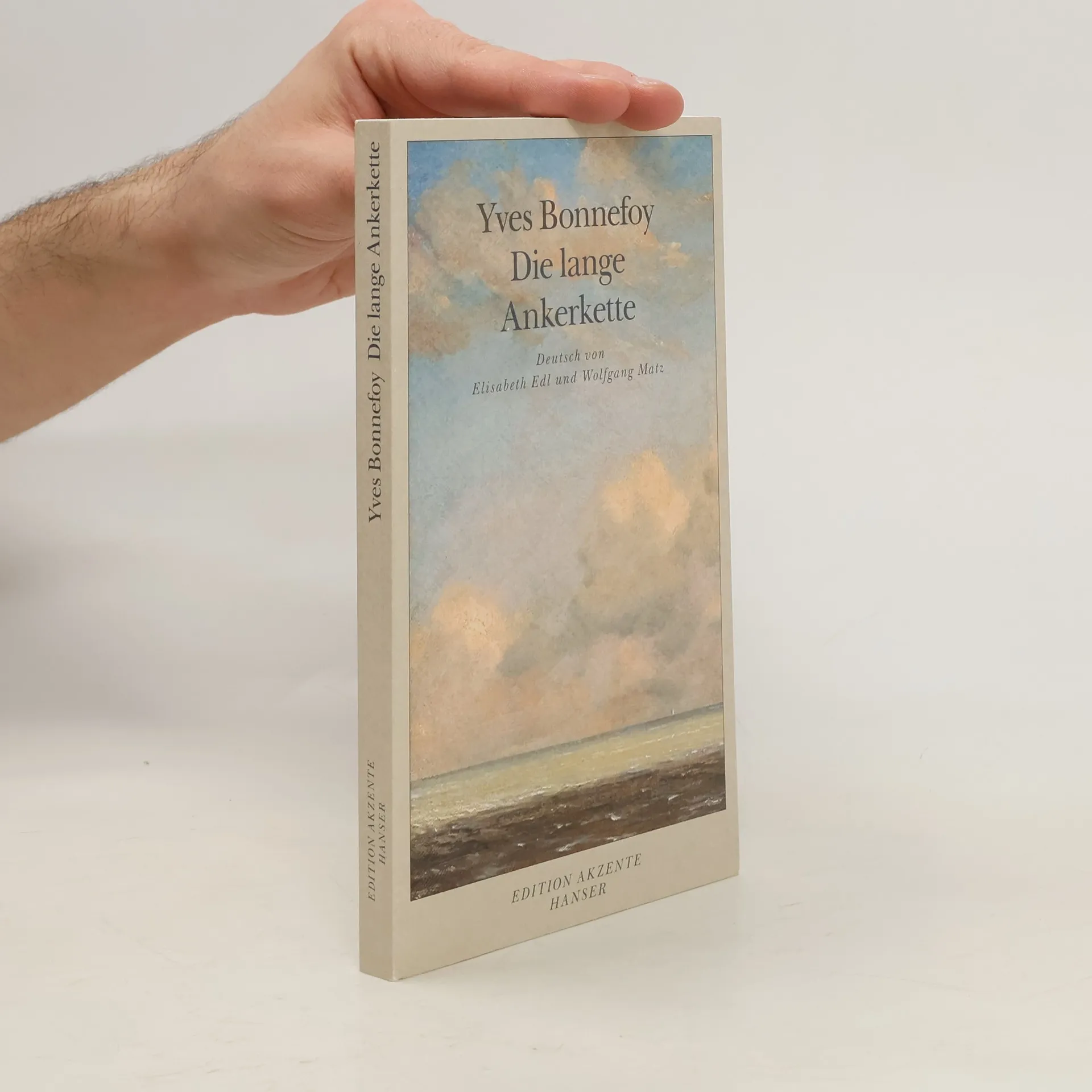
Die lange Ankerkette
- 136 stránek
- 5 hodin čtení
In Prosastücken und Gedichten greift Yves Bonnefoy, einer der wichtigsten zeitgenössischen Dichter Frankreichs, lebenslange Motive von neuem auf: die Sprache, das Namengeben und die Kindheit. We geht sie konzentrierter, betonter, aber auch spielerischer an als zuvor. Im Mittelpunkt jedoch stehen, wie so häufig bei Bonnefoy, die Dichtung (in Gestalt von Baudelaire, Verlaine und Mallarmé), die Architektur (verkörpert durch Leon Battista Alberti) und die Malerei (in Gestalt der berühmten „Verspottung der Ceres“ von Adam Elsheimer und dreier Gemälde Poussins).
Les Poètes de la Méditerranée
Anthologie : édition en français et dans toutes les langues originales
- 958 stránek
- 34 hodin čtení
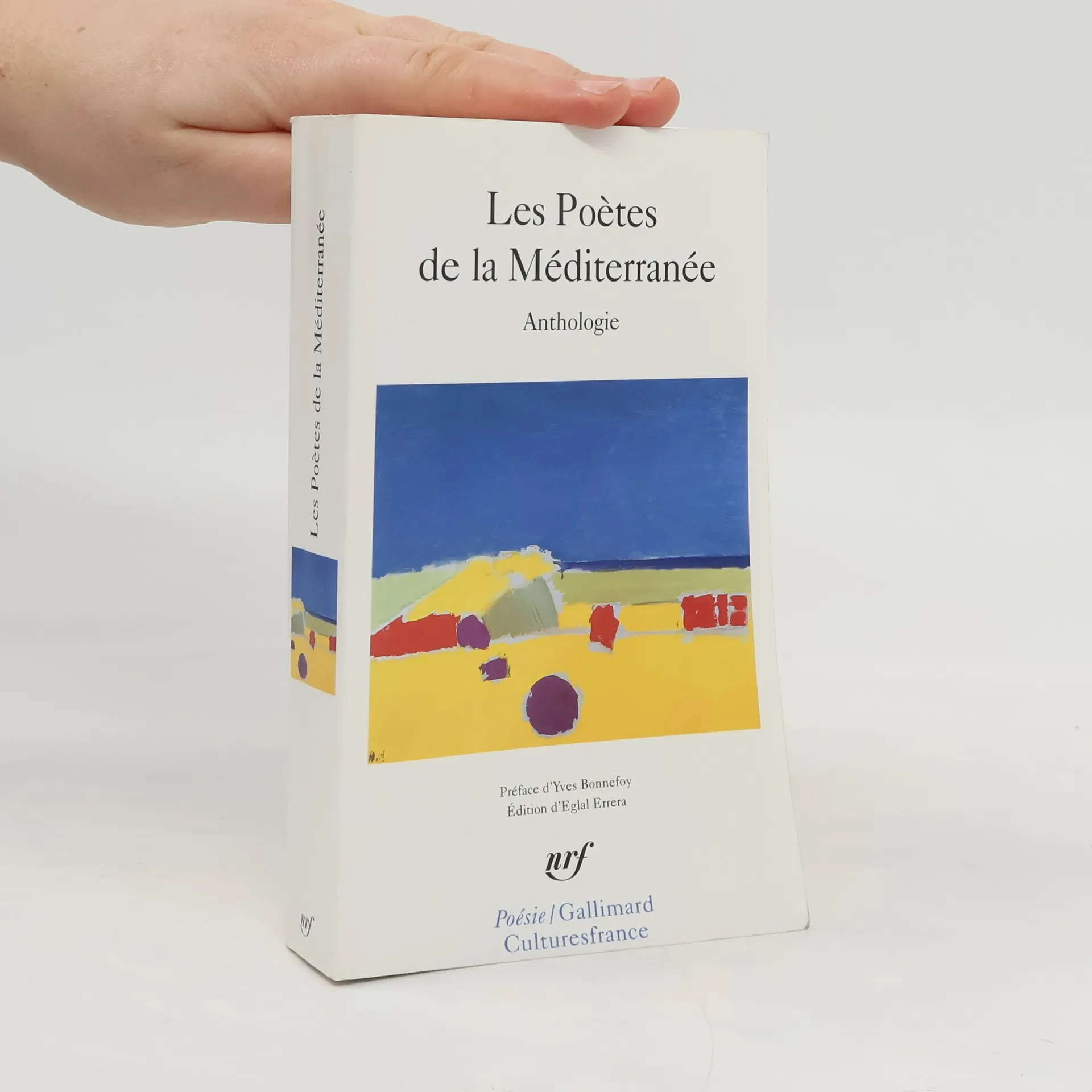
La Méditerranée considérée comme une chambre d'échos : 24 pays où s'écrivent et se parlent une quinzaine de langues. Cette anthologie ne se veut pas un palmarès, mais un parcours qui accueille les voix de toutes les rives, les voix vivantes qui entrent en résonance autant qu'en dissonance, en amitié autant qu'en opposition ou en défiance. Les poètes de Grèce, de Chypre, de Turquie, de Syrie, du Liban, d'Israël, de Palestine, d'Égypte, de Lybie, de Tunisie, d'Algérie, du Maroc, du Portugal, d'Espagne, de France, d'Italie, de Malte, de Croatie, de Slovénie, de Bosnie, de Serbie, du Monténégro, d'Albanie et de Macédoine ne cherchent pas d'accord factice autour d'une mer commune et sous un même ciel, ils disent un réel disparate, souvent déchiré, rarement réenchanté ; ils disent et leurs voix révèlent l'espace d'aujourd'hui dans le respect ou la dilapidation de tous les héritages.
I Meridiani: L'opera poetica. Testo francese a fronte
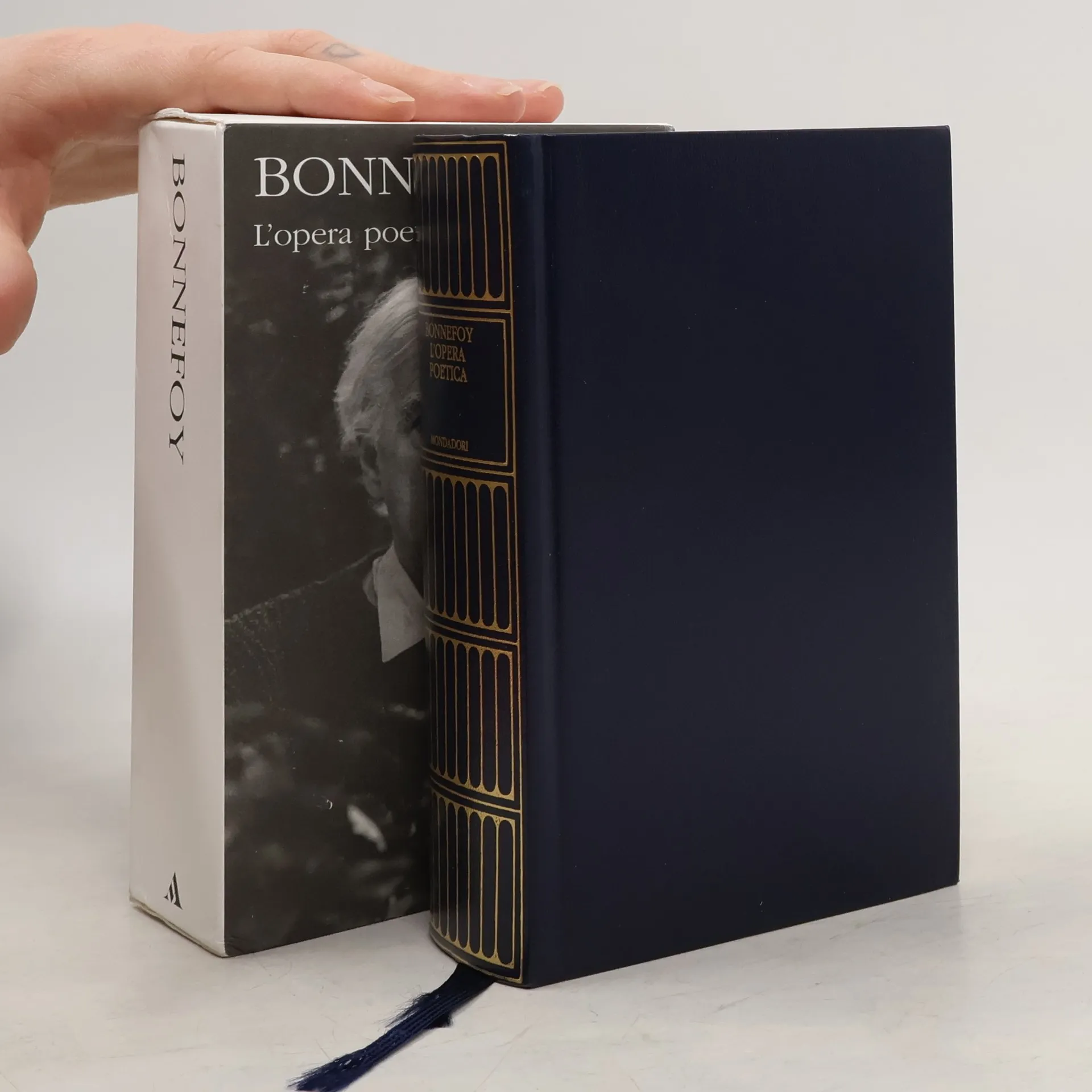
- 1697 stránek
- 60 hodin čtení
Zatím poslední básnická sbírka francouzského básníka a esejisty, jednoho z nejvýraznějších představitelů současné francouzské kultury. Sbírka veršů podivuhodně oproštěných a projasněných, poezie, jež si uchovala vnímavost, citlivost a samozřejmost dětského pohledu.
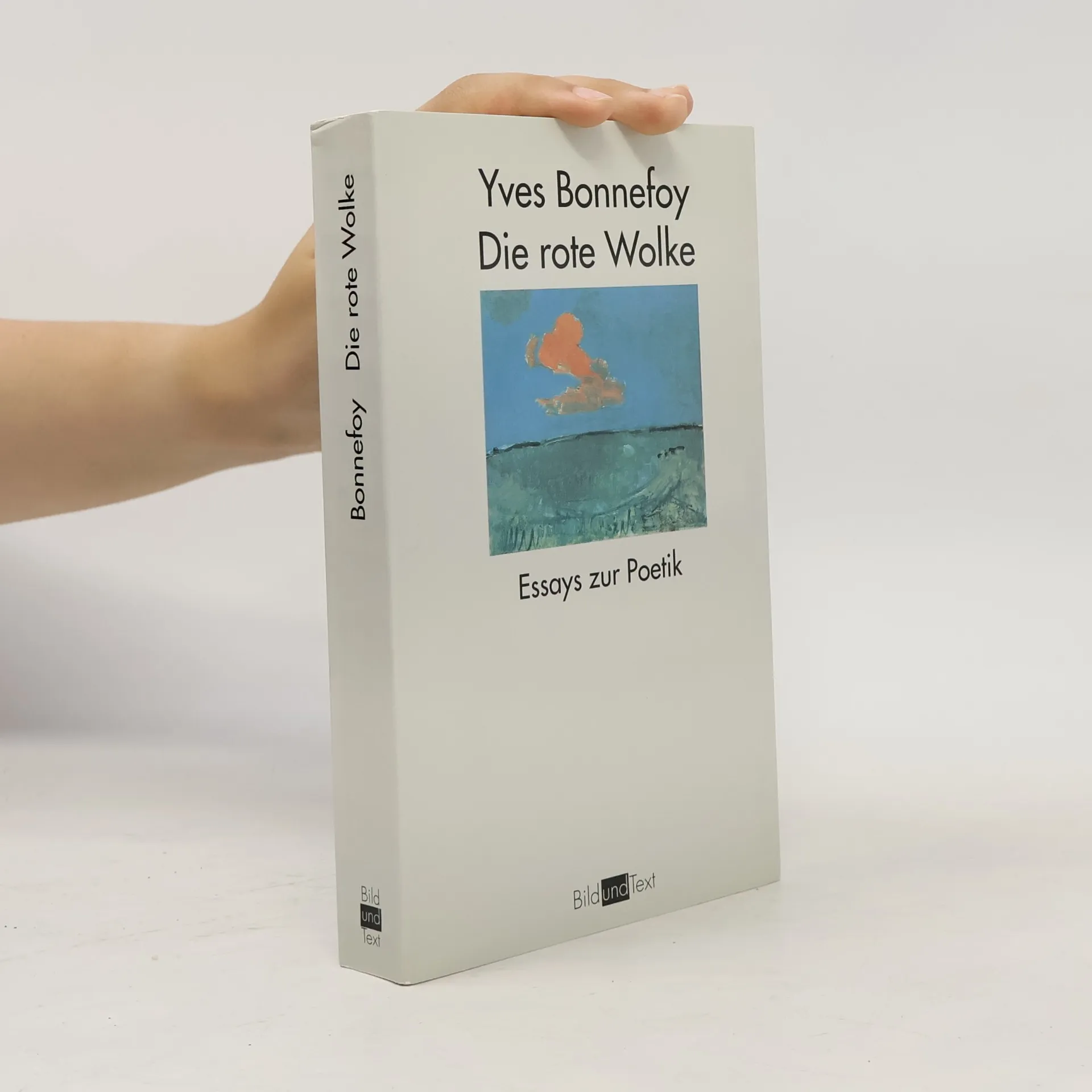
Bonnefoy, esejista je jedním z vrcholných představitelů francouzské tradice kultivovaného přemýšlení o věcech umění, tradice, na níž participovali Baudelaire, Mallarmé, Valéry nebo Reverdy. Tematická škála jeho esejů je rozsáhlá: vedle zamyšlení o osudech a funkci poezie jsou věnovány i jednotlivým básníkům, sochařům, malířům a architektům. Předkládaný výbor přináší jednak filozoficky fundované úvahy o místě básnického slova v dnešním kulturním kontextu, jednak brilantní charakteristiky básníků a výtvarných umělců, jako jsou Leopardi, Baudelaire, Rimbaud, Celan, Mondrian nebo Giacometti. Přeložil Jiří Pelán a Václav Jamek.
Propose un résumé et des repères pour la lecture de l'oeuvre, ainsi qu'une approche de ses problématiques essentielles, pour se préparer à l'écrit et à l'oral.
Collected Poems
- 384 stránek
- 14 hodin čtení
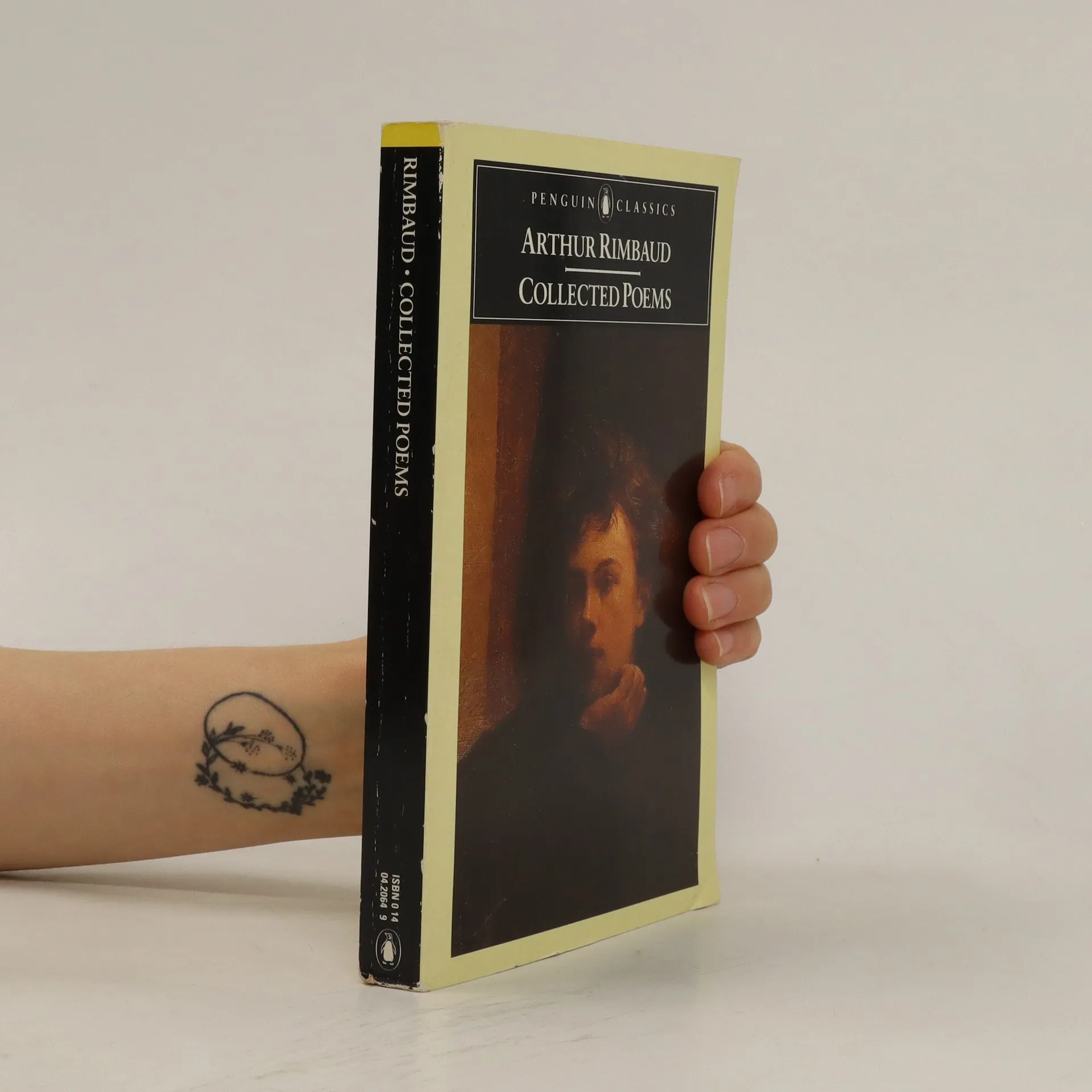
'The poet makes himself a seer by a long, prodigious, and rational disordering of all the senses. . .' Rimbaud was sixteen when he made this famous declaration. By 1886, then thirty-two and an explorer, trader and slave-trader on the Red Sea, he had absolutely no interest in the fate or success of the poetry infused with mysticism, alchemy and magic that he had written in his teens. That same year, in Paris, Les Illuminations was being published as the work of 'the late' Arthur Rimbaud, first in a Symbolist periodical and then in book form, with an Introduction by his former lover, Verlaine. Seldom has a writer's vision of changing the world through words failed so spectacularly as did Rimbaud's. That failure turned him into an incomparable tragic poet: not only 'a wild undisciplined genius, a mystic philosopher and thinker, an inspired poet' but also, according to Enid Starkie, 'one of the most finished artists . . . a supreme master of prosody and style'. This Penguin Classic reproduces the text of the Pléiade edition, 1954, with selected letters and prose translations that have been highly acclaimed.
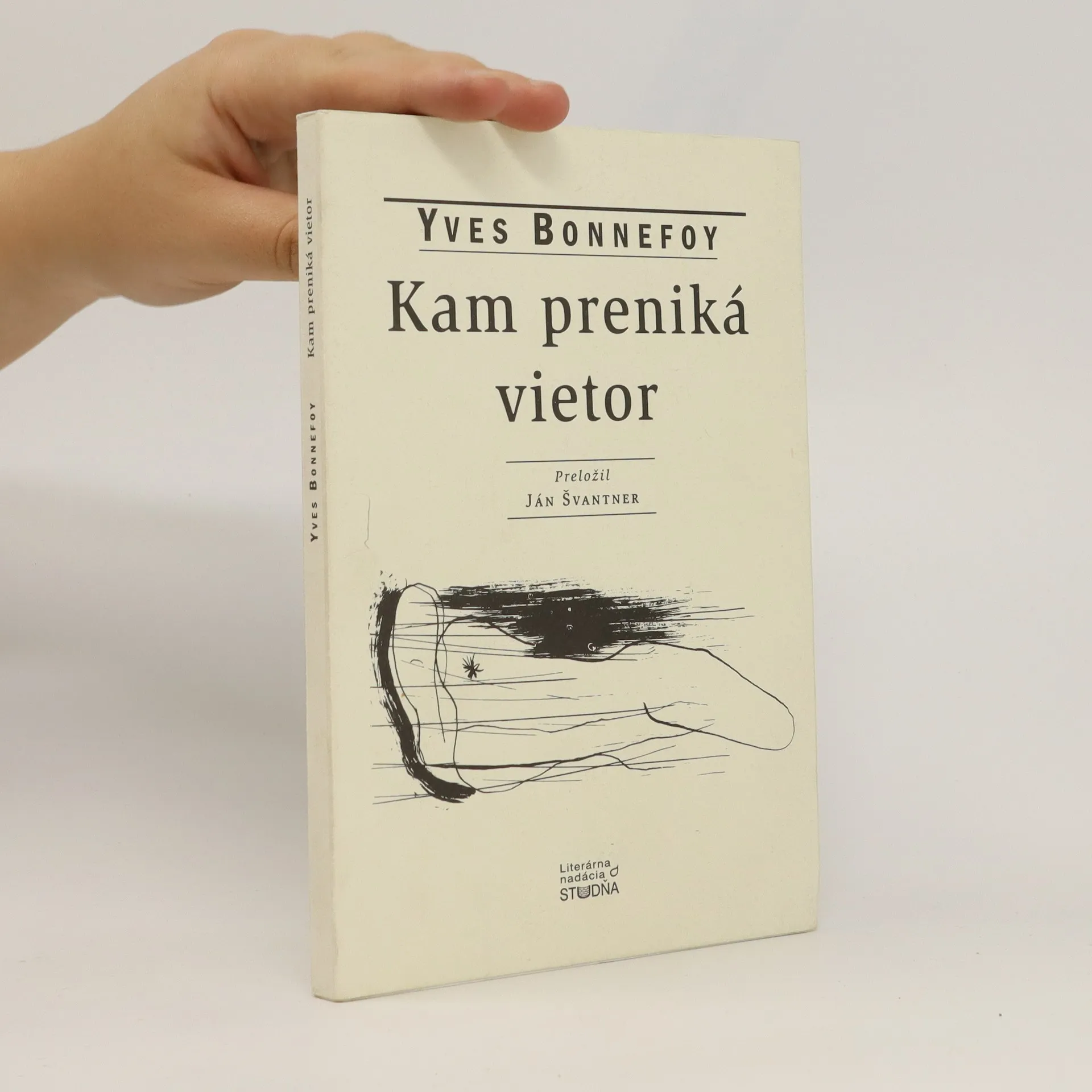
Kam preniká vietor
- 167 stránek
- 6 hodin čtení
Tryzne súčasného vedomia v jeho vzťahu k svetu a funkcia, ktorú v súčasnosti môže plniť poézia a umenie, to sú otázky, ktorým dielo Yvesa Bonnefoya čelí od svojich začiatkov. Prináša na ne odpoveď spôsobom slobodným a úplne osobným, ale s úsilím sprostredkovať zmysel, ktorý môže byť zdieľaný v širokom meradle. Vybral a preložil Ján Švantner.
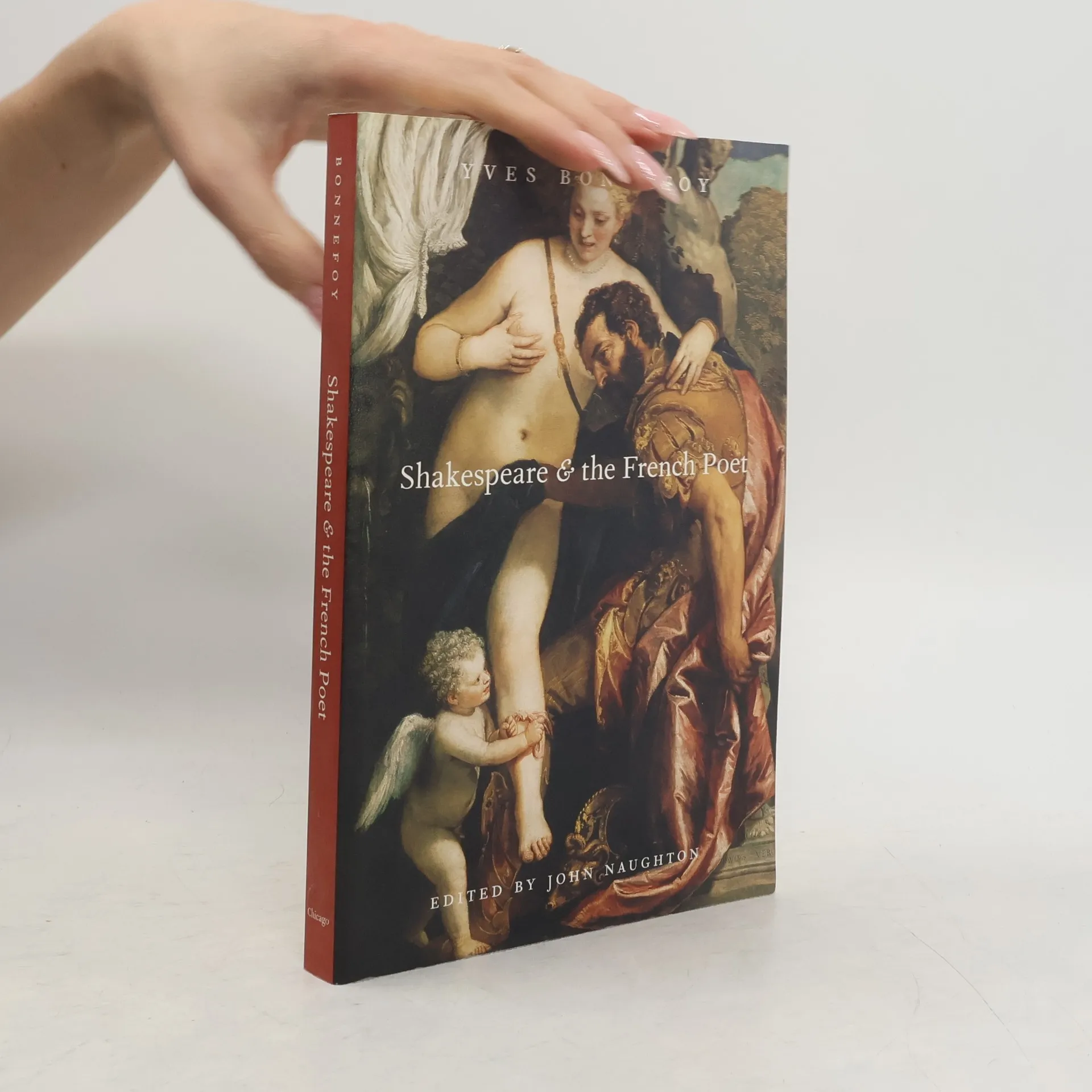
Shakespeare and the French Poet
- 304 stránek
- 11 hodin čtení
A meditation on the major plays of Shakespeare and the thorny art of literary translation, Shakespeare and the French Poet contains twelve essays from France's most esteemed critic and preeminent living poet, Yves Bonnefoy. Offering observations on Shakespeare's response to the spiritual crisis of his era as well as compelling insights on the practical and theoretical challenges of verse in translation, Bonnefoy delivers thoughtful, evocative essays penned in his characteristically powerful prose.Translated specifically for an American readership, Shakespeare and the French Poet also features a new interview with Bonnefoy. For Shakespeare scholars, Bonnefoy enthusiasts, and students of literary translation, Shakespeare and the French Poet is a celebration of the global language of poetry and the art of "making someone else's voice live again in one's own."
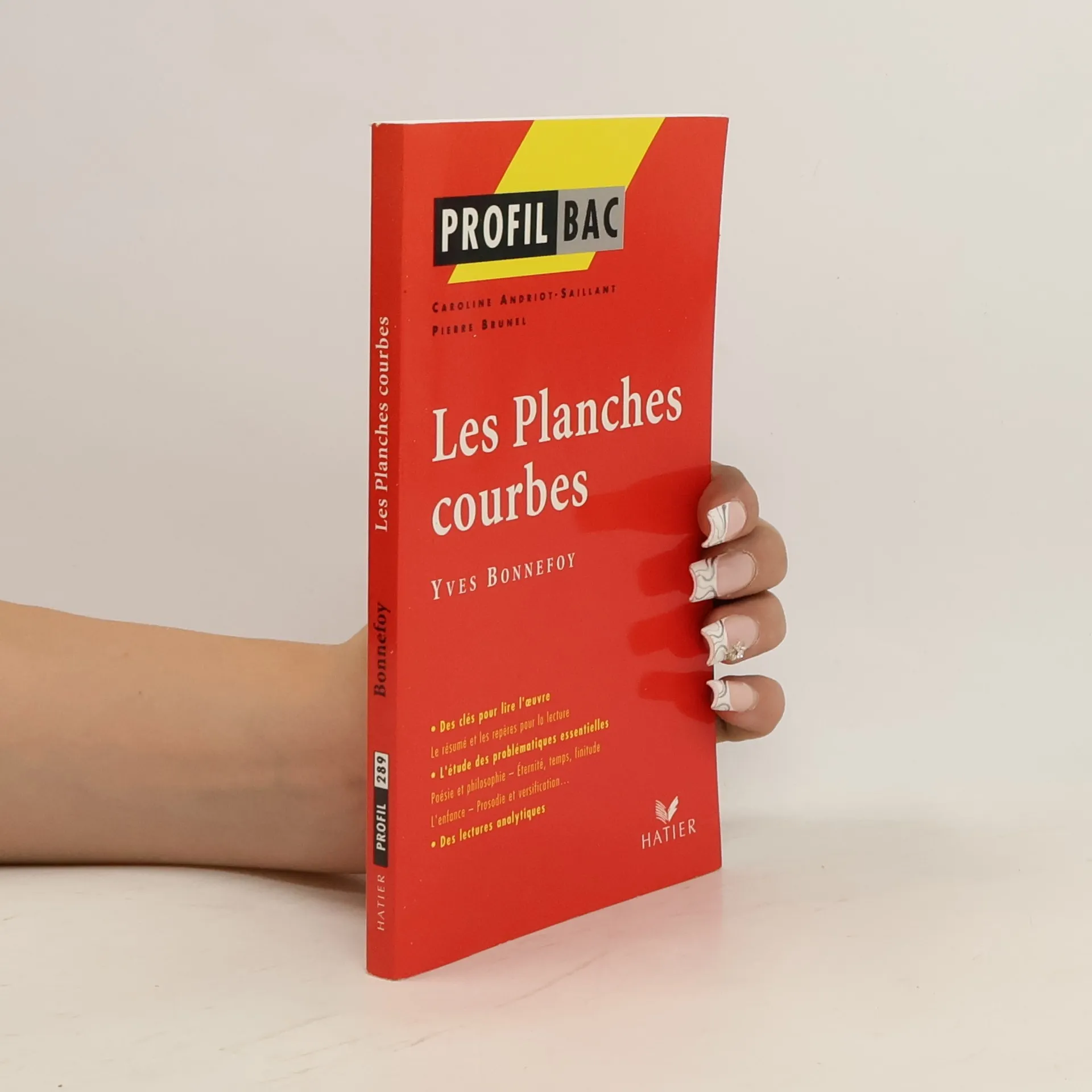
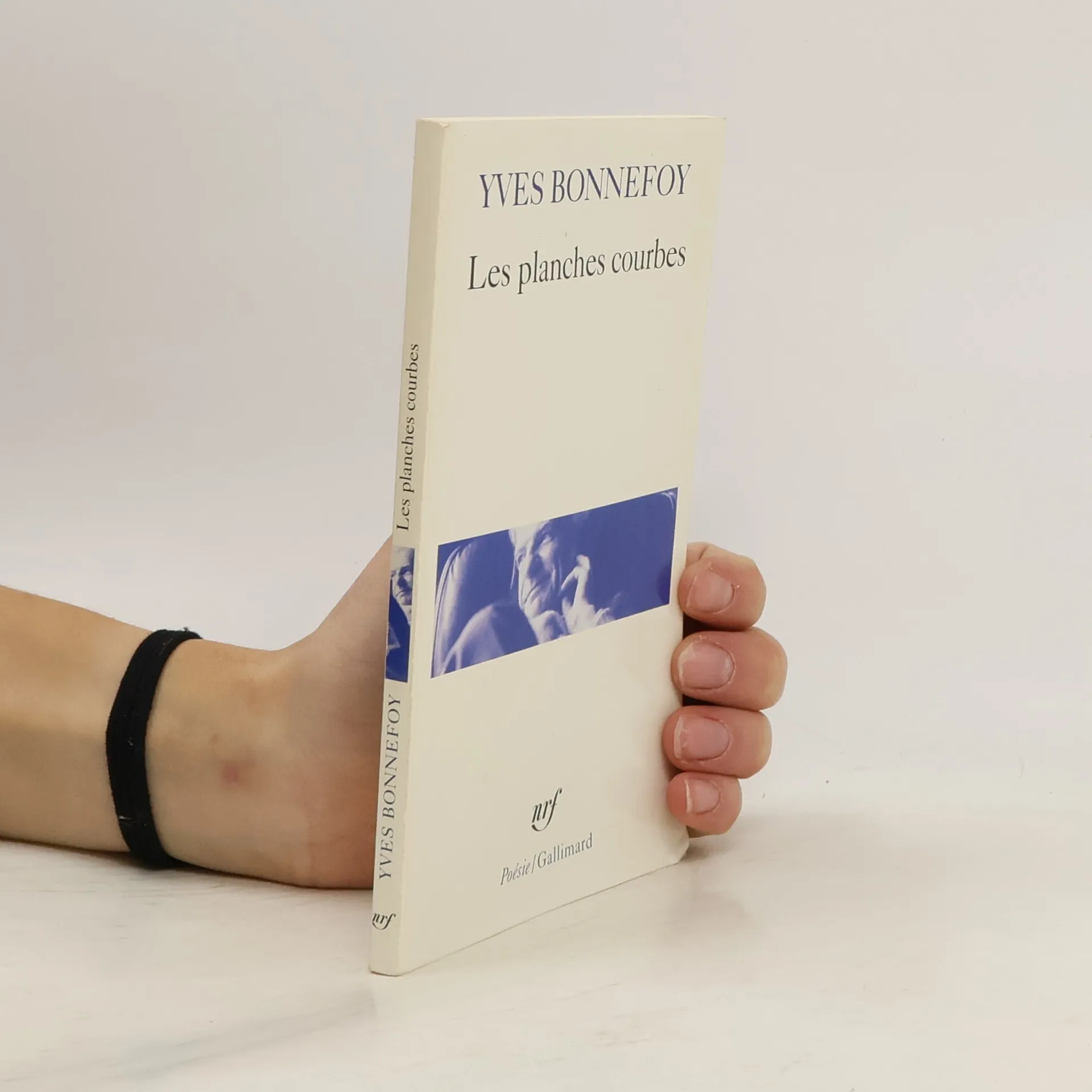
Salué dès sa publication en octobre 2001 comme l'un des livres majeurs d'Yves Bonnefoy, « Les Planches courbes » s'impose en effet au sommet d'un oeuvre sans faiblesse ni reniement. Une parole qui sait magistralement faire la place du sens et du chant s'élève, à la fois affirmée et fragile, inquiète et souveraine. Les planches courbes auxquelles le titre se réfère sont celles de la barque du passeur qui tente encore une avancée entre les deux rives du fleuve, les deux rives du rêve, les deux rives de la vie. La pluie d'été I Mais le plus cher mais non Le moins cruel De tous nos souvenirs, la pluie d'été Soudaine, brève. Nous allions, et c'était Dans un autre monde, Nos bouches s'enivraient De l'odeur de l'herbe. Terre, L'étoffe de la pluie se plaquait sur toi. C'était comme le sein Qu'eût rêvé un peintre" Yves Bonnefoy
Alberto Giacometti
- 80 stránek
- 3 hodiny čtení
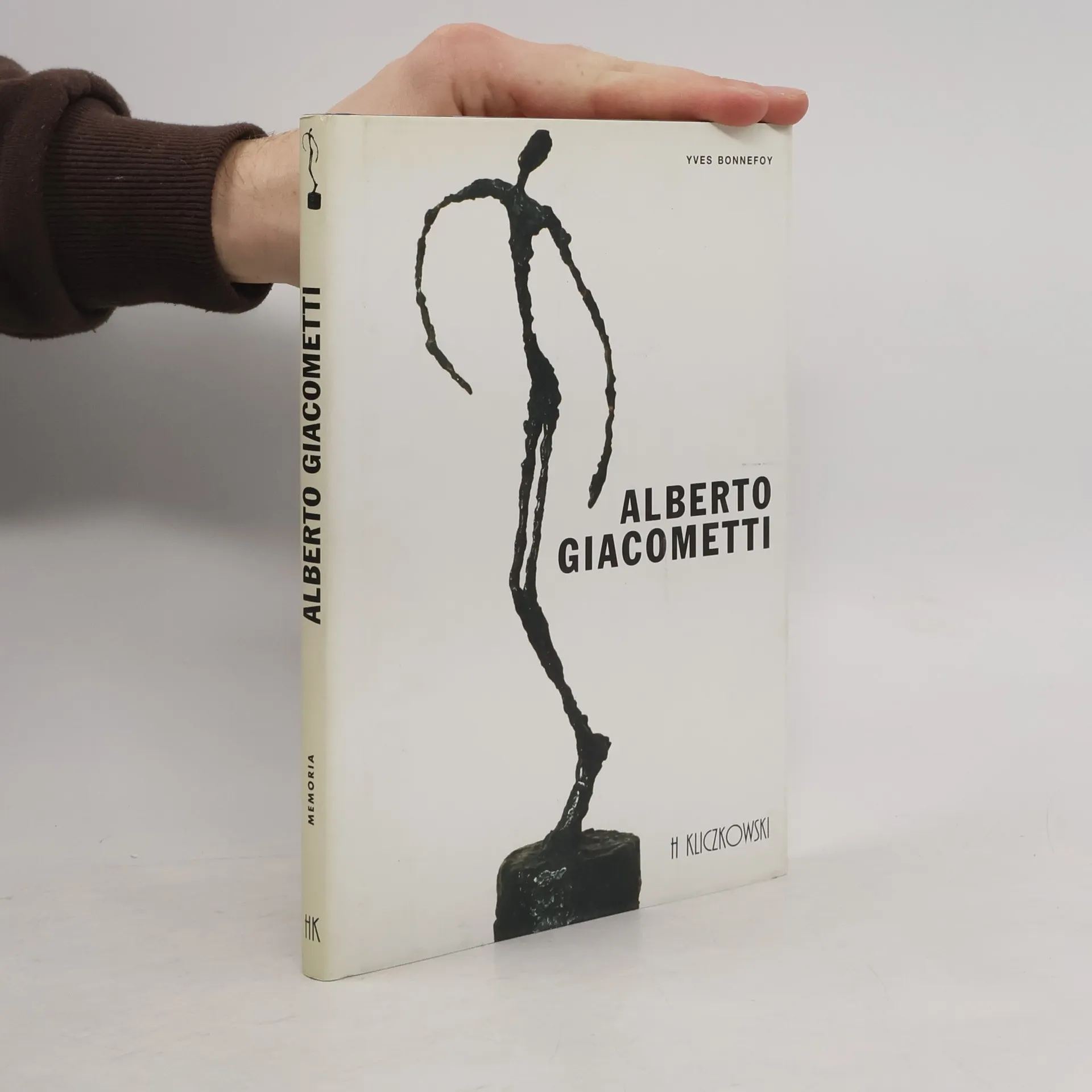
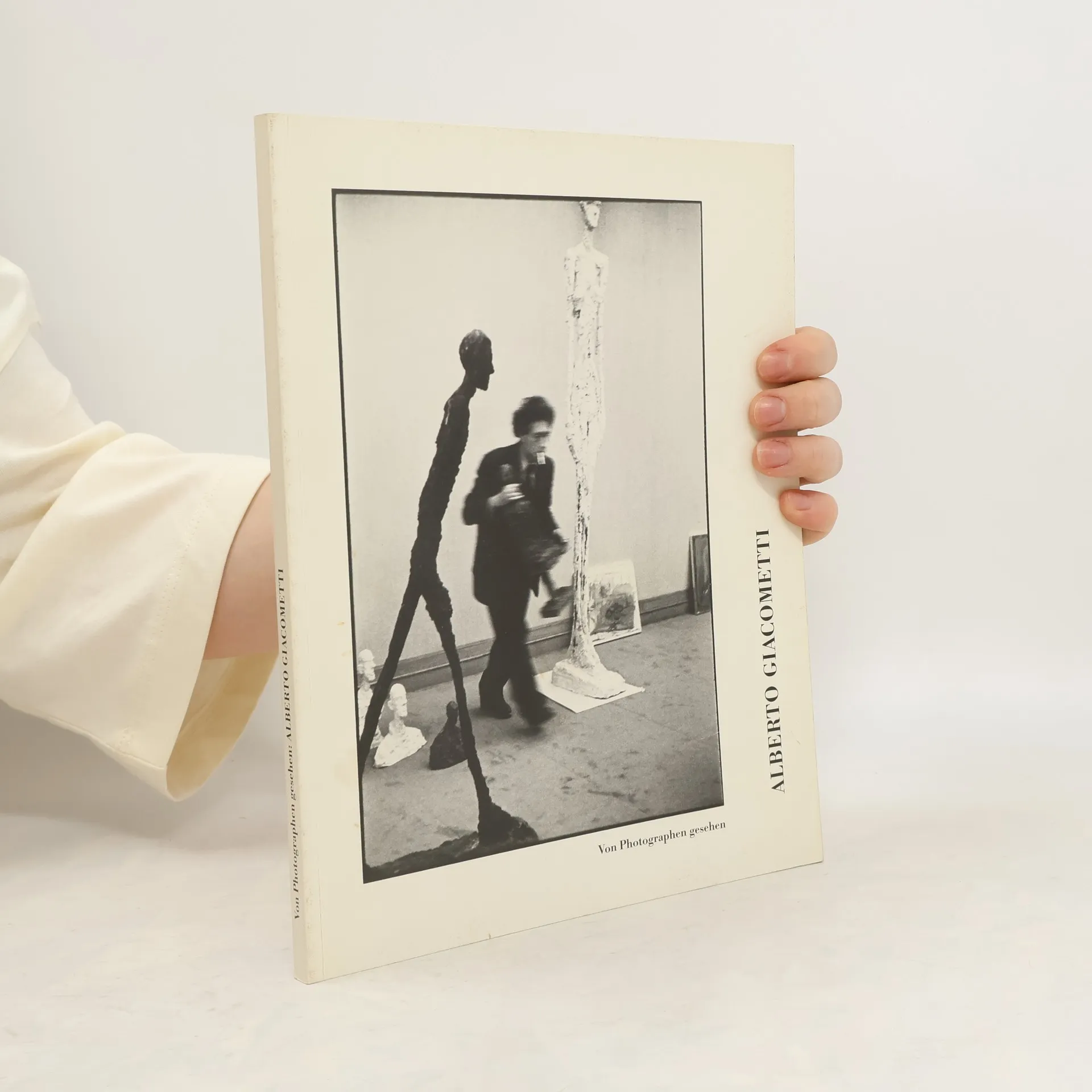
Alberto Giacometti has long been recognized as one of the most original artists of the last century, producing not just the sculptures for which he is best known, but also remarkable paintings, drawings, and lithographs. Yves Bonnefoy's groundbreaking monograph reveals the psychological and intellectual context of Giacometti's artistic output, while at the same time providing key interpretations of individual works. This richly illustrated, scholarly study remains a seminal work on the artist and his era, raising issues central to the understanding of twentieth-century art as a whole.
Tato básnická sbírka vznikala řadu let, její autor i vydavatel byli stíhání za urážku náboženské mravnosti i veřejné morálky, řada básní nesměla být uveřejněna vůbec, nakonec bylo zakázáno knihu vydávat. Kniha obsahuje celkem šest částí, celkem 145 básní. Vůbec nejslavnější a nejrozsáhlejší z nich je 1. oddíl nazvaný Splín a ideál, tyto básně vypovídají o poslání, umění nebo o postavení umělce, hovoří také o ženách, které autor současně miloval i nenáviděl, protože ho přitahovaly i odpuzovaly, tak se v básních střídá milostná touha a krutá bezcitnost.
Alberto Giacometti
- 132 stránek
- 5 hodin čtení
Alberto Giacometti has long been recognized as one of the most original artists of the last century, producing not just the sculptures for which he is best known, but also remarkable paintings, drawings, and lithographs. Yves Bonnefoy's groundbreaking monograph, first published in 1991, reveals the psychological and intellectural context of Giacometti's artistic output, while at the same time providing key interpretations of individual works. Available for the first time in paperback, this richly illustrated, scholarly study remains a seminal work on the artist and his era, raising issues central to the understanding of twentieth-century art as a whole.
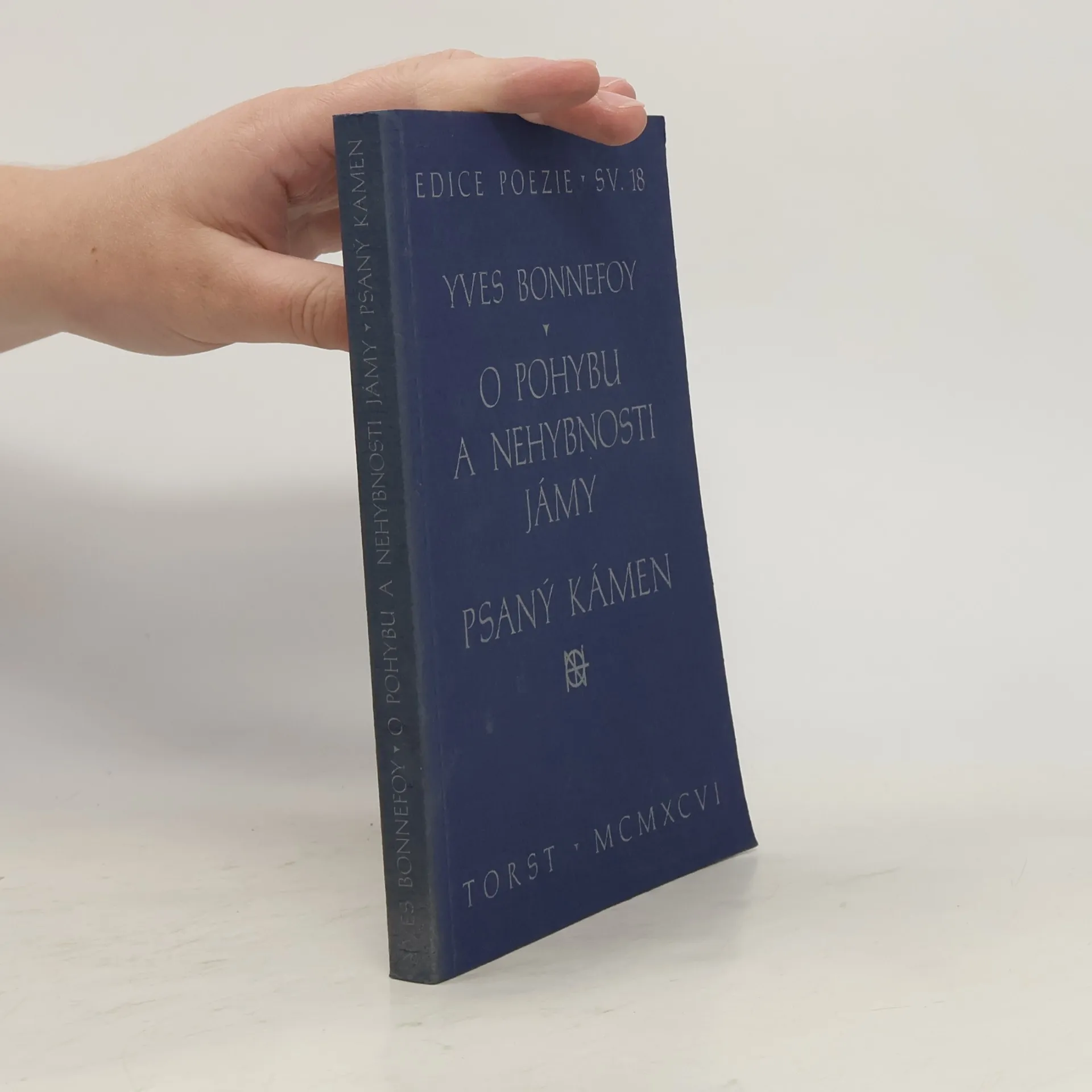
V překladu a s obsáhlým doslovem Jiřího Pelána vycházejí dvě sbírky nejvýznamnějšího současného francouzského básníka. Hluboká poezie, zrcadlící tragiku lidské existence, vybízí k opětovnému čtení, kdy znovu odhaluje své při prvním čtení nezachycené stránky.
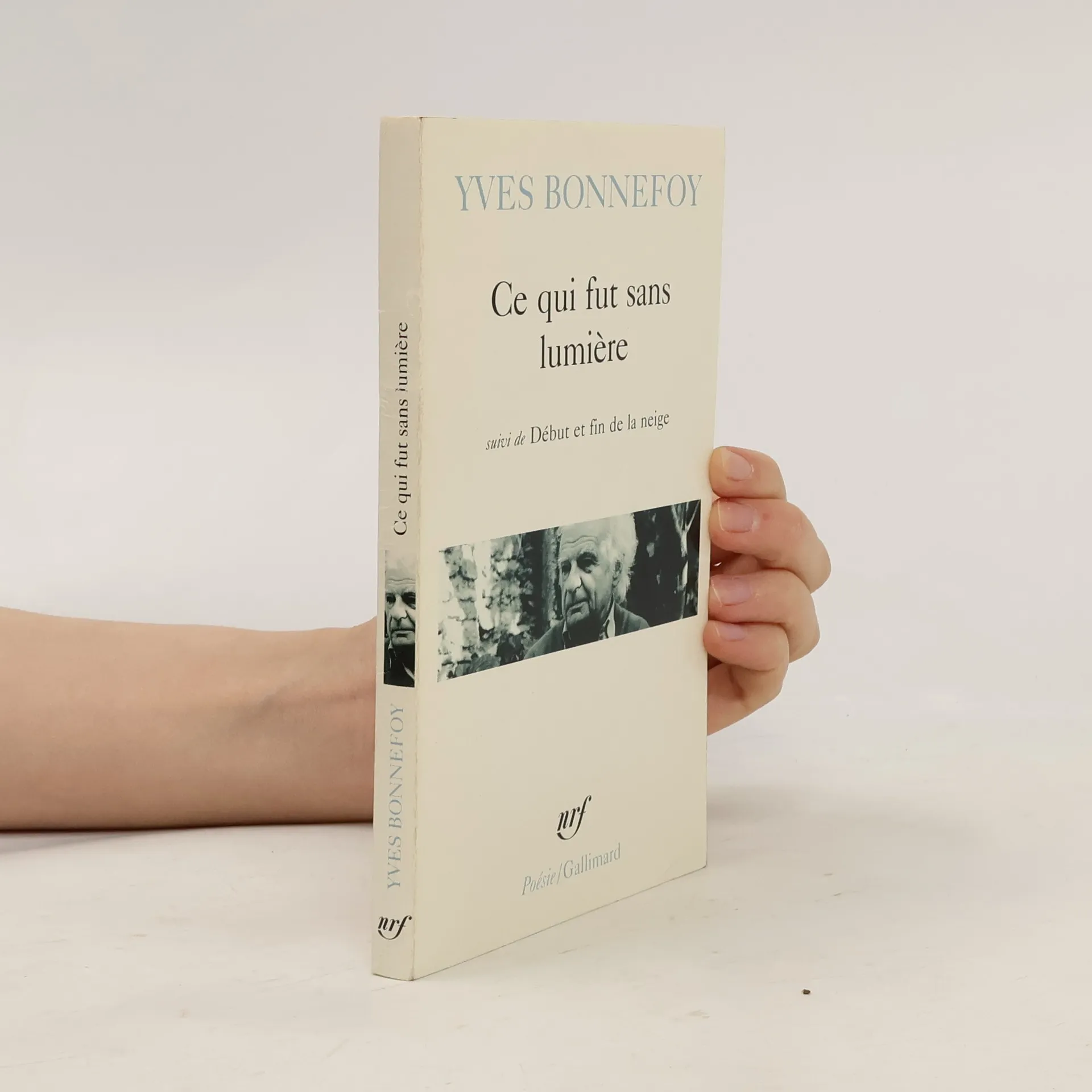
Ce qui fut sans lumière suivi de début et fin de la neige
- 180 stránek
- 7 hodin čtení
C’est l’aube. Et cette lampe a-t-elle donc fini /Ainsi sa tâche d’espérance, main posée /Dans le miroir embué sur la fièvre /De celui qui veillait, ne sachant pas mourir ?Extrait de "La Tâche d’espérance", in Ce qui fut sans lumière
Vie Errante suivi de Remarques Sur le Dessin
suivi de Une autre époque de l'écriture et de Remarques sur le dessin
- 240 stránek
- 9 hodin čtení
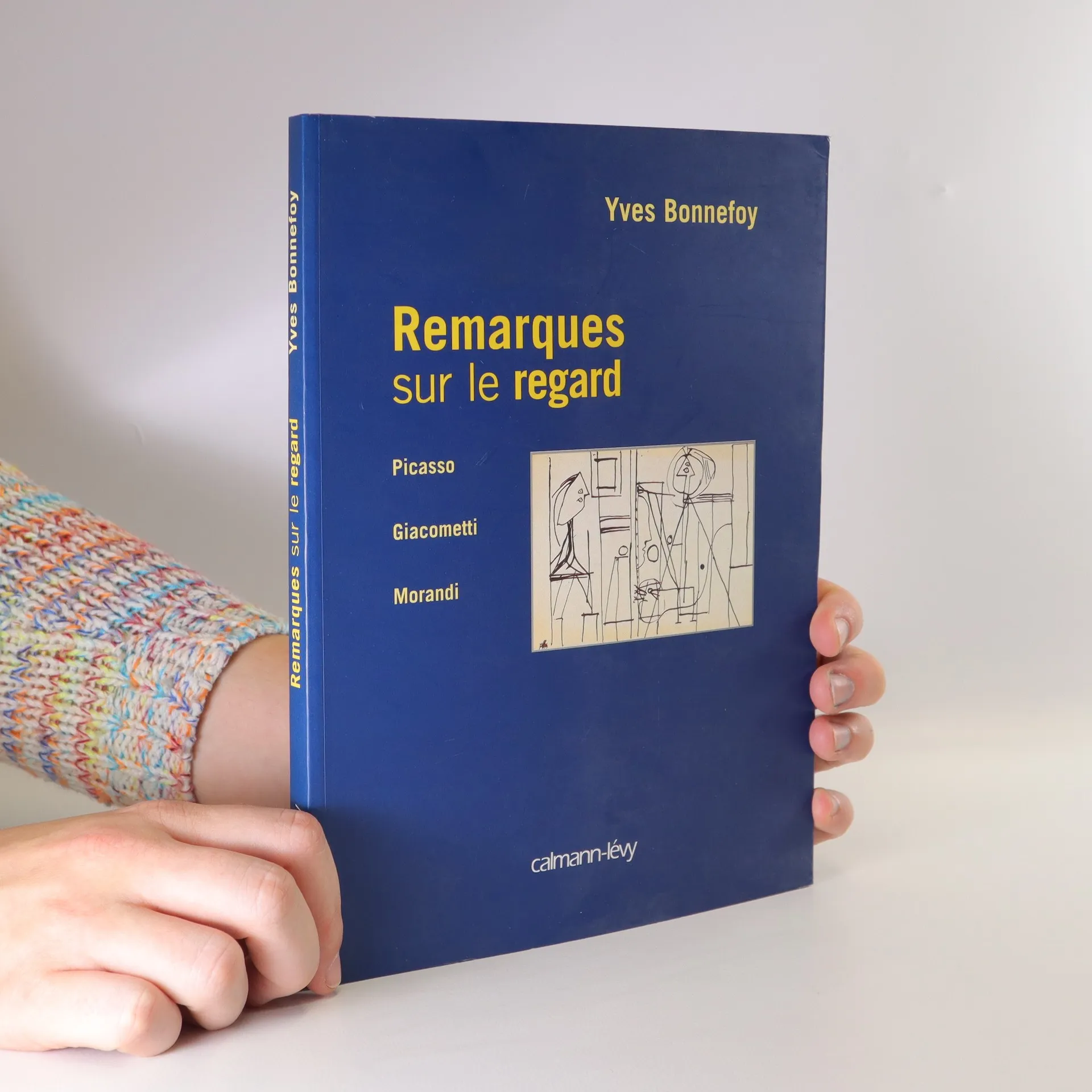
Ces deux ouvrages rassemblent des textes parus de 1987 à 1993 et qui, pour l'essentiel, sont consacrés, du moins dans leur prétexte explicite, à la peinture et au dessin puisqu'ils accompagnaient (autant qu'ils étaient accompagnés par elles) des œuvres de Cartier-Bresson, Hollan, Bokor, Alechinsky, Nama et Chillida. Mais ces proses poétiques valent également pour de subtiles méditations sur l'art poétique qui prend prétexte du dessin ou de la peinture pour développer, de manière contrastive, l'esquisse de ses propres contours. Ainsi, les trois textes de La Vie errante qui ont pour thème la figure légendaire du peintre Zeuxis sont-ils en réalité une réflexion approfondie sur la représentation, la réalité, sa recréation par tel ou tel art et le statut des mots du langage.
Asian Mythologies
- 400 stránek
- 14 hodin čtení
These 130 articles explore mythologies in societies from India to Japan. Among the many topics are Buddhist and Hindu symbolic systems, myth in pre-Islamic Iran, Indonesian rites of passage, Chinese cosmology and demons, and Japanese conceptions of the afterlife and the "vital spirit." The mythological traditions of Turkey, Korea, Tibet, and Mongolia are also included."The almost 100 contributors combine, with characteristic precision and élan, the arts of science and poetry, of analysis and translation. The result is a treasury of information, brilliant guesswork, witty asides, and revealing digressions. This is a work of genuine and enduring excitement."—Thomas D'Evelyn, Christian Science Monitor
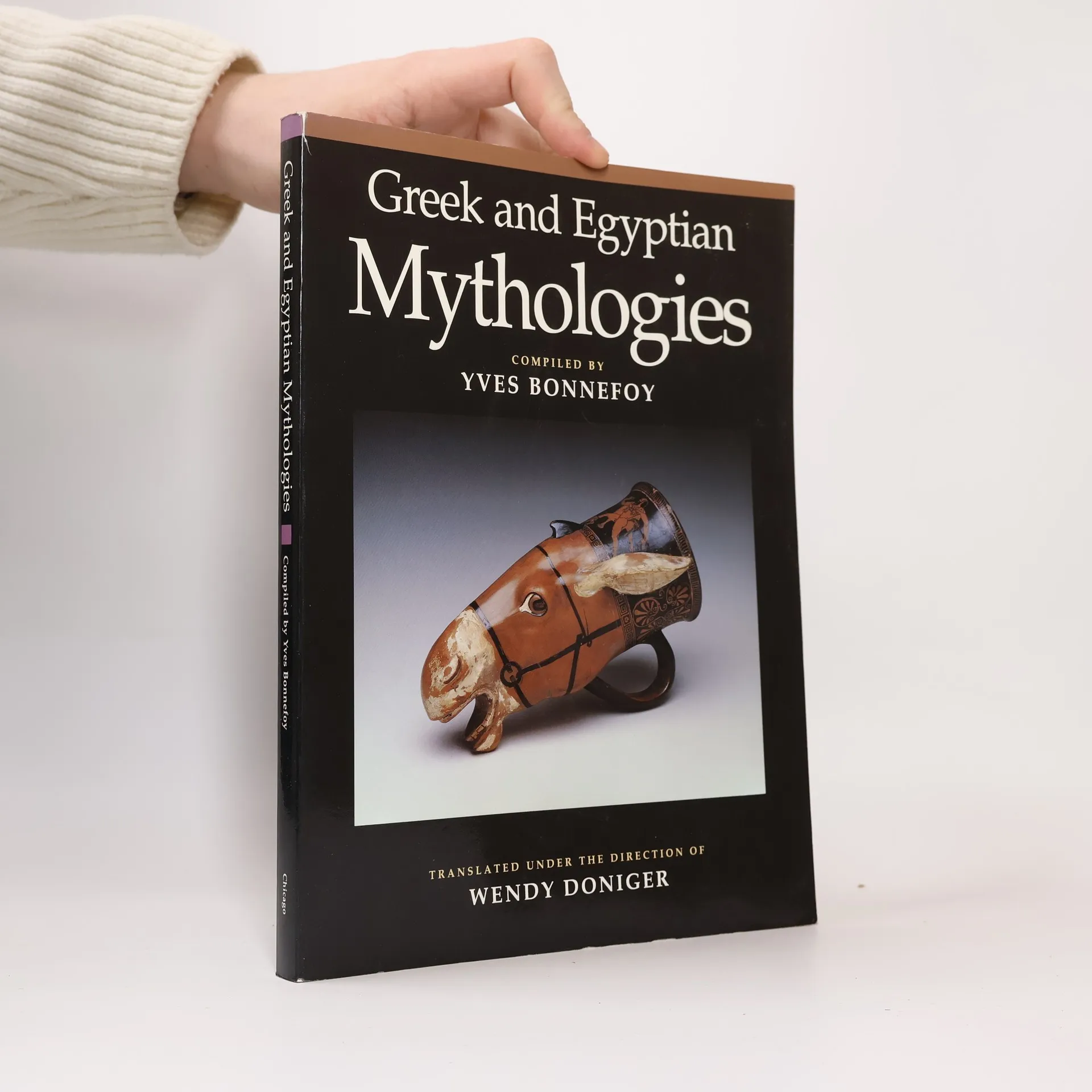
Greek and Egyptian Mythologies
- 294 stránek
- 11 hodin čtení
The seventy-two entries in this volume explore, among other topics, the history, geography, and religion of Greece, Plato's mythology and philosophy, the powers of marriage in Greece, heroes and gods of war in the Greek epic, and origins of mankind in Greek myths. Ancient Egyptian cosmology, anthropology, rituals, and religion—closely linked to Greek mythology—are also discussed."In a world that remains governed by powerful myths, we must deepen our understanding of ourselves and others by considering more carefully the ways in which the mythological systems to which we cling and social institutions and movements to which we are committed nourish each other. Yves Bonnefoy's Mythologies not only summarizes the progress that has already been made toward this end, but also lays the foundation for the difficult work that lies ahead."—Mark C. Taylor, New York Times Book Review"The almost 100 contributors combine, with characteristic precision and élan, the arts of science and poetry, of analysis and translation. The result is a treasury of information, brilliant guesswork, witty asides, and revealing digressions. This is a work of genuine and enduring excitement."—Thomas D'Evelyn, Christian cience Monitor
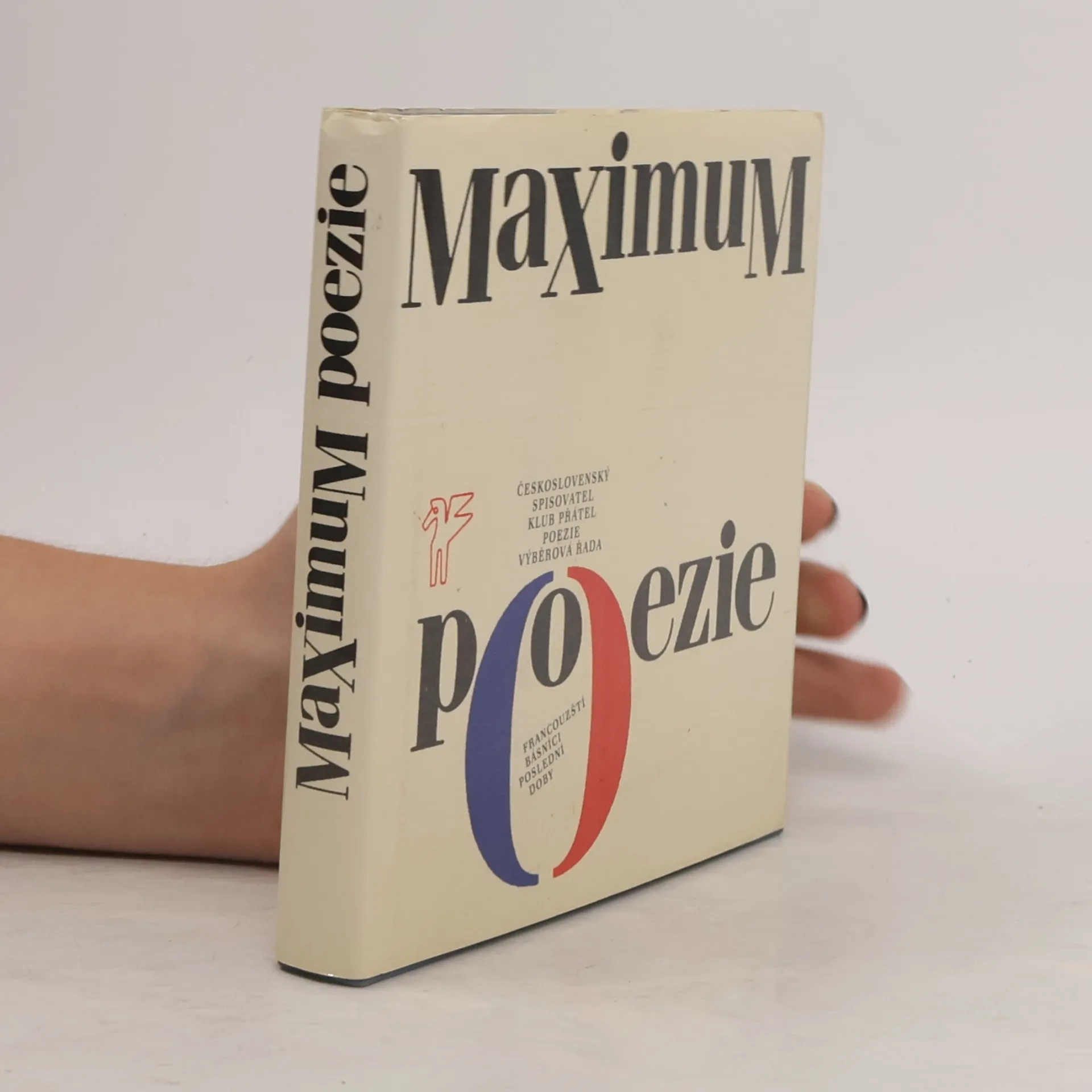
Maximum poezie. Francouzští básnící poslední doby
- 256 stránek
- 9 hodin čtení
Francouzští básníci poslední doby Jaká je dnešní francouzská poezie? Bezpochyby formálně a názorové bohatá. Má také různou myšlenkovou inspiraci: surrealistickou, existencialistickou i křesťanskou. Českému čtenáři, vedenému k zemitosti a lidovosti, se však může zdát abstraktní a spekulativní... Má blízko k próze, a to poetické zůstává v maximálně účinném obraze, v hudbě a volbě slov a v rytmu věty. Ve Francii se klade větší důraz na jazykovou stránku poezie. V naší znalosti francouzské poezie vznikla mezera a tu bylo třeba zaplnit. Antologie obsahuje ukázky z tvorby 14 současných francouzských básníků. Svazek seznamuje čtenáře jednak s předchůdci dnešní francouzské poezie (Char, Ponge, Michaux), dále s básníky narozenými ve 20. letech i se současnými nadějnými autory. Editor Aleš Pohorský. Kniha je doplněna fotografiemi Paříže od Barbary Huckové.
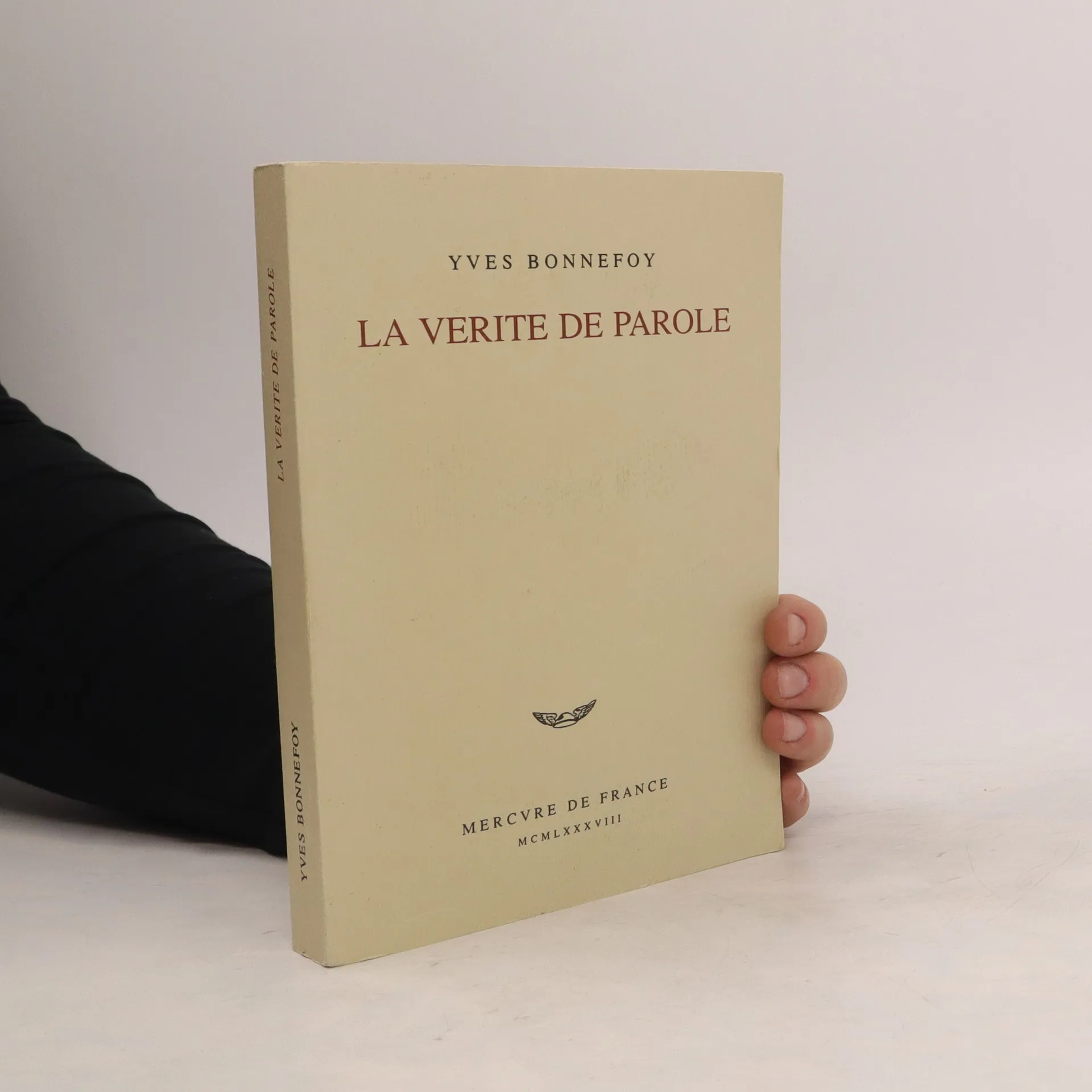
La vérité de parole
- 331 stránek
- 12 hodin čtení
La Vérité de parole est le troisième volume de L’Improbable, recueil d’essais sur la poétique dont les deux premières parties sont L’Improbable (suivi d’Un rêve fait à Mantoue) et Le Nuage rouge. TABLE : I - Marceline Desbordes-Valmore ; La poétique de Nerval ; Madame Rimbaud ; II - Une écriture de notre temps ; III - Un poète « figuratif » ; Gaëtan Picon allait parler, ce soir-là ; Les mots, les noms, la terre ; Jorge Luis Borges ; IV -Quelque chose comme une lettre ; Note bibliographique
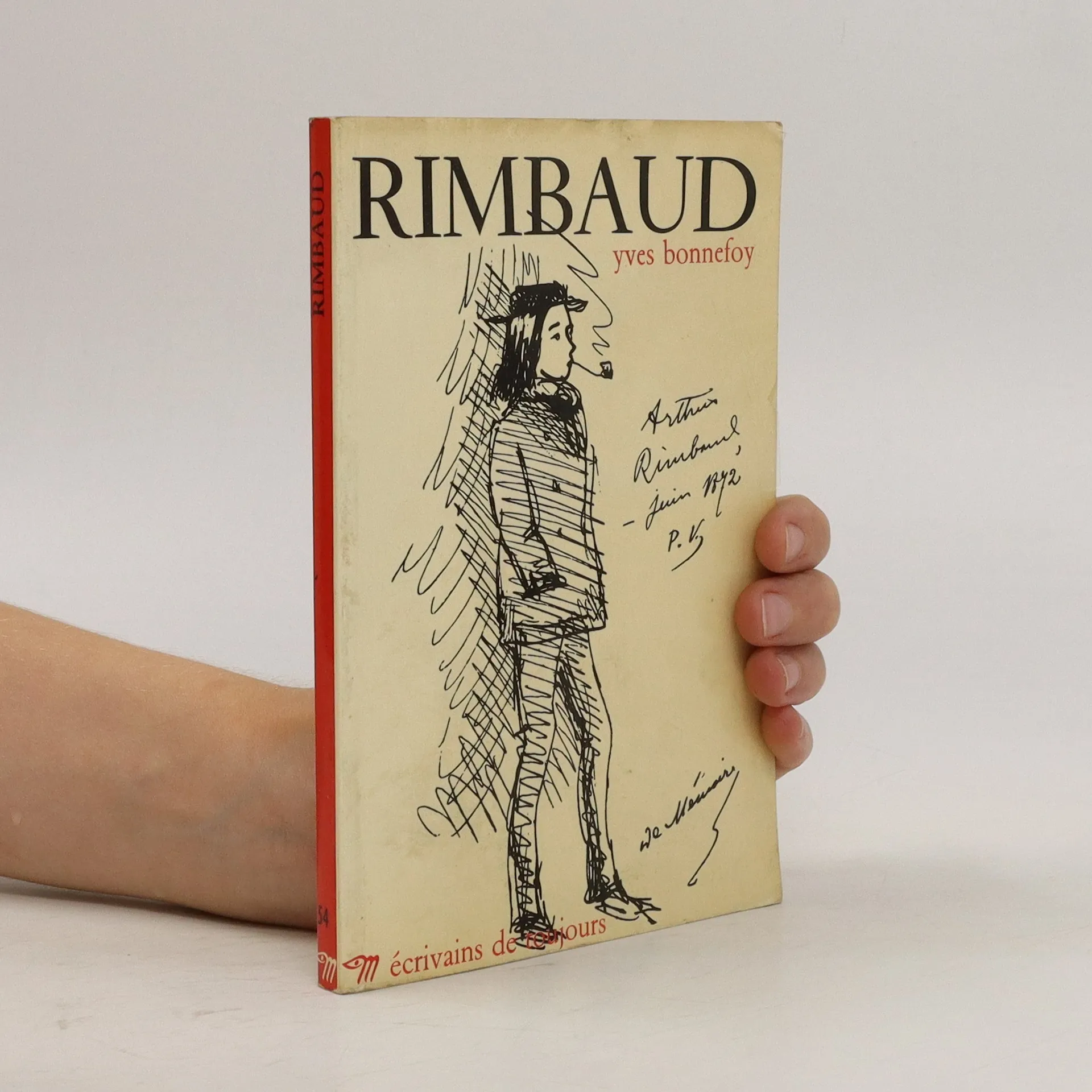
Rimbaud
- 184 stránek
- 7 hodin čtení
Qui veut comprendre Rimbaud doit lire Rimbaud, écouter sa voix et oublier les voix qui se sont mêlées à la sienne. Pourquoi chercher au loin ce que Rimbaud lui-même nous dit ? Peu de poètes ont été aussi passionnés que lui par le désir de se reconnaître et de se saisir, cherchant ainsi à se transformer. Il a pris ce chemin si au sérieux que nous n'avons pas besoin d'en chercher un autre pour retrouver la voix d'Arthur Rimbaud, déchiffrer son aspiration, raviver son ton, entendre sa force explosive et son éclat d'une pureté inégalée ; vivre son triomphe et sa rupture. Écoutons donc ces voix.
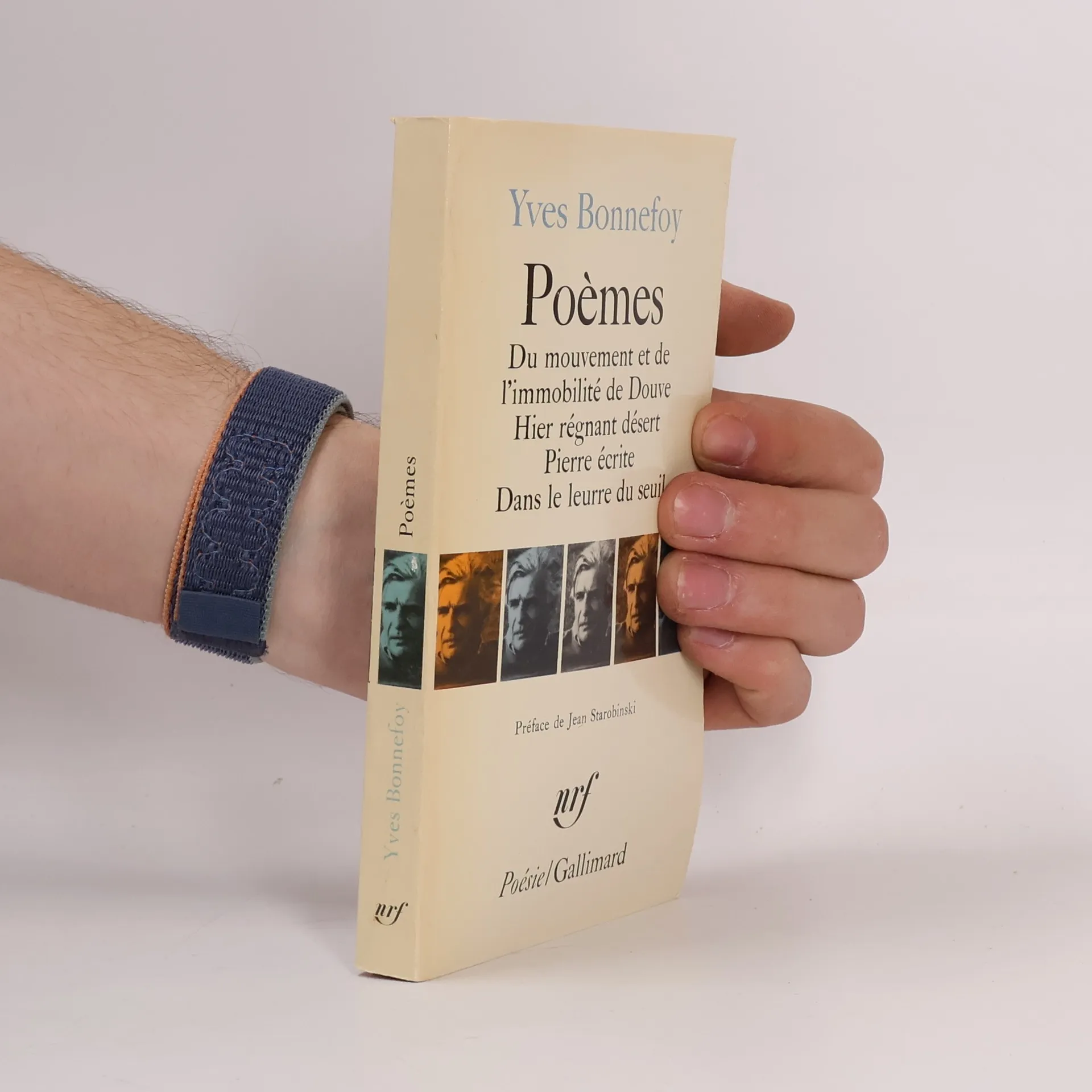
Poésie/Gallimard: Poèmes
- 346 stránek
- 13 hodin čtení
Nouvelle édition en 1986
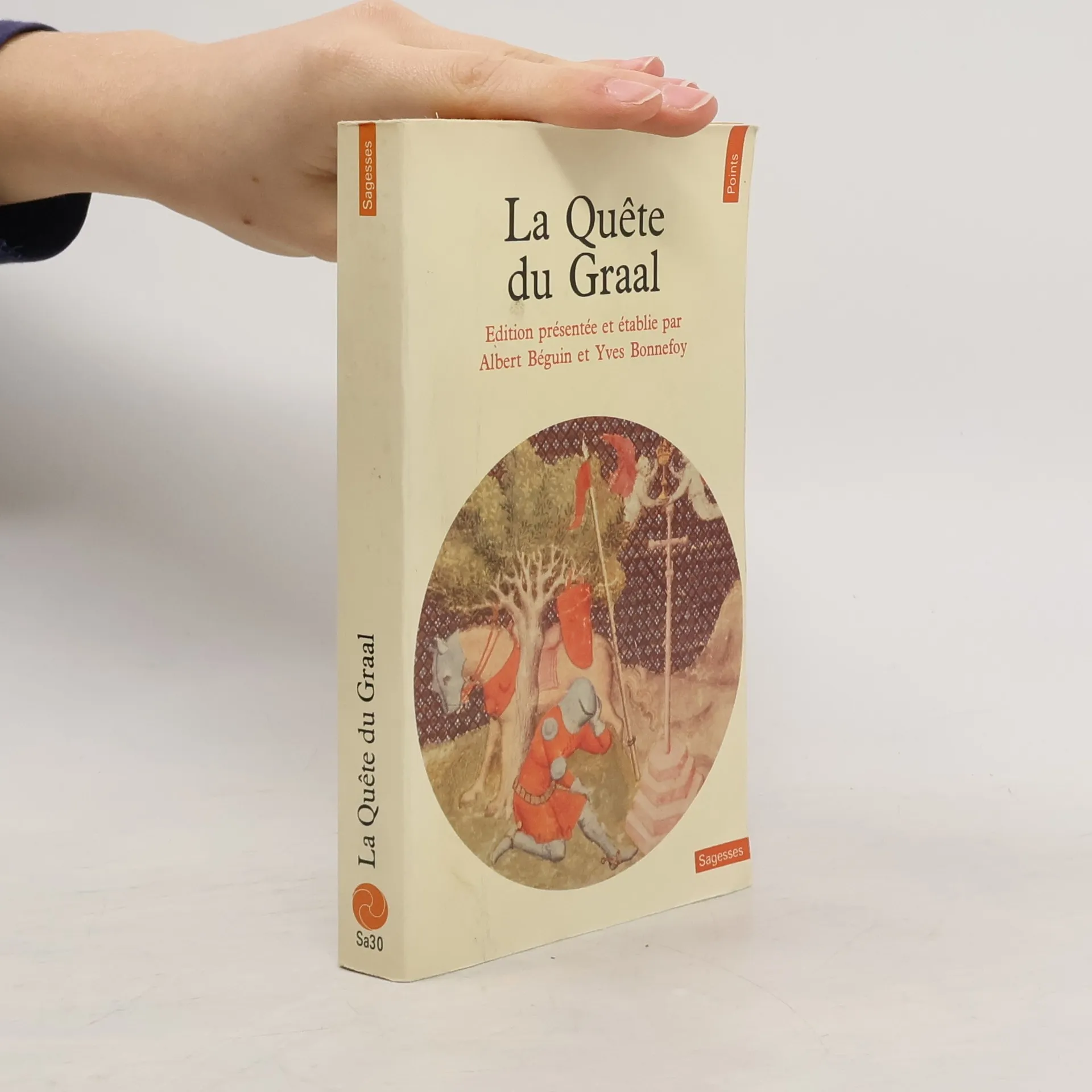
La Quête du Graal
- 315 stránek
- 12 hodin čtení
La Quête du Graal« La Quête du Graal est une œuvre de littérature spirituelle, dont tous les détails « signifient » et servent à la transmission d'un certain message. Mais ce roman est en même temps un authentique chef-d'œuvre littéraire, l'un des plus beaux de tout le Moyen Âge. Il n'a rien d'une prédication ou d'un récit seulement édifiant ; les sermons mêmes des ermites qui périodiquement instruisent les héros et leur expliquent leurs songes ou leurs aventures ne rompent pas la trame de l'invention romanesque. Ce développement des symboles est nécessaire à une œuvre dont toute l'imagination est orientée vers une intelligence de signes cachés dans les événements, les rencontres et les rêves. »Albert Béguin