Exploring the concept of "creative destruction," Schumpeter delves into how capitalism evolves and transforms economies through innovation and competition. He examines the interplay between capitalism, socialism, and democracy, offering insights into their dynamics and implications for globalization. This classic work provides a foundational understanding of economic systems and their impact on society, making it essential reading for those interested in economic theory and political philosophy.
Josef Alois Schumpeter Pořadí knih (chronologicky)
8. únor 1883 – 8. leden 1950
Tento rakousko-americký ekonom a politolog se proslavil svým konceptem "kreativní destrukce", který zásadně ovlivnil ekonomické myšlení 20. století. Jeho práce se hluboce zabývala inovacemi a dynamikou kapitalistických systémů. Snažil se pochopit hybné síly, které vedou k hospodářskému růstu a transformaci. Jeho vliv na moderní ekonomii je nepopiratelný.



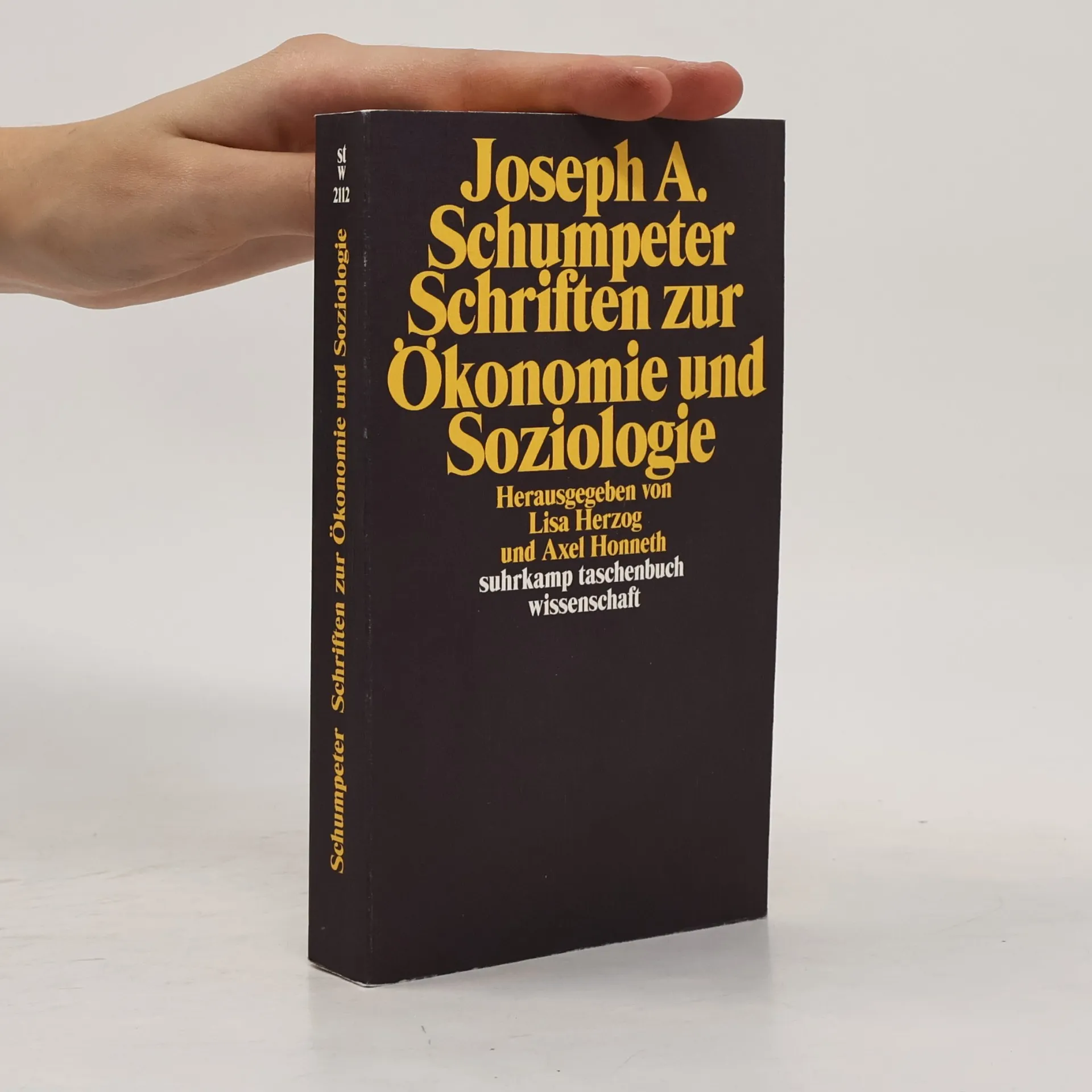
Suhrkamp Taschenbuch Wissenschaft - 2112: Schriften zur Ökonomie und Soziologie
- 300 stránek
- 11 hodin čtení
Joseph Schumpeter zählt unbestritten zu den bedeutendsten Ökonomen des 20. Jahrhunderts. Seine These, der Kapitalismus beruhe auf »schöpferischer Zerstörung«, ist mittlerweile zu einem geflügelten Wort geworden und mit seinem Buch Kapitalismus, Sozialismus und Demokratie hat er die Schule der »ökonomischen Theorie der Politik« begründet. Weniger bekannt sind bisher Schumpeters Aufsätze zu Fragen der Ökonomie und Soziologie, unter denen sich einige bahnbrechende Studien befinden, die gerade im Rahmen der neueren Auseinandersetzung um das Verhältnis von Wirtschaft, Gesellschaft und Politik im Zuge der globalen Finanzkrise von erneuter Relevanz sind. Der Band versammelt eine Auswahl dieser Aufsätze, teilweise zum ersten Mal in deutscher Übersetzung, und wird von Lisa Herzog und Axel Honneth mit einem Nachwort begleitet.
Can Capitalism Survive?
- 195 stránek
- 7 hodin čtení
Considered by many economists to be the finest analysis of capitalism ever written, Can Capitalism Survive? introduces Joseph A. Schumpeter's theory of "creative destruction," stating that in capitalist economies new innovations erode the position of established firms while also providing new and previously unforeseen avenues of economic growth. Today the effects of such advancements as Mp3s—replacing CDs, which in turn had replaced cassettes and vinyl records—have proven his ideas correct. Prophetically arguing that capitalist societies are also subject to "perennial gales" of destruction that wipe away fortunes, this great economist revealed the vast, often chaotic economic landscape of world capitalism. First published in Schumpeter's classic Capitalism, Socialism and Democracy, here is an invaluable guide the global economy.
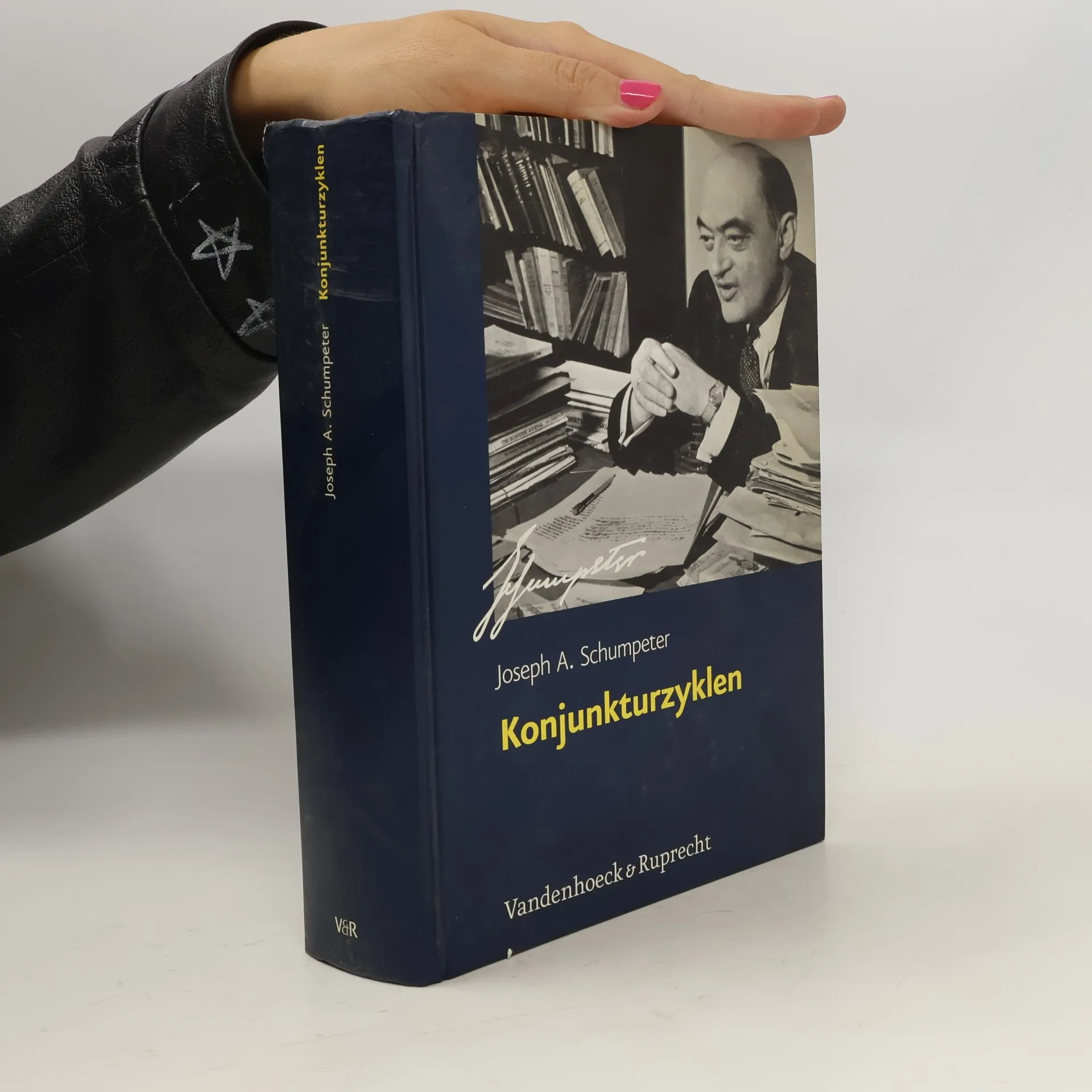
Konjunkturzyklen
- 1134 stránek
- 40 hodin čtení
Hoch und Tief, Aufschwung und Abschwung, Prosperität und Rezession – die wirtschaftliche Entwicklung wird heute wie selbstverständlich als Wellenbewegung wahrgenommen und beschrieben. Eine der wichtigsten Theorien zum zyklischen Verlauf der Konjunktur geht auf Joseph A. Schumpeter zurück, der sich schon früh mit dem Phänomen konjunktureller Wechsellagen im Verlauf des Wirtschaftsprozesses beschäftigt hatte. 1939 präzisierte er diesen Problemansatz in seinem voluminösen Band »Business Cycles«, dessen deutsche Übersetzung jetzt wieder in neuer Ausstattung vorliegt. Diese neue Textausgabe ist um eine neu geschriebene, fundierte Einführung ergänzt, die Schumpeters »Konjunkturzyklen« in den Kontext der wissenschaftlichen Forschung einordnet.
On the Nature of Money„ is a work that was discovered in the estate of Joseph A. Schumpeter, dating from 1929. It complements and systematizes his early theoretical thoughts on the nature of money. In this volume Schumpeter discusses the phenomenon of money and its broad historical, political, institutional and sociological ramifications, in which, according to Schumpeter, money must be seen as one element in the overall social process. Thus, money is both an object of economic theory and a subject of sociological scrutiny. This unfinished study is incomplete in parts and is published here in a new edition. It rounds off the complete works of Schumpeter, which includes his extensive works on “Economic Cycles„ and “The History of Economic Analysis.""
Kapitalismus, socialismus a demokracie
- 470 stránek
- 17 hodin čtení
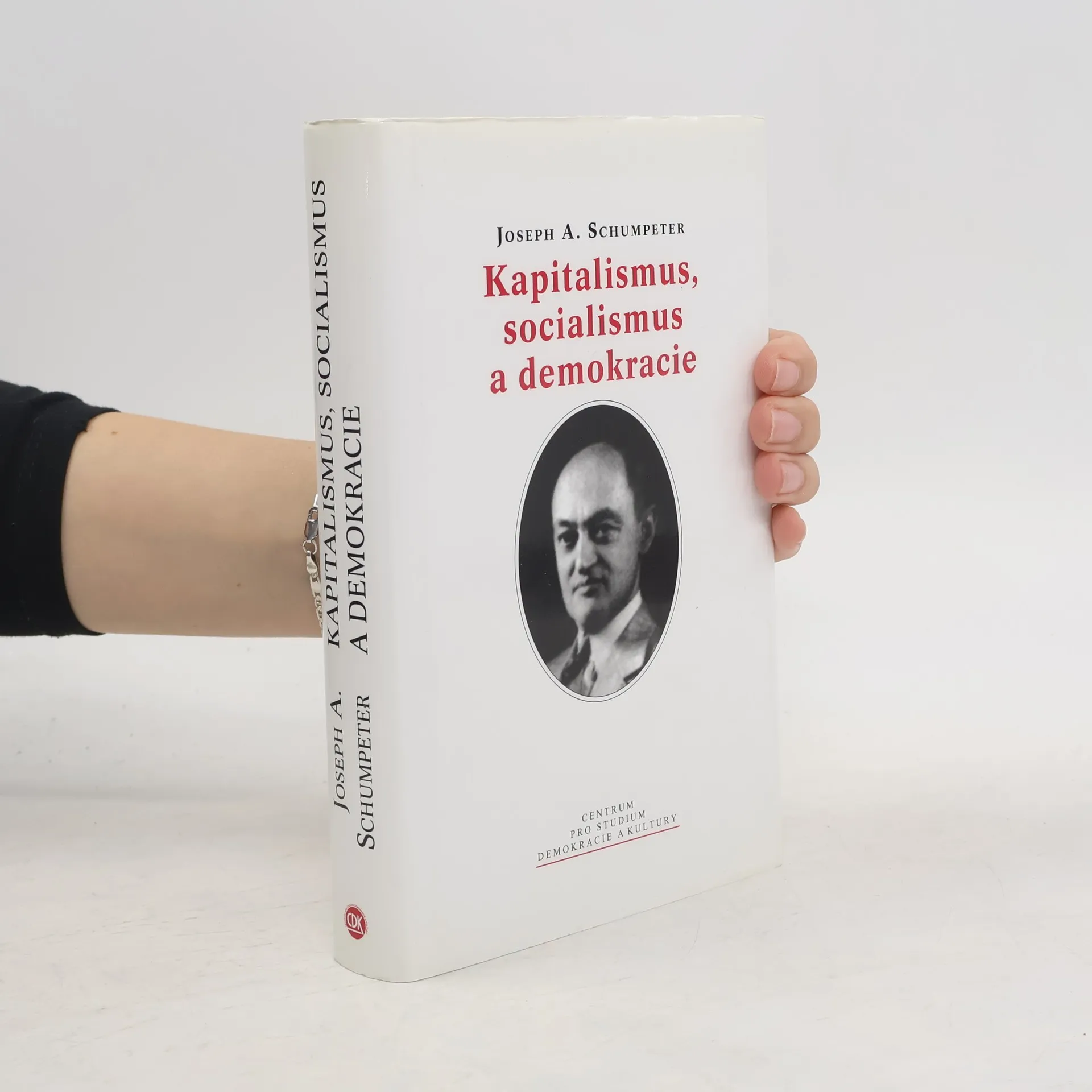
Joseph Alois Schumpeter v oblasti společenských a humanitních věd trvale patří mezi nejvýznamnější a nevlivnější autory dvacátého století. Jeho myšlení i práce zásadně ovlivnily další vývoj v poznávání souvztažností ekonomie, politiky i společnosti jako celku. Jeho nejznámější práce Kapitalismus, socialismus a demokracie je pozoruhodnou analýzou souvztažností kapitalismu a socialismu, která neotřelým a již řadu desítiletí akceptovaným způsobem identifikuje jejich problematická místa. Jedná se o jednu z klíčových prací společenských věd dvacátého století.
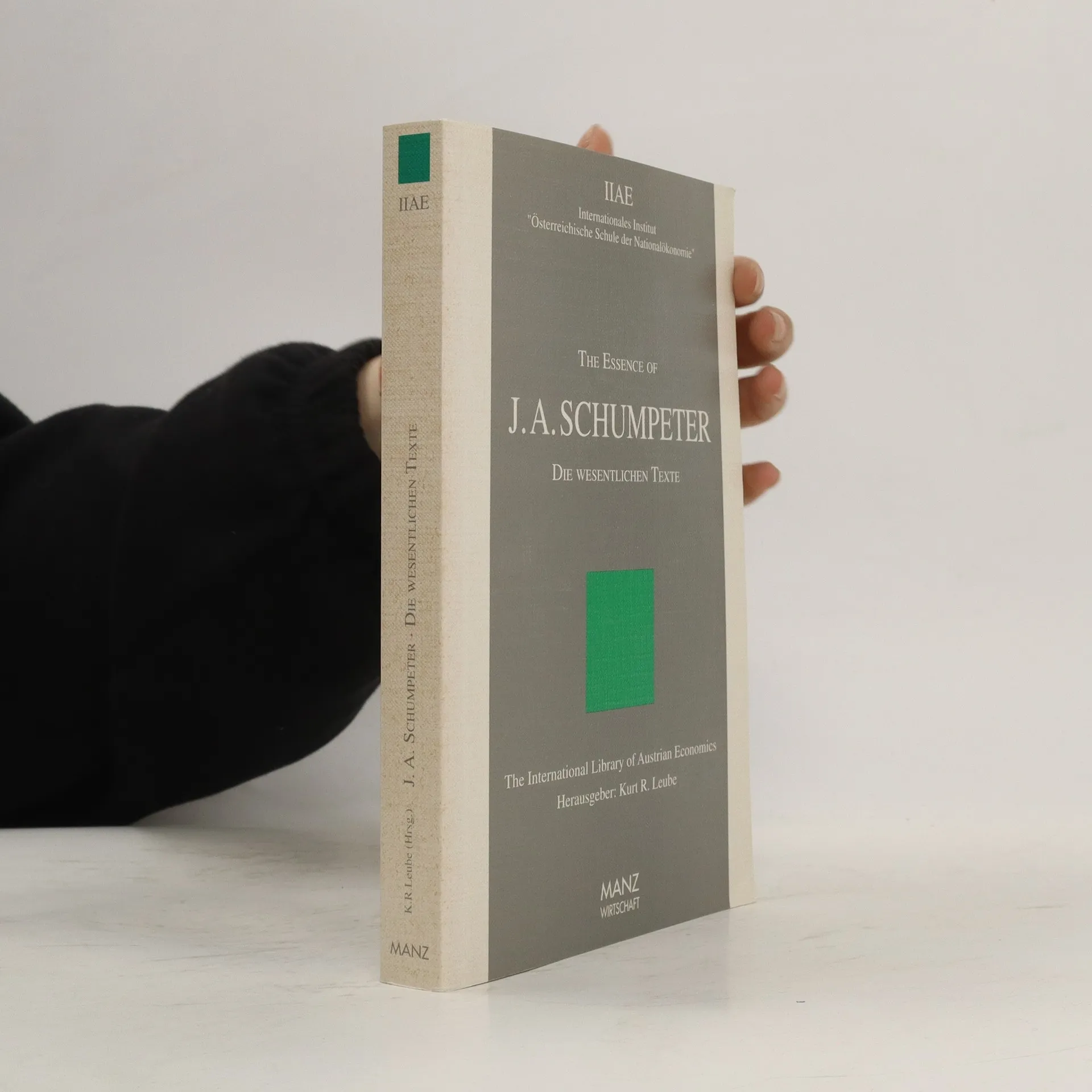
The essence of J. A. Schumpeter
- 334 stránek
- 12 hodin čtení
History of Economic Analysis
- 1312 stránek
- 46 hodin čtení
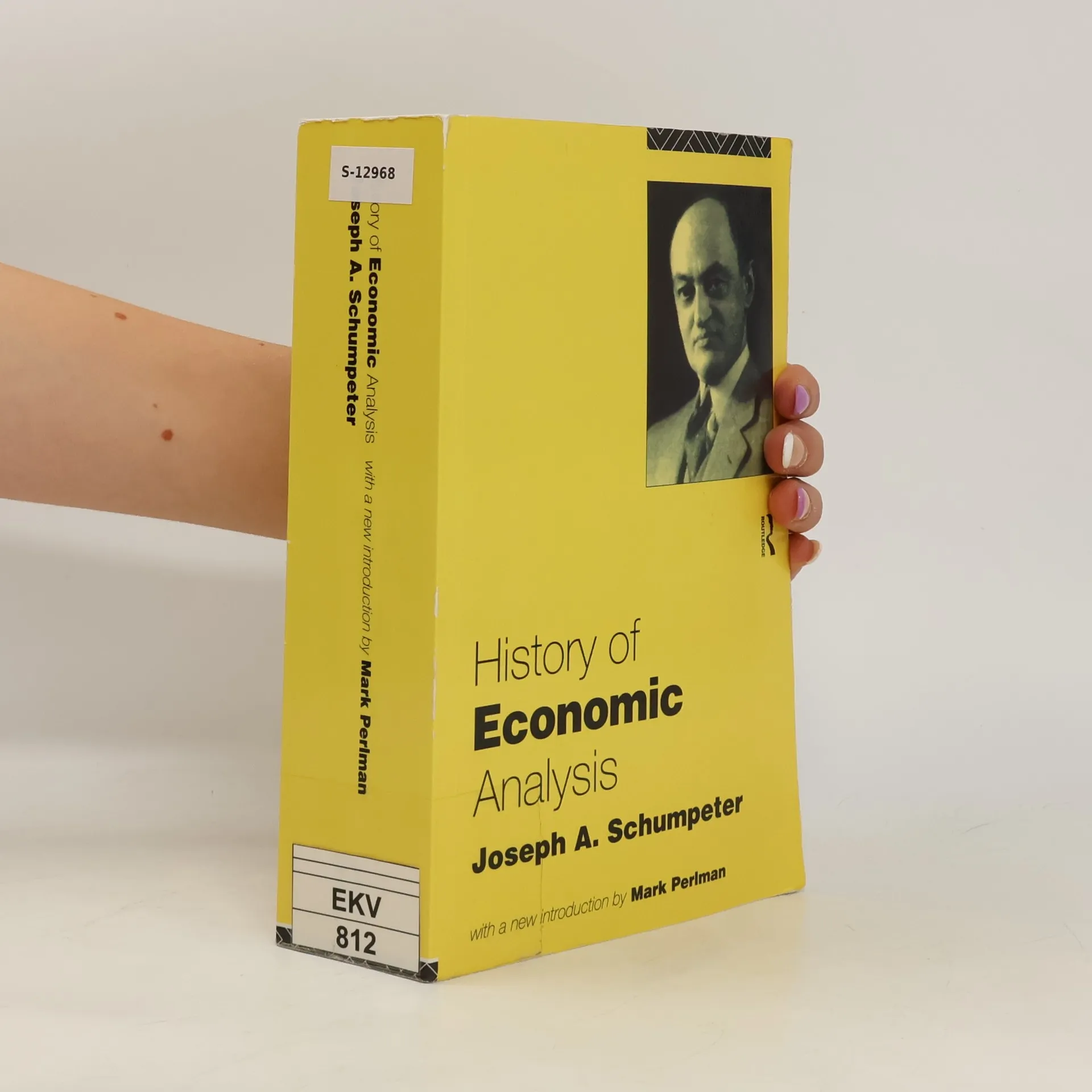
At the time of his death in 1950, Joseph Schumpeter was working on his monumantal History of Economic Analysis. Unprecedented in scope, the book was to provide a complete history of economic theory from Ancient Greece to the end of the second world war. A major contribution to the history of ideas as well as to economics, History of Economic Analysis rapidly gained a reputation as a unique and classic work. As well being an economist, Schumpeter was a gifted mathematician, historian, philosopher and psychologist and this is reflected in the multi-disciplinary nature of his great endeavour. Topics addressed include the techniques of economic analysis, contemporaneous developments in other sciences and the sociology of economics. This inclusiveness extends to the periods and individuals who figure in the book. As well as dealing with all of the major economists from Adam Smith to Maynard Keynes, the book considers the economic writings of Plato and Aristotle, of the Medieval Scholastics and of the major European economists. Throughout, Schumpeter perceived economics as a human science and this is reflected in a volume which is lucid and insightful throughout.
Theorie der wirtschaftlichen Entwicklung
Nachdruck der 1. Auflage von 1912. Hrsg. und erg. um eine Einführung von Jochen Röpke - Olaf Stiller.
- 600 stránek
- 21 hodin čtení
Fünfundneunzig Jahre nach der ersten Auflage von Schumpeters „Theorie der wirtschaftlichen Entwicklung“ wird die „Urauflage“ in einem Nachdruck mit einer Einführung der Marburger Ökonomen Jochen Röpke und Olaf Stiller präsentiert. Leser haben nun die Möglichkeit, die ungekürzte, 548 Seiten umfassende erste Auflage zu studieren, was eine neue Perspektive auf diesen volkswirtschaftlichen Klassiker eröffnet. Während spätere, theoretisch „entschärfte“ Auflagen für Ökonomen herausfordernd waren, bietet die ursprüngliche Fassung radikale und weitsichtige Überlegungen, die in der Entwicklungs- und Evolutionsökonomik bis heute unerreicht sind. Besonders das zweite Kapitel, „Das Grundphänomen der wirtschaftlichen Entwicklung“, und das unbekannte siebente Kapitel, „Das Gesamtbild der Volkswirtschaft“, bereichern die heutige wissenschaftliche Diskussion und liefern praktische Orientierung für Politik und Wirtschaft. Schumpeters Forderung nach einer neuen wissenschaftlichen Methode ist für die moderne Ökonomie und die Steuerung komplexer Innovationssysteme von zentraler Bedeutung. Seine konsistente Entwicklungstheorie, die über die „Neoklassik“ hinausgeht, bietet Antworten auf Entwicklungs- und Wachstumsvorgänge in verschiedenen Epochen. Diese Neuauflage eröffnet Fachleuten und Interessierten neue Einsichten in das frühe Denken eines Theoriegenies und liefert frische Argumente jenseits der aktuellen politischen Diskussion.
The Theory of Economic Development
An Inquiry Into Profits, Capital, Credit, Interest, and the Business Cycle
- 324 stránek
- 12 hodin čtení
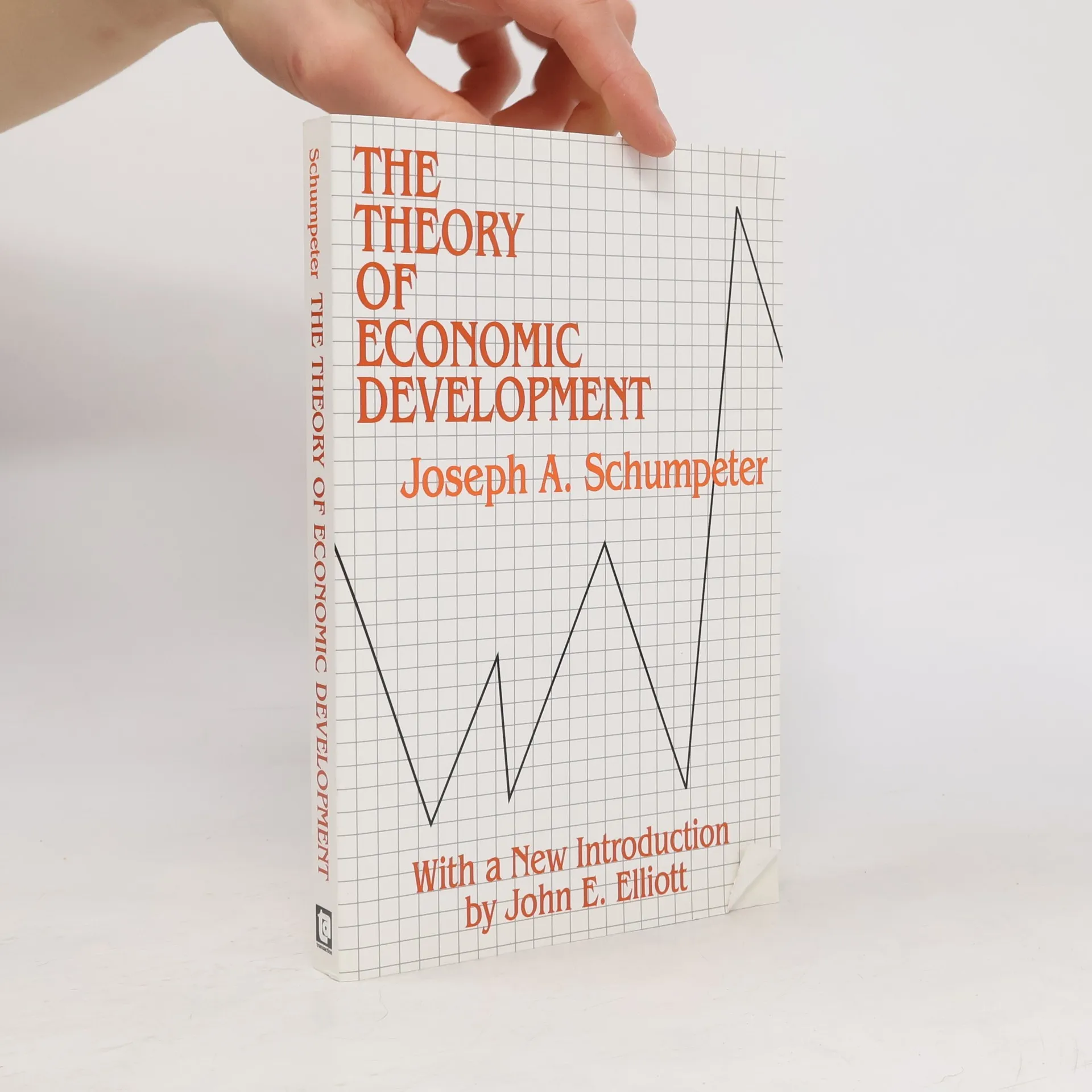
Schumpeter proclaims in this classical analysis of capitalist society first published in 1911 that economics is a natural self-regulating mechanism when undisturbed by "social and other meddlers." In his preface he argues that despite weaknesses, theories are based on logic and provide structure for understanding fact. Of those who argue against him, Schumpeter asks a fundamental question: "Is it really artificial to keep separate the phenomena incidental to running a firm and the phenomena incidental to creating a new one?" In his answers, Schumpeter offers guidance to Third World politicians no less than First World businessman. In his substantial new introduction John E. Elliott discusses the salient ideas of The Theory of Economic Development against the historical background of three great periods of economic thought in the last two decades.
Capitalism, socialism, and democracy
- 456 stránek
- 16 hodin čtení
Capitalism, Socialism and Democracy remains one of the greatest works of social theory written in the twentieth Century. Schumpeter's contention that the seeds of capitalism's decline were internal, and his equal and opposite hostility to centralist socialism have perplexed, engaged and infuriated readers since the book's first publication in 1943. By refusing to become an advocate for either position, Schumpeter was able both to make his own great and original contribution and to clear the way for a more balanced consideration of the most important social movements of his and our time.
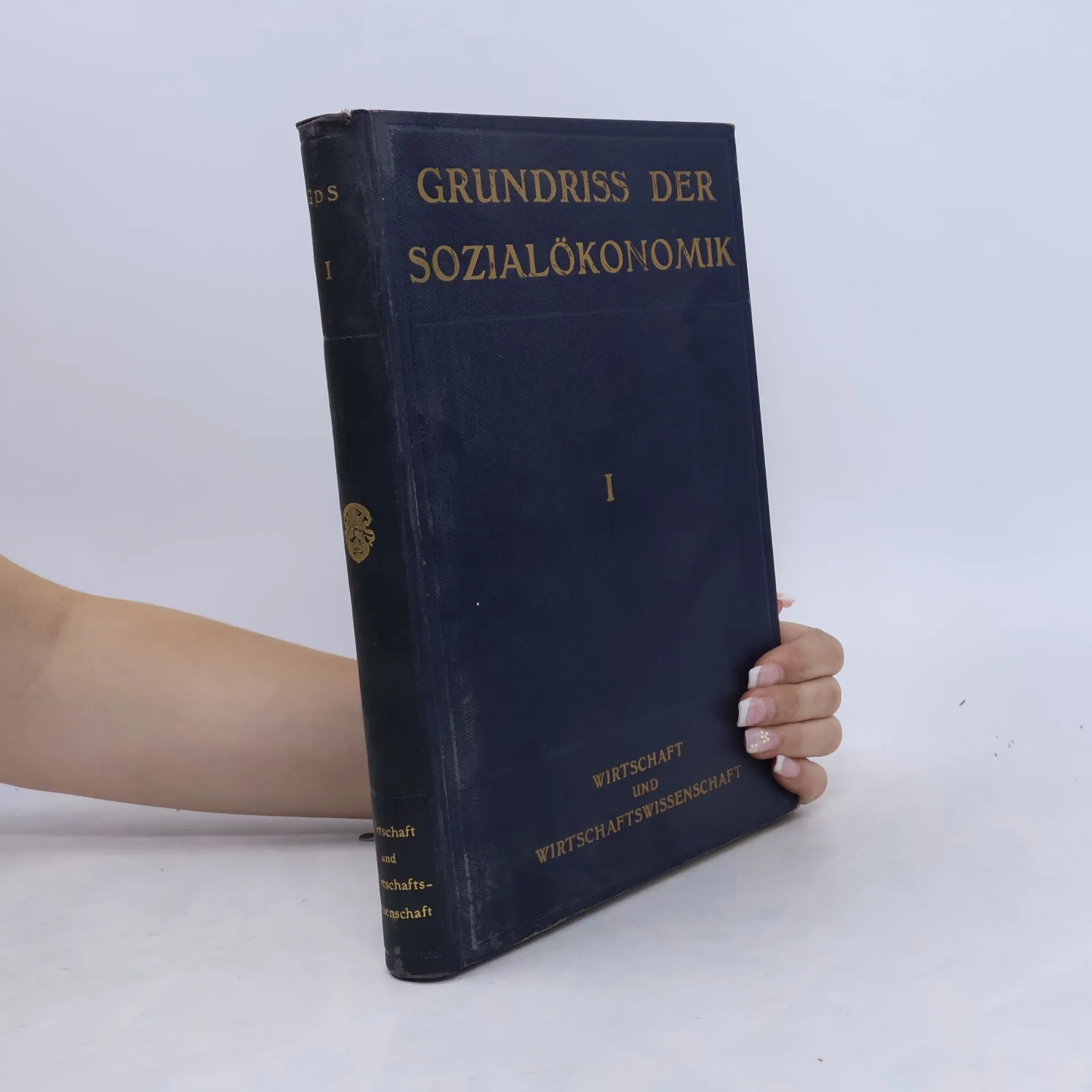
Grundriss der Sozialökonomik I.
Wirtschaft und Wirtschaftswissenschaft)