Americký novinář a komentátor David Brooks již dlouho s nebývalým přehledem a rázností zkoumá způsob, jakým žijeme. Kniha boří zažité definice úspěchu a předkládá nám vizi kultury založené na důvěře a pokoře. V knize Společenský tvor rozebírá lidskou komunikaci a ukazuje, že společně toho dokážeme více. Najdeme zde působivé myšlenkové dobrodružství, příběh o úspěchu a také obhajobu pokroku. Po přečtení této knihy ji britský premiér David Cameroon doporučil všem členům svého kabinetu.
David Brooks Knihy
11. srpen 1961



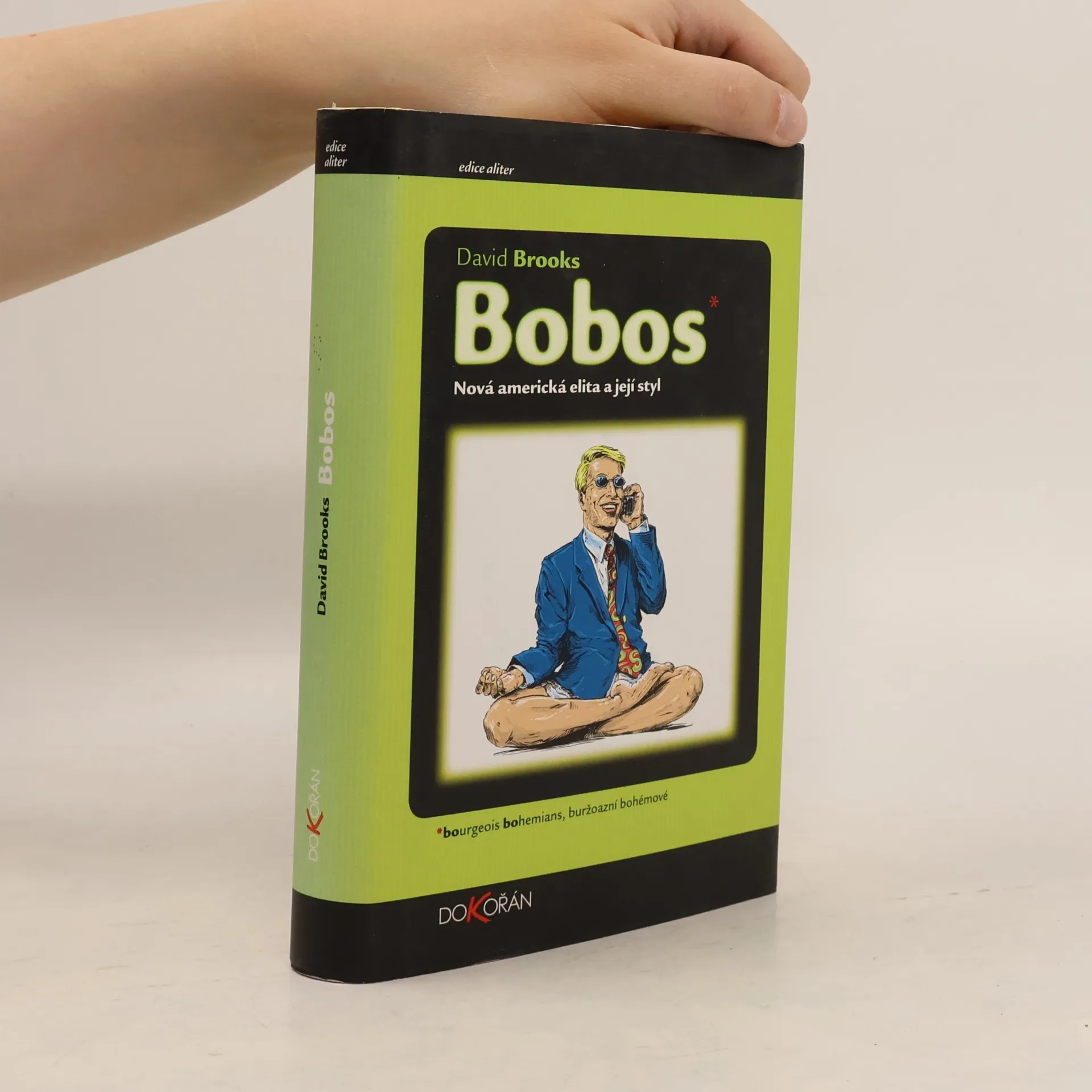

Nová americká elita a její styl. Bobos - "bourgeois bohemians", bohémská buržoazie a současná americká vyšší třída - vznikla syntézou amerického kulturního a hospodářského mainstreamu 70. let a revolty proti establishmentu generace let šedesátých. Kdo jsou tito bobos, kteří se dostali nahoru spíše díky svým znalostem a schopnostem než díky konexím a rodinnému původu? Jaké místo mají vzdělání, práce, peníze, majetek a zábava v jejich hodnotovém žebříčku? Jakým způsobem ovlivňují americký kulturní a společenský život? Na tyto a další otázky hledá autor odpověď ve své "komické sociologii", založené spíše na pozorování a úvahách než na statistikách a suchých teoriích. Ať je náš postoj k americkým elitám jakýkoli, bobos si vybrali z generací "hippies" a "yuppies" ty sympatičtější prvky a patří-li jim kromě současnosti i budoucnost, je to spíše dobrá zpráva.
Cesta k charakteru
- 248 stránek
- 9 hodin čtení
David Brooks přináší do našich životů poznání a originální pohled na svět prostřednictvím svého sloupku v New York Times a bestsellerů. V knize se zaměřuje na neuro-vědecký pohled na lidskou komunikaci a ukazuje, jak společně dokážeme víc. Nyní se soustředí na hlubší hodnoty, které by měly být základem našich životů, a reaguje na fenomén „kultura velkého já“, který upřednostňuje vnější úspěch. Vyzývá nás k přehodnocení rovnováhy mezi hodnotami spojenými s úspěchem, jako je bohatství a sláva, a hlubšími ctnostmi, jako jsou laskavost a odvaha. Tyto ctnosti poznáme kritickým pohledem na naše vztahy. Brooks čerpá z odkazu velkých myslitelů a vůdců, kteří si vybudovali silný vnitřní charakter díky vnitřnímu boji a poznání svých limitů. Frances Perkinsová chápala, že pro službu vyšším ideálům musí potlačit část své osobnosti. Dwight Eisenhower se řídil uvědomělou sebekázní, zatímco Dorothy Day poznala sílu prostoty a odevzdanosti. A. Philip Randolph a Bayard Rustin si uvědomovali hodnotu zdrženlivosti a potřebu sebekritiky i v boji za vznešené cíle. Kniha mísí psychologii, politiku, spiritualitu a osobní zpověď, a dává nám příležitost přehodnotit své priority a usilovat o bohatší vnitřní život plný pokory a morálního bohatství. Brooks píše, že „radost je vedlejší produkt, kterého se dostává lidem usilujícím o něco jiného. Přesto však přijde.“
The book emphasizes the importance of truly understanding and recognizing others in various relationships, whether personal or professional. David Brooks argues that the ability to see and value people is crucial for fostering healthy families, workplaces, classrooms, and communities. He reflects on how this skill becomes increasingly vital with age, highlighting its role in making individuals feel heard and appreciated. Through this lens, the book explores the foundational aspects of connection and empathy in human interactions.
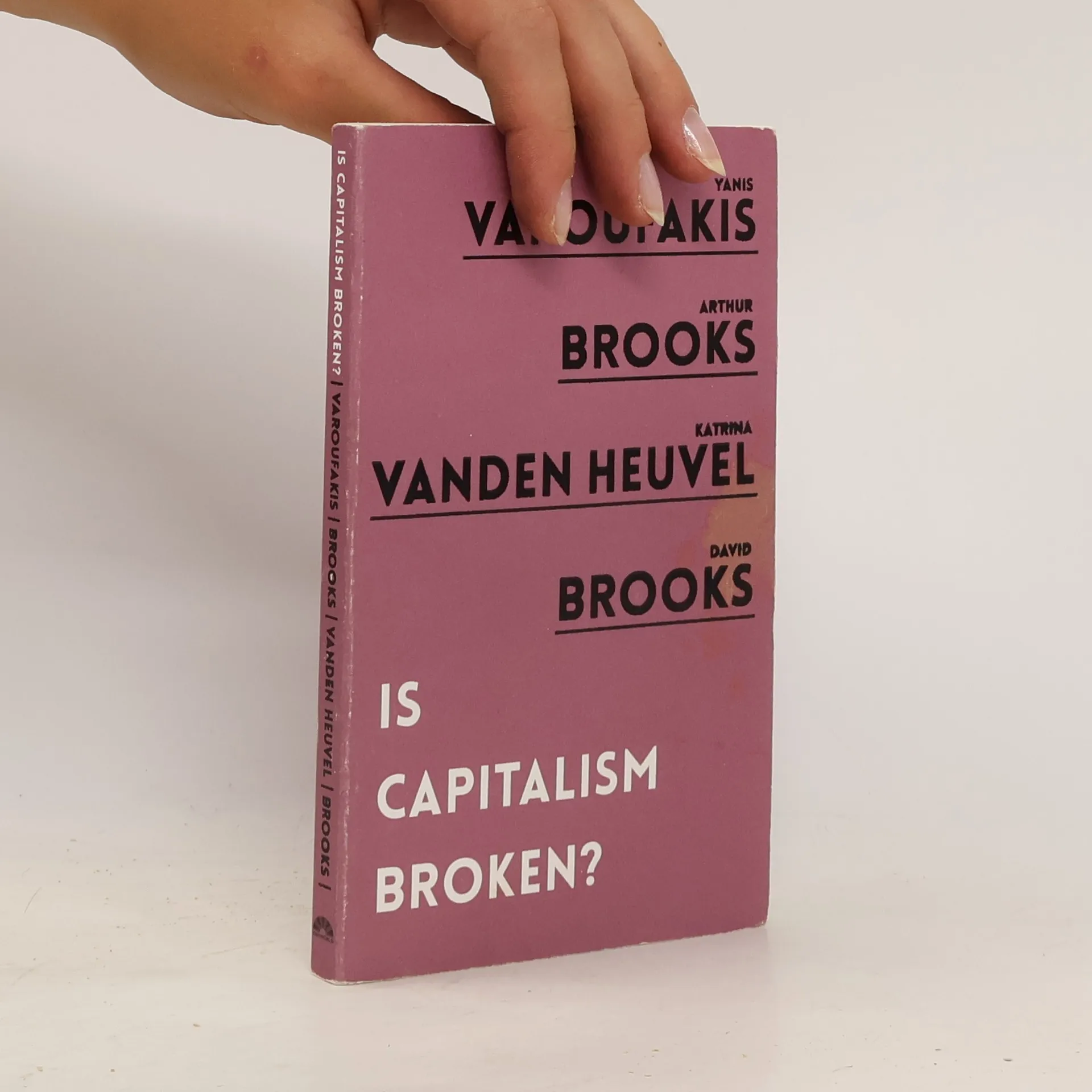
Is Capitalism Broken?
- 144 stránek
- 6 hodin čtení
"'We need to organise politically to defend the weak, empower the many and prepare the ground for reversing the absurdities of capitalism.' - Yanis Varoufakis. 'Capitalism over the past twenty-five years has been an incredible moral good.' - David Brooks. The Munk debate on capitalism: There is a growing belief that the capitalist system no longer works. Inequality is rampant. The environment is being destroyed for profits. In some western nations, life expectancy is even falling. Political power is wielded by wealthy elites and big business, not the people. But for proponents of capitalism, it is the engine of progress, not just making all of us materially better off, but helping to address everything from women's rights to political freedoms. We seem to stand at a crossroads: do we need to fix the system as a matter of urgency, or would it be better to hold our nerve?'"-- Provided by publisher
This will make you smarter
- 448 stránek
- 16 hodin čtení
This title includes contributions from Richard Dawkins, Stephen Pinker, Daniel Dennett and Brian Eno among many others. It offers ideas, strategies and arguments that will help all of us understand our world and its future.
The second mountain: the quest for a moral life
- 384 stránek
- 14 hodin čtení
Are you on your first or second mountain? Is life about yourself or others? Are you self-improving or committed? Mainstream culture teaches us that human beings pursue our self-interest - money, power, fame. But at some point in our life we might discover that we're not interested in what other people tell us to want. We want to want the things that are truly worthy of wanting. At this point, you have moved to your second mountain. What does it mean to elevate your desires, to look beyond consumption and find a moral cause? To forget about independence and discover dependence - to be utterly enmeshed in a web of warm relationships? What does it mean to want intimacy, devotion, responsibility and commitment above individual freedom? In The Second Mountain David Brooks explores the meaning and possibilities that scaling a second mountain offer us, and the four commitments that most commonly move us there- family, vocation, philosophy and community. Inspiring, personal and full of joy, this is the start of a deeper journey into the world.
A social critique of middle-class America notes the pervasiveness of barbecue grills, supermoms, suburban restaurant chains, and other elements, identifying the motivations that prompt many people to strive for fantasy-based goals.
The Grass Library: Essays
- 218 stránek
- 8 hodin čtení
Originally published in Australia, The Grass Library is a philosophical and poetic journey by "one of Australia's most skilled, unusual and versatile writers" (Sydney Morning Herald). Both a memoir and an elegy for animal rights, The Grass Library portrays the author's relationship with his dog, four sheep, and myriad other animals in the home he shares with his partner in the Blue Mountains of New South Wales.This collection of essays--with its lyrical language, its honesty and vulnerability, its charm and wit--will delight and inspire all animal lovers, and especially those who rescue animals.
The Necessity of Atheism (Annotated)
- 258 stránek
- 10 hodin čtení
The Necessity of Atheism is an essay on atheism Dr. D.M. Brooks. Plain speaking is necessary in any discussion of religion, for if the freethinker attacks the religious dogmas with hesitation, the orthodox...
'Das Haus von Balthus' ist ein magischer Roman, der die Intensität eines Traums hat. Figuren aus den Gemälden des Künstlers Balthus treten aus der Leinwand und nehmen ein eigenes Leben an, während sie die Räume eines alten Schlosses bewohnen, das nun zu einem Wohnblock in einer großen französischen Provinzstadt umgebaut wurde. Die Concierge, Mme Lecault, beobachtet genau ihre Mieter, darunter die Gräfin, den Professor, den Maler, Therese und ihren jungen Liebhaber Michael – doch kennt sie nur die Oberfläche ihrer Leben. Sie verbringt ihre schlaflosen Nächte mit Gesprächen mit Mme Berry, die anscheinend in einem anderen Jahrhundert lebt. Es gibt das Geräusch von Schluchzen, das zwischen den Räumen und über die Jahre hinweg hallt, es gibt ein Verlangen, das so angespannt ist, dass die Seite zu vibrieren scheint, und den Schmerz von