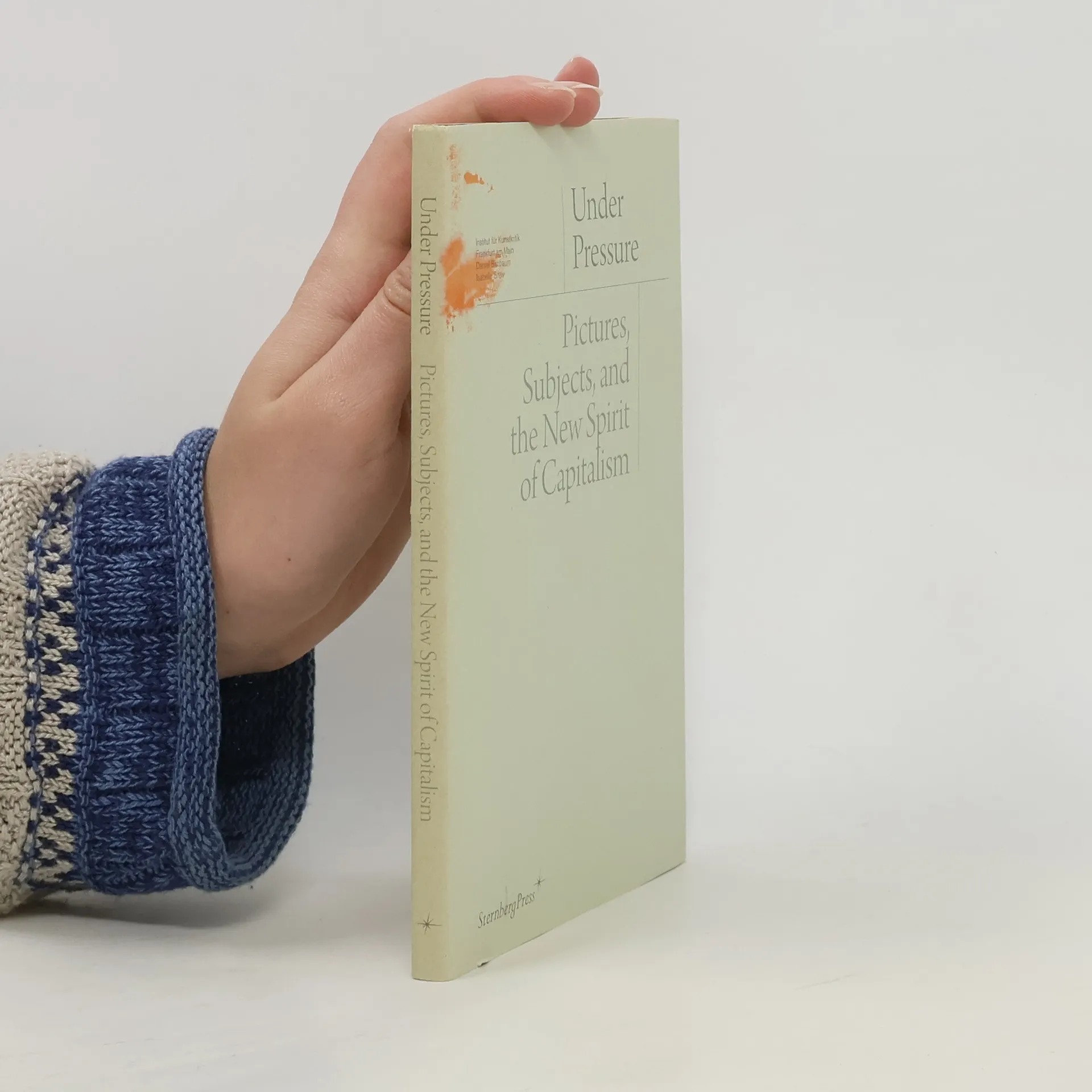
Art isn't just about creating work anymore. Today, external pressuresand constraints play a large role in the artistic process and production.In recognition of this reality, the Institut für Kunstkritik held a series ofconferences in 2006 and 2007 to explore the value system that resultsfrom what they dubbed the New Spirit of Capitalism and to confronttheoretical models with ad-hoc conditions of production. The thoughtsof conference participants Luc Boltanski, Sabeth Buchmann, TimGriffin, W.J.T. Mitchell, Sighard Neckel, Martin Saar, and Paolo Virnoare compiled in this book of questions and dilemmas for today'scultural producers and society at large.
Luc Boltanski Knihy
4. leden 1940
Luc Boltanski je považován za jednoho z nejvlivnějších francouzských sociologů přelomu 20. a 21. století. Je známý jako přední představitel 'pragmatické' tradice v současném sociálním a politickém myšlení a spoluzakladatel přístupu, který nazývá 'pragmatická sociologie kritiky'. Boltanski zpochybňuje formální přístupy v sociologii a zaměřuje se na nové pohledy na běžné problémy moderní společnosti. Jeho sociologie ukazuje rozpory v sociální realitě a možnosti, jak jimi aktéři mohou ovlivnit situace, a je ceněna pro svou teoretickou originalitu a metodologické inovace.

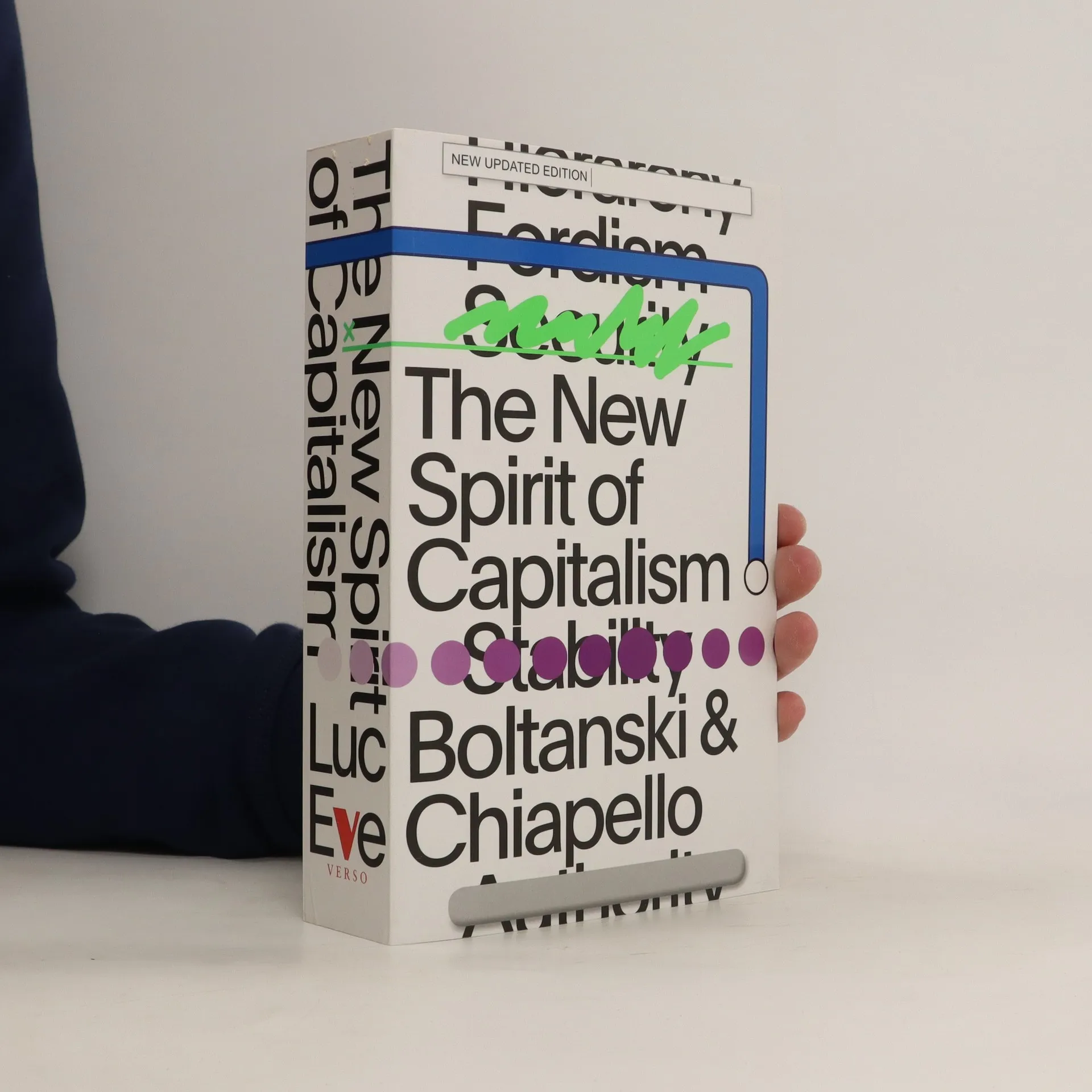
The new spirit of capitalism
- 619 stránek
- 22 hodin čtení
New edition of this major work examining the development of neoliberalism In this established classic, sociologists Luc Boltanski and Eve Chiapello get to the heart of contemporary capitalism. Delving deep into the latest management texts informing the thinking of employers, the authors trace the contours of a new spirit of capitalism. They argue that beginning in the mid-1970s, capitalism abandoned the hierarchical Fordist work structure and developed a new network-based form of organization founded on employee initiative and autonomy in the workplace—a putative freedom bought at the cost of material and psychological security. This was a spirit in tune with the libertarian and romantic currents of the period (as epitomized by dressed-down, cool capitalists such as Bill Gates and Ben and Jerry) and, as the authors argue, a more successful, pernicious, and subtle form of exploitation. In this new edition, the authors reflect on the reception of the book and the debates it has stimulated.
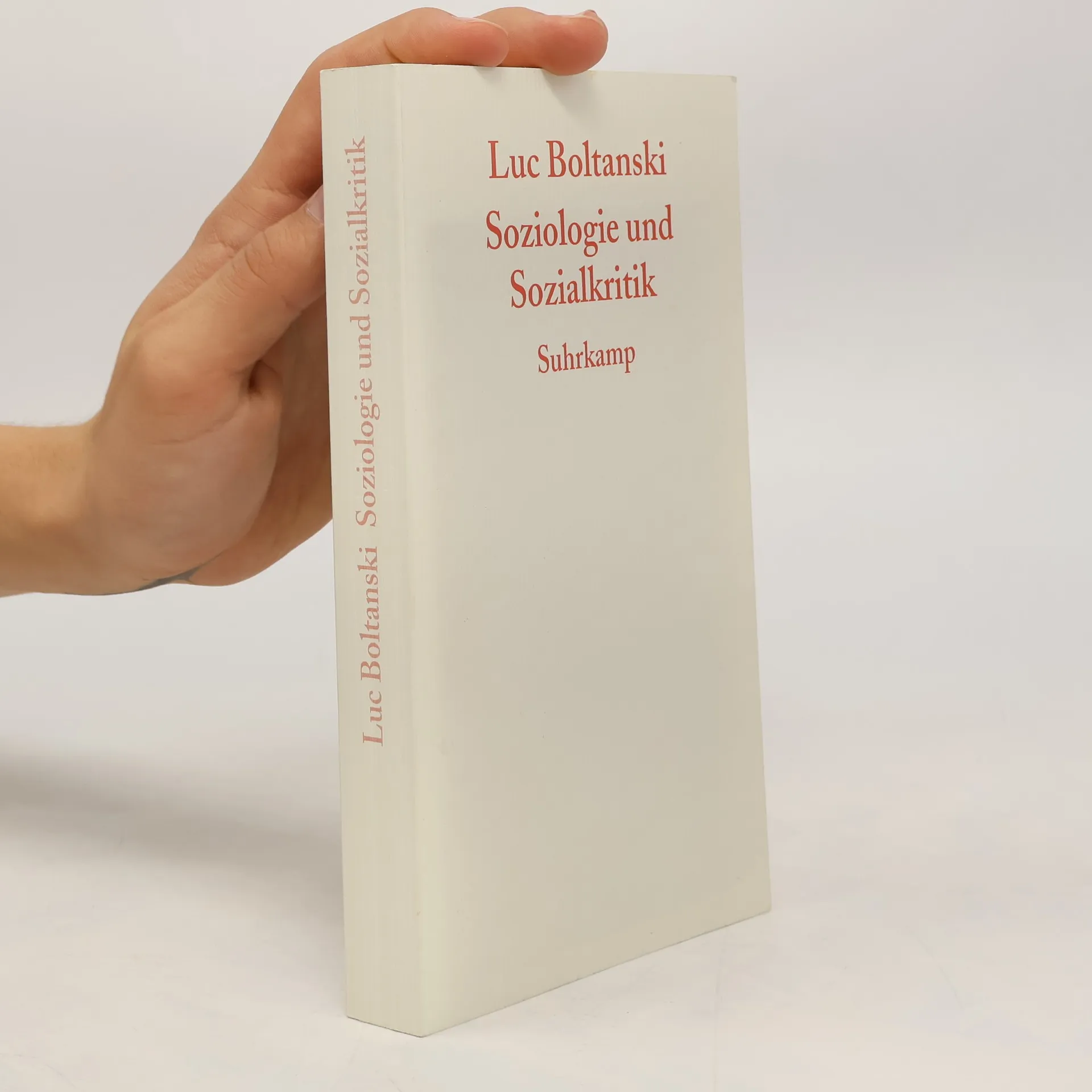
Soziologie und Sozialkritik
Frankfurter Adorno-Vorlesungen 2008
Luc Boltanski behandelt in seinen Frankfurter Adorno-Vorlesungen eine zentrale Frage der ersten Generation der Frankfurter Schule, die in der französischen Sozialtheorie derzeit stark diskutiert wird: Wie steht das Wissen des kritischen Theoretikers zu den alltäglichen Urteilen der Akteure, für die er Kritik übt? Boltanski distanziert sich dabei von seinem Lehrer Pierre Bourdieu und unterläuft die klassische Trennung zwischen dem soziologisch geschulten Kritiker und den in ihrer Alltagswelt verankerten Gesellschaftsmitgliedern. Er betont die kritische Kompetenz der „normalen“ Akteure und sieht die Aufgabe der Soziologie darin, die Praktiken der Rechtfertigung zu beschreiben und theoretisch nutzbar zu machen, die wir im Alltag ohne wissenschaftliche Unterstützung vollziehen. In seinen Vorlesungen erläutert er die Konsequenzen einer pragmatischen Wende in der Soziologie und bietet einen umfassenden Überblick über den aktuellen Stand seiner Soziologie der Kritik. Er erweitert den theoretischen Rahmen seiner Analysen zur gesellschaftlichen Urteilskraft und zum „neuen Geist des Kapitalismus“ und formuliert eine umfassende Analyse der Herrschaft, die die Errungenschaften der pragmatischen Wende mit den Stärken der traditionellen kritischen Sozialwissenschaft verbindet.
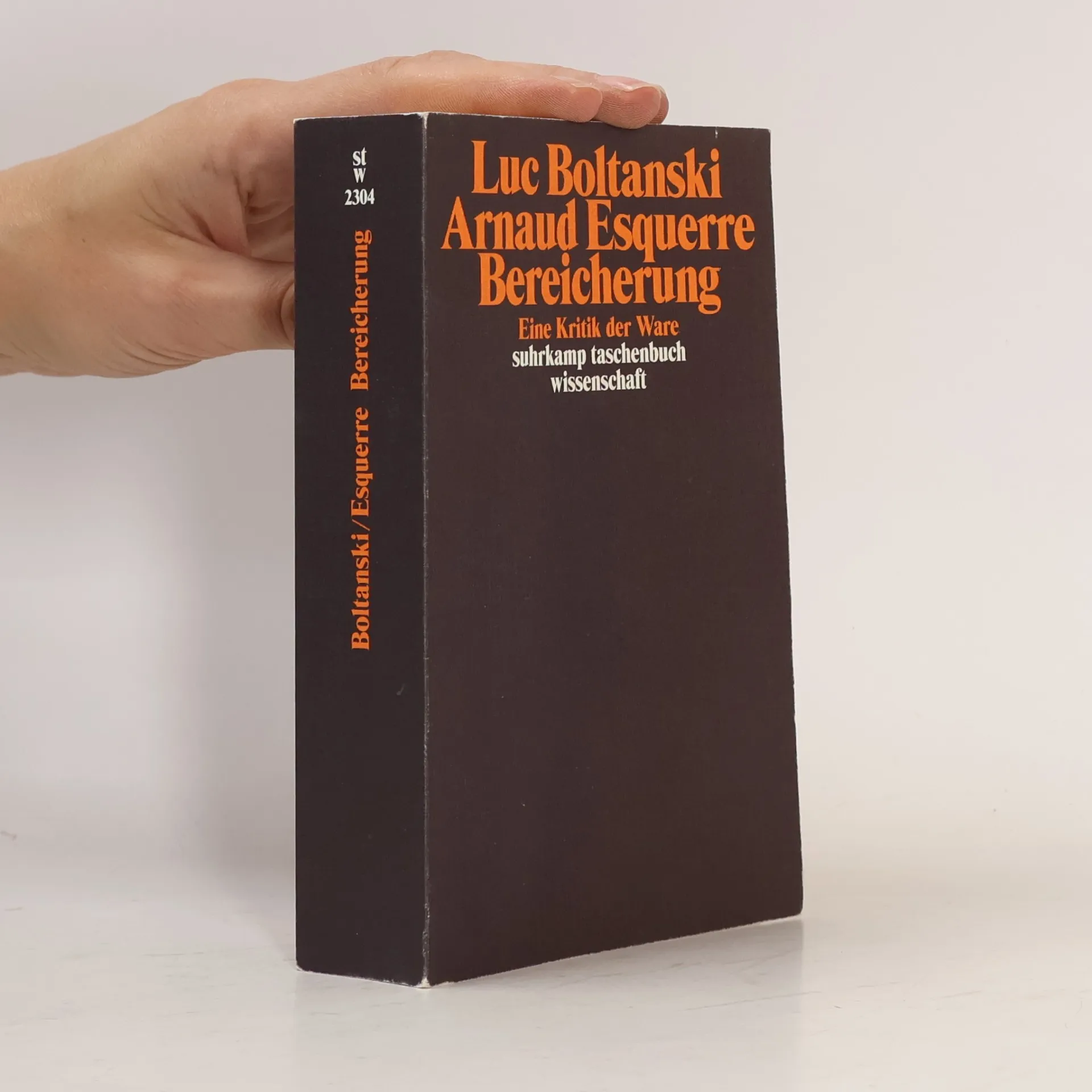
Bereicherung
Eine Kritik der Ware
Museen, Kunst, Luxusgüter, Immobilien, Tourismus – für Luc Boltanski und Arnaud Esquerre sind dies zentrale Felder einer neuen Ökonomie, eines neuen Kapitalismus. Dieser prägt zunehmend unsere Gesellschaften und dient vor allem der Bereicherung der Reichen. Sein Ziel ist nicht mehr die industrielle Warenproduktion, sondern die Anreicherung von bereits vorhandenen Dingen mit einer bestimmten Geschichte oder Tradition. Die Autoren verfolgen den Aufstieg dieser postindustriekapitalistischen Ökonomie und zeigen, wie sie – befördert von Medien und Politik – neue soziale Rollen schafft: Rentiers und Bedienstete, Kreative und Zukurzgekommene.
Au tournant des XIXe et XXe siècles, se développe le roman policier, centré sur l'enquête, et le roman d'espionnage, axé sur le complot. Parallèlement, la psychiatrie introduit la paranoïa, caractérisée par des enquêtes poussées jusqu'au délire. La sociologie crée des formes de causalité sociales pour expliquer les événements de la vie individuelle et collective, tandis que la science politique, en s'emparant de la problématique de la paranoïa, déplace l'analyse du psychique au social, cherchant à expliquer les événements historiques par des forces occultes. Dans ces contextes, la réalité sociale est mise en question. À la fin du XIXe siècle, l'État-nation tente d'organiser cette réalité pour une population sur un territoire, mais se heurte à des obstacles, notamment les développements du capitalisme qui transcendent les frontières nationales. La notion de complot soulève des interrogations sur l'exercice du pouvoir : qui détient réellement le pouvoir ? Les autorités étatiques ou d'autres entités agissant dans l'ombre, comme des banquiers ou des sociétés secrètes ? Cela donne naissance à des ontologies politiques qui opposent une réalité officielle, illusoire, à une réalité profonde, cachée et menaçante. Les romans policiers et d'espionnage, ainsi que les concepts de paranoïa et de sociologie, offrent une nouvelle manière d'interroger la réalité et d'explorer les contradictions qui la traversent. Le conflit entre ces deux réal
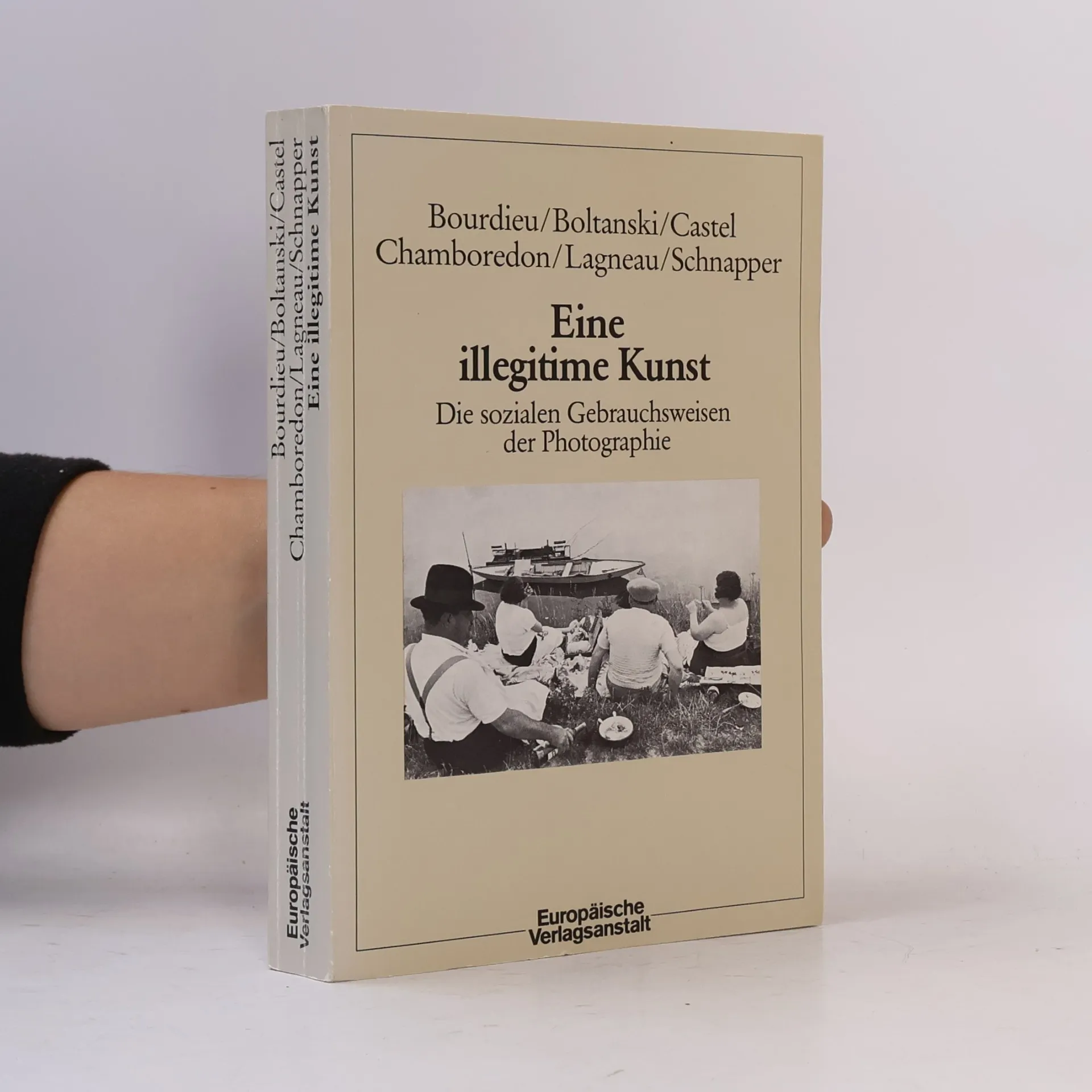
Eine illegitime Kunst
- 332 stránek
- 12 hodin čtení
Eine 'illegitime Kunst' nennen Bourdieu und seine Mitarbeiter die Fotografie. In der Tat gilt sie als 'Zwitter': als Alltagshandlung mit dem Anspruch einer Kunstanstrengung. Welchen Zwecken gehorcht die Fotografie? Sind Fotografien Bilder in dem strengen Sinne, mit dem dieses Wort in aller Regel ausgestattet wird? Und welche stillschweigenden oder ausdrücklichen Vorsätze steuern den technischen Apparat, wenn ein Foto 'geschossen' wird? In diesem Buch wird die Fotografie unter dem Gesichtspunkt ihres Gebrauchswertes untersucht. Denn es ist, wie Bourdieu sagt, der Gebrauch, der ihre Bedeutung konstituiert, eine soziale Bedeutung. Dies erklärt sowohl die Verbreitung des Mediums als auch die Uniformität der Bildmotive. Und es erklärt den besonderen Status des Fotografierens innerhalb der kulturellen Alltagstätigkeiten – es signalisiert eine kodifizierte Verhaltensweise, die 'den Anspruch erhebt, Kunst zu sein'.
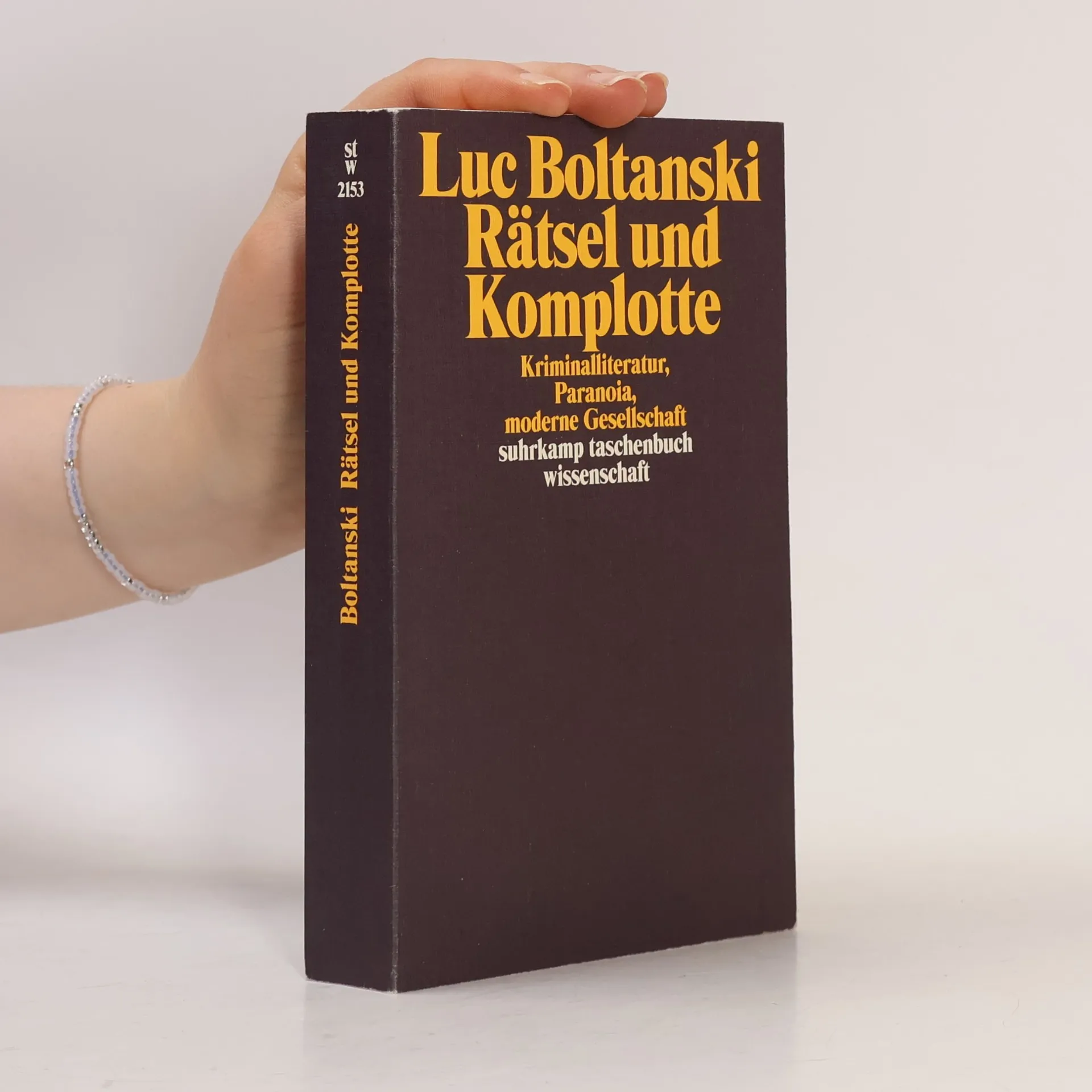
Suhrkamp Taschenbuch Wissenschaft - 2153: Rätsel und Komplotte
Kriminalliteratur, Paranoia, moderne Gesellschaft
- 515 stránek
- 19 hodin čtení
Was hat die Kriminalliteratur mit der Paranoia und den Sozialwissenschaften zu tun? Dieser Frage geht Luc Boltanski in seinem höchst originellen Buch nach. Seine Antwort: Wie die Sozialwissenschaften entsteht auch die Kriminalliteratur um die Wende vom 19. zum 20. Jahrhundert, und in diese Zeit fällt auch die Entdeckung der Paranoia in der Psychiatrie. Zusammen zeugen sie von einem sich zunehmend verbreitenden Zweifel an der »Realität der Realität«, der als Symptom der Moderne gelten kann. Boltanski deckt diesen faszinierenden Zusammenhang zwischen Kriminalliteratur, Paranoia und Wissenschaft insbesondere durch fulminante Analysen der Romane von Arthur Conan Doyle und Georges Simenon auf.
Esprit - 3-4: La pensée Ricoeur
- 380 stránek
- 14 hodin čtení