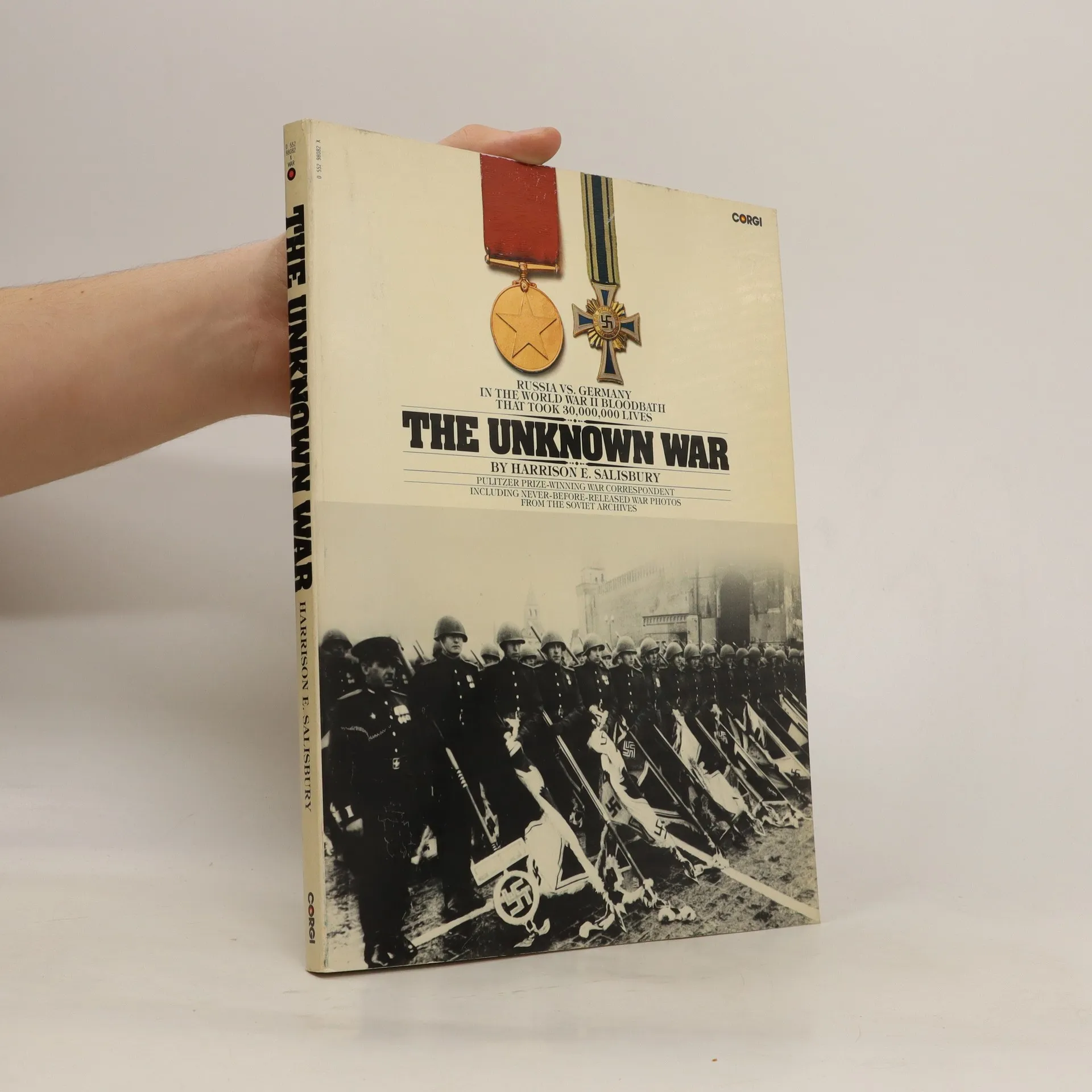
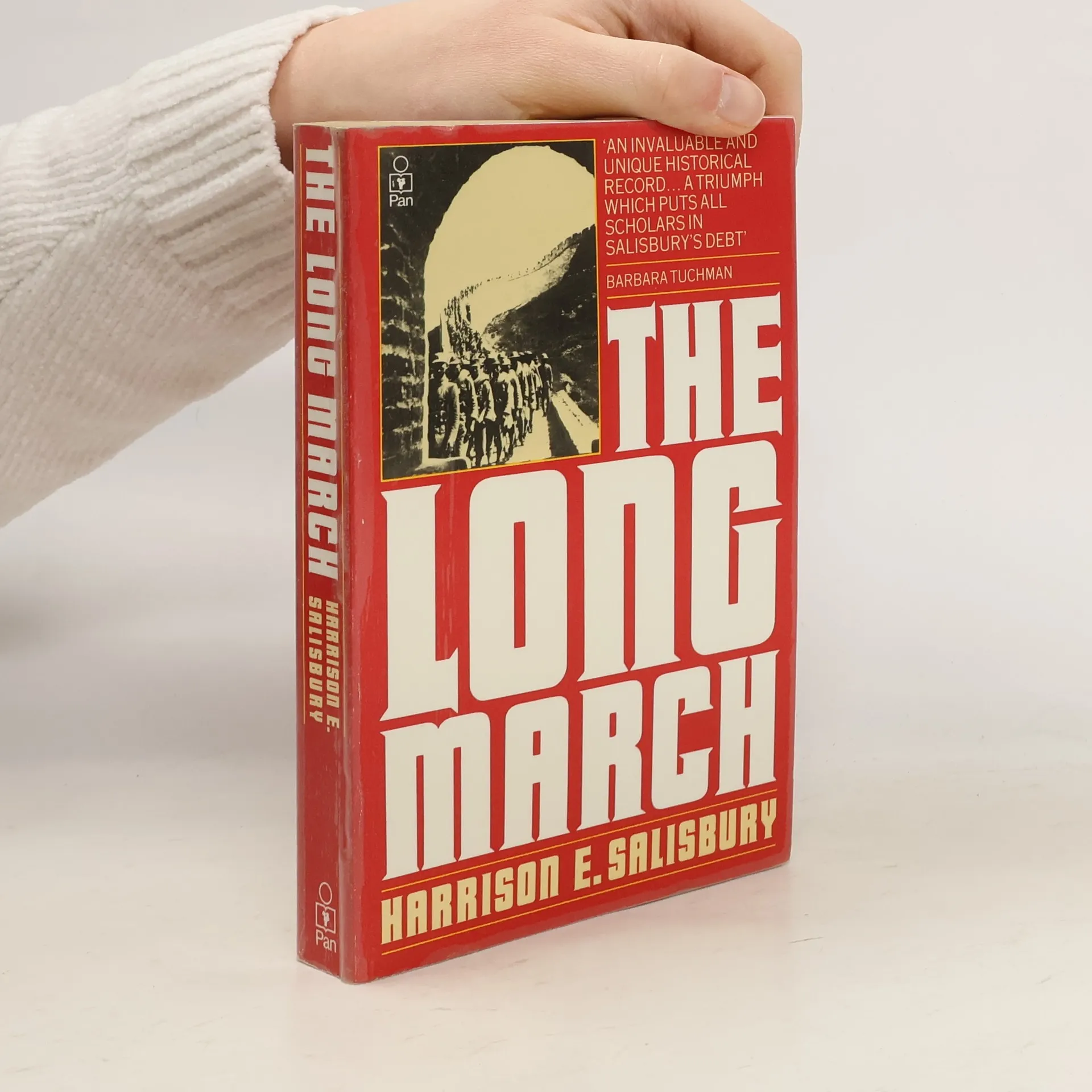
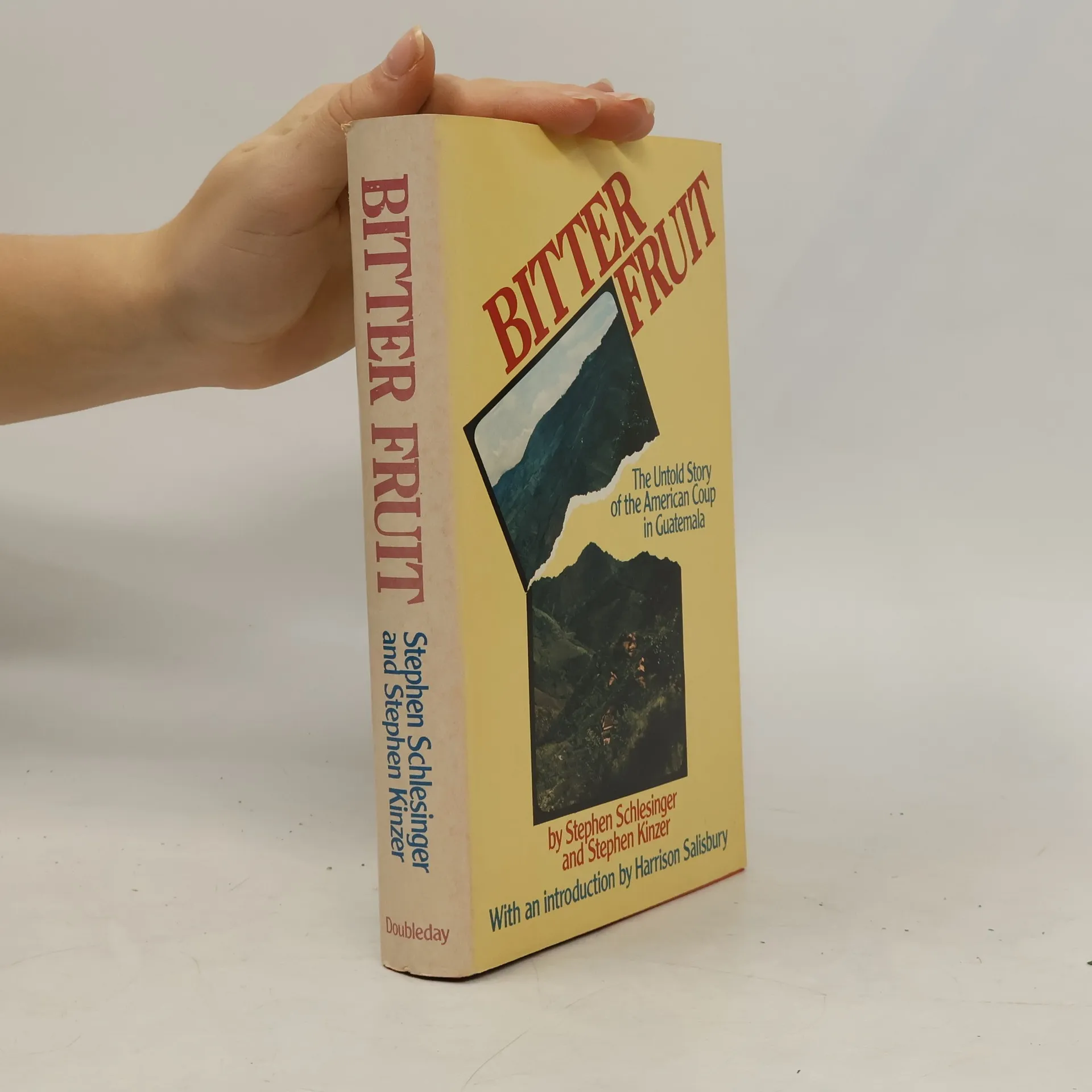
BITTER FRUIT explores the methods employed by the USA, particularly through the CIA and its ambassador, to overthrow Guatemala's democratically elected government in 1954. President Jacobo Arbenz was enacting land reforms aimed at alleviating poverty in a country still shackled by an oppressive labor system. Following the defeat of a dictatorship in the 1940s, Guatemala sought to enfranchise its citizens. The "fruit" in the title refers to the United Fruit Company (UFC), a powerful American corporation with significant land and political influence in Guatemala. When Arbenz's government seized uncultivated UFC land and compensated the company based on its tax valuations, it triggered a backlash in Washington. The term "communism" was invoked, leading President Eisenhower to authorize covert operations to replace Arbenz with a military junta. This move contradicted the democratic ideals inspired by FDR. The book is a meticulously researched historical account, featuring a chapter on Edward Bernays, a PR pioneer hired by UFC to sway public opinion against Arbenz. Ironically, shortly after the coup, the US government filed an anti-trust suit against UFC, questioning the motives behind the intervention. A 1998 report revealed that 150,000 people were killed and 50,000 disappeared post-coup, predominantly at the hands of government forces. This poignant narrative highlights the tragic consequences of foreign intervention in Guatemal
Harrison Salisbury Knihy
Tento novinář a redaktor New York Times proslul svými reportážemi z Moskvy v raných letech studené války. Jeho detailní pohled na Sovětský svaz, který si získal během své působnosti v Moskvě, mu přinesl uznání a Pulitzerovu cenu. Salisbury se ve své práci zaměřoval na klíčové geopolitické události, včetně vietnamské války a dění v Číně. Jeho rozsáhlá kariéra v žurnalistice byla formována hlubokým zájmem o mezinárodní dění a jeho důsledným zpravodajstvím.
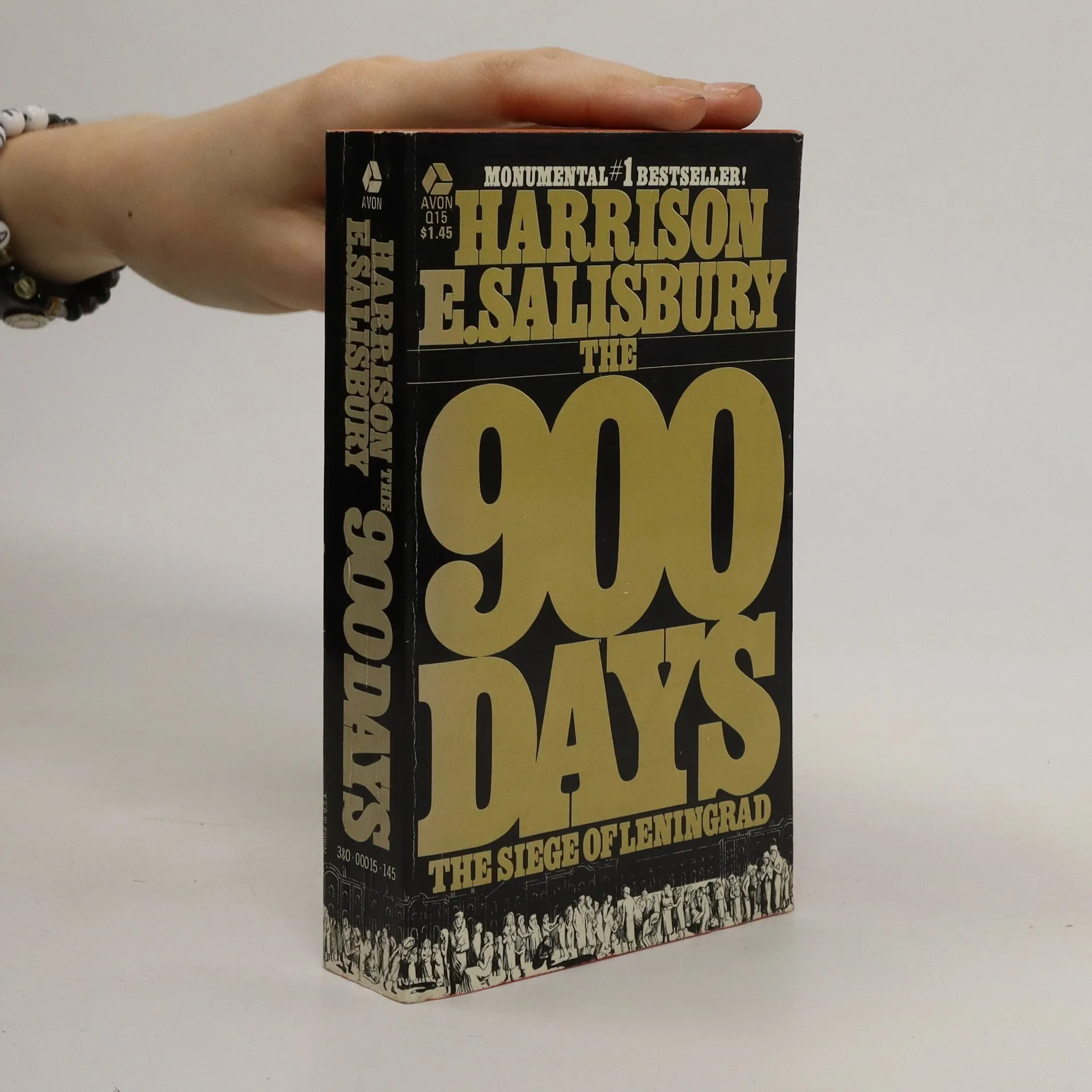
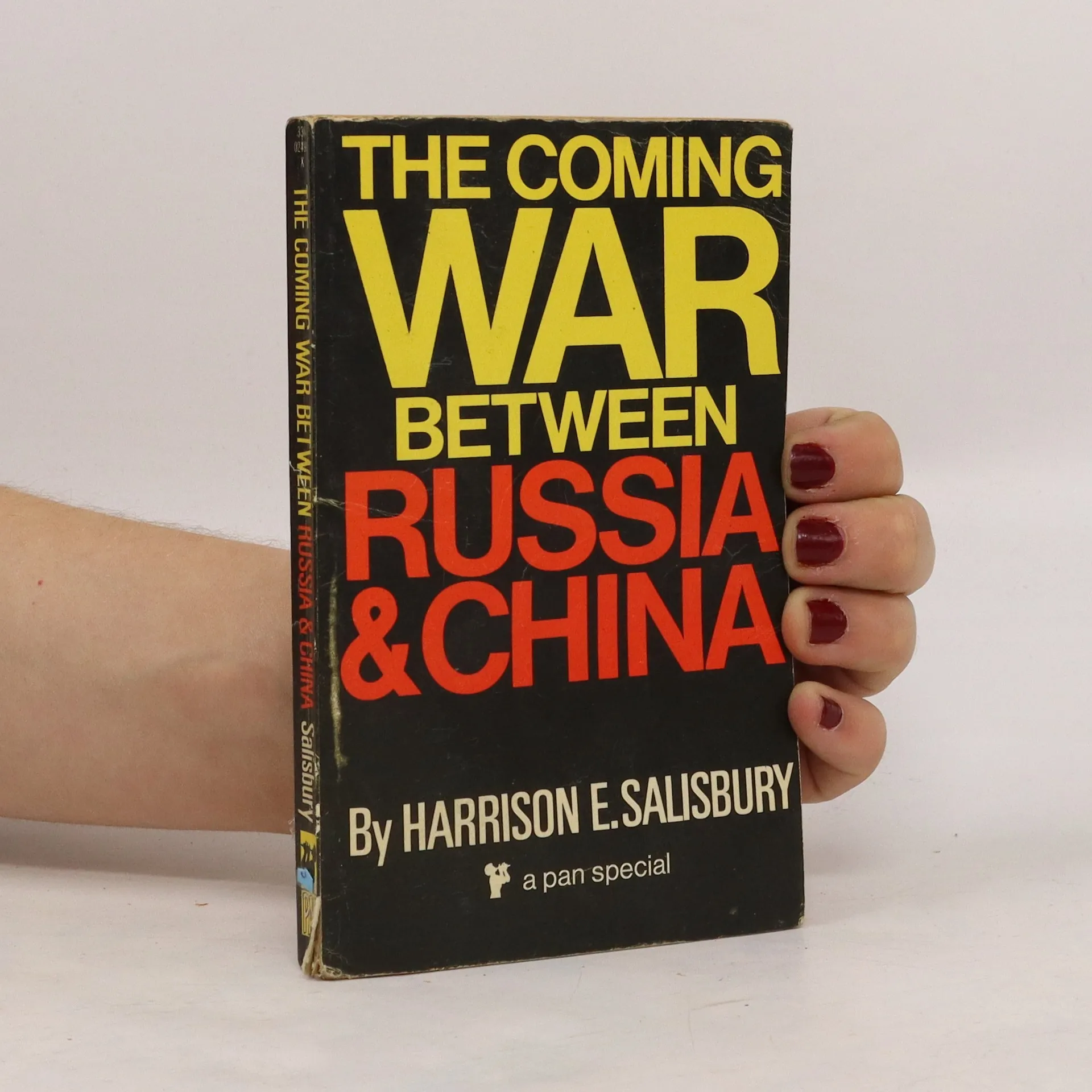

Focuses on the complex relationship between these two men as part of the development of modern China - Communist takeover - Mass famine - Great Leap Forward - Cultural Revolution - Third Line - Jiang Qing - Gang of Four - Tiananmen Square.
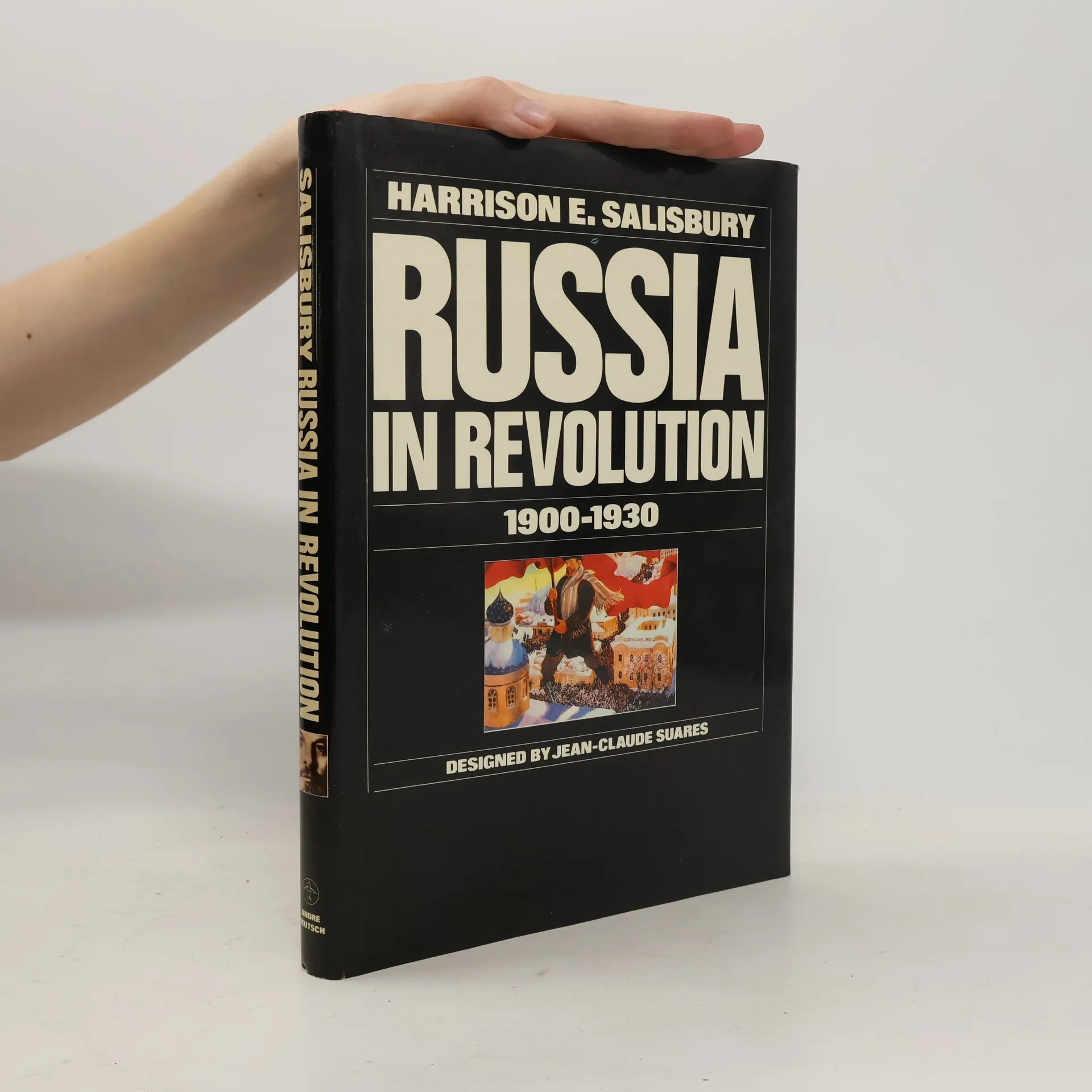
Russia in Revolution, 1900-1930
- 296 stránek
- 11 hodin čtení
A narrative and pictorial portrait of the political and artistic upheaval that changed the course of Russian history and culture during the first three decades of the century.
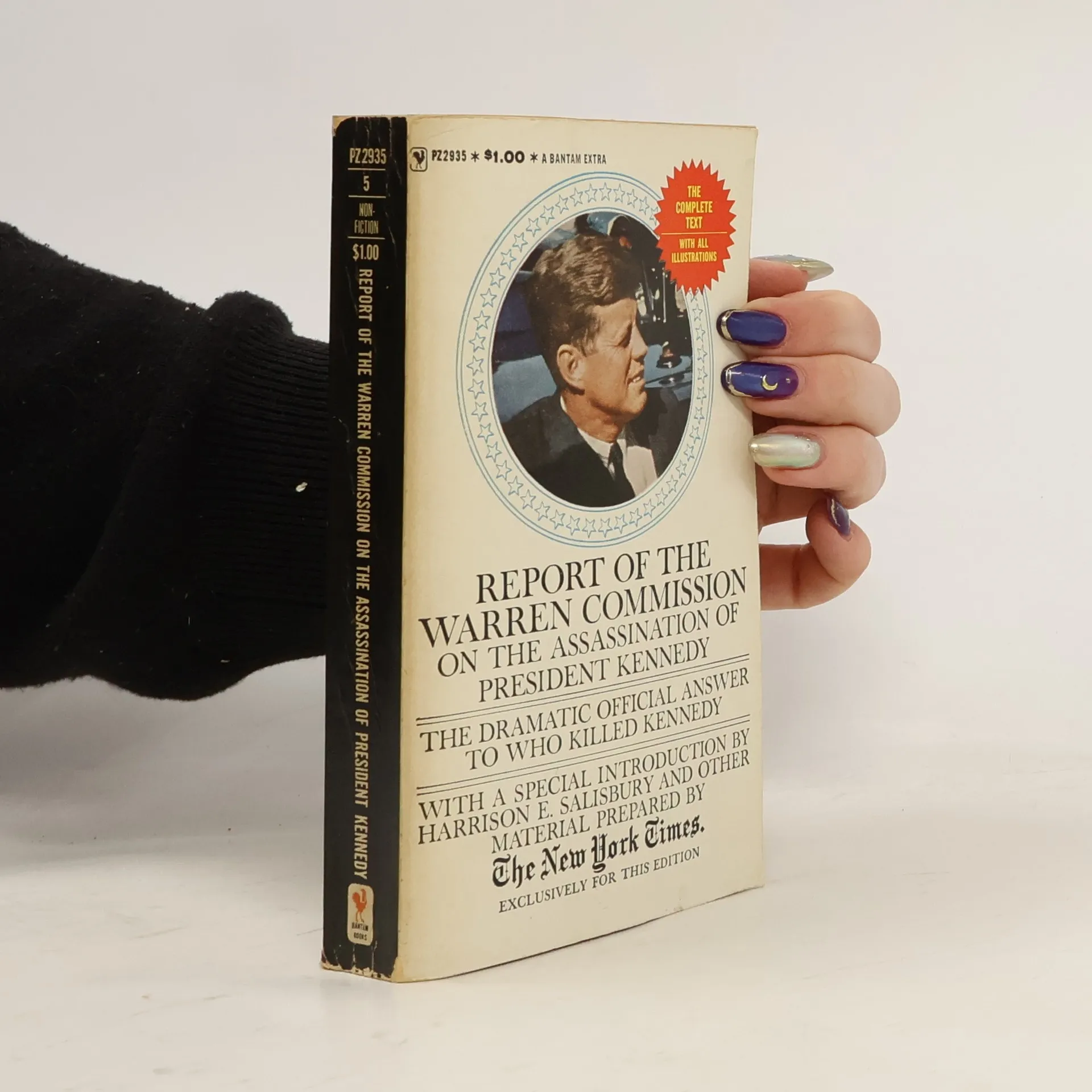
Report of the Warren Commission on the Assassination of President Kennedy
The Dramatic Official Answer to Who Killed Kennedy
Behind the long march A walk by moonlight The rise of the Red Bandits On the eve The man in Bleak House First moves Strategems The conspiracy of the litters The women The first big battle The Red Army changes course Zunyi Mao takes charge A needle wrapped in cotton Mao skirts disaster Holding Chang Kai-Shek by the nose Mao's great deceptions The golden sands The chicken-blood oath Those left behind The legion of death Luding bridge The great snowy mountains Reunion Back of beyond A magical carpet Dark hour, bright glory Home The gathering Return of the prodigal "Cold-eyed, I survey the world" The little man who could Never be put down Notes A Note on Sources Bibliography Index Illustrations Maps
The destruction of the Czars which brought about the reign of revolutions from 1905–1917 in Russia looms as the crucial political event of the twentieth century. In little more than a decade the Romanov dynasty was toppled, and its time-honored institutions repudiated. How did it happen? How could Nicholas and Alexandra, the nobility, middle class anarchists—even Lenin himself—not foresee the catastrophic changes that were shaking the empire? Why could nothing be done? And why were the efforts so ineffectual? Black Night, White Snow captures the rich drama of this whole period. With the artistry of a Balzac, Harrison Salisbury exposes the strata of Russian society, with its decedents, prophetic poets, religious fanatics, and newly liberated serfs. From archival sources within the Soviet Union, interviews, and his personal photography collection, he recreates the story as it happened. Hard data on Russia's economy, a first-hand knowledge of the county, and a historian's gift of compression are combined in a fast-paced narrative that reads with the ease of a good novel and the urgency of a newspaper headline.
Over China
- 288 stránek
- 11 hodin čtení
Over China