The book offers a compelling exploration of Jesus' life, delving into the enigmatic journey of a humble young man who sparked a religious movement that transformed the globe. Through scholarly insights, it examines the historical and cultural contexts that shaped his teachings and the lasting impact they had on society. This account not only highlights Jesus' significance but also invites readers to reflect on the profound influence of his legacy.
Elaine Pagels Pořadí knih (chronologicky)
13. únor 1943
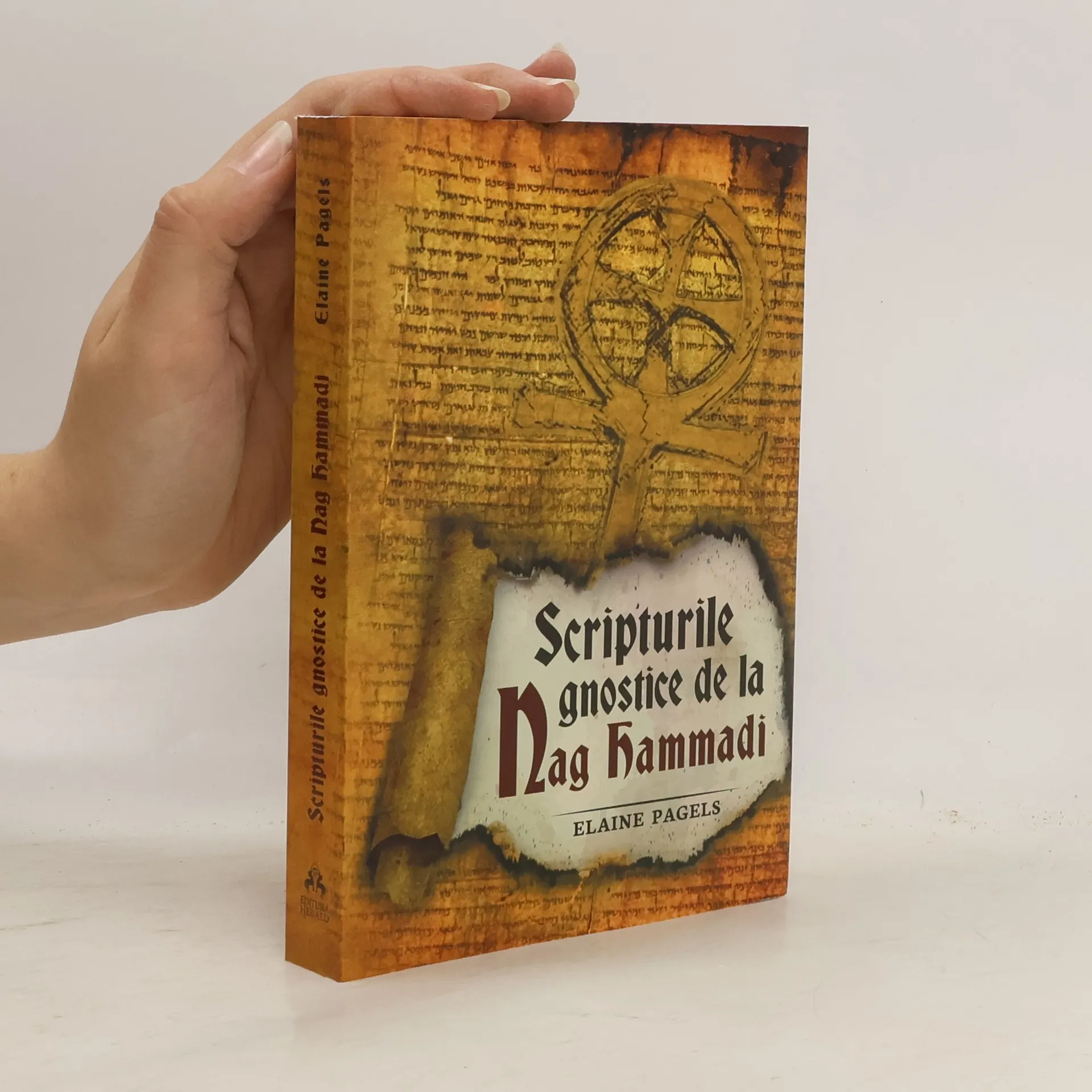
Elaine Pagels je přední osobností teologické komunity, jejíž vědecké práce jí získaly mezinárodní respekt. Jako emeritní profesorka náboženství na Princetonské univerzitě změnila navždy historický obraz křesťanského náboženství tím, že rozbila mýtus rané křesťanské církve jako jednotného hnutí. Její výzkum, zejména analýza rukopisů z Nag Hammádí objevených v Egyptě, odhalil pluralitní povahu rané církve a roli žen v jejím vývoji. Tato práce ukazuje, jak byly tyto texty potlačeny a prohlášeny za kacířské, jakmile se raná církev začala formovat do ortodoxního těla.


Why Religion?
- 240 stránek
- 9 hodin čtení
New York Times bestseller One of PW’s Best Books of the Year One of Amazon’s Best Books of the Month Why is religion still around in the twenty-first century? Why do so many still believe? And how do various traditions still shape the way people experience everything from sexuality to politics, whether they are religious or not? In Why Religion? Elaine Pagels looks to her own life to help address these questions. These questions took on a new urgency for Pagels when dealing with unimaginable loss—the death of her young son, followed a year later by the shocking loss of her husband. Here she interweaves a personal story with the work that she loves, illuminating how, for better and worse, religious traditions have shaped how we understand ourselves; how we relate to one another; and, most importantly, how to get through the most difficult challenges we face. Drawing upon the perspectives of neurologists, anthropologists, and historians, as well as her own research, Pagels opens unexpected ways of understanding persistent religious aspects of our culture. A provocative and deeply moving account from one of the most compelling religious thinkers at work today, Why Religion? explores the spiritual dimension of human experience.
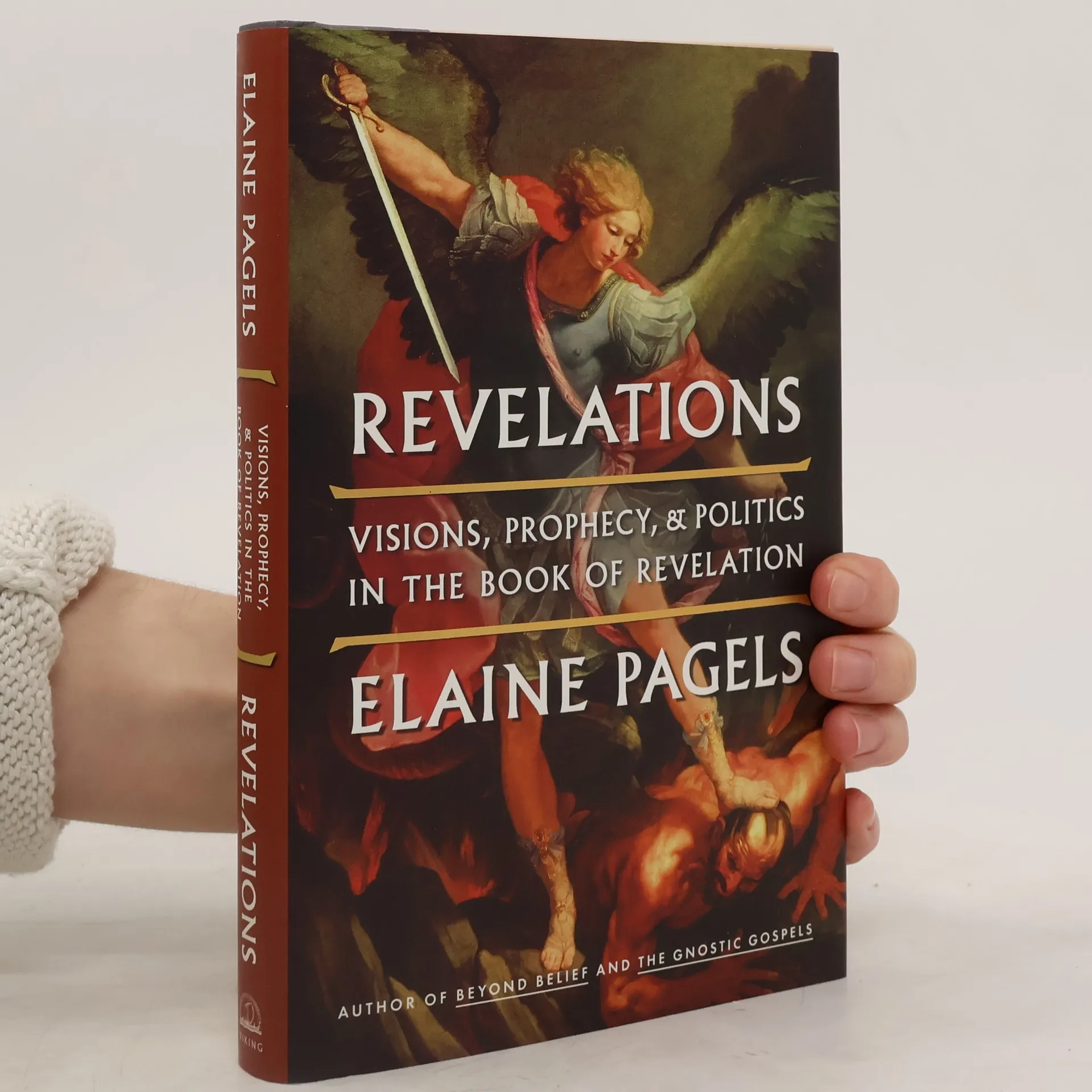
Revelations
- 246 stránek
- 9 hodin čtení
A world-renowned scholar of religion and bestselling author of "The Gnostic Gospels, Beyond Belief," and" Reading Judas" explores the strangest and most controversial book in the Bible: the Book of Revelation.
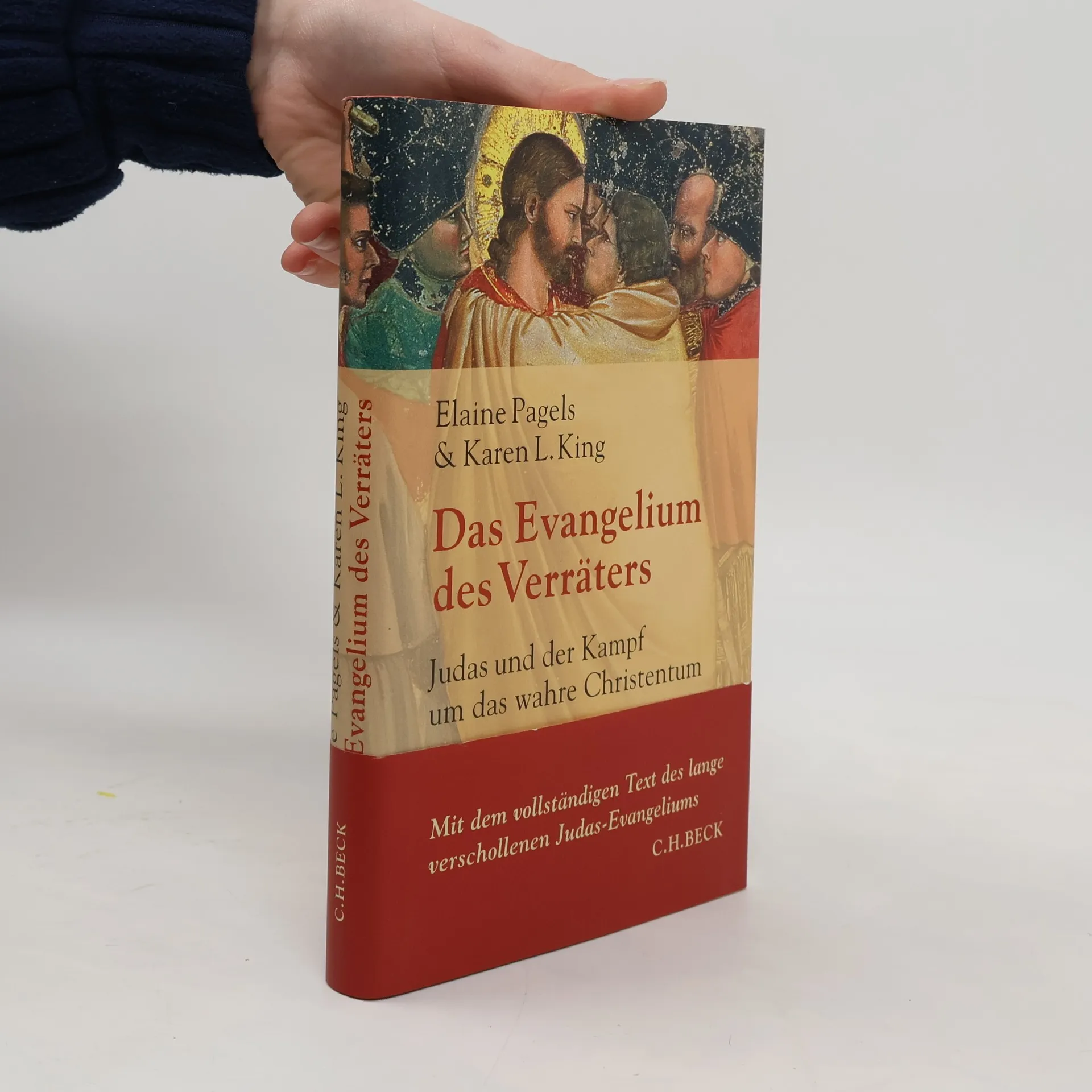
Entdecken Sie die wahre Bedeutung des verlorenen Evangeliums des Judas. Das Evangelium des Judas, 1.600 Jahre verloren, hat nun seine Bedeutung für die heutigen Leser entfaltet. Sein erstaunlicher Text enthält die Behauptung, dass Judas nicht nur der bevorzugte Jünger Jesu war, sondern auch, dass Judas von den anderen Jüngern getötet wurde. War Judas ein Verräter oder ein loyaler Jünger? Hat er dieses schockierende Dokument verfasst? Und was bedeutet es für uns heute? In Reading Judas untersuchen Elaine Pagels und Karen L. King, weltweit anerkannte Experten für religiöse Texte, die Bedeutungen dieses umstrittenen Evangeliums im Detail. Hier enthüllen sie ein Evangelium, das, weit davon entfernt, den Tod Jesu als Opfer für die Sünden der Menschheit zu sehen, der Idee widerspricht, dass Gott Märtyrertum wünscht, und stattdessen auf einen Glauben hinweist, der auf dem inneren spirituellen Leben basiert. Reading Judas stellt radikal unsere Vorstellungen vom christlichen Glauben in Frage.
Evaluates the meaning of the controversial, newly-discovered Gospel of Judas, illustrating how the text offers an understanding of Judas's betrayal, the apostles' understanding of Jesus's death, and God's role in the crucifixion.
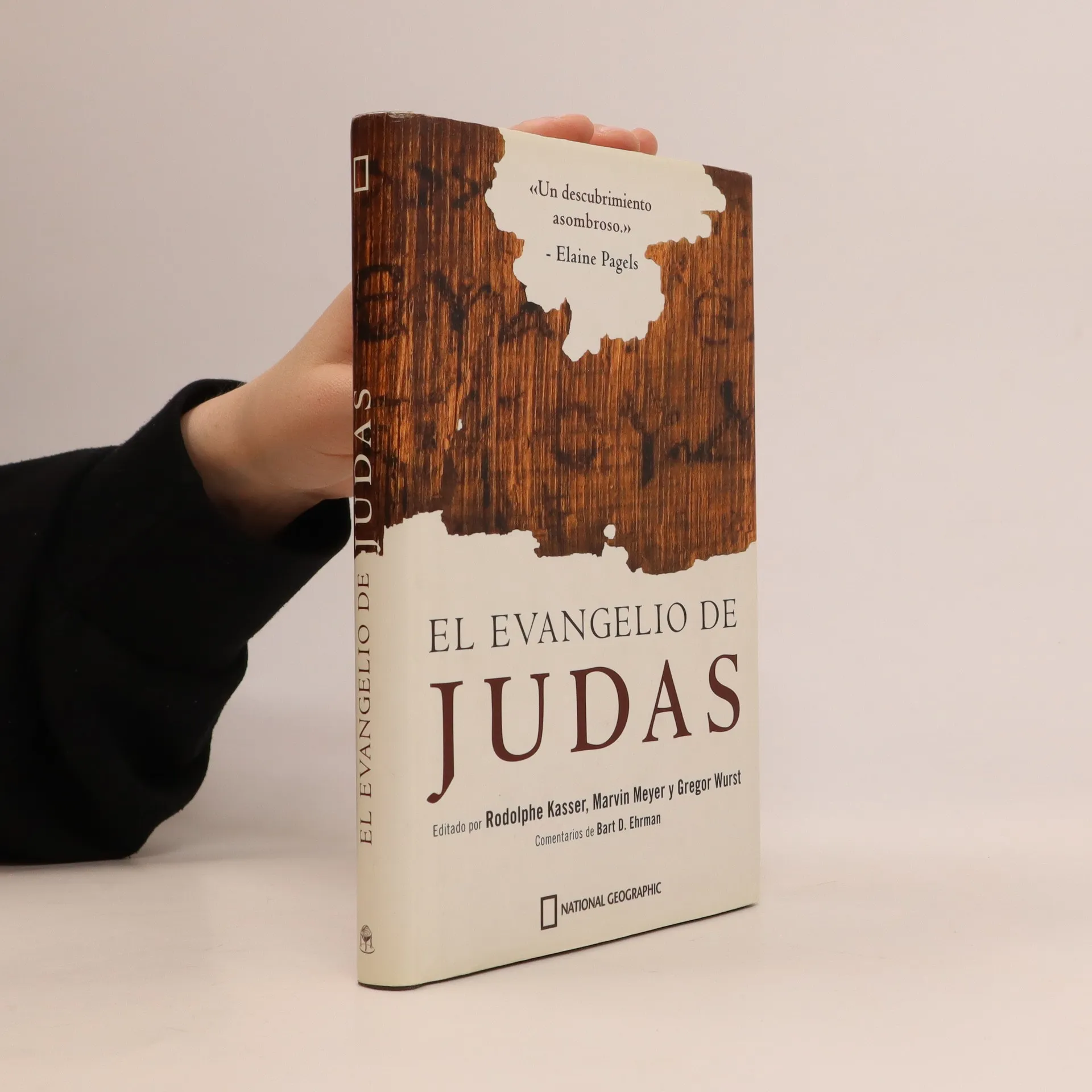
El Evangelio de Judas
- 176 stránek
- 7 hodin čtení
В тази книга ще намерите едно писание, което ранноцърковните отци заклеймяват като ерес. Кодексът с Евангелието от Юда е намерен през 70-те години на ХХ в., когато няколко селяни го изравят от пещера в Среден Египет. От този момент започва дългата му одисея, в която той е купуван и препродаван от антикварите, укриван и пренасян на три континента. Всичко това има една трагична последица – папирусът се поврежда и натрошава на фрагменти. През 2001 г. ръкописът най-после попада в ръцете на екип учени, които се нагърбват с тежката задача да го реставрират. Евангелието от Юда предлага ново тълкуване на благовестието на Исус Христос.
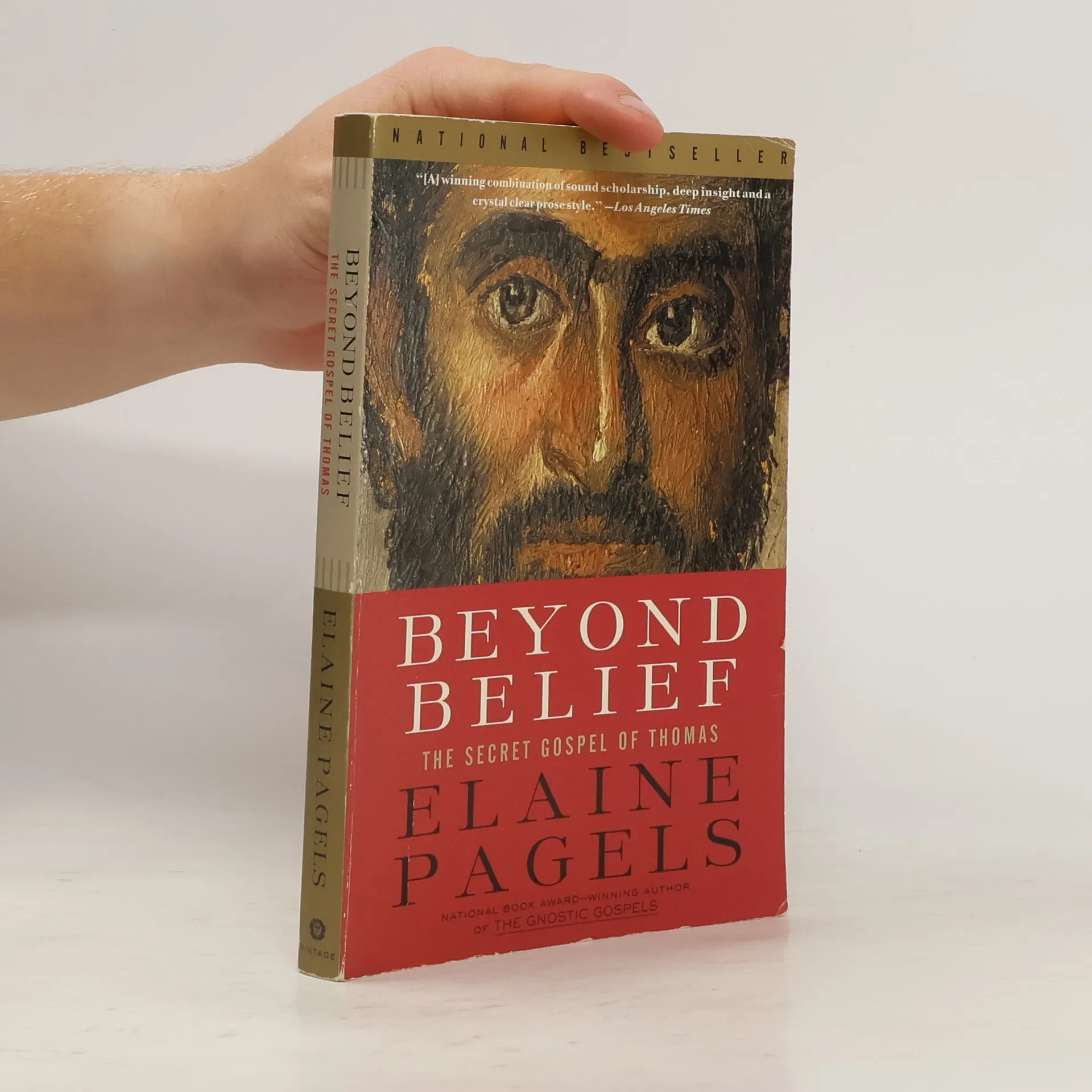
Beyond belief. The secret Gospel of Thomas
- 272 stránek
- 10 hodin čtení
In Beyond Belief, renowned religion scholar Elaine Pagels continues her groundbreaking examination of the earliest Christian texts, arguing for an ongoing assessment of faith and a questioning of religious orthodoxy. Spurred on by personal tragedy and new scholarship from an international group of researchers, Pagels returns to her investigation of the “secret” Gospel of Thomas, and breathes new life into writings once thought heretical. As she arrives at an ever-deeper conviction in her own faith, Pagels reveals how faith allows for a diversity of interpretations, and that the “rogue” voices of Christianity encourage and sustain “the recognition of the light within us all.”
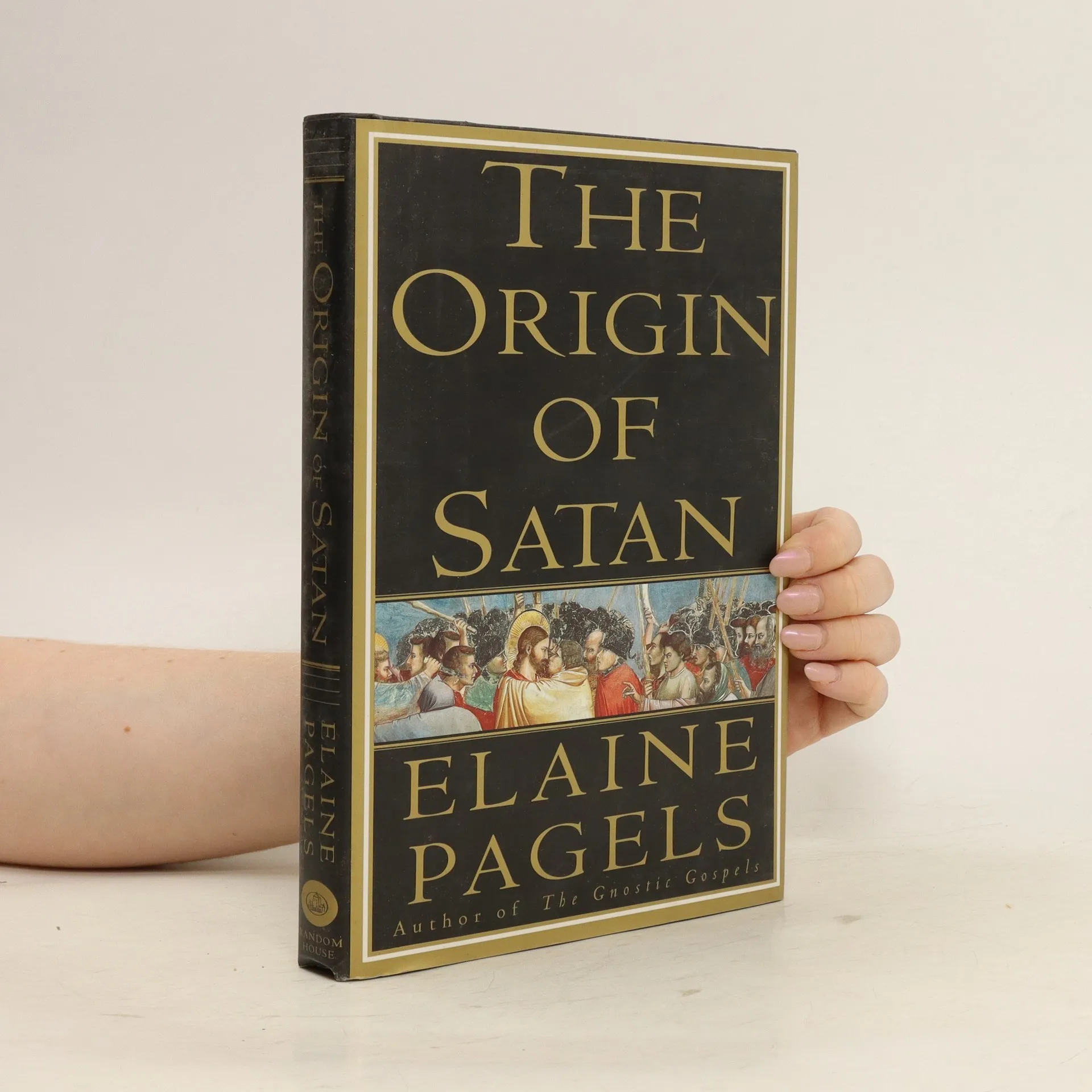
Who is Satan in the New Testament, and what is the evil that he represents? In this groundbreaking book, Elaine Pagels, Princeton's distinguished historian of religion, traces the evolution of Satan from its origins in the Hebrew Bible, where Satan is at first merely obstructive, to the New Testament, where Satan becomes the Prince of Darkness, the bitter enemy of God and man, evil incarnate. In The Origin of Satan, Pagels shows that the four Christian gospels tell two very different stories. The first is the story of Jesus' moral genius: his lessons of love, forgiveness, and redemption. The second tells of the bitter conflict between the followers of Jesus and their fellow Jews, a conflict in which the writers of the four gospels condemned as creatures of Satan those Jews who refused to worship Jesus as the Messiah. Writing during and just after the Jewish war against Rome, the evangelists invoked Satan to portray their Jewish enemies as God's enemies too. As Pagels then shows, the church later turned this satanic indictment against its Roman enemies, declaring that pagans and infidels were also creatures of Satan, and against its own dissenters, calling them heretics and ascribing their heterodox views to satanic influences
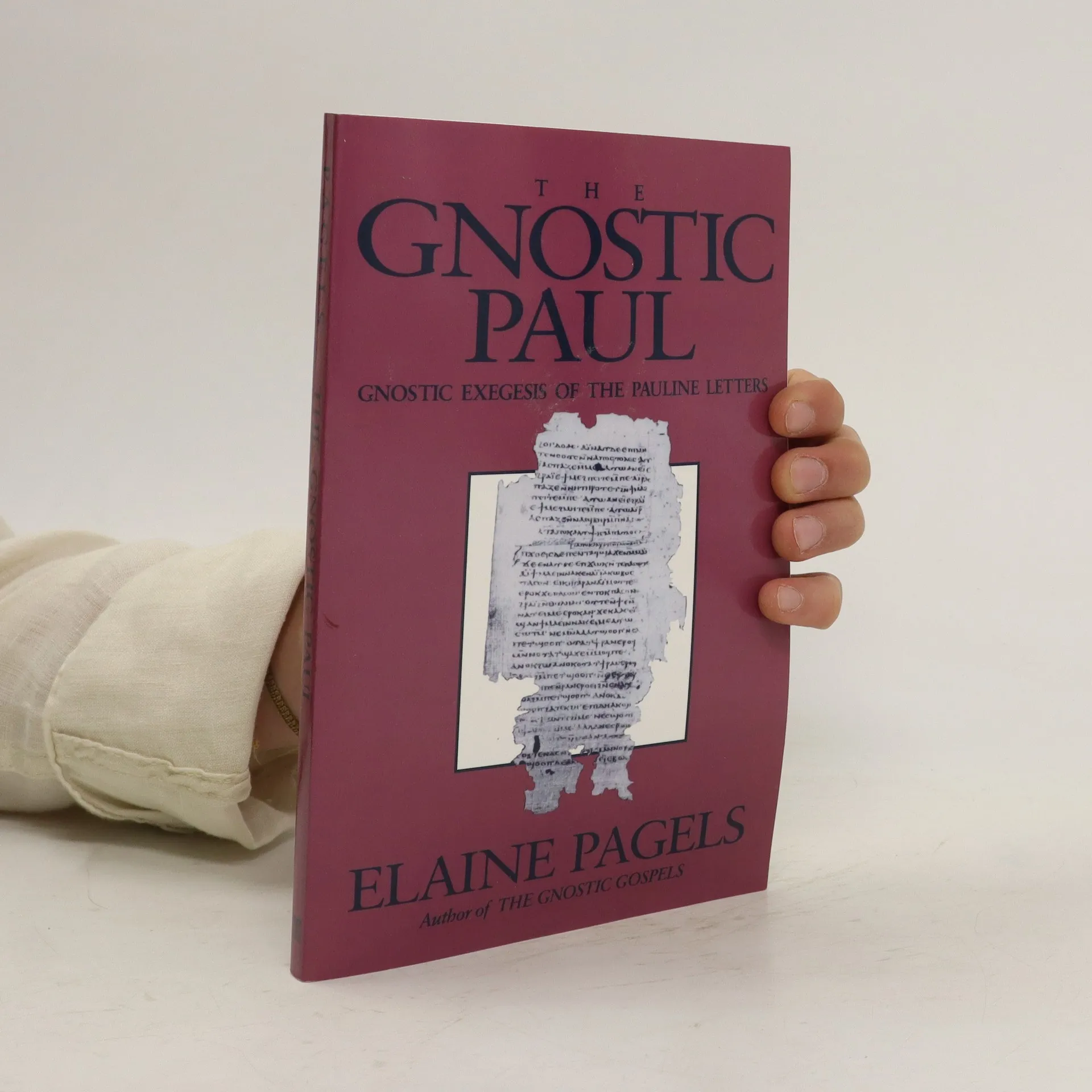
In this highly original work, Elaine Pagels demonstrates how evidence from gnostic sources may challenge the assumption that Paul writes his letters to combat "gnostic opponents" and to repudiate their claims to secret wisdom. Drawing upon evidence from the gnostic exegesis of Paul, including several Nag Hammadi texts, the author examines how gnostic exegetes cite and interpret key passages in the letters they consider Pauline -1 & 2 Corinthians, Galatians, Ephesians, Philippians, Colossians, and Hebrews. Besides offering new insight into controversies over Paul in the second century, this analysis of gnostic exegesis suggests a new perspective for Pauline study, challenging students and scholars to recognize the presuppositions-hermenuetical and theological-involved in their own reading of Pauls letters. Elaine H. Pagels is the Harrington Spear Paine Professor of Religion at Princeton University. She is the author of The Gnostic Gospels, which won the National Book Award and the National Book Critics Circle Award, The Johannie Gospel in Gnostic Exegesis, Adam, Eve, and the Serpent, and the best-selling Beyond Belief: The Secret Gospel of Thomas.
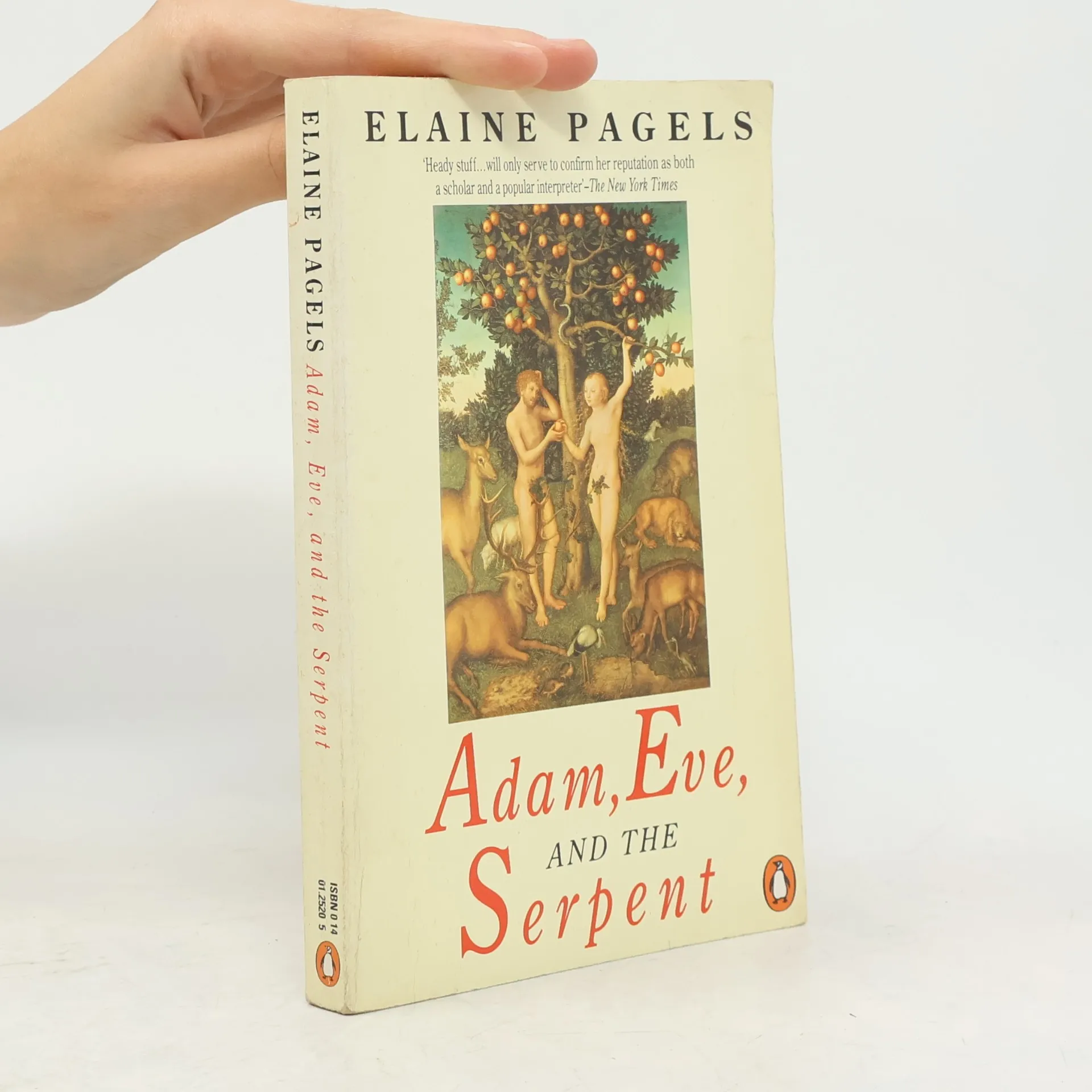
Adam, Eve and the Serpent
- 189 stránek
- 7 hodin čtení
"These studies make absorbing reading, and reveal an easy mastery of the literature, modern as well as ancient. Professor Pagels has an enviable flair for making obscure, half-forgotten documents spring vividly to life."
The Gnostic Gospels
- 182 stránek
- 7 hodin čtení
A provocative study of the gnostic gospels and the world of early Christianity as revealed through the Nag Hammadi texts.