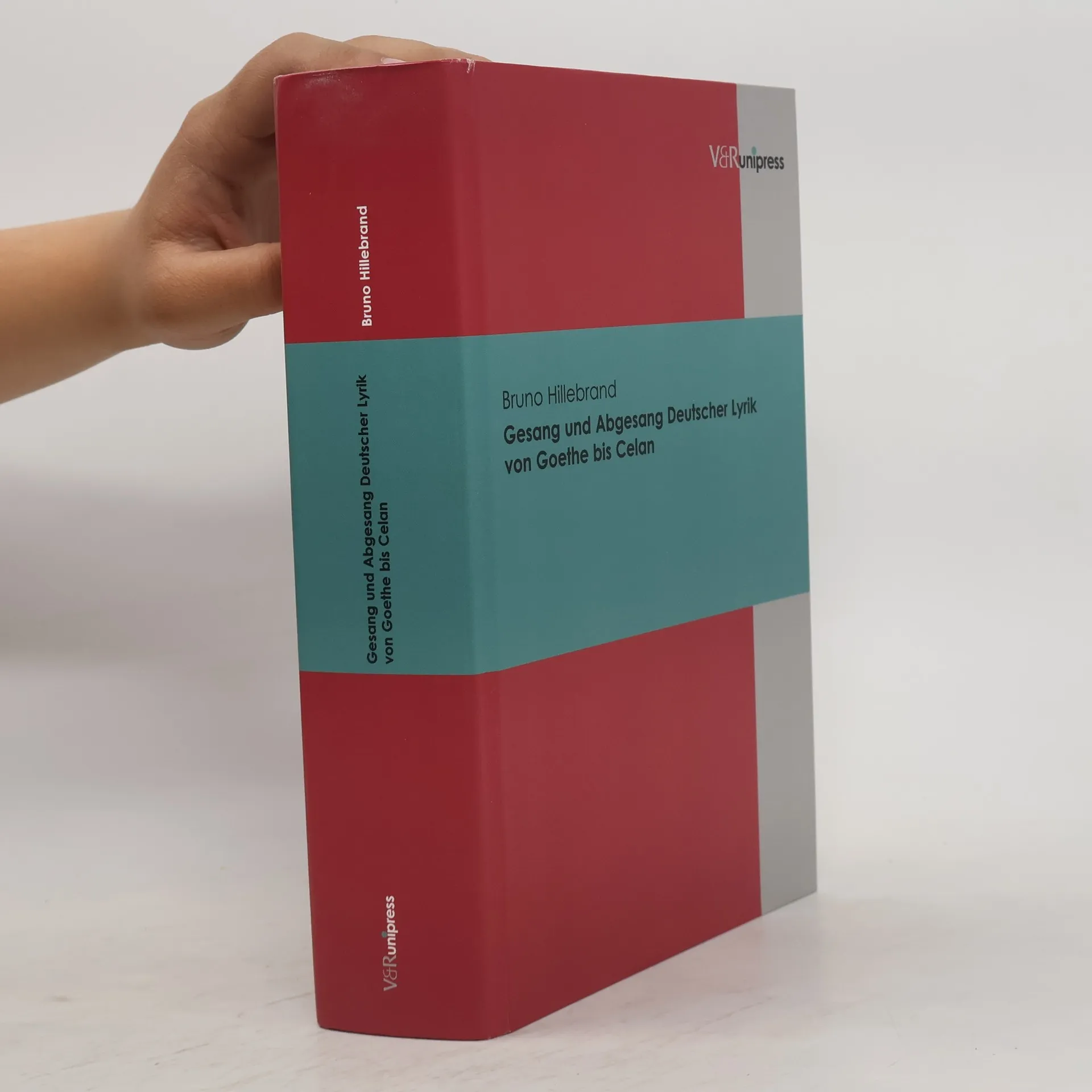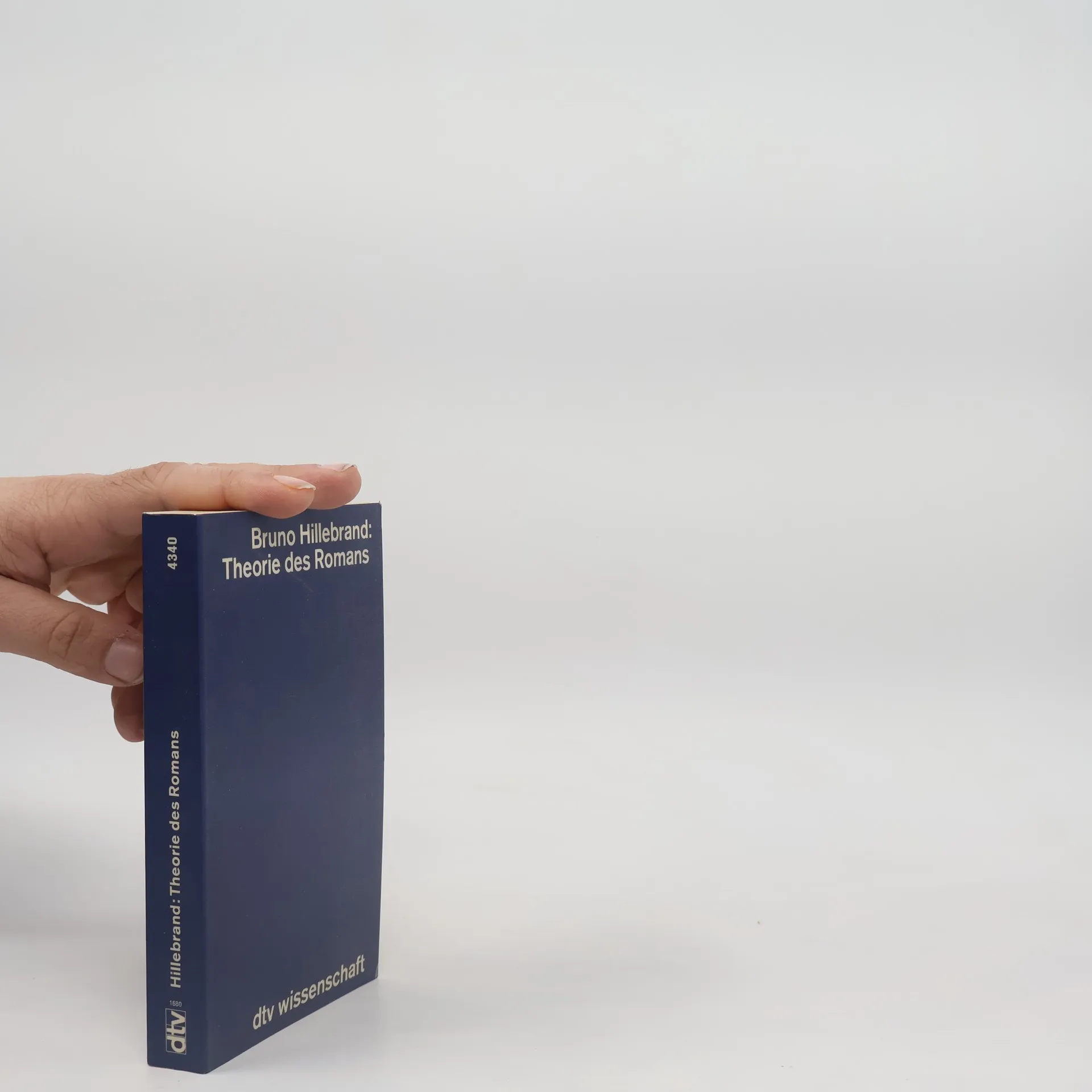
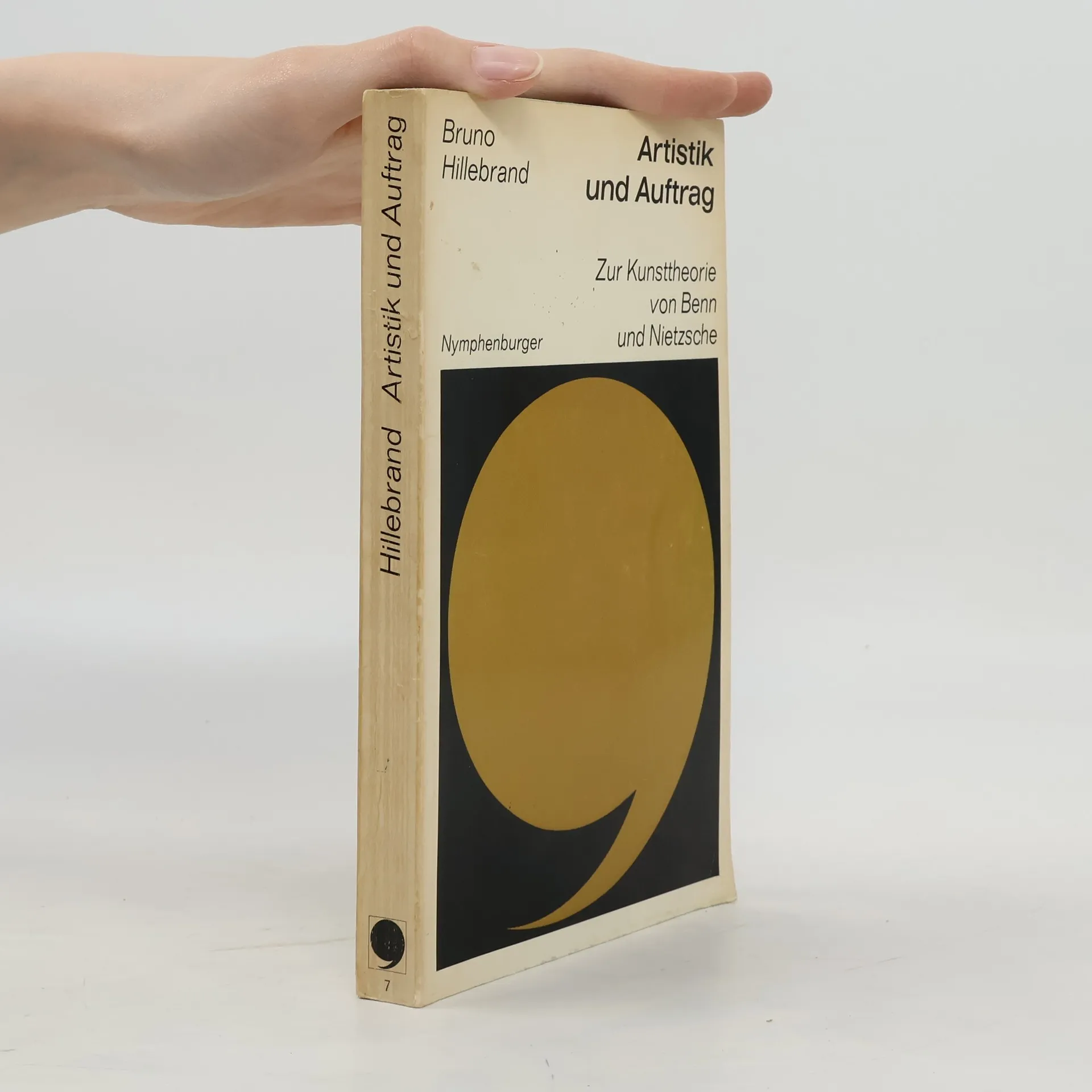
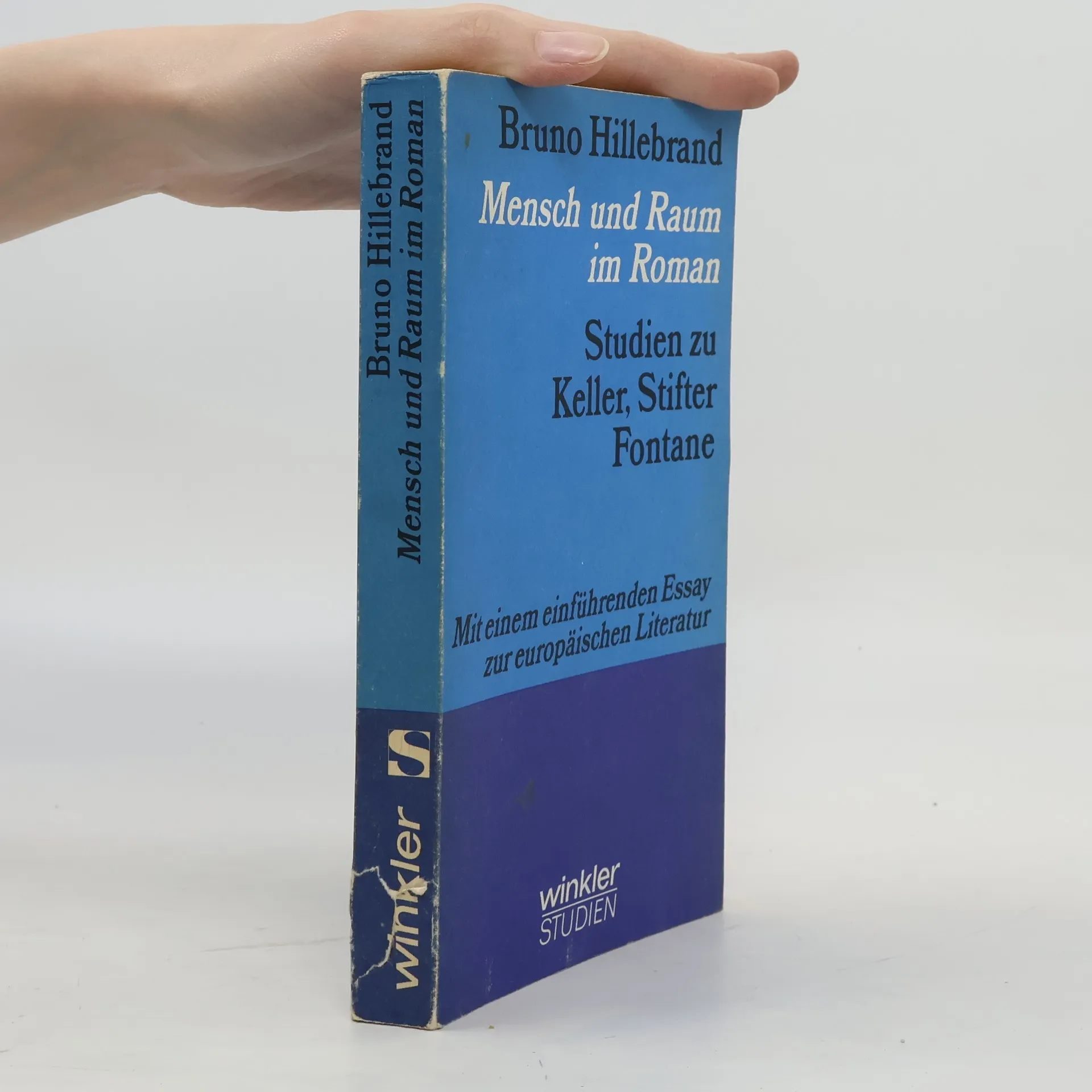

Gesang und Abgesang deutscher Lyrik von Goethe bis Celan
- 590 stránek
- 21 hodin čtení
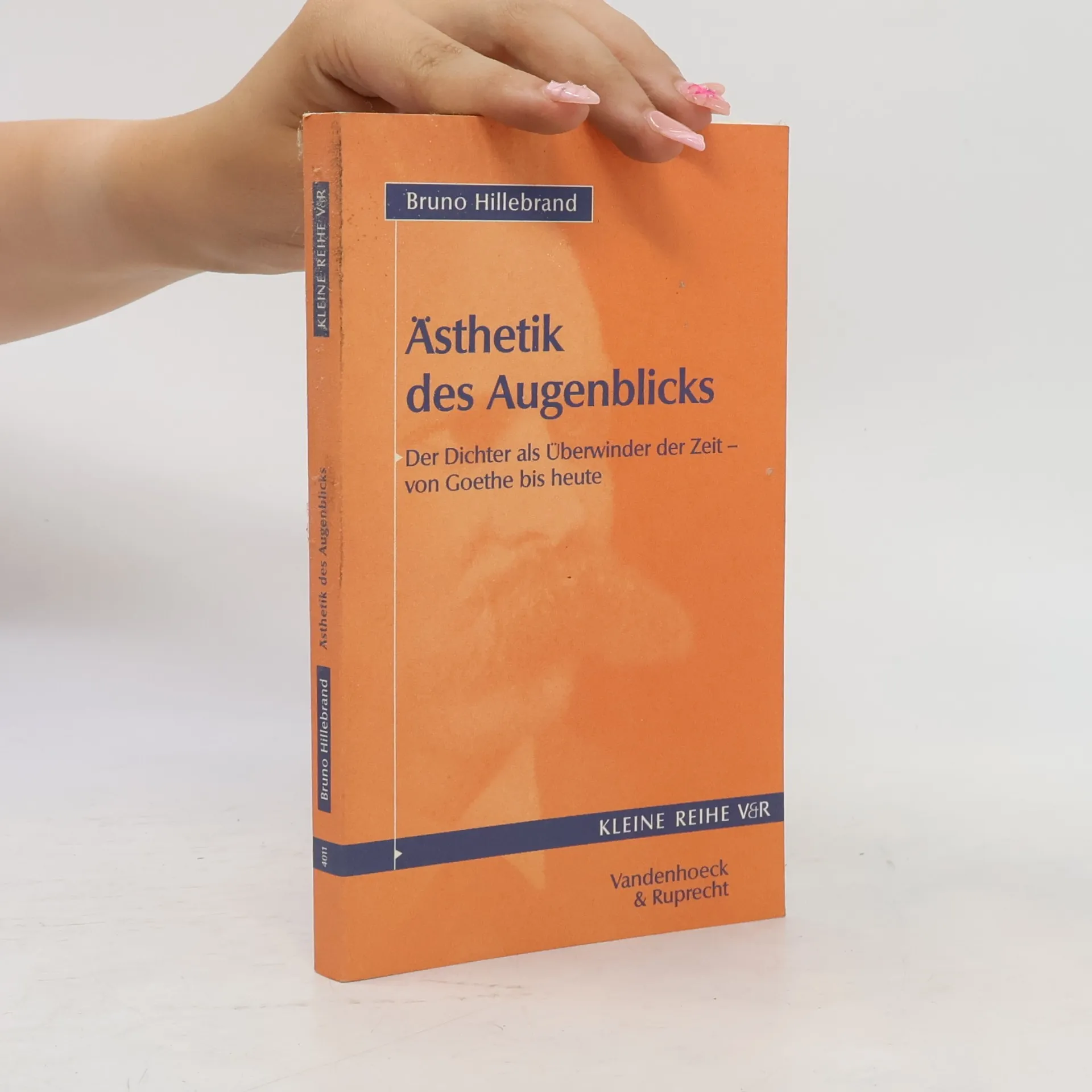
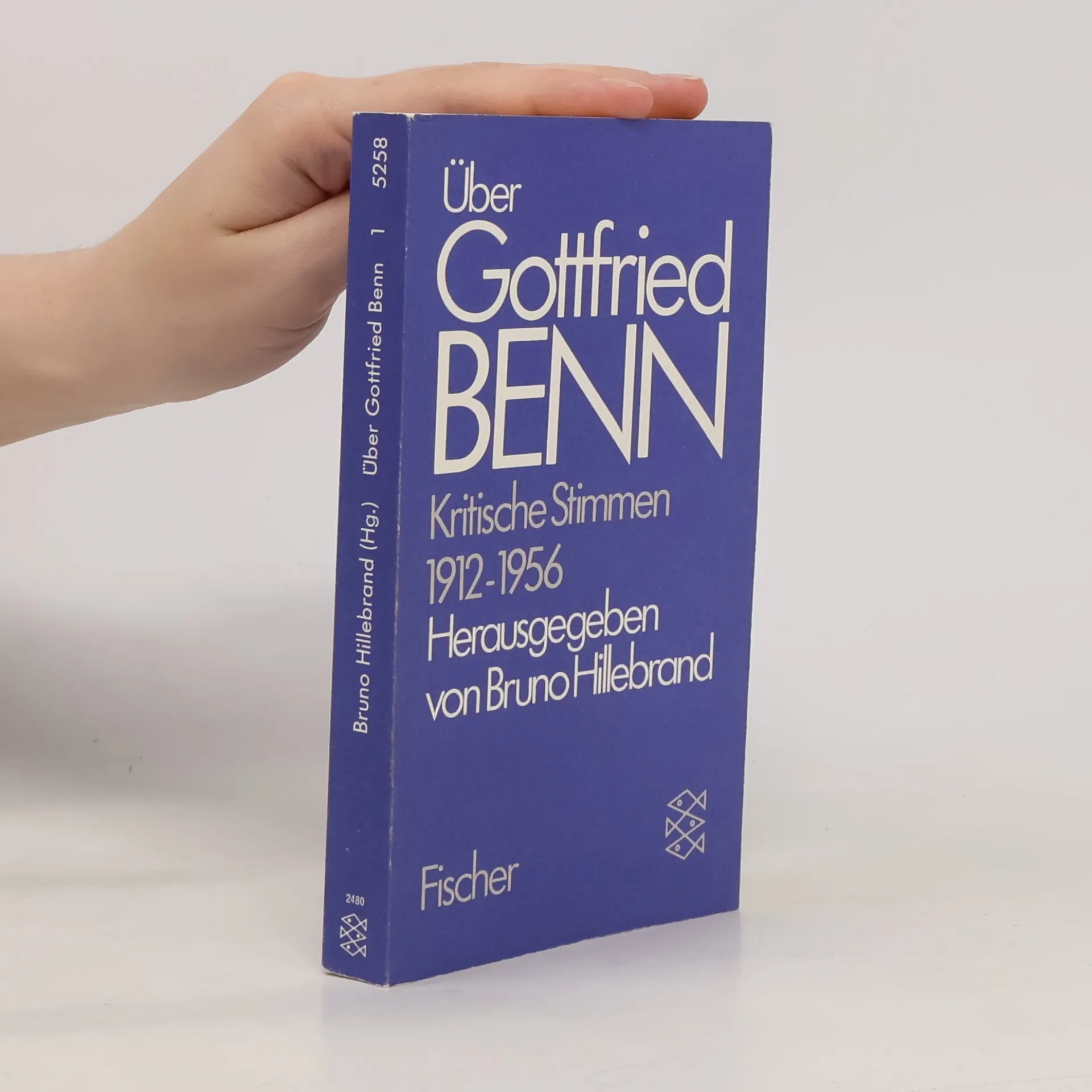
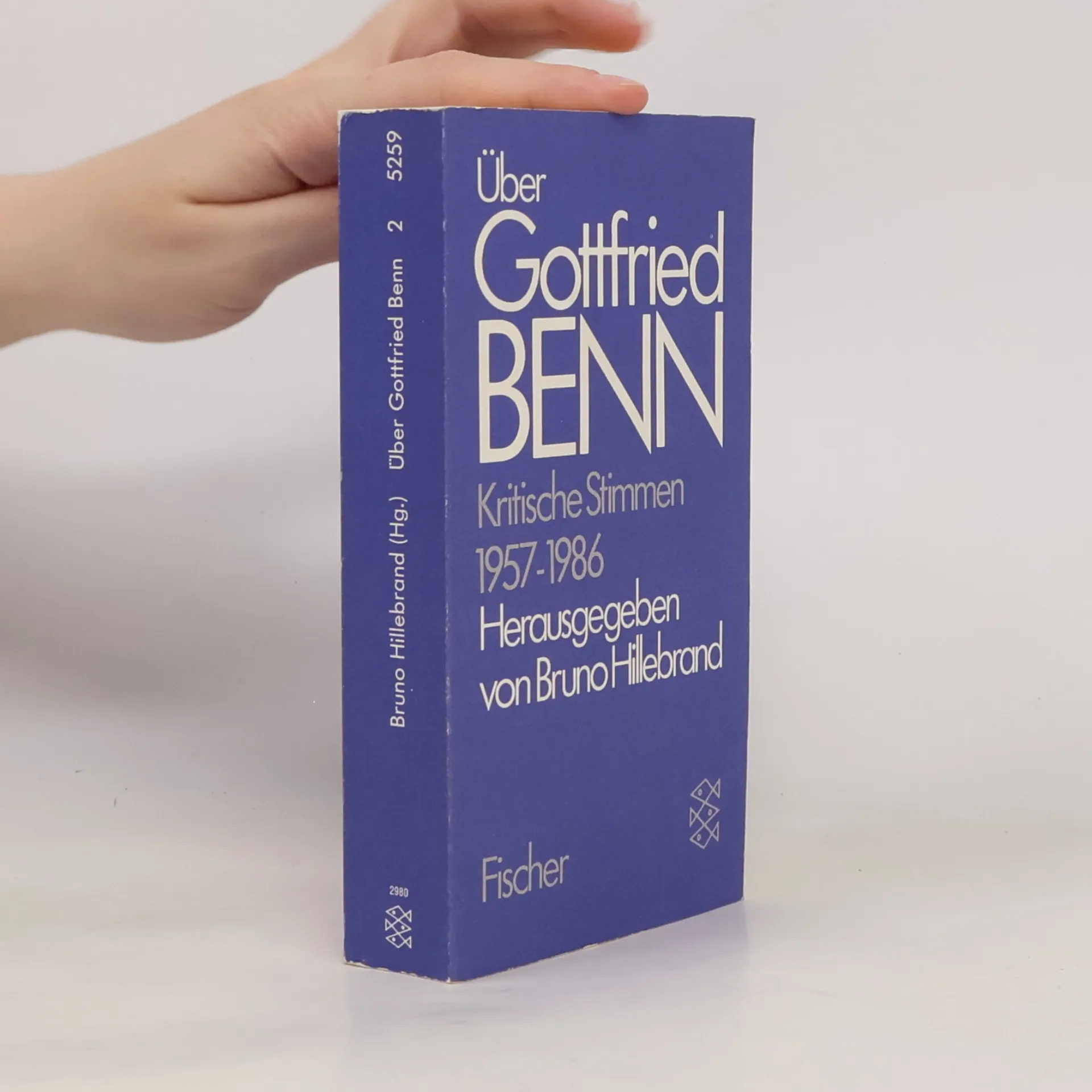
For over 200 years, lyrical poetry served as a measure of individual sensitivity, with its rhyme, meter, and musicality conveying emotions uniquely through this medium. This volume offers a comprehensive exploration of the golden age of German lyric poetry, reviving its essence through an expert's insights into the historical contexts surrounding two centuries of poetry from Goethe to Celan. The existential reflections of Bruno Hillebrand resonate throughout his engagements with poets such as Goethe, Schiller, Hölderlin, Novalis, Eichendorff, Heine, Nietzsche, Hofmannsthal, George, Rilke, Benn, Brecht, and others, including Eich, Bobrowski, Bachmann, and Celan. Each poet is examined in dedicated chapters that delve into their biographies and literary environments. The text also critically addresses collective movements like Expressionism, Dadaism, Group 47, and concrete poetry, highlighting their interrelations. Detailed examples, including poems, manifestos, and letters, enrich the narrative. Rather than interpreting the poetry, this volume illuminates a historical panorama, providing a vivid account of the evolution and significance of German lyric poetry.