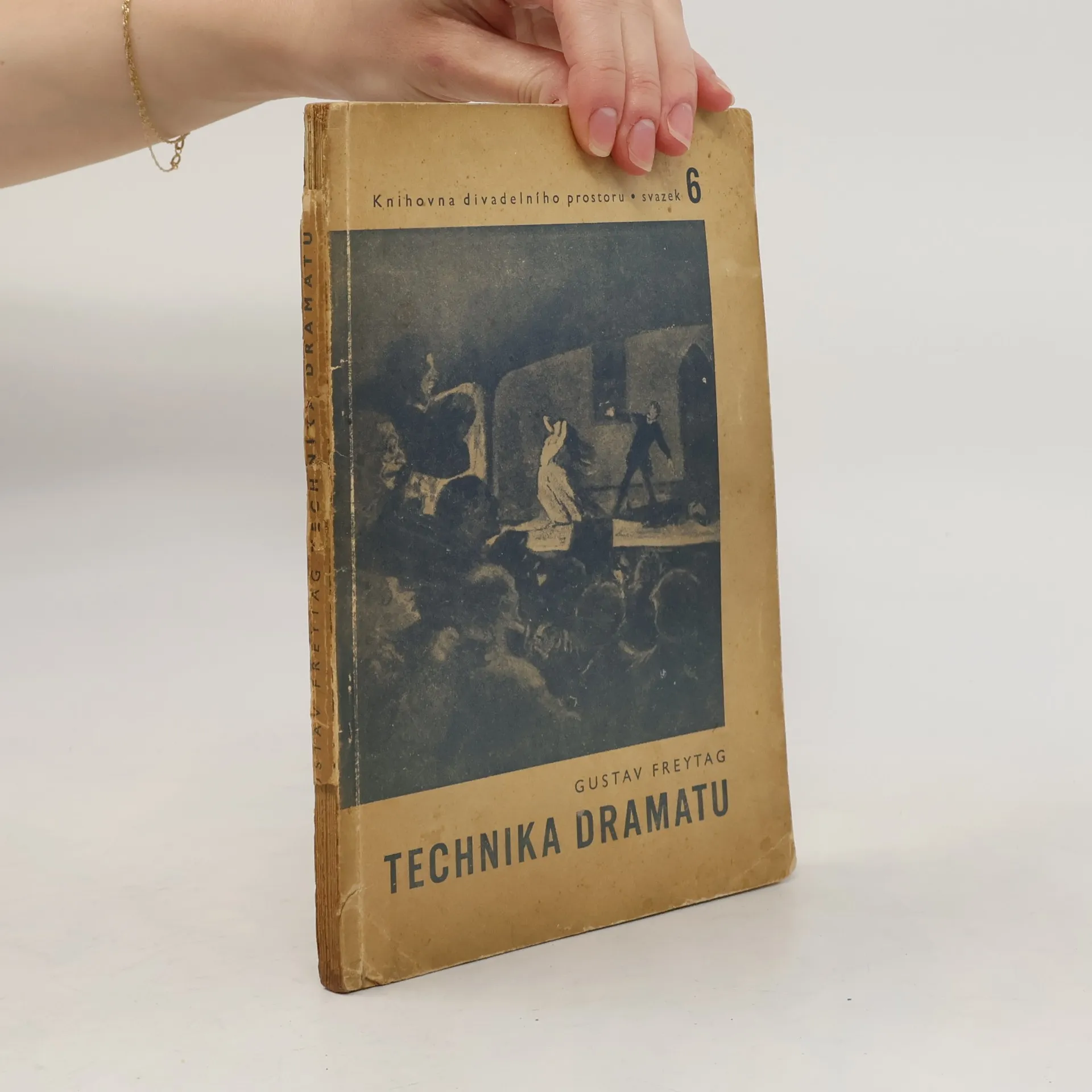
V knize Die Technik des Dramas (Technickém dramatu) analyzoval klasické drama a snažil se o aplikaci aristotelských zásad na dramatiku.
Gustav Freytag Knihy
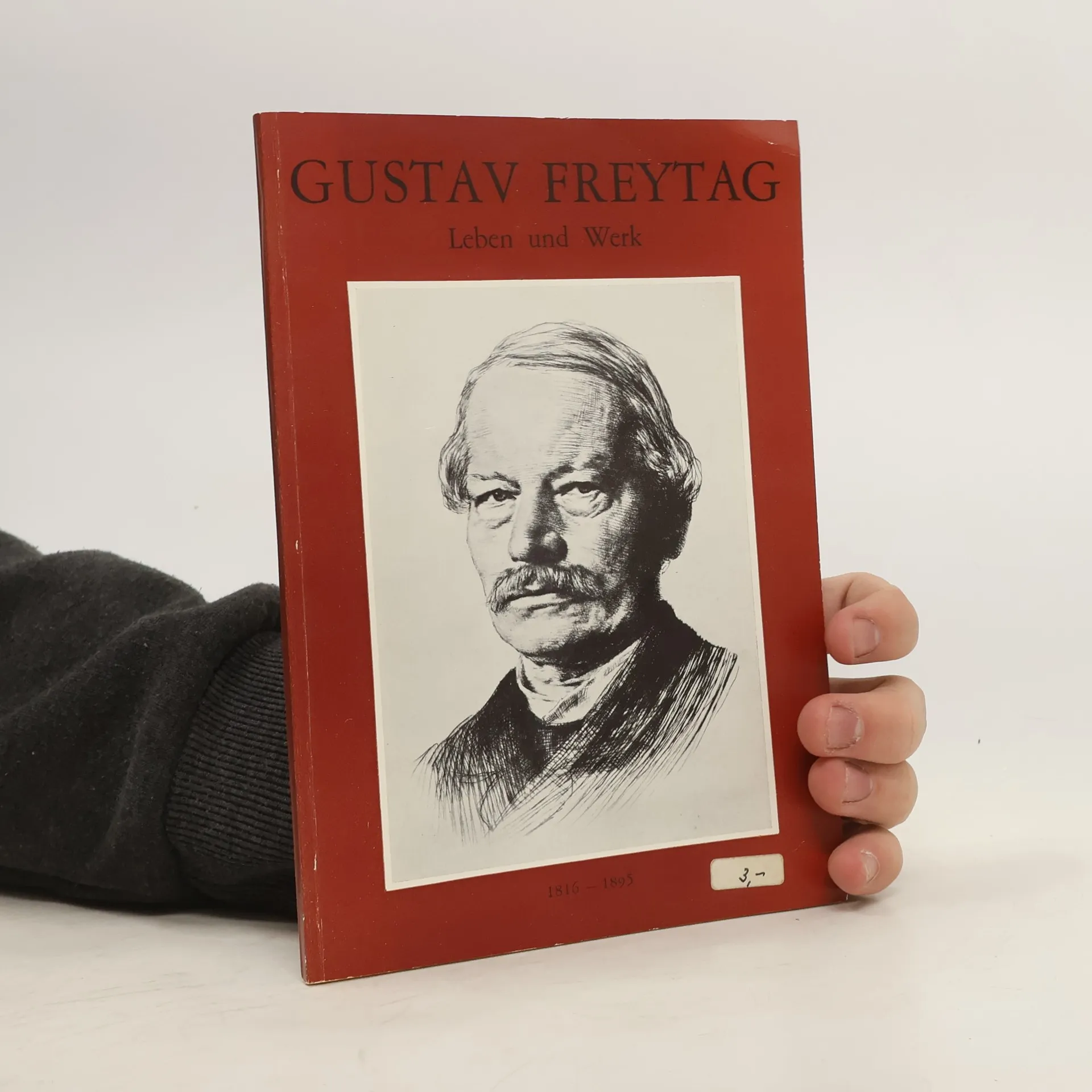
13. červenec 1816 – 30. duben 1895
Gustav Freytag se proslavil jako německý dramatik a prozaik, jehož díla formovala německé divadlo 19. století. Jeho hry vynikají promyšlenou strukturou a mistrovským rozvojem děje, což dokazuje i jeho slavný dramatický model. Freytag se zaměřoval na komedie i dramata, často s historickými náměty, a jeho přístup k psaní ovlivnil celou generaci. Jeho literární odkaz spočívá v precizním zpracování dramatické formy a hlubokém porozumění lidské povaze.

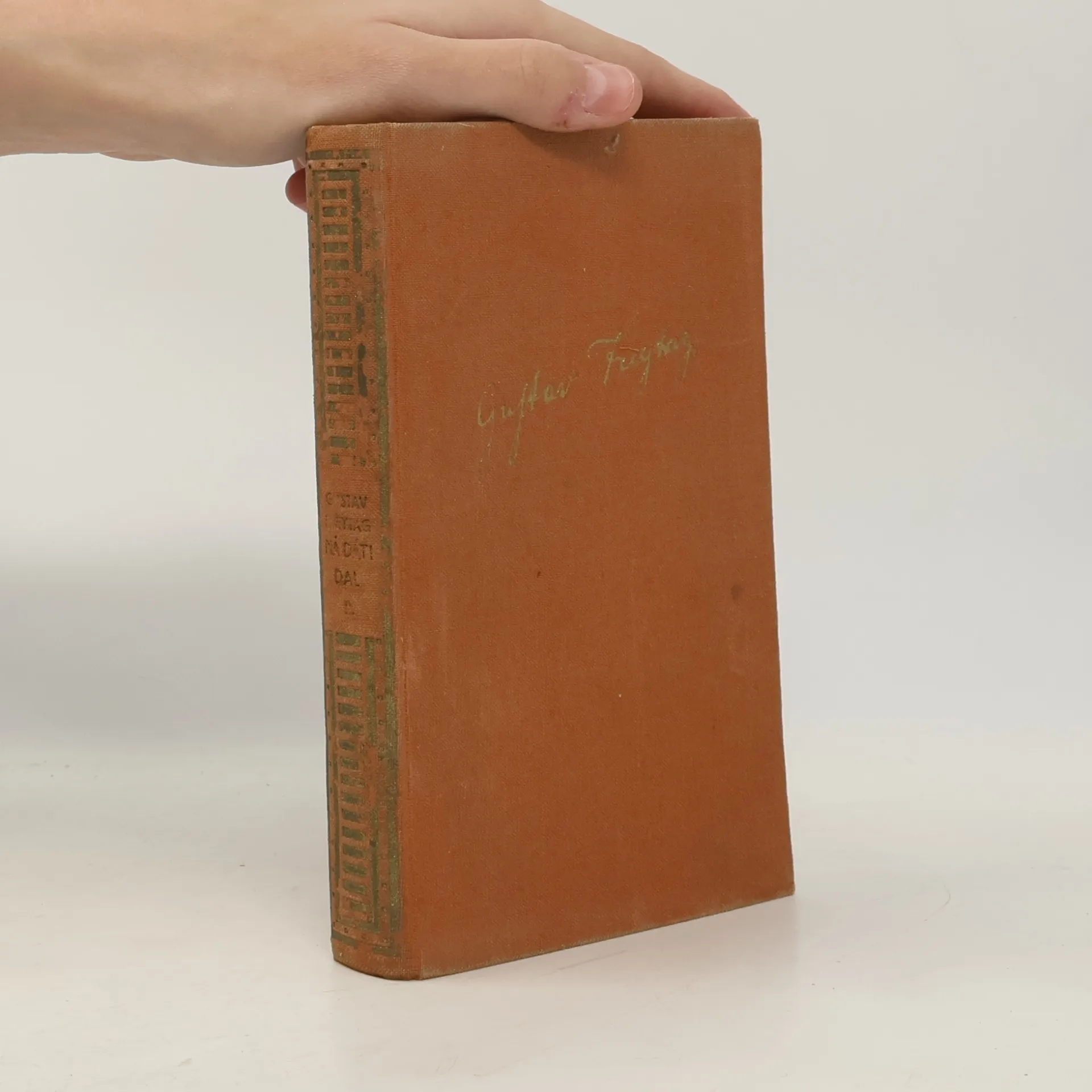
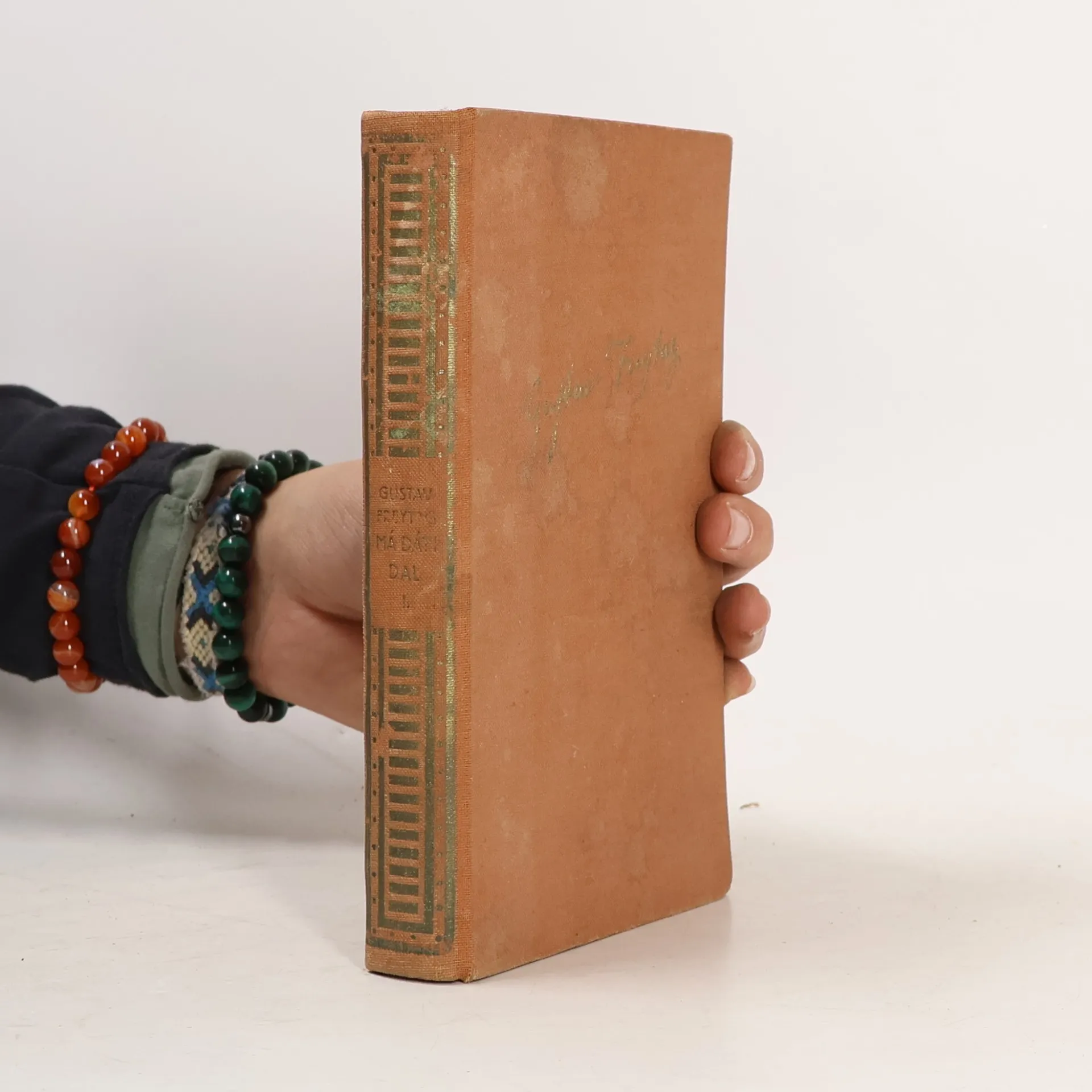
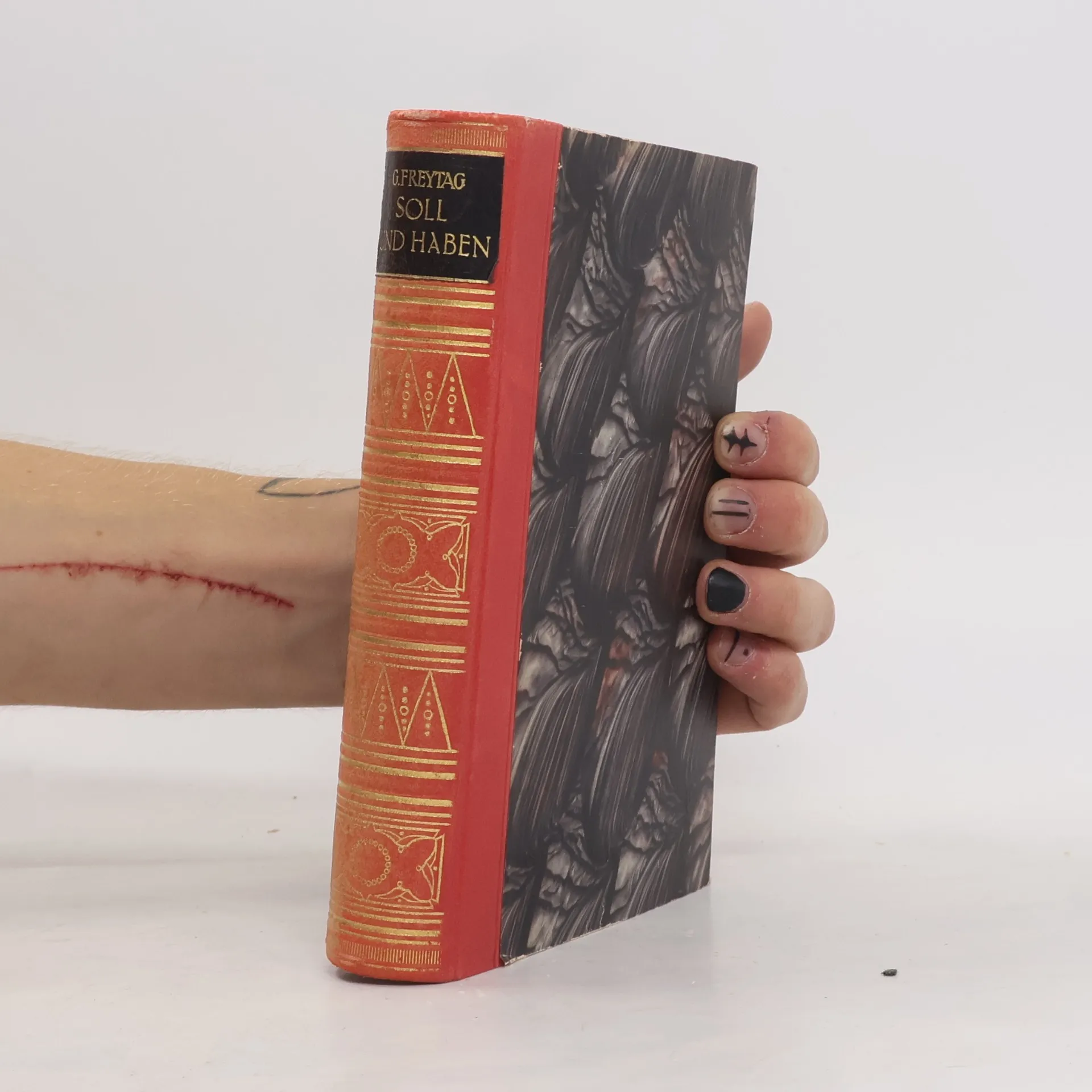
Děj se odehrává v polovině 19. století v Německu a sleduje Antona Wohlfarta, ambiciózního mladého muže, který se vydává na kariéru ve financích. Jak stoupá po profesní dráze, Anton se potýká s etickými dilematy a osobními volbami, což odráží napětí mezi tradičními hodnotami a vznikajícím obchodním věkem. Příběh složitě proplétá témata ambice, morálky a společenských očekávání, což nabízí bohaté zkoumání lidské přirozenosti a složitosti úspěchu. Freytagovo podrobné zobrazení poskytuje pohled do postav a společnosti té doby, což z něj činí podnětné literární dílo.
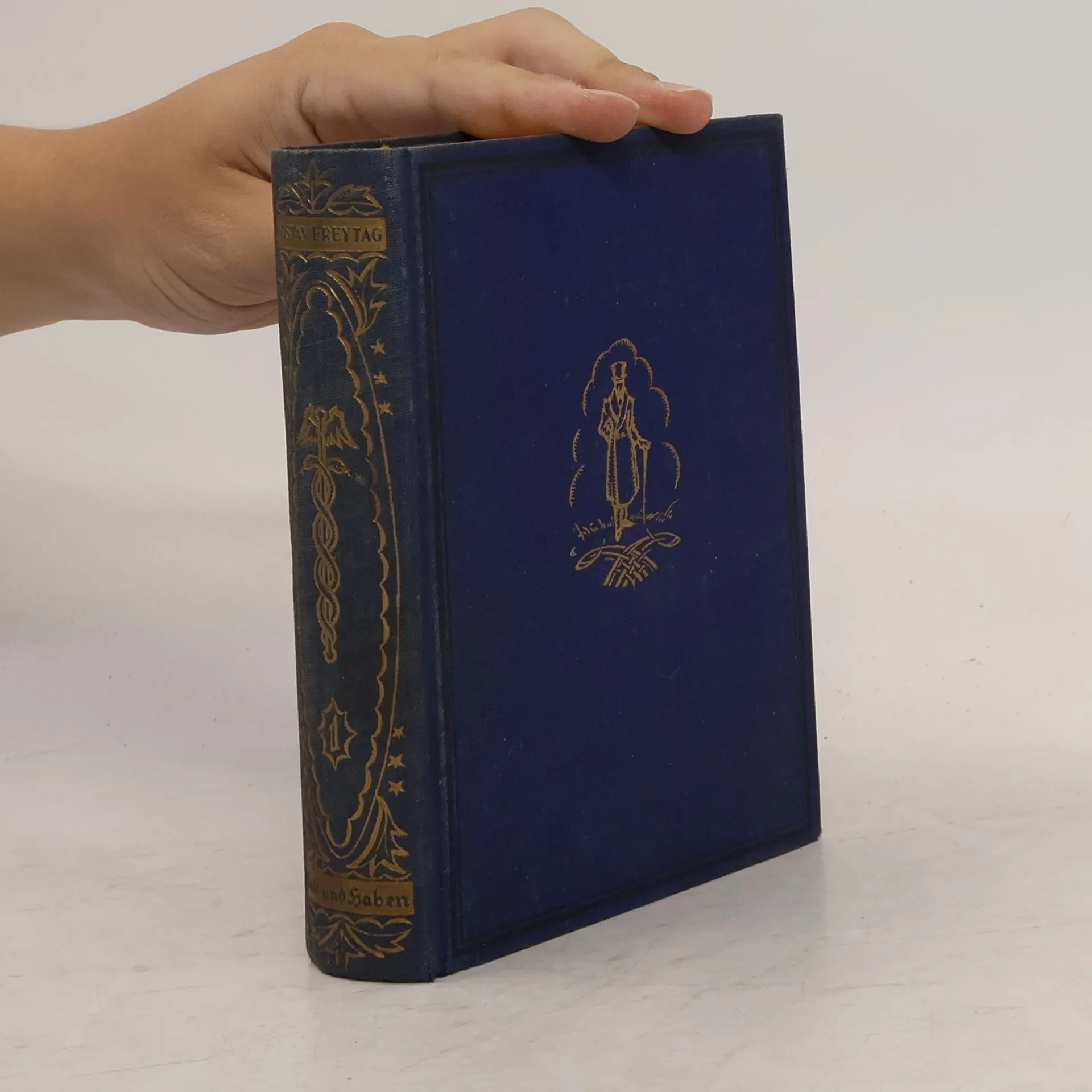
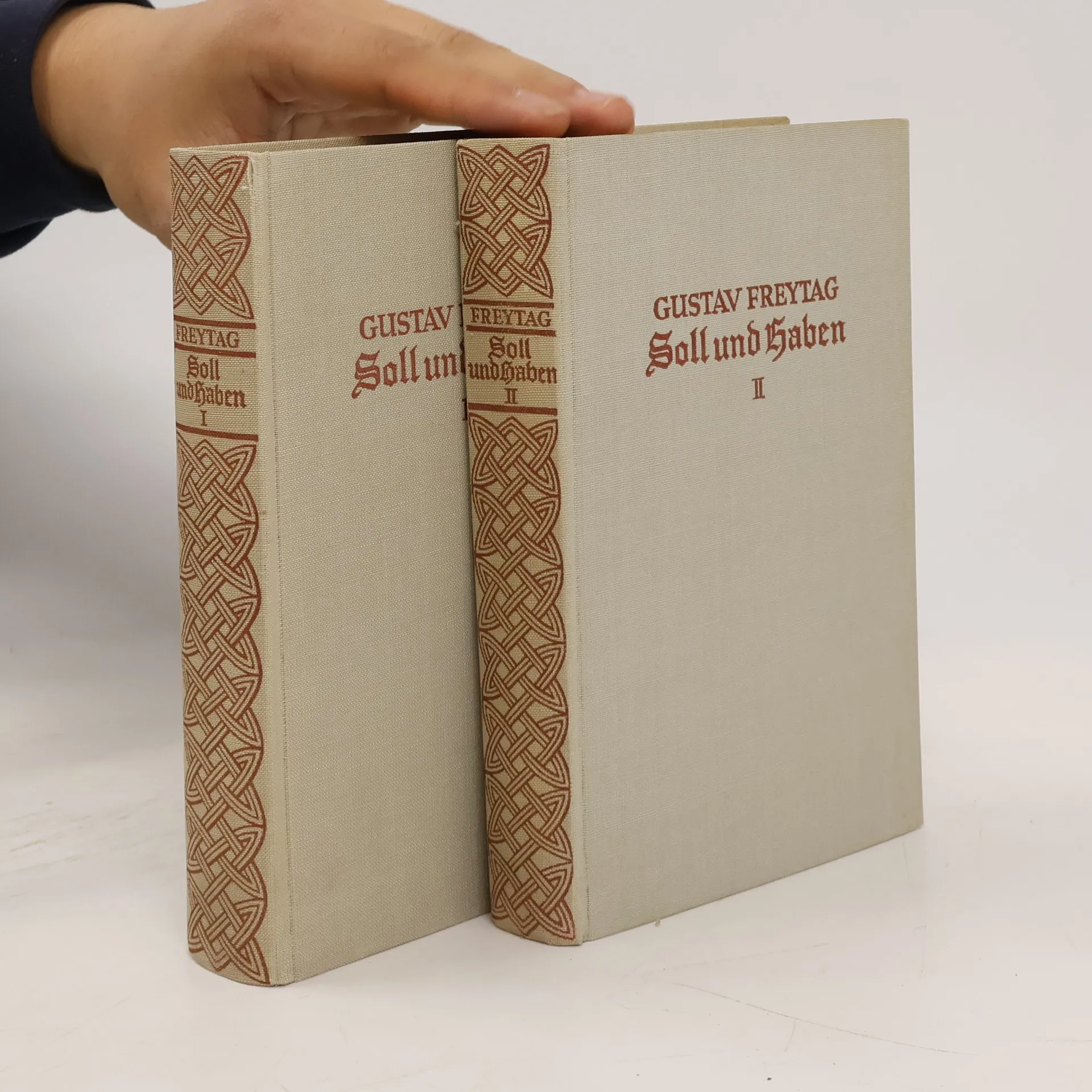
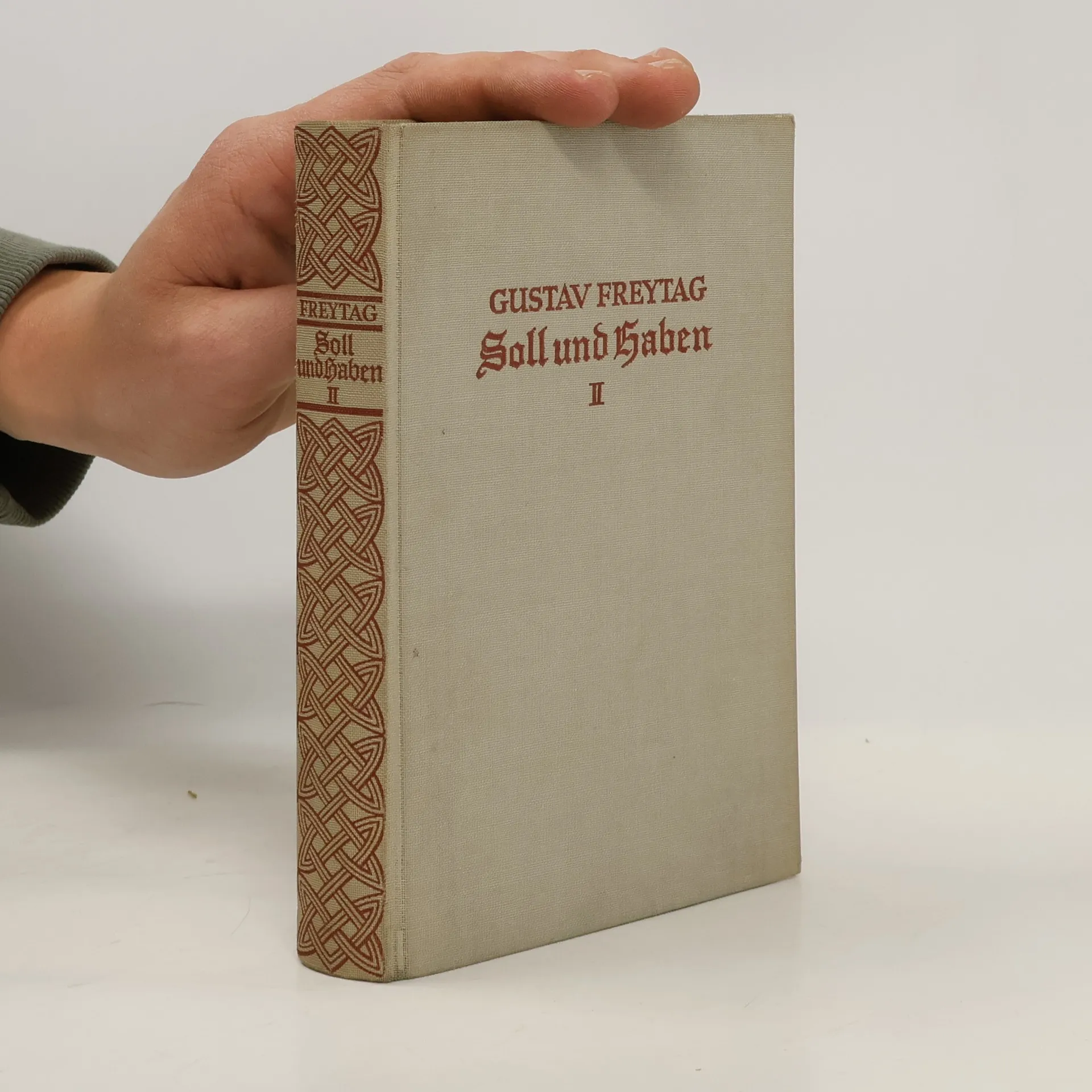
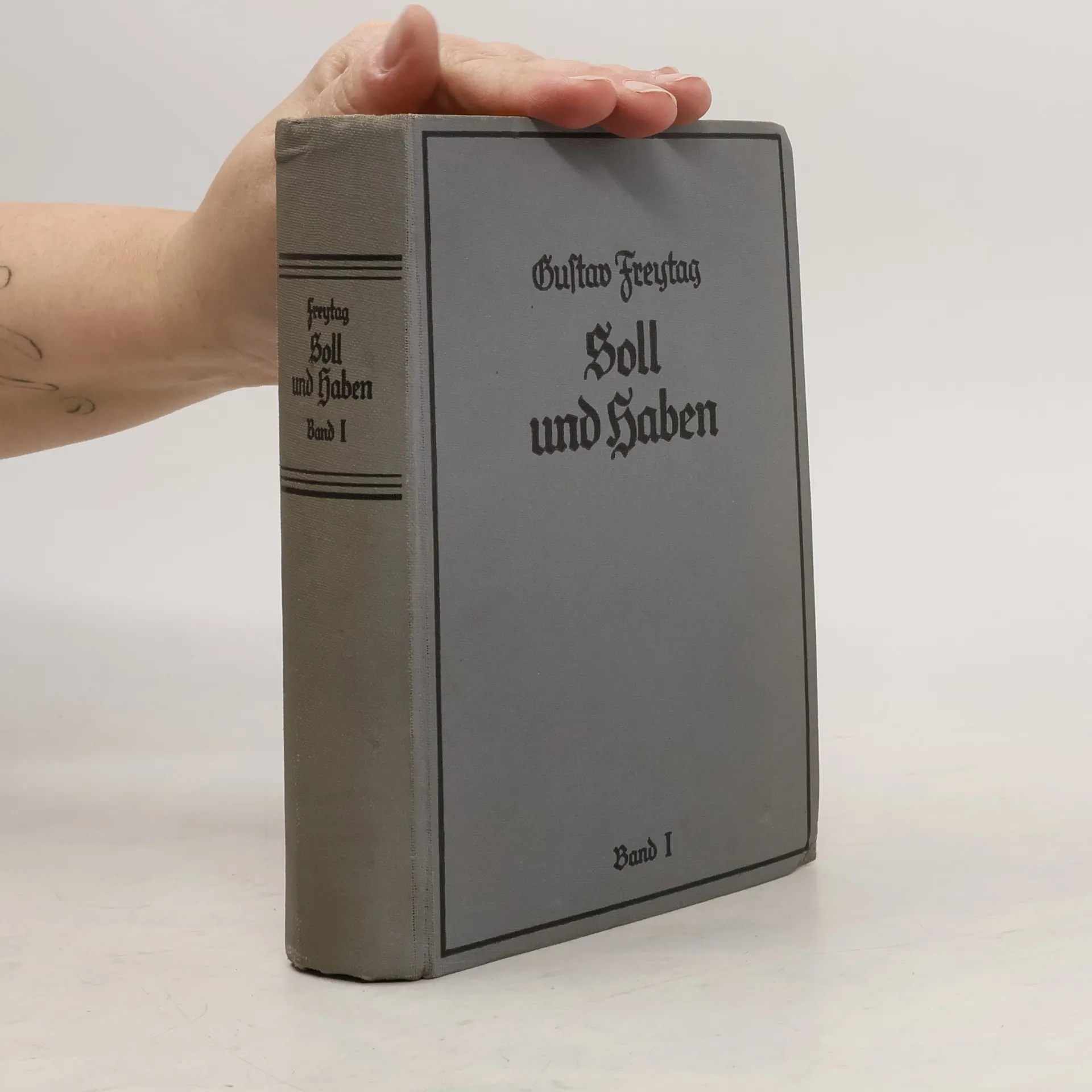
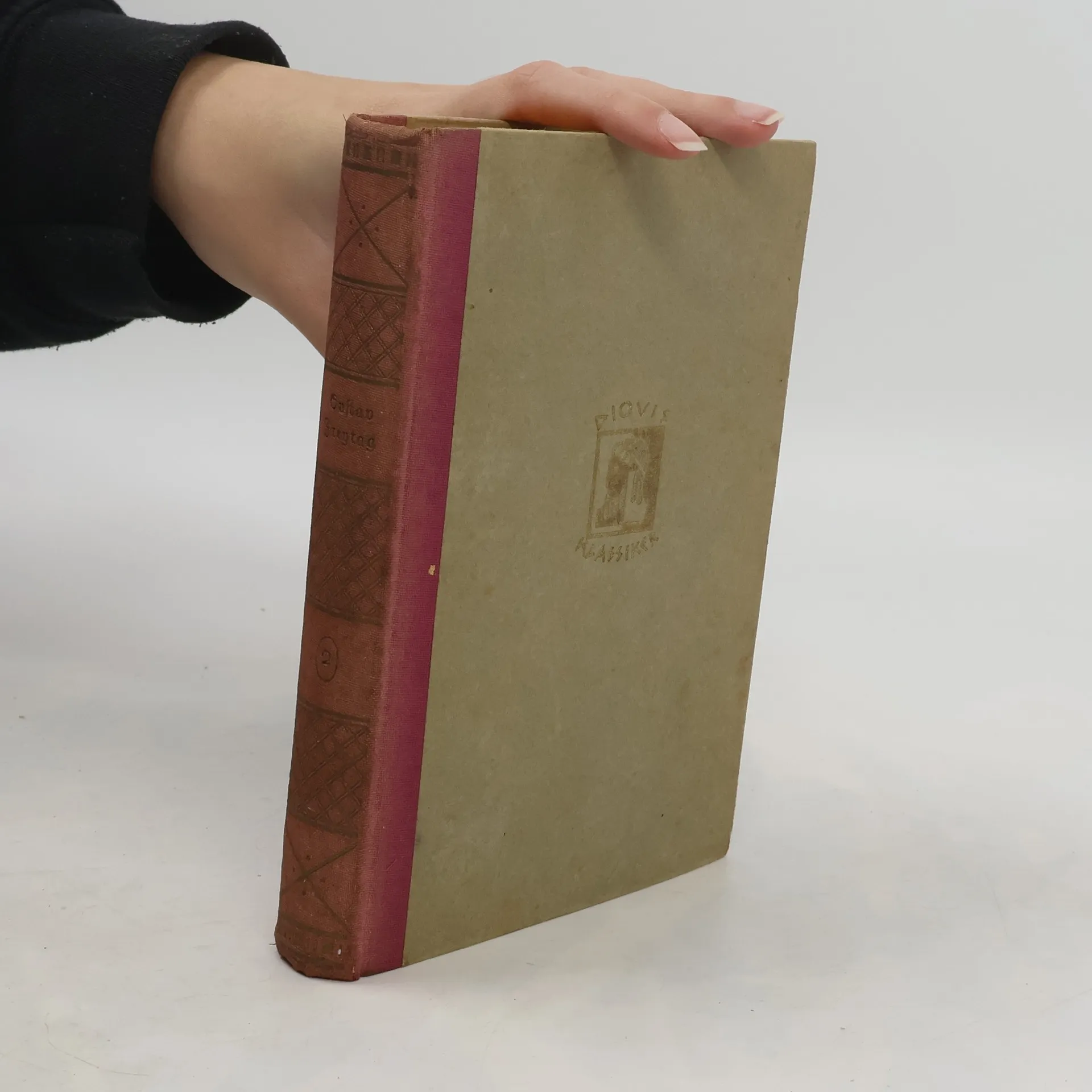
Má dáti. Dal. 1.-2. díl.
- 2 svazky
Má dáti-dal I.+II.
- 2 svazky
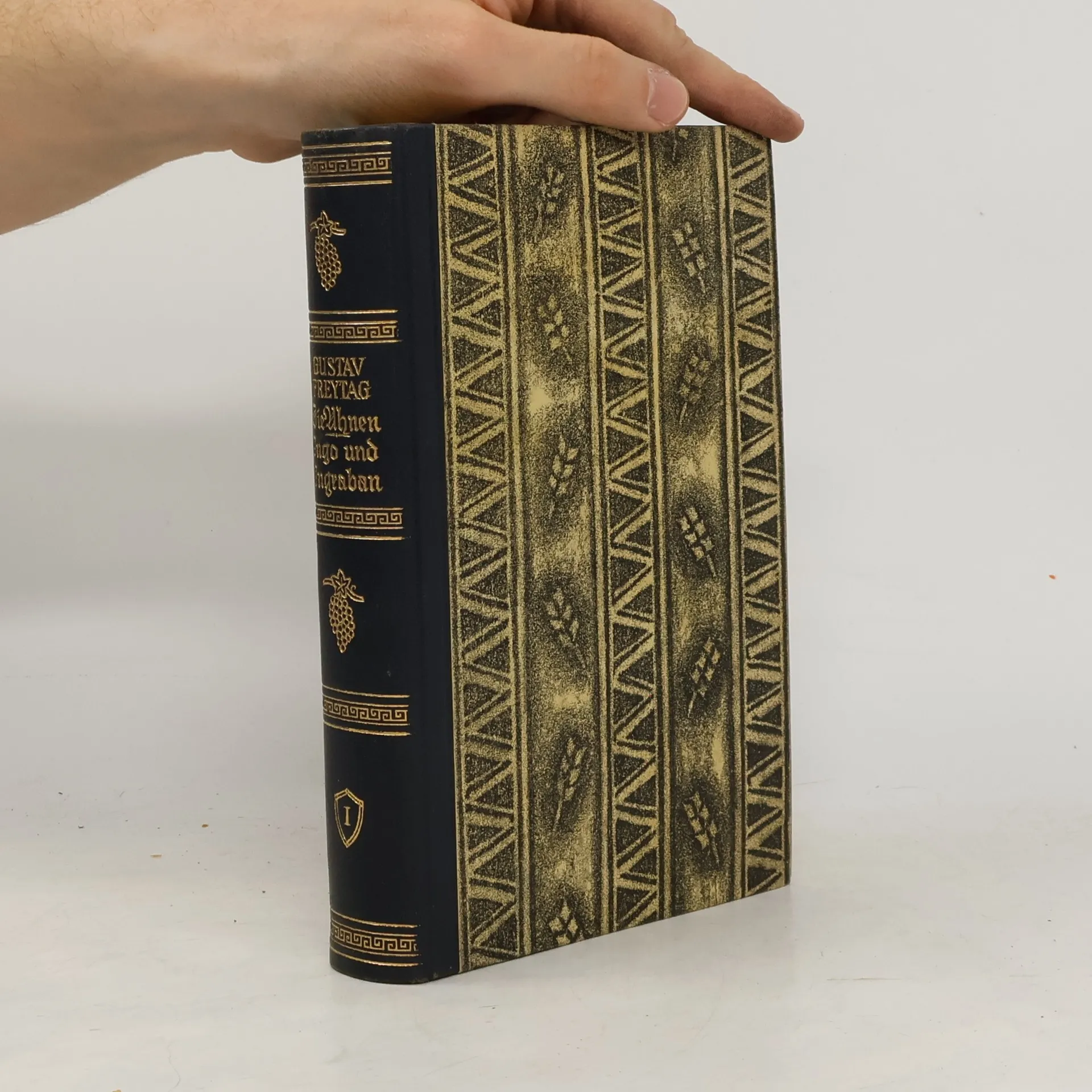
In the fourth part of the family saga "The Ancestors," the story of the descendants of Ingo and Ingraban continues during the Reformation period. The setting is the city of Thorn, which rebels against the rule of the Teutonic Order and aligns itself with the Polish king. The narrative explores the challenges and conflicts of this turbulent time and the development of the characters in the context of historical events.
Ingo
- 330 stránek
- 12 hodin čtení
Culturally significant, this reproduction preserves the integrity of the original artifact, including copyright references and library stamps. It serves as an important resource for understanding the foundations of civilization, reflecting the historical context in which it was created. This work highlights the value of maintaining access to original texts for scholarly study and appreciation.
Das Nest Der Zaunkönige
- 314 stránek
- 11 hodin čtení
This book is a reproduction of a pre-1923 publication and may contain imperfections like missing pages or poor images. Despite these flaws, it is considered culturally important, and efforts have been made to preserve it for future readers. Your understanding of these imperfections is appreciated.
The Journalists
- 164 stránek
- 6 hodin čtení
Set in the vibrant world of journalism, this comedy explores the dynamics of the press and its impact on society. Written by Gustav Freytag, a pivotal figure in modern literature, the play showcases his mastery of the "well-made play" structure. First performed in 1853, it offers a humorous yet insightful commentary on the role of journalists, making it a significant contribution to theatrical literature.
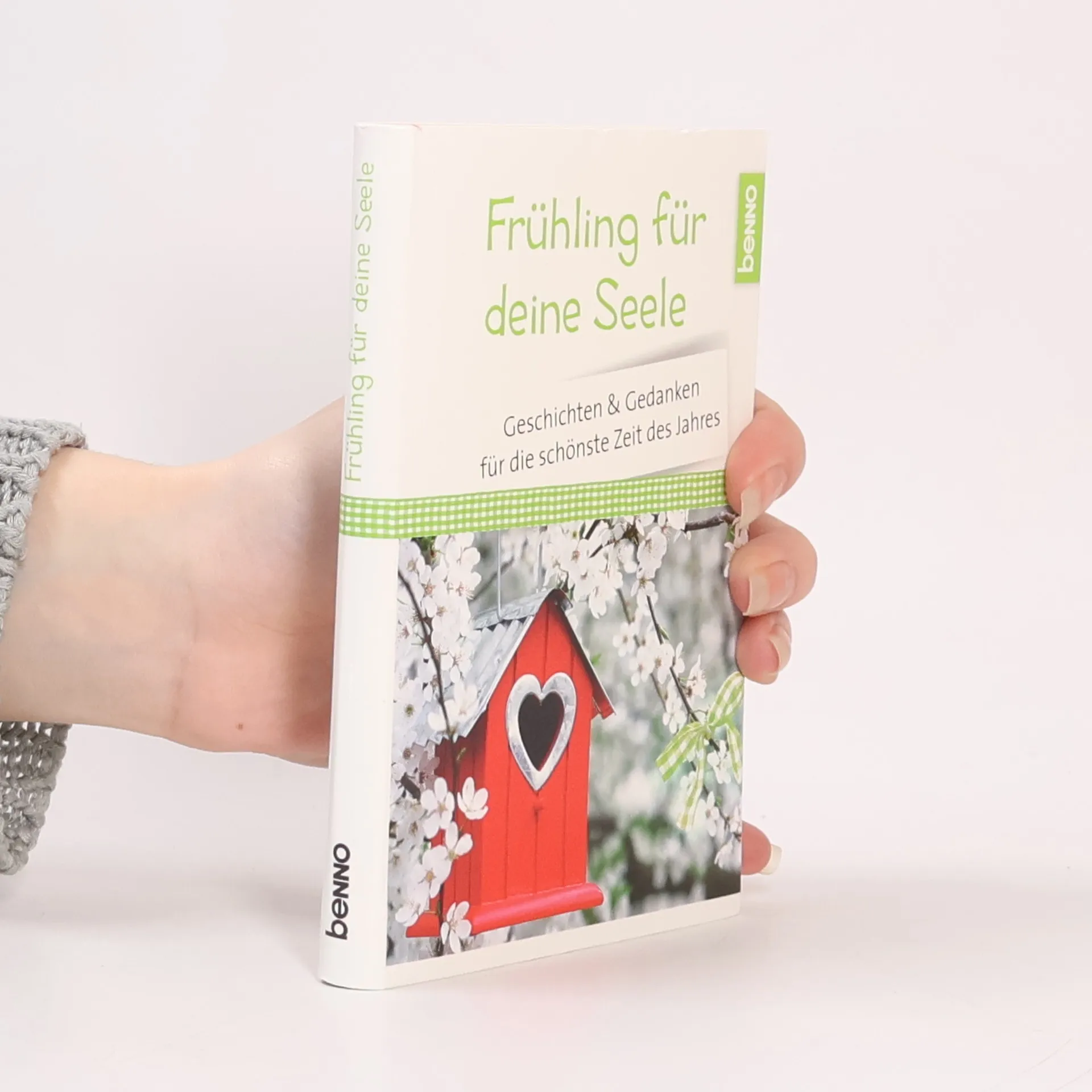
Frühling für deine Seele
- 144 stránek
- 6 hodin čtení
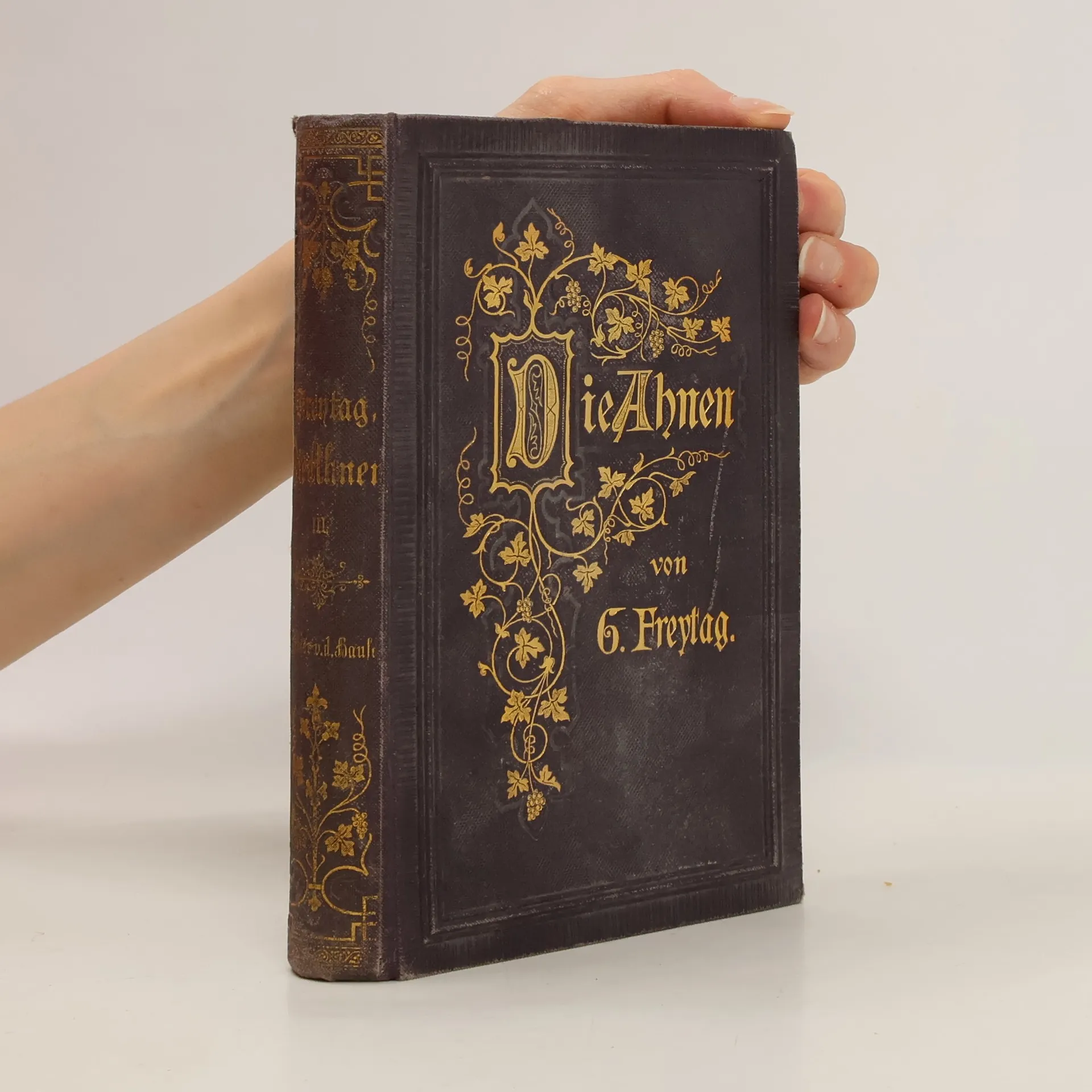
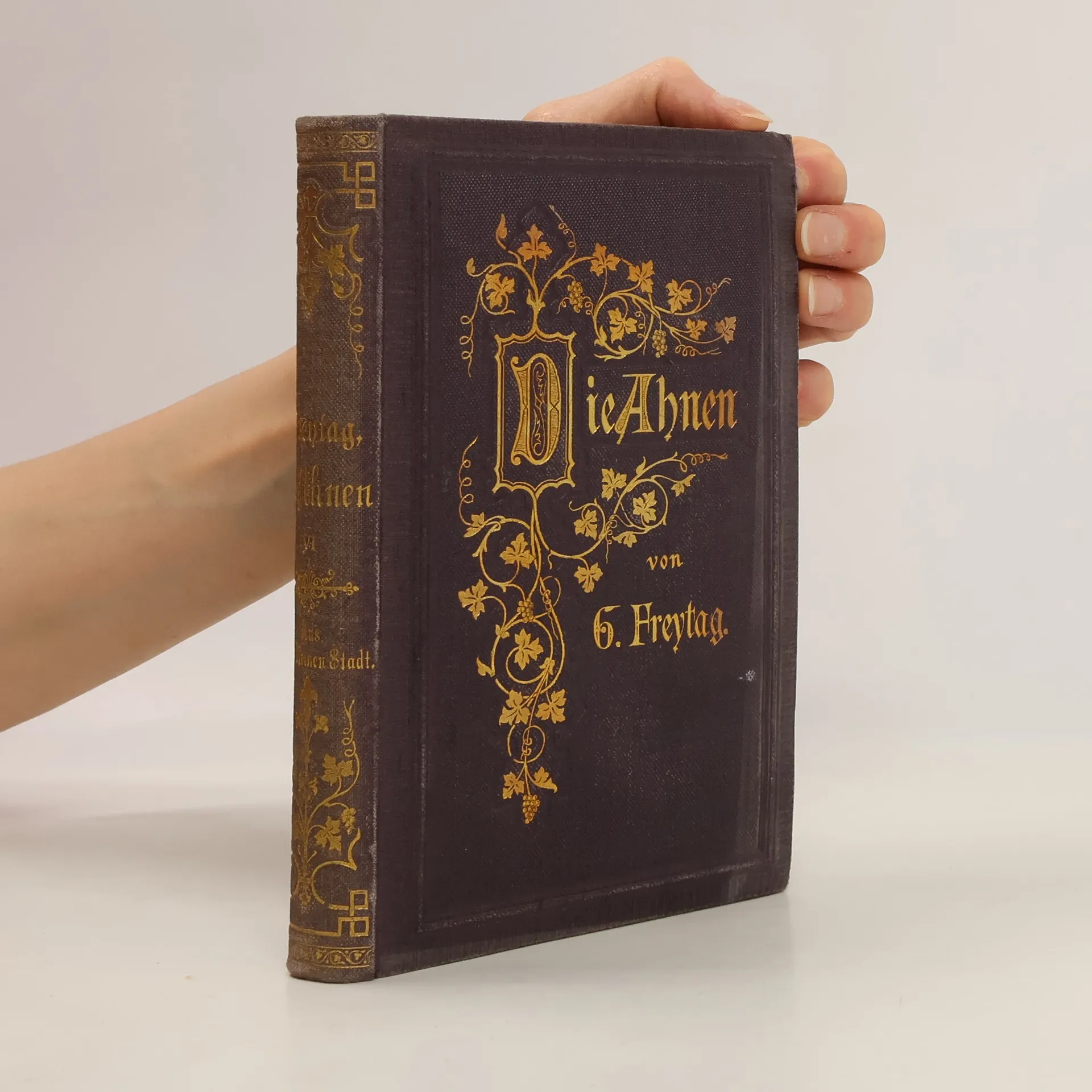
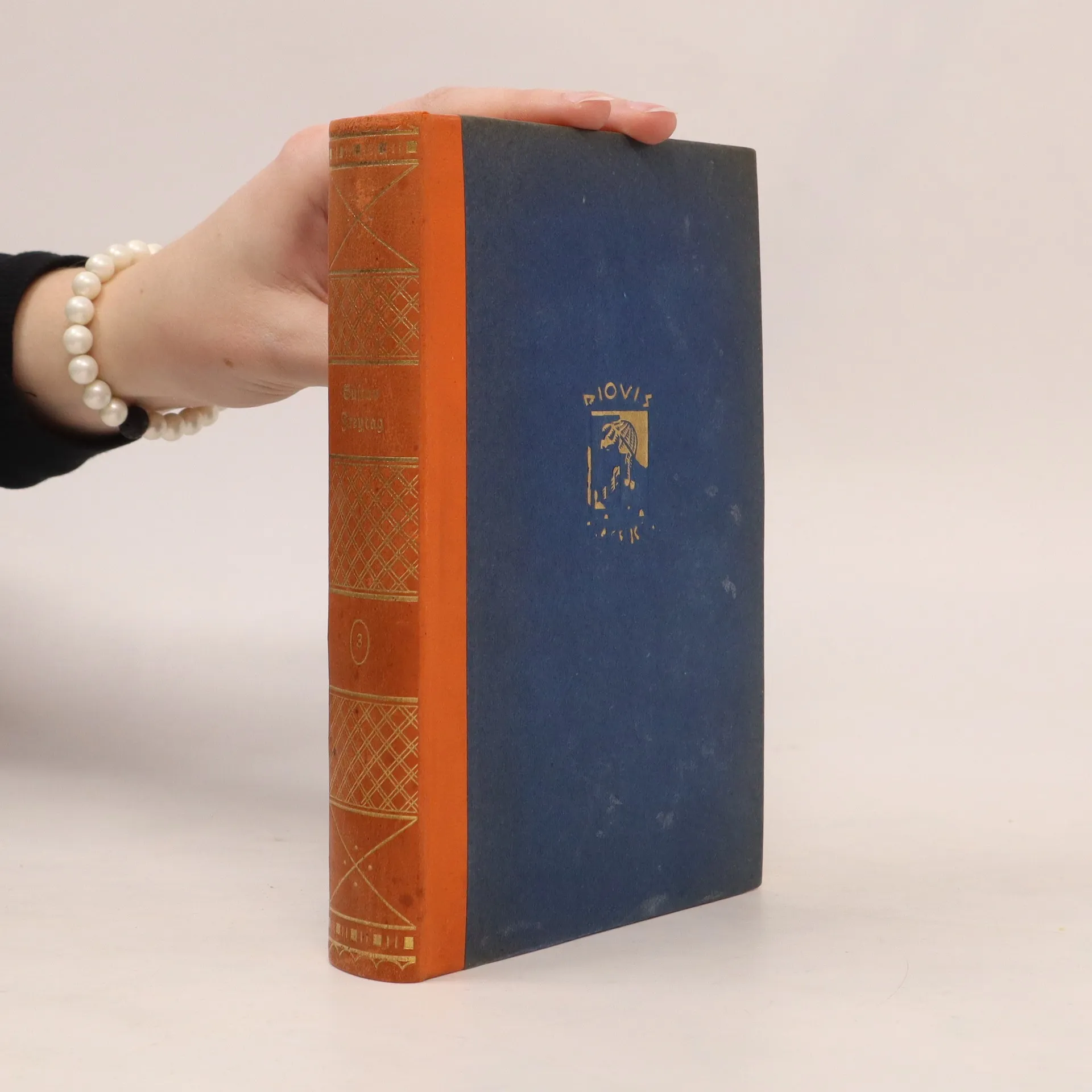
Gustav Freytag: Die Ahnen. Band 3 von 3 der vollständigen Ausgabe: Die Geschwister / Aus einer kleinen Stadt / Schluß der Ahnen Lesefreundlicher Großdruck in 16-pt-Schrift Großformat, 210 x 297 mm Berliner Ausgabe, 2021 Durchgesehener Neusatz bearbeitet und eingerichtet von Theodor Borken Die Geschwister: Erstdruck: Leipzig (Hirzel) 1878. Aus einer kleinen Stadt: Erstdruck: Leipzig (Hirzel) 1880. Schluß der Ahnen: Erstdruck: Leipzig (Hirzel) 1880. Textgrundlage ist die Ausgabe: Gustav Freytag: Die Ahnen. Roman, München: Droemersche Verlagsanstalt, 1953. Umschlaggestaltung von Thomas Schultz-Overhage unter Verwendung des Bildes: Gustav Freytag, Gemälde von Karl Stauffer-Bern, 1886. Gesetzt aus der Minion Pro, 16 pt. Henricus - Edition Deutsche Klassik GmbH
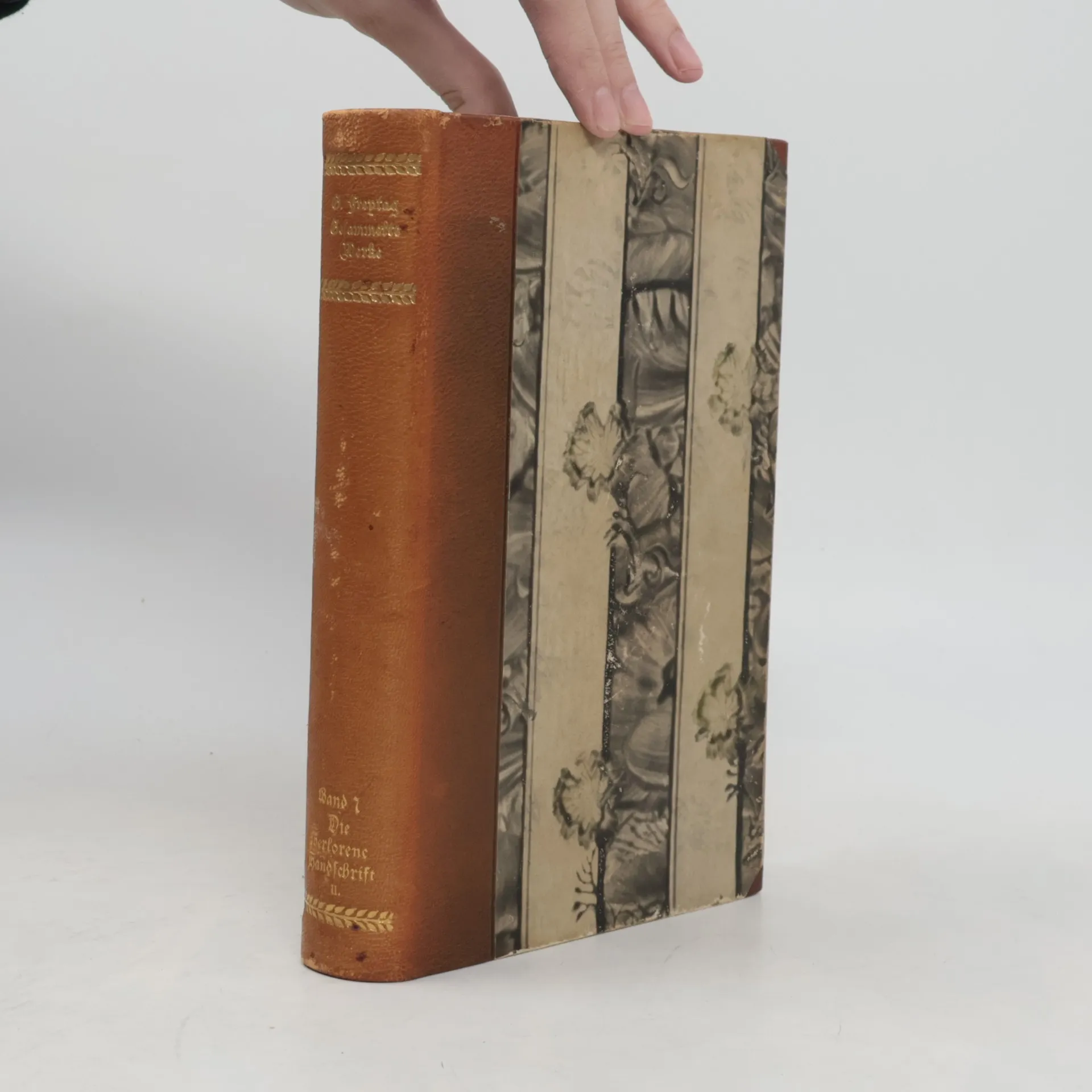
Gustav Freytag: Die verlorene Handschrift. Roman Erstdruck: Leipzig (S. Hirzel) 1864. 3 Teile. Neuausgabe mit einer Biographie des Autors. Herausgegeben von Karl-Maria Guth. Berlin 2016. Textgrundlage sind die Ausgaben: Gustav Freytag: Gesammelte Werke. Band 6, Leipzig: Hirzel / Berlin: Verlagsanstalt für Literatur und Kunst Hermann Klemm, [o.J.]. Gustav Freytag: Gesammelte Werke. Band 7, Leipzig: Hirzel / Berlin: Verlagsanstalt für Literatur und Kunst Hermann Klemm, [o.J.]. Die Paginierung obiger Ausgaben wird in dieser Neuausgabe als Marginalie zeilengenau mitgeführt. Umschlaggestaltung von Thomas Schultz-Overhage unter Verwendung des Bildes: Illustration, Tim Tempelhofer, 2014. Gesetzt aus der Minion Pro, 11 pt.
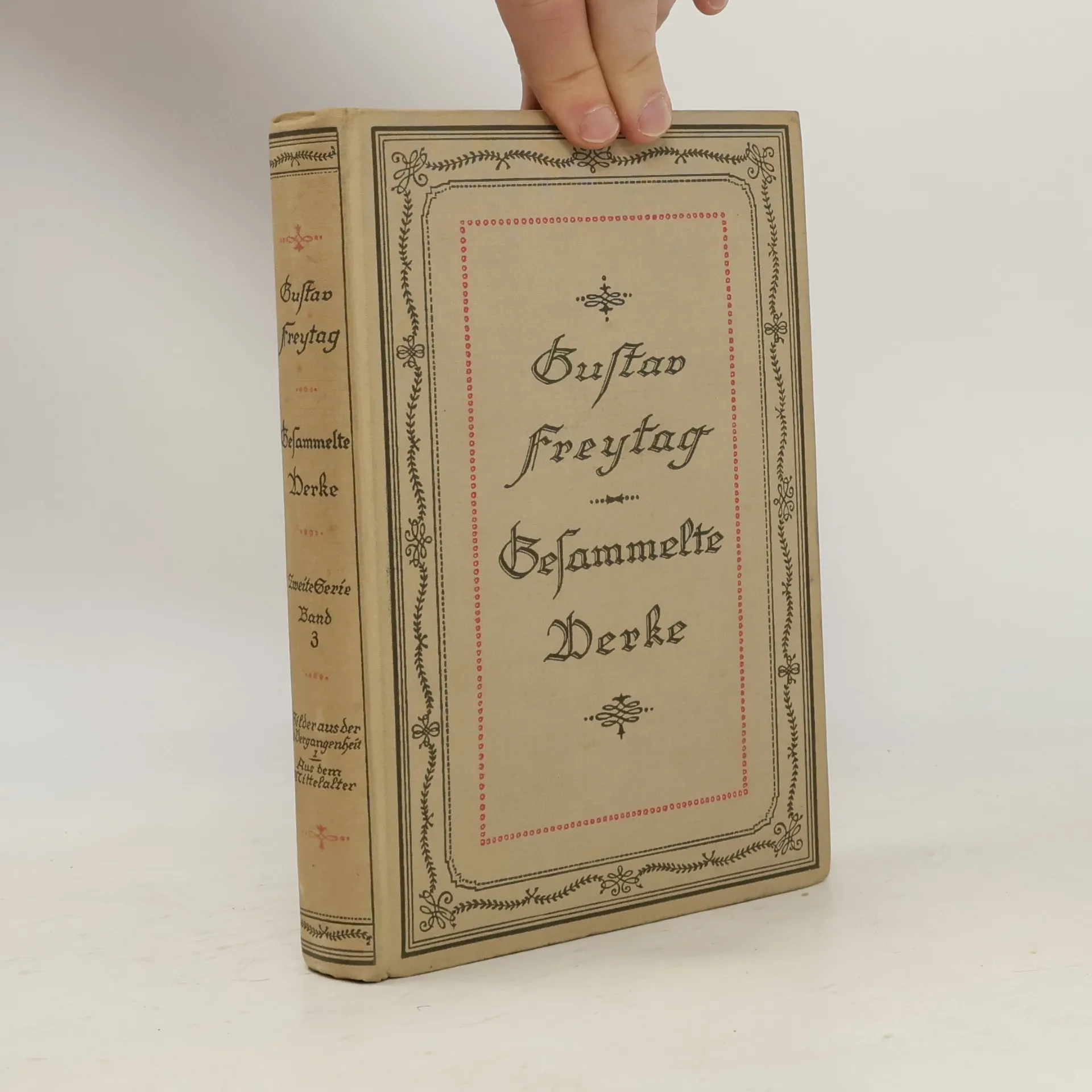
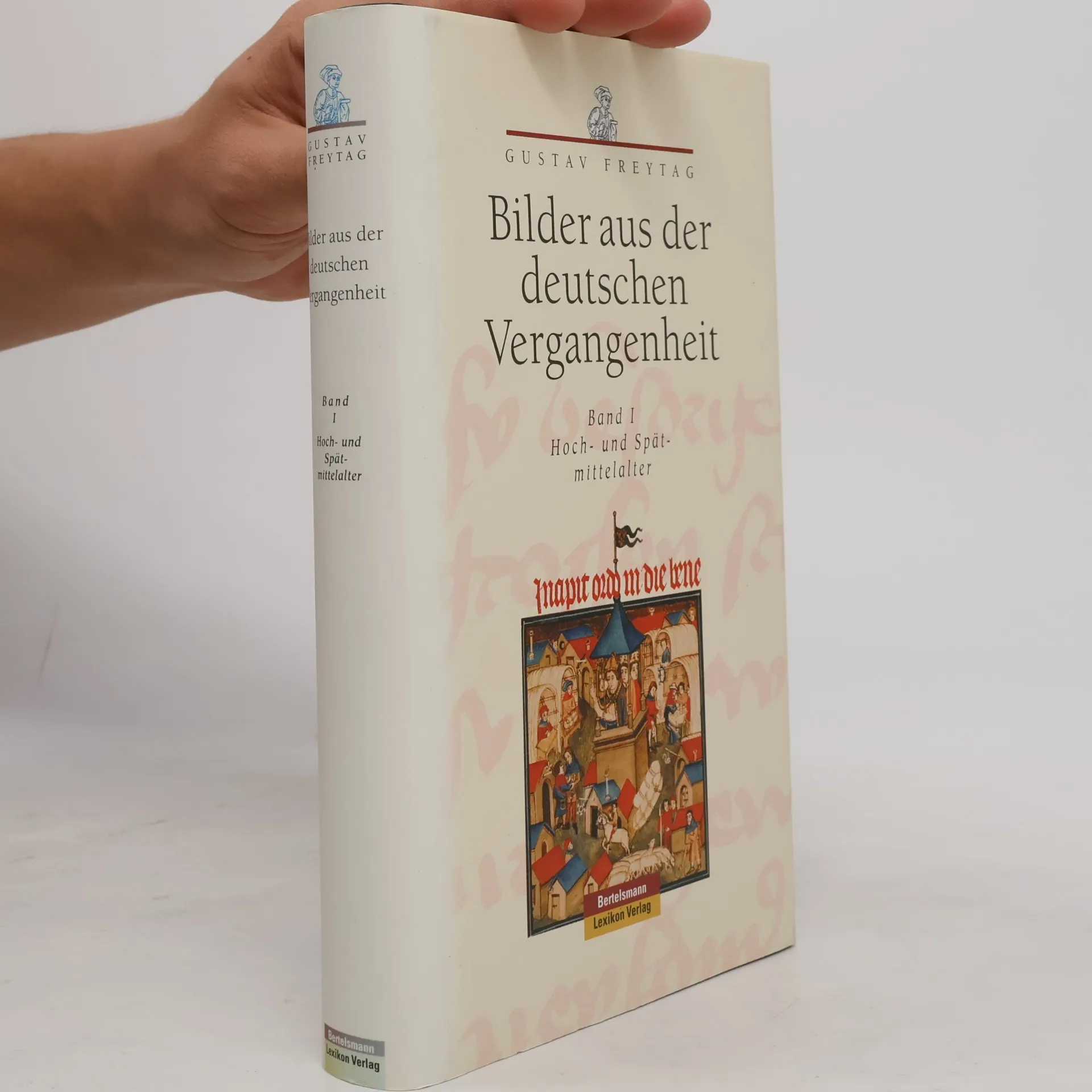
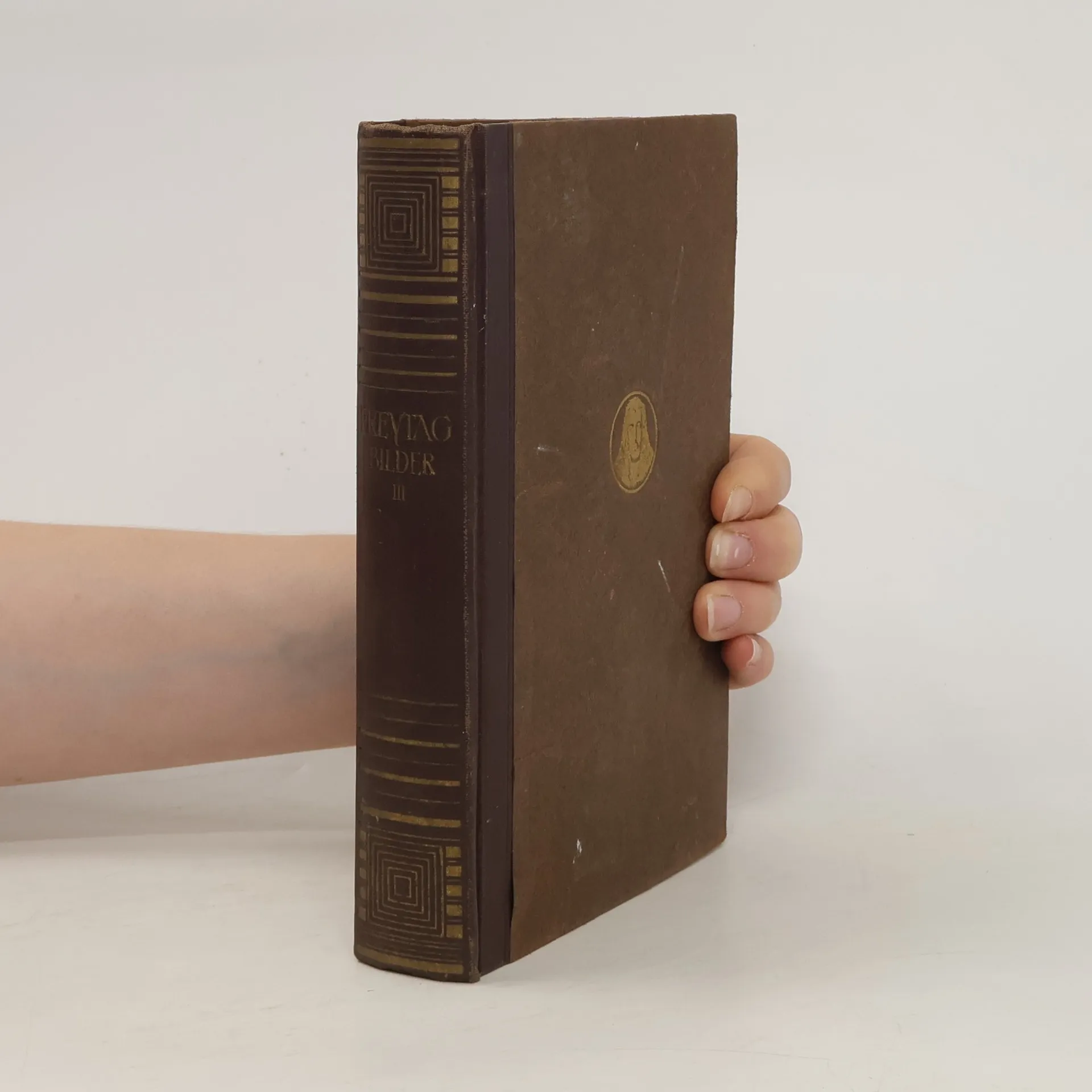
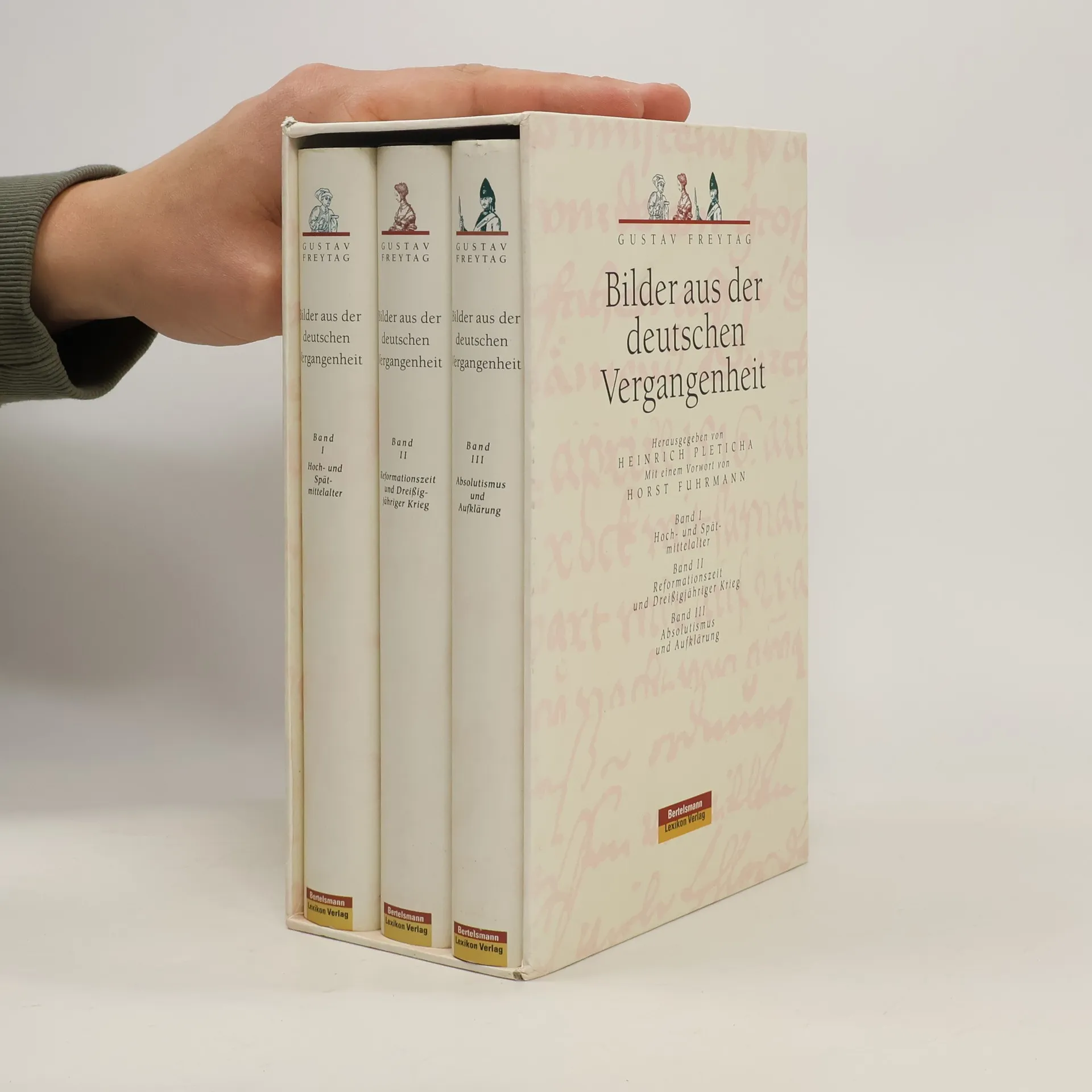
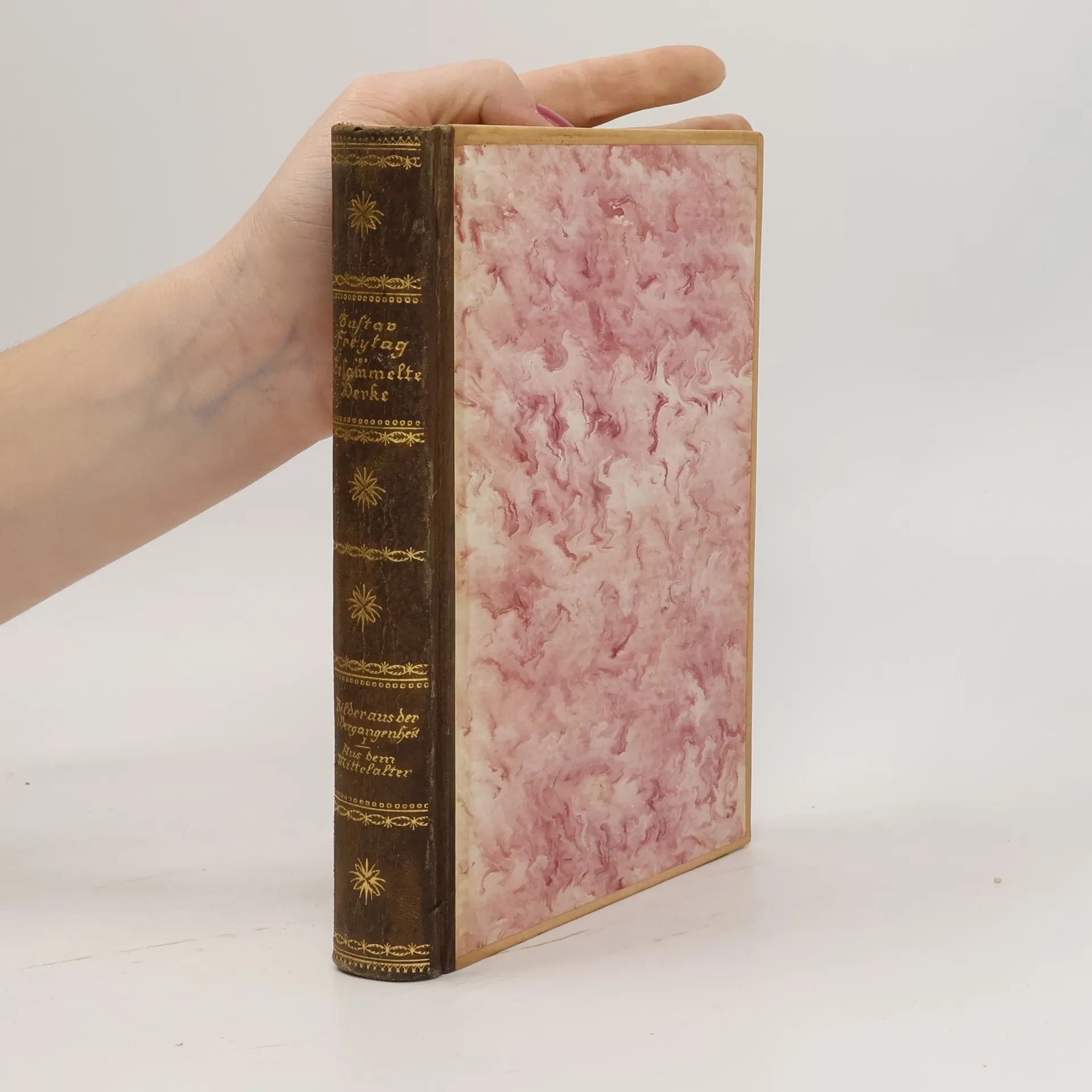
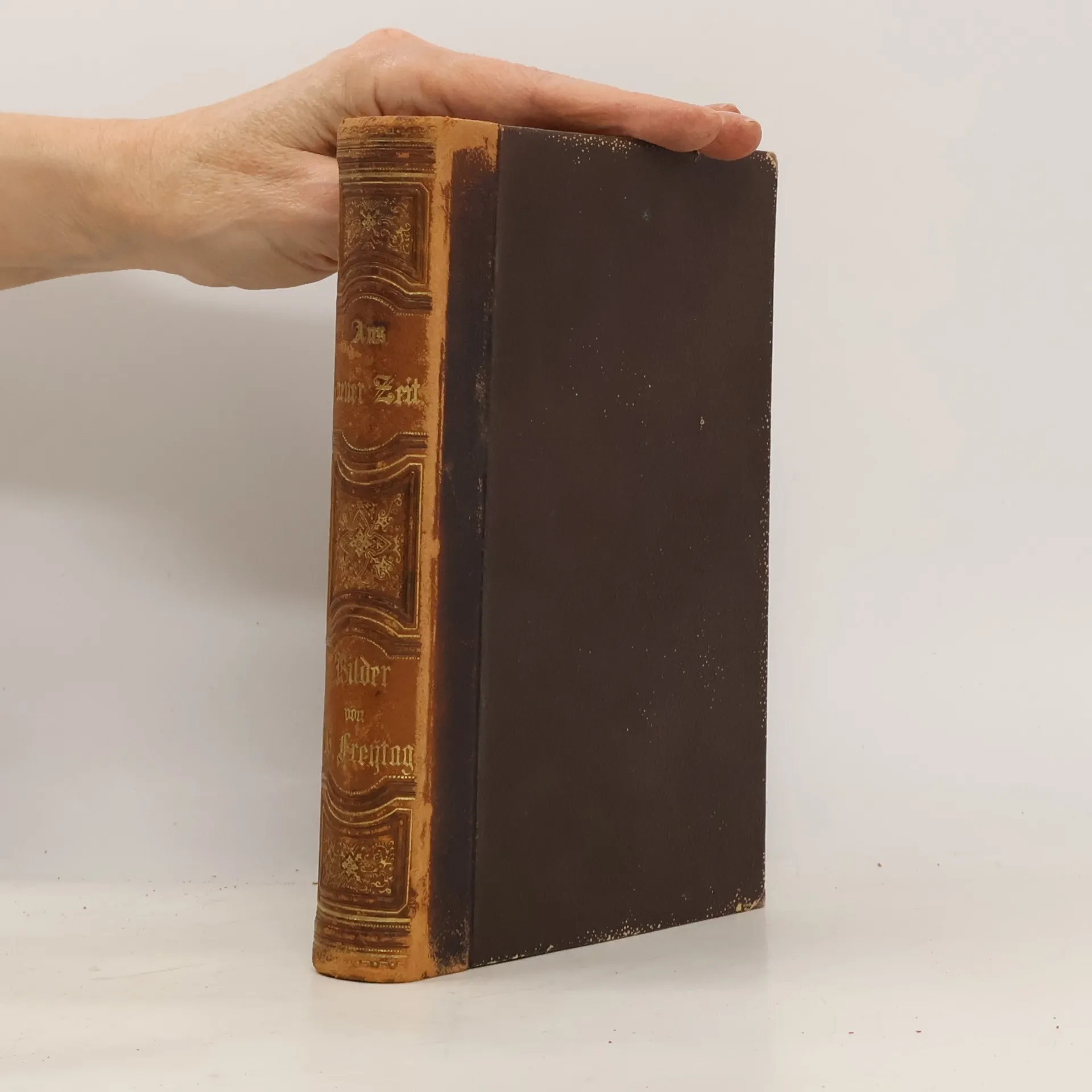
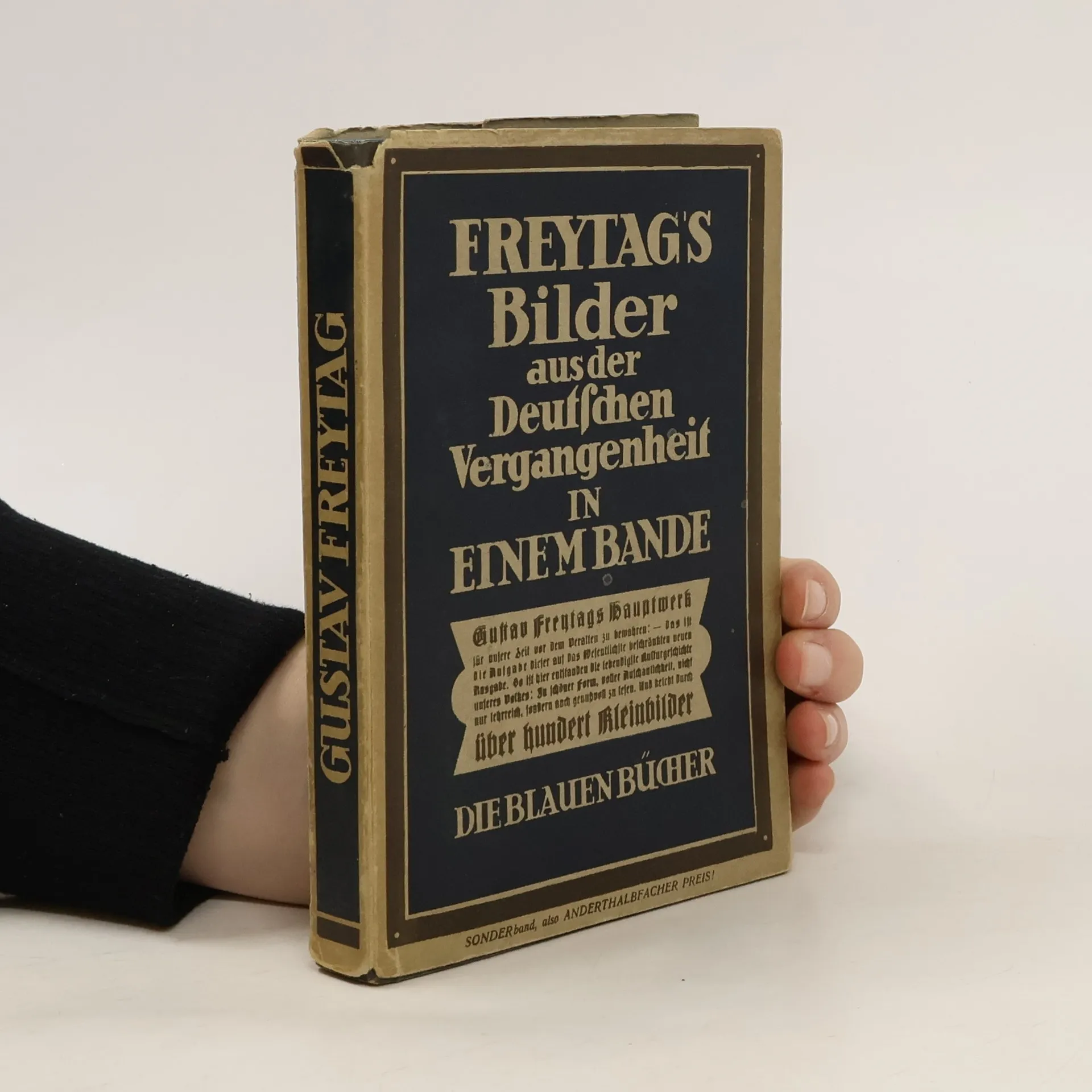
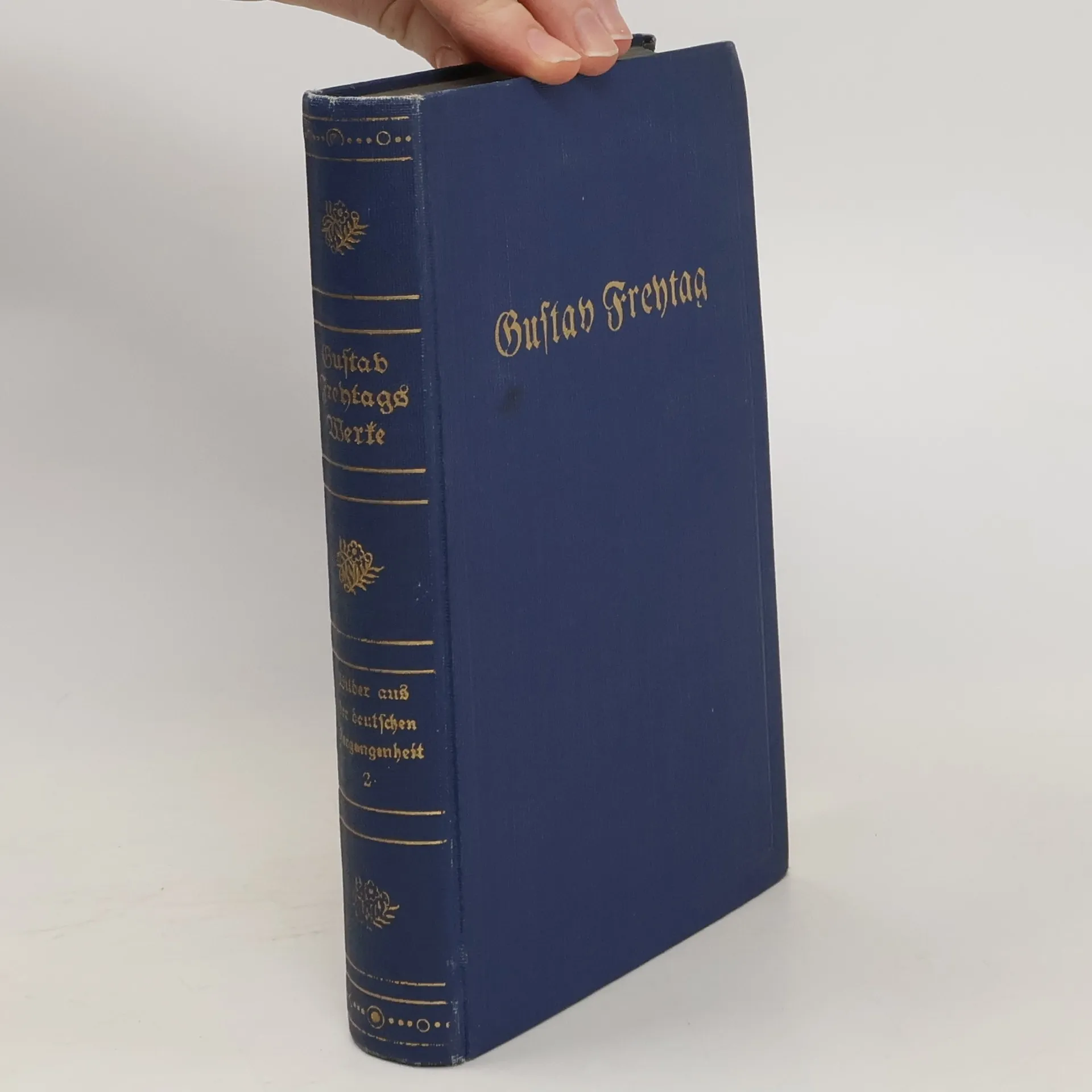
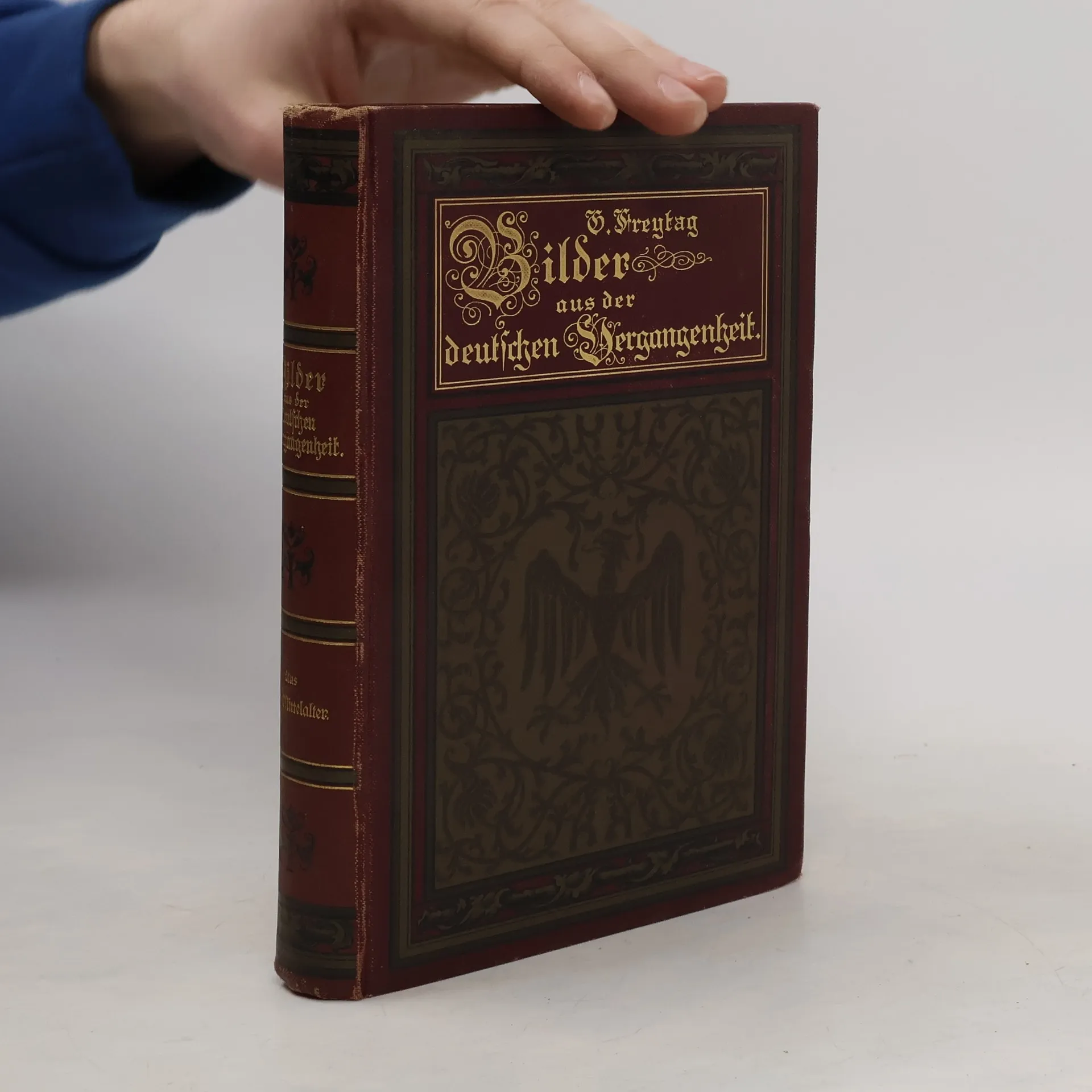
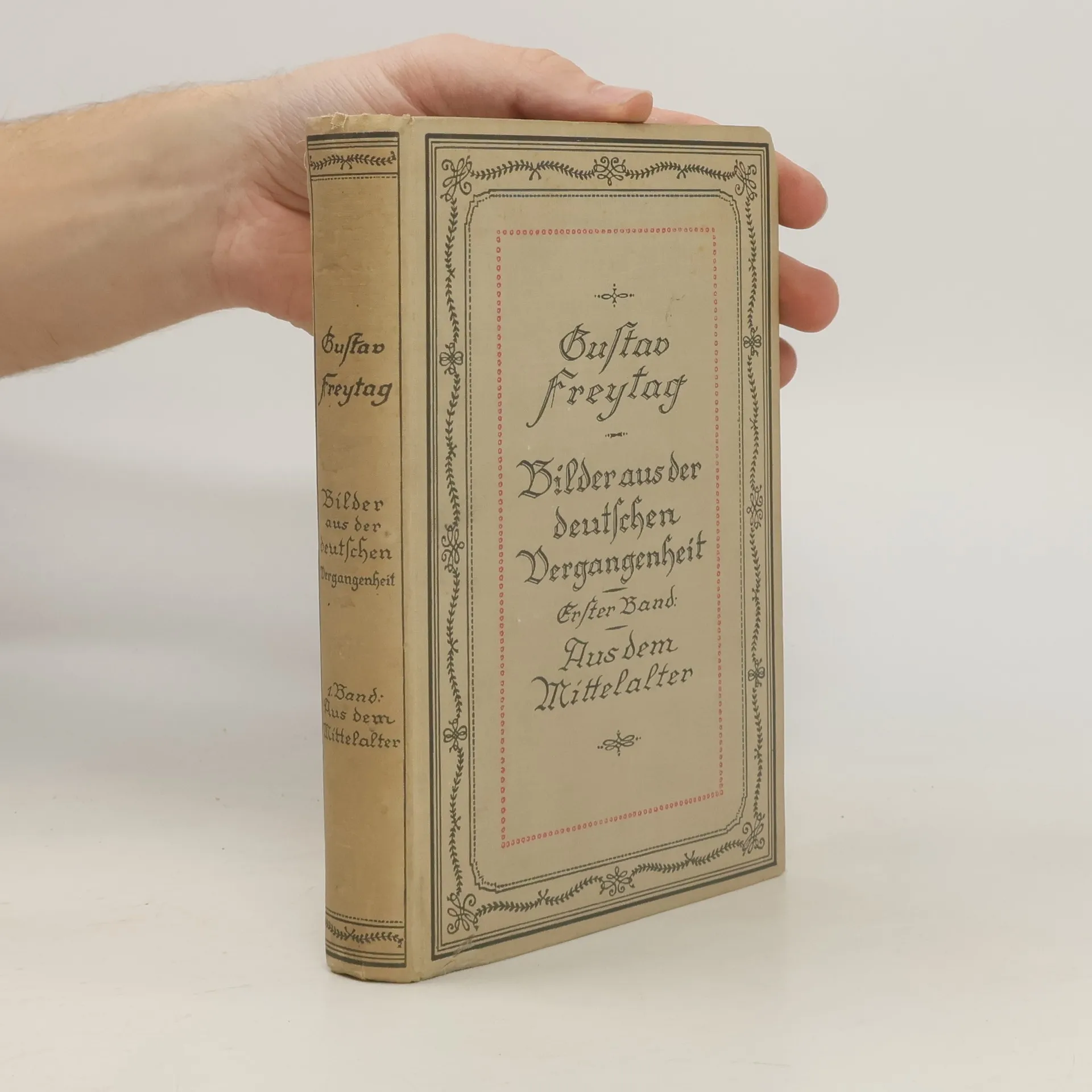
Bilder aus der deutschen Vergangenheit I. - III.
- 383 stránek
- 14 hodin čtení
Bilder aus der deutschen Vergangenheit. Band 3
Absolutismus und Aufklärung
Die verlorene Handschrift 1
Roman in fünf Büchern
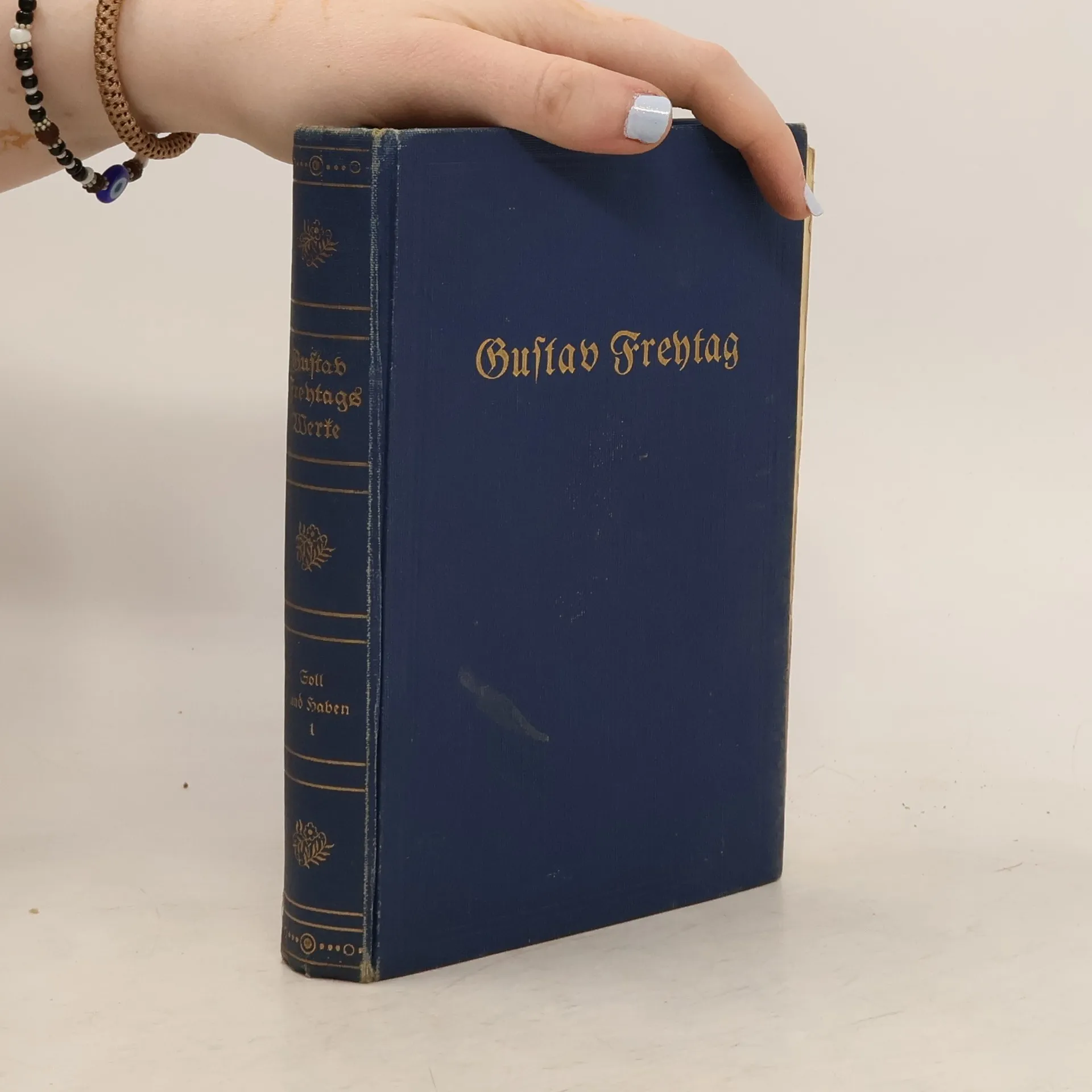
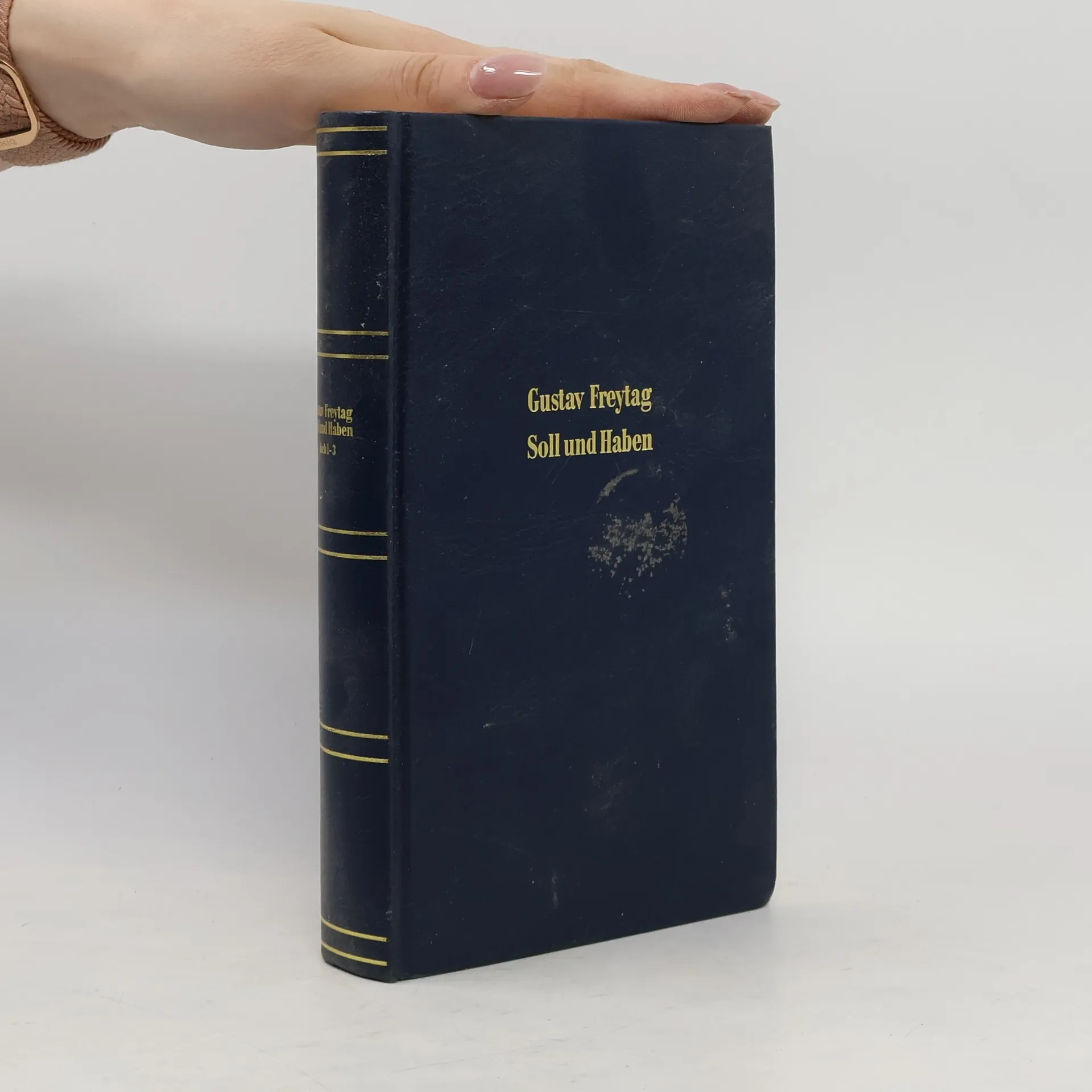
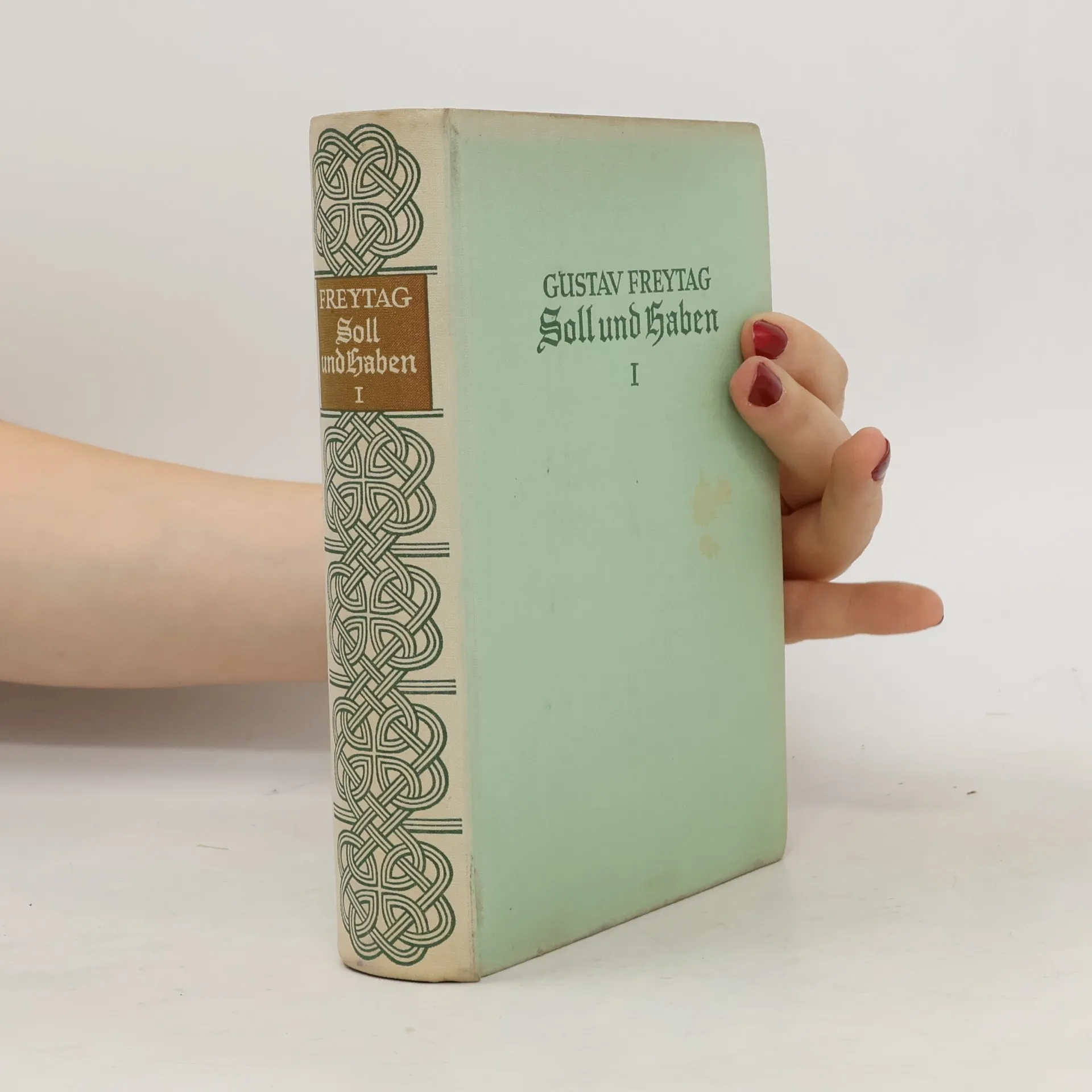
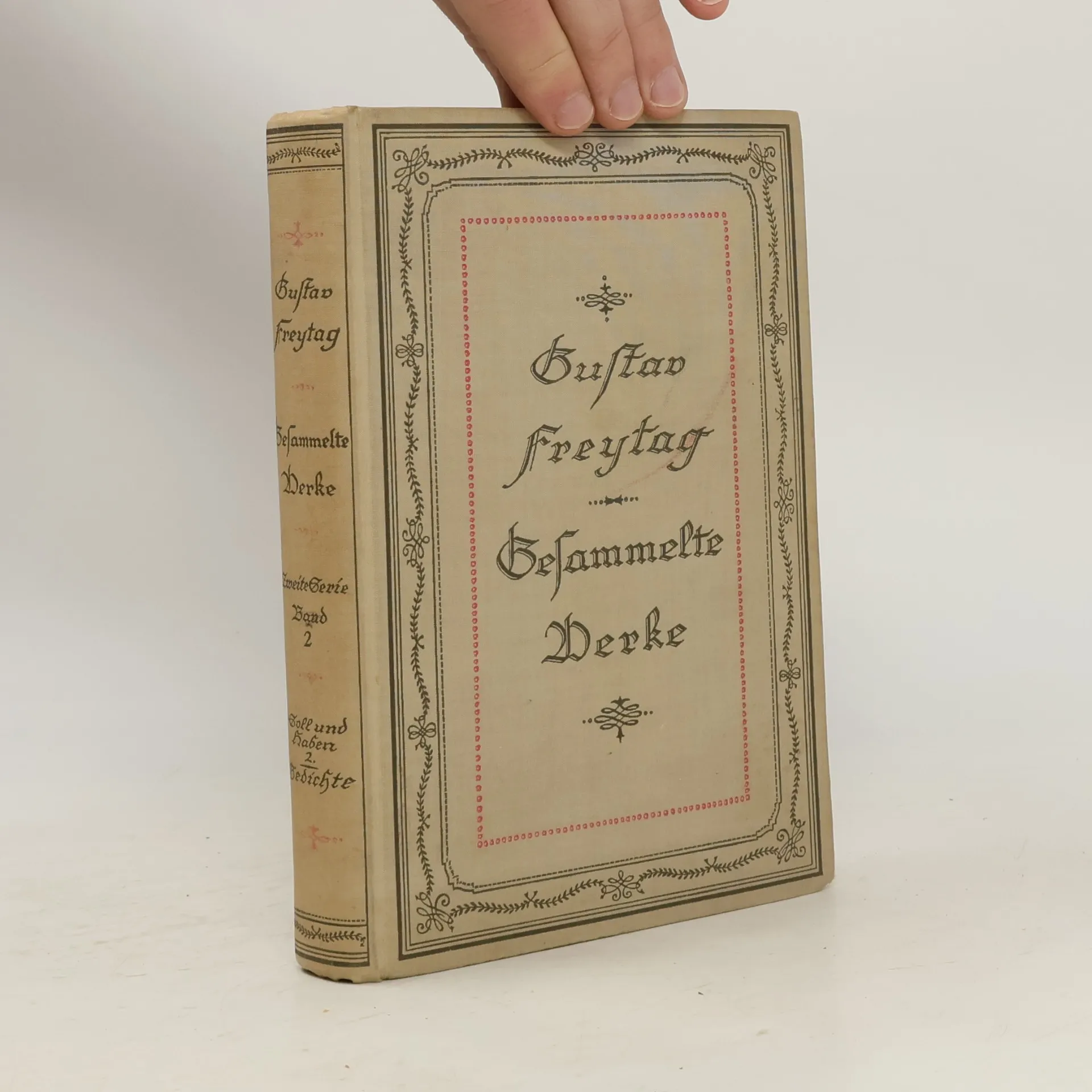
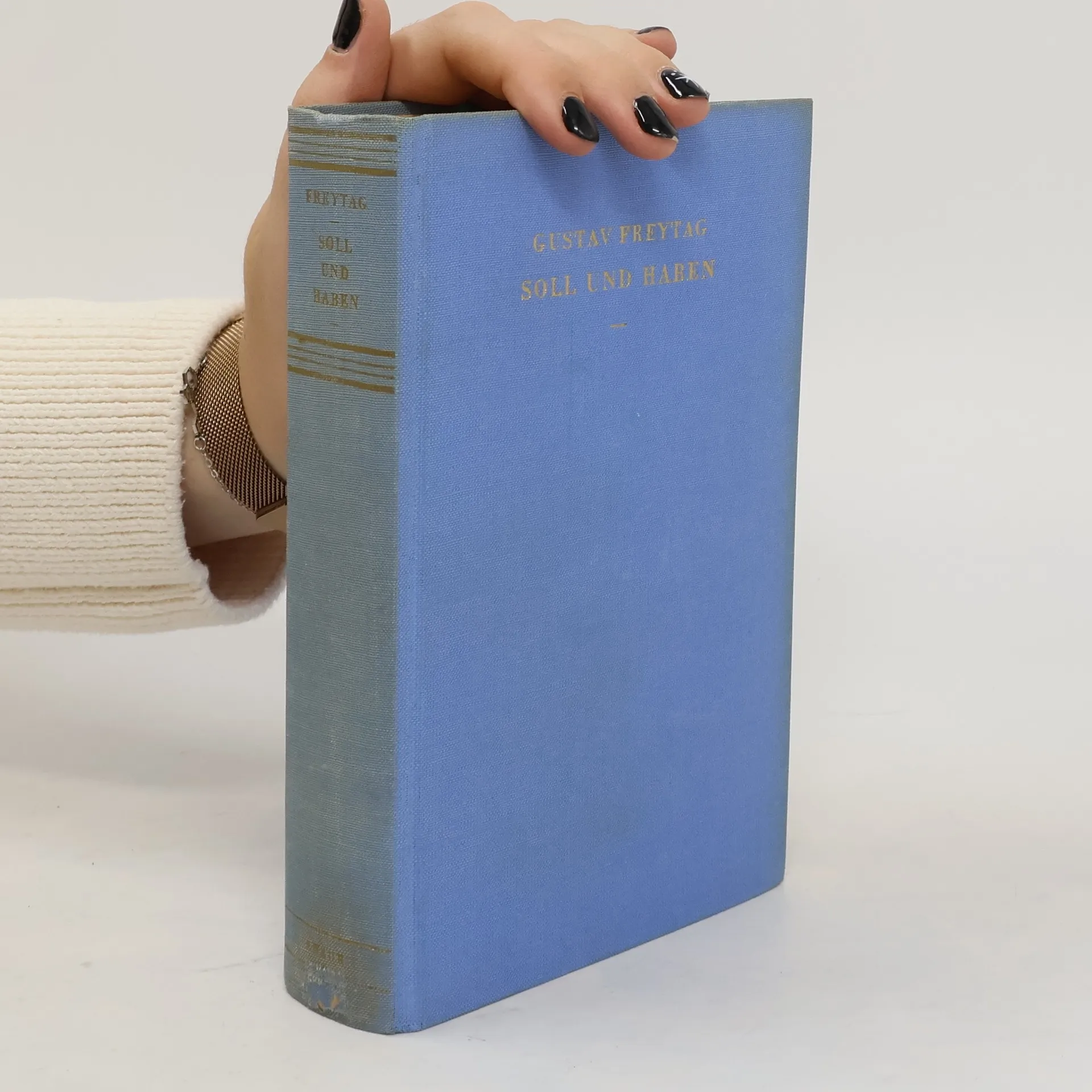
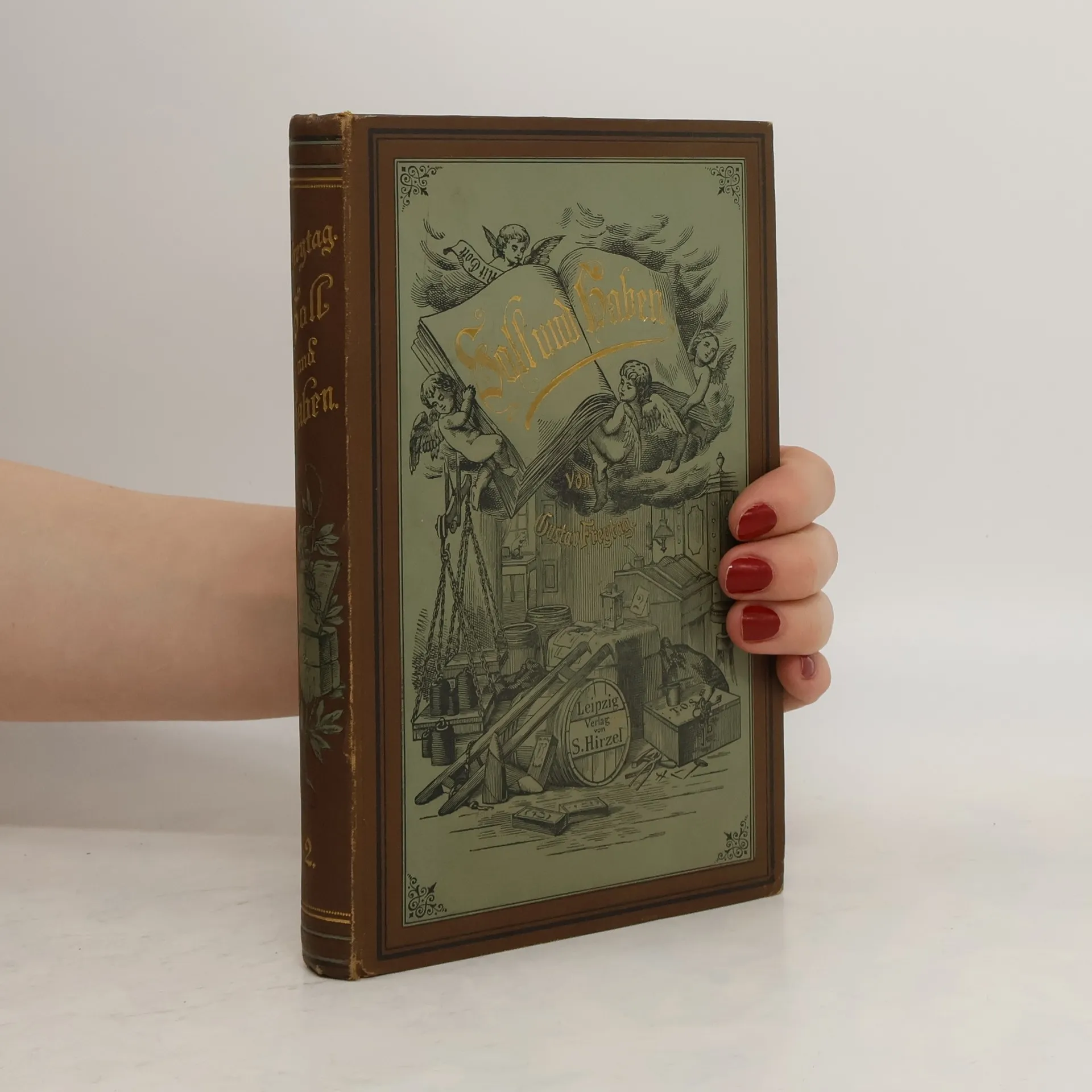
Die Sammlung 'Soll und Haben 1-2' von Gustav Freytag umfasst die beiden Bände des gleichnamigen Romans, der in der Mitte des 19. Jahrhunderts spielt. Die Handlung dreht sich um das Leben und die Geschäfte des jüdischen Kaufmanns Jakob Fuchs in der Stadt Stettin. Der Roman beleuchtet die sozialen und wirtschaftlichen Herausforderungen der damaligen Zeit, insbesondere im Kontext der jüdischen Identität und der Integration in die Gesellschaft. Zentrale Themen sind der Konflikt zwischen Tradition und Fortschritt, die moralischen Dilemmata des Handels sowie die Auseinandersetzung mit Vorurteilen und Antisemitismus. Die Charaktere sind vielschichtig und repräsentieren verschiedene gesellschaftliche Schichten, darunter Kaufleute, Handwerker und Intellektuelle. Besonders hervorzuheben sind die Beziehungen zwischen den Protagonisten, die oft von Spannungen und Missverständnissen geprägt sind. Freytag nutzt eine realistische Erzählweise, um die Lebensumstände und den sozialen Wandel seiner Zeit darzustellen. Die beiden Bände bieten somit nicht nur einen Einblick in das wirtschaftliche Leben des 19. Jahrhunderts, sondern auch in die kulturellen und sozialen Strömungen, die die damalige Gesellschaft prägten.
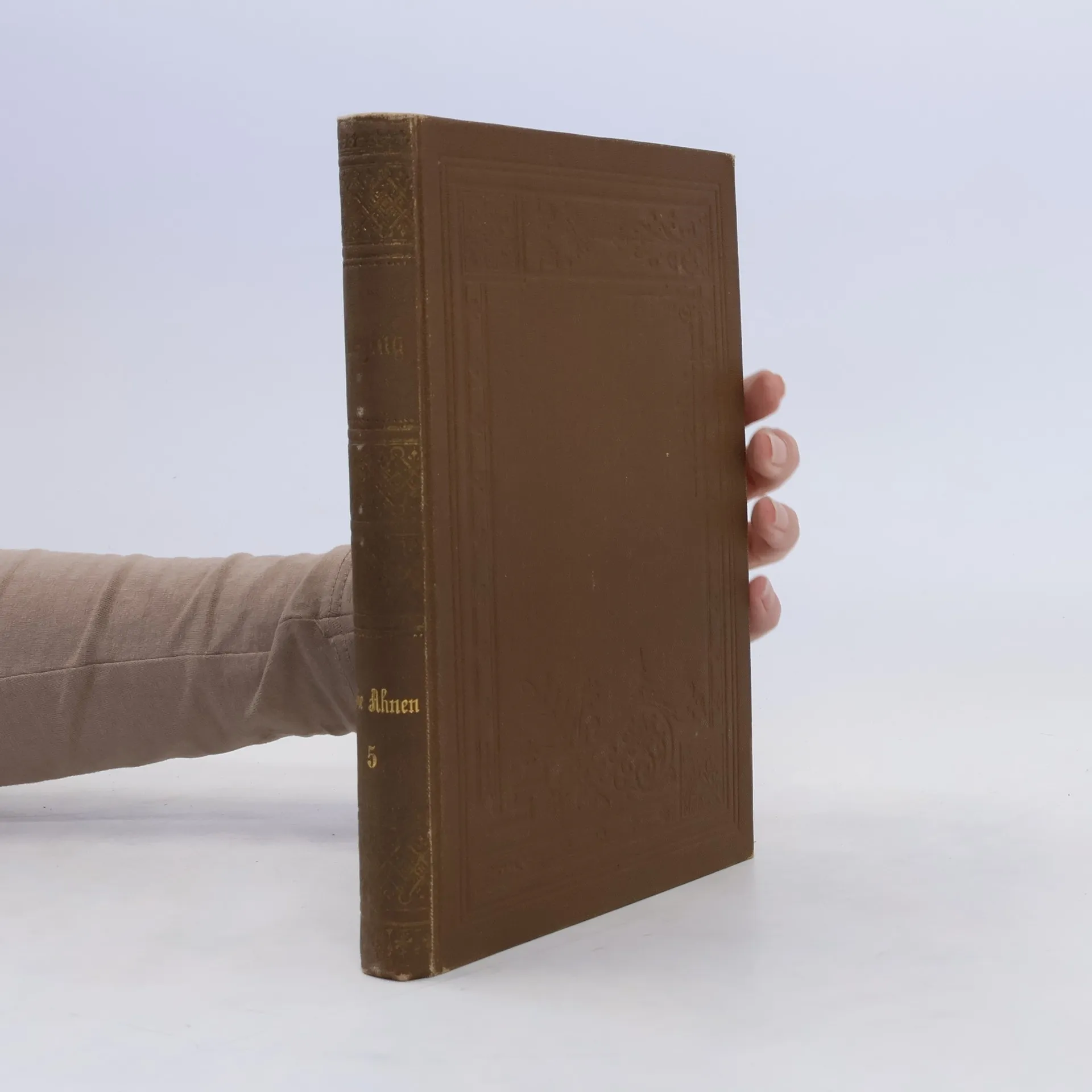
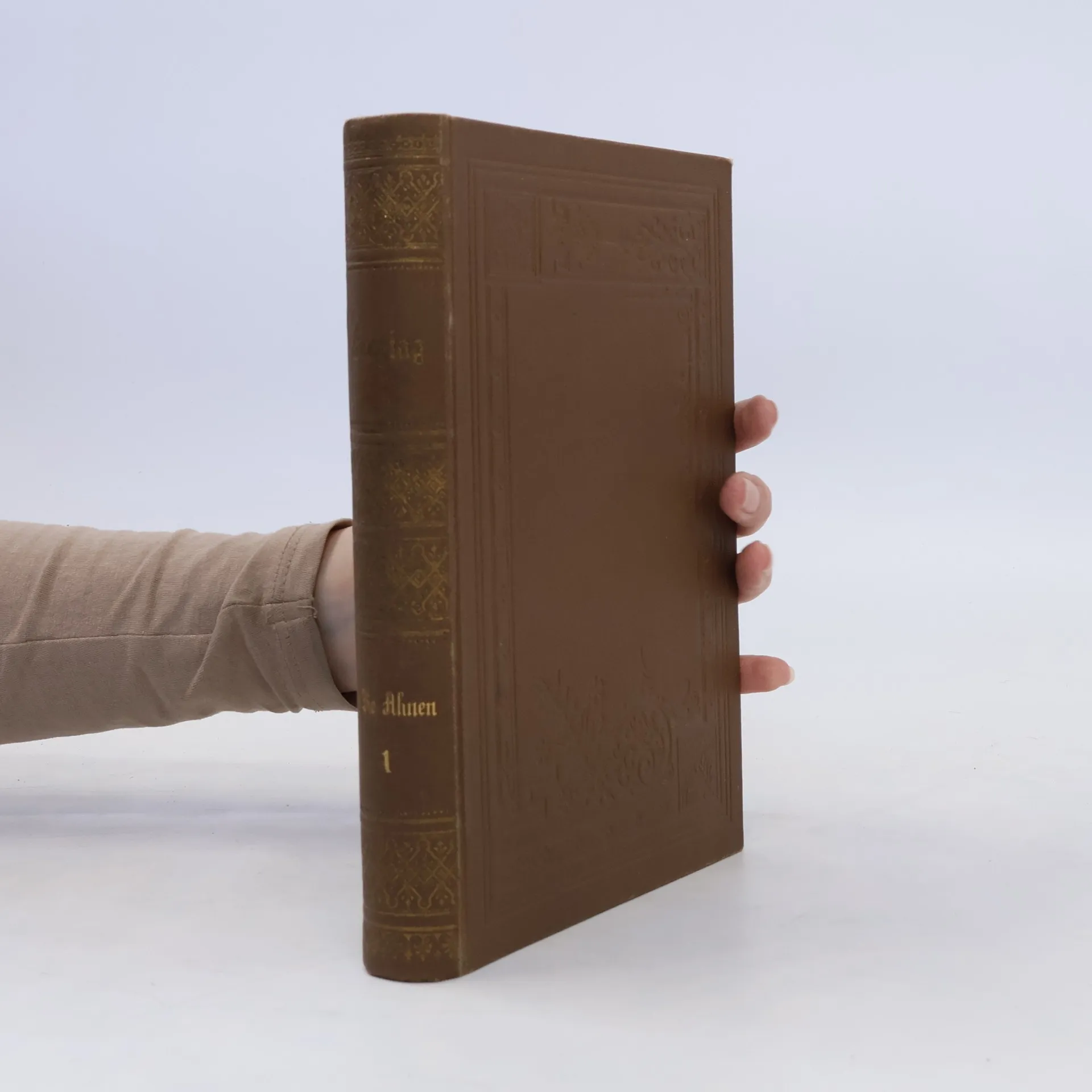
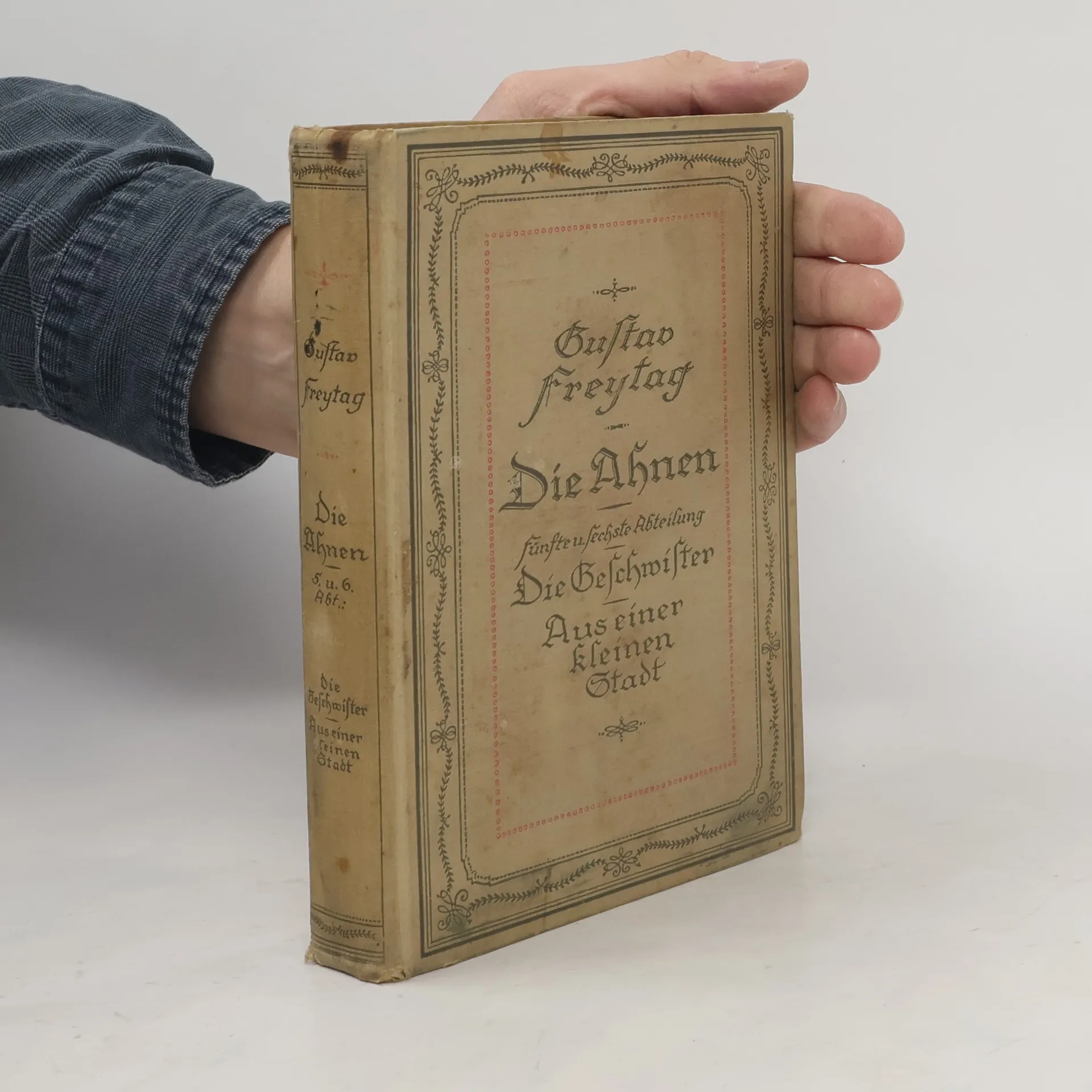
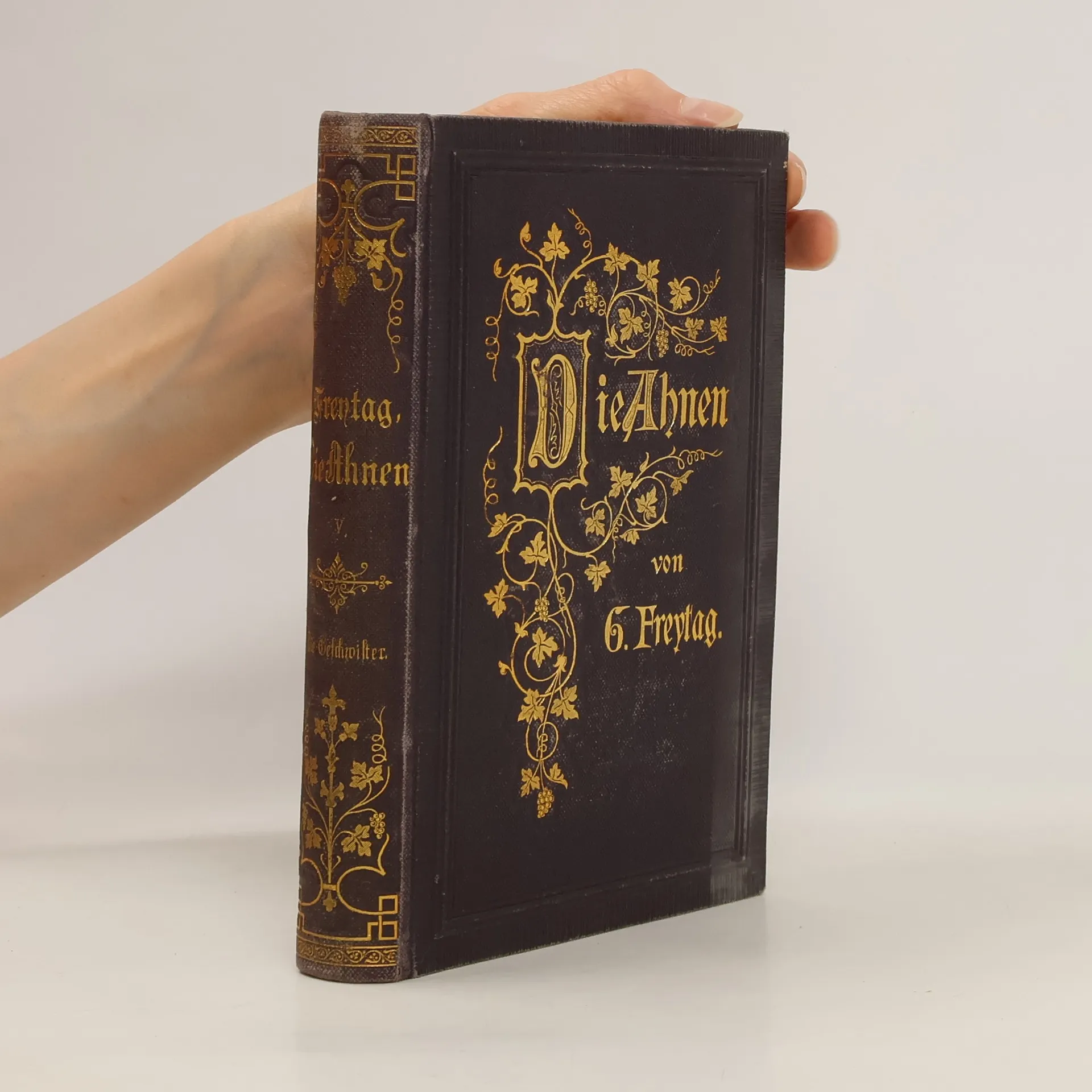
Die Ahnen. Fünfte und sechste Abteilung
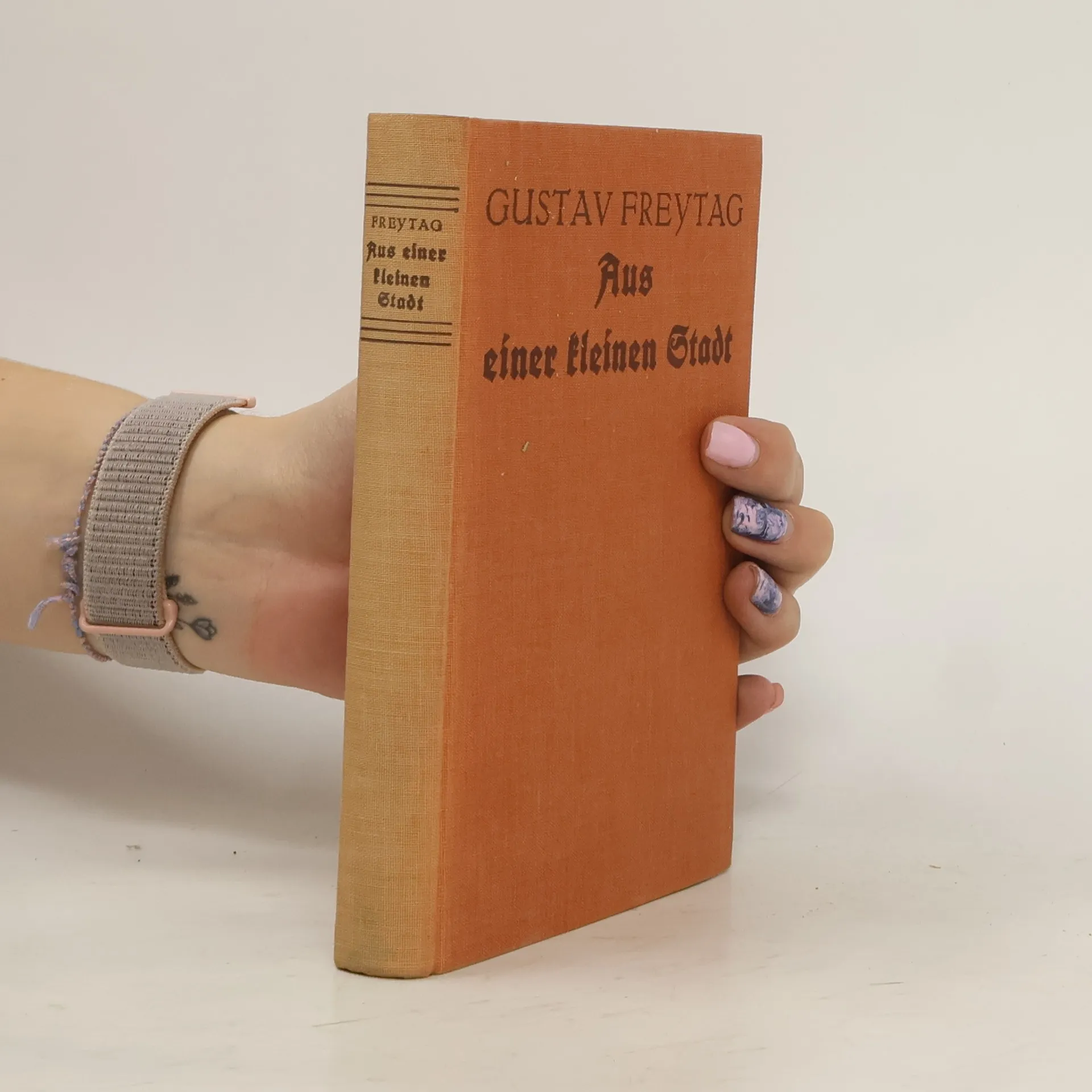
Die Geschwister. Aus einer kleinen. Stadt
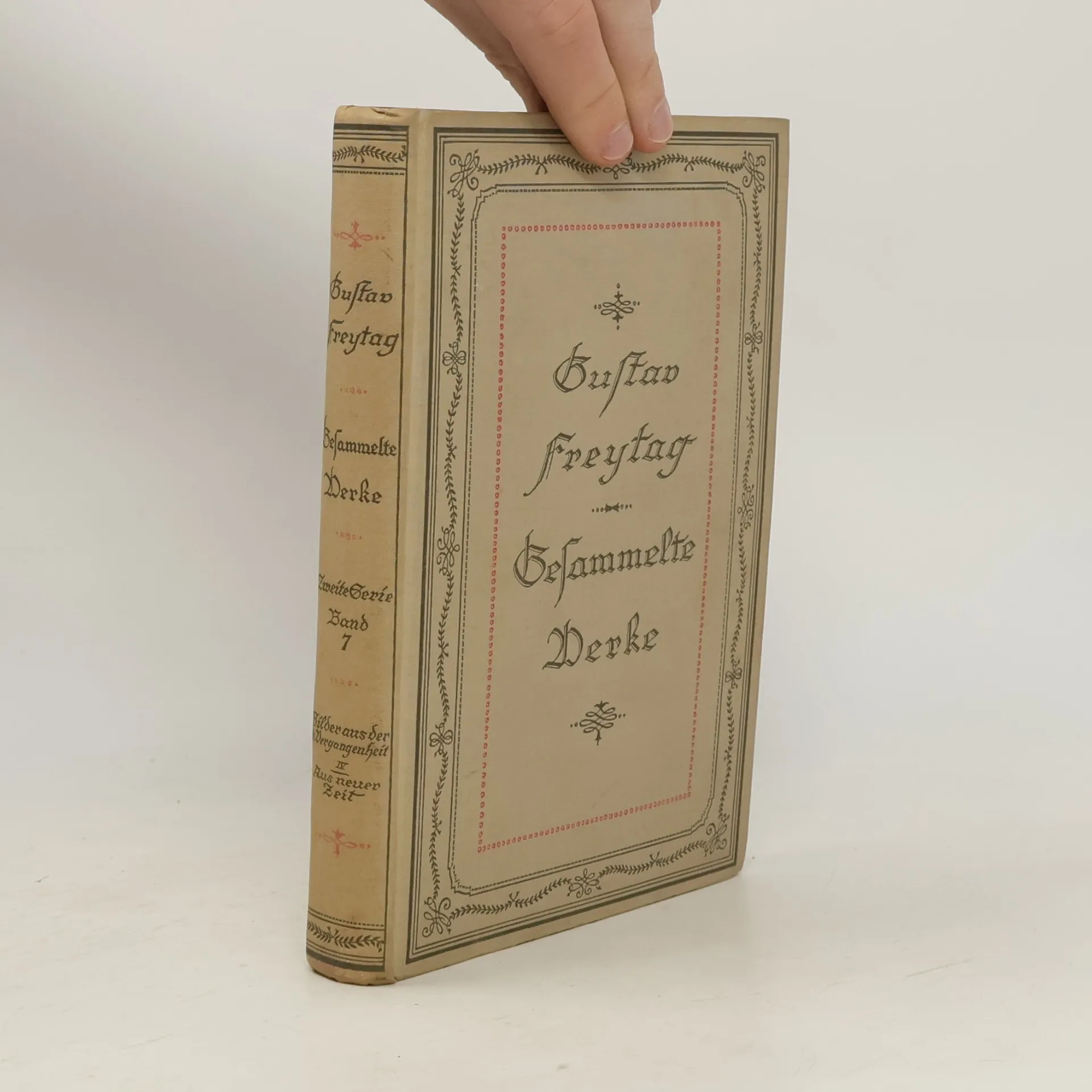
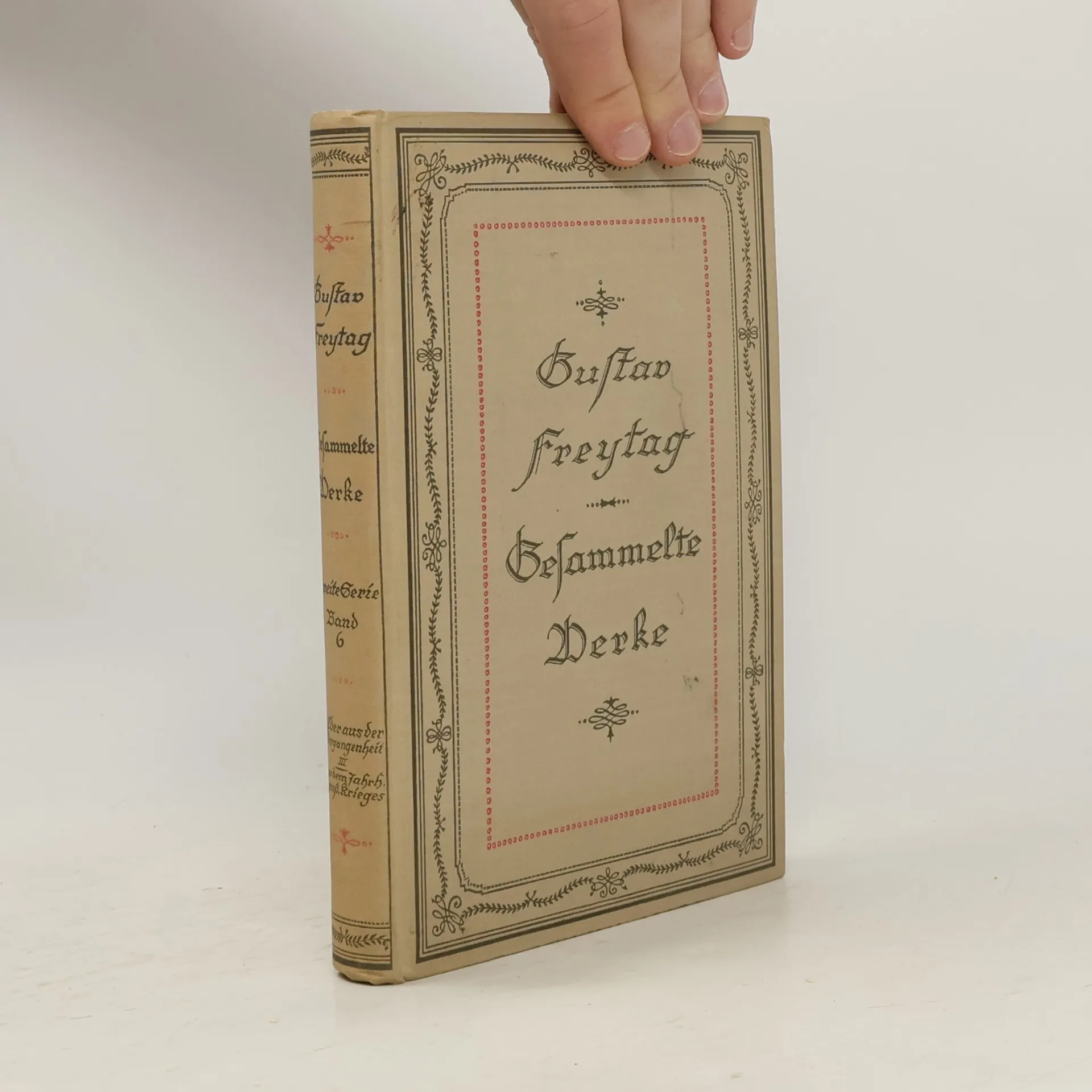
Bilder aus der deutschen Vergangenheit. Band 3
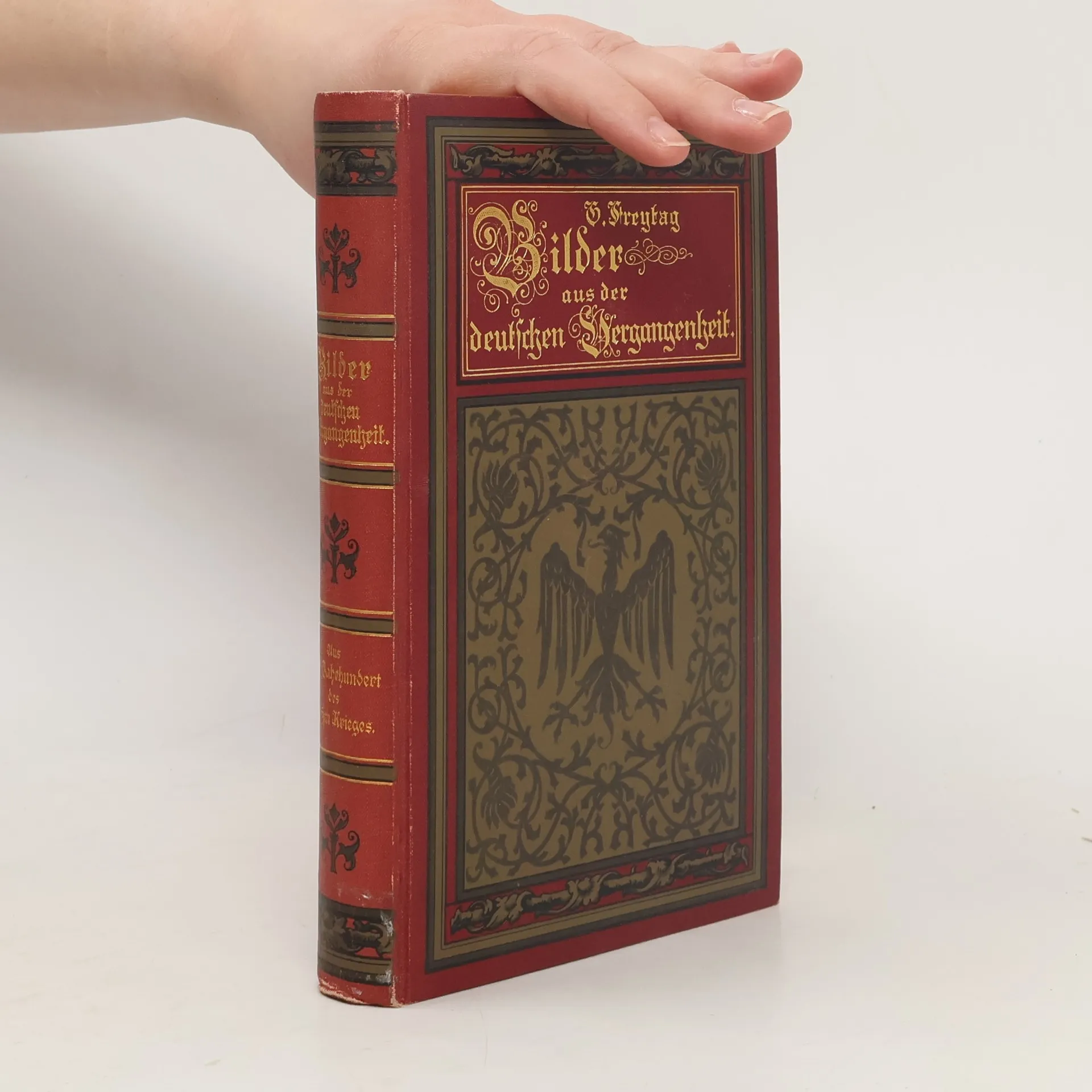
Aus dem Jahrhundert des großen Krieges 1600 - 1700
Die Ahnen 5
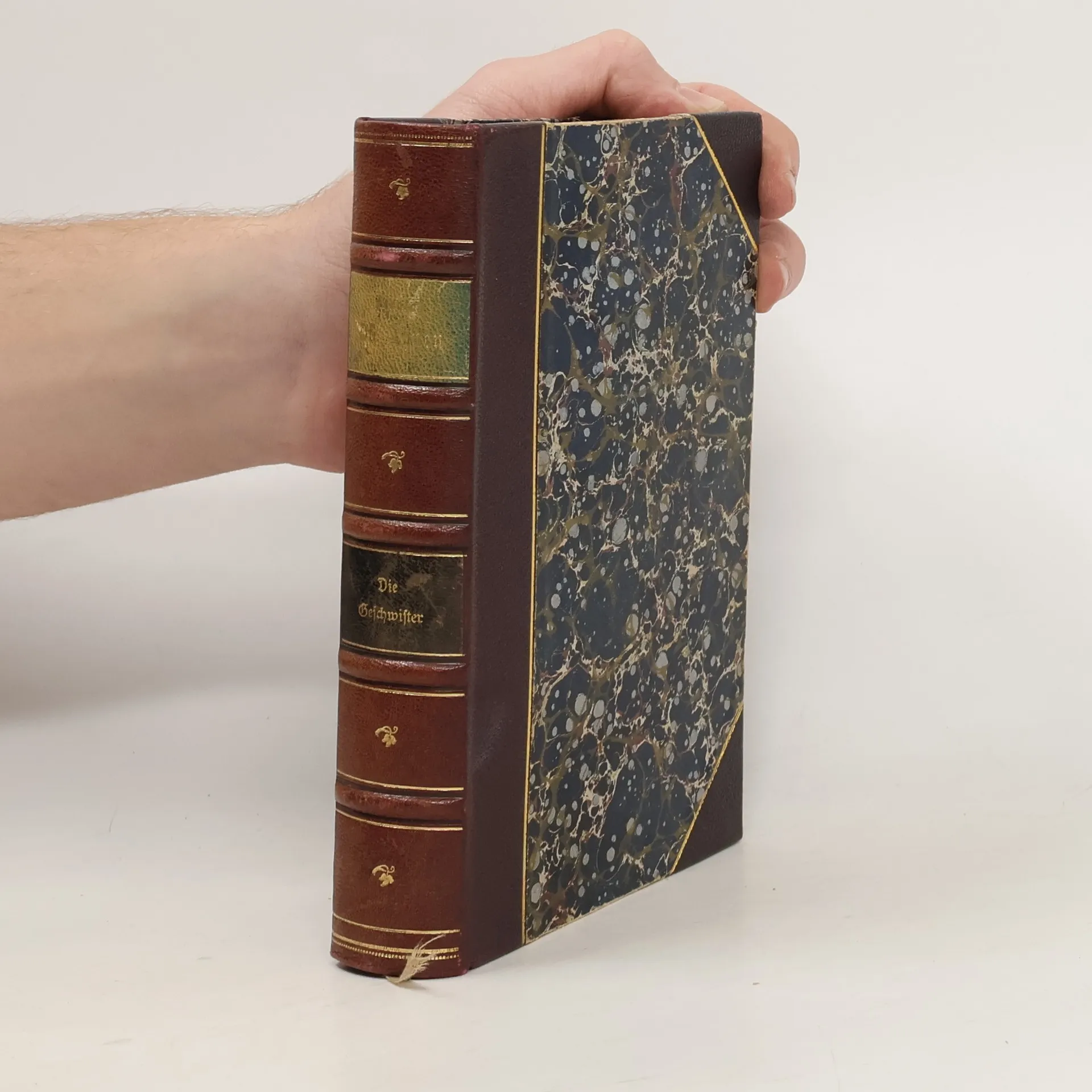
Die Geschwister
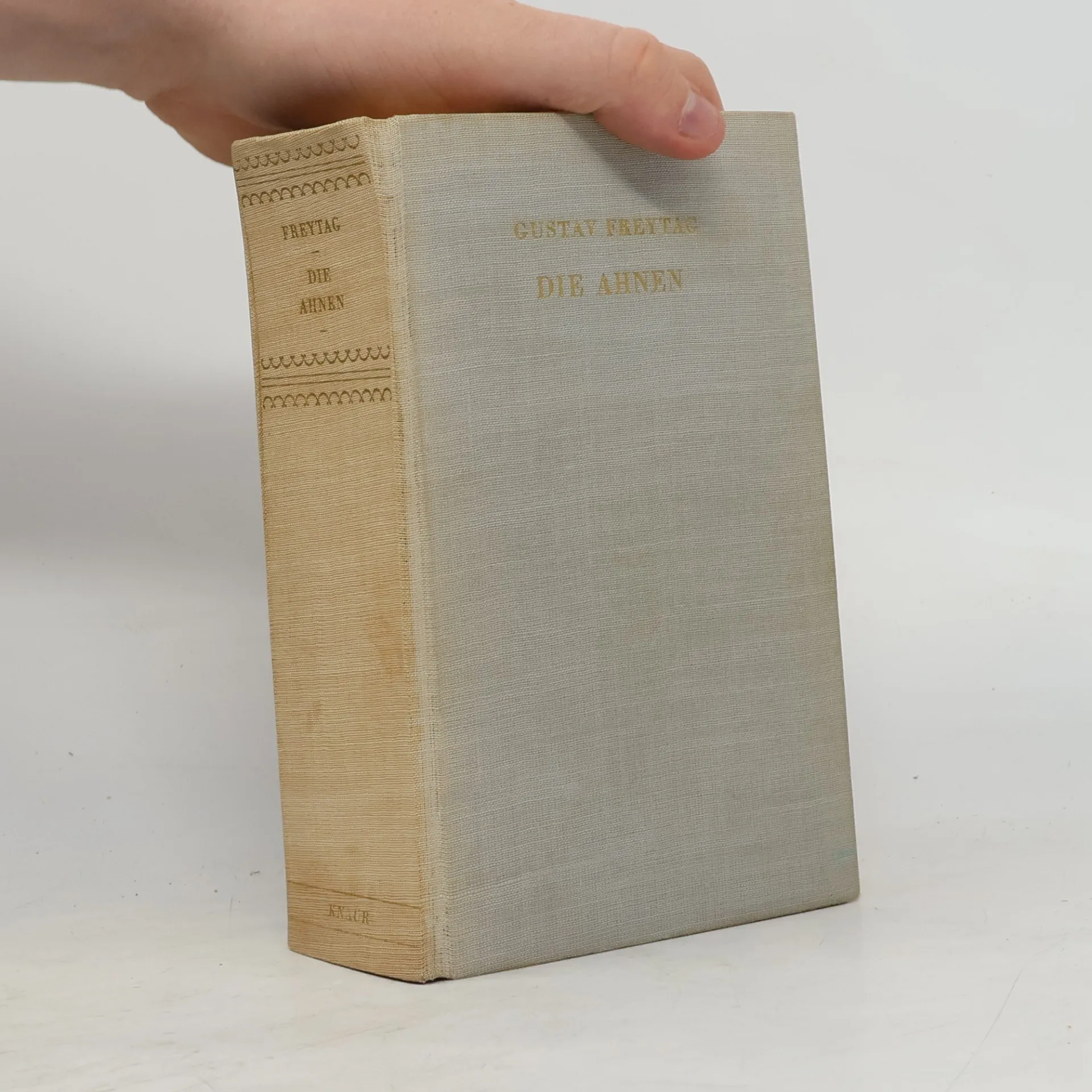
Die Ahnen (Großdruck)
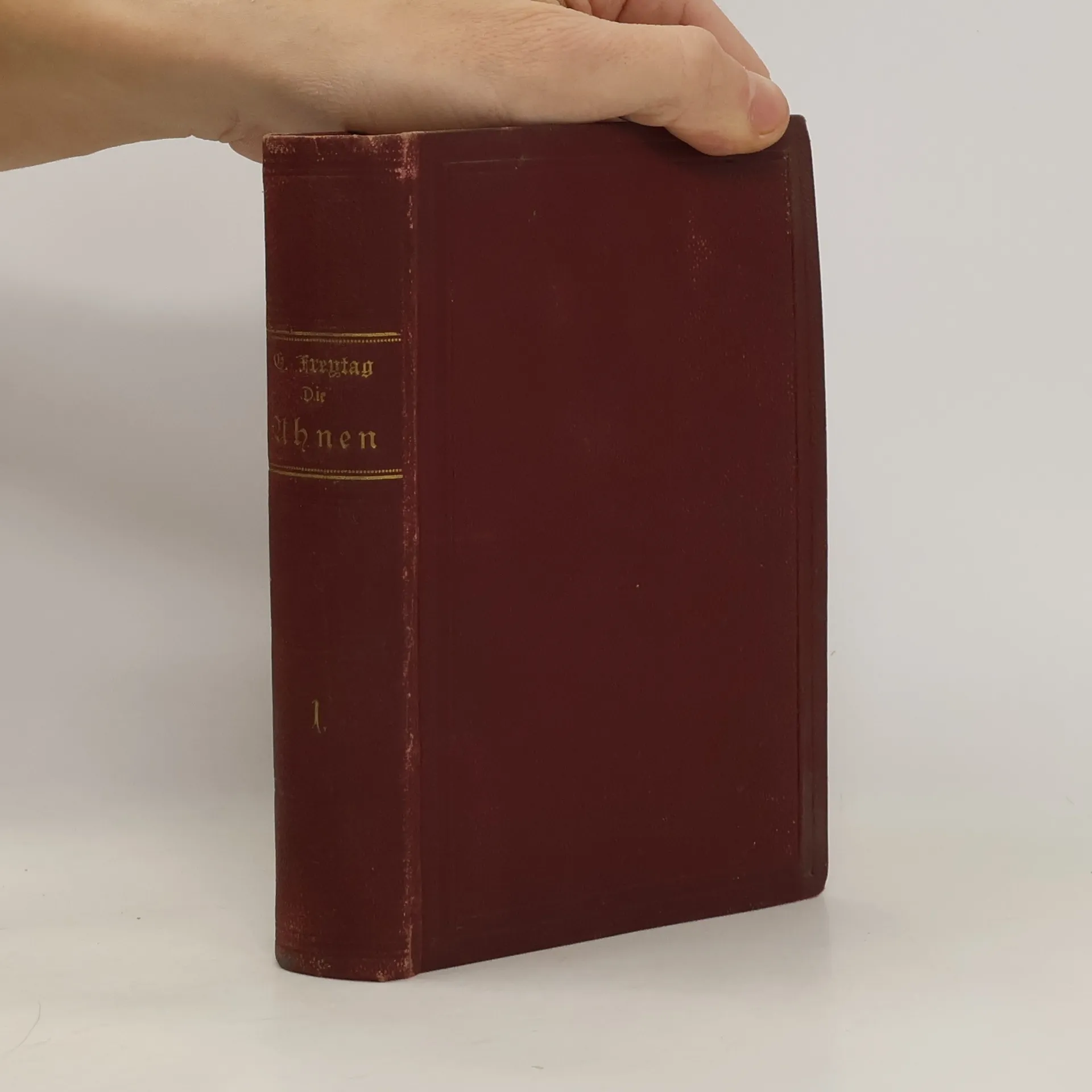
Band 1 von 3 der vollständigen Ausgabe: Ingo und Ingraban / Das Nest der Zaunkönige
- 716 stránek
- 26 hodin čtení
Die Handlung von "Die Ahnen" entfaltet sich in einem historischen Kontext und beleuchtet die Schicksale der Protagonisten Ingo und Ingraban. Der erste Band dieser dreiteiligen vollständigen Ausgabe führt die Leser in eine Welt voller Familientragödien, gesellschaftlicher Umbrüche und tiefgreifender Emotionen. Die Charaktere sind vielschichtig und verkörpern die Herausforderungen ihrer Zeit, während die Erzählung durch Freytags typischen Stil und seine Fähigkeit, komplexe Beziehungen darzustellen, bereichert wird.
Die Ahnen (Großdruck)
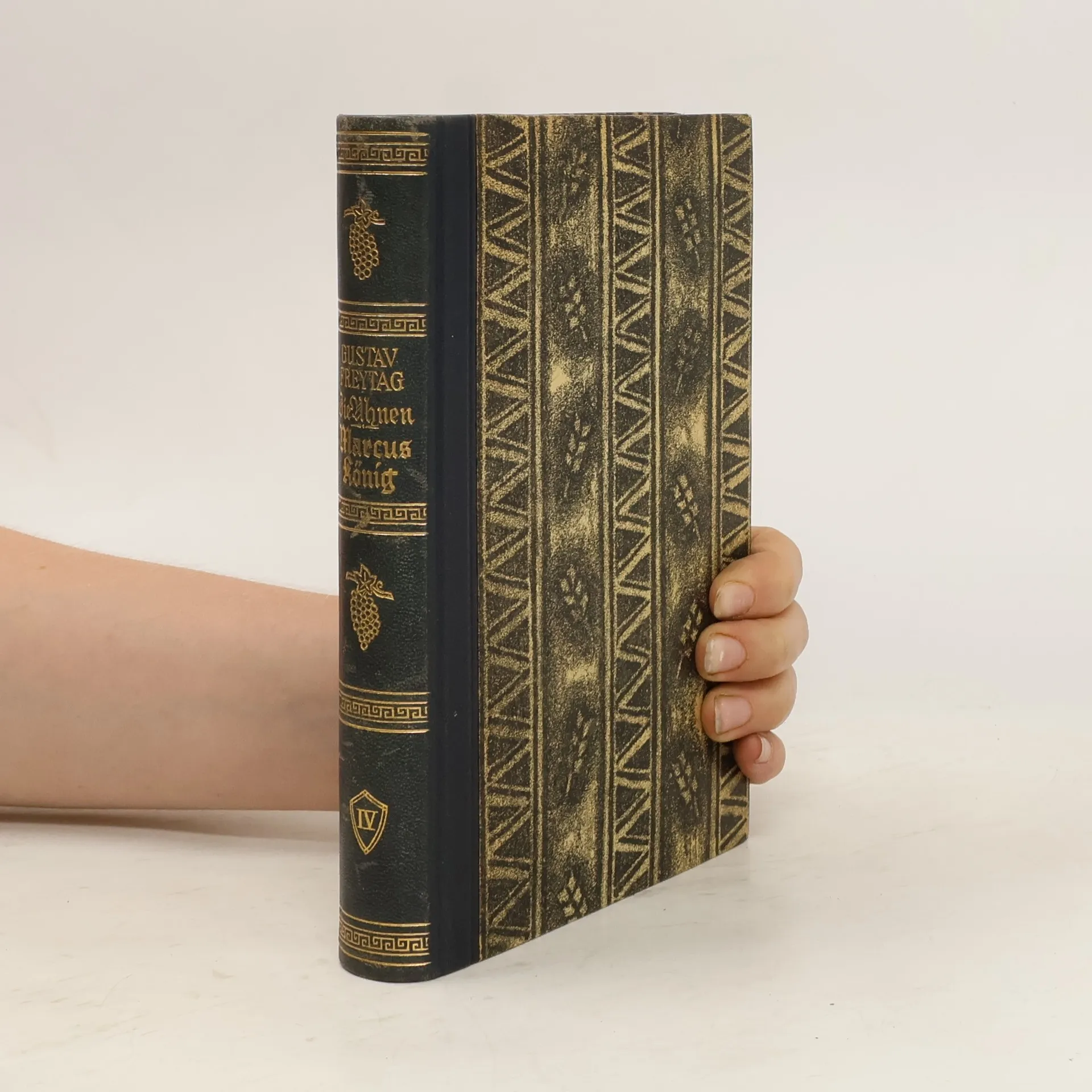
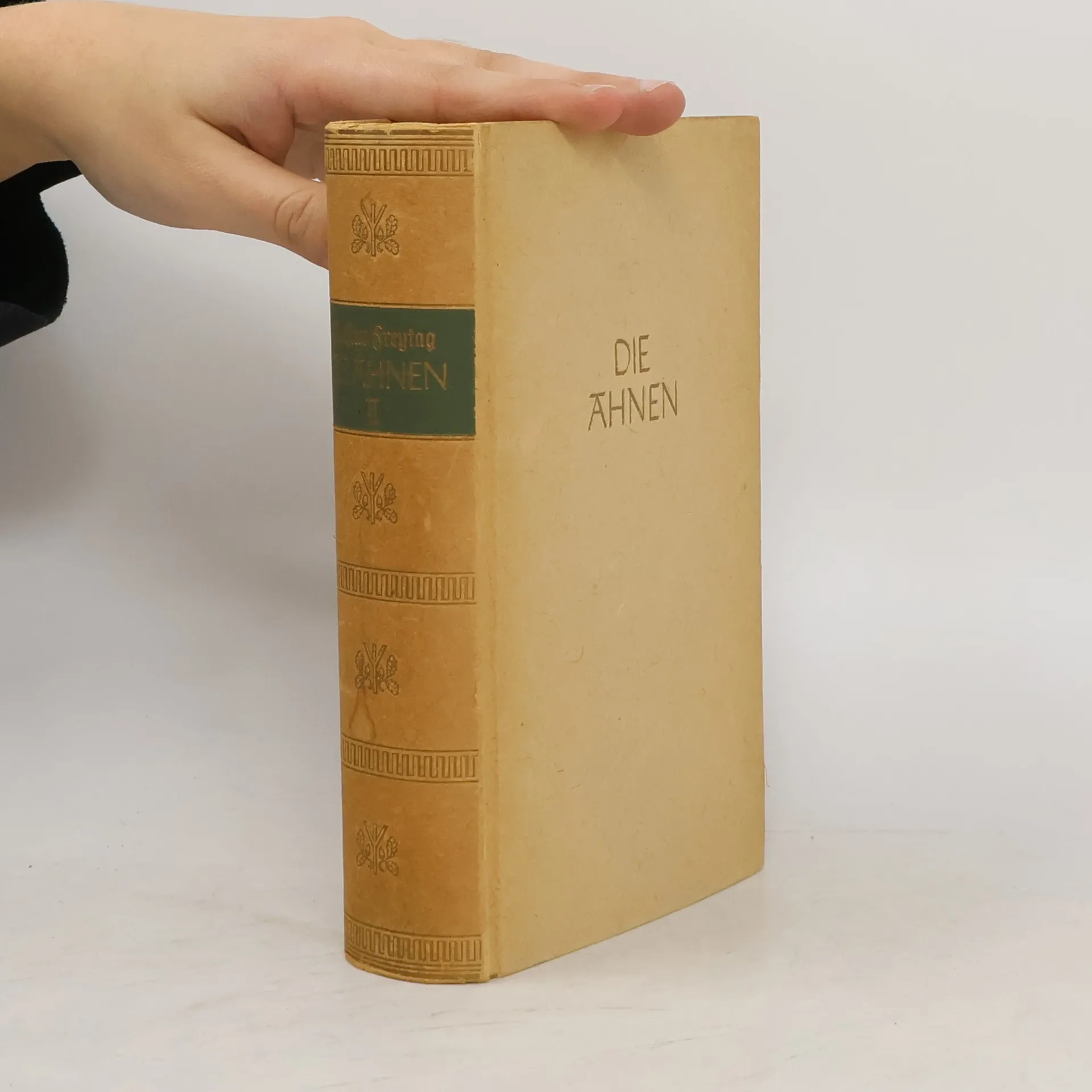
Band 2 von 3 der vollständigen Ausgabe: Die Brüder vom deutschen Hause / Marcus König
- 668 stránek
- 24 hodin čtení
Im zweiten Band von Gustav Freytags "Die Ahnen" stehen die Brüder vom deutschen Hause im Mittelpunkt, deren Schicksale und Herausforderungen im Kontext der gesellschaftlichen Umbrüche des 19. Jahrhunderts erzählt werden. Der Autor beleuchtet die Themen von Familientreue, Identität und den Einfluss von Traditionen auf das individuelle Leben. Die Charaktere sind vielschichtig und kämpfen mit ihren inneren Konflikten sowie den äußeren Erwartungen, was zu einer packenden Erzählung über menschliche Beziehungen und die Suche nach dem eigenen Platz in der Welt führt.
Die Ahnen (Großdruck)
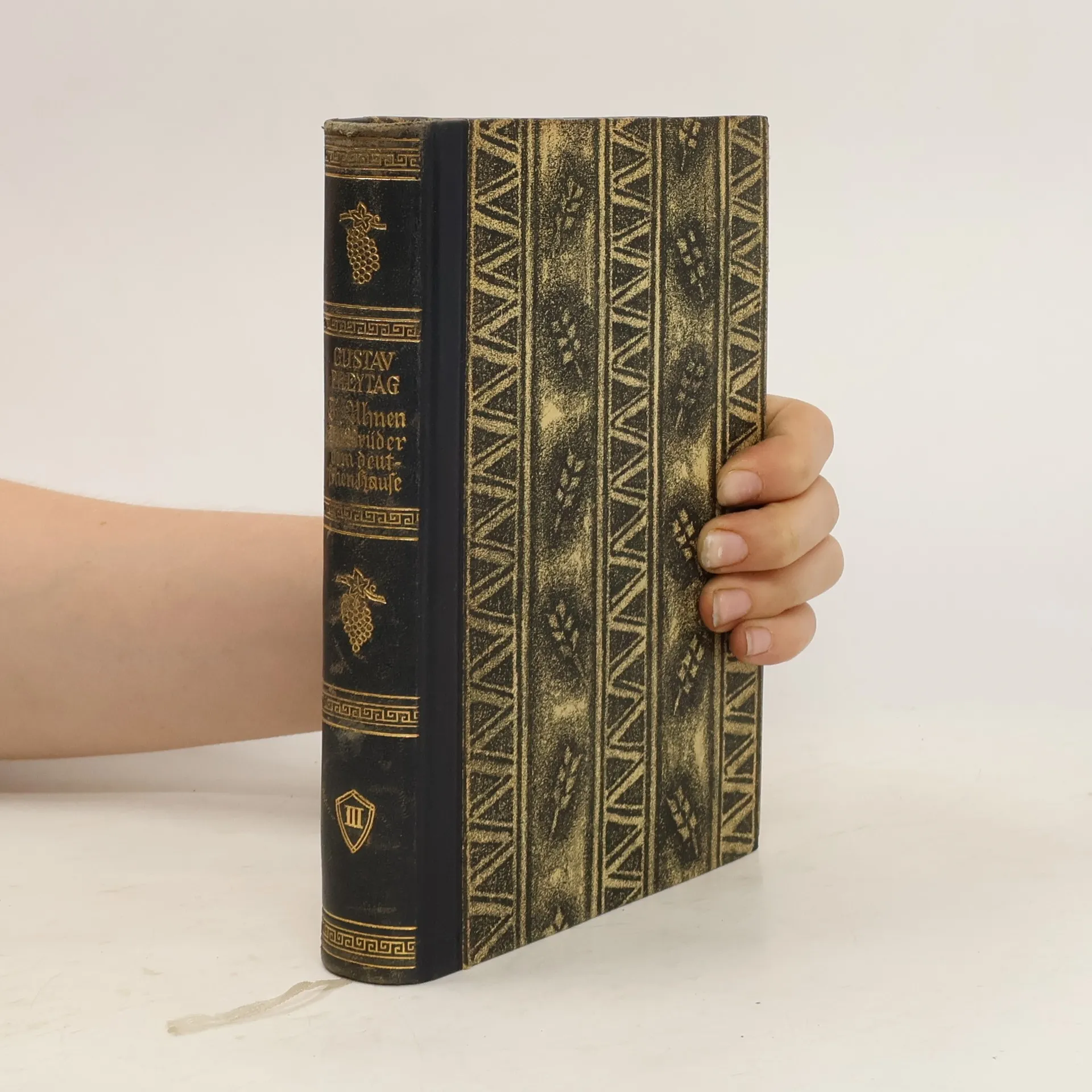
Band 3 von 3 der vollständigen Ausgabe: Die Geschwister / Aus einer kleinen Stadt / Schluß der Ahnen
- 632 stránek
- 23 hodin čtení
Der dritte Band der vollständigen Ausgabe von Gustav Freytags "Die Ahnen" vereint die Geschichten der Geschwister, das Leben in einer kleinen Stadt und den Abschluss der epischen Erzählung. Freytag thematisiert die familiären Bindungen und sozialen Strukturen des 19. Jahrhunderts, während er das Schicksal seiner Protagonisten in einem eindrucksvollen historischen Kontext entfaltet. Die Erzählung bietet tiefgehende Einblicke in die menschliche Natur und die Herausforderungen des Lebens, geprägt von Liebe, Konflikten und dem Streben nach Identität.
Im 19. Jahrhundert in Leipzig und Thüringen begibt sich das Freundespaar Werner und Hahn auf eine spannende Schatzsuche nach einem geheimnisvollen Stück einer Tacitushandschrift. Diese soll ein Mönch vor etwa 200 Jahren während des schwedischen Übergriffs in der Nähe von Rossau vergraben haben. Die Geschichte verbindet historische Elemente mit einer packenden Erzählung über Freundschaft und Abenteuer in einer bewegten Zeit.
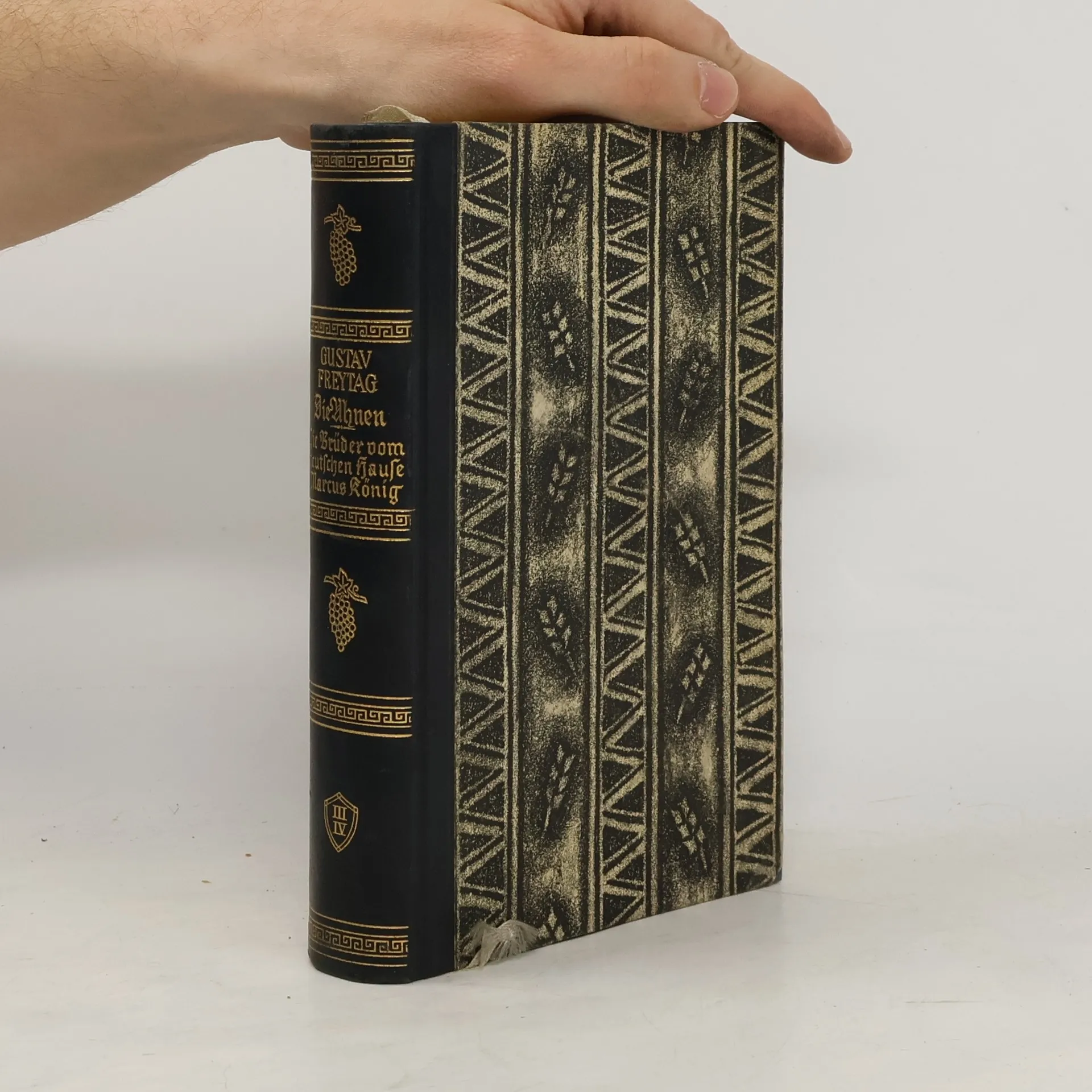
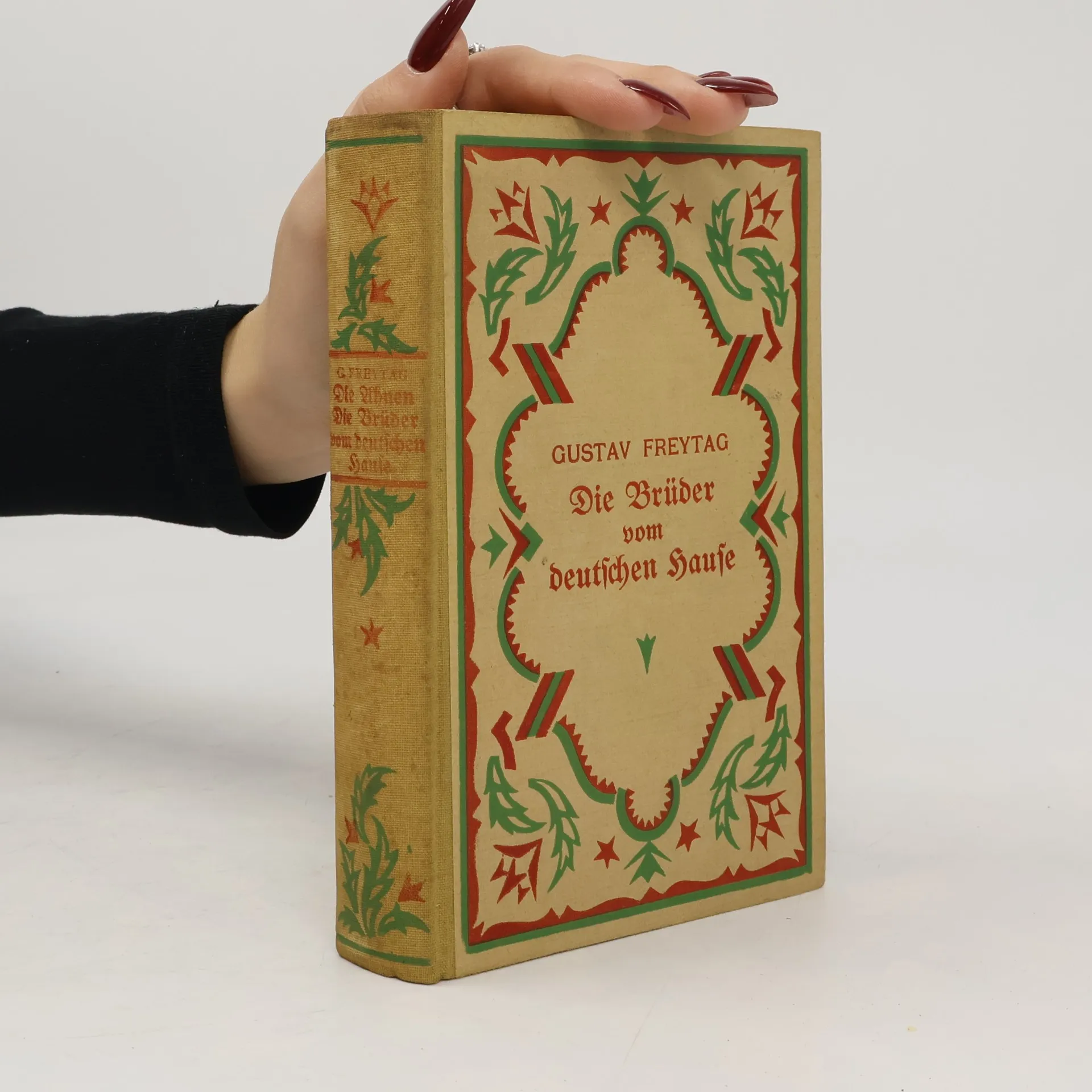
Die Ahnen: Die Brüder vom deutschen Hause / Marcus König
- 680 stránek
- 24 hodin čtení
Das Buch bietet einen Nachdruck des Originals und bewahrt somit die Authentizität und den historischen Wert des Textes. Leser können sich auf eine unveränderte Darstellung der Inhalte freuen, die die ursprüngliche Intention des Autors widerspiegelt. Diese Ausgabe ist ideal für Sammler und Liebhaber klassischer Literatur, die die zeitlosen Themen und Stilmittel des Originals schätzen möchten. Perfekt für alle, die in die Welt vergangener Zeiten eintauchen wollen.
In der Familiensaga wird die bewegende Geschichte des Rittmeisters Bernhard König erzählt, der in der turbulenten Zeit zwischen dem 30-jährigen Krieg und dem 18. Jahrhundert nach seiner großen Liebe sucht. Trotz der Herausforderungen und Konflikte, die der Krieg mit sich bringt, erlebt er eine tiefgreifende emotionale Reise, die tragisch endet, als er schließlich fällt. Der Roman beleuchtet die Themen Liebe und Verlust vor dem historischen Hintergrund eines der prägendsten Konflikte Europas.
Im dritten Teil der Freytagschen Familiensaga entfaltet sich ein Konflikt im 13. Jahrhundert zwischen den Erben von Ingo und Ingraban, die in zwei feindliche Lager gespalten sind. Graf Meginhard von der Mühlburg steht im Gegensatz zum jungen Ivo, der am Hof Ingersleben agiert. Die Handlung verlagert sich von Thüringen und Italien bis nach Palästina und Ostpreußen, was die komplexen politischen und familiären Verstrickungen der Zeit eindrucksvoll widerspiegelt.
Soll und Haben
Zweiter Band
Der unveränderte Nachdruck der Originalausgabe von 1856 bietet einen authentischen Einblick in die Literatur und Kultur des 19. Jahrhunderts. Leser können die Sprache, Themen und Stilmittel der damaligen Zeit erleben, die für das Verständnis der historischen Kontexte und gesellschaftlichen Strömungen von Bedeutung sind. Dieses Buch ist eine wertvolle Ressource für Historiker, Literaturwissenschaftler und Interessierte an der Epoche.