


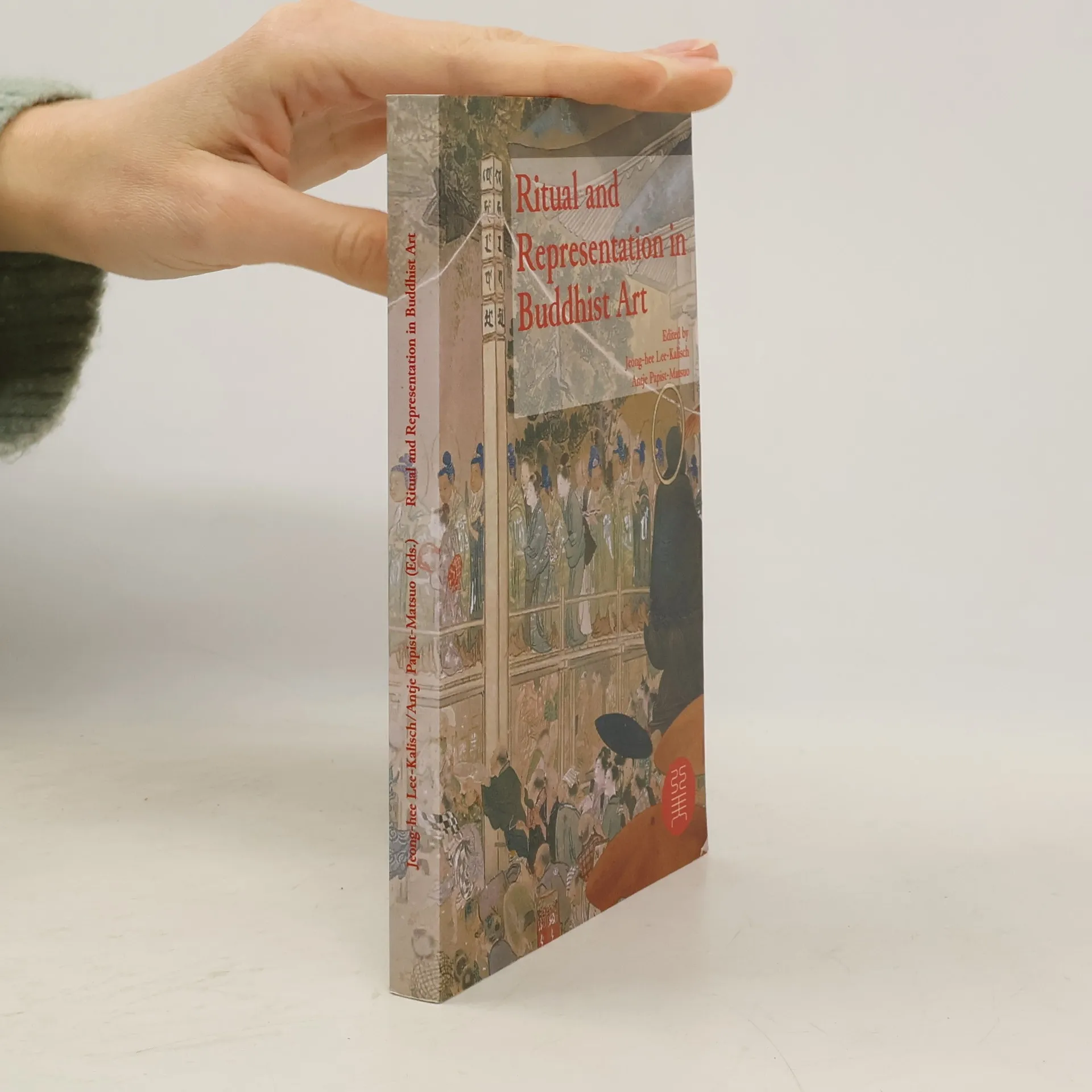
Ritual and representation in Buddhist art
- 263 stránek
- 10 hodin čtení
This publication explores representations of Buddhist thought and art across Central and East Asia, focusing on their ritual and cultural contexts. It examines how various religious environments have shaped art and its forms throughout Buddhism's history and its impact on regional material cultures. The essays offer diverse methodological approaches, addressing topics such as the Buddhist cult of relics in ancient China, material evidence for confession and repentance rituals in Northern Chinese cave temples, and the development of popular iconographies based on Avata? saka doctrine in Tang China and Unified Silla. Additionally, it discusses representations of Amitabha’s Pure Land along the Northern Silk Road, unconventional depictions of Buddha in twelfth and thirteenth-century Sichuan grottoes, and Sino-Tibetan sculptures and thangkas from the early fifteenth century. The investigation of Tibetan medical thangkas from the nineteenth century elaborates on basic principles of Tibetan medicine influenced by Buddhist philosophy. Lastly, the publication addresses visual traditions in Japanese Buddhist art, including the evolution of Kamakura period sculptures and the mytho-historical significance of Negoro-style lacquered temple implements.