Tato obsáhlá série se ponořuje do historie vojenských konfliktů a strategií, které formovaly svět. Každý svazek zkoumá klíčová období a bitvy s důrazem na taktické inovace a sociální dopady válek. Je to nezbytná četba pro každého, koho zajímá vývoj vojenství a jeho místo v lidských dějinách.
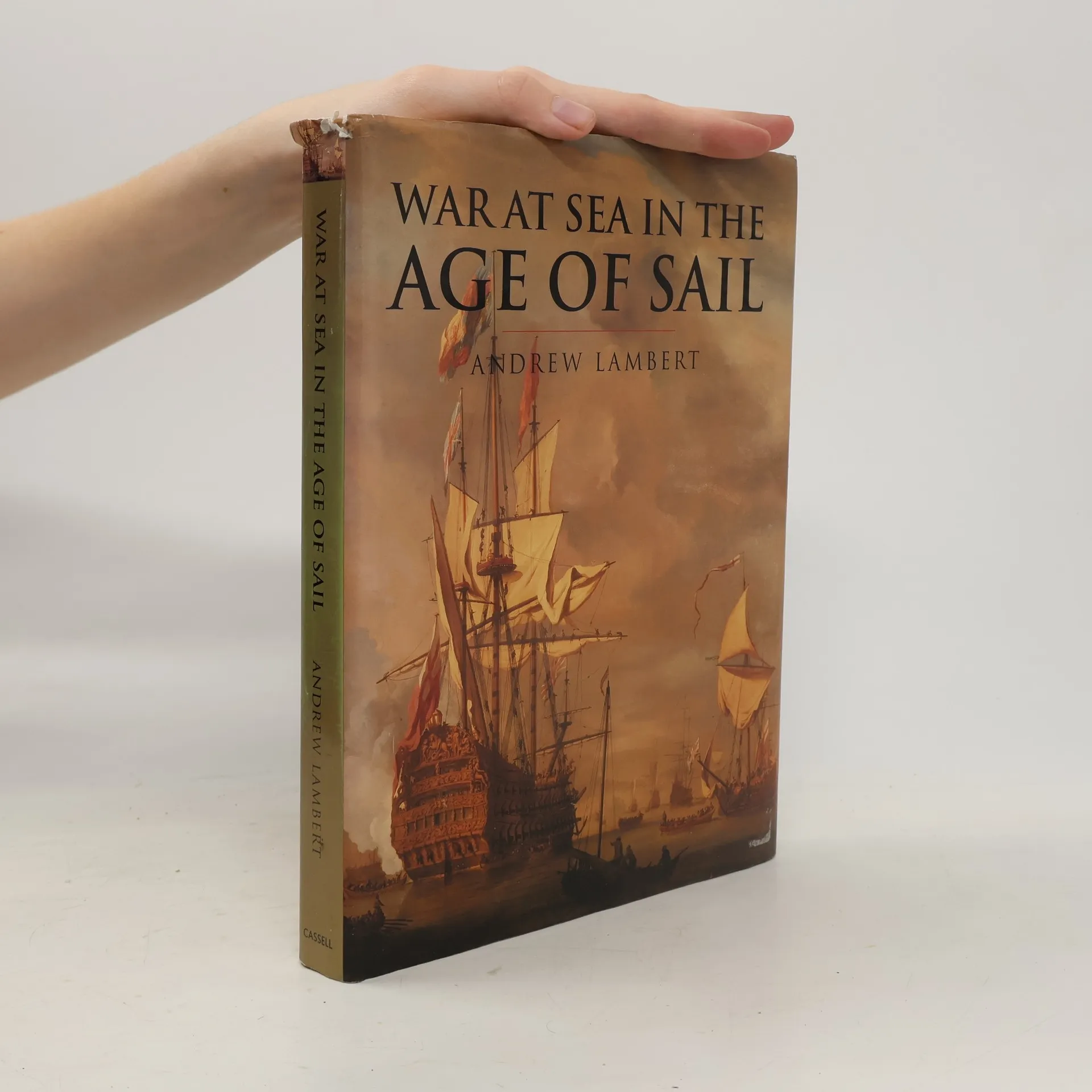
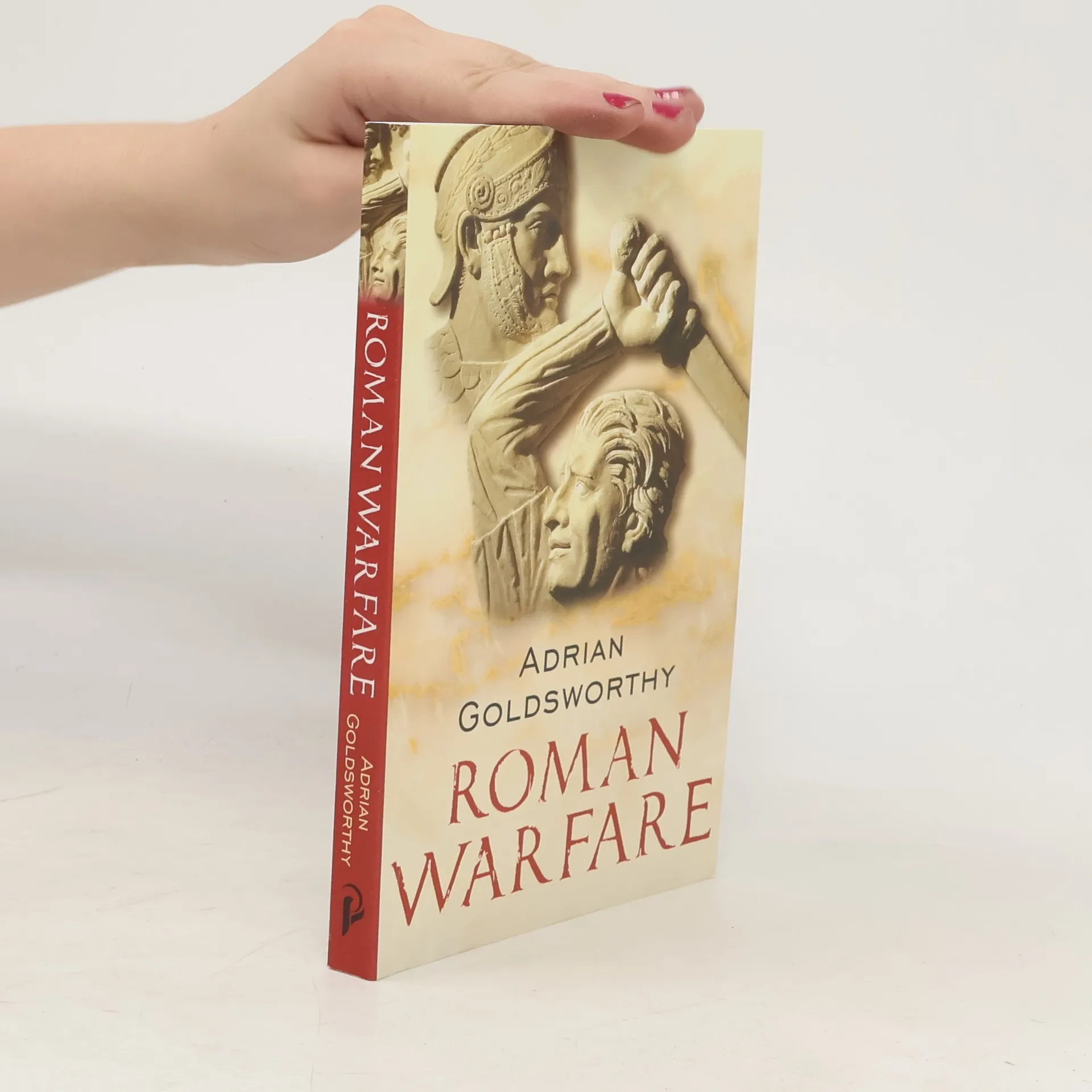
The Romans built perhaps the greatest empire of all time, forged with an unequalled skill in warfare. Accompany these unparalleled Roman troops from the conquest of Italy through to world conquest. Watch as defeated armies became allies and future soldiers of the Empire. Consider the irony of extreme brutality and repression leading to peace and prosperity. All the techniques and the organization of this amazingly advanced fighting force come into focus, from the emphasis on drills to its superior technology and bureaucracy.
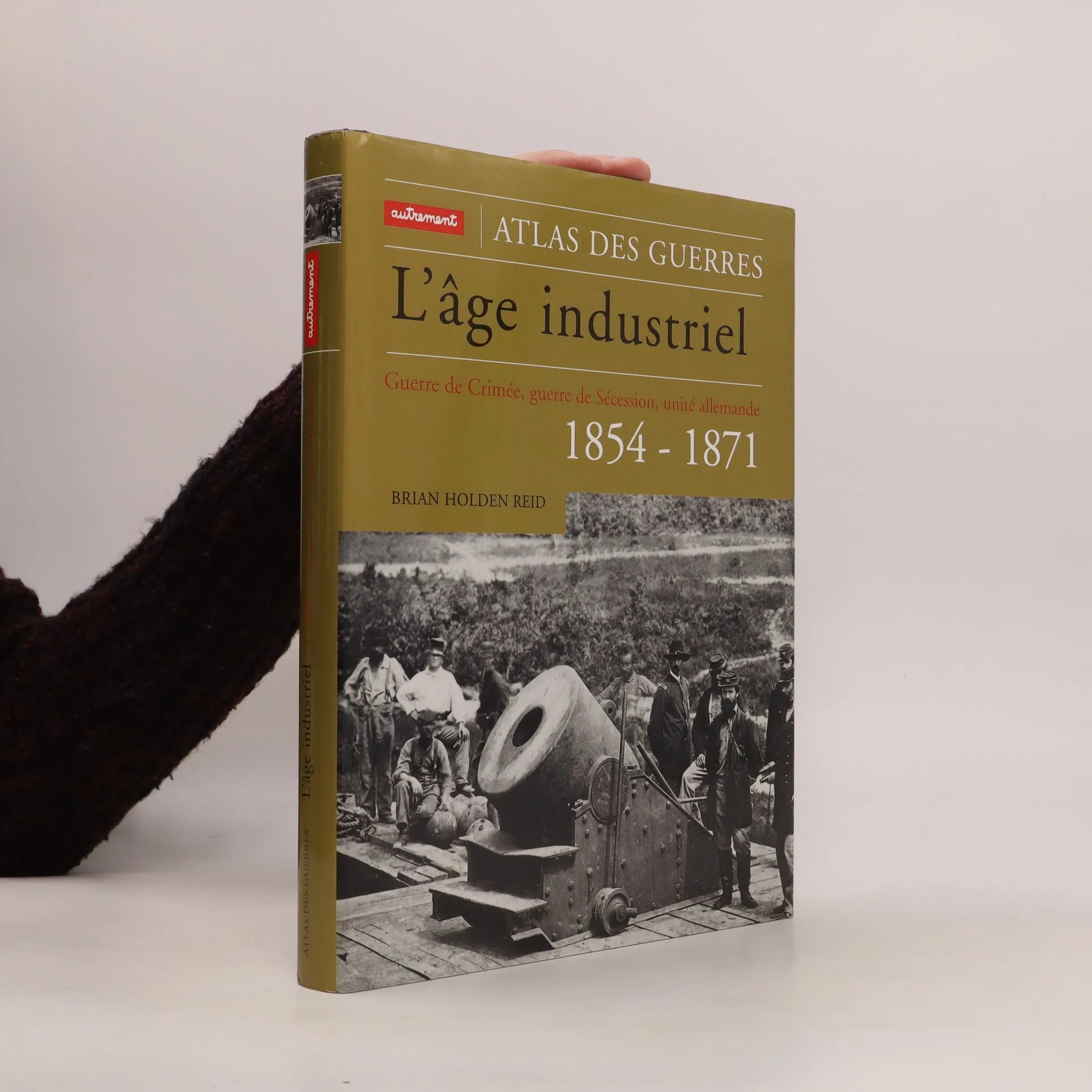
L'ouvrage de Brian Holden Reid se concentre sur trois conflits majeurs du troisième quart du XIXe siècle : la guerre de Crimée (1854-1856), la guerre de Sécession (1861-1864) et les guerres de l'unité allemande contre le Danemark (1864), l'Autriche (1866) et la France (1870-1871). Ce travail comble une lacune historiographique, car ces guerres, souvent négligées par les spécialistes de l'histoire militaire, sont peu abordées dans la recherche universitaire française, qui hésite à se pencher sur le XIXe siècle et les questions militaires. Ces conflits ne sont pas de simples intermèdes dans un siècle pacifique, mais se déroulent à un moment clé où la première révolution industrielle, centrée sur le charbon et la vapeur, exige une réponse militaire. Ils oscillent entre archaïsme et modernité, préfigurant les guerres du XXe siècle avec certaines caractéristiques des deux conflits mondiaux. Par exemple, le siège de Sébastopol peut être vu comme une esquisse du front occidental de la Première Guerre mondiale, avec ses tranchées et ses fortifications. La guerre de Sécession, bien qu'ayant eu un impact limité en Europe, représente un exemple abouti de la guerre moderne au sens industriel du terme. Ces trois conflits marquent une rupture significative avec l'ère des guerres napoléoniennes, où le progrès technique jouait un rôle marginal.
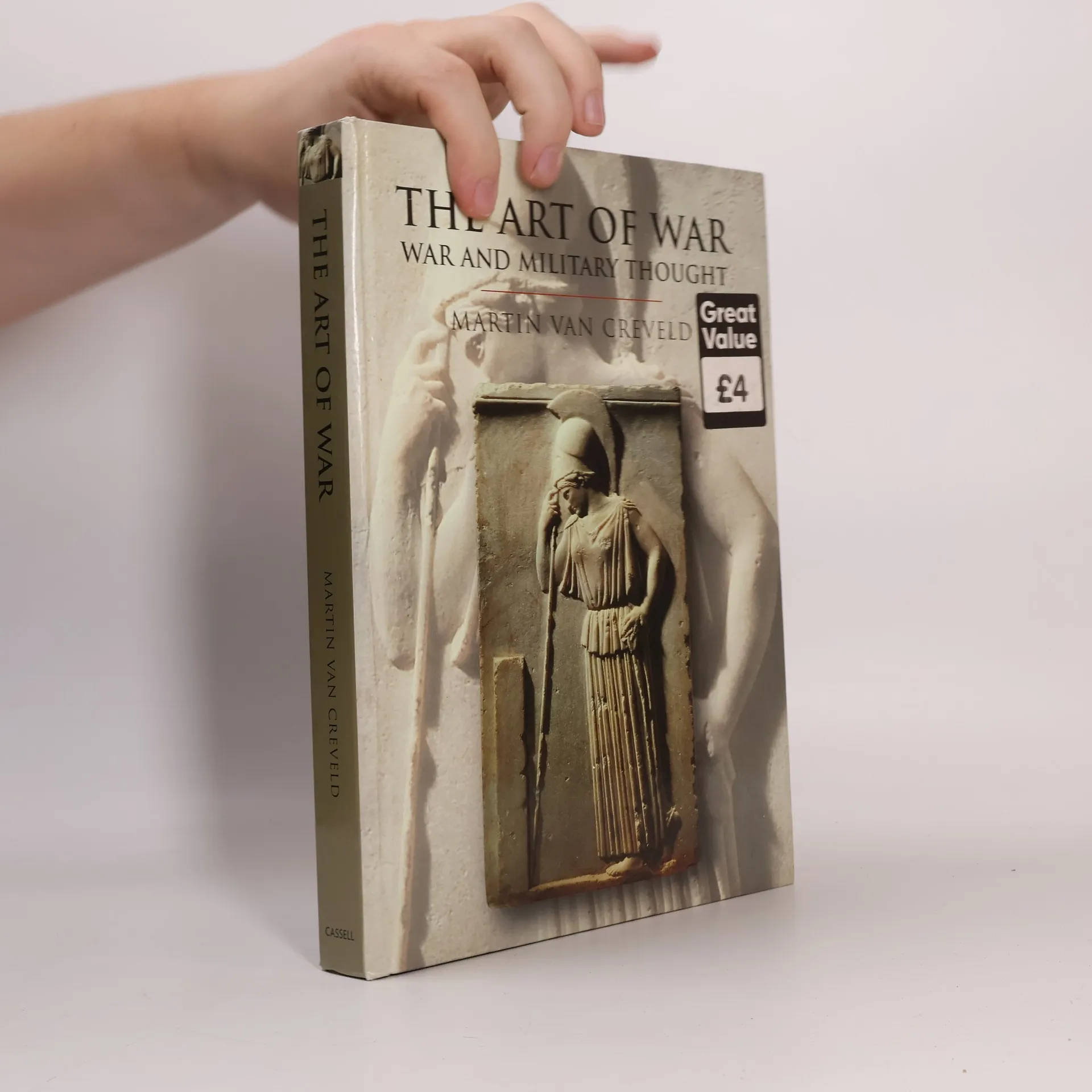
From Confucian China to the present day, warriors have understood that combat is an art, one requiring sharp, flexible minds capable of adapting quickly to constantly shifting situations. In a survey that looks widely across history and cultures, the theories of some of the finest thinkers and strategists unfold, illuminating the development of military thought. The story begins with ancient Chinese tacticians, especially Sun Tzu, who was among the first to compose written texts on how to wage war. It then proceeds to the age of classical antiquity, which saw the creation of many unsurpassed works on military history: to Byzantine and medieval Western thought; to the years between 1500 and the end of the Seven Years' War, when Machiavelli wrote; and then to some of the true greats like Clausewitz. We head into the modern age with a look at the 19th century, naval warfare, the two World Wars, nuclear strategy, and guerrilla insurrections. 224 pages, 70 color illus., 80 b/w illus., 7 3/4 x 10 3/8.
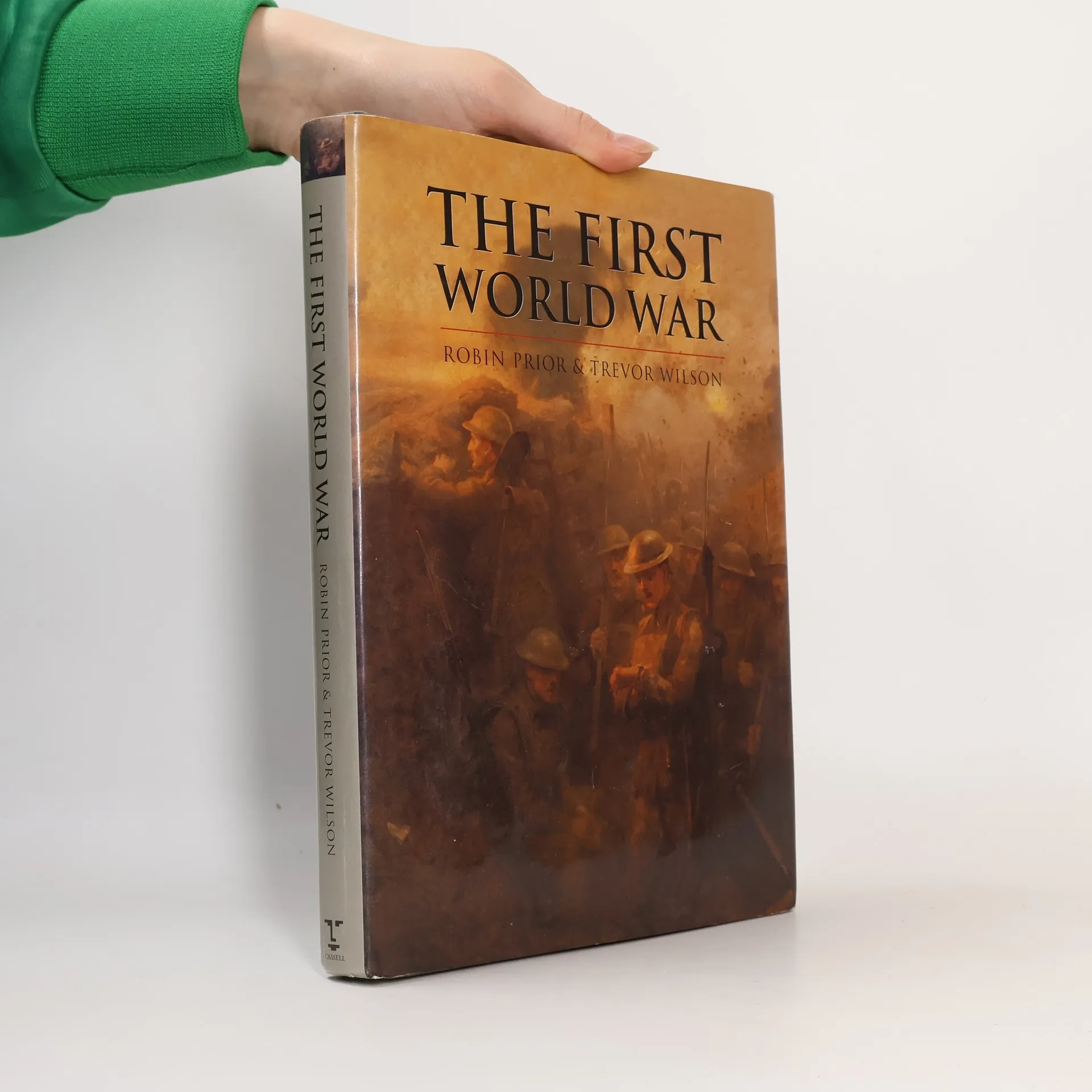
Industrial and ironclad power reached its culmination in the war that engulfed Europe. As events would prove, however, the products of the industrial system of the 20th century, including the capacity of the system to transfer vast reserves of manpower from civilian to military employment at short notice, much more greatly favoured strategies of defence than offence. The outcome was a war of attrition and immobile fronts, eventually to be unlocked only when a second wave of industrial innovation yielded means - the tank, the aeroplane - to break the stalemate. This is a complete history of World War I. It is illustrated throughout and incorporates computer-generated cartography to bring the battlefields to life.