Tato sága, která se odehrává ve středověkém Středomoří, proplétá osudy postav napříč různými kulturami a náboženstvími. Sleduje složité vztahy, politické intriky a osobní hledání identity v době, kdy se setkávají křesťanství, islám a judaismus. Vydejte se na cestu plnou historie, vášně a filozofických úvah, která vás zavede do srdce jedné z nejbouřlivějších epoch lidstva. Je to příběh o lásce, válce a hledání pravdy v proměnlivém světě.
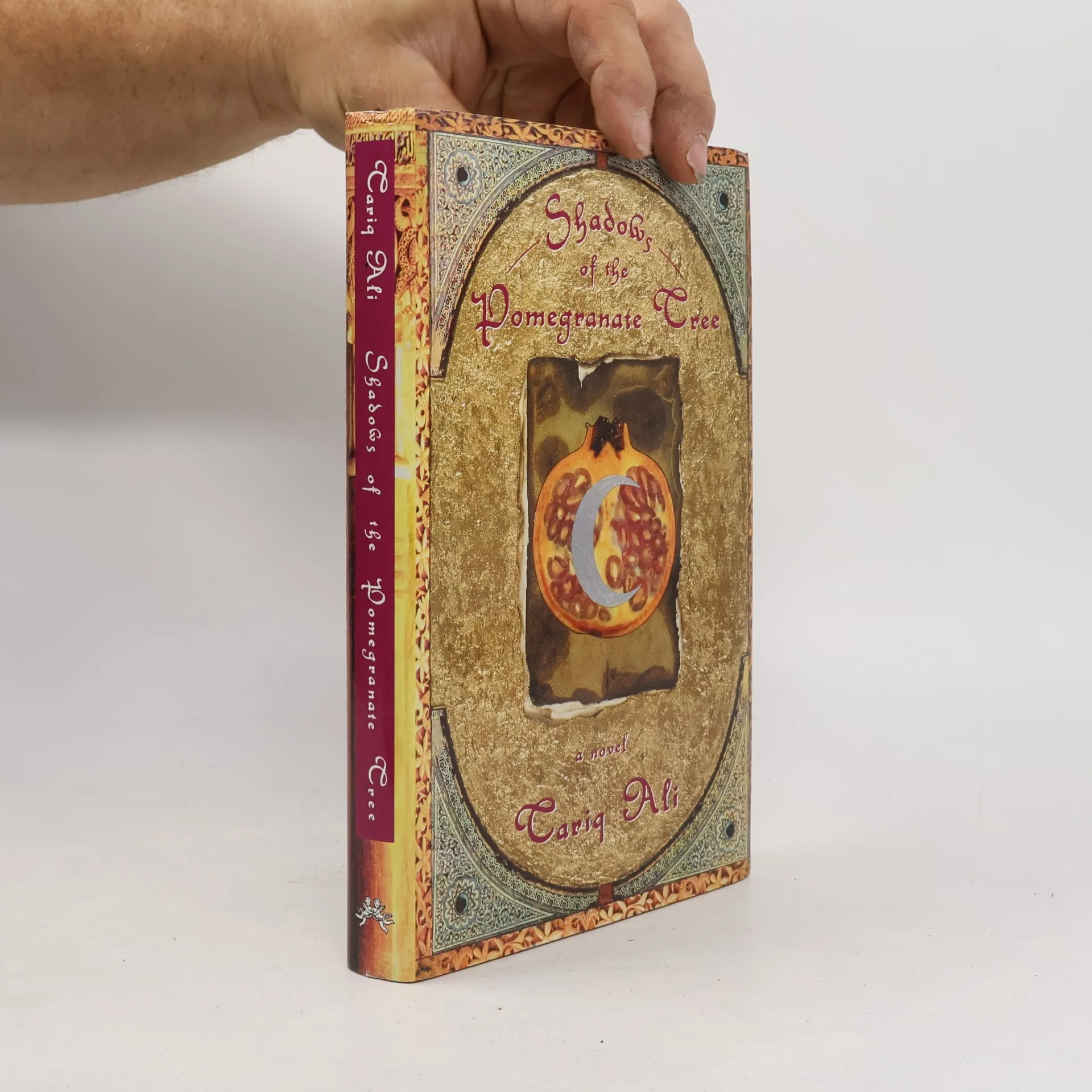
Tariq Ali tells us the story of the aftermath of the fall of Granada by narrating a family sage of those who tried to survive after the collapse of their world. Ali is particularly deft at evoking what life must have been like for those doomed inhabitants, besieged on all sides by intolerant Christendom. "This is a novel that have something to say, and says it well." --"The""Guardian"
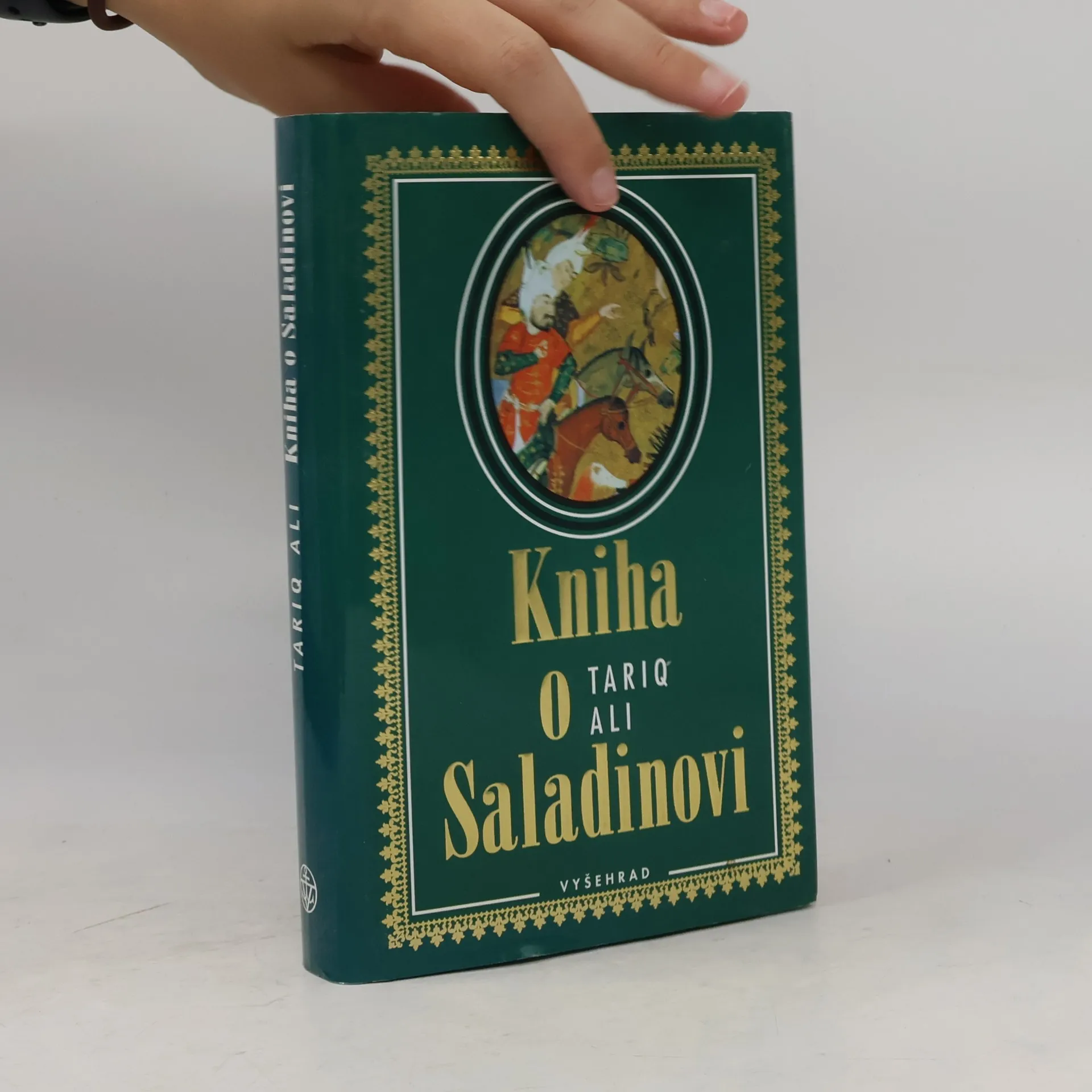
V barvitém historickém románu autor vypráví příběh velké osobnosti islámského světa, významného státníka a válečníka, sultána Saladina. Saladin, který žil v létech 1138-1193, sjednotil islámskou říši, upevnil své pozice v Egyptě a především v roce 1187 porazil křižáky v bitvě u Hattínu, čímž dobyl nazpět od křesťanů Jeruzalém. Barvité příběhy vypráví autor prostřednictvím Saladinova písaře Ibn Ja´kúba, který se posléze stává i sultánovým důvěrníkem a přítelem. Román zavede čtenáře na válečná pole, do harémů, i na orientální tržiště rušných měst Damašku, Káhiry a Jeruzaléma, kde se prolínají islámská, křesťanská a židovská kultura, do exotického světa eunuchů, rytířů, krásných žen a otroků. Nepřeberný sled nejrůznějších historek, z nichž některé připomínají příběhy Tisíce a jedné noci, je vyprávěním na pozadí historických skutečností a nabízí čtivý a poutavý pohled na nerůznější osudy lidí, kteří Saladina obklopovali, i na něho samotného.
The year is 1153. The Normans are ruling Siqqiliya, but Arab culture and
language dominate the island and the court. Sultan Rujari surrounds himself
with Muslim intellectuals, several concubines, and an administration presided
over by gifted eunuchs. This fourth novel in Tariq Ali's Islam Quintet is set
in medieval Palermo, a Muslim city.
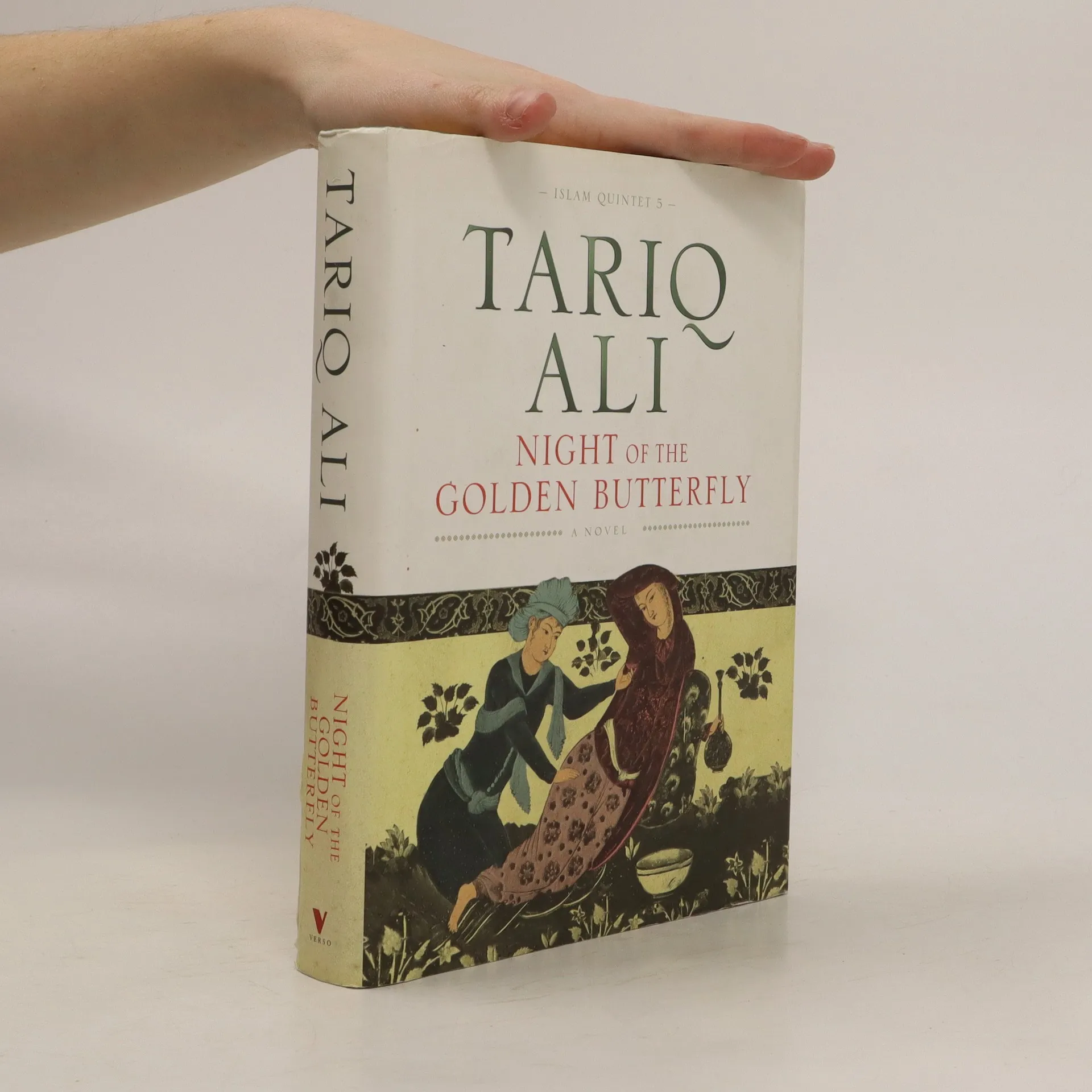
The final installment of the Islam Quintet, this novel weaves a rich tapestry of historical and contemporary narratives across cities like Lahore, London, Paris, and Beijing. The story begins when the narrator receives a call reminding him of a debt owed to Mohammed Aflatun, or Plato, a talented yet irritable painter in a Pakistan where human dignity has deteriorated. Plato seeks to have his life story documented, prompting a journey through his connections. Among them is Alice Stepford, a prominent music critic in New York, and Mrs. Naughty Latif, an Islamabad housewife whose attraction to military figures propels her to Paris, where she gains recognition as a leading intellectual voice in the Islamic world. The narrative also introduces Jindie, the Golden Butterfly, who represents the narrator's first love. Her family's tumultuous history is intertwined with the tale, featuring her ancestor Dù Wénxiù, who led a Muslim rebellion in nineteenth-century Yunnan and ruled Dali as Sultan Suleiman. This novel showcases the author's imaginative prowess, blending satire with profound insights into contemporary life and history.