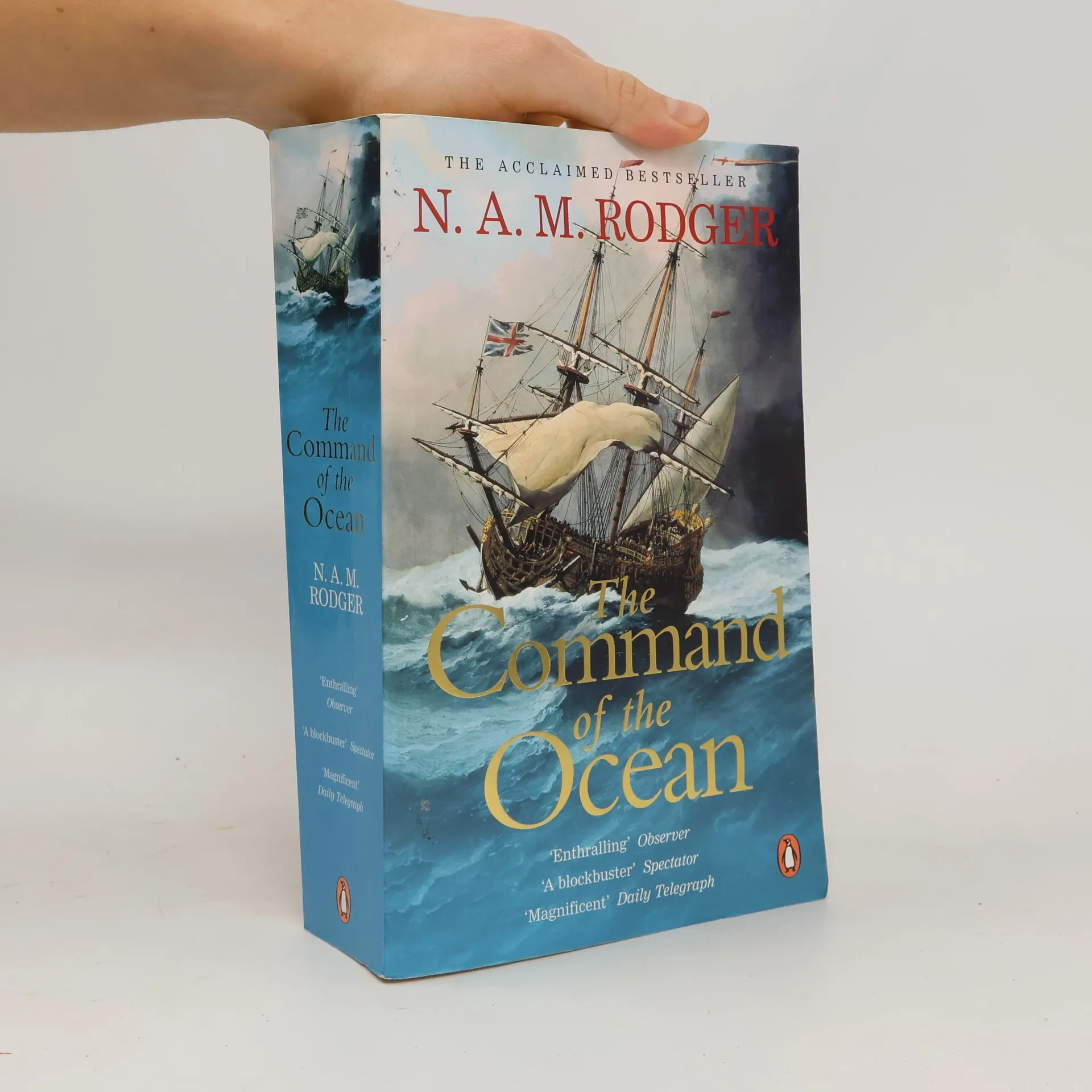
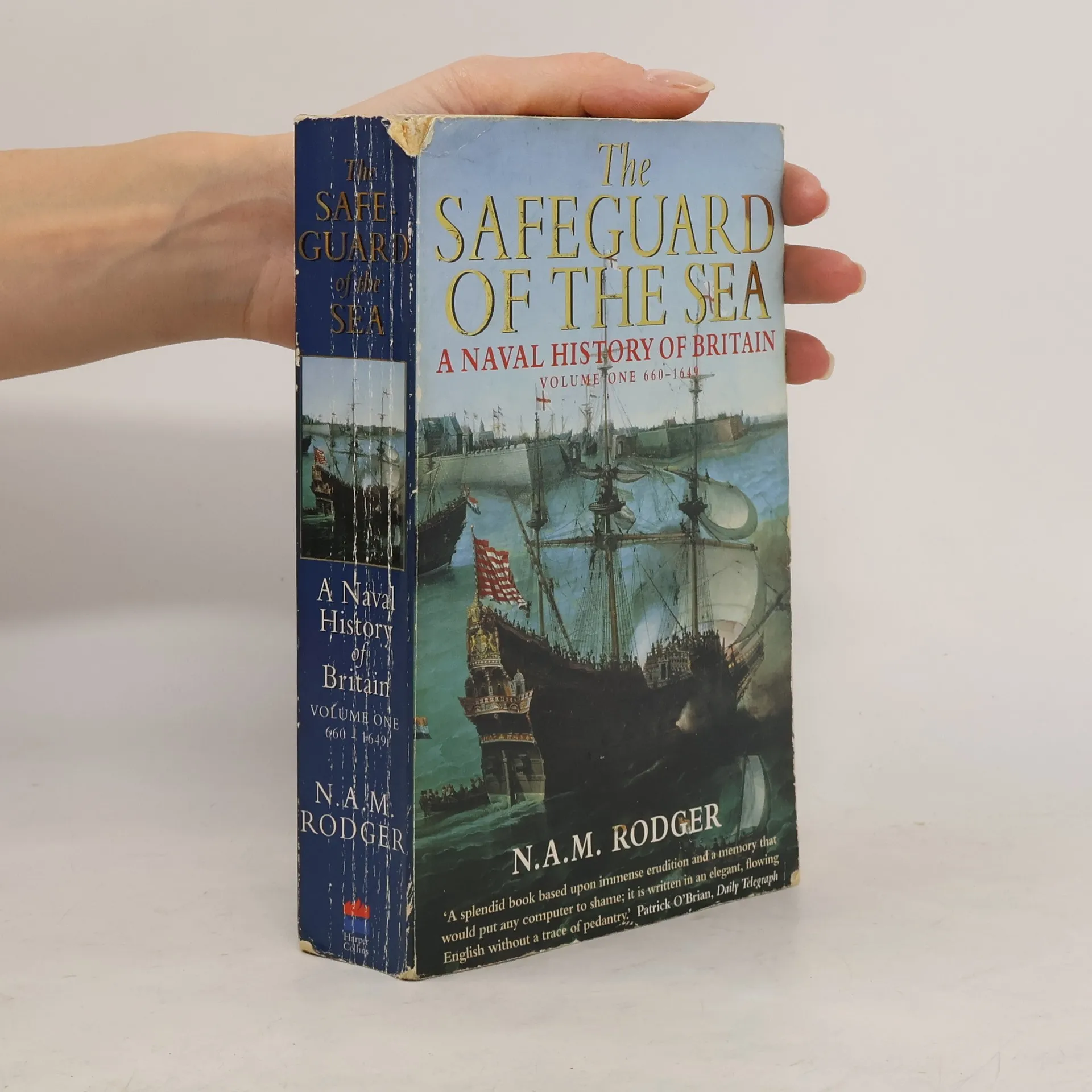
Tato obsáhlá série zkoumá hluboký a neoddělitelný vztah mezi námořní mocí a politickým, společenským a ekonomickým vývojem Británie. Od prvních bojů proti vikingským nájezdníkům až po triumfy nad námořními flotilami, tato historická práce odhaluje, jak kontrola nad moři formovala osud ostrovního království. Čtenáři se ponoří do fascinujících příběhů námořních bitev, strategických rozhodnutí a vlivu námořnictva na britskou identitu a globální postavení.
This definitive account reveals how the political and social progress of
Britain has been inextricably intertwined with the strength - and weakness -
of its sea power, from the desperate early campaigns against the Vikings to
the defeat of the great Spanish Armada.
The Command of the Ocean describes the rise of Britain to naval greatness, and the central place of the British Navy and naval activity in the life of the nation and its government. Based on the author's own research in a dozen languages over more than a decade, it describes not just battles, voyages, and cruises but also how the navy was manned; how it was supplied with timber, hemp, and iron; how its men (and sometimes women) were fed; and above all how it was financed and directed. It was during the century and a half covered by this book that the successful organizing of these last three - victualing, money, and management - took the navy to the heart of the British state. It is the great achievement of The Command of the Ocean to show how completely integrated and mutually dependent Britain and its navy became." N. A. M. Rodger provides reassessments of such famous figures as Pepys, Hawke, Howe, and St. Vincent. The particular and distinct qualities of Nelson and Collingwood are contrasted, and the world of the officers and men who made up the originals of Jack Aubrey and Horatio Hornblower is brought to life. Rodger's comparative view of other navies - French, Dutch, Spanish, and American - allows him to make a fresh assessment of the qualities of the British.