The Vitra Design Museum's "Atlas of Furniture Design" is a comprehensive exploration of modern furniture history, spanning from industrialization to the digital age. With over 1,000 pages, it documents 1,740 objects by more than 540 designers, featuring extensive texts and illustrations, making it an essential resource for design enthusiasts and scholars alike.
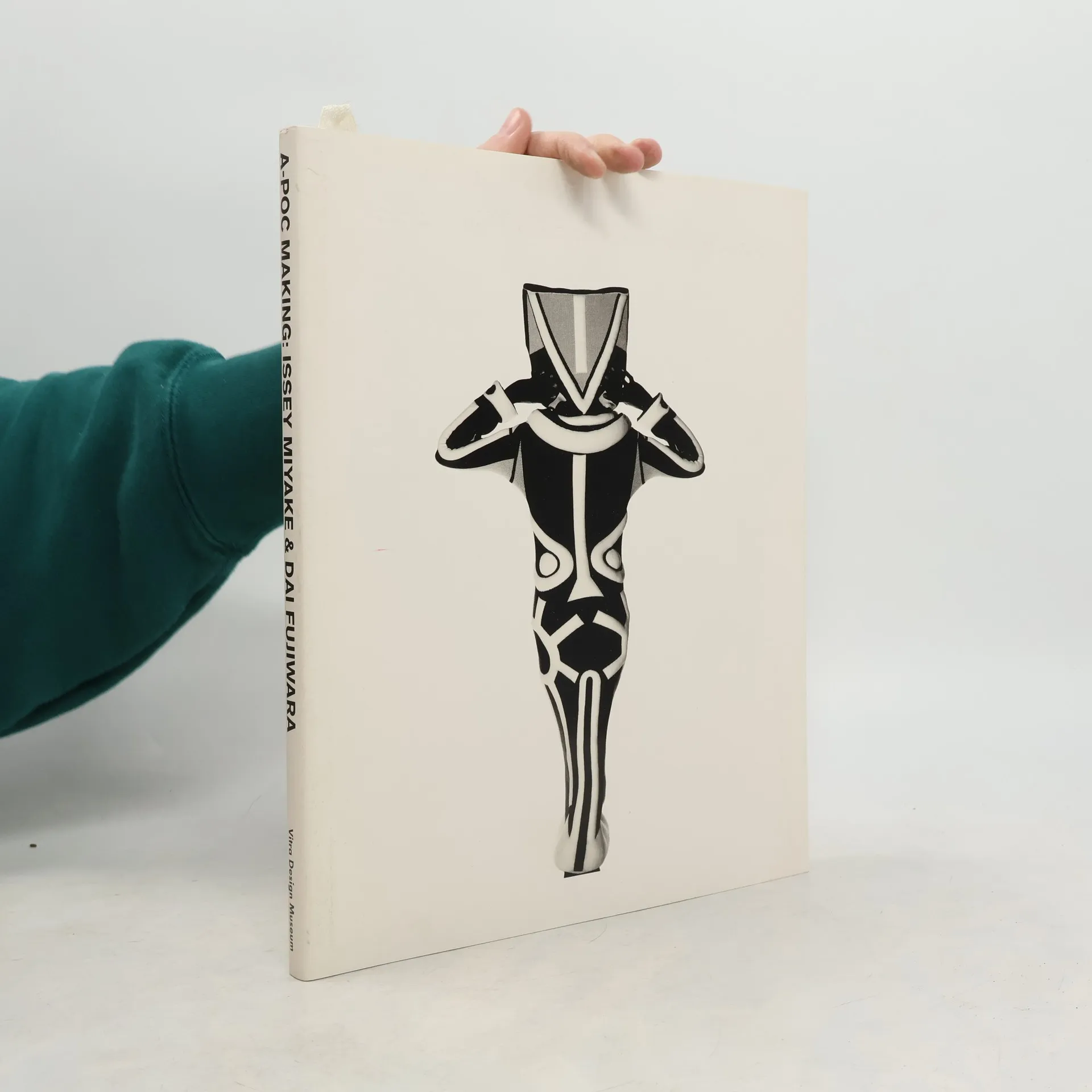
Issey Miyake is regarded as a leading fashion designer. He explores the relationship between body and clothing, sculpting the human frame with new modern day fabrics, creating his trademark dynamic shapes and forms. A-POC (A Piece of Cloth) is the result of the collaboration between Miyake and Dai Fujiwara and their quest to revolutionize the process of clothing production. Together they have completely re-thought the process, from the use of new generation raw materials, to the machines used, to the fitting of the wearer. The tubes of fabric produced in the A-POC factories, hold complete clothing ensembles waiting to be cut out, thus literally allowing the fabric to be cut and fitted straight on to the wearer. A new concept of clothing manufacture for the fashion industry in the 21st Century.
"Iwan Baan: Moments in Architecture" presents a comprehensive collection of over 680 images showcasing the evolution of global megacities and notable works by contemporary architects like Herzog & de Meuron and Zaha Hadid. The publication features contributions from various authors and highlights Baan's personal involvement.
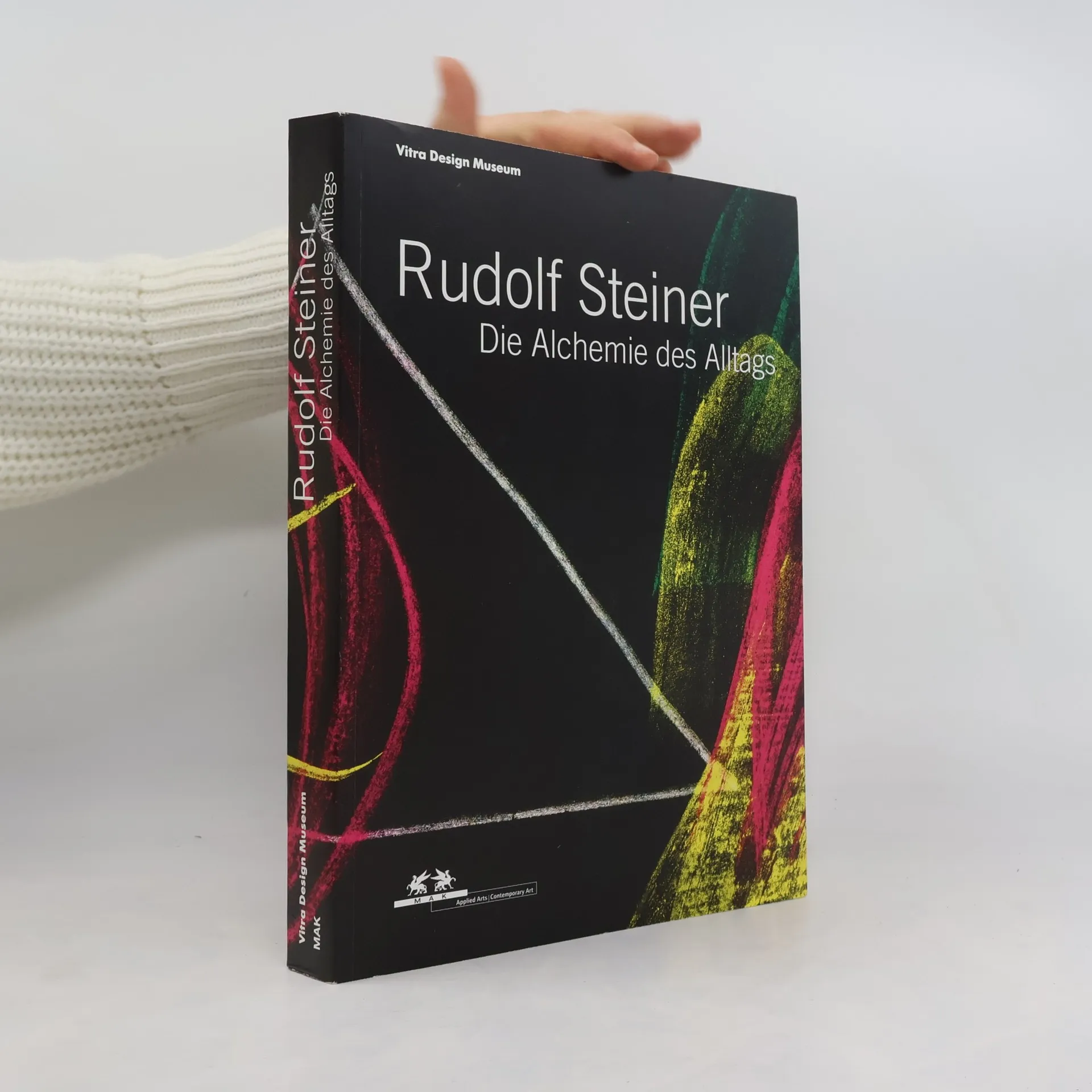
Rudolf Steiner was a pivotal reform figure of the twentieth century, known for founding the Waldorf school movement and influencing alternative agriculture and medicine. His architectural masterpiece, the Goetheanum in Dornach, Switzerland, is a landmark of early modern architecture, showcasing innovative concrete use in a sculptural manner. As an artist, he inspired notable figures such as Piet Mondrian, Wassily Kandinsky, and Joseph Beuys, and continues to influence contemporary artists like Olafur Eliasson and Tony Cragg. This book offers a comprehensive overview of Steiner's creative contributions while exploring his historical context and lasting impact. It features essays from respected authors who examine various aspects of Steiner's work, including the era of his influence, his integration of natural and spiritual science, and his contributions to architecture, design, and performance. The essays are complemented by an extensive catalogue that highlights Steiner's major works alongside those of significant contemporaries and modern artists. An illustrated biography wraps up the book, marking a significant effort to present this important twentieth-century figure to a broader audience.
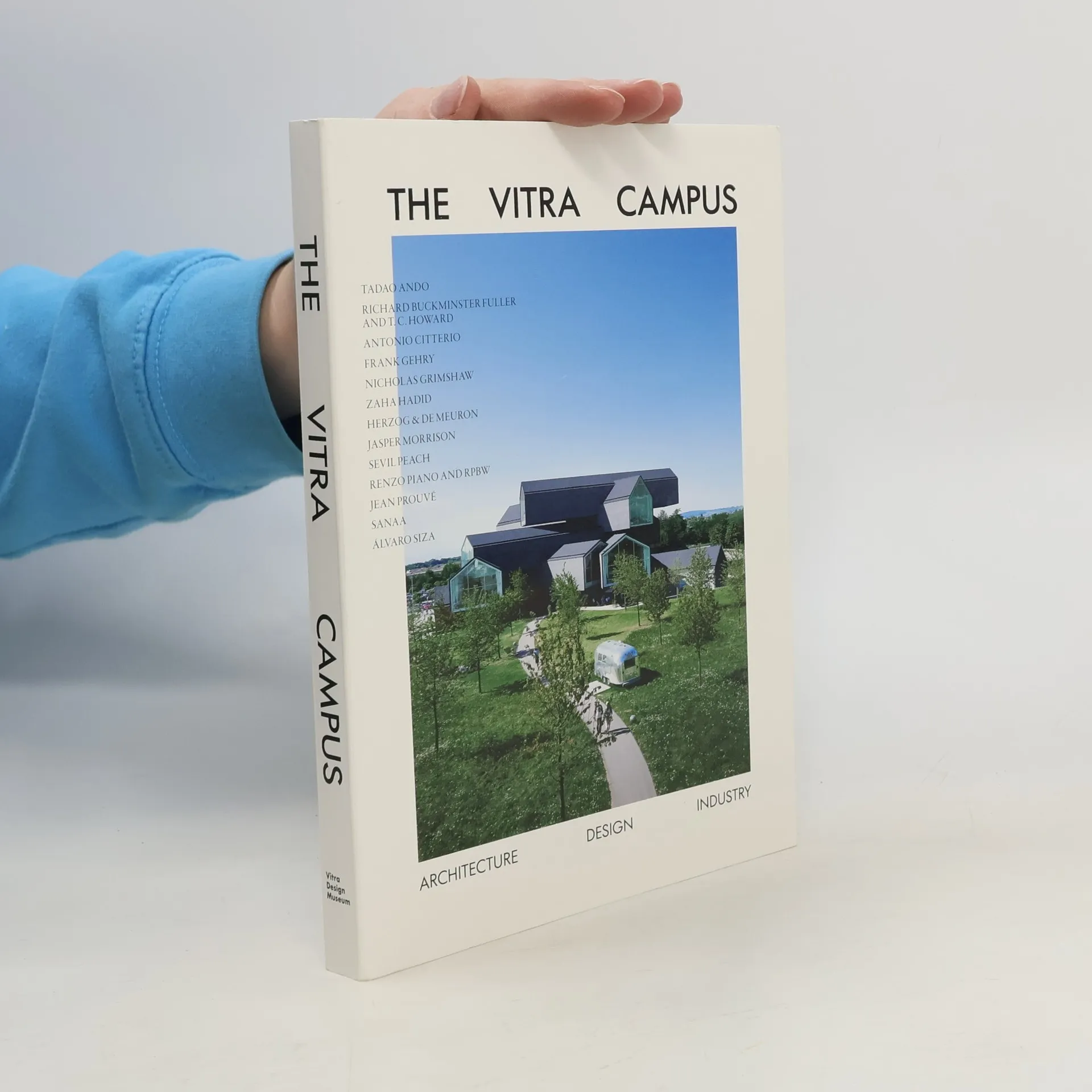
Since the 1980s, the Vitra company has erected buildings in collaboration with some of the leading architects of the present day, including Zaha Hadid, Frank Gehry, Tadao Ando, SANAA, Álvaro Siza, Nicholas Grimshaw, and Herzog & de Meuron. This has resulted in a unique architectural ensemble, about which the architectural critic Philip Johnson wrote: 'Since the Weissenhofsiedlung in Stuttgart in 1927, there has not been a gathering in a single place of a group of buildings designed by the most distinguished architects in the Western world'. The Vitra Campus currently attracts over 330,000 annual visitors. While the VitraHaus by Herzog & de Meuron provides the opportunity to experience furniture classics and new products from the Vitra Home Collection, the renowned Vitra Design Museum by Frank Gehry presents alternating exhibitions, which are accompanied by numerous events and workshops. Further attractions on the Vitra Campus include a museum shop, a café, and guided architectural tours of the buildings on the Campus. With roughly 200 illustrations, the 'Vitra Campus' book offers an overview of Vitra architecture, its daily use, the development of the Campus, and biographies of the architects. It is ideally suited as a souvenir, as preparation for a visit, as a Campus guide, or simply as interesting reading on some of the most significant architects and buildings of our time.
This updated edition of Vitra's 2017 publication presents recent developments in robotics and digitization This volume investigates how robotics has become an integral part of life: in industry, in the military and in everyday settings; at nurseries and retirement homes; in our bodies; when shopping and when having sex; in video games and in films and in literature. In a series of in-depth essays and interviews, experts including science-fiction author Bruce Sterling and the design duo Dunne & Raby explore what an increasingly digital environment means for us humans. They highlight our often-ambivalent relationship to new technologies and discuss the opportunities and challenges they pose for us as individuals and as a society. Hello, Robotbroadens the scope of debate to include the ethical and political questions arising from technological advances in robotics today, and confronts us with the contradictions that often underpin the answers to these questions.
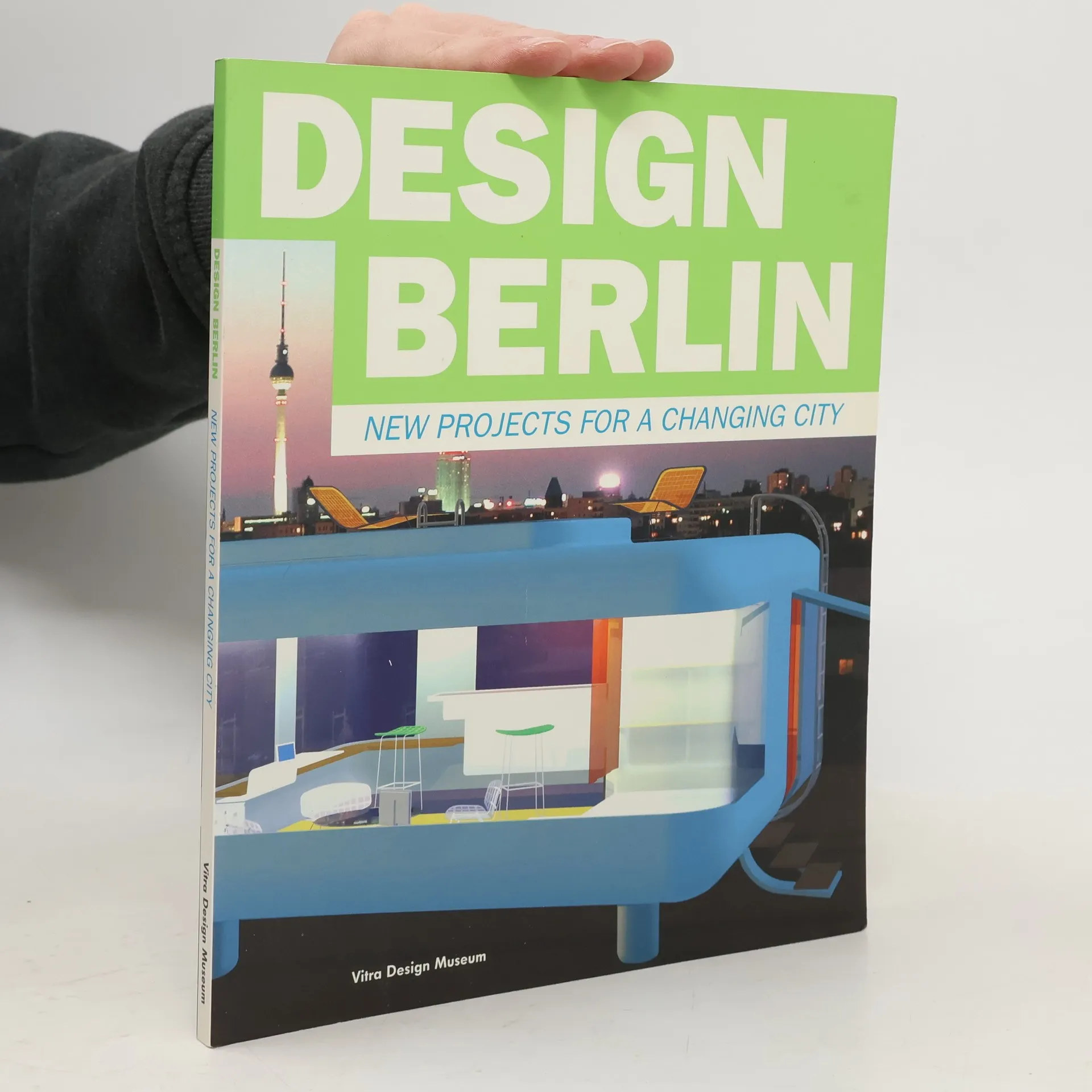
More than ten years after reunification, the creative scene in Berlin is characterized by a wealth of ideas, unconventionality and an international approach. This book introduces the most innovative young designers and architects based in Berlin.
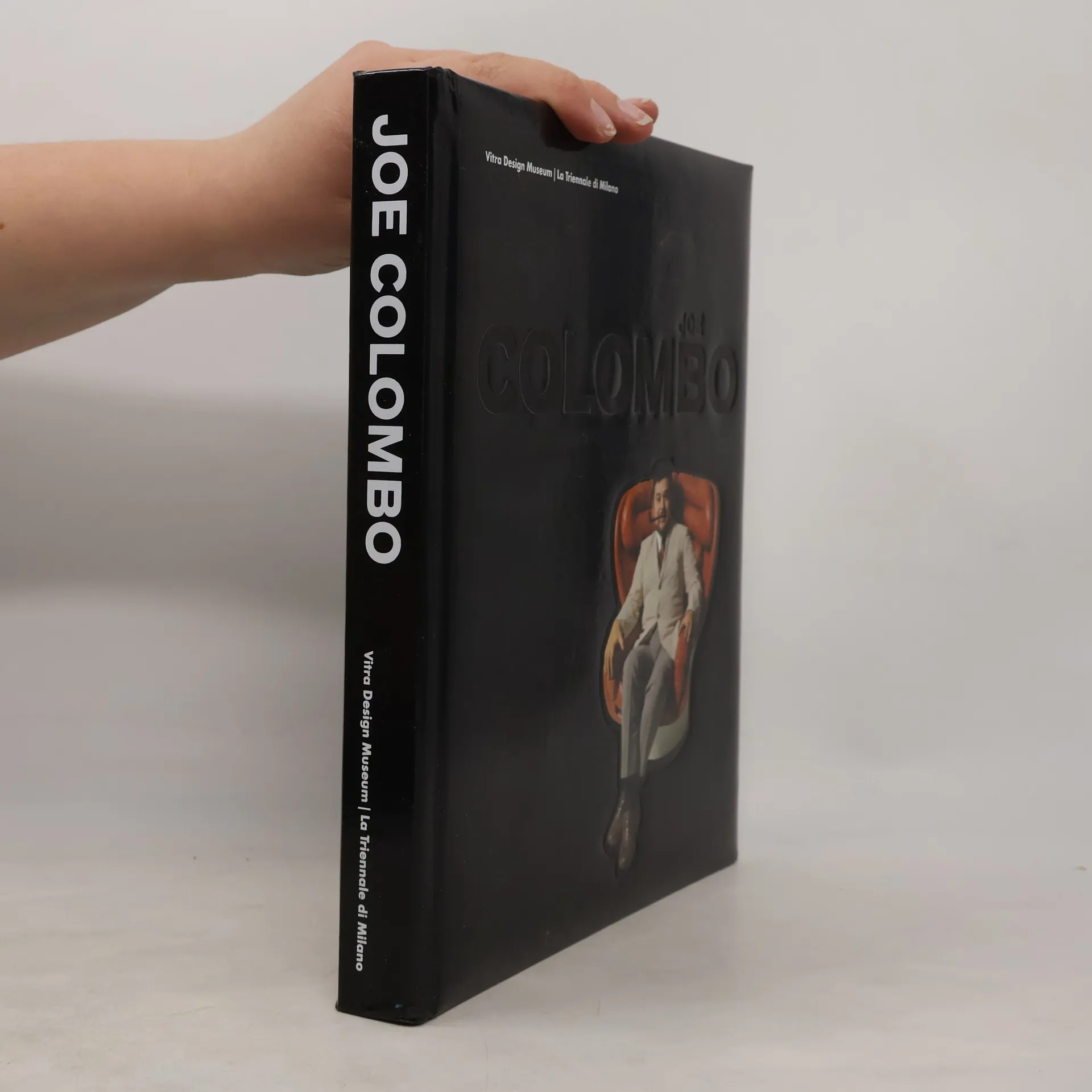
„Joe Colombo – Die Erfindung der Zukunft“ ist die erste umfassende Publikation zum Gesamtwerk Joe Colombo, der 1971, auf dem Höhepunkt seines Karriere, verstarb. Colombo war nicht nur einer der erfolgreichsten Industriedesigner seiner Zeit, der zahlreiche Designklassiker für Unternehmen wie Kartell, Zanotta, Stilnovo, O-Luce und Alessi entwarf. Er war auch einer der wichtigsten Visionäre der Sechziger Jahre. Mit seinen futuristischen Interieurs und Wohnmodulen wollte er das „Wohnen der Zukunft“ vorwegnehmen. Ausführliche Essays der besten Kenner von Joe Colombos Schaffen sowie hochwertige Reproduktionen von Colombos Handskizzen, Grundrissen, Objekten und Interieurs zeigen in dieser Publikation, wie Colombo seine weit reichenden Zukunftsvisionen in weltweit erfolgreiche, funktionale Designprodukte umsetzte.
Charles und Ray Eames gehören zu den einflussreichsten Designern des 20.
Jahrhunderts. Das Eames Furniture Sourcebook gibt einen umfassenden Überblick
über ihre Möbelentwürfe, darunter Meilensteine der Designgeschichte wie ihre
Sperrholzmöbel, die Draht- oder Kunststoffstühle, die Aluminium-Gruppe oder
der legendäre Lounge Chair. Mit detaillierten Texten und umfangreichem
Bildmaterial rekonstruiert das Buch die Entstehungsgeschichte der Möbel des
Designerpaares, erläutert den innovativen Umgang der Eames' mit Materialien
und Techniken und analysiert die Bedeutung ihres Werks im Kontext der Zeit.
Als Grundlage für das Buch dient die Sammlung Eames im Vitra Design Museum,
die umfangreichste Sammlung von Eames-Möbeln weltweit. Sie umfasst einen
Großteil der Prototypen, Experimente und Studienmodelle aus dem Eames Office
sowie viele weitere Schlüsselwerke der beiden Designer. Ausstellung: Charles &
Ray Eames. The Power of Design, 30.09.2017 - 25.02.2018, Vitra Design Museum
Die Publikation bietet eine Vielzahl von Bildern und Texten, die von Alltagsprodukten für die Nutzung erneuerbarer Energien bis hin zur Gestaltung von Solarhäusern und Windkraftanlagen reichen. Sie gibt auch Einblicke in intelligente Mobilitätskonzepte und Zukunftsvisionen energieautarker Städte. Geeignet für alle, die sich für die Zukunft der Energie und die Rolle des Designs interessieren.
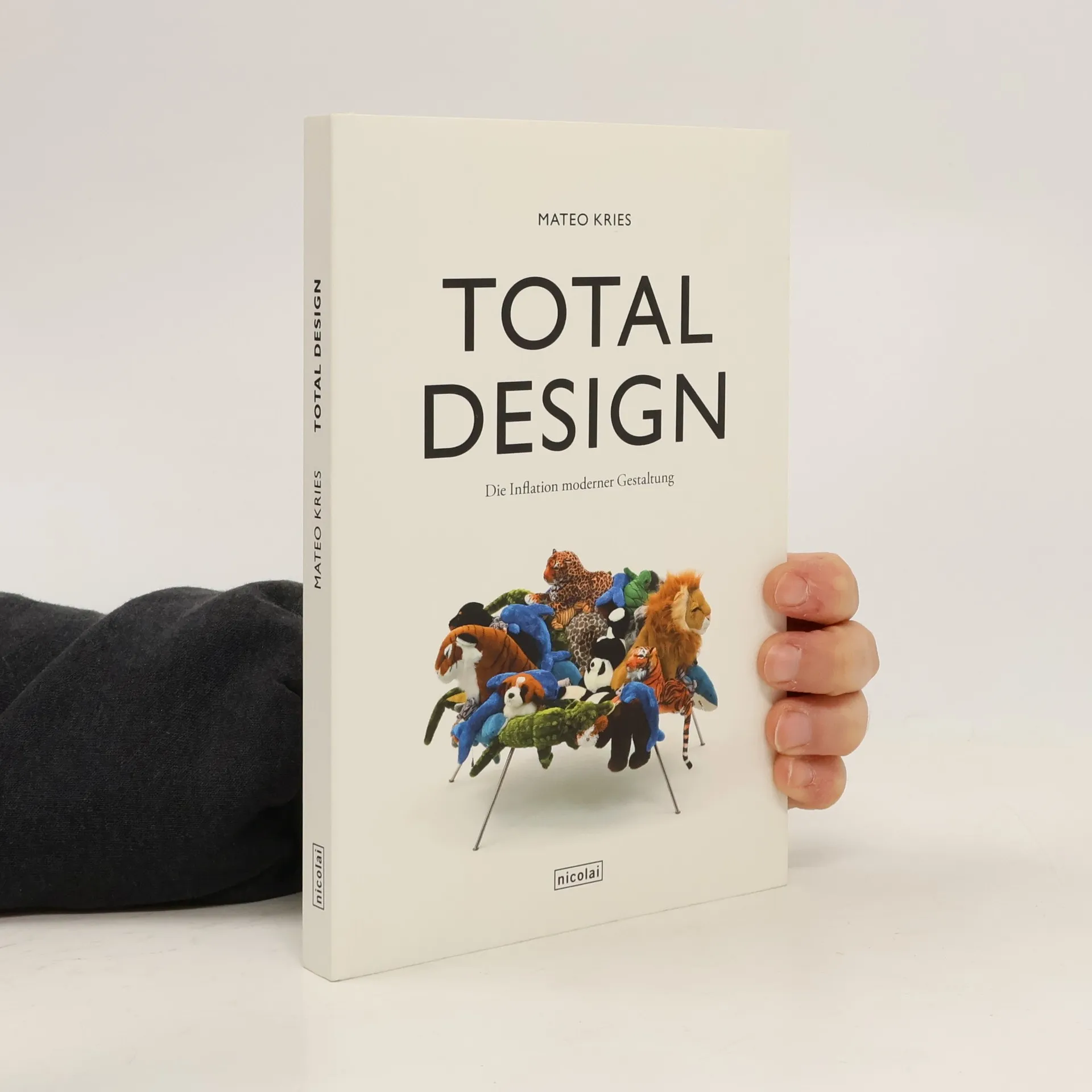
Design macht unsere Welt schöner, besser und praktischer. Ist das tatsächlich der Fall? Mateo Kries, Chefkurator des Vitra Design Museums und Autor zahlreicher Bücher über Design, untersucht aus der Perspektive des Kenners und Beteiligten in einem ebenso fundierten wie humorvollen Essay das „System Design“, dessen Strukturen, Skurrilitäten sowie Auswüchse. Er beginnt bei den Ursprüngen von Design im 19. Jahrhundert, verfolgt seine rasante Ausbreitung im Verlauf des 20. Jahrhunderts bis zur heutigen Allgegenwärtigkeit. Dass wir in einer Informations- und Risikogesellschaft leben, wird uns allen tagtäglich bewusst. Aber ist uns auch bewusst, dass wir in einer Designgesellschaft leben? Design dringt in nahezu alle Bereiche des menschlichen Lebens vor, bestimmt Lifestyle, Kommunikationsformen und soziales Verhalten, aber auch die Ökonomie und endet noch nicht einmal bei Biotechnologie und Geo-Engineering. Der Autor eröffnet eine Debatte, in der es nicht nur um Design als gesellschaftliche Leitideologie geht, sondern auch um die Frage, wie wir alle in Zukunft leben wollen. Er plädiert für eine radikale Neuausrichtung von Design auf die wirklich drängenden Probleme unserer Zeit, für die Schaffung eines echten Designbewusstseins, für mehr öffentliche Diskussion über Design – und für den Mut, sich dem Zwang zur Form im Alltag auch mal zu widersetzen.
»Hello, Robot. Design zwischen Mensch und Maschine« untersucht, wie die Robotik in unseren Alltag einzieht und zeigt, dass Design in seiner traditionellen Funktion als Vermittler unverzichtbar ist, wenn Roboter sichtbar in unserem Alltag Einzug halten sollen und nicht nur wie bisher versteckt in Waschmaschinen, Autos und Geldautomaten. Der Band verdeutlicht, wo wir den intelligenten Maschinen schon heute und in naher Zukunft begegnen können: in der Industrie, im Militär und im alltäglichen Umfeld; im Kinderzimmer und im Altersheim; in unseren Körpern und in der Cloud; beim Shoppen und beim Sex; in Computerspielen und natürlich in Film und Literatur. In ausführlichen Essays und Interviews gehen Experten wie etwa der Science-Fiction-Autor Bruce Sterling oder das Design-Duo Dunne & Raby der Frage nach, wie wir damit umgehen, dass unsere Umwelt immer digitaler, smarter und autonomer wird. Sie beleuchten unsere – oft ambivalente – Beziehung zu neuen Technologien und erörtern, welche Chancen und Herausforderungen sich uns als Individuen und als Gesellschaft in diesem Zusammenhang bieten. Dabei weitet »Hello, Robot.« der Blick für die ethischen und politischen Fragen, die sich angesichts technologischer Fortschritte in der Robotik heute stellen, konfrontiert uns jedoch auch mit den Widersprüchen, die häufig den Antworten auf diese Fragen zugrunde liegen.
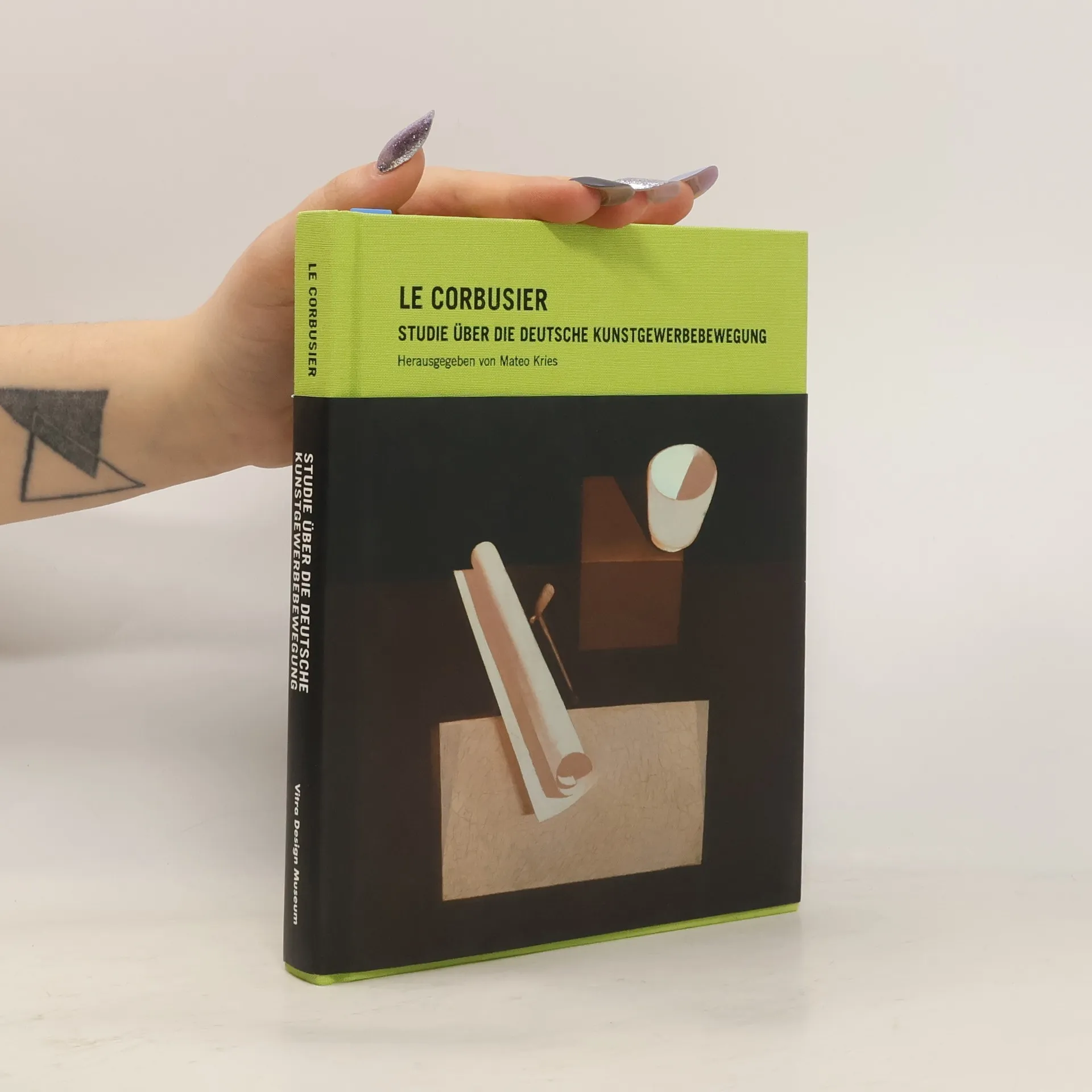
Die "Étude sur le mouvement d'art décoratif en Allemagne" von 1912 war Le Corbusiers erste eigene Publikation. Der junge Architekt analysiert darin auf luzide Weise die deutsche Kunstgewerbebewegung und ihre Protagonisten wie Peter Behrens, bei dem er 1910/11 gearbeitet hatte. Der Text ist eines der bedeutendsten Zeitdokumente zur Entstehung moderner Gestaltung in Deutschland und liefert zugleich völlig neue Erkenntnisse zur biografischen Entwicklung Le Corbusiers. Die Publikation macht den Originaltext der "Étude" erstmals in deutscher Übersetzung zugänglich. Ein ausführlicher bebilderter Kommentarteil erläutert den Text im Kontext von Kunstgewerbe, Politik und Architektur am Vorabend des Ersten Weltkrieges. Er macht deutlich, wie in der "Étude" europäische Zeitgeschichte und die Biografie des wohl bedeutendsten Architekten des 20. Jahrhunderts auf faszinierende Weise miteinander verwoben sind. (Quelle: buchhandel.de)