Percy Wyndham Lewis byl prozaik, malíř, esejista a polemik, jedna z dynamických sil počátku 20. století a klíčová postava modernismu. Založil směr vorticismu, jediné původní hnutí v anglickém malířství 20. století, a jeho raná abstraktní díla ovlivnila ruský suprematismus. Lewisova kariéra satirického romanopisce začala dílem, které jeho současníci označili za nejvýznamnější, a jednoho z mála anglických spisovatelů srovnatelných s Dostojevským. Po první světové válce se věnoval studiu politické teorie, antropologie a filozofie, čímž si vytvořil pověst jednoho z nejdůležitějších, byť svérázných, současných myslitelů. Ačkoli jeho pozdější díla a politické názory poškozovaly jeho postavení, nepřestával tvořit pozoruhodná malířská a literární díla. I přes slepotu pokračoval v psaní až do své smrti a dočkal se uznání kritiky i retrospektivní výstavy svých děl.
This work presents a sharp critique of modern democracy and mass society through the lens of Wyndham Lewis' provocative insights. It explores the pitfalls of contemporary political systems and the consequences of mass culture, offering readers a thought-provoking examination of societal issues. The book's return to print invites a new audience to engage with Lewis' challenging perspectives on the state of democracy and the individual within a collective society.
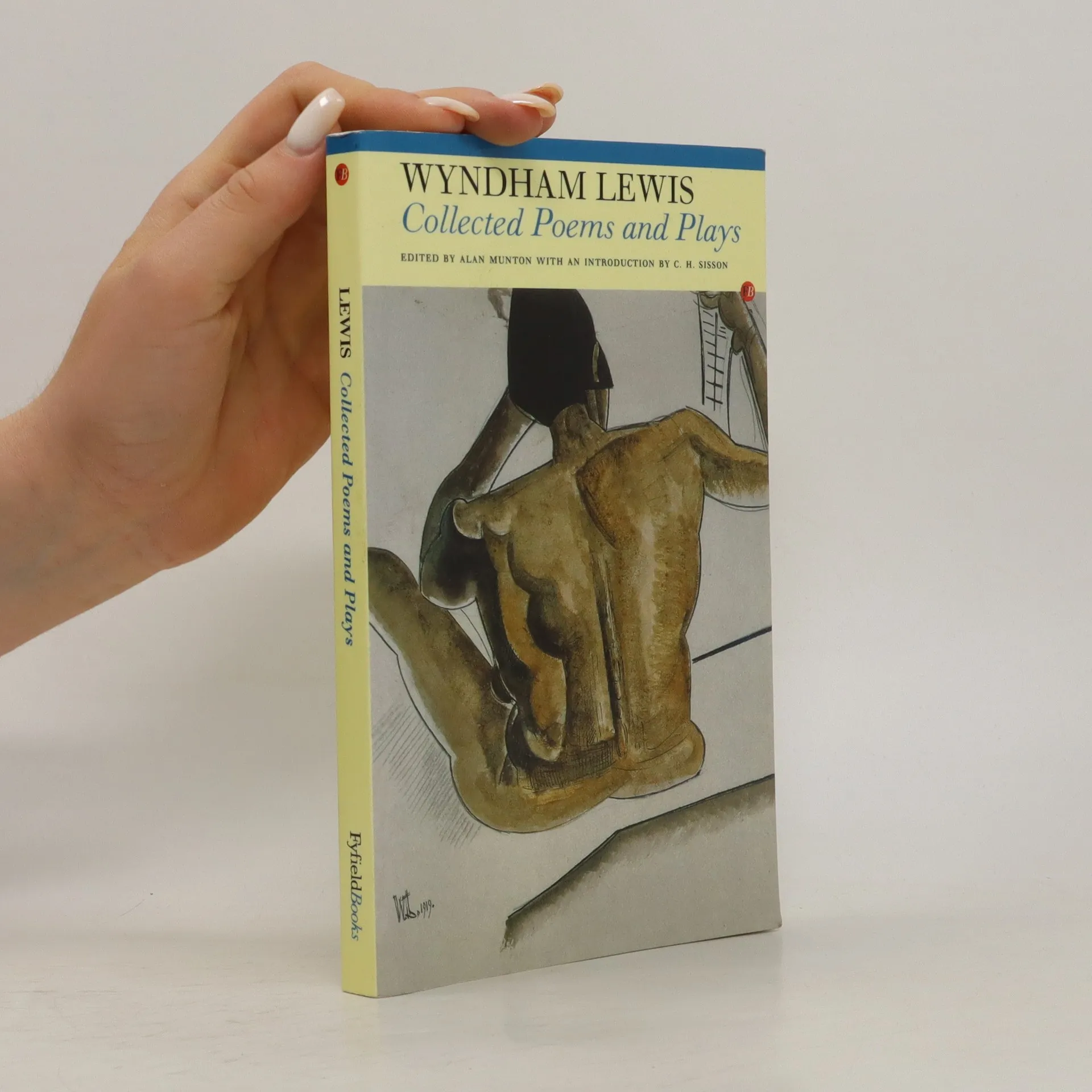
This volume includes major works such as One-Way Song and Enemy of the Stars in very different versions as well as other writings that can now be seen as central to the formation of Lewis's work. The plays and poems crackle with concentrated, brilliant, and ferocious energy as Lewis creates a literary equivalent to the visual revolutions of Cubism and Vorticism, exploring how an artist should think and write in an oppressive world.
Dust jacket art by Michael Ayrton. His last book published before his death. The psychology of an ambitious priest thwarted by his violent and domineering nature in an attempt to build up a church in the Northern regions.
In this witty exchange, Tarr playfully questions Hobson about his long hair, comparing him to figures like Walt Whitman and Shakespeare. Their banter reveals their contrasting views on personal expression and societal norms, highlighting themes of individuality and friendship through humor and clever dialogue.
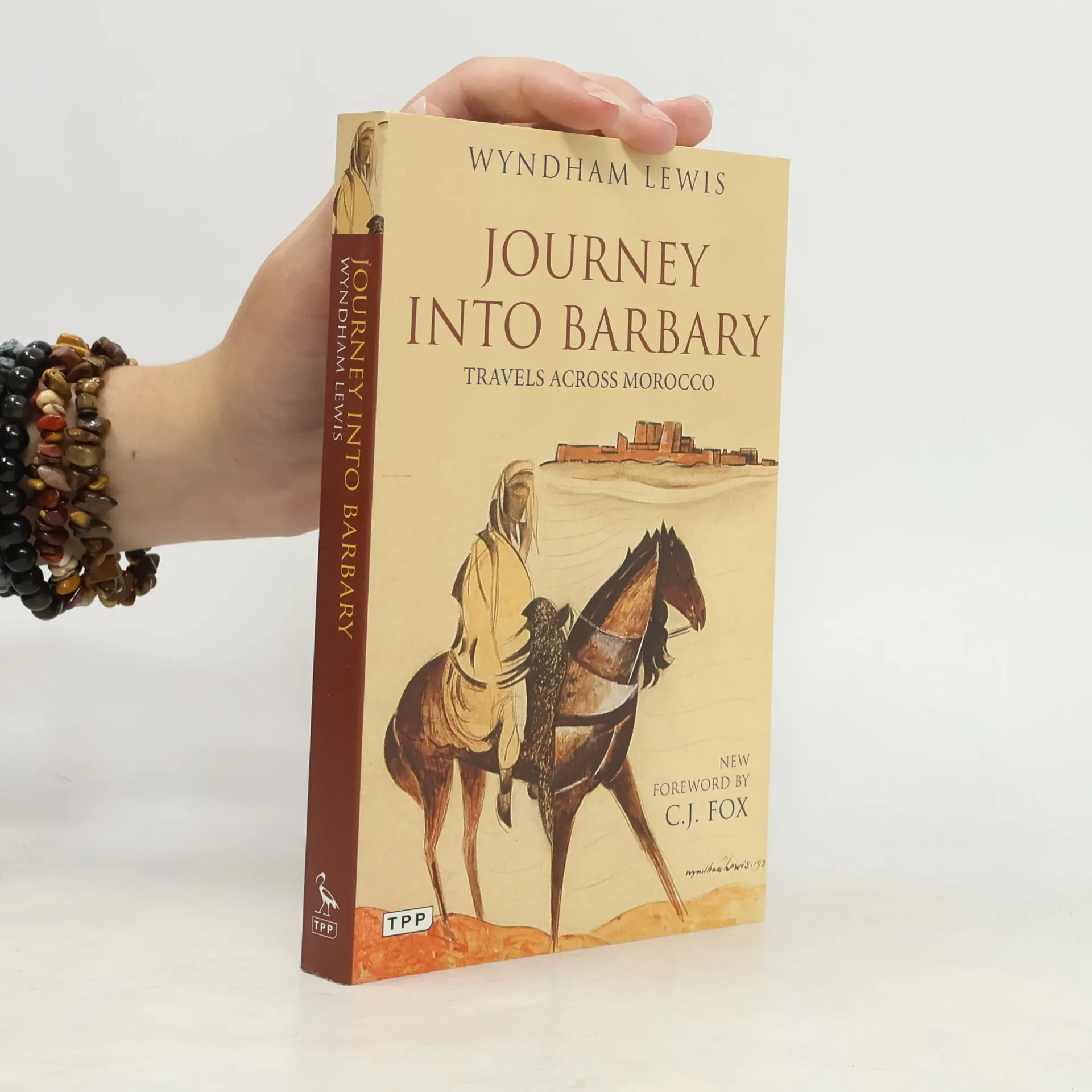
In the spring and summer of 1931, Wyndham Lewis traveled to Morocco. Escaping the furor that surrounded the publication of his controversial book on Hitler, while in Morocco, Lewis explored the culture of the Berbers of Morocco. In Journey into Barbary , Lewis provides a first-hand look into the people and culture of the region. While uncomfortable and direct at times, Lewis goes beyond the typical stereotypes of the Berber people and produces a book unlike any other for this period. Journey into Barbary is a unique look of Morocco in the 1930s as well as of Europe’s involvement and attitudes toward the region.
»Das Beste ist, wenn man das Schlimmste über die Leute weiß« – und so ist der 1930 erschienene und hier erstmals auf Deutsch vorliegende Jahrhundertroman Die Affen Gottes eine ebenso komische wie brachiale Abrechnung mit jenem Milieu, das der Maler, Avantgardist und Gründer der Vortizisten-Gruppe Wyndham Lewis allerbestens kannte: die Londoner Kunstwelt der 1910er und -20er Jahre. Vom Autor in greller Überzeichnung vorgeführt, bringt das Personal dieser monströsen Farce ein veritables Welttheater zur Aufführung, das in einem mehrere hundert Seiten langen Karneval grotesker Masken gipfelt. Lewis’ beißende Satire operiert mit einer alle Register ziehenden Kunst des Dialogs und einer Schrift- und Umgangssprache mischenden Verfremdungstechnik. Ezra Pound zog das Werk dem Ulysses von Joyce vor, andere verglichen Lewis mit Rabelais oder Aristophanes. Mit seiner Konzentration auf das Physische und Groteske ist Die Affen Gottes eine stilistische Tour de Force und in der hier erstmals vorliegenden deutschen Übersetzung ein überaus lohnendes Stück noch zu entdeckender Literatur des 20. Jahrhunderts.