Orlakovy ruce
- 112 stránek
- 4 hodiny čtení
Slavný světový horor, plný přízraků a okultismu o pianistovi, který po havárii ztratil svou virtuozitu a jehož ruce jsou zdrojem zvláštních záhad.


Maurice Renard byl francouzský spisovatel, jehož dílo se často ponořilo do sféry fantastiky a hororu. S oblibou zkoumal temnější stránky lidské psychiky a hranice vědeckého bádání, často s důrazem na tajemno a nadpřirozeno. Jeho stylistický přístup byl precizní a evokativní, což čtenářům umožnilo hluboké ponoření do jeho podmanivých světů. Renardova schopnost vytvářet napínavé a znepokojivé příběhy z něj činí pozoruhodnou postavu v žánrové literatuře.


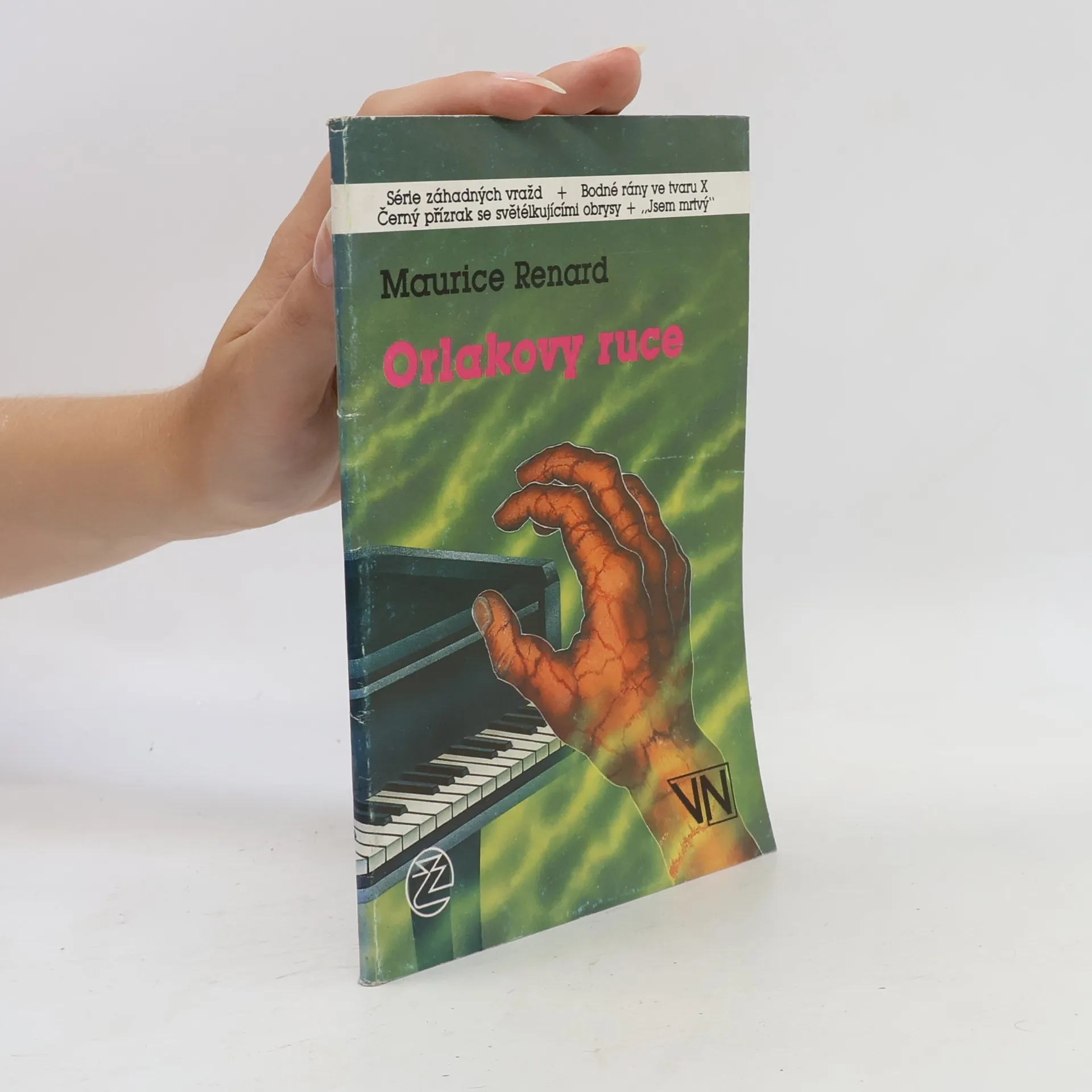
Slavný světový horor, plný přízraků a okultismu o pianistovi, který po havárii ztratil svou virtuozitu a jehož ruce jsou zdrojem zvláštních záhad.
Dobrodružný román s detektivními a scifi prvky
Maurice Renard (1875-1939) gehörte zu den Schriftstellern des „Goldenen Zeitalters“ der französischen Science-Fiction-Literatur. Er war stark beeinflusst von Jules Verne (In 80 Tagen um die Welt), Edgar Allan Poe (Die Grube und das Pendel) und H. G. Wells (Die Zeitmaschine). Dieses Buch entstand in den 20er Jahren des 20. Jh.s und erschien 1928 zum ersten Mal in deutscher Sprache.
Die Hardcover-Ausgabe gehört zur Reihe TREDITION CLASSICS, die sich der Wiederveröffentlichung bedeutender literarischer Werke aus über zwei Jahrtausenden widmet. Der Verlag tredition aus Hamburg hat es sich zur Aufgabe gemacht, vergriffene Klassiker aus verschiedenen Sprachen wieder zugänglich zu machen. Diese Initiative fördert nicht nur die Bewahrung der Literatur, sondern auch die kulturelle Vielfalt, indem sie sicherstellt, dass viele bedeutende Werke nicht in Vergessenheit geraten.
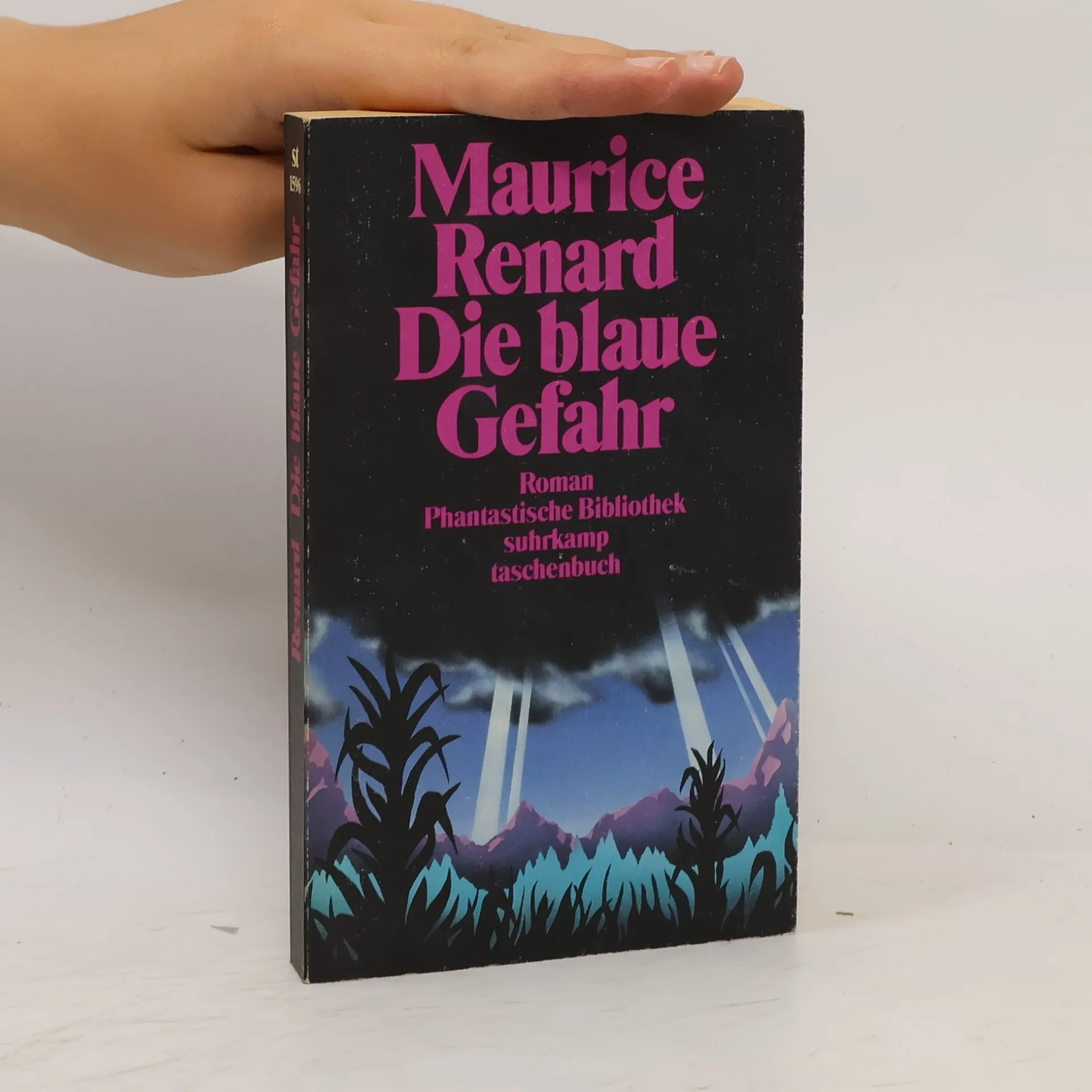
Maurice Renard prägte den Begriff "Scientific Marvel Fiction" und verfasste eine Reihe fesselnder, bahnbrechender Geschichten, die ebenso von Edgar Allan Poe wie von H.-G. Wells inspiriert sind. Die Blaue Gefahr (1911), die viele als Renards Meisterwerk betrachten, handelt von unsichtbaren, außerirdischen Wesen, die in hoher Erdumlaufbahn leben und sich durch das Eindringen des Menschen in den Weltraum bedroht fühlen. Sie rächen sich, indem sie Menschen wie Fische fangen und unsere Spezies studieren.
Im Mittelpunkt der Geschichte steht die jahrhundertealte Feindschaft zwischen den korsischen Familien Ortofieri und Christiani, die durch die Liebe von Charles Christiani zu Rita Ortofieri kompliziert wird. Charles entdeckt das mysteriöse Material Luminit, das es ihm ermöglicht, in die Vergangenheit zu blicken und die Wurzeln des Konflikts zu ergründen. Maurice Renard verknüpft in diesem Werk historische Elemente mit wissenschaftlichen Aspekten und integriert Liebes- sowie Kriminalromanelemente, inspiriert von den Theorien des Astronomen Camille Flammarion zur Chronoskopie.
Ce manuel est un grand classique. Articulé en 37 modules de cours, il offre un panorama complet des Sciences de la Terre et de l'Univers , du Big Bang à l'origine de l'Homme en passant par toutes les disciplines des Sciences de la Terre (tectonique des plaques, géologie structurale, géophysique, minéralogie, pétrographie, géochimie, géomorphologie, sédimentologie...). Cette 17 e édition, en couleur a été actualisée. De nombreux photo-reportages, téléchargeables sur dunod.com, accompagnent cet ouvrage de référence.