

Knihobot

Elizabeth Cowling

    Cubism and the Trompe l'Oeil Tradition
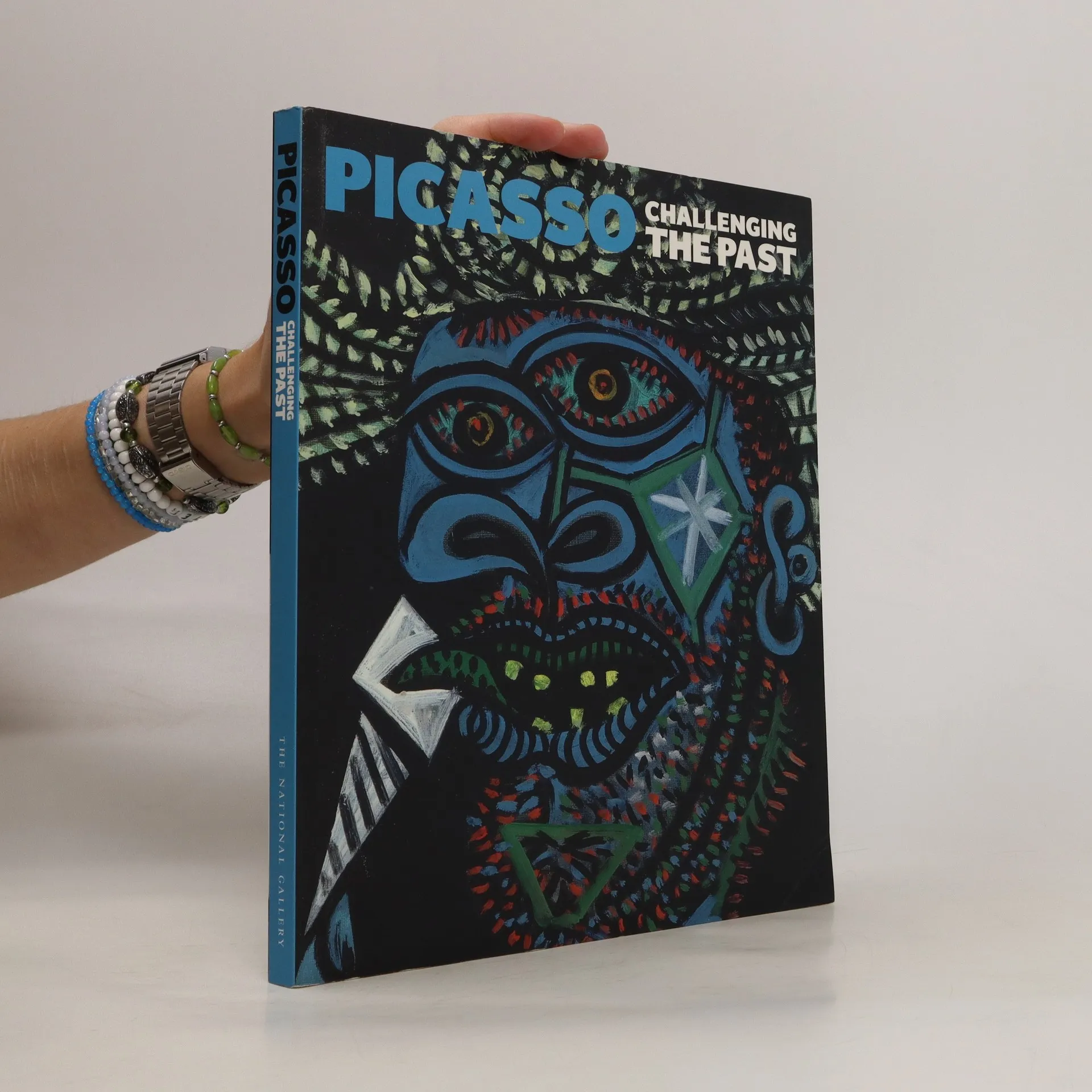
    Picasso : challenging the past
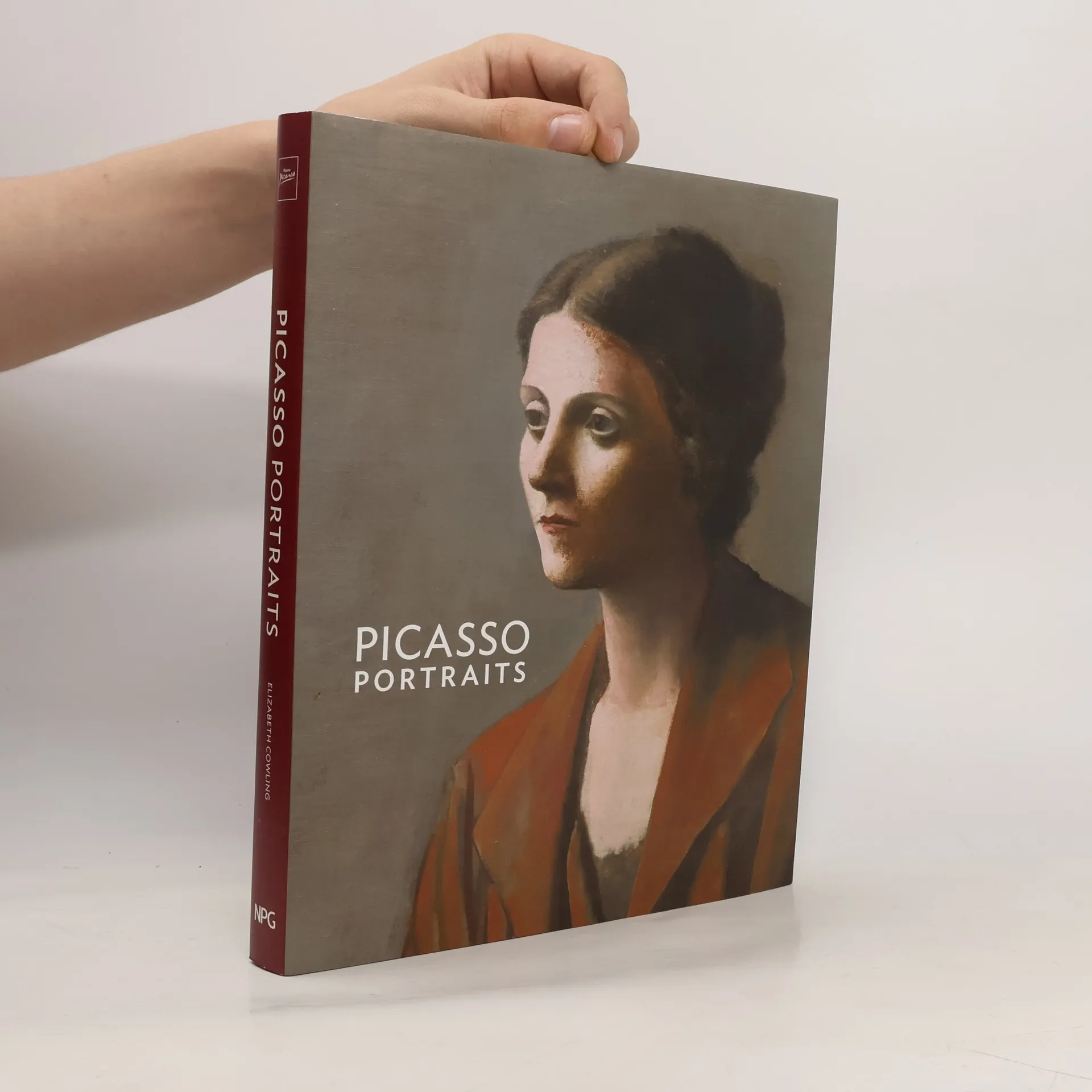
    Picasso Portraits
    • Picasso Portraits

      • 255 stránek
      • 9 hodin čtení
      4,4(13)Ohodnotit

      For all his radical originality, Picasso remained in constant dialogue with the art of the past and his portraits often alluded to canonical masterpieces, chosen for their appropriateness to the looks and personality of his subject. This book focuses not only on Picasso's life story but his creative process.

      Picasso Portraits
    • Picasso : challenging the past

      • 176 stránek
      • 7 hodin čtení
      3,7(7)Ohodnotit

      This thought-provoking book presents a lively introduction to the 20th century's most important artist, Pablo Picasso. Picasso was a passionate student of the European painting tradition, and his memory for images was voracious. Naturally drawn to Spanish masters Velázquez and Goya, he also engaged with such figures as Rembrandt, Delacroix, Ingres, Manet, and Cézanne. Picasso repeatedly pitted himself against these masters, taking up their signature themes, techniques, and artistic concerns in audacious paintings of his own. Sometimes his "quotations" were direct, other times highly allusive. Always, Picasso made the implicit case that it was he in the 20th century who most forcefully reinvigorated the European tradition. This book showcases his extraordinary work, where we witness the daring transformation of the art of the past into, in Picasso's own words, "something else entirely."

      Picasso : challenging the past
    • Cubism and the Trompe l'Oeil Tradition

      • 288 stránek
      • 11 hodin čtení

      Exploring the innovative perspectives of Cubism, the book delves into the lesser-known elements of the artistic contributions of Picasso, Braque, and Gris. It presents a fresh interpretation that enhances the understanding of their work and the movement itself, shedding light on the complexities and nuances that have often been overlooked.

      Cubism and the Trompe l'Oeil Tradition