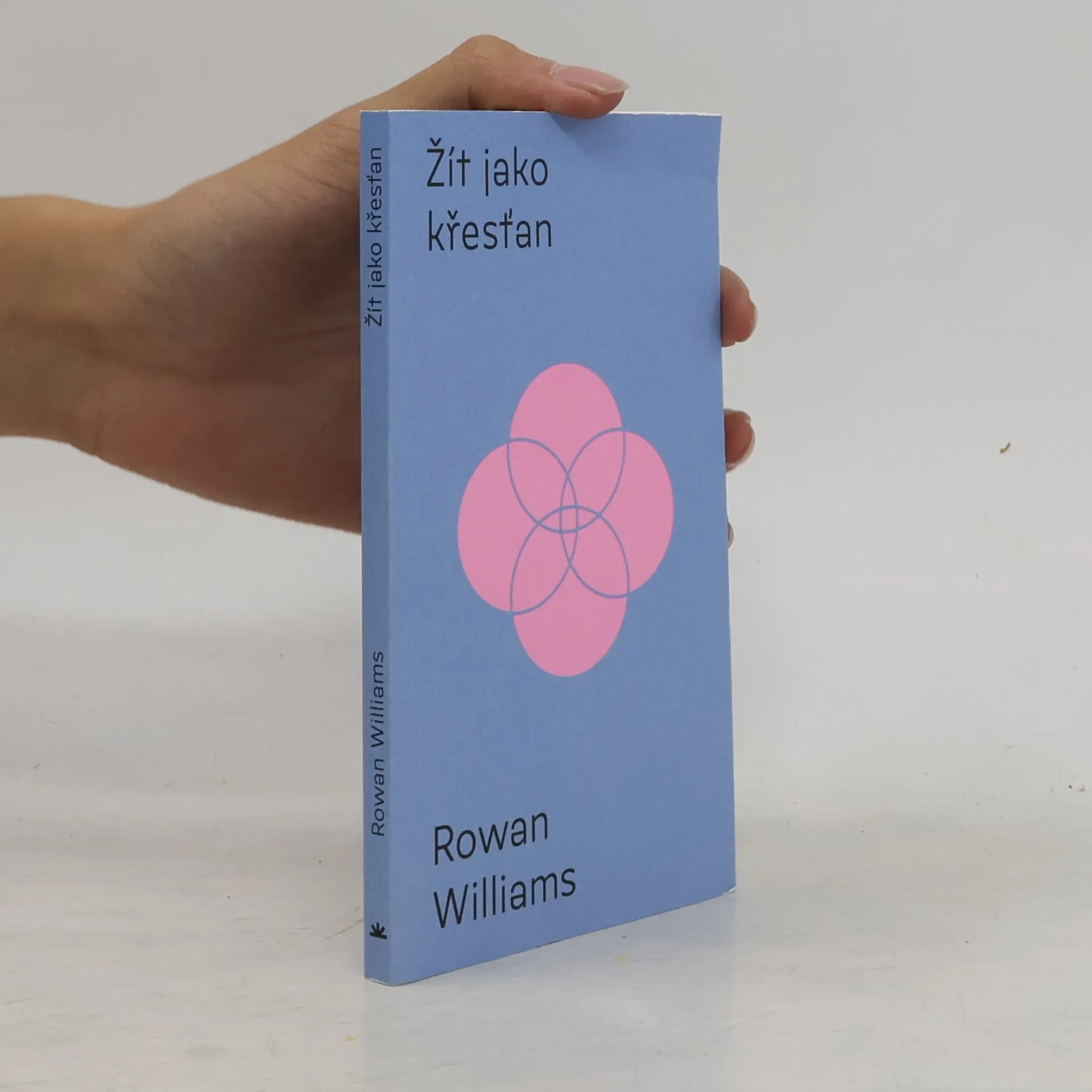
Rowan Williams je uznávaný básník a teolog, jehož dílo se hluboce zabývá otázkami víry, identity a smyslu lidské existence. Jeho poezie se vyznačuje introspektivní hloubkou a bohatým jazykem, často prozkoumává složité vztahy mezi duchovním a světským životem. Williams se ve své tvorbě snaží propojit teologické myšlení s uměleckým vyjádřením, čímž čtenářům nabízí podnětné vhledy do lidské zkušenosti. Jeho literární přínos spočívá ve schopnosti zprostředkovat komplexní myšlenky přístupnou a působivou formou.
Křest, Bible, eucharistie, modlitba. Esej o křesťanské identitě z pera
někdejšího arcibiskupa z Canterbury. Co znamená by´t křesťan? Co odlišuje
křesťanství od jiny´ch vyznání? Co je společné křesťanům všech míst a všech
dob? Rowan Williams neodpovídá vy´kladem věroučny´ch článků, ale toho, co
křesťané dělají: křtí — čtou Bibli — slaví večeři Páně — modlí se. Knížka jeho
citlivě napsany´ch úvah, čerpající z pokladu společné křesťanské tradice, je
přehledná a srozumitelná, současně však čtenáře zve na hlubinu a nespokojuje
se s laciny´mi odpověďmi.
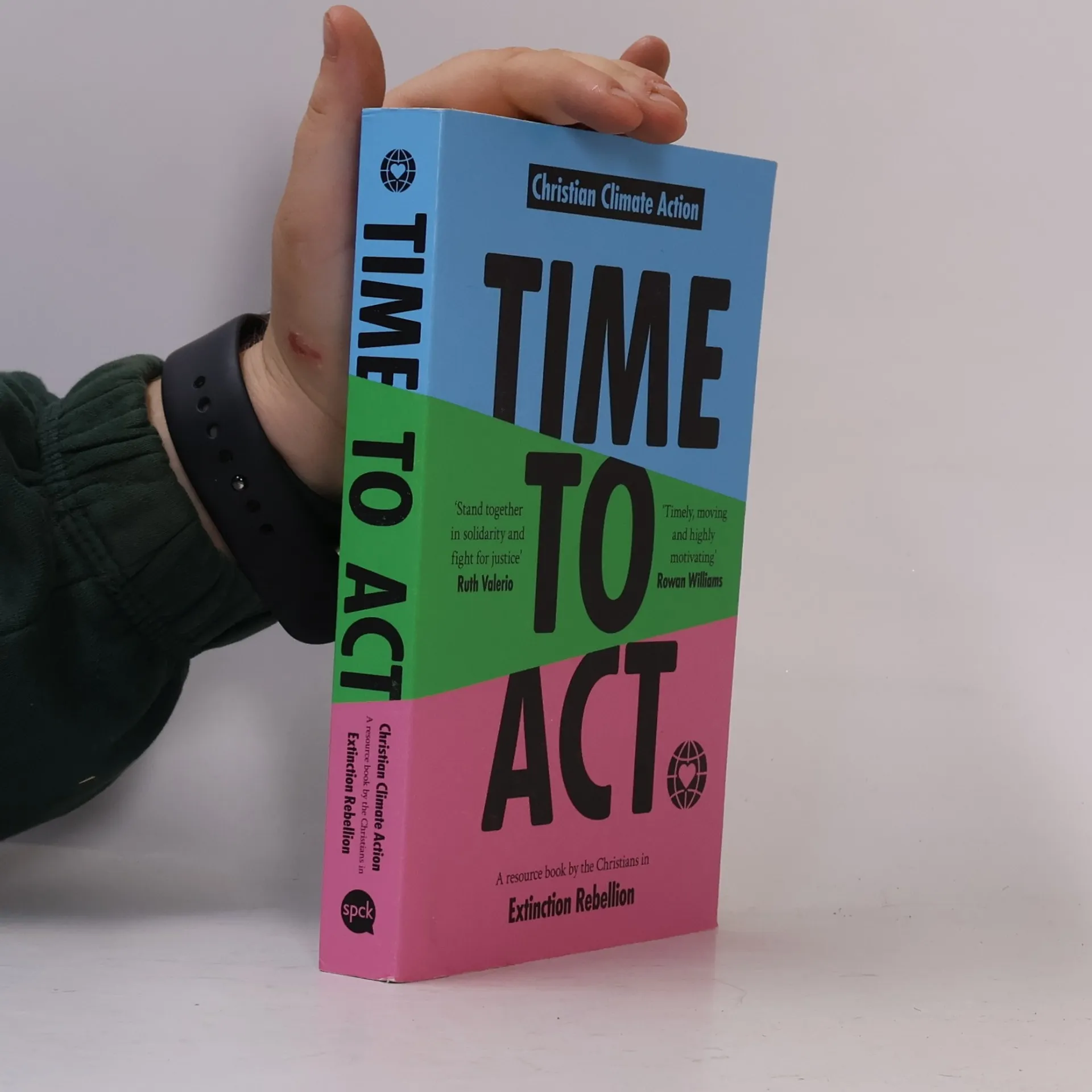
The collection features three plays by Rowan Williams, showcasing his multifaceted talents as a poet and critic alongside his role as a religious leader. Each play delves into the intricate relationship between language and imagery, inviting readers to reflect on the deeper meanings and emotional landscapes that words can convey. Through these works, Williams offers a unique exploration of spirituality and the human experience.
There is an unresolved tension in Dostoevsky's novels - a tension between
believing and not believing in the existence of God. This book enables us to
consider the nature of God in the 21st Century through the lens of
Dostoevsky's novels.
Rowan Williams addresses profound theological and societal questions from the late twentieth century, blending academic, spiritual, and political insights. Drawing from two decades of teaching and pastoral experience, this collection reflects his engagement with both historical theological traditions and contemporary issues in theology and philosophy. It serves as a significant contribution to understanding the interplay between faith and modern societal challenges.
Rowan Williams explores the essential meaning and purpose of St Mark's Gospel
for complete beginners - as well as for those who've read the Gospel many
times before and want to see it in a fresh light.
The great work of Welsh literature, translated in full for the first time in more than 100 years by two of its country’s foremost poetsTennyson portrayed him, and wrote at least one poem under his name. Robert Graves was fascinated by what he saw as his work’s connection to a lost world of deeply buried folkloric memory. He is a shapeshifter; a seer; a chronicler of battles fought, by sword and with magic, between the ancient kingdoms of the British Isles; a bridge between old Welsh mythologies and the new Christian theology; a sixth-century Brythonic bard; and a legendary collective project spanning the centuries up to The Book of Taliesin’s compilation in fourteenth-century North Wales. He is, above all, no single “he.”The figure of Taliesin is a mystery. But of the variety and quality of the poems written under his sign, of their power as exemplars of the force of ecstatic poetic imagination, and of the fascinating window they offer us onto a strange and visionary world, there can be no question. In the first volume to gather all of the poems from The Book of Taliesin since 1915, Gwyneth Lewis and Rowan Williams’s accessible translation makes these outrageous, arrogant, stumbling and joyful poems available to a new generation of readers.
Rowan Williams explores the essentials of Paul's thought for complete
beginners - as well as for those who've read Paul's letters many times before
and want to see them in a fresh light.