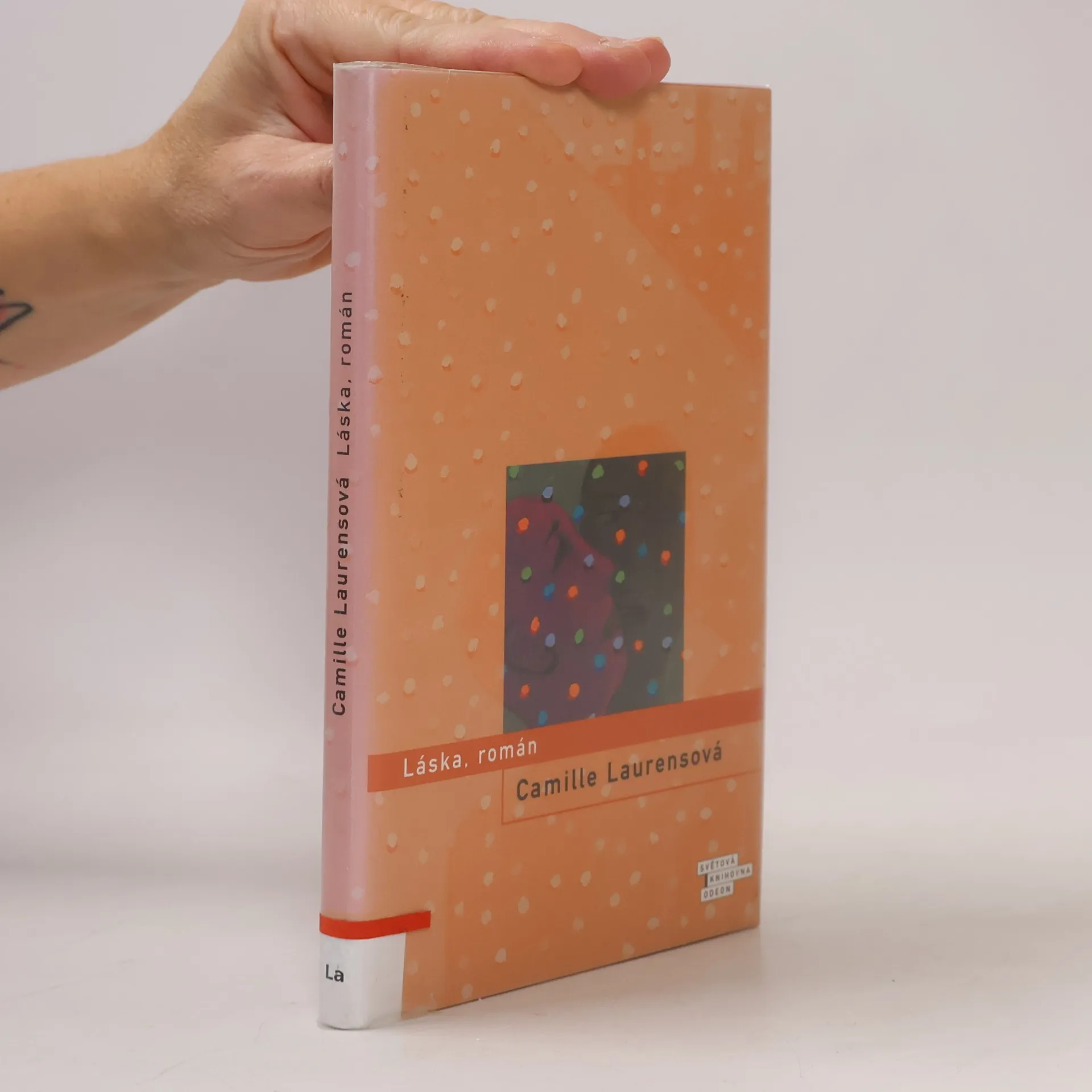
Text francouzské autorky s prvky románu, novely i eseje je: „kniha, která zpívá a přemýšlí o jediném, o lásce.“ Autorčiným stálým tématem, při němž střídá styly i žánry, je i v této, už deváté, knize láska. Vyprávění, v němž popisuje historii lásek i údělů žen svého rodu počínaje prababičkou a konče jejím vlastním manželstvím i mimomanželským vztahem, má výrazně autobiografickou podobu. Příběhy žen jsou proloženy úvahami o úskalích mezilidských vztahů, postřehy o roli a postavení ženy, i otevřeným líčením milostných prožitků. Autorka se snaží o rozbor různých podob a tváří lásky, ale kromě toho si dokáže i okouzleně pohrávat s jazykem a této své knihy si cení nejvíce ze své dosavadní tvorby. Doprovozeno četnými výroky slavných, zejména maxim vévody de la Rochefoucauld.
Camille Laurens Knihy
Camille Laurens zkoumá mužské postavy s odstupem, který jí umožňuje hluboké zamyšlení. Místo aby je oslovovala přímo, pozoruje je a zachycuje jejich obrazy jako odraz v klidné vodě. Udržuje si odstup, aby je mohla reflektovat, a muži tak zůstávají před ní, jako cestující ve starých vlacích sedící naproti přes stolek, zatímco ona píše. Její přístup tak odhaluje intimní pohled na odlišné pohlaví.


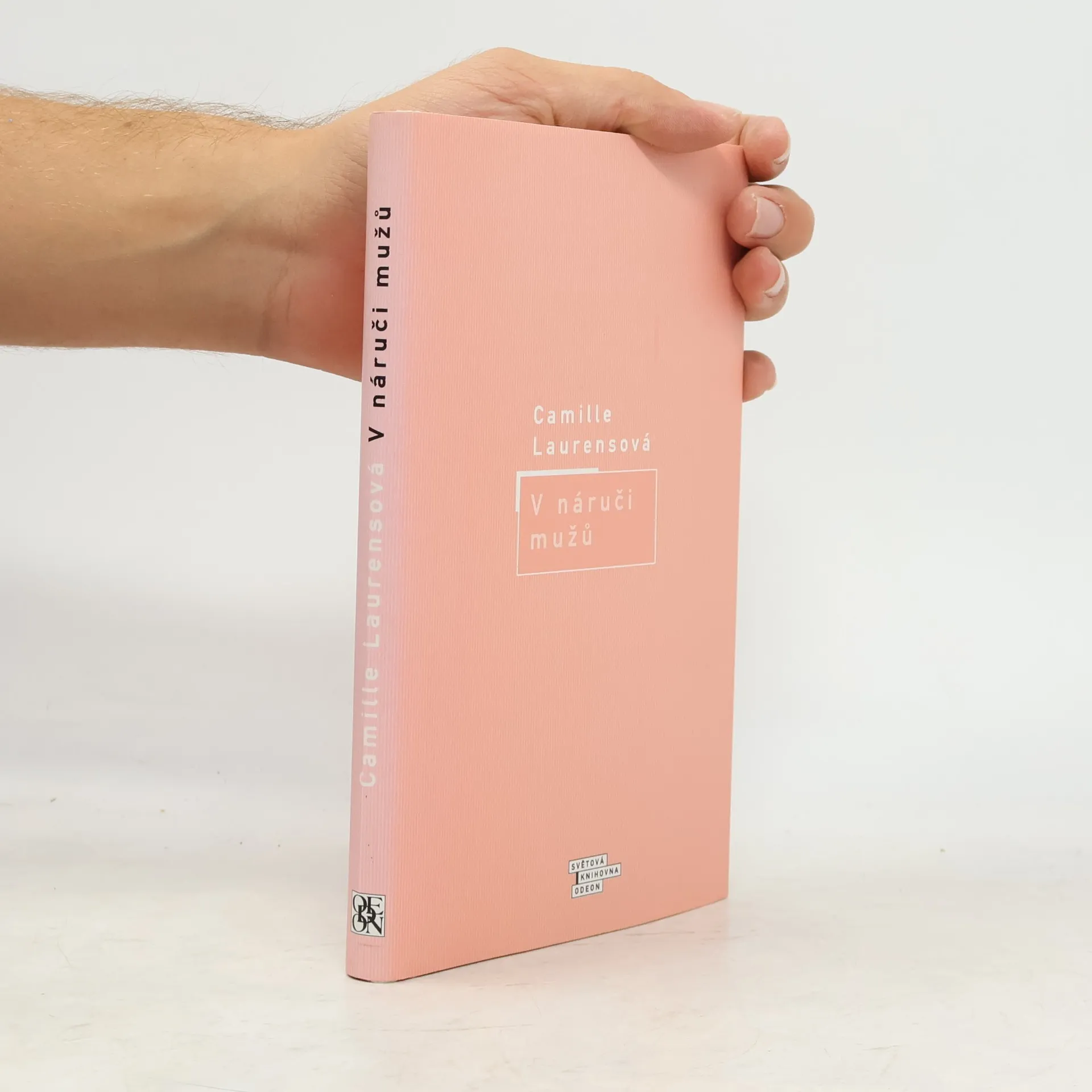
V náruči mužů
- 204 stránek
- 8 hodin čtení
Reflexe o mužích hrdinčina života jako ústřední linie, k níž se vše váže a z níž vše vychází. Autorka se výslovně odříká jakékoli autenticity vzpomínek a zážitků své hrdinky, ale přesto – neustálé přecházení od „ich formy“ k třetí osobě jí umožňuje oscilovat mezi osobní výpovědí a odosobněnou reflexí. Autorčina hrdinka Camille tak vzpomíná na všechny muže svého života, od otce a dědečka přes první a další lásky, manžela, milence i muže, kteří ji pouze okouzlili a zmizeli, protože muži a vztahy s nimi jsou to jediné, co pokládá za opravdu důležité. Některé jsou zraňující a v jejím životě zanechaly nesmazatelnou stopu, jiné prchavé, jakoby snové, ale ne méně důležité. Postavení muže a ženy ve vztahu bere jako součást lásky, nepropadá sebelítosti ani feministické bojovnosti. Vyrovnaná samozřejmost, s níž autorka/hrdinka k mužům přistupuje, jí umožňuje je opravdu milovat i s jejich chybami a v jejich odlišnosti....
Girl
- 224 stránek
- 8 hodin čtení
From the acclaimed author of Little Dancer Aged Fourteen, a deeply personal and insightful account of being a girl, woman, and mother in a world that sees the feminine as less than. Born in 1959 to a middle-class family, Laurence Barraqué grows up with her sister in the northern city of Rouen. Her father is a doctor, her mother a housewife. She understands from an early age, by way of language and her parents’ example, that a girl’s place in life is inferior to a boy’s: Asked for the 1964 census whether he has any children, her father promptly responds, “No. I have two daughters.” When Laurence eventually becomes a mother herself in the nineties, she grapples with the question of what it means to be a girl, to have a girl, and what lessons she should try to pass down or undo. Masterful in her analysis of the subtle and obvious ways women are undermined by a sexist society, Camille Laurens lays out her experiences of the past forty years in this poignant, powerful book. Girl is at once intimate and sweeping in its depiction of the great challenges we face, such as equalizing the education system and transmitting feminist values to the younger generations.
Little Dancer Aged Fourteen: The True Story Behind Degas's Masterpiece
- 176 stránek
- 7 hodin čtení
The narrative delves into the life of the real dancer who inspired Degas's famous sculpture, exploring her personal struggles and the challenges faced by women in late nineteenth-century Paris. It offers a poignant look at the intersection of art and reality, revealing the often-overlooked stories of those who inspired renowned artists. Through this lens, the book captures the vibrant yet harsh atmosphere of Paris during that era, highlighting themes of resilience and artistic inspiration.
Little Dancer Aged Fourteen
- 176 stránek
- 7 hodin čtení
This absorbing work uncovers the story of the real dancer behind Degas's now- iconic sculpture. Drawing on a wealth of historical material as well as her own love of ballet, Camille Laurens presents a compelling portrait of Marie van Goethem and the world she inhabited.
So wie du mich willst
Roman | »Vielleicht ist Camille Laurens die amtierende Königin der Autofiktion.« Daniela Dröscher
Gefährliche Liebschaften einer Frau in den mittleren Jahren Ihr Name ist Claire, sie ist 48 Jahre alt, Literaturprofessorin und geschieden. Um Jo, ihren wankelmütigen Geliebten, im Auge zu behalten, erstellt sie ein gefälschtes Facebook-Profil: Dort wird sie zu einer vierundzwanzigjährigen, alleinstehenden, brünetten jungen Frau, und das Foto, auf dem sie so schön ist, ist nicht ihr eigenes. Als diese fiktive Doppelgängerin schreibt sie mit dem sehr viel jüngeren Christophe – und verwickelt sich in eine Liebesgeschichte, wie sie nur der Cyberspace erzählen kann. In einem Vexierspiel zwischen realer und virtueller Welt erzählt Camille Laurens von einer Frau, die im Leben fast alles hat, bis sie im besten Alter unsichtbar wird. Und die sich weigert, ihr Begehren aufzugeben.
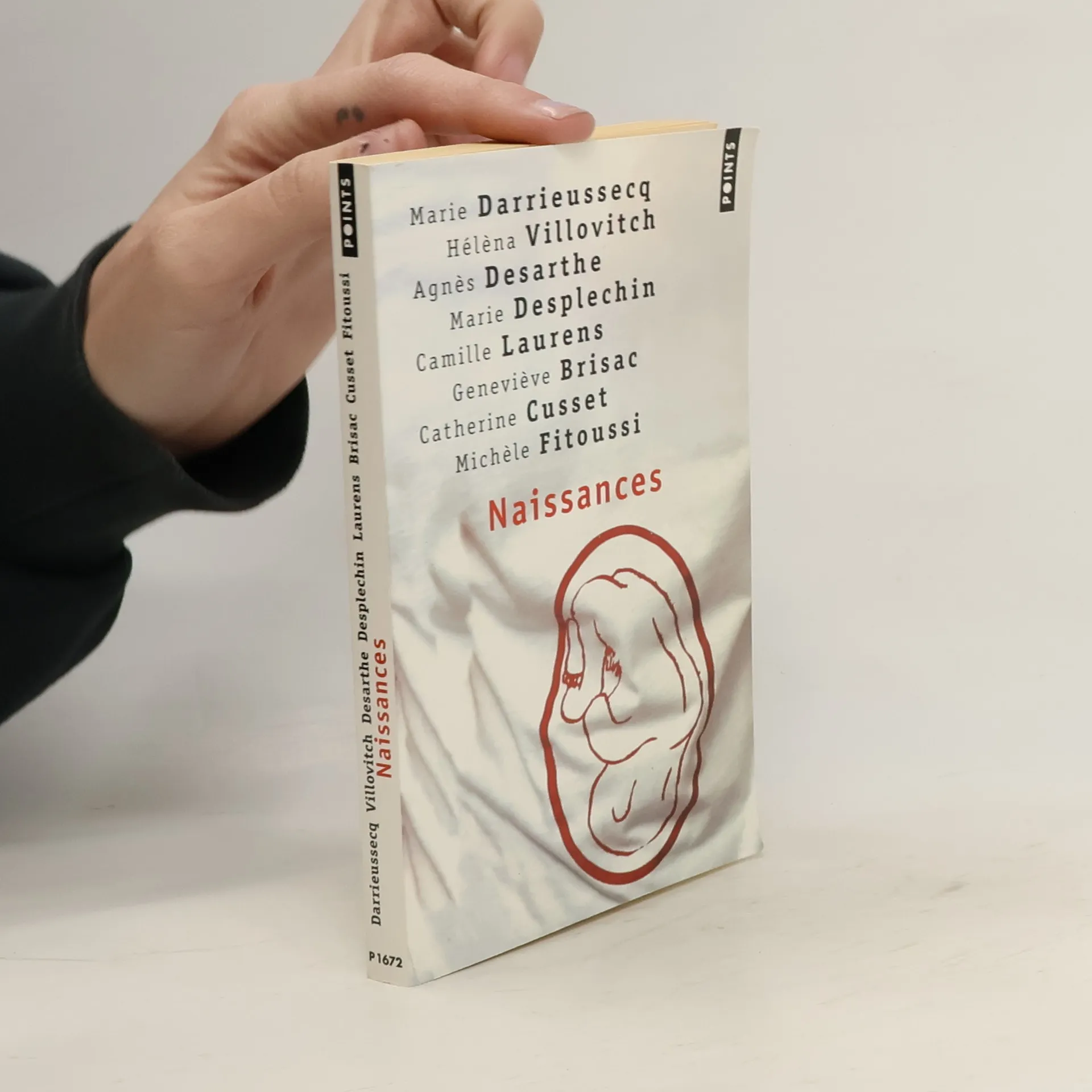
Drôles, impudiques, vraies. Huit romancières en liberté évoquent le mystère de la naissance : émerveillement, sérénité, partage, mais aussi violence, incompréhension, désarroi. De la conception originelle à la troublante délivrance, loin des clichés, des tranches de vie pleines d''émotion, de douleur et de tendresse.
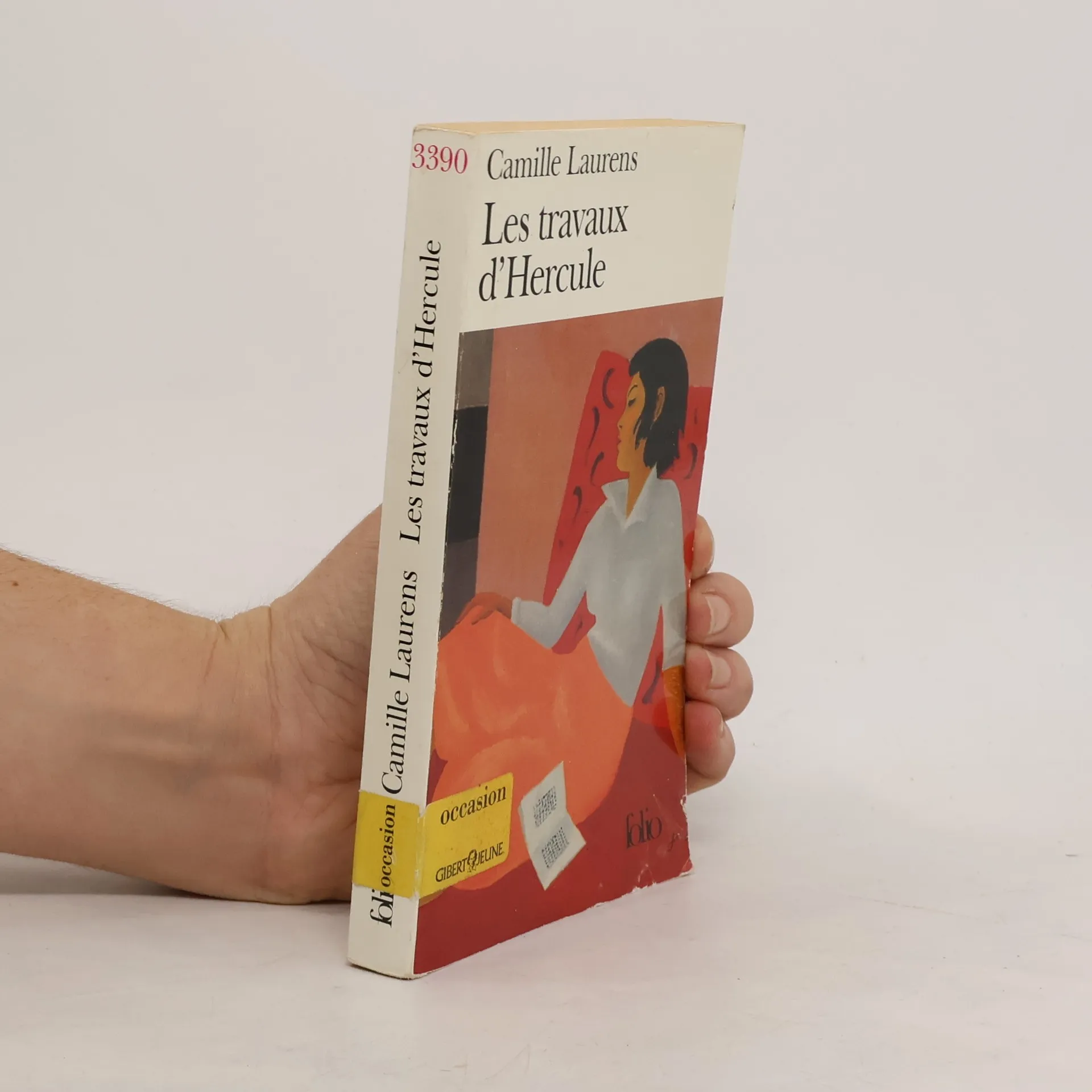
La mission du "privé" ressemble à des vacances an soleil, tous frais payés, même si la mystérieuse commanditaire dissimule ses traits, même si le jeu consiste, en fait, à trouver une aiguille dans une botte de foin. Parti à la recherche d'un Jacques, il découvre qu'en fait c'est un Simon qui a disparu sans laisser d'adresse, avec femme, enfant, et même chien. il découvre des secrets, des complicités, des silences qui en disent long. mais si l'enquête semble avancer bon train, il s'avère aussi que la recherche de la vérité est semblable à un chemin jalonné d'obstacles aux allures de miroirs ! A l'issue d'un parcours initiatique digne d'Hercule, notre héros trouvera la réponse tant désirée. Mais comme, dans l'intervalle, la question a changé, peut-être ne sera-t-il plus rien d'autre, alors, que le protagoniste de l'un de ces romans modernes où les demi-dieux échouent et où les amants ne sont pas dignes d'être aimés.
Es ist ein Mädchen
- 256 stránek
- 9 hodin čtení
»Exakt so kraftvoll wie Annie Ernaux.« Hamburger Abendblatt »Haben Sie Kinder?«, wird der Vater gefragt. »Nein, ich habe zwei Mädchen«, antwortet er. – Diese Szene ist eine der ersten Erinnerungen einer Frau, die um 1960 in gutbürgerlichen Verhältnissen in Rouen aufwächst. Was folgt, ist ein Leben, wie es exemplarisch scheint für ihre Generation: Laurence befreit sich aus der Enge des Elternhauses, erlebt sexuelle Freiheit, aber auch Gewalt, sie verliert einen Sohn bei der Geburt und bringt eine Tochter zur Welt. Und mit dieser Tochter, die sich allen Rollenzuschreibungen entzieht, öffnet sich etwas – auch für Laurence und ihr Leben als Frau. Aus dem Besonderen eines Frauenschicksals leitet dieser klug konstruierte Roman ab, was im Allgemeinen folgt, nachdem es heißt: »Es ist ein Mädchen.«
Romance
- 288 stránek
- 11 hodin čtení
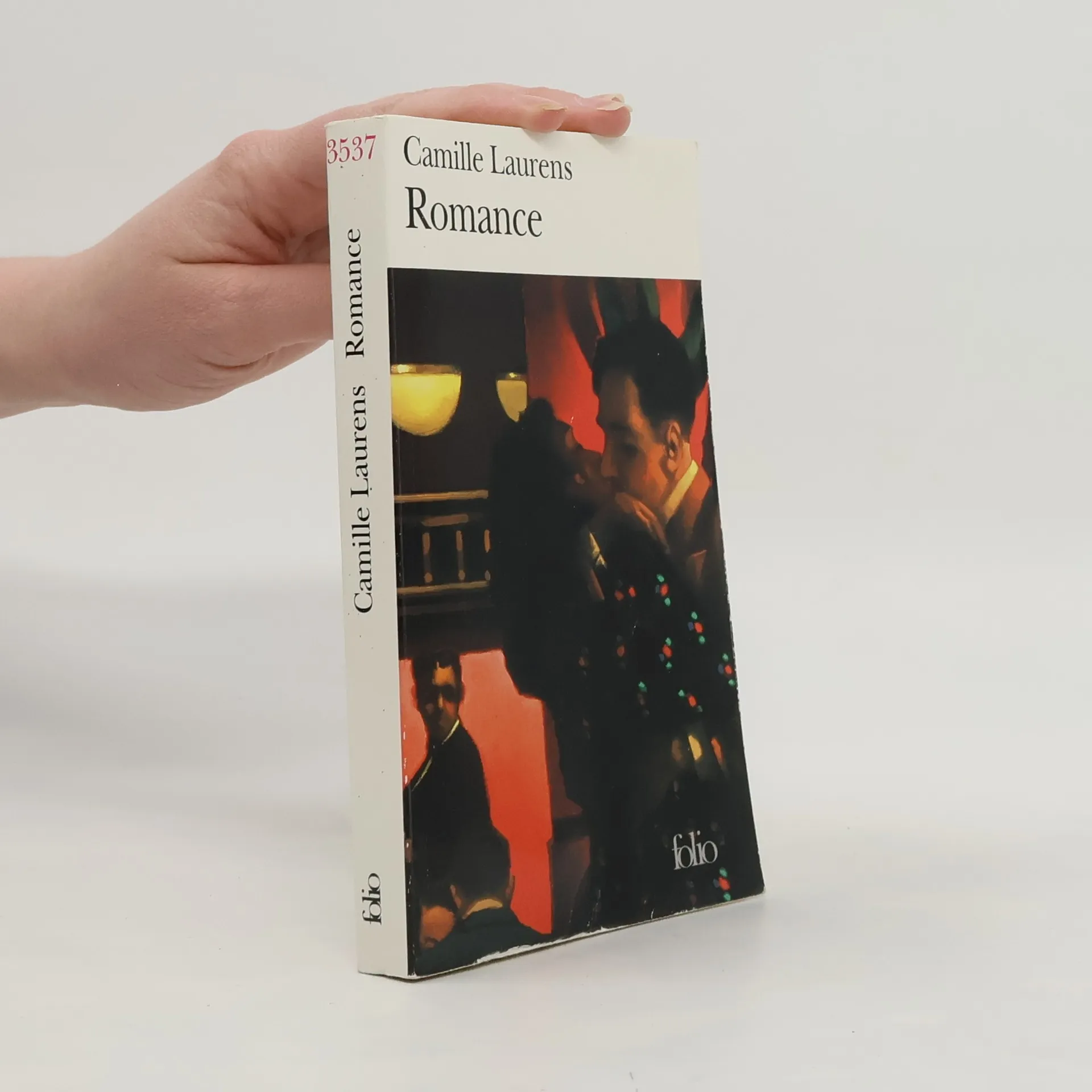
Chansons, maisons, frissons. Héros des stades, bourreaux des coeurs. Idylles, hymens, séparations. Ces fragments assemblés forment une vie, des vies, une succession d'images qui se ressemblent sans se répéter tout à fait. Mythologie familiale, histoire d'amour ? Et si Romance n'était pas ce roman, mais un écran qui cache autre chose ? Si l'on s'était laissé prendre à l'illusion ? Et si, en donnant un léger tour au kaléidoscope, c'était la reconstitution d'un meurtre qui, sur un air de valse, se dessinait ?
Ni toi ni moi: Ausgezeichnet mit dem Prix Fémina 2000
- 321 stránek
- 12 hodin čtení
Un réalisateur entend à la radio une conférence d'une jeune femme intitulée "L'homme pour ma mort". Il demande à l'auteure de lui prêter le manuscrit pour une adaptation. Le roman de Camille Laurens explore le phénomène de l'amour, son apparition et sa disparition.