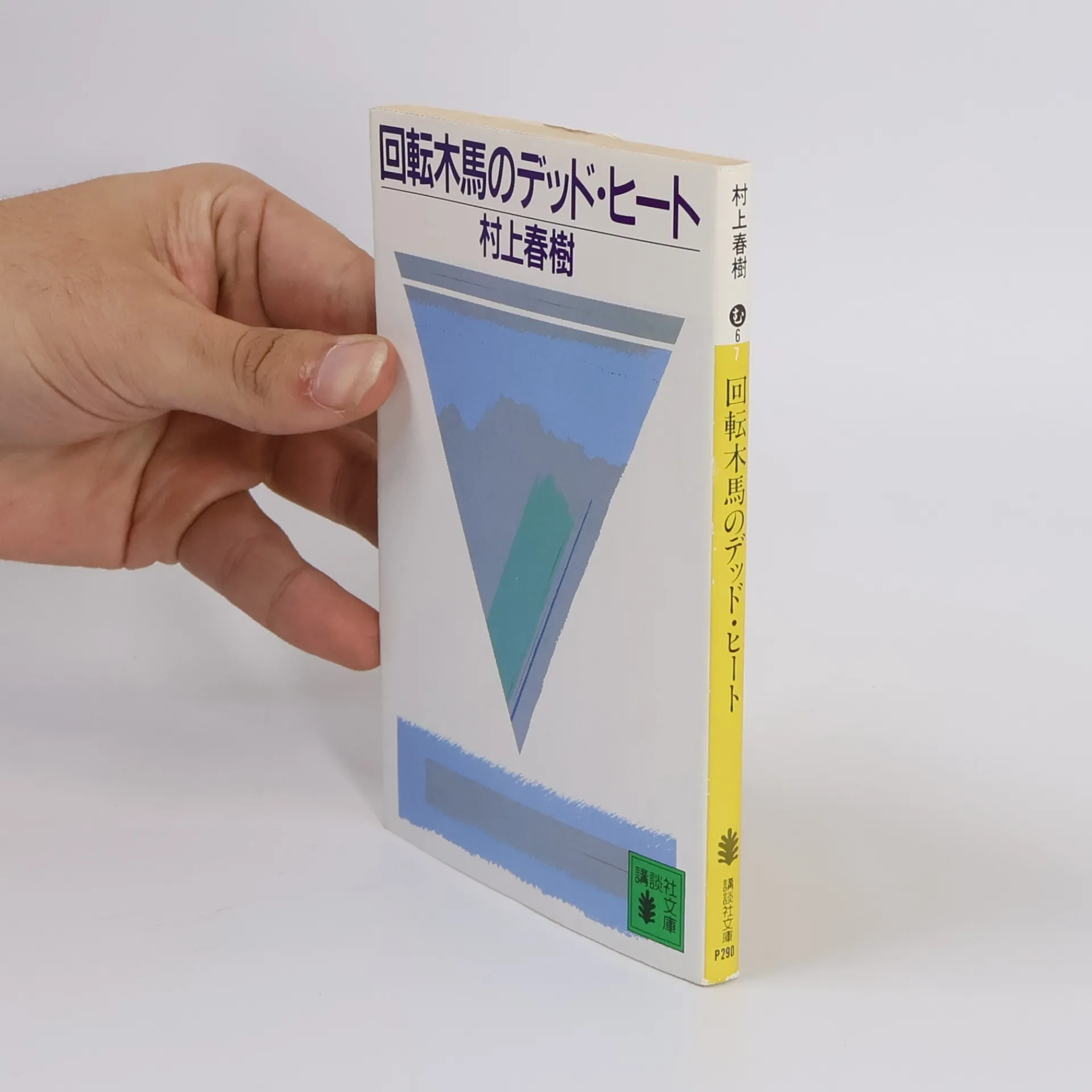
Haruki Murakami Pořadí knih (chronologicky)
12. leden 1949
Haruki Murakami je japonský spisovatel, který propojuje realismus s magickými a surrealistickými prvky. V románech jako Norské dřevo nebo Kafka na pobřeží se soustředí na osamělost, paměť a hledání smyslu. Jeho jazyk je prostý, ale poetický, s rytmickým tempem a hudební citlivostí. Kombinuje západní kulturu s japonskou melancholií.


Vintage Classics Japanese Series: Norwegian Wood
- 400 stránek
- 14 hodin čtení
Norwegian Wood
- 416 stránek
- 15 hodin čtení
The haunting, enigmatic love story that turned Murakami into a literary superstar in Japan, and is his bestselling title throughout the world Autumn 1969, and soon I would be 20. When he hears her favourite Beatles song, Toru Watanabe recalls his first love Naoko, the girlfriend of his best friend Kizuki. Immediately he is transported back almost twenty years to his student days in Tokyo, adrift in a world of uneasy friendships, casual sex, passion, loss and desire - to a time when an impetuous young woman called Midori marches into his life and he has to choose between the future and the past. 'Such is the exquisite, gossamer construction of Murakami's writing that everything he chooses to describe trembles with symbolic possibility' Guardian 'Poignant, romantic and hopeless, it beautifully encapsulates the heartbreak and loss of faith' Sunday Times 'A masterly novel' New York Times
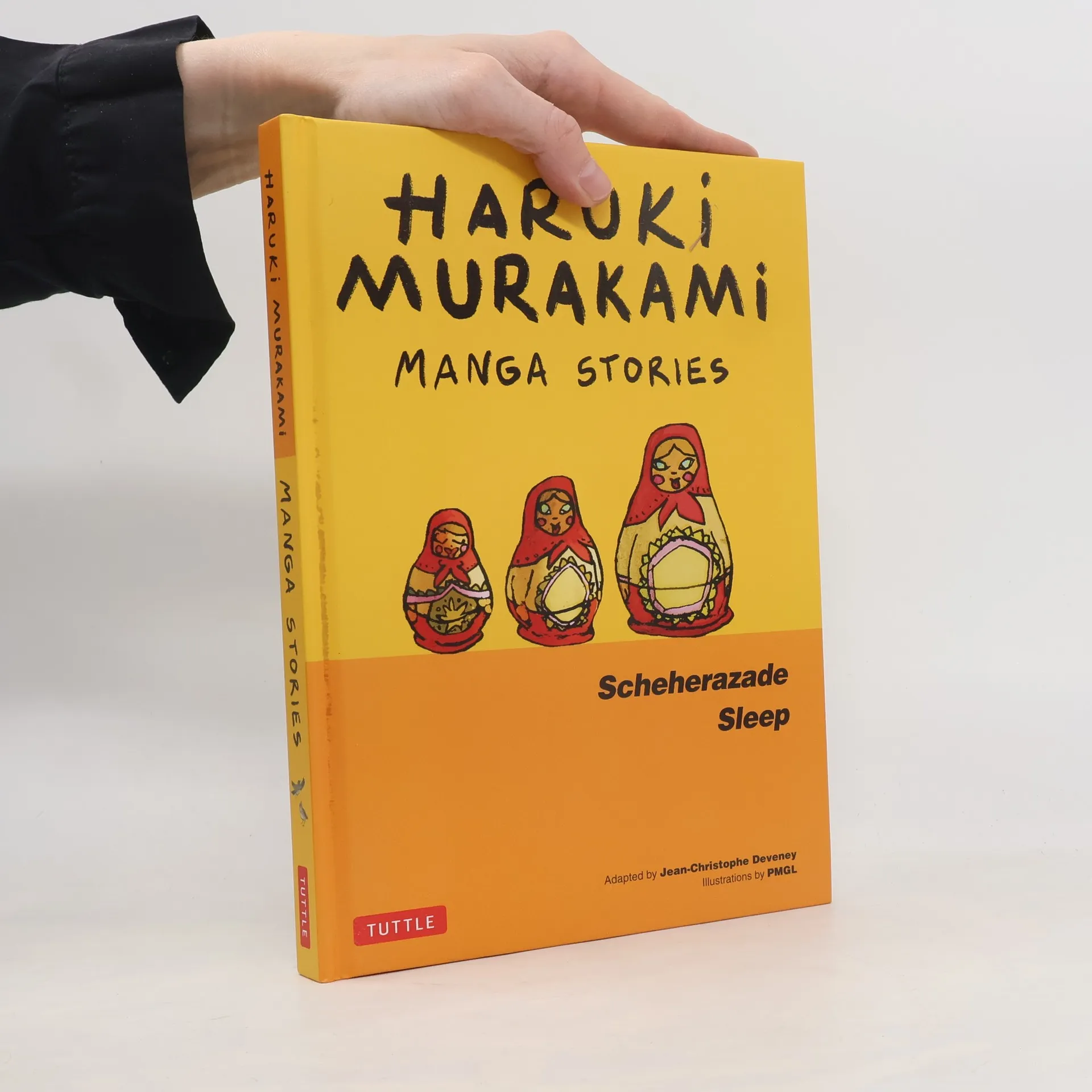
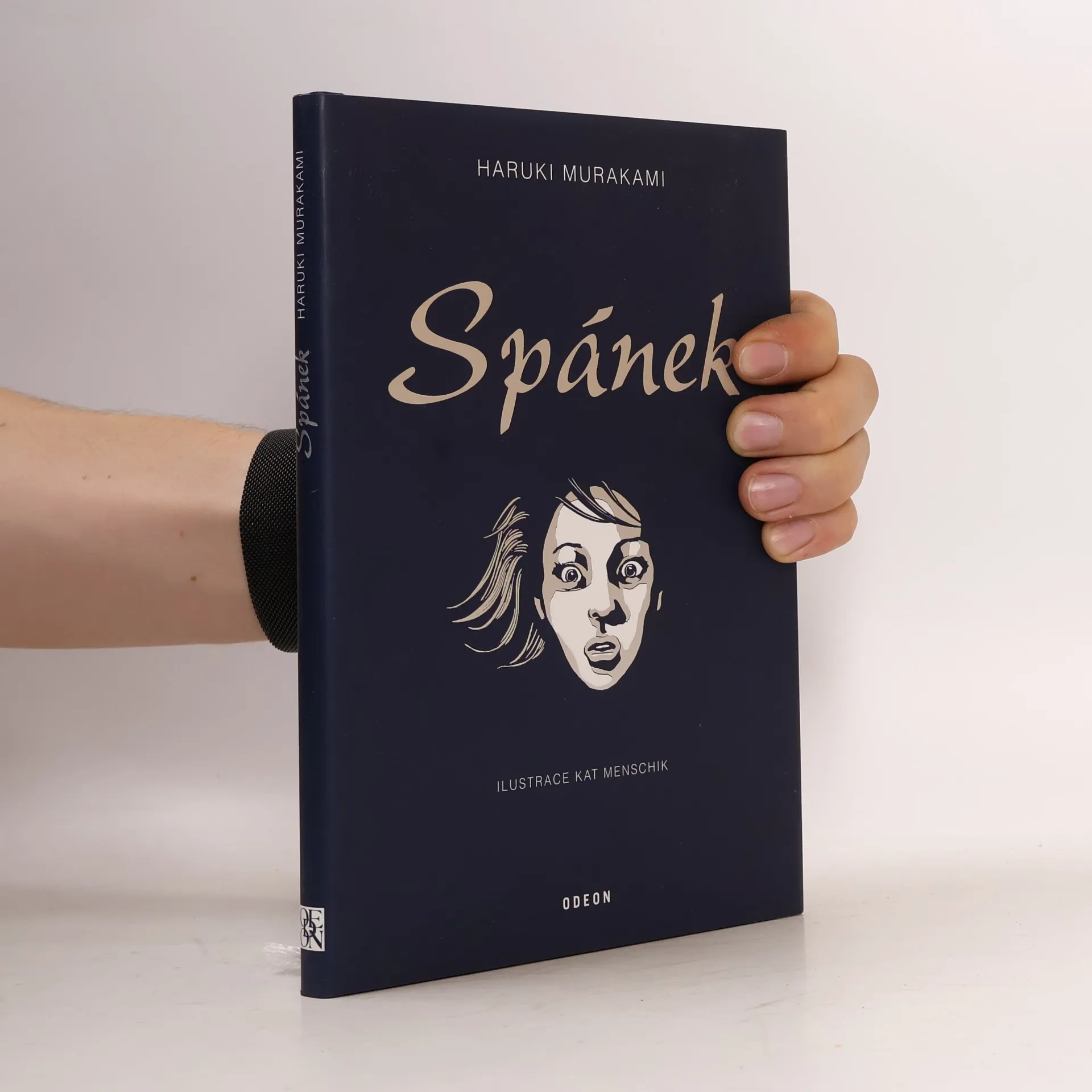
Haruki Murakami's best-loved stories finally available in graphic novel form!With their trademark mix of realism and fantasy, centering around Murakami's signature themes of loss, remorse and confusion, the two stories in this volume are: Scheherezade: a man named Habara is confined to his house and is visited by a nurse, Scheherezade, who brings him provisions and has sex with him. She tells Habara the story of a boy she had a crush on when she was young, whose house she repeatedly broke into. She tells him the story over several visits, and the story ends before Scheherezade finishes. Habara worries he may never see Scheherezade again. Sleep: recounts the life of a housewife with a regimented existence. But at night, she has her own life, as though she enters an extra-dimensional space. In this world she examines her own life and family and ponders the meaning of death.These new graphic versions of classic Murakami short stories will be devoured by his fans and will provide a new window onto his work for a new generation of readers not yet familiar with it!
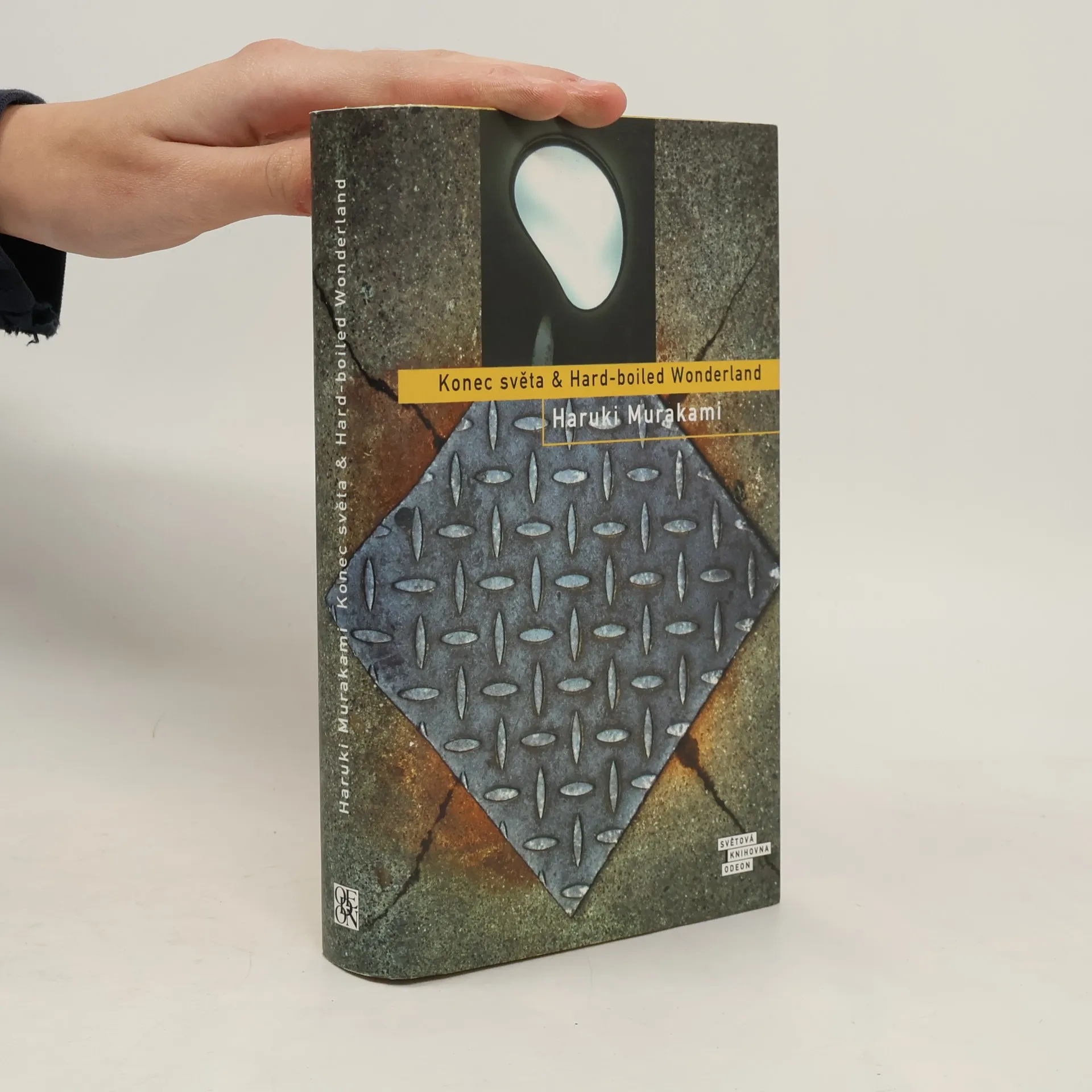
Příběh sleduje mladého muže, jehož přítelkyně záhadně zmizí, a on se rozhodne ji najít v imaginárním městě, kde věří, že se nachází. Tato celoživotní cesta ho zavede do středního věku a k práci v odlehlé knihovně plné vlastních tajemství. Prochází mezi skutečným světem a beztshadowým městem, kde se prohánějí jednorožci a rostou vrby. Zde objevuje svou milovanou, jak pracuje v knihovně snů, ale ona si nepamatuje jejich společnou minulost. Jak se mění roční období a muž se potýká s nejasnými hranicemi mezi těmito dvěma světy, musí čelit tomu, co je ochoten obětovat. Tento narativ slouží jako podobenství pro naši dobu, zkoumá témata lásky, ztráty a transformační sílu příběhů.
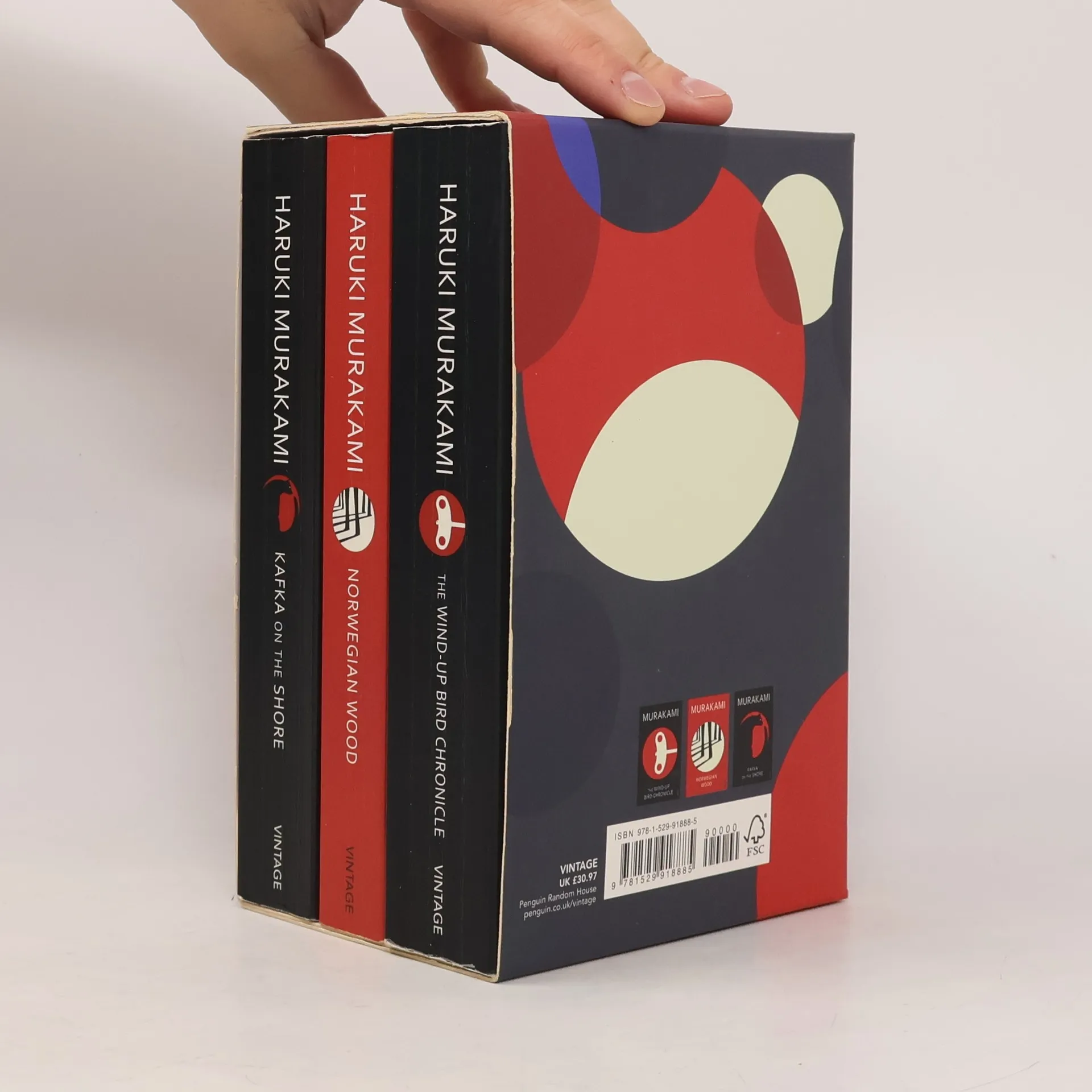
Vintage Books presents this set of wonderful stories, perfect for fans of one of popular culture’s most enduring and celebrated writers.
Haruki Murakami Manga Stories 2
- 128 stránek
- 5 hodin čtení
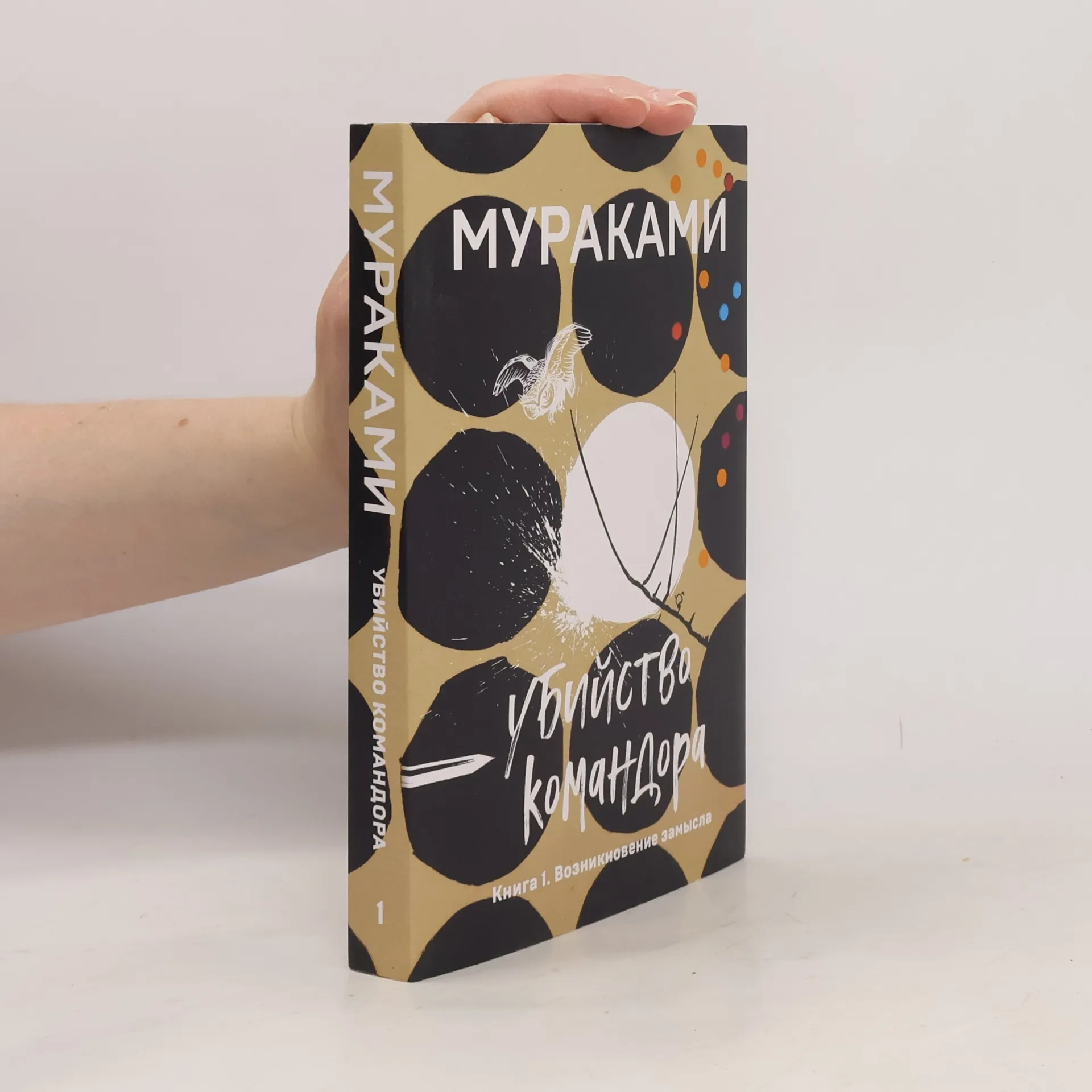
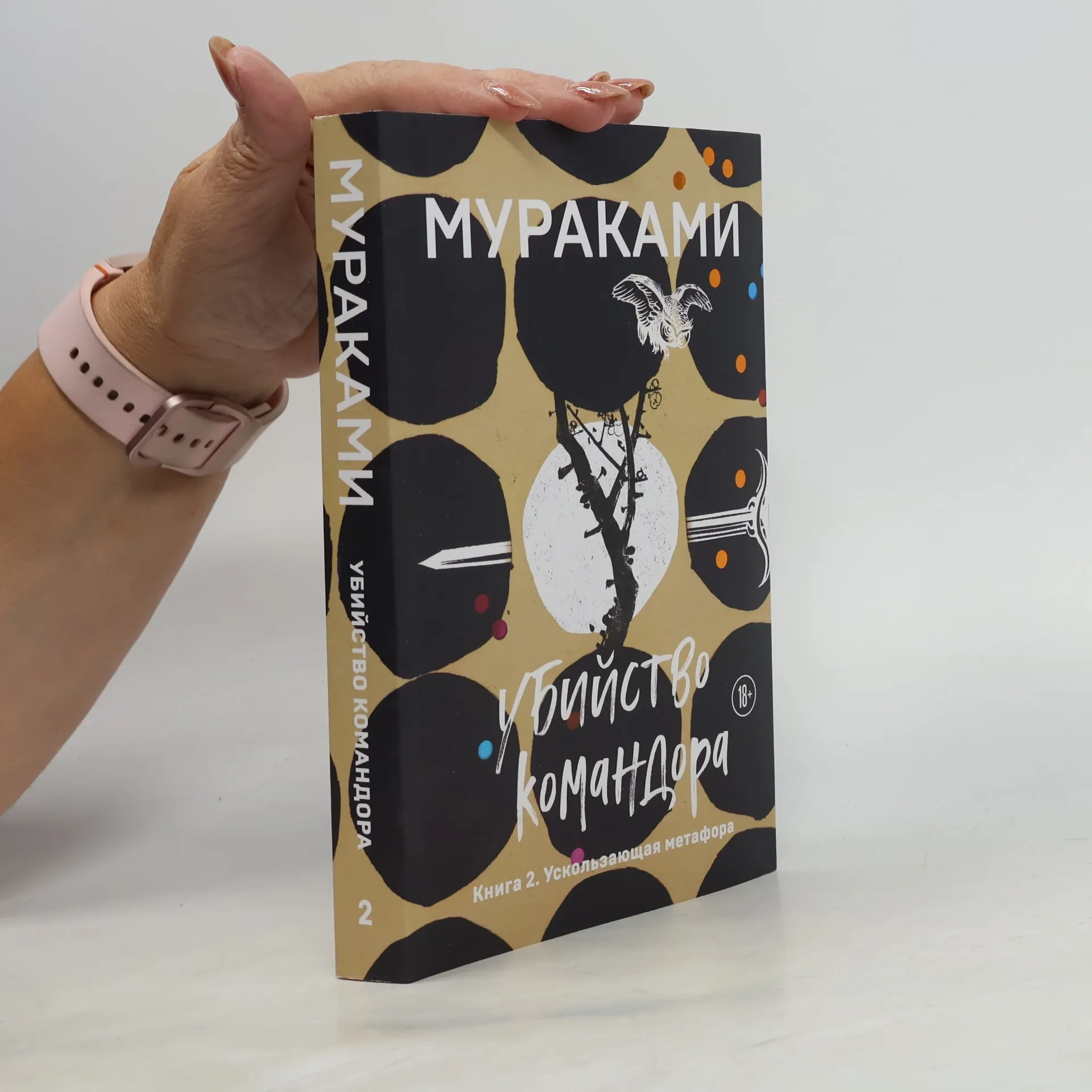
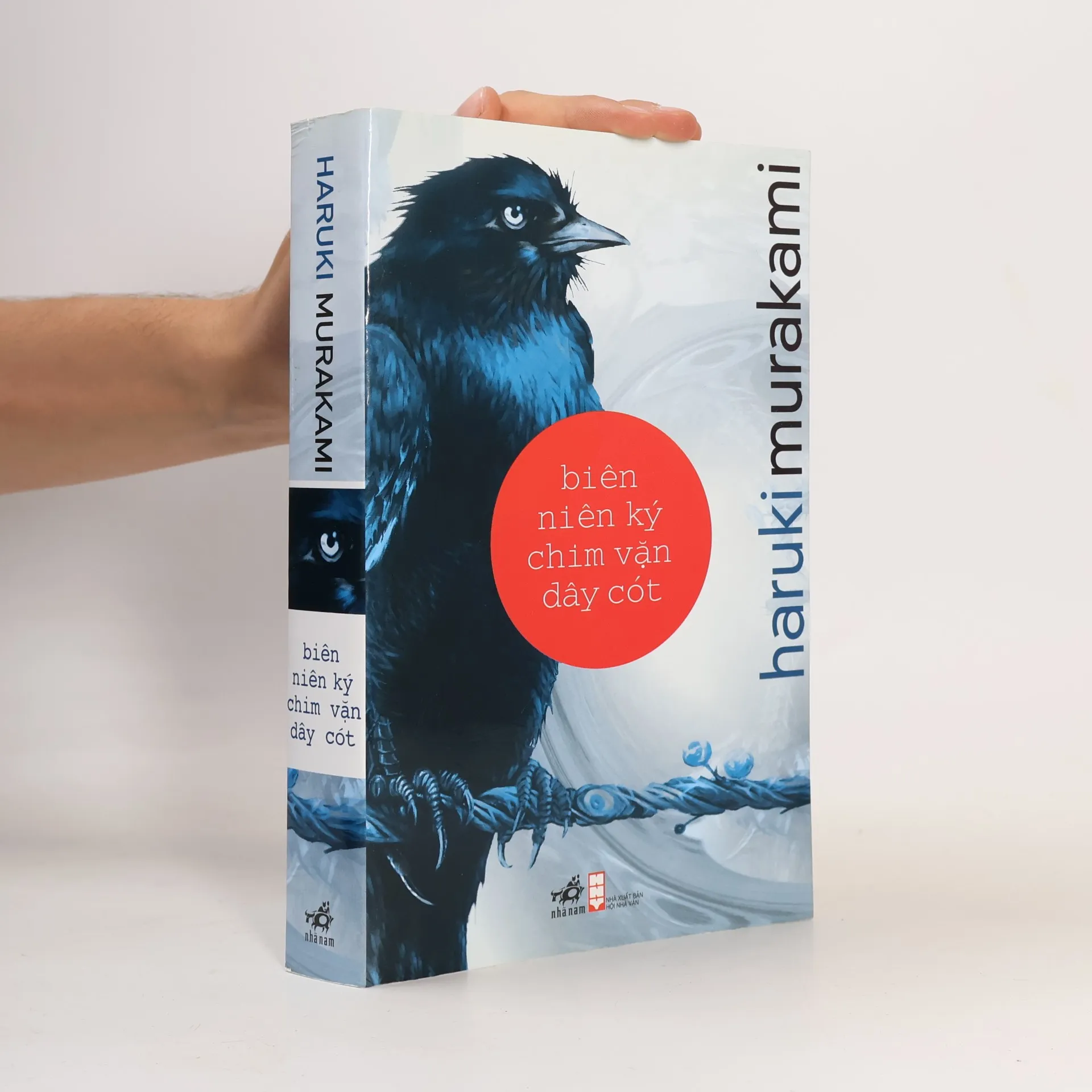
Убийство Командора. Книга 1. Возникновение замысла
- 414 stránek
- 15 hodin čtení
«С мая того года и до начала следующего я жил в горах…» Живописное, тихое место, идеальное для творчества. Скромное одноэтажное строение в европейском стиле, достаточно просторное для холостяка, принадлежало известному в Японии художнику. Все было бы мирно и спокойно, если бы не картина «Убийство Командора», найденная на чердаке, если бы не звон буддийского колокольчика по ночам, если бы не странный склеп , что возник из-под каменного кургана посреди зарослей, если бы не встреча с эстетом Мэнсики, который за баснословные деньги попросил написать портрет, сначала свой, а потом возможно его, дочери, если бы не попытки разобраться в самом себе. «Выходит началом всему, что происходит вокруг меня, стало то, что я вынес на свет эту картину? И тем самым разомкнул круг?» Эта картина перевернула жизнь главного героя и повлияла на всех, кто ее видел. Она создала в нашем мире еще одну реальность. Как это все возможно?
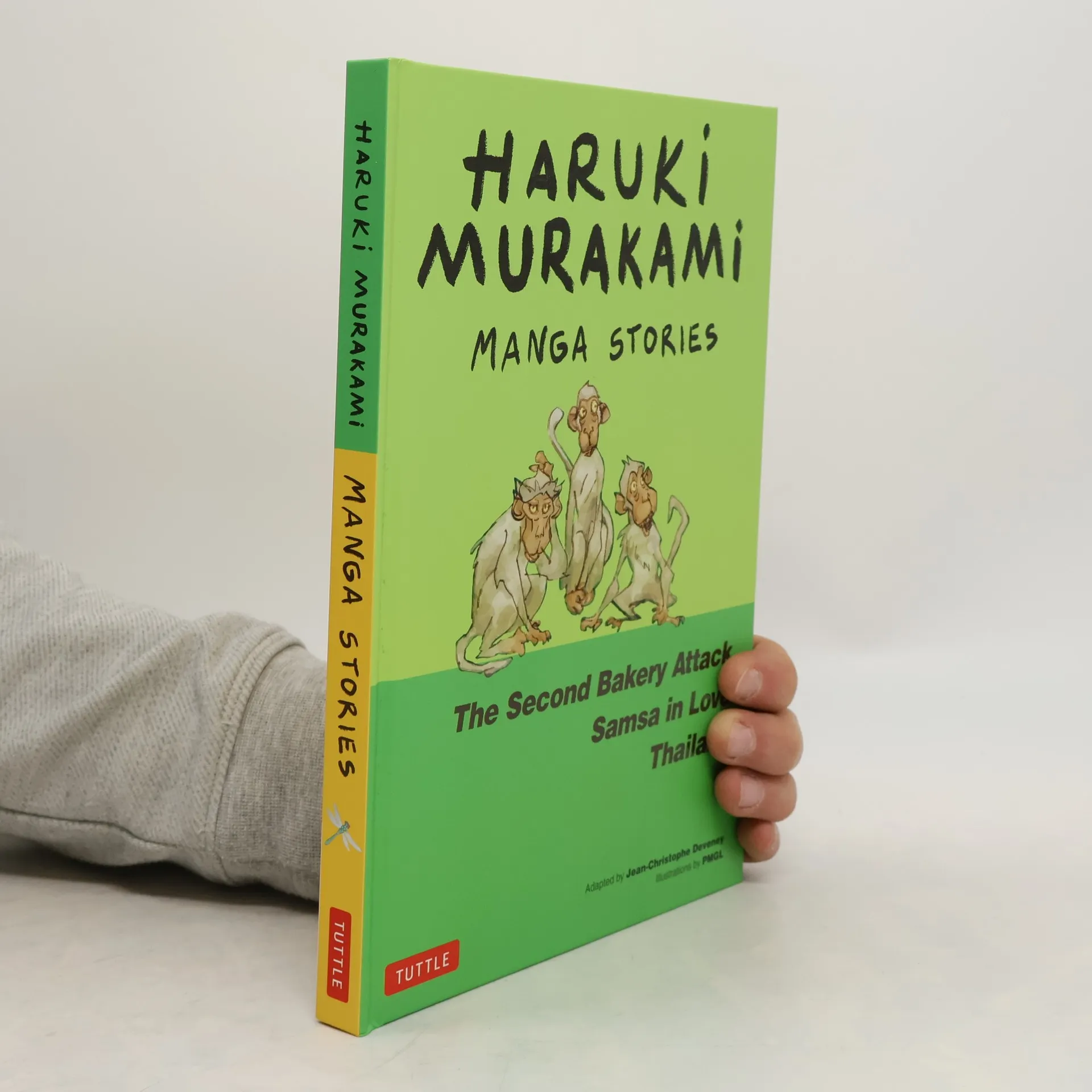
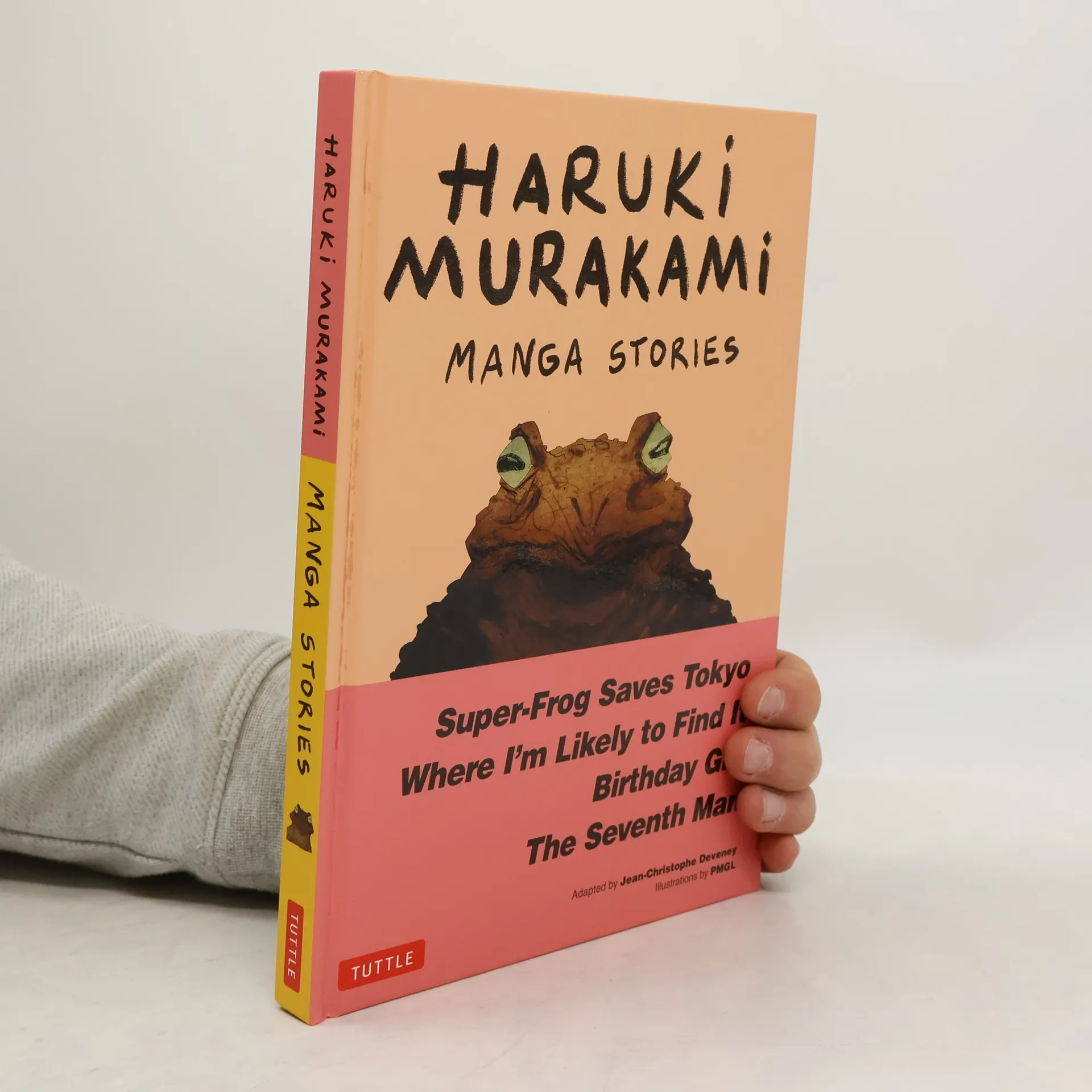
Haruki Murakami Manga Stories 1
- 144 stránek
- 6 hodin čtení
Haruki Murakami's beloved short stories are now presented in graphic novel form for the first time in English. This volume, the first of three, features four captivating tales from his bestselling collections, blending realism and fantasy while exploring themes of loss, remorse, and confusion. In "Super-Frog Saves Tokyo," Katagiri encounters a giant frog promising to save Tokyo from another earthquake, leading him to question reality and confront his feelings of powerlessness. "Where I'm Likely to Find It" follows a woman whose missing husband prompts a detective to reflect on his own life amidst a Kafkaesque exploration of disappearance and coping. "Birthday Girl" recounts a surreal encounter on a woman's twentieth birthday with her restaurant's owner, who grants her a wish. "The Seventh Man" tells the poignant story of a man haunted by the death of his childhood friend in a tsunami, capturing Murakami's signature emotional depth and surrealism. This graphic adaptation offers a fresh perspective on Murakami's work, appealing to both dedicated fans and younger readers new to his stories. Recommended for ages 16 and up due to mature themes and graphic content.
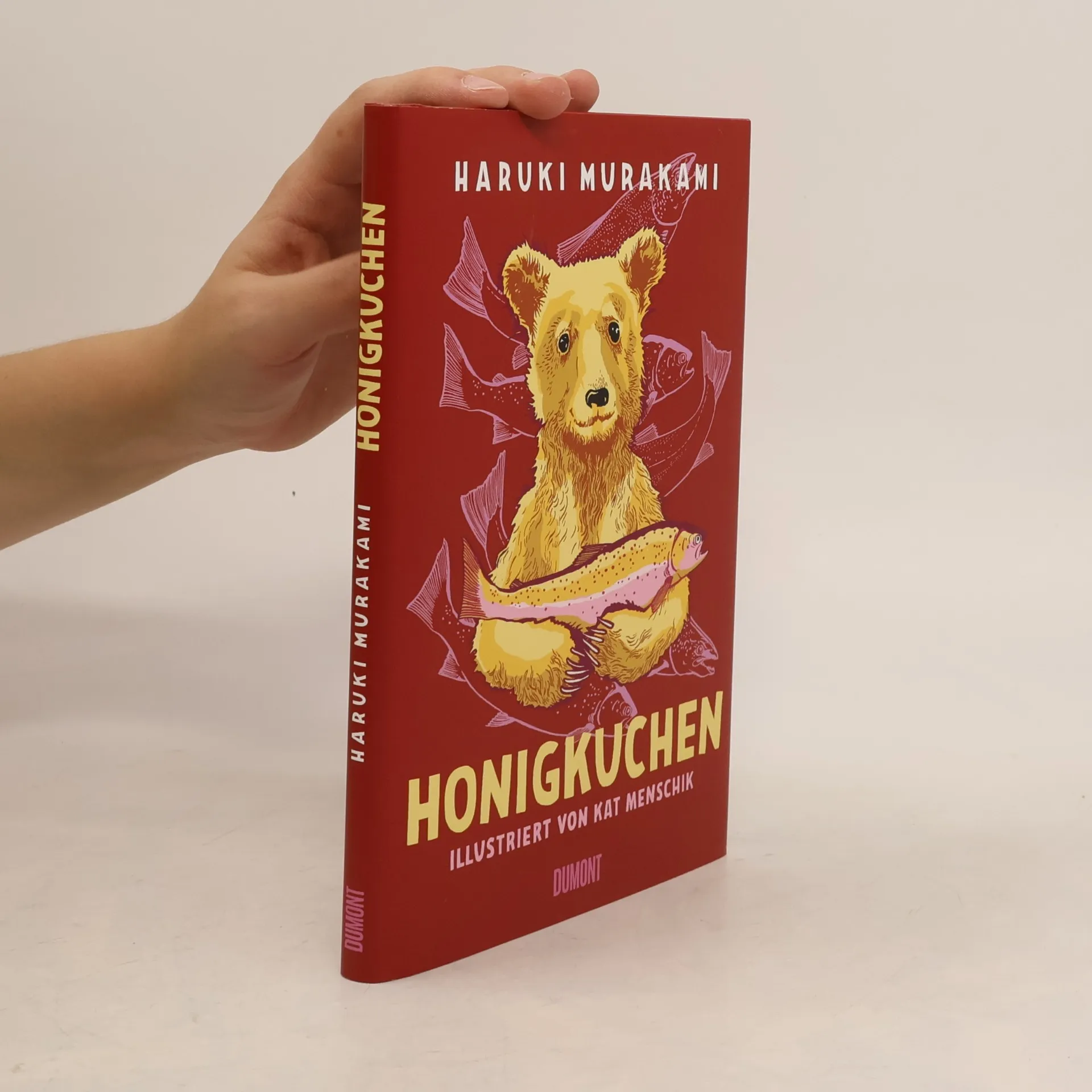
Eine melancholische Geschichte über eine Dreiecksbeziehung, das Schreiben und zwei Bären. Junpei ist Schriftsteller, seine Spezialität: Kurzgeschichten über unerwiderte Liebe. Das Thema seines Lebens. Seit der Uni ist er in Sayoko verliebt, die seinen besten Freund geheiratet hat. Trotz allem hat die Freundschaft zwischen den dreien Bestand, anders als die Liebe von Sayoko und Junpeis bestem Freund: Sie bekommen eine Tochter namens Sara, trennen sich aber kurz darauf. Mit den Jahren wird Junpei zu einer Art Ersatzvater für Sara. Nach einem schrecklichen Erdbeben leidet sie unter Albträumen. Nur Junpei kann sie beruhigen – mit seinen Geschichten über einen Bären und seinen besten Freund. Und er ist fest entschlossen, für immer über Sayokos und Saras Schlaf zu wachen … Haruki Murakami ist ein Meister der kurzen Form. In ›Honigkuchen‹ offenbart er sein großes Herz für alle Zögernden und Zaudernden. Kat Menschik hat die warmherzige Geschichte des wichtigsten japanischen Autors unserer Zeit in unvergessliche Bilder gegossen.
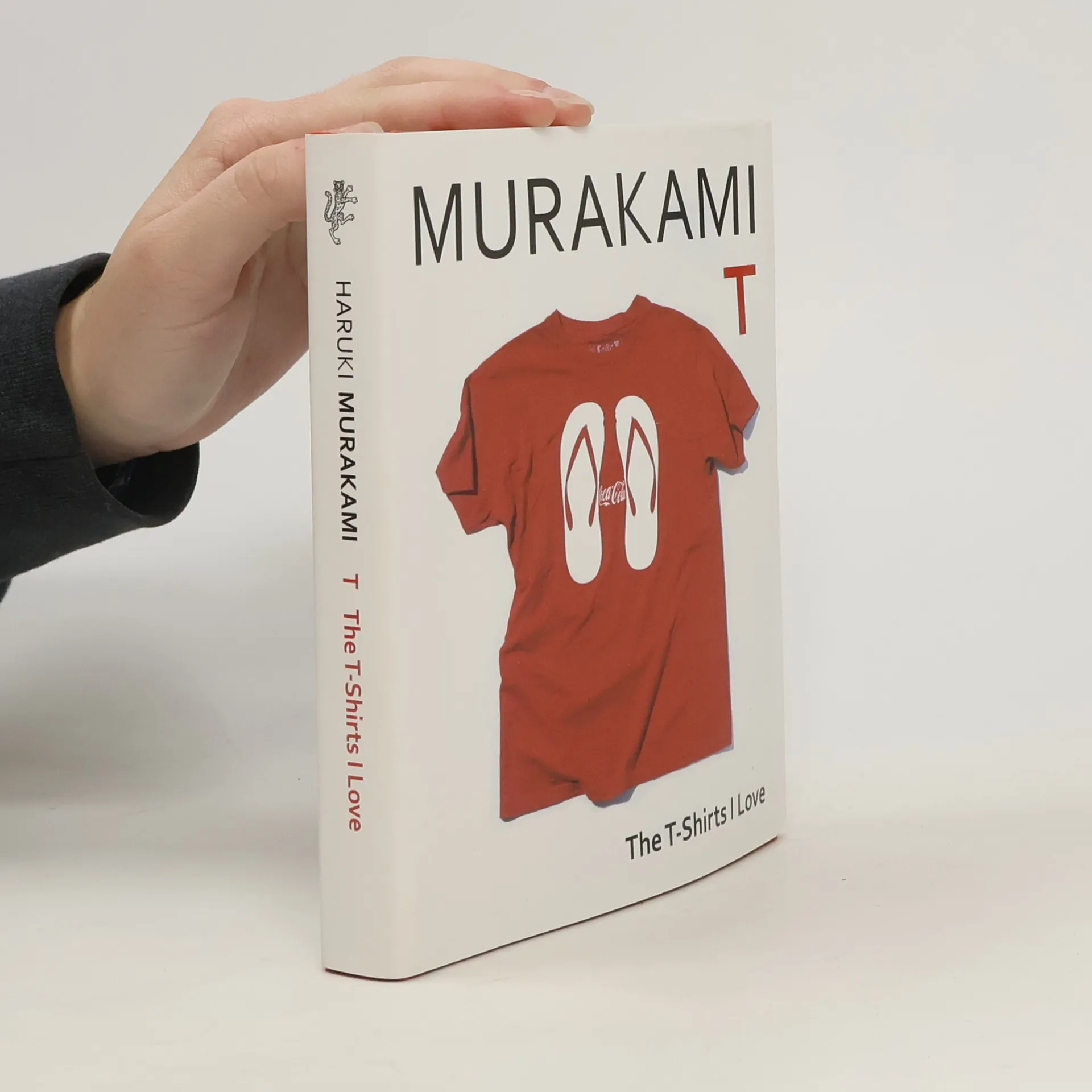
The T-shirts I love
- 178 stránek
- 7 hodin čtení
"The international literary icon opens his eclectic closet: Here are photographs of Murakami's extensive and personal T-shirt collection, accompanied by essays that reveal a side of the writer rarely seen by the public. Considered "the world's most popular cult novelist" (The Guardian), Haruki Murakami's books have galvanized millions around the world. Many of his fans know about his 10,000 vinyl record collection, and his obsession with running, but few have heard about a more intimate, and perhaps more unique, passion: his T-shirt collecting habit. In Murakami T, the famously reclusive novelist shows us his T-shirts--including gems from the Springsteen on Broadway show in NYC, from The Beach Boys concert in Honolulu to the shirt that inspired the beloved short story, "Tony Takitani." Accompanied by short, frank essays that have been translated into English for the first time, these photographs reveal much about Murakami's multifaceted and wonderfully eccentric persona"--Publisher's description
Художник, способный уловить тайны, скрывающиеся за лицами людей, которых он рисует. Запутанная картина, найденная спустя десятки лет на чердаке дома. Шорох в лесу, окруженном странными соседями. И колокол с его величественным и печальным звоном проникает между деревьями леса в сердце ночи. Роман о созидательной силе искусства и разрушительной силе насилия; о способности превращать нашу хрупкость в золото, как бы мрачными ни казались наши дни. Как всегда, Муараками очаровывает нас своим раскрытием сверхъестественного в нашей рутине, находя магию в деталях нашей повседневной жизни. В "Убийстве Командора" гениальность Муараками мастерски движется между реальностью и бредом.
První osoba jednotného čísla
- 184 stránek
- 7 hodin čtení
Od japonského vydání posledního románu Komturova smrt uběhly už více než čtyři roky. Haruki Murakami nyní přichází s novou sbírkou povídek, kterou identifikuje už názvem: První osoba jednotného čísla. Pro autora bylo dlouho typické, že psal v první osobě. Třetí vyprávěcí osobu začal používat až v pozdních dílech. Nejen tímto prvkem, ale i stylem a tématy se teď vrací ke kořenům. A také bilancuje. Máme tu osm textů, které si můžeme labužnicky vychutnat. Murakami píše o studentském životě v 60. letech minulého století, hovoří o lásce k jazzu nebo o obdivu ke skupině Beatles; ostatně spisovatel už dvě starší povídky nazval podle jejich písní: Drive My Car a Yesterday. V povídkách se dostávají ke slovu náhodná i záhadná setkání, autor popustí uzdu fantazii: slavný jazzový saxofonista Charlie Parker podle něj nezemřel roku 1955, ale dožil se 60. let. V úsměvné povídce Zpověď opice z Šinagawy se vypravěč na svých cestách dostane do malého hotýlku, kde narazí na mluvícího opičáka, který má rád hudbu Antona Brucknera a který mu ochotně umyje záda. Haruki Murakami v povídkovém souboru také bilancuje. Říká, že na přibývajících letech není zvláštní to, že člověk sám stárne. Překvapivé je spíš to, jak hrozně zestárli lidé z jeho generace, obzvláště ženy… Nečekejte poselství, vysvětlení nebo rozuzlení, ba ani překvapivé pointy ne. Povídky mají jinou schopnost – zůstanou vám v hlavě nadlouho. Možná už se jich nezbavíte nikdy.
20 Yaşıma Mektup - 6. baskı - 20. yıl
- 332 stránek
- 12 hodin čtení
Murakami 2020 Diary
- 128 stránek
- 5 hodin čtení
The journey of Haruki Murakami from a jazz bar owner to a literary sensation began in 1978 when a moment of inspiration struck him during a baseball game. His debut novel, Hear the Wind Sing, garnered acclaim and set the stage for subsequent works like A Wild Sheep Chase and Hard-Boiled Wonderland and the End of the World. However, it was the 1987 release of Norwegian Wood that catapulted him to international fame, establishing his reputation as a bestselling author and introducing readers to his captivating and distinctive fictional world.
Убийство Командора. Книга 2. Ускользающая метафора
- 432 stránek
- 16 hodin čtení
Этот сборник можно было бы озаглавить «Ранний Джек Вэнс», так как в нем содержатся рассказы, относящиеся к первым двенадцати годам писательской карьеры Вэнса – к тому периоду, когда он публиковался главным образом в дешевых журналах. В этих рассказах Вэнс уже демонстрирует яркое воображение и мастерское владение английским языком – черты, которые стали характерными для всех его дальнейших сочинений.
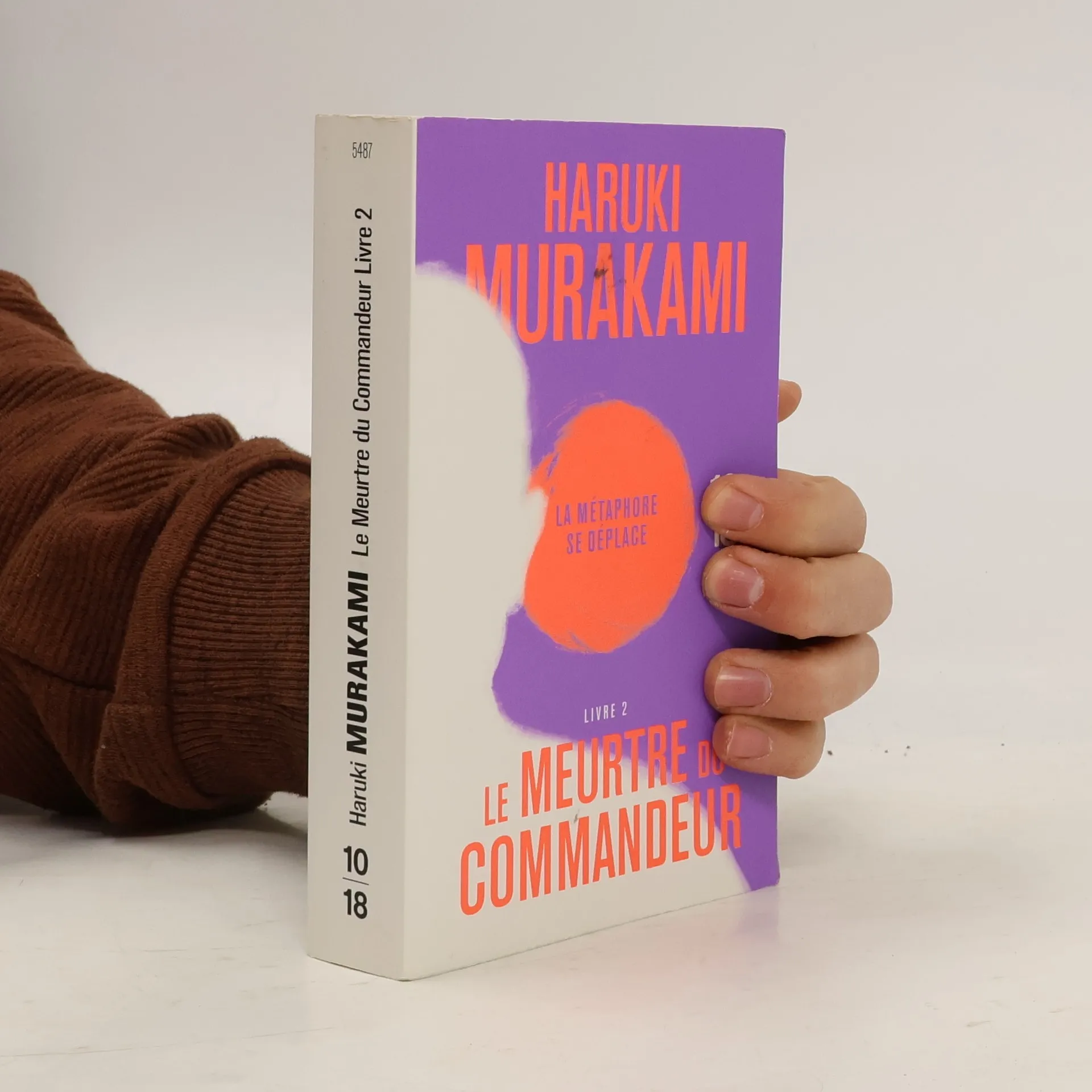
La suite de l'épopée de Murakami qui déstabilise encore un peu plus son lecteur. Une exploration des obsessions humaines au sein d'une histoire onirique et artistique. Au Japon, de nos jours. Une jeune fille a disparu. Le narrateur avait entrepris de faire son portrait. Il va rendre visite au vieux peintre Tomohiko Amada. Dans la chambre d'hôpital, le Commandeur apparaît. Le narrateur écoute le Commandeur : ce dernier est une idée ; une idée multiforme, chacun peut y projeter ce dont il a besoin. Il est prêt à offrir sa vie pour que la jeune fille soit retrouvée. Il faut faire revivre la scène du tableau, le Commandeur doit être poignardé. Le narrateur lui plante un couteau dans le coeur. Une trappe s'ouvre dans un coin de la chambre. Un personnage étrange en surgit qui invite à entrer dans le passage souterrain. C'est le début d'un périple qui va le conduire au-devant des forces du mal..
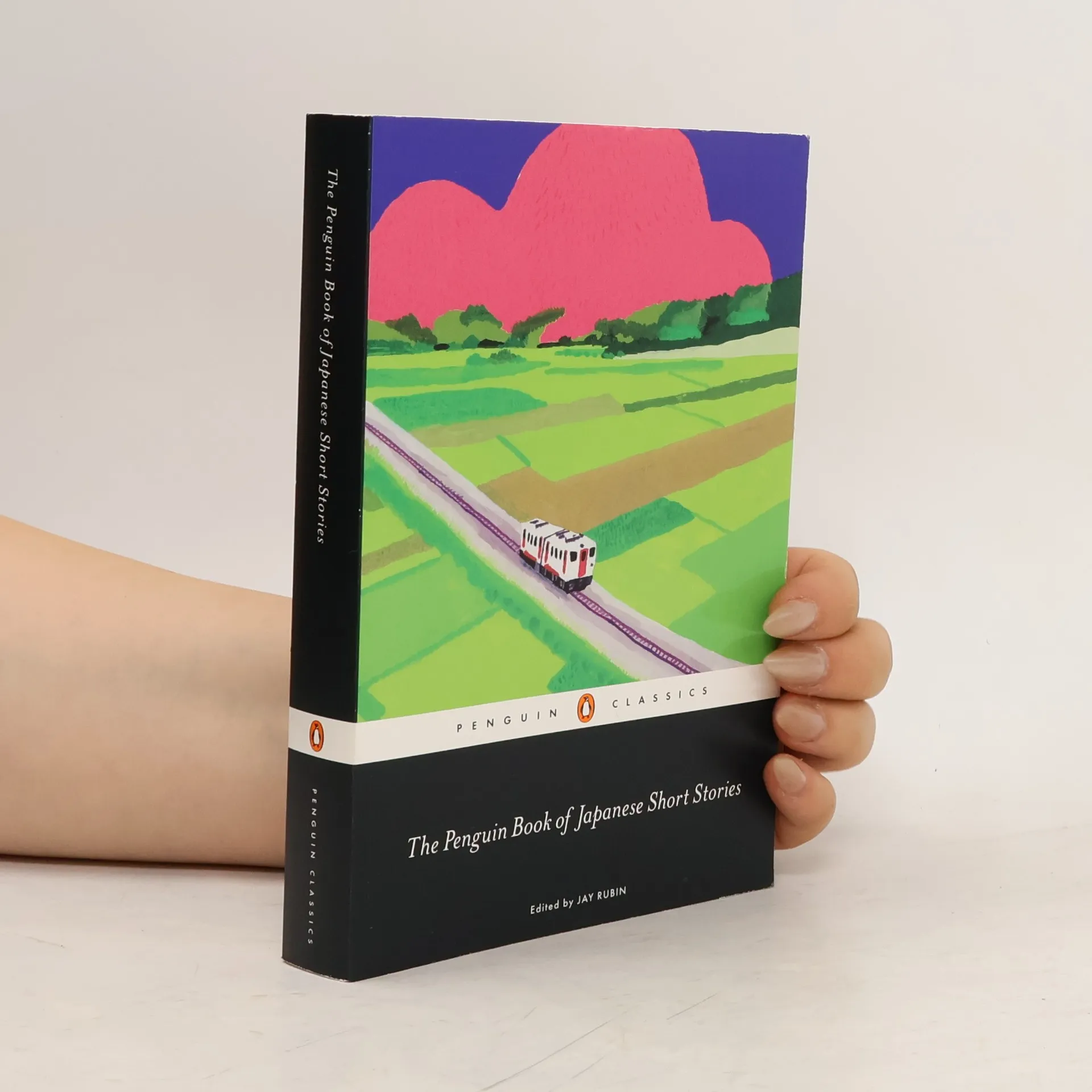
The Penguin Book of Japanese short stories
- 576 stránek
- 21 hodin čtení
A major new anthology of great Japanese short stories introduced by Haruki Murakami.This fantastically varied and exciting collection celebrates the great Japanese short story collection, from its origins in the nineteenth century to the remarkable practitioners writing today. Curated by Jay Rubin (who has himself freshly translated several of the stories) and introduced by Haruki Murakami this is a book which will be a revelation to many of its readers. Short story writers already well-known to English-language readers are all included - Tanizaki, Akutagawa, Murakami, Mishima, Kawabata, Yoshimoto - but also many surprising new finds. From Tsushima Yuko's 'Flames' to Sawanishi Yuten's 'Filling Up with Sugar', from Hoshi Shin'ichi's 'Shoulder-Top Secretary' to Yoshimoto Banana's 'Bee Honey', The Penguin Book of Japanese Short Stories is filled with fear, charm, beauty and comedy.
Komturova smrt
- 752 stránek
- 27 hodin čtení
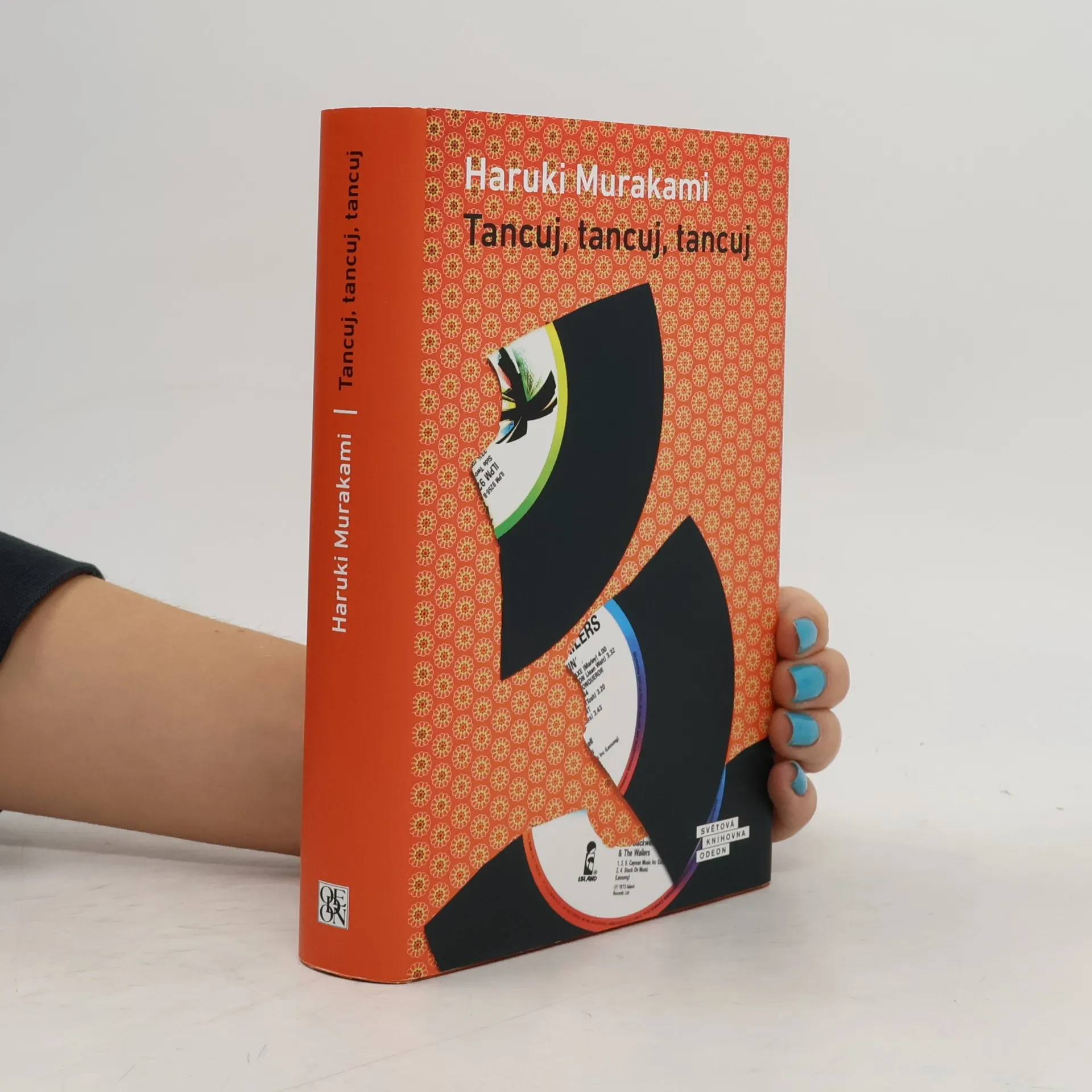
Možná, že jednou budu s to zachytit podobu nicoty… Bezejmenným vypravěčem románu je výjimečný portrétista, který dokáže vystihnout tvář člověka tak, aby se líbil sám sobě. Všechno funguje téměř dokonale, dokud ho nenavštíví muž bez tváře s žádostí o portrét. A dokud ho neopustí jeho žena. Vnitřní rovnováhu nalezne v horské samotě, odhodlaný s tvorbou podobizen navždy skoncovat. Nečekaně však přichází další nabídka – taková, která se opravdu nedá odmítnout. Následuje vír událostí, které s ním cloumají ze strany na stranu: Jaké tajemství skrývá obraz Komturova smrt? Kdo přesně je tajemný pán „z domu odnaproti“ a jaká je jeho minulost? Proč si za horentní sumu objednal svou podobiznu? A jak je možné, že právě jeho portrét prolomí vypravěčovu tvůrčí krizi a probudí v něm uměleckého ducha? Haruki Murakami ve své fenomenální románové partii opět úspěšně buduje stále spletitější síť otázek, nejistot a pochybností. Nad tím vším ovšem kraluje otázka, která se v díle opakovaně vrací: Co je špatného na tom, když umělec ztvárňuje jen to lepší z nás?
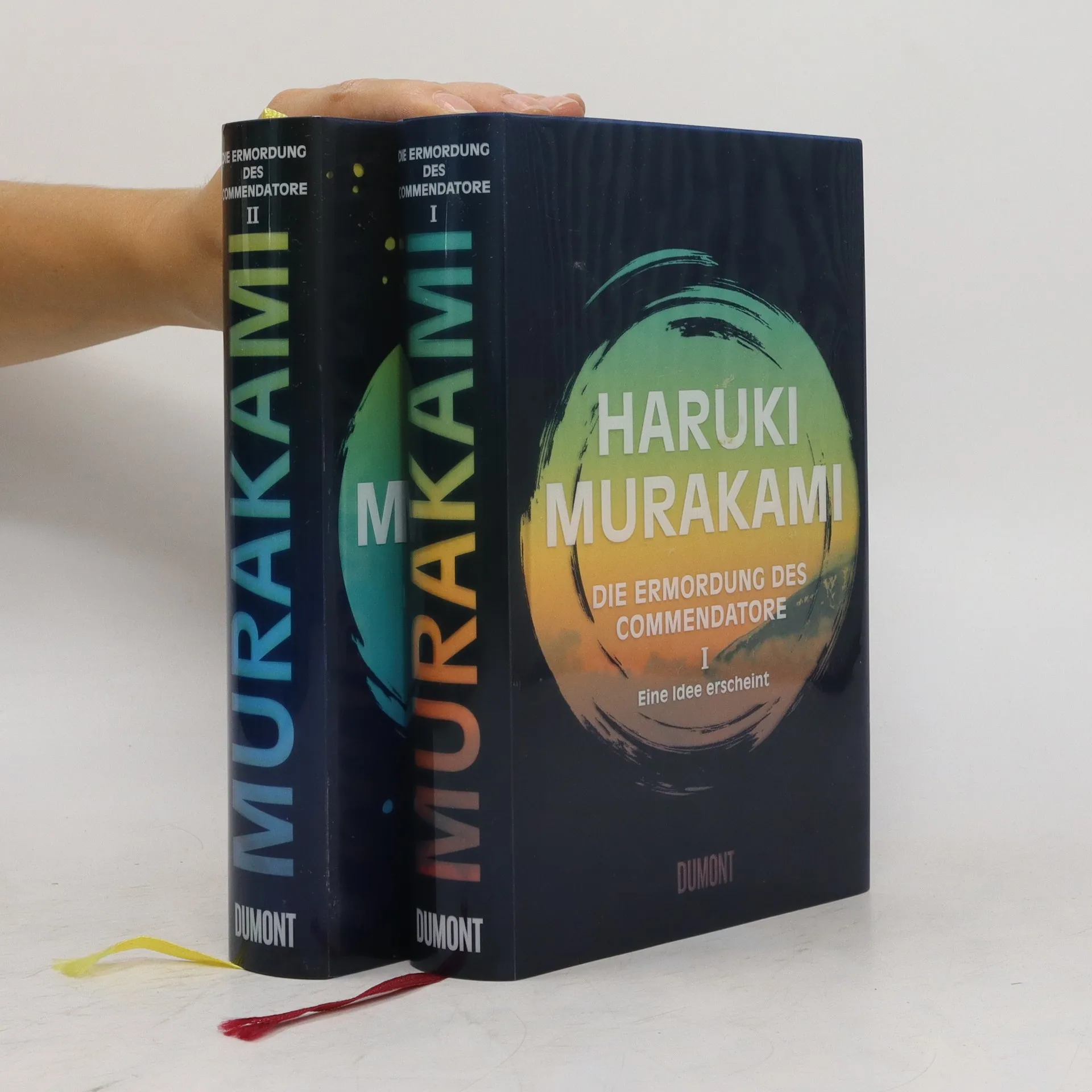
Een Idea verschijnt
- 507 stránek
- 18 hodin čtení
Een zesendertigjarige pas gescheiden portretschilder neemt zijn intrek in een oud atelier in de bergachtige omgeving ten zuidwesten van Tokio. Behalve door liefdesperikelen wordt hij geplaagd door een painter’s block, een onvermogen om te schilderen. Hij hoopt in het afgelegen atelier tot rust te komen, en zijn inspiratie terug te vinden, maar het zal anders gaan. Een mysterieus schilderij op de zolder van zijn verblijf lijkt tot leven te komen, vanuit een heuvel in het bos achter het huis klinkt ’s nachts het geluid van een bel. Een meisje verdwijnt, en de hoofdpersoon gaat haar zoeken – een zoektocht die hem afvoert naar de wereld der metaforen, waar hij met zijn diepste angsten wordt geconfronteerd.
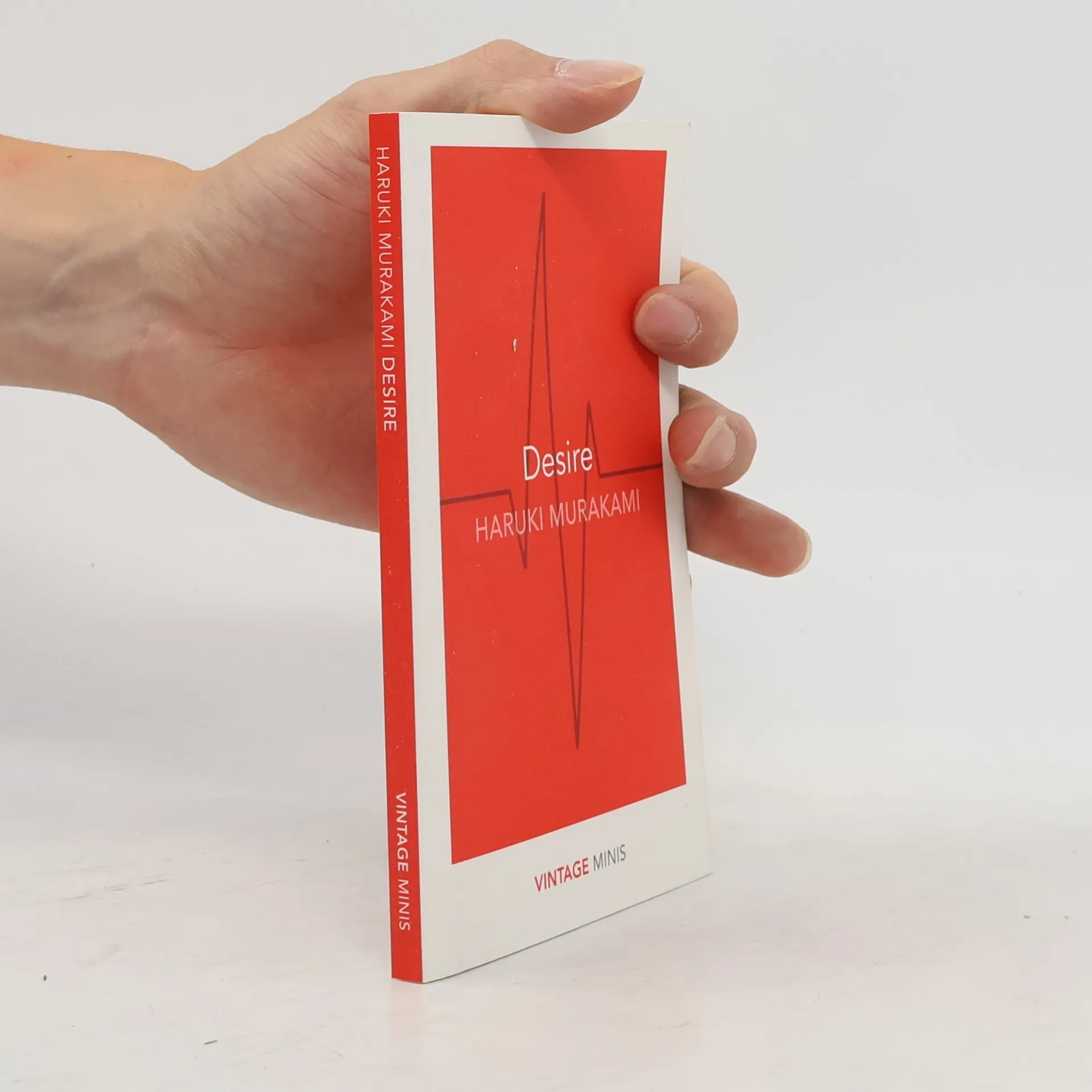
You've just passed someone on the street who could be the love of your life, the person you're destined for - what do you do? In Murakami's world, you tell them a story. The five weird and wonderful tales collected here each unlock the many-tongued language of desire, whether it takes the form of hunger, lust, sudden infatuation or the secret longings of the heart. Selected from Haruki's Murakami's short story collections The Elephant Vanishes, Blind Willow Sleeping Woman, Men Without Women VINTAGE MINIS- GREAT MINDS. BIG IDEAS. LITTLE BOOKS. A series of short books by the world's greatest writers on the experiences that make us human Also in the Vintage Minis series- Love by Jeanette Winterson Psychedelics by Aldous Huxley Eating by Nigella Lawson Summer by Laurie Lee
Birthday girl
- 80 stránek
- 3 hodiny čtení
Tajemný příběh mladé dívky, který se odehraje na den přesně na její dvacáté narozeniny. Ten den musela zaskočit za kamarádku v restauraci. A náhoda tomu chtěla, že zrovna ten večer to byla ona, kdo má dovézt majiteli podniku jeho večeři do šestého patra. Postarší noblesní muž, kterého vidí poprvé a naposledy v životě, působí dobráckým, ale i záhadným dojmem – nabídne jí, že jí splní jakékoli přání. Přání, které nebude možné vzít nikdy zpět…
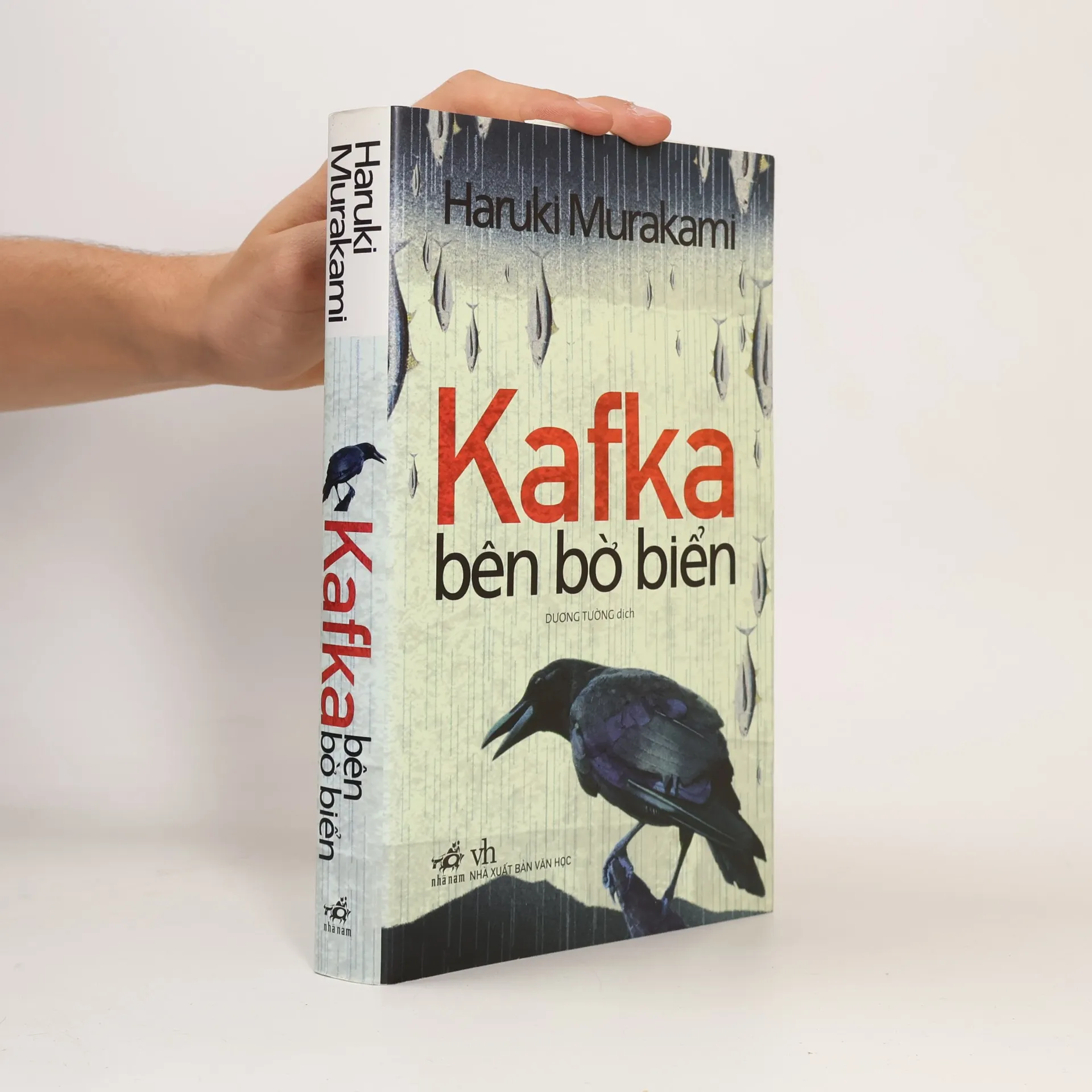
Kafka bên bờ biển
- 531 stránek
- 19 hodin čtení
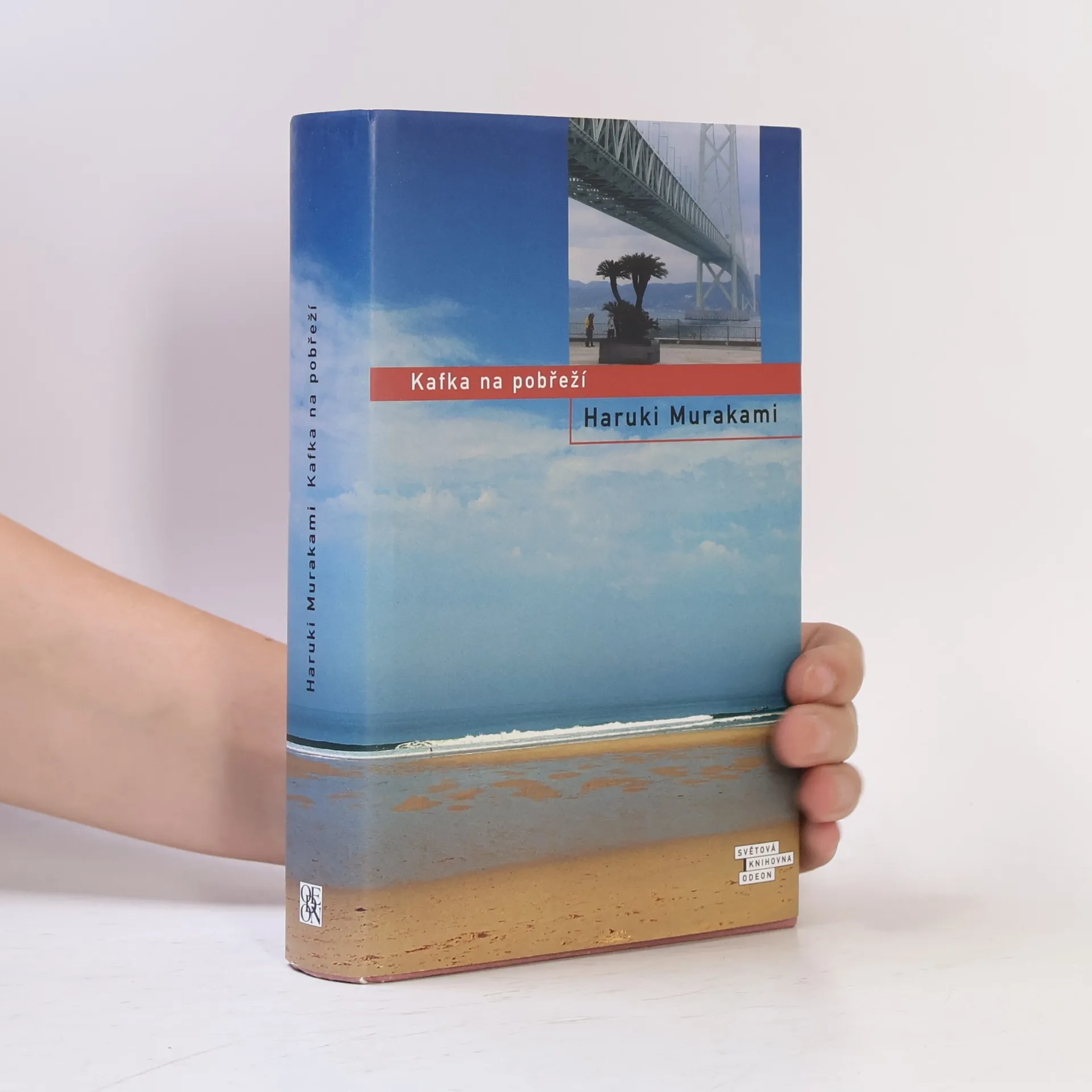
This magnificent new novel has a similarly extraordinary scope and the same capacity to amaze, entertain, and bewitch the reader. A tour de force of metaphysical reality, it is powered by two remarkable characters: a teenage boy, Kafka Tamura, who runs away from home either to escape a gruesome oedipal prophecy or to search for his long-missing mother and sister; and an aging simpleton called Nakata, who never recovered from a wartime affliction and now is drawn toward Kafka for reasons that, like the most basic activities of daily life, he cannot fathom. Their odyssey, as mysterious to them as it is to us, is enriched throughout by vivid accomplices and mesmerizing events. Cats and people carry on conversations, a ghostlike pimp employs a Hegel-quoting prostitute, a forest harbors soldiers apparently unaged since World War II, and rainstorms of fish (and worse) fall from the sky. There is a brutal murder, with the identity of both victim and perpetrator a riddle-yet this, along with everything else, is eventually answered, just as the entwined destinies of Kafka and Nakata are gradually revealed, with one escaping his fate entirely and the other given a fresh start on his own.
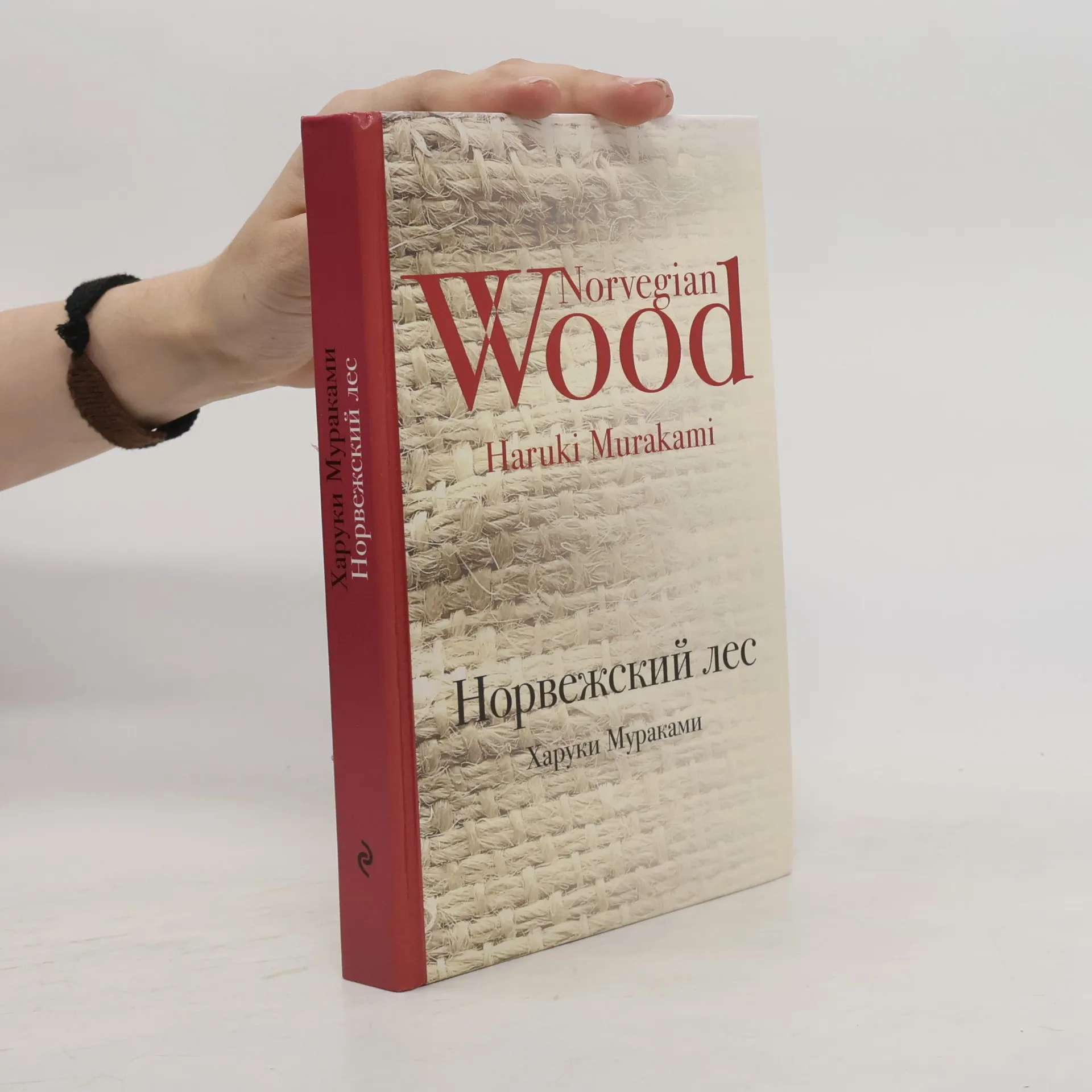
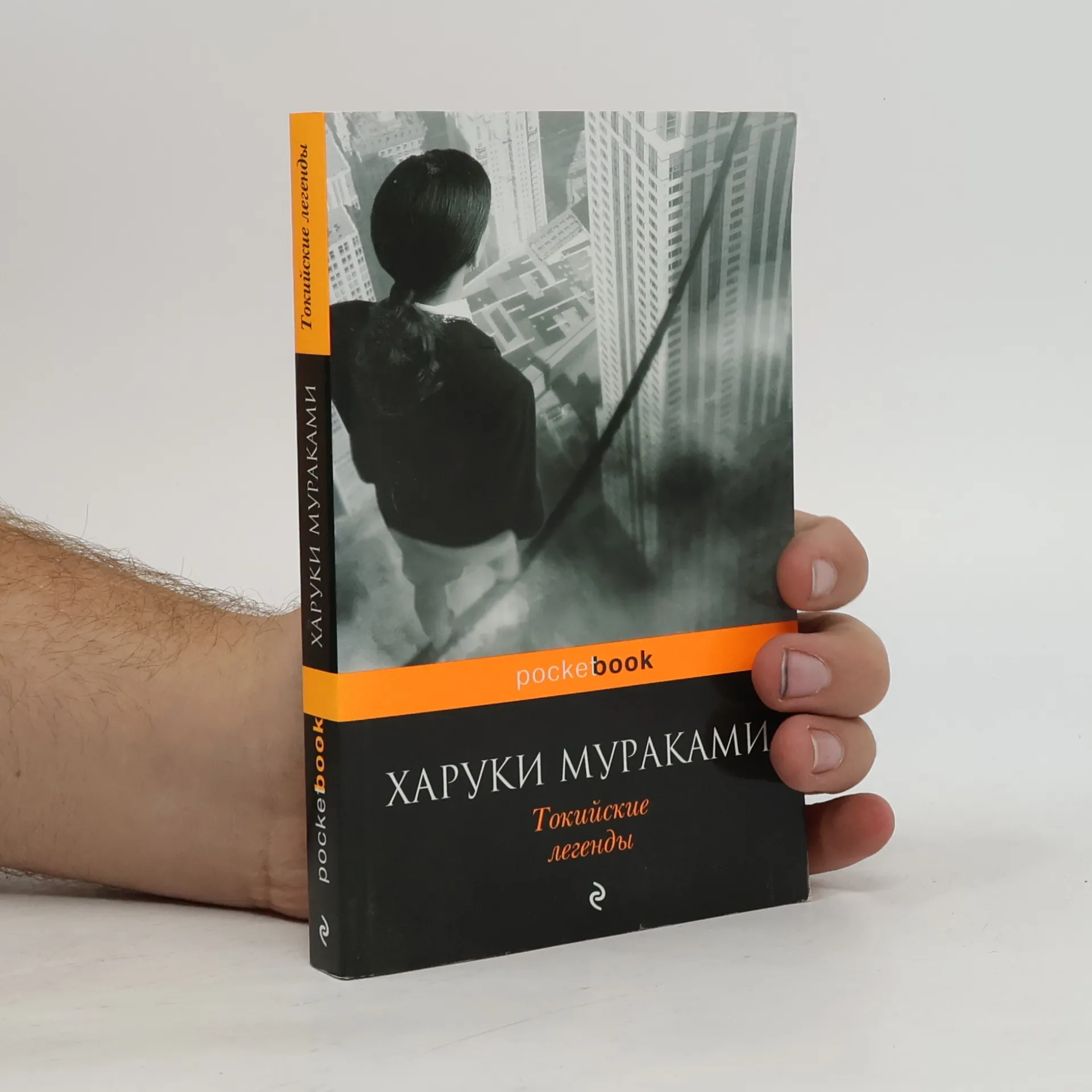
Норвежский лес
- 384 stránek
- 14 hodin čtení
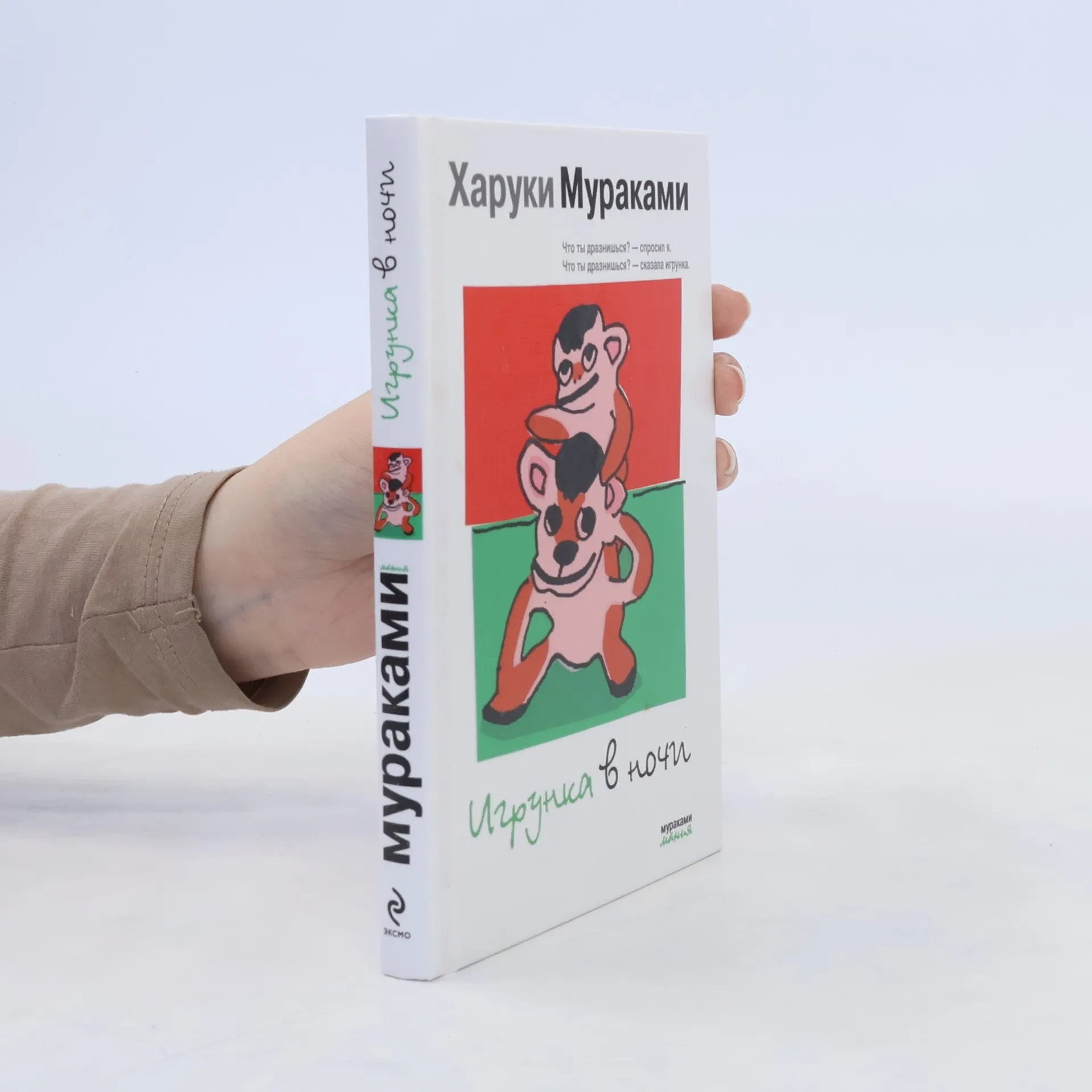
... по вечерам я продавал пластинки. А в промежутках рассеянно наблюдал за публикой, проходившей перед витриной. Семьи, парочки, пьяные, якудзы, оживленные девицы в мини-юбках, парни с битницкими бородками, хостессы из баров и другие непонятные люди. Стоило поставить рок, как у магазина собрались хиппи и бездельники - некоторые пританцовывали, кто-то нюхал растворитель, кто-то просто сидел на асфальте. Я вообще перестал понимать, что к чему. "Что же это такое?" - думал я. - Что все они хотят сказать?"...
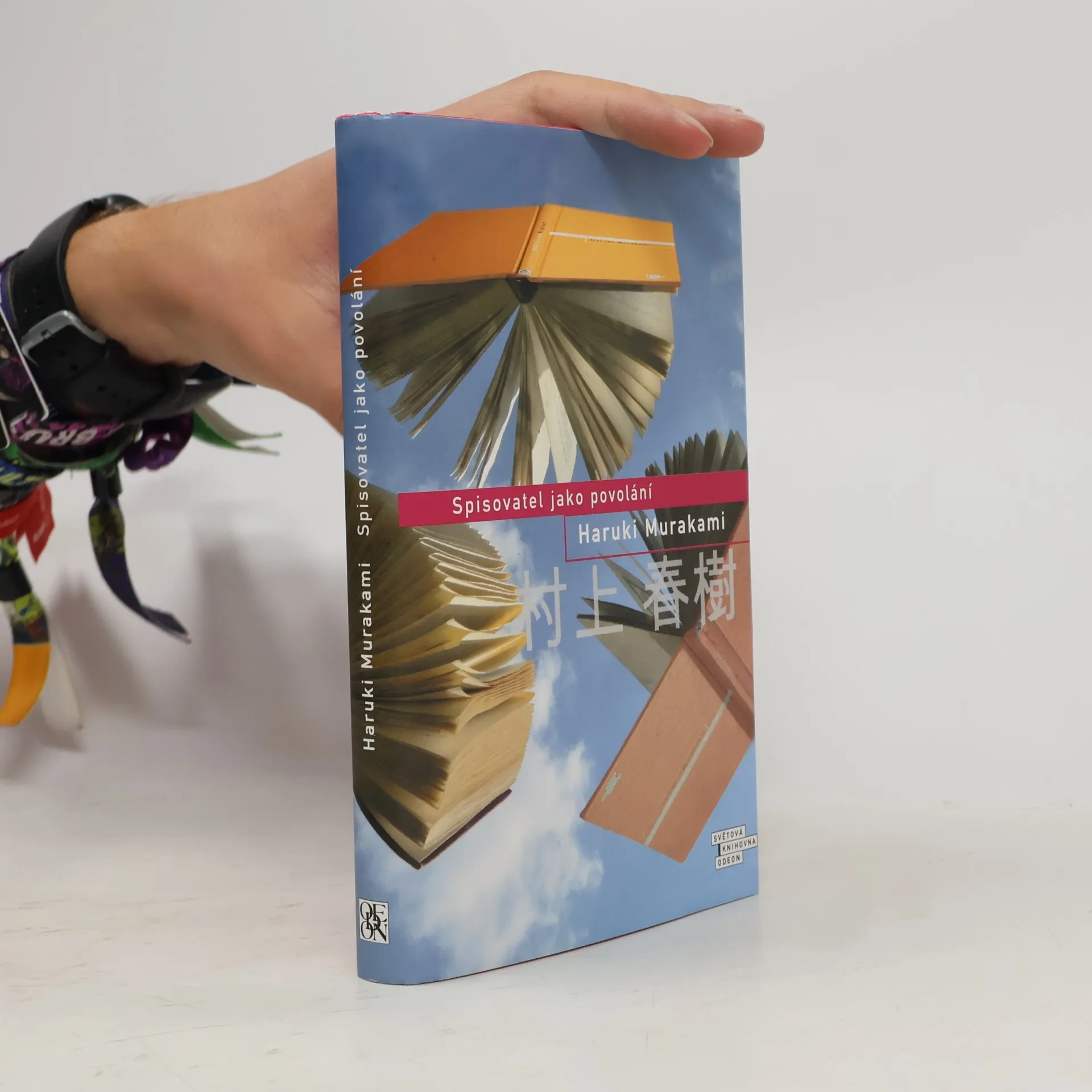
Haruki Murakami nedává rozhovory, nerad se fotí, a taky připouští, že poměrně nerad rozebírá to, co napsal. Přesto napsal knihu, v níž se vyjadřuje k tématu spisovatelství. Nejsou to eseje v pravém slova smyslu, autor volí takovou formu, jako by šlo o rukopisy připravovaných přednášek – jako by přede mnou v malé přednáškové síni sedělo třicet až čtyřicet lidí a já k nim promlouval co možná nejpřátelštějším tónem… Několik kapitol z této knihy vyšlo původně v japonském literárním časopise Monkey. Nejsou to však texty na objednávku, jak autor upozorňuje, ale texty, které vznikaly spontánně a které spisovatel psal pro sebe samotného. Můžeme je tedy vnímat jako kompilaci názorů na to, jak se píše literatura.
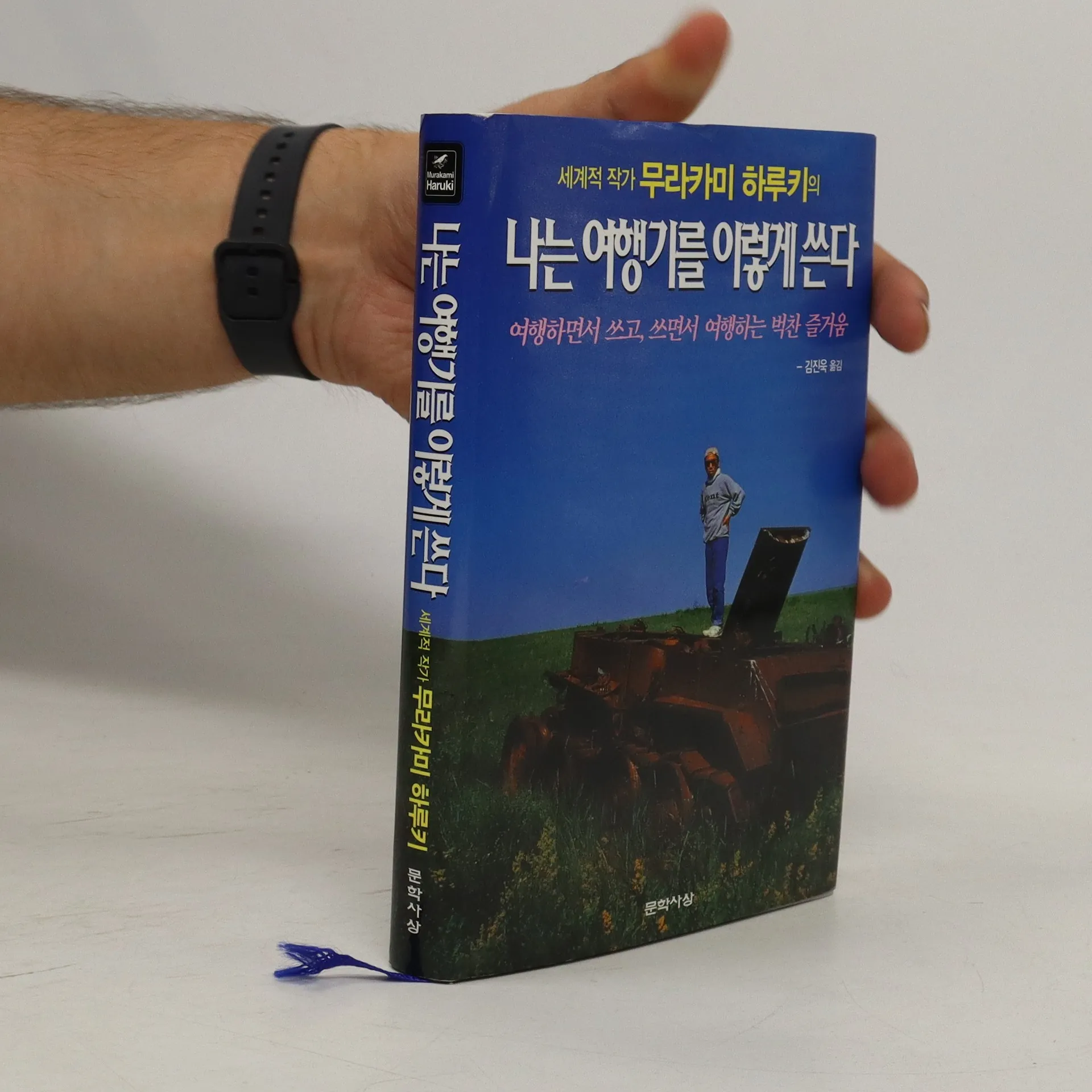
나는 여행기를 이렇게 쓴다. Naneun yeohaeng-gileul ileohge sseunda
- 298 stránek
- 11 hodin čtení
"Eines Tages seid ihr plötzlich Männer, die keine Frauen haben. Dieser Tag kommt ganz unerwartet, ohne die leiseste Vorankündigung, ohne jeden Hinweis, ohne Vorgefühl, ohne Ahnung, ohne Klopfen und ohne Räuspern. Wenn ihr um die Ecke biegt, wisst ihr bereits, was dort ist. Aber ihr könnt nicht mehr umkehren. Seid ihr einmal um die Ecke gebogen, wird das eure einzige Welt. Auf dieser Welt nennt man euch "Männer, die keine Frauen haben". In einem unendlich kalten Plural. Nur Männer, die keine Frauen haben, können verstehen, wie herzzerreißend, wie furchtbar traurig es ist, Männer zu sein, die keine Frauen haben. Den wunderbaren Westwind zu verlieren." Sieben neue Erzählungen versammelt das Hörbuch, die wohl zum Zartesten und Anrührendsten zählen, das je von ihm zu hören war. Und doch sind sie typisch Murakami, denn fast immer geht es darin um versehrte, einsame Männer. Männer, denen etwas Entscheidendes fehlt... ©2014 DuMont Buchverlag, Köln. Übersetzung: Ursula Gräfe (P)2014 Hörbuch Hamburg HHV GmbH, Hamburg
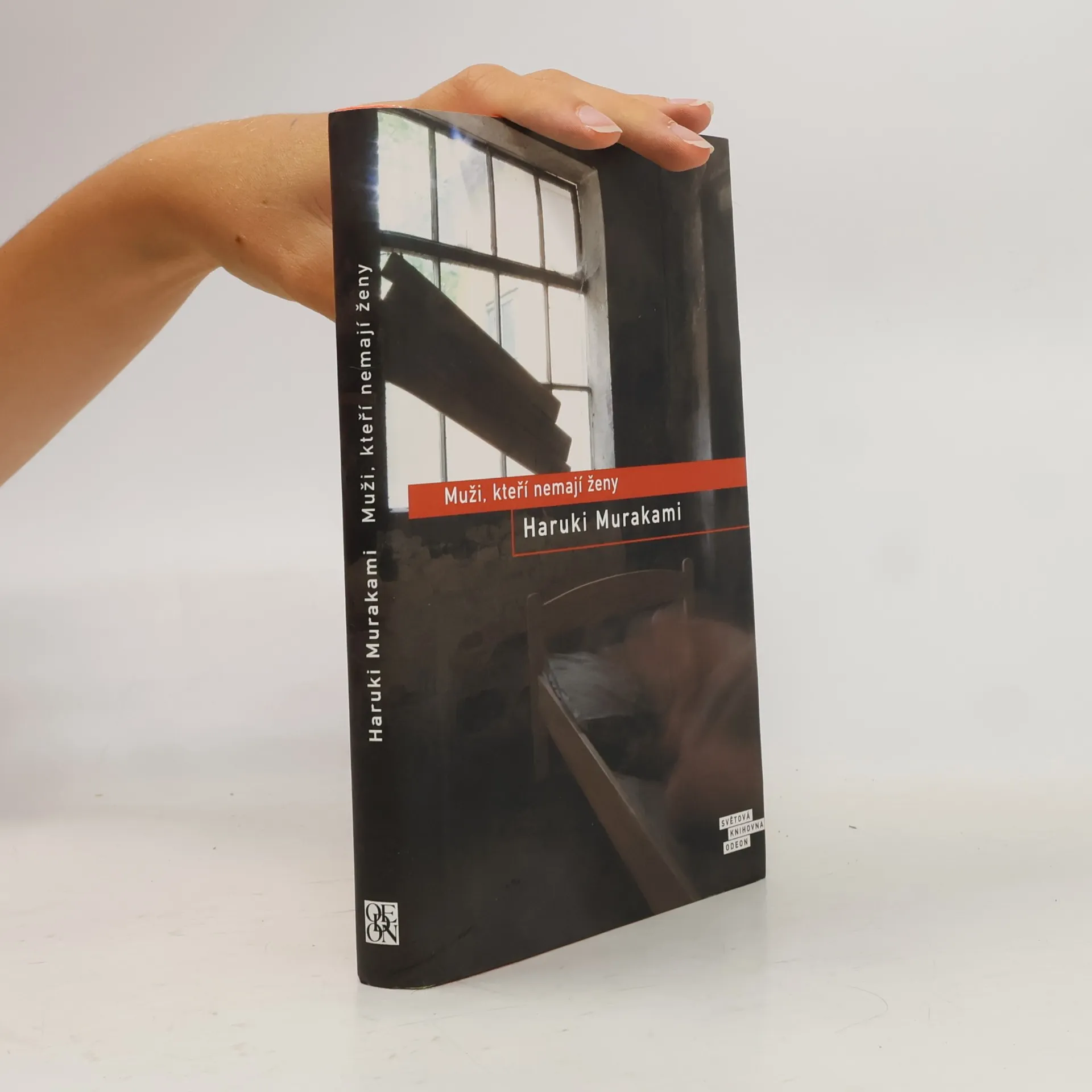
Muži, kteří nemají ženy
- 248 stránek
- 9 hodin čtení
Nejnovější Murakamiho kniha vypráví o vztazích, poznamenaných nedorozuměním, nevěrou, či proradností. Sedm povídek sbírky spojuje téma osamění mužů, kteří za různých okolností ztratili ženu, nebo o ni nenávratně přicházejí. Murakami vykreslil trápení hrdinů s jejich osudovými láskami v různém věku a postavení: spisovatel či plastický chirurg, herec nebo vysokoškolák, majitel baru. Všichni se nacházejí v různých životních situacích, ale všichni jsou nějak poznamenaní duchem ztracených žen…
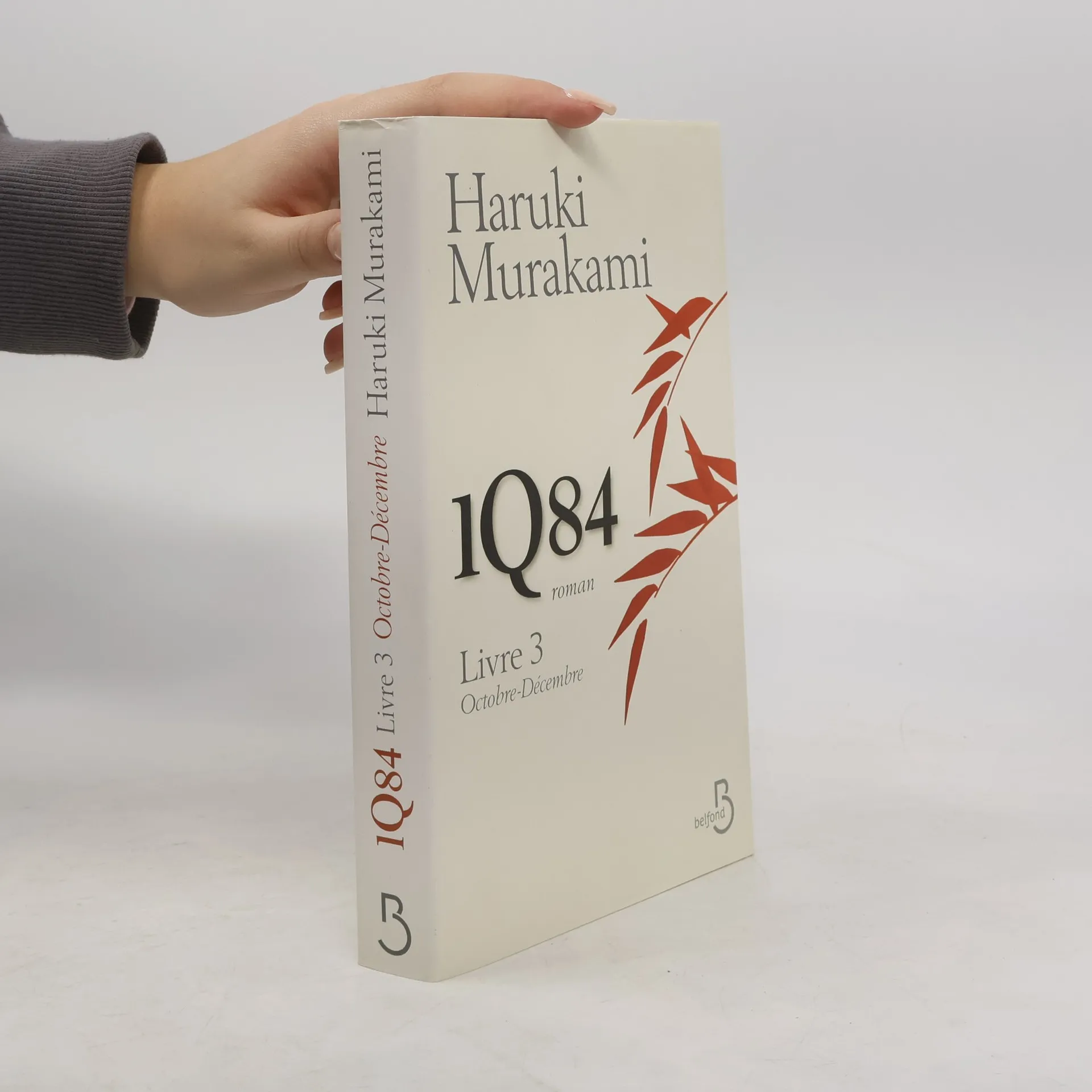
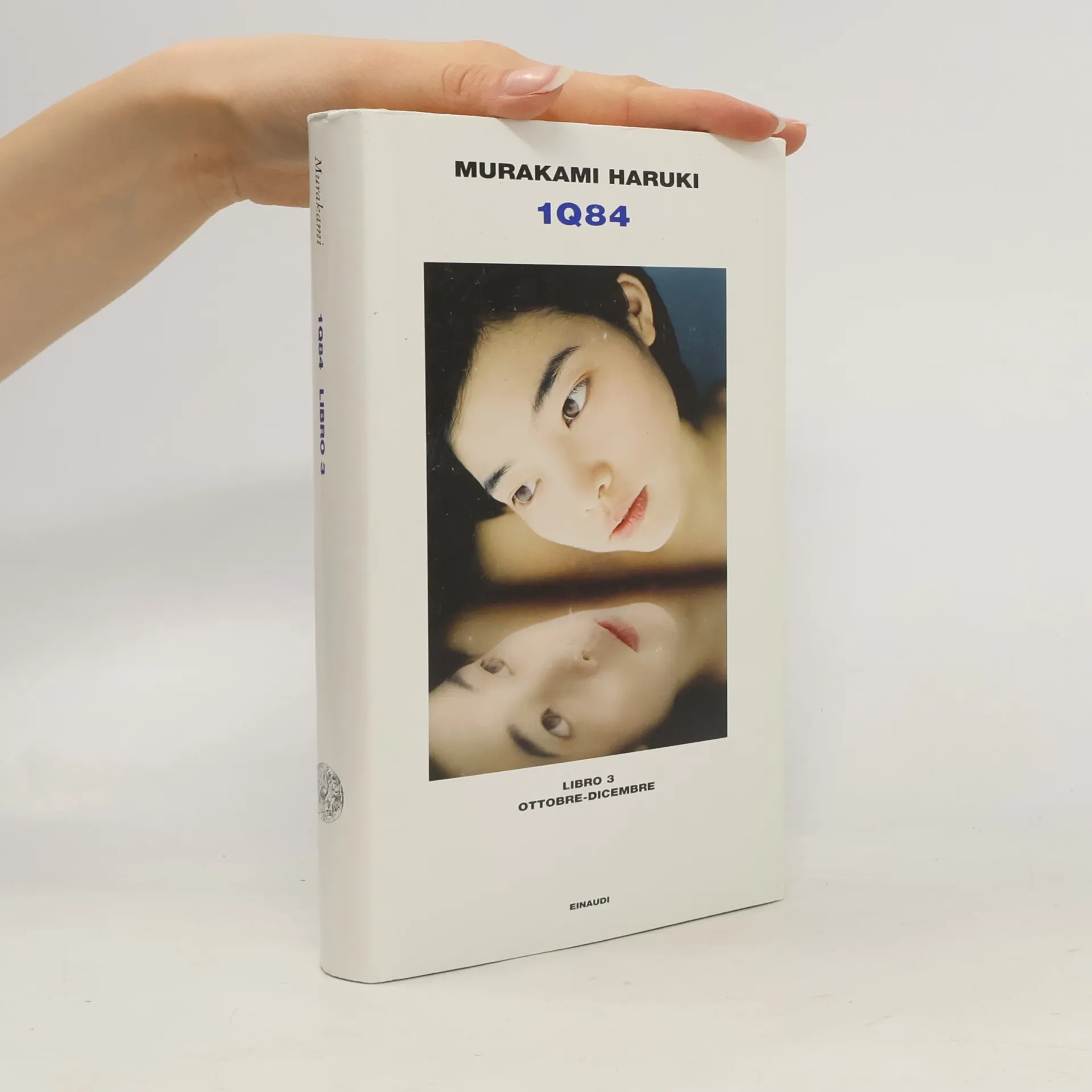
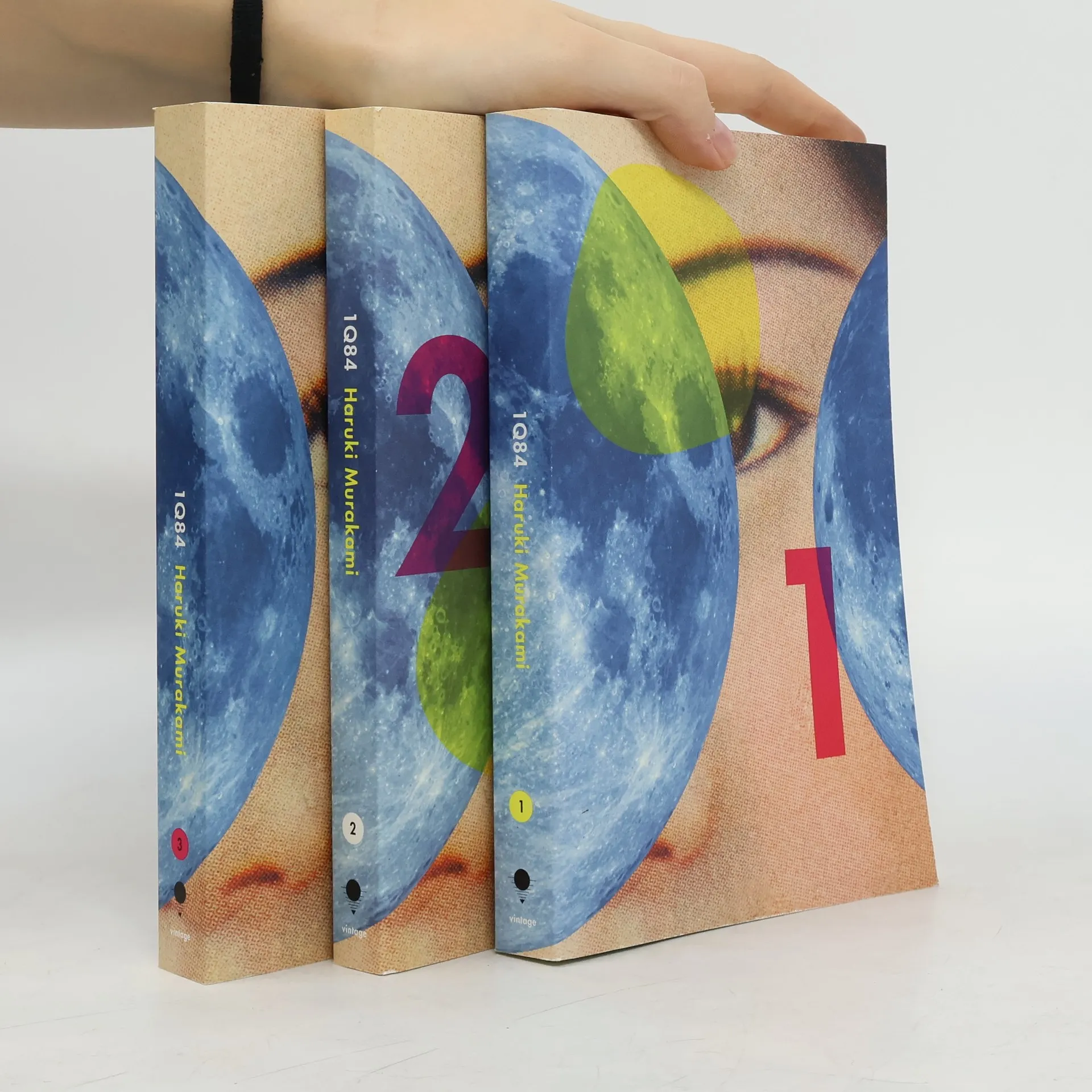
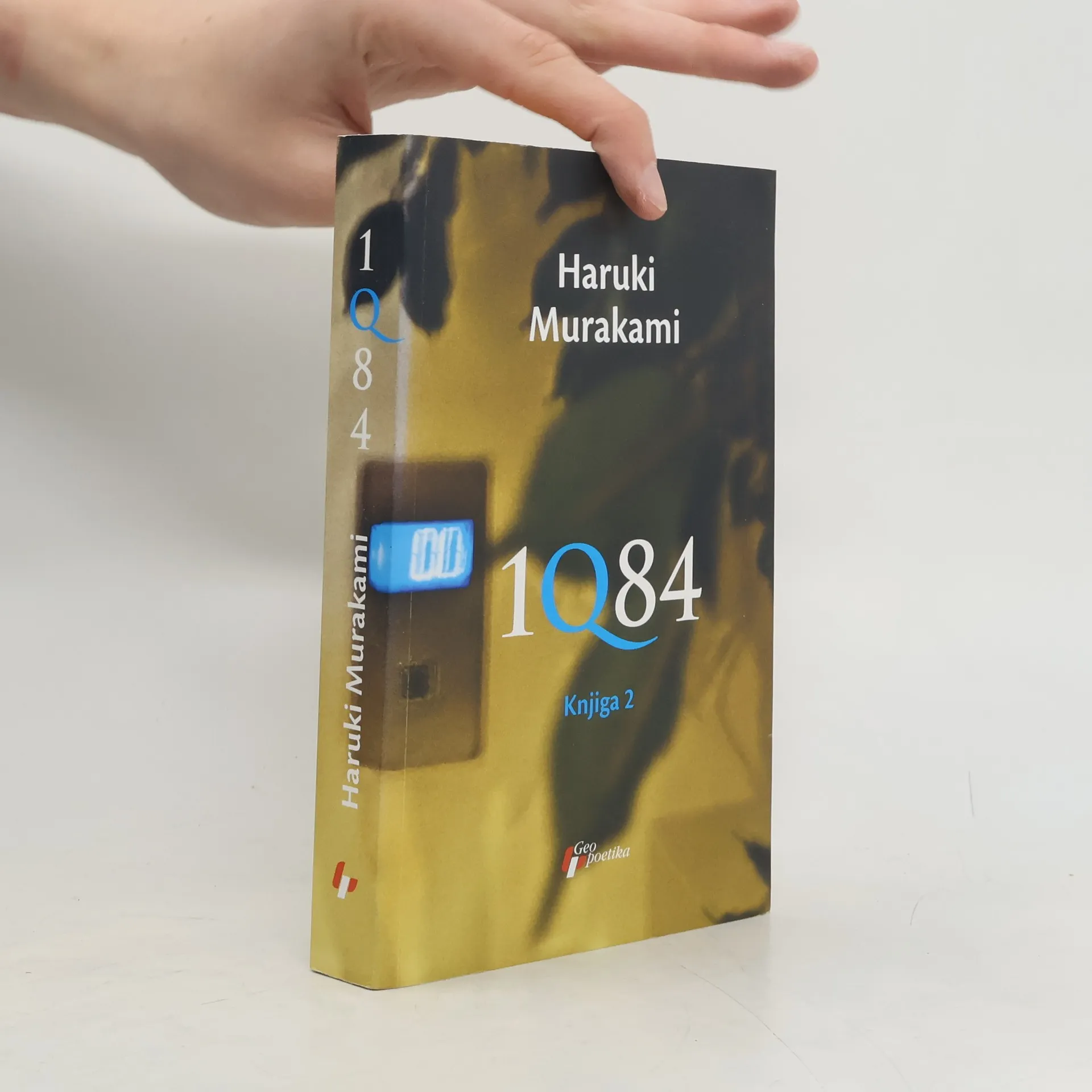
1Q84
Livre 3 Octobre-Décembre
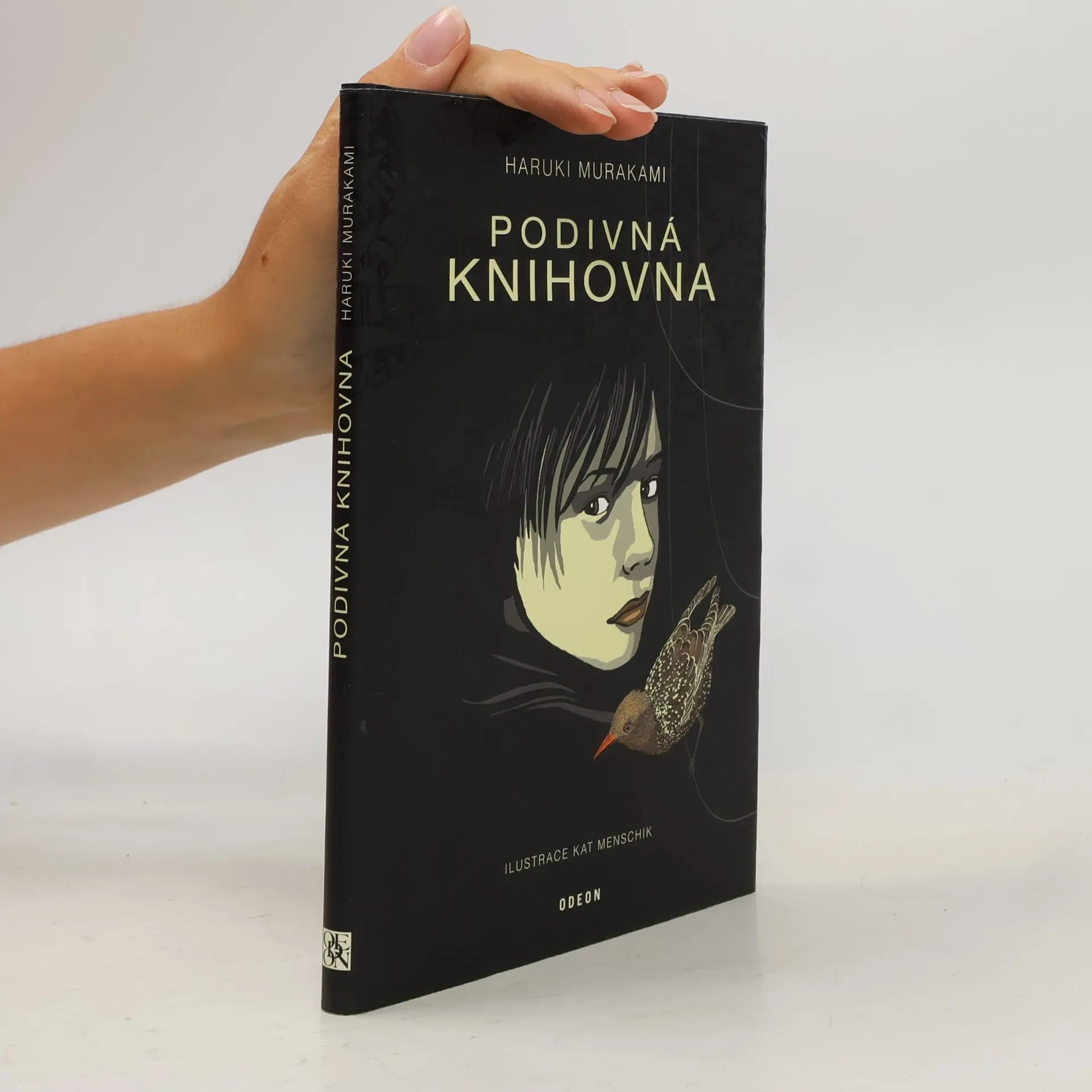
Chodíte si půjčovat knihy do knihovny? Mladík si jako obvykle odskočí navečer do místní knihovny: vrátit dvě knížky a nějaké jiné si půjčit. Ten den se však už nevrátí domů. Běžná knihovna se náhle změní v záhadné bludiště s nekonečnými chodbami, zamčenými dveřmi a celou, v níž se chlapec nakonec ocitá. Občasnou společnost mu dělají dědek, ovčí muž a záhadná krásná dívka, která nemluví. Tahle noční můra se sice nakonec prosvětlí denním světlem, ale mladík zjišťuje, že nic už není jako dřív. Haruki Murakami jako mistr záhadných, surreálných témat. Barevné ilustrace Kat Menschik.
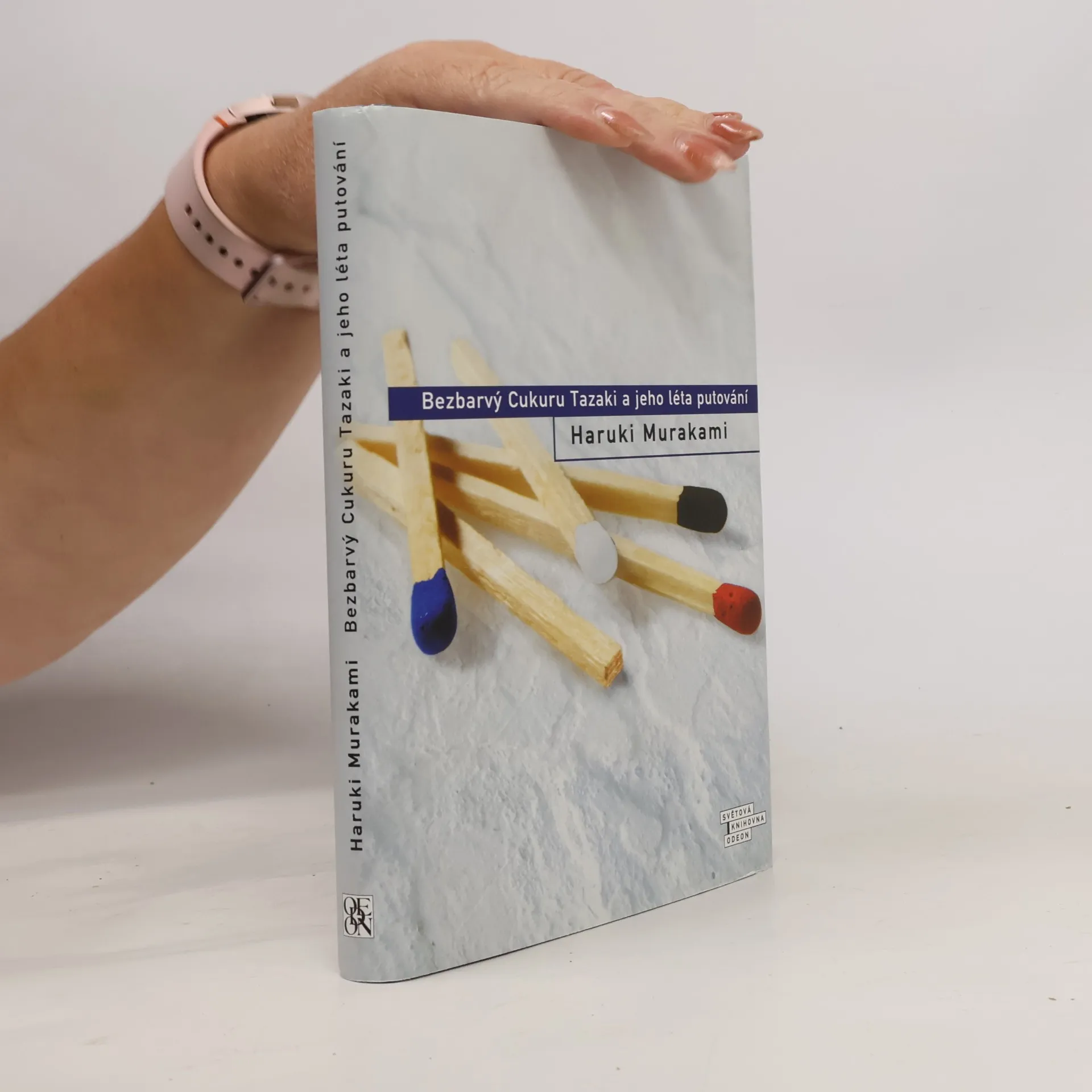
Bezbarvý Cukuru Tazaki a jeho léta putování
- 280 stránek
- 10 hodin čtení
Cukuru Tazaki byl na střední škole jedním z pěti členů party, která ho ze dne na den vyloučila ze svého středu, aniž mu někdo z jeho kamarádů řekl proč. Tazaki utrpěl ztrátou přátel duševní otřes a zabýval se dokonce i myšlenkou na sebevraždu. Dlouhých 16 let poté přiměje přítelkyně Sára Tazakiho, aby vyhledal své bývalé kamarády a získal odpověď na otázku: PROČ? Ani v tomto díle autor své čtenáře nezklame – charakteristický literární styl vytváří výjimečné dílo a čtenáři jsou znovu pohlceni Murakamiho magickým světem.....
1Q84
ROMAN
Ci sono amori destinati a superare universi e ostacoli per incontrarsi, affrontando difficoltà e avversari, ma soprattutto le paure interiori che abitano in noi. Aomame e Tengo vivono in una realtà estranea, un mondo "al di là dello specchio" con due lune, divisi e braccati, costantemente in pericolo. Tutto sembra cospirare per impedire il loro incontro. Oltre alla setta Sakigake, c'è anche l'investigatore privato Ushikawa, un personaggio bizzarro e astuto, il cui aspetto inquietante è accompagnato da un'intuizione sorprendente. Ushikawa offre un nuovo punto di vista, alternandosi a quello di Tengo e Aomame, guidando il lettore verso la conclusione di una storia complessa. In questo finale, l'autore intreccia trame, personaggi e misteri, rivelando una nuova verità, come una costellazione che svela il suo disegno. Murakami costruisce un universo narrativo per esplorare come si creano gli universi, portando il lettore in un viaggio attraverso l'amore, la paura e la ricerca di un mondo sicuro in due.
Gibt es eine Formel, nach der die großen Leidenschaften funktionieren? Roberta Gómez Dawson, Literatin und ehemals Inhaberin eines Lehrstuhls für Mathematik, ist sich sicher, eine solche Formel gefunden zu haben. Zu spät, wie die 82-Jährige findet. Den einzigen Mann, den sie je wollte, hat sie immer nur fast bekommen. Hätte ihr das Wissen um die Formel seinerzeit genützt? Wie handelt man richtig, wenn man glaubt, den einen Menschen gefunden zu haben, der 100%ig zu einem passt? Was passiert, wenn zwei Menschen die Erfüllung ihres Traums schon mit 18 Jahren erleben? Welche Rolle ist begehrenswerter: Lieben oder Geliebtwerden? Gibt es eine Strategie des Glücks? Helfen Vorbilder, Theorien weiter? Lässt sich eine Liebe wiederbeleben, zu der man 25 Jahre zuvor nein gesagt hat? Fragen wie diese tauchen in den von Susanne Nadolny kenntnisreich zusammengestellten Texten auf. Sie regen zum Nachdenken über die Liebe an – über jenes „Wunder des Kosmos“, das uns jeden Tag, an jeder Straßenecke begegnen kann. Ob mit 18 oder 80, ob in Buenos Aires oder Paris, Harajuku oder Amsterdam. Jede Liebe hat ihre eigene Geschichte und funktioniert auf eigene Weise. Acht besondere erzählt dieses Buch mit Texten von Alex Capus, Jeffrey Eugenides, Gustave Flaubert, Benoîte Groult, Siri Hustvedt, Haruki Murakami, Connie Palmen, Esther Vilar
Νορβηγικό δάσος - 4η Χιλιάδα
- 464 stránek
- 17 hodin čtení
Το μυθιστόρημα Νορβηγικό δάσος , που αντλεί τον τίτλο του από ένα χιτ των Beatles, έχει ως φόντο την αναταραχή της κοινωνικοπολιτικής ατμόσφαιρας της δεκαετίας του '60. Η αφήγηση αντιπαραβάλλει σε αυτό το σκληρό μοτίβο στιγμές μιας συναισθηματικής οικειότητας που ταράζει. Η ιστορία του Τόρου Γουατανάμπε ακολουθεί το νήμα των ψυχολογικών επιπτώσεων που προκύπτουν από την αδύνατη αγάπη για την αγαπημένη του νεκρού φίλου του. Όλα διαδραματίζονται σε ένα φόντο επεισοδίων που χαρακτηρίζονται από ερωτικές σκηνές σε βρώμικα δωμάτια φοιτητικών εστιών, από αφίσες και δίσκους με τον Τζιμ Μόρισον, τον Μάιλς Ντέιβις ή τον Μπαχ, από αναγνώσεις κλασικών της παγκόσμιας λογοτεχνίας.
1Q84. Βιβλίο I
- 480 stránek
- 17 hodin čtení
Ο Μουρακάμι με μαεστρία δημιουργεί φανταστικούς χαρακτήρες και παράλληλους κόσμους, θολώνοντας τα όρια ανάμεσα στην πραγματικότητα και τη λογοτεχνία. Το 1Q84 είναι μια ιστορία που αφηγείται εναλλάξ τη ζωή μιας γυναίκας και ενός άνδρα, της Αομάμε και του Τένγκο, γεμάτη ένταση και στιγμές τρόμου. Οι δύο τους γνωρίζονταν καλά από την παιδική τους ηλικία και όλα δείχνουν ότι οι δρόμοι τους θα συναντηθούν ξανά. Η Αομάμε είναι εκπαιδεύτρια πολεμικών τεχνών, μασέζ και, μετά τη δουλειά, μια άριστη δολοφόνος. Ο Τένγκο είναι καθηγητής μαθηματικών και, στον ελεύθερο χρόνο του, αρχάριος συγγραφέας και επιμελητής. Η Αομάμε εισέρχεται σε μια άλλη πραγματικότητα και οι δύο προσπαθούν απεγνωσμένα να ξαναβρούν ο ένας τον άλλον. Όταν η Αομάμε αποτυγχάνει να επιστρέψει στον κανονικό κόσμο, αποφασίζει να αυτοκτονήσει, ελπίζοντας ότι έτσι θα εγκαταλείψει τον δεύτερο εαυτό της που ζει το 1Q84 και θα επιστρέψει στο 1984. Την ίδια στιγμή, ο Τένγκο αποφασίζει να ζήσει σε έναν κόσμο όπου αιωρούνται δύο φεγγάρια, γνωρίζοντας ότι μόνο εκεί μπορεί να συναντήσει την Αομάμε.
心から一歩も外に出ないものごとなんて、この世界には存在しない―君たち二人の運命が、ただの成り行きによってここで邂逅したわけではない。君たちは入るべくしてこの世界に足を踏み入れたのだ。この1Q84年に。...雷鳴とどろく夜、青豆はさきがけのリーダーから「秘密」を明かされる。天吾と父親の宿命的な再会、そして猫の町。二人が迷いこんだ世界の謎はまだ消えない。
1949年にジョージ・オーウェルは、近未来小説としての『1984』を刊行した。そして2009年、『1Q84』は逆の方向から1984年を描いた近過去小説である。そこに描かれているのは「こうであったかもしれない」世界なのだ。私たちが生きている現在が、「そうではなかったかもしれない」世界であるのと、ちょうど同じように。
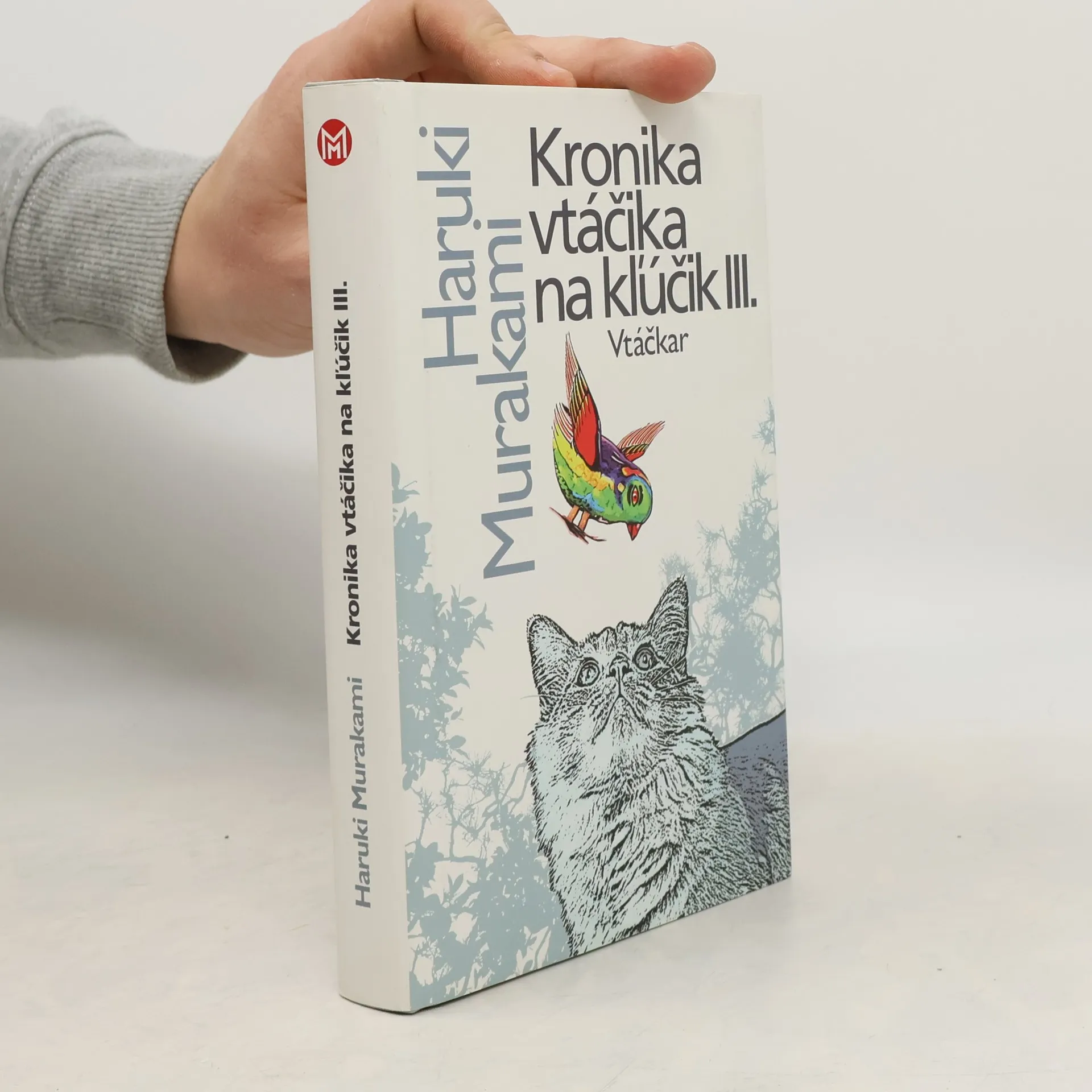
Kronika vtáčika na kľúčik III. Vtáčkar
- 352 stránek
- 13 hodin čtení
Udalosti v Tóruho živote naberú rýchly spád. Mei Kasaharová mu napíše list z neznámeho miesta, v ktorom ho dôrazne upozorňuje na článok v istom bulvárnom denníku, kde sa píše o tajomnom majiteľovi domu na opustenej parcele poznačenej ľudským nešťastím. Tóru stále hľadá Kumiko, zbližuje sa s ďalšou prapodivnou dvojicou, a do jeho života čoraz nevyberanejšími spôsobmi vstupuje jeho švagor Naboru Wataja, vysokopostavený politik, ktorý sa obáva škandálu. Kumiko je však stále preč, a k Tóruovi sa celkom nečakane vráti stratený kocúr.
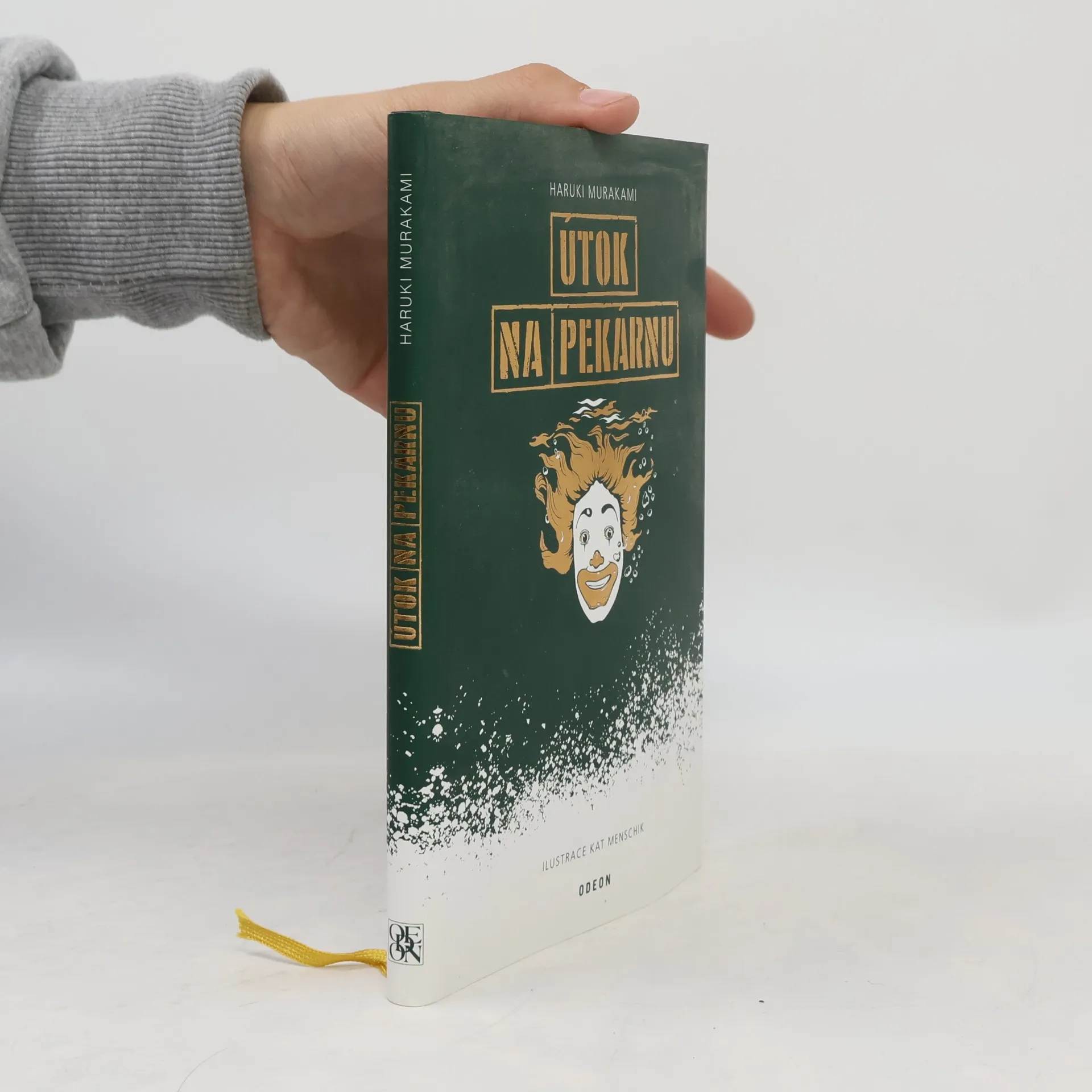
Útok na pekárnu
- 80 stránek
- 3 hodiny čtení
Třetí ilustrovaný svazek, který svými grafikami doprovodila německá výtvarná umělkyně Kat Menschik, obsahuje dvě povídky. Oba texty spojuje téma, totiž nezvladatelný, krutý hlad. „Měli jsme každopádně hlad jako vlci. A vlastně ne jen tak obyčejný hlad. Spíš to byl pocit, jako když člověk spolkne samotnou prázdnotu vesmírnou.“ Dva mladí muži – vyzbrojeni kuchyňskými noži – se vypraví do pekárny, aby tam utišili svou potřebu. Nakonec k násilí nedojde, jen majitel je donutí poslouchat úryvky z Wagnerových oper... Při druhé loupeži žádná obyčejná pekárna není po ruce, a tak muž a žena vezmou útokem provozovnu McDonaldu. S brokovnicí v ruce. Někdo poslouchá žízeň, někdo svůj hlad.
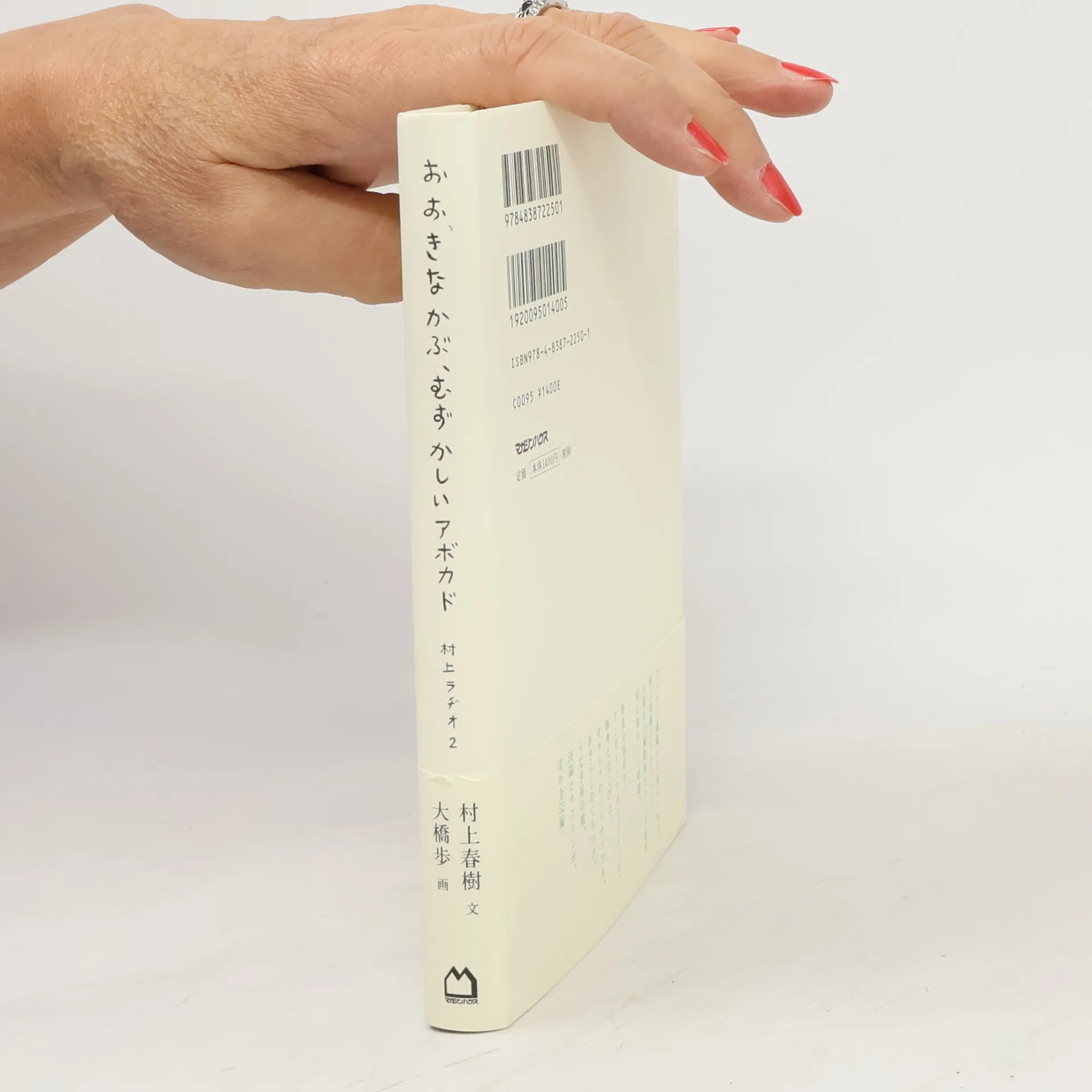
村上ラヂオ - 2: おおきなかぶ、むずかしいアボカド
- 217 stránek
- 8 hodin čtení
アンアン連載の人気エッセイ、村上春樹のテキストと大橋歩の銅版画がつくり出す居心地のいい時間。野菜の気持ち、アンガー・マネージメント、無考えなこびと、オキーフのパイナップル、あざらしのくちづけ、うなぎ屋の猫、決闘とサクランボ、ほか全52篇。
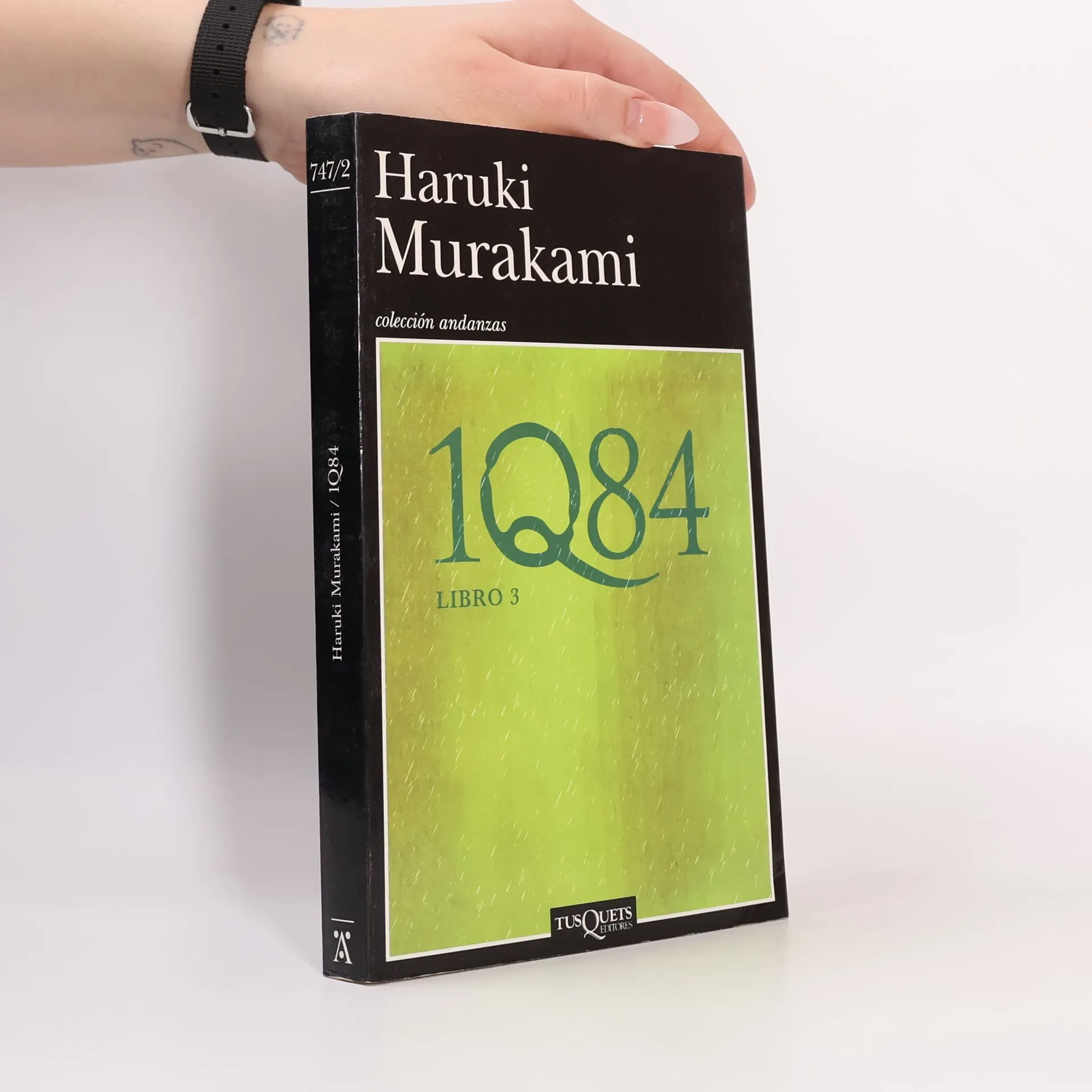
Colección Andanzas: 1Q84. Libro 3
- 416 stránek
- 15 hodin čtení
A las voces de Aomame –la enigmática instructora de gimnasia y asesina– y de Tengo –el profesor de matemáticas y escritor–, se suma, en este tercer volumen de la novela 1Q84 , la de un nuevo personaje, un detective llamado Ushikawa. Su última misión, encargada por Vanguardia, el misterioso culto religioso, consistió en comprobar si Aomame era digna de confianza para trabajar para el líder. Ushikawa dio el visto bueno a la joven, pero ésta los traicionó a todos, cometió un nuevo asesinato y luego desapareció. Si el detective no logra encontrarla, la venganza de la secta se abatirá sobre él. Entretanto, Aomame y Tengo, cada uno a su modo, siguen deseándose en la ausencia, buscándose –en el más puro estilo de Murakami– casi sin moverse de su sitio, aislados, quizás a punto de experimentar un giro radical en sus vidas y esperando un reencuentro que los redima... en el mundo de 1984, o en el de 1Q84, ese fantasmagórico universo con dos lunas.
Никто не скажет о предлагаемой вашему вниманию книге лучше, чем сам автор — наиболее знаменитый мастер современной японской литературы: «Ультракороткие рассказы (вероятно, это странноватое название, но другого мне не приходит в голову) этого сборника, на самом деле были написаны для серии журнальной рекламы. Первая часть — для марки одежды “J. Press”, вторая — для перьевых ручек «Паркер». Хотя, как видите, содержание рассказов совершенно не связано ни с одеждой, ни с перьевыми ручками. Я просто написал их по собственному вкусу, Андзай Мидзумару сделал для них иллюстрации, а рядом с ними в журнале как-то виновато опубликовали рекламу товара. Серия рассказов для “J. Press” печаталась в журнале “Men’s Club”, серия для ручек — в журнале “Тайё”. Не знаю, насколько эффективными они оказались с точки зрения рекламы, — и, честно говоря, даже думать об этом не хочу».
잡문집. Jabmunjib
- 501 stránek
- 18 hodin čtení
村上春树自选三十五年来的精彩随笔结集而成,都是未以单行本发表过的文字,并在每篇前附短文记述写作时的心绪。
태엽감는 새. 3: 새잡이꾼 편 I (taeyeobgamneun sae. 3: saejab-ikkun pyeon I)
- 262 stránek
- 10 hodin čtení
소설 "태엽감는 새"는 세계에서 가장 인기 있는 작가 중 한 명인 하룬키 무라카미의 작품으로, 진정한 조이스적 규모를 지니고 있다. 제2차 세계대전의 공포와 현대 일본인의 운명, 편지, 신비로운 꿈, 기억, 잡지 기사, 암호화된 파일 등으로 구성된 이 작품은 믿을 수 없는 사건들, 섬세한 아이러니, 그리고 하룬키 무라카미 특유의 독창적인 어조로 엮인 완전한 서사이다. "태엽감는 새. 3: 새잡이꾼 편 I"는 "태엽감는 새"의 세 번째 부분이다.
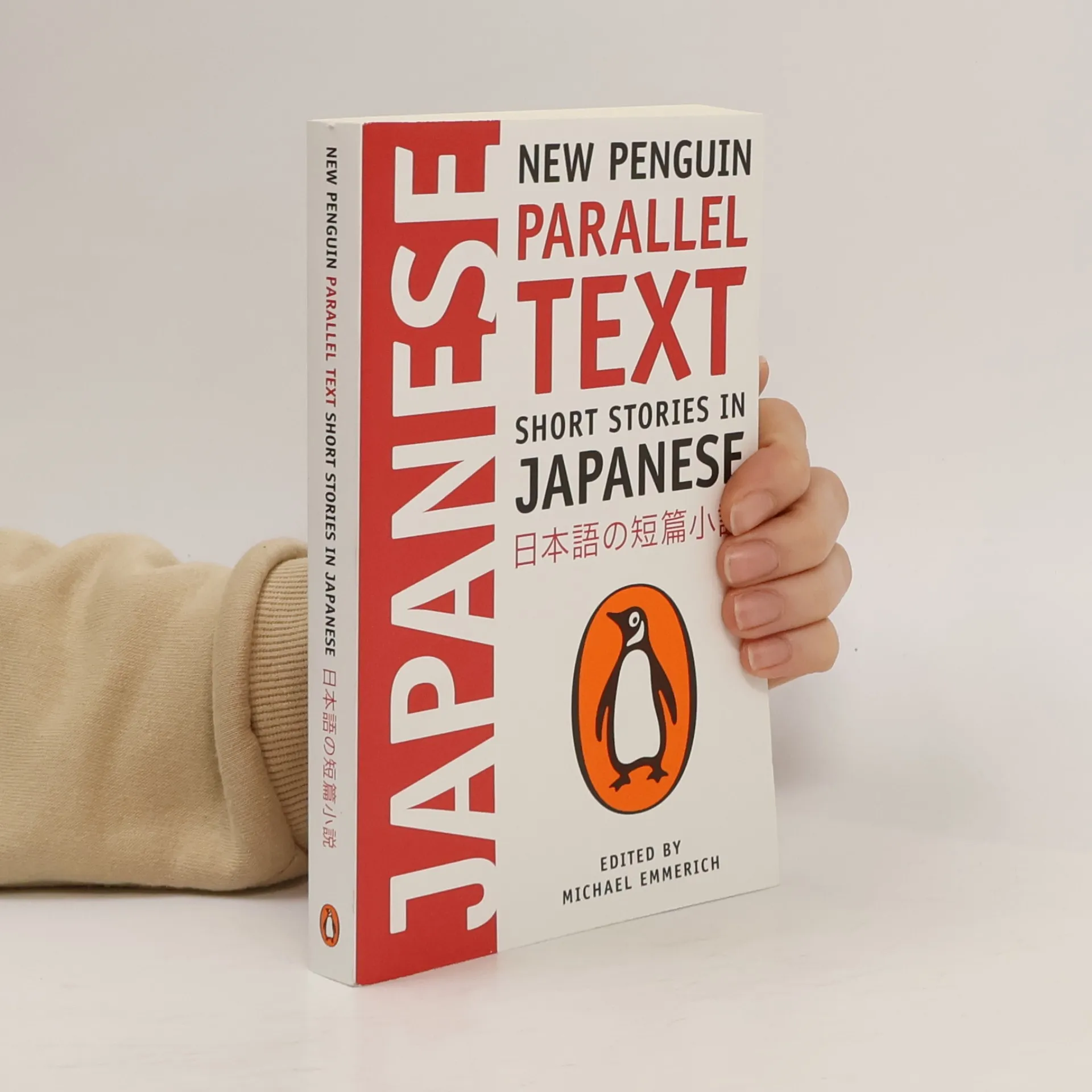
New penguin parallel text : short stories in Japanese
- 250 stránek
- 9 hodin čtení
A dual-language edition of Japanese stories—many appearing in English for the first time This volume of eight short stories, with parallel translations, offers students at all levels the opportunity to enjoy a wide range of contemporary literature without having constantly to refer back to a dictionary. The stories—many of which appear here in English for the first time—are by well-known writers like Haruki Murakami and Banana Yoshimoto, as well as emerging voices like Abe Kazushige, Ishii Shinji, and Kawakami Hiromi. From the orthodox to the cutting-edge, they represent a range of styles and themes, showcasing the diversity of Japanese fiction over the past few decades in a collection that is equally rewarding for beginning, intermediate, and advanced students of English or Japanese. Complete with notes, the stories make excellent reading in either language.
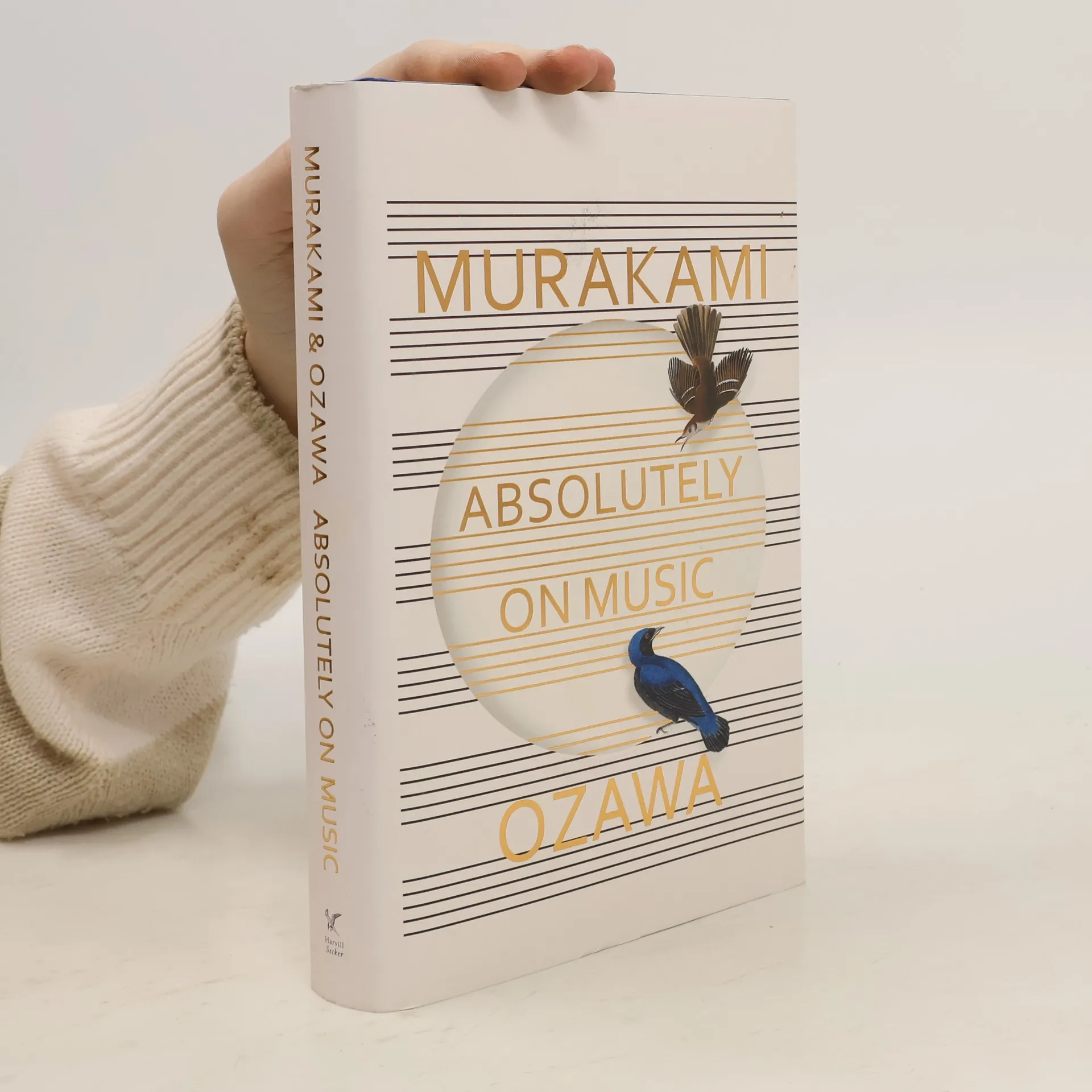
An intimate conversation about music and creativity, between the internationally bestselling writer and a world-class conductor. 'My only purpose in this book was for me, as a music lover, to have a discussion of music with the musician Seiji Ozawa that was as open and honest as possible. I simply wanted to bring out the ways that each of us (though on vastly different levels) is dedicated to music.' Haruki Murakami's passion for music runs deep. Before turning his hand to writing, he ran a jazz club in Tokyo, and the aesthetic and emotional power of music permeates every one of his much-loved books. Now, in Absolutely on Music, Murakami fulfills a personal dream, sitting down with his friend, acclaimed conductor Seiji Ozawa, to talk about their shared interest. Transcribed from lengthy conversations about the nature of music and writing, here they discuss everything from Brahms to Beethoven, from Leonard Bernstein to Glenn Gould, from record collecting to pop-up orchestras, and much more. Ultimately this book gives readers an unprecedented glimpse into the minds of two maestros.
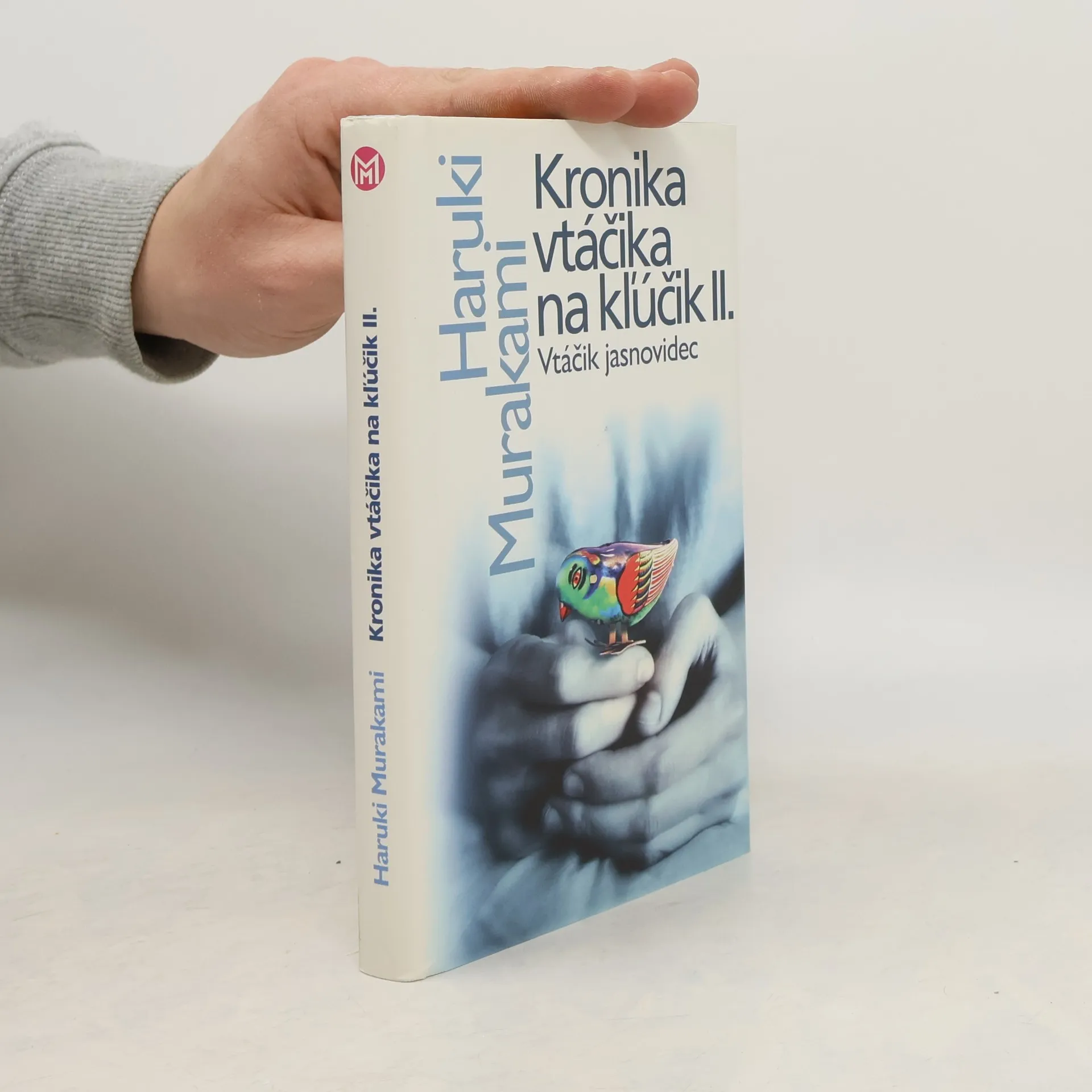
Kronika vtáčika na kľúčik II. Vtáčik jasnovidec
- 256 stránek
- 9 hodin čtení
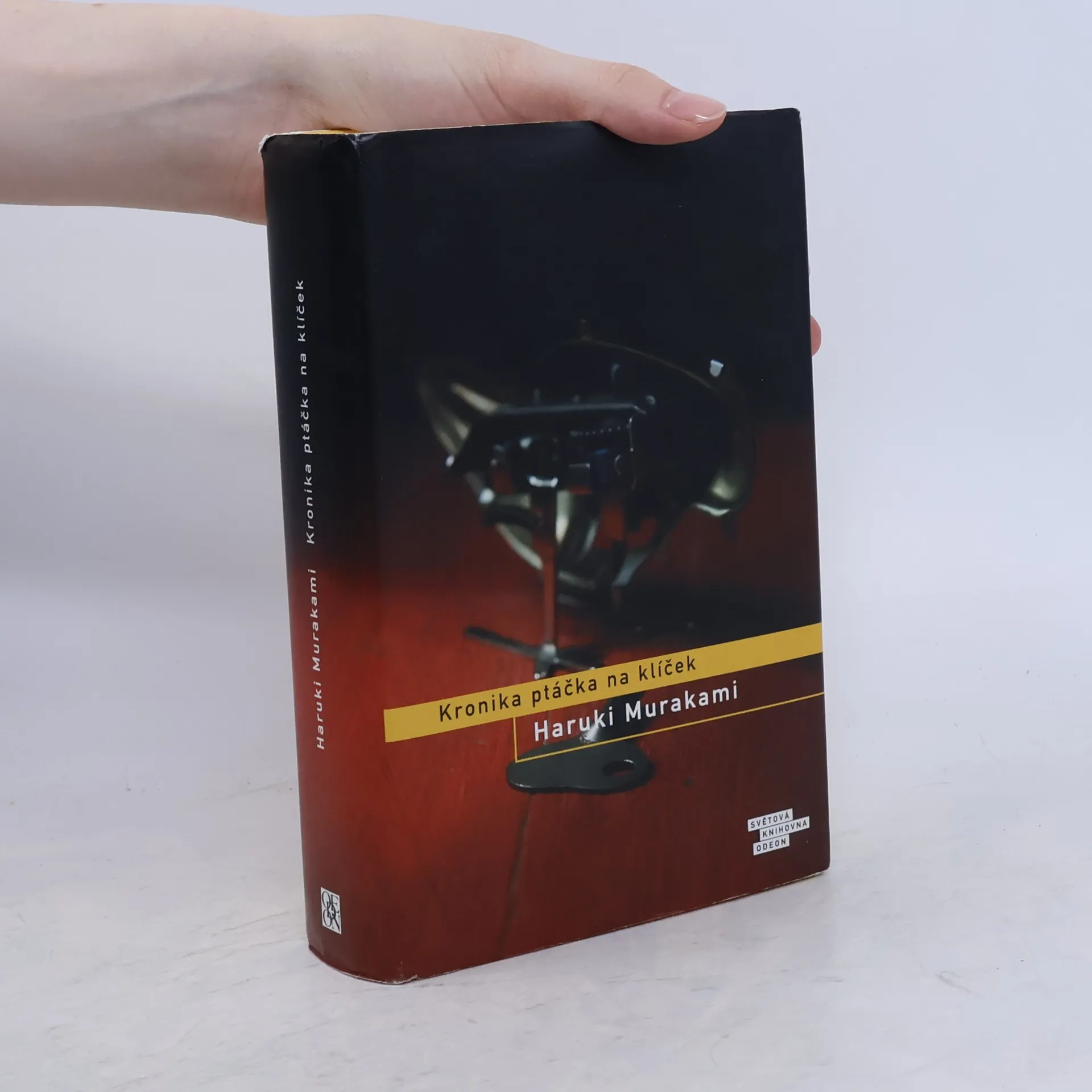
Druhý diel trilógie Kronika vtáčika na kľúčik zachytáva udalosti obdobia štyroch mesiacov po zmiznutí Tóruho manželky Kumiko. Tá sa jedného rána ako obyčajne vydá do práce a nevráti sa domov. Podľa všetkého opustila manžela kvôli inému mužovi, Tóru si však takýto koniec ich na pohľad harmonického vzťahu nedokáže vysvetliť. V zúfalstve ho mimovoľne inšpiruje motív studne, ktorý sa v jeho živote v poslednom čase opakovane objavuje. S úmyslom nerušene porozmýšľať zíde do vyschnutej studne v záhrade neďalekého opusteného domu. Tu sa poriadok jeho sveta drasticky narúša a udalosti nadobúdajú prudký spád...
Writing in a style that is deceptively plainspoken, Haruki Murakami finds a dreamlike common ground between Japan and the West, conscious and subconscious. His heroes lose themselves in quests that we may not always understand, but are hopelessly compelled to follow.
1Q84. Kniha 3
- 464 stránek
- 17 hodin čtení
Knihou číslo 3, která při prvním vydání v Japonsku zaskočila čtenáře jako nečekané překvapení, se završuje devět měsíců, které spolu s protagonisty Murakamiho románu strávíme v jiném světě roku 1Q84. Opět dostáváme možnost potkat své staré známé hrdiny. Tenga Kawanu, mladého matematika a spisovatele, vidíme definitivně řešit jeho vztahy s otcem. Jeho dávnou lásku oproti tomu pozorujeme v období velkých změn a sledujeme, jak se pouští do krajně nejistého podniku. A ještě někoho tu sledujeme: jednu z postav minulého dílu, která tu tentokrát dostává svůj samostatný prostor k akci i promluvě. Jednání všech tří se vzájemně prolíná a mnohovrstevný děj románu tak pomalu ale neodvratně spěje ke svému rozuzlení a konci. Nebo spíš k novému začátku?
Co kdyby jednoho dne kdosi kdesi přehodil imaginární výhybku, a svět, jak ho znáte, jednou provždy skončil? A co kdyby si toho navíc nikdo kolem vás nevšiml? Aomame a Tengo jsou zvláštní postavy. Ona je geniální fyzioterapeutka, která rozumí lidskému tělu jako málokdo. Jen svých znalostí občas využije k tomu, aby odeslala na jiný svět muže, na které je běžná spravedlnost krátká. On je vynikající matematik se spisovatelským talentem, který se jednoho dne propůjčí ke zdánlivě nedůležitému literárnímu podvodu. Ti dva se neviděli dobrých dvacet let, v hloubi duše ale nepřestávají myslet jeden na druhého. Oni sami se vlastně nezměnili. Jenže svět kolem nich začal být od jistého okamžiku jiný a podivný. A oni by v něm teď měli najít jeden druhého… Ve svém nejnovějším románu se Murakami pokusil propojit své dosavadní tvůrčí postupy a zkušenosti do rozsáhlého celku, ve kterém nechává zaznít mnoha protichůdným hlasům, aby se znovu a nově zamyslel nad svými oblíbenými tématy. Název 1Q84 odkazuje na jiné slavné dílo, a sice román 1984 George Orwella. V japonštině má totiž Q stejnou výslovnost jako devítka, takže se z tohoto hlediska jedná zároveň i o jakousi slovní hříčku. Má naznačovat nepatrnou, ale přesto velmi podstatnou změnu, jež má obrovské následky.
Харуки Мураками - абсолютный мастер слова и легенда современной литературы. Его мировая известность даже выше, чем та невероятная популярность, которую он снискал на родине в Японии. Его романы отмечены литературными премиями
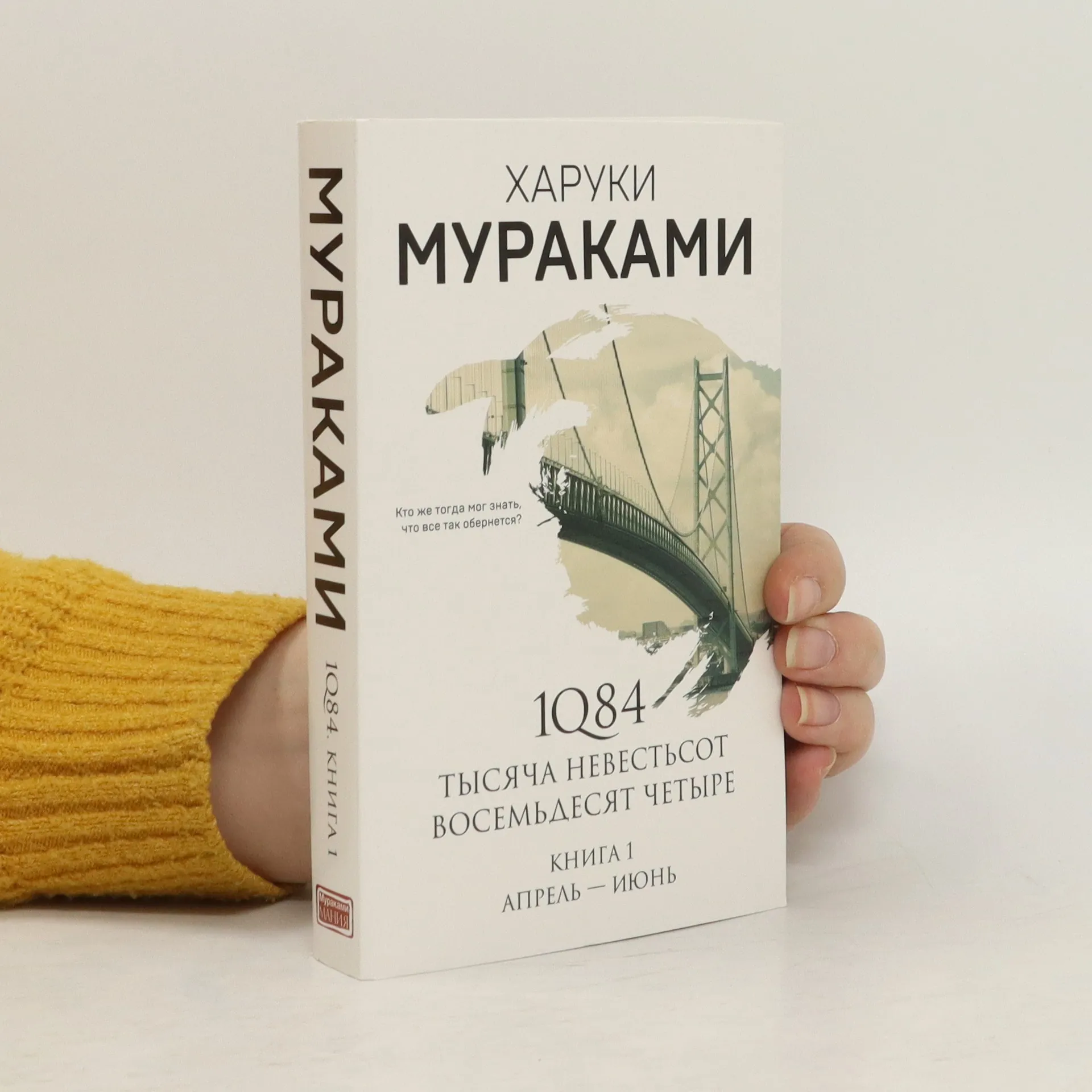
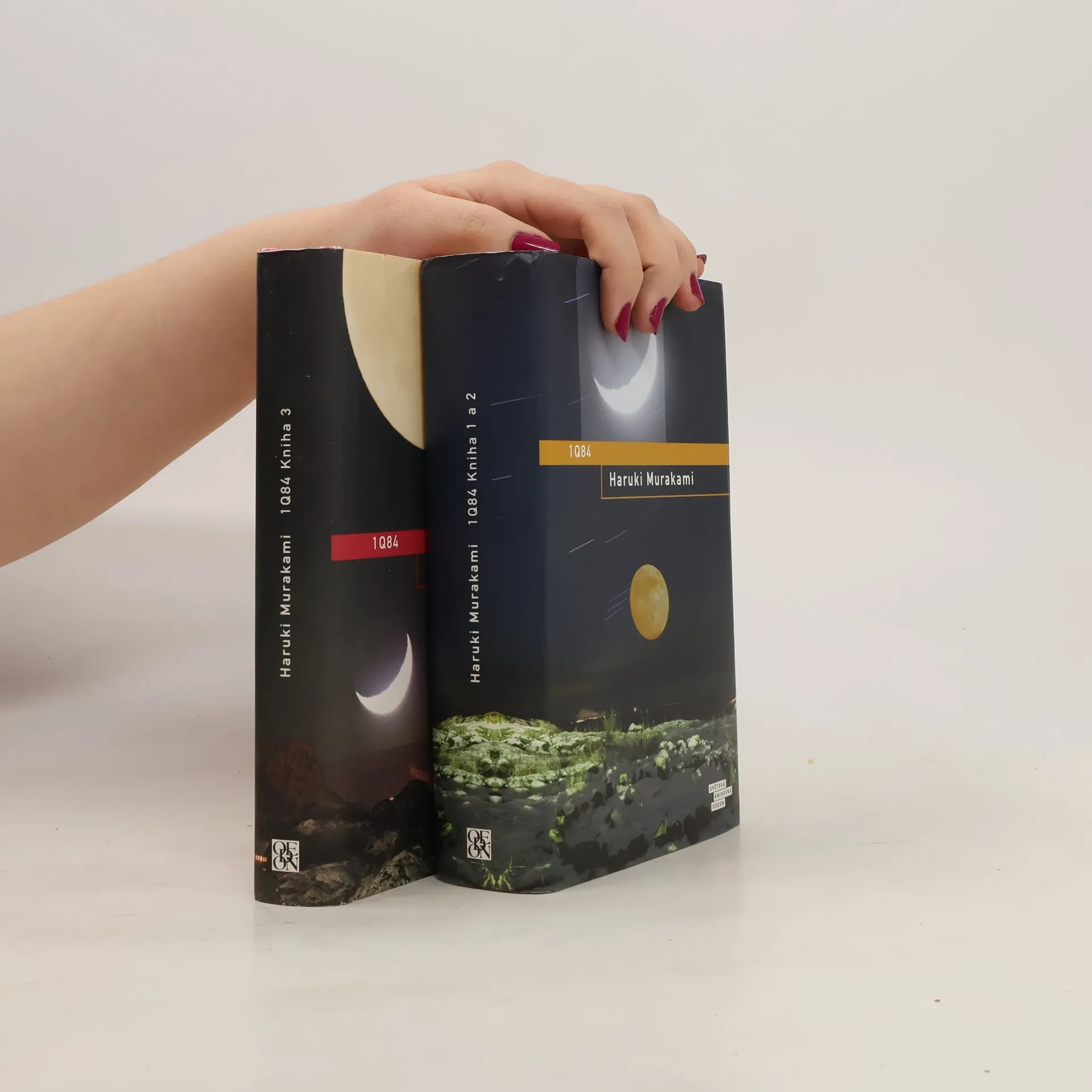
1Q84
- 1158 stránek
- 41 hodin čtení
The long-awaited magnum opus from Haruki Murakami, in which this revered and bestselling author gives us his hypnotically addictive, mind-bending ode to George Orwell's 1984.The year is 1984. Aomame is riding in a taxi on the expressway, in a hurry to carry out an assignment. Her work is not the kind that can be discussed in public. When they get tied up in traffic, the taxi driver, Tengo, suggests a bizarre 'proposal' to her. Having no other choice she agrees, but as a result of her actions she starts to feel as though she is gradually becoming detached from the real world. She has been on a top secret mission, and her next job leads her to encounter the superhuman founder of a religious cult. Meanwhile, Tengo is leading a nondescript life but wishes to become a writer. He inadvertently becomes involved in a strange disturbance that develops over a literary prize
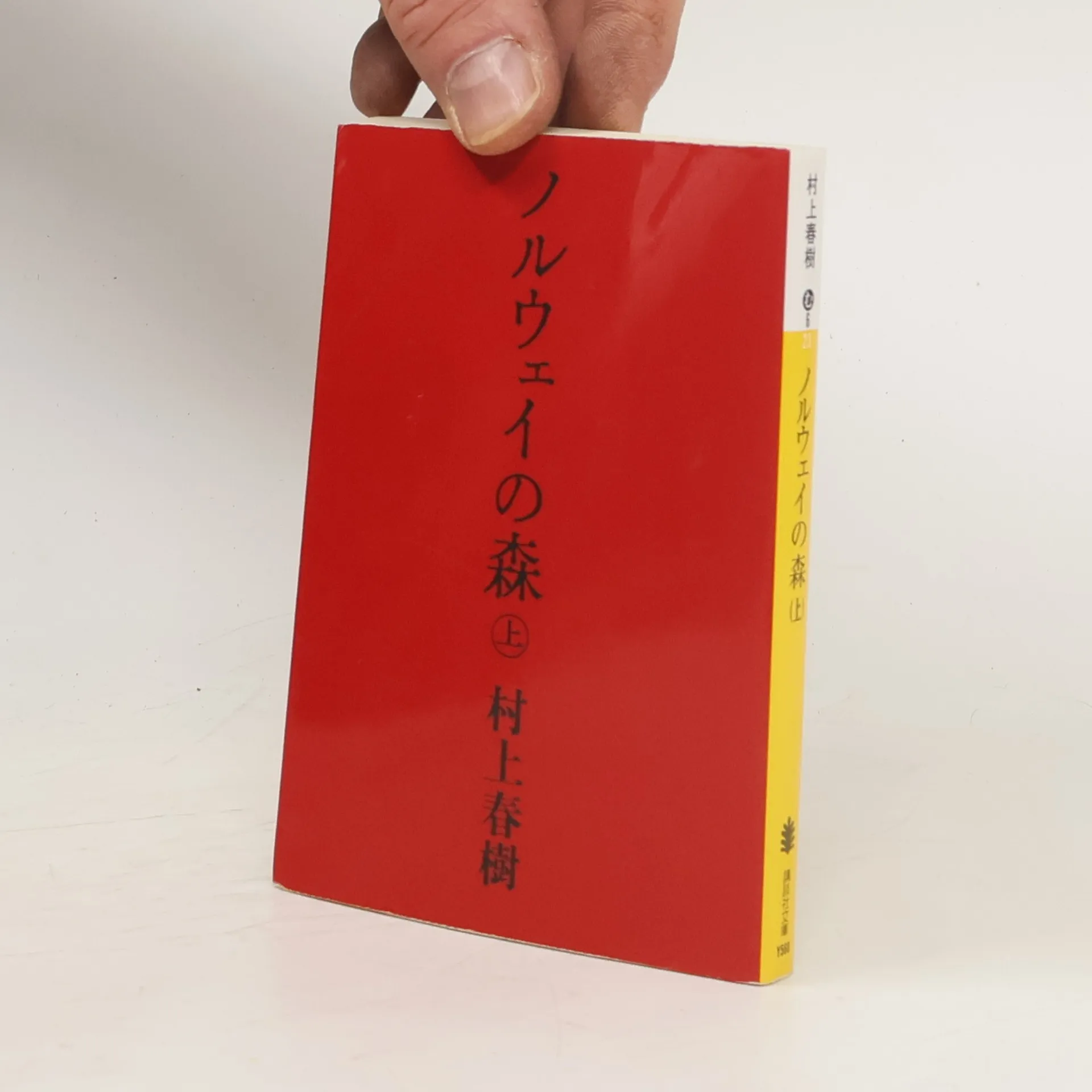
ノルウェイの森 (上)
- 302 stránek
- 11 hodin čtení
1987年9月、講談社から書き下ろし作品として上下二分冊で刊行された。1991年4月に講談社文庫として文庫化、2004年9月に文庫改訂版が出された(なお、単行本にはあとがきが付されているが、文庫版には掲載されていない)。 執筆はギリシャ、シチリア、ローマで行われた。そのため、引き続いてロンドンで執筆した『ダンス・ダンス・ダンス』と共に「異国の影のようなものが宿命的にしみついている」「結果として書かれるべくして書かれた小説」「もし日本で書かれていたとしたら、(中略)これほど垂直的に「入って」いかなかったろう」と村上は『遠い太鼓』に書いている。1987年3月7日、早朝から17時間休みなしで第一稿を深夜に書き上げる。直後の日記に「すごく良い」とだけ書き記した。3月26日、第二稿完成。すべてボールペンで手書き。 学生運動の時代を背景として、主人公「僕」と、友人の恋人「直子」を軸に、様々な思春期の葛藤や人間模様、恋愛、喪失感などを巧みに描き、非常に広く読まれている。後述のように上巻は、片山恭一『世界の中心で、愛をさけぶ』に抜かれるまで、日本小説単行本の発行部数トップであった。 主人公の通っている「東京の私立大学」は村上の母校早稲田大学を、「主人公が入っていた寮」は入寮していた和敬塾をモデルにしている。なおこの作品は村上の実体験を基にした「自伝的小説」であるとも見られるが、本人はこれを否定している。 元となる作品として短編小説の「螢」(『中央公論』1983年1月号初出)がある。また、短編小説「めくらやなぎと眠る女」も本作にまとまっていく系統の作品だが、「螢」とは違って本作との間にストーリー上の直接の関連はないという。 1989年、アルフレッド・バーンバウムの翻訳による英訳版『Norwegian Wood』が出版された。しかし同氏の英訳書はその後絶版となり、現在はジェイ・ルービンが翻訳したもの(2000年刊行)が流通している。アメリカ、イギリス、カナダ、オーストラリアなどの英語圏のほか、フランス、ドイツ、イタリア、ロシア、中国、台湾、韓国などでも翻訳されている。ノルウェー語にも翻訳された。
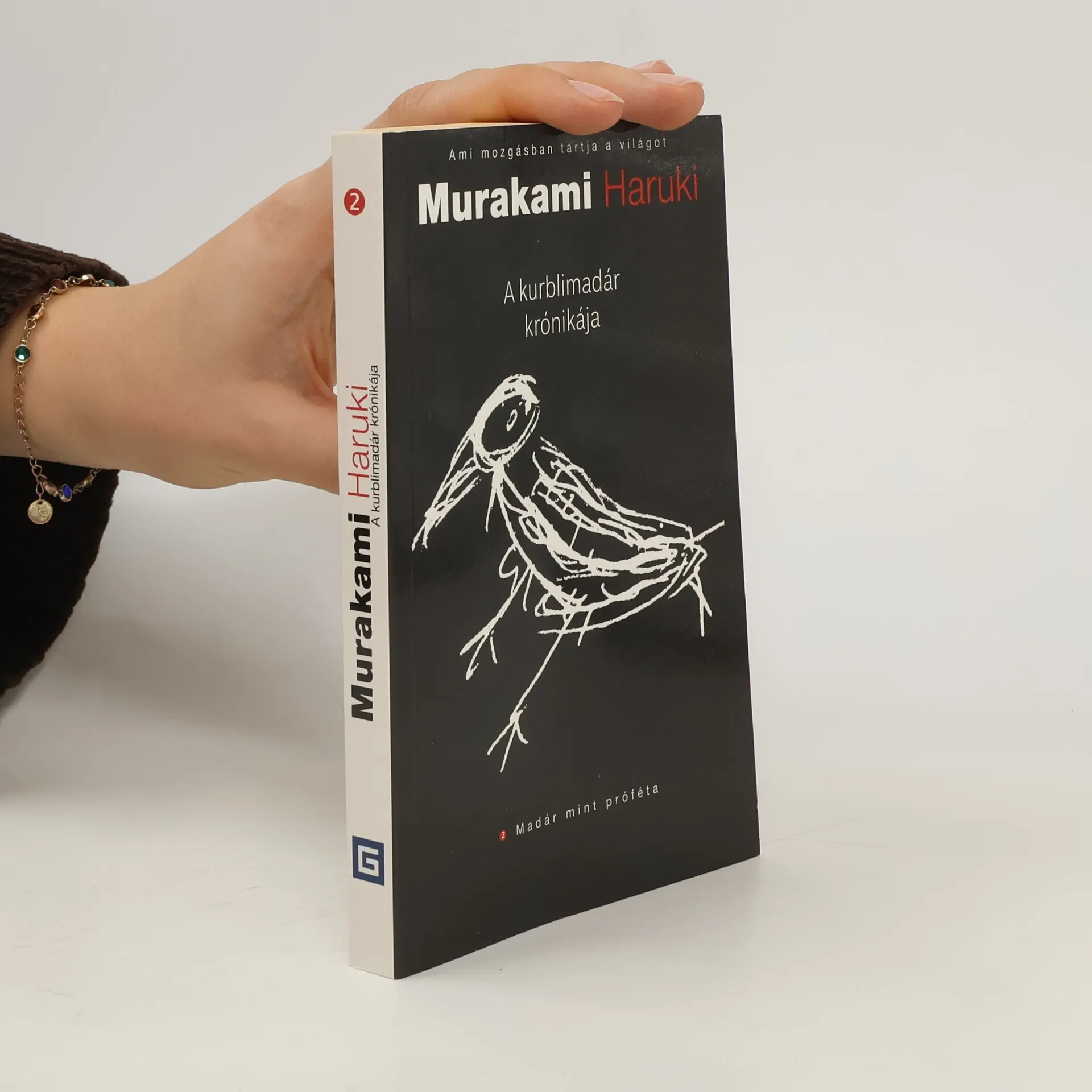
Kurblimadár krónikája 2
- 988 stránek
- 35 hodin čtení
Tokió külvárosában egy Okada Toru nevű munka nélküli fiatalember először csak felesége elveszett macskája keresésére indul, idővel aztán rádöbben, hogy a felesége is elhagyta. A város békés felszíne alatt rejtőző föld alatti világba keveredve különös ismeretséget köt egy testvérpárral, akik a görög szigetvilág két tagjáról kapták a nevüket. A szomszédban lakó bolondos lány révén beavatást nyer a parókakészítés rejtelmeibe, egy nyugalmazott tiszt pedig a mandzsúriai háború tapasztalatait osztja meg vele. A zenekedvelő és rezignált Toru titokzatos állást vállal az inkognitójukat messzemenőkig őrző Szerecsendiónál és Fahéjnál, s eltűnt háziállatának és házastársának felkutatása miatt szó szerint sötét és mély kútba kell alászállnia. Murakami valóságot és misztikumot ötvöző regényének felzaklató történeteit az elbeszélés szenvtelen nyugalma ellensúlyozza, feszült kíváncsiságot ébresztve az olvasóban, aki az események sodrásának engedve képtelen letenni a könyvet. A lapok közül pedig minduntalan kihallatszik a világ mozgásban tartásáért felelős, láthatatlan kurblimadár hangja: gíííííííí...
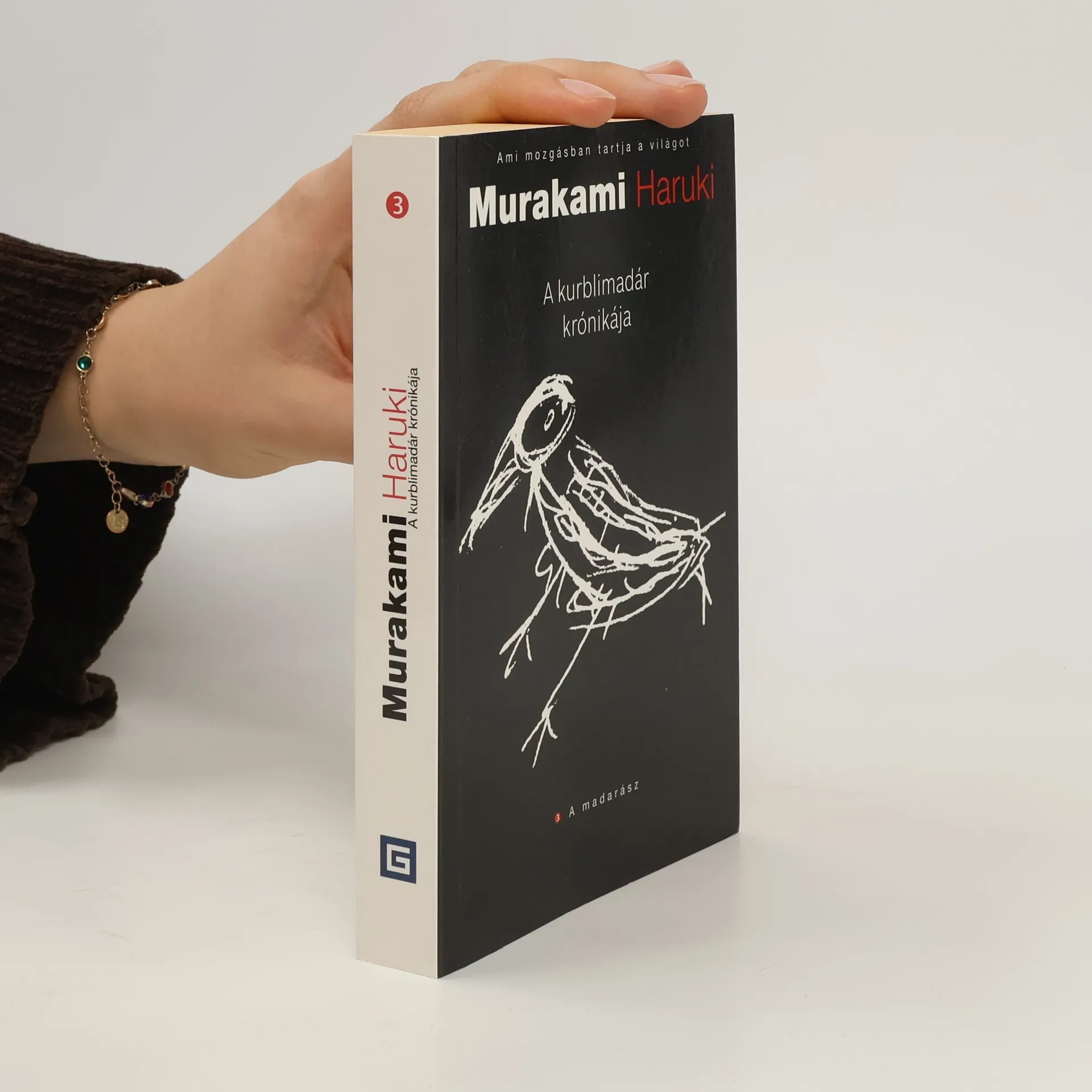
Kurblimadár krónikája 3
- 988 stránek
- 35 hodin čtení
Tokió külvárosában egy Okada Toru nevű munka nélküli fiatalember először csak felesége elveszett macskája keresésére indul, idővel aztán rádöbben, hogy a felesége is elhagyta. A város békés felszíne alatt rejtőző föld alatti világba keveredve különös ismeretséget köt egy testvérpárral, akik a görög szigetvilág két tagjáról kapták a nevüket. A szomszédban lakó bolondos lány révén beavatást nyer a parókakészítés rejtelmeibe, egy nyugalmazott tiszt pedig a mandzsúriai háború tapasztalatait osztja meg vele. A zenekedvelő és rezignált Toru titokzatos állást vállal az inkognitójukat messzemenőkig őrző Szerecsendiónál és Fahéjnál, s eltűnt háziállatának és házastársának felkutatása miatt szó szerint sötét és mély kútba kell alászállnia. Murakami valóságot és misztikumot ötvöző regényének felzaklató történeteit az elbeszélés szenvtelen nyugalma ellensúlyozza, feszült kíváncsiságot ébresztve az olvasóban, aki az események sodrásának engedve képtelen letenni a könyvet. A lapok közül pedig minduntalan kihallatszik a világ mozgásban tartásáért felelős, láthatatlan kurblimadár hangja: gíííííííí...
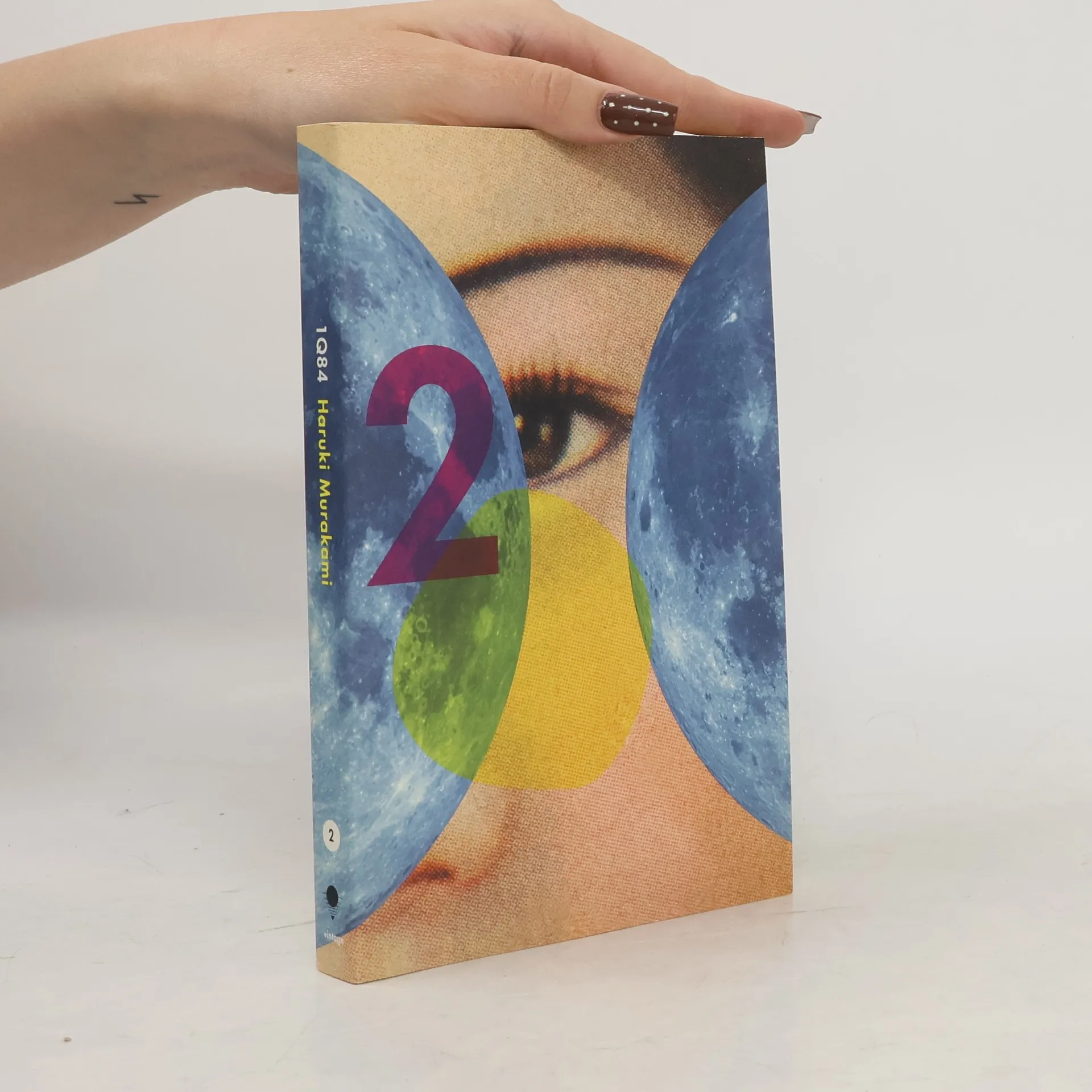
1Q84, #2
- 359 stránek
- 13 hodin čtení
U ovom drugom tomu, Aomame i Tengo, sticajem neobičnih događaja, potvrđuju svoje sumnje da se nalaze u drugom vremenu - u godini 1Q84 - iz kojeg ne mogu da se vrate natrag u 1984. godinu i svoje realno vreme. Njihova ljubav, iako je čini samo stisak ruke u detinjstvu, jedina je istinska i prava u ovom romanu. Ona je pokretač svih dešavanja i jača uprkos njihovoj razdvojenosti, a oni se sve više približavaju jedno drugom. Murakami se u ovom nastavku produbljeno bavi filozofskim temama, odnosom dobra i zla, krivice i kazne i, pre svega, smislom života, stavom prema smrti, žrtvovanjem, ali i porodičnim vezama i, neizostavno, ljubavlju. „Ako u svetu nema ljubavi, sve je iluzija i imitacija." Autor nas upozorava da ljubav jeste glavni pokretač, ali je u modernom svetu često nema onde gde najviše treba da je bude - između muža i žene i roditelja i dece. Poznat, i zbog toga u Japanu često kritikovan, kao pisac koji unosi previše zapadnjačke tradicije u svoje romane, Murakami je ovu priču o univerzalnim temama zajedničkim za ceo svet, obojio više no ikad pre istočnjačkom filozofijom i japanskim načinom života, naročito kuhinjom, čiji nas sastojci omamljuju sa stranica ove knjige. Nastaviće se u trećem delu......
„Je to už sedmnáct dní, co nemůžu spát,“ tak začíná příběh Harukiho Murakamiho, jehož protagonistkou je zdánlivě obyčejná žena v domácnosti. Vlivem různých nečekaných okolností připomíná její noční život výlet do mimosmyslového prostoru. Ve světě, který je naprosto odlišný od našeho, prozkoumává svou rodinu, sama sebe, i význam života a smrti. Ilustrační doprovod ke knize vytvořila známá německá grafička Kat Menschik.
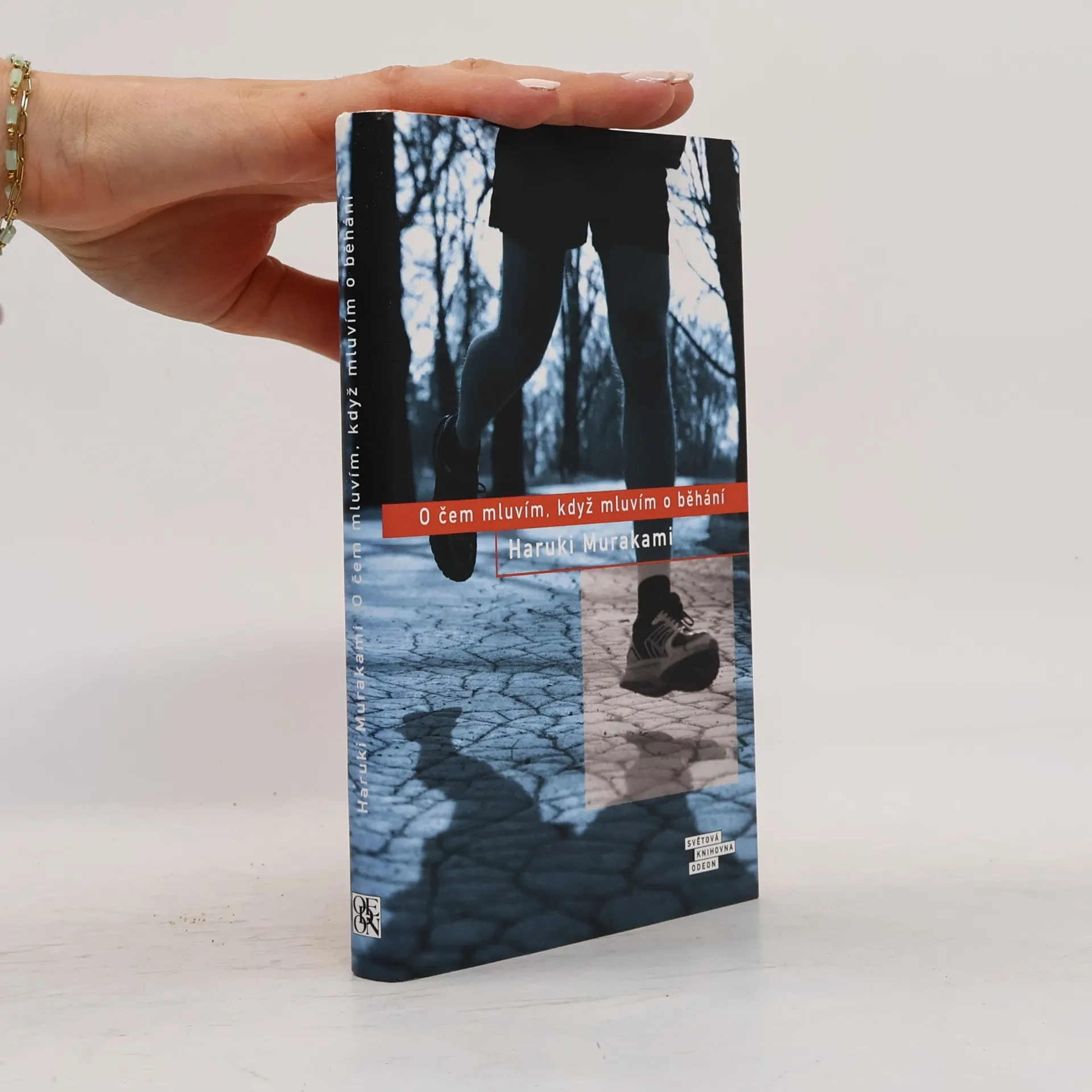
Murakami běhá 25 let – každý den deset kilometrů, každý rok maraton. Titul knihy je variací na povídkovou sbírku O čem mluvím, když mluvím o lásce Raymonda Carvera. Kniha „memoárů“ rozhodně zaujme tři typy fanoušků: autorovy skalní příznivce, pro které je kultovní postavou, pak hledače receptu, jak se stát spisovatelem, a nakonec, jak jinak, běžce na dlouhou trať. V knize je jednak soubor esejů o běhu na dlouhé tratě, jednak spisovatelův „diář“ čtyřměsíční přípravy na maraton v New Yorku. Hovoří o fyzické i psychické bolesti, o stárnutí, o tématech, která se mu honí hlavou. Jsou tu úvahy o spisovatelství jako takovém: doba už nepřeje romantickým týpkům, co nasávají nebo berou drogy a píšou skvěle – doba přeje globálním spisovatelům-manažerům. Ostatně přísný režim a skvělá kondice bývají totožné u byznysmenů i u spisovatelů.
Wszystkie boże dzieci tańczą
- 182 stránek
- 7 hodin čtení
Zbiorek sześciu krótkich opowiadań, niezależnych fabularnie. Mamy tu rozpoznawalny na pierwszy rzut oka, niesamowity świat Murakamiego, napędzany nieposkromioną wyobraźnia pisarza, która raz po raz rozsadza ramy realności, przenosząc czytelnika to w świat snów, to marzeń, to czystej surrealnej fantazji. Okazuje się, że Murakami czuje się świetnie również w zwartej oszczędnej i precyzyjnej kompozycji, jaką narzuca forma krótkiego opowiadania. Kilkoma słowami zarysowuje wyraziste, sugestywne światy, a każda z historii jest przekonująca, pełna i satysfakcjonująca. Każdy z bohaterów odbywa jakąś podróż - czy to w rzeczywistym, geograficznym, czy jedynie wewnętrznym, duchowym wymiarze - do której bodźcem staje się trzęsienie ziemi; każdy z nich odkrywa w sobie jakąś tajemnicę, którą próbuje przeniknąć albo po prostu pogodzić się z jej istnieniem; każdy ma jakąś obsesję, która zatruwa mu życie; każdy jest uwikłany, bądź dopiero się wikła w skomplikowane relacje z innymi ludźmi...
Эта книга рассказывает о людях, которые внезапно потеряли важные для них вещи, и о том, как они попадают в мир, полный случайностей и удивлений. «Случайный путешественник» ведет нас к поиску слабого света, который возникает в душе одинокого настройщика пианино. Рассказ «Ханарейский залив» описывает жизнь матери, потерявшей сына-серфингиста. В этом привычном нам мире существуют моменты, когда мы не замечаем очевидного. Эти пять историй повествуют о невероятных судьбах тех, кто внезапно исчез. Как нам справиться с болью и тоской по утраченной любви? Будучи матерью, как можно не ощущать присутствия сына, который является самым близким человеком? Одинокая мама Сачи, владелица пиано-бара, получает известие из Гавайев о том, что ее сын Тэкаши погиб в результате атаки акулы во время серфинга. На протяжении следующих десяти лет Сачи будет приходить к этому морю в день памяти сына, чтобы провести время в раздумьях. Однажды, встретив двух серфингистов из Японии, она невольно вспоминает о сыне, но также узнает от них о серфингисте на одной ноге с красной доской. Жив ли ее сын или это дух покойного сына?
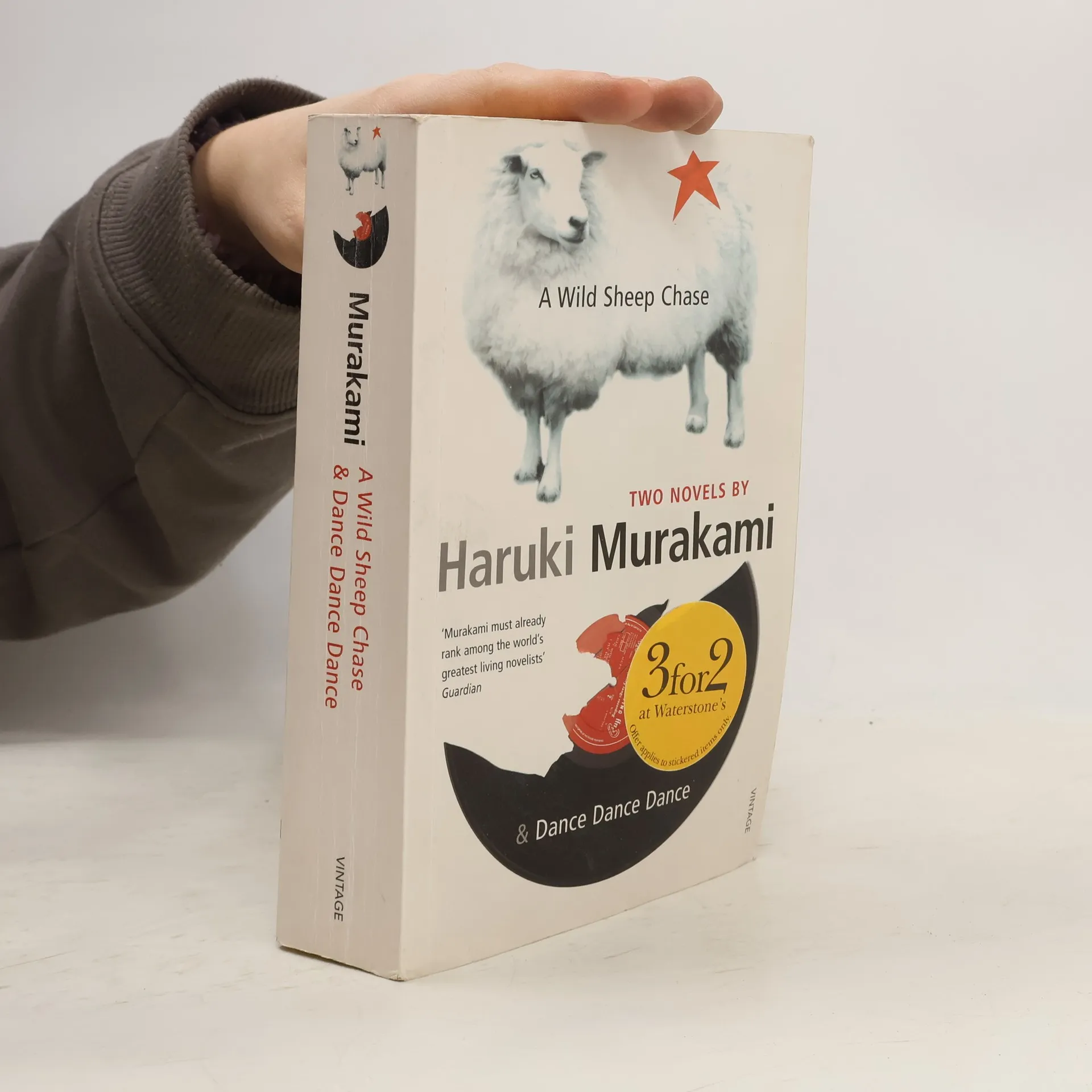
Murakami Omnibus: A Wild Sheep Chase / Dance Dance Dance
- 695 stránek
- 25 hodin čtení
"A Wild Sheep Chase" - His life was like his recurring nightmare: a train to nowhere. But an ordinary life has a way of taking an extraordinary turn. Add a girl whose ears are so exquisite that, when uncovered, they improve sex a thousand-fold, a runaway friend, a right-wing politico, an ovine-obsessed professor and a manic-depressive in a sheep outfit, implicate them in a hunt for a sheep, that may or may not be running the world, and the upshot is another singular masterpiece from Haruki Murakami. "Dance Dance Dance" - High-class call girls billed to Mastercard; a psychic thirteen-year-old drop-out with a passion for Talking Heads; a hunky matinee idol doomed to play dentists and teachers; a one-armed beach-combing poet, an uptight hotel clerk and one very bemused narrator caught in the web of advanced capitalist mayhem; combine this offbeat cast of characters with Murakami's idiosyncratic prose and out comes "Dance Dance Dance". It is an assault on the senses, part murder mystery, part metaphysical speculation; a fable for our times as catchy as a rock song blasting from the window of a sports car.
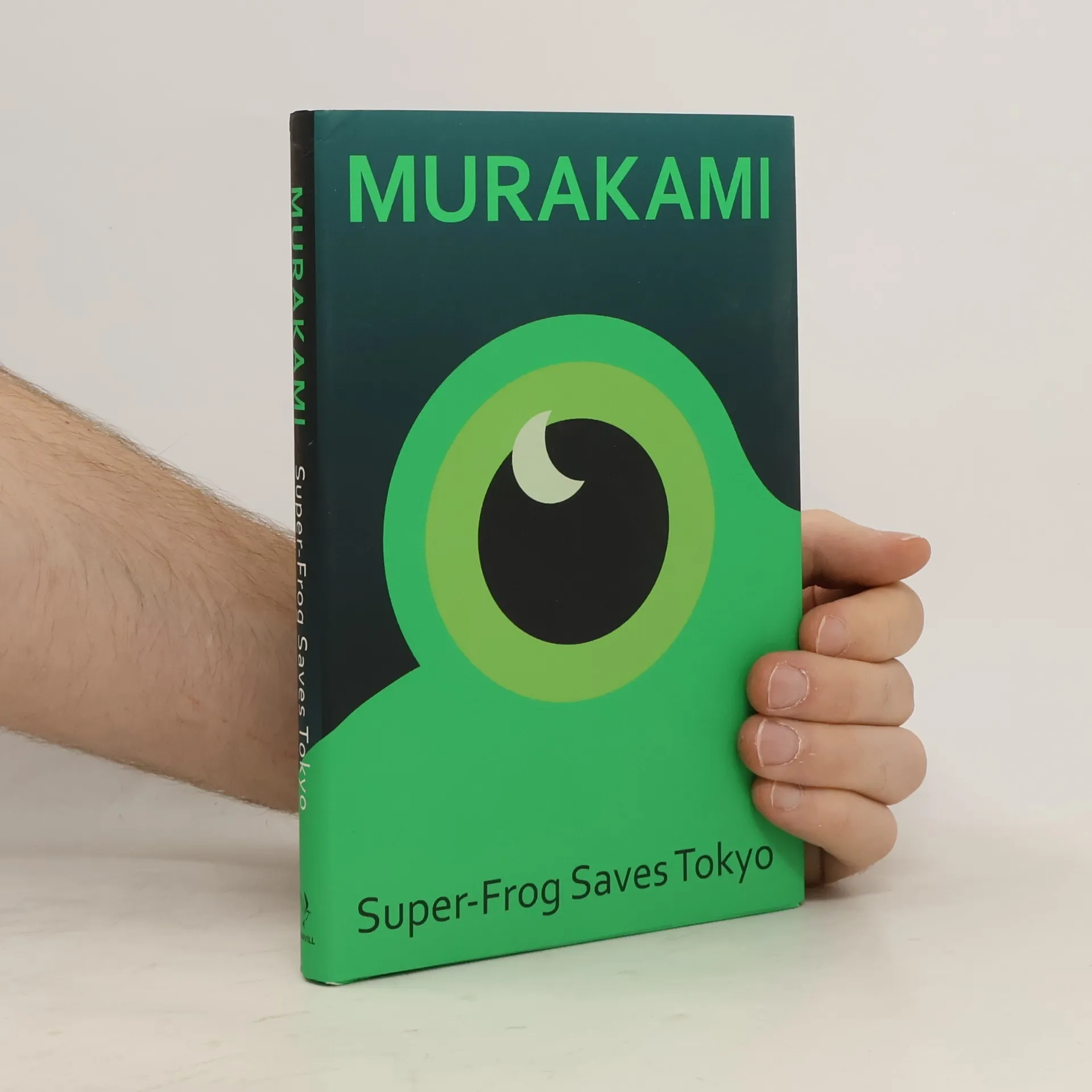
Super-Frog Saves Tokyo
- 96 stránek
- 4 hodiny čtení
A bank employee is visited in his apartment by a giant frog who wants to save Tokyo from destruction by a worm; a fortune teller sees deep into the hate-filled soul of a doctor who seeks to find herself after a congress in Bangkok, following a man who has shattered her hopes; on her twentieth birthday, she works as a waitress like every Friday evening, but that night chance brings her the fulfillment of a mysterious wish.
はじめての文学 村上春樹
- 268 stránek
- 10 hodin čtení
小説の面白さ、楽しさを味わうために、著者自身が用意したスペシャル・アンソロジー。はじめてのひとも、春樹ファンも欠かせない一冊。「シドニーのグリーン・ストリート」「かえるくん、東京を救う」など全17編を収録。
Blind Willow, Sleeping Woman
- 400 stránek
- 14 hodin čtení
A young man accompanies his cousin to the hospital to check an unusual hearing complaint and recalls a story of a woman put to sleep by tiny flies crawling inside her ear;Blind Willow, Sleeping Woman is Murakami's most eclectic collection of stories yet, and spans five years of his writing.