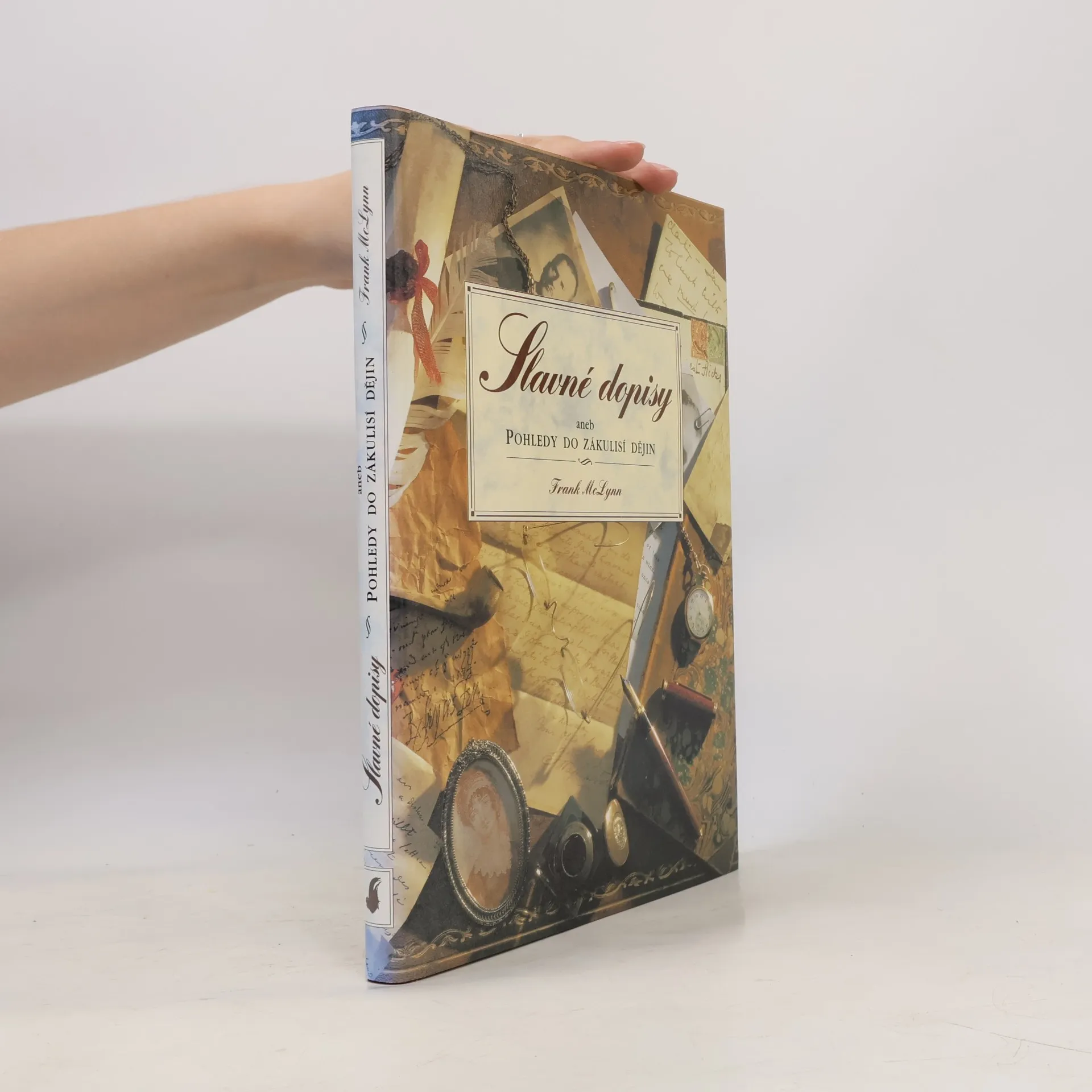
Frank McLynn je britský autor, jehož díla se zaměřují na detailní a kritické životopisy významných osobností. Proslul svými rozsáhlými a pronikavými biografiemi, které zkoumají složitost lidské povahy a historických událostí. Jeho přístup kombinuje hluboký historický výzkum s literárním citem, čímž oživuje minulé postavy a jejich činy pro moderního čtenáře. McLynnův styl se vyznačuje precizností a schopností odhalit méně známé aspekty životů svých subjektů.
"Dopisy slavných a mocných nám nabízejí jedinečnou příležitost uvidět některé klíčové události a osobnosti dějin v novém světle.
Odráží se v nich charakter jejich pisatelů i doby, ve které byly napsány. Každý dopis vtahuje čtenáře přímo do minulosti, probouzí vášně a dramatické okolnosti, za kterých vznikal. Doplňuje jej výstižný komentář,k který živě přibližuje daný historický okamžik i autora dopisu a události, které vedly k jeho napsání:" (citace z obálky knihy)
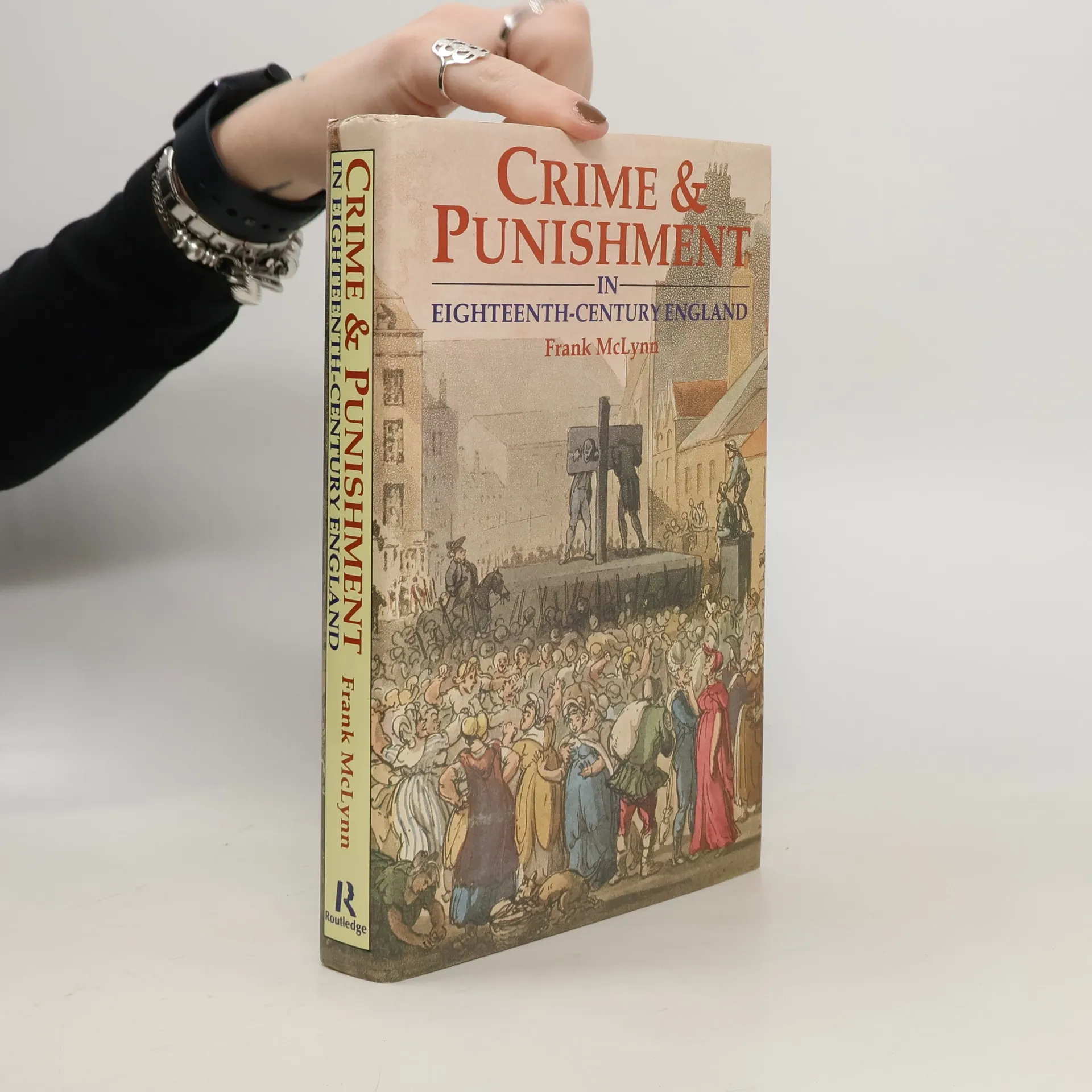
McLynn provides the first comprehensive view of crime and its consequences in the eighteenth century: why was England notorious for violence? Why did the death penalty prove no deterrent? Was it a crude means of redistributing wealth?
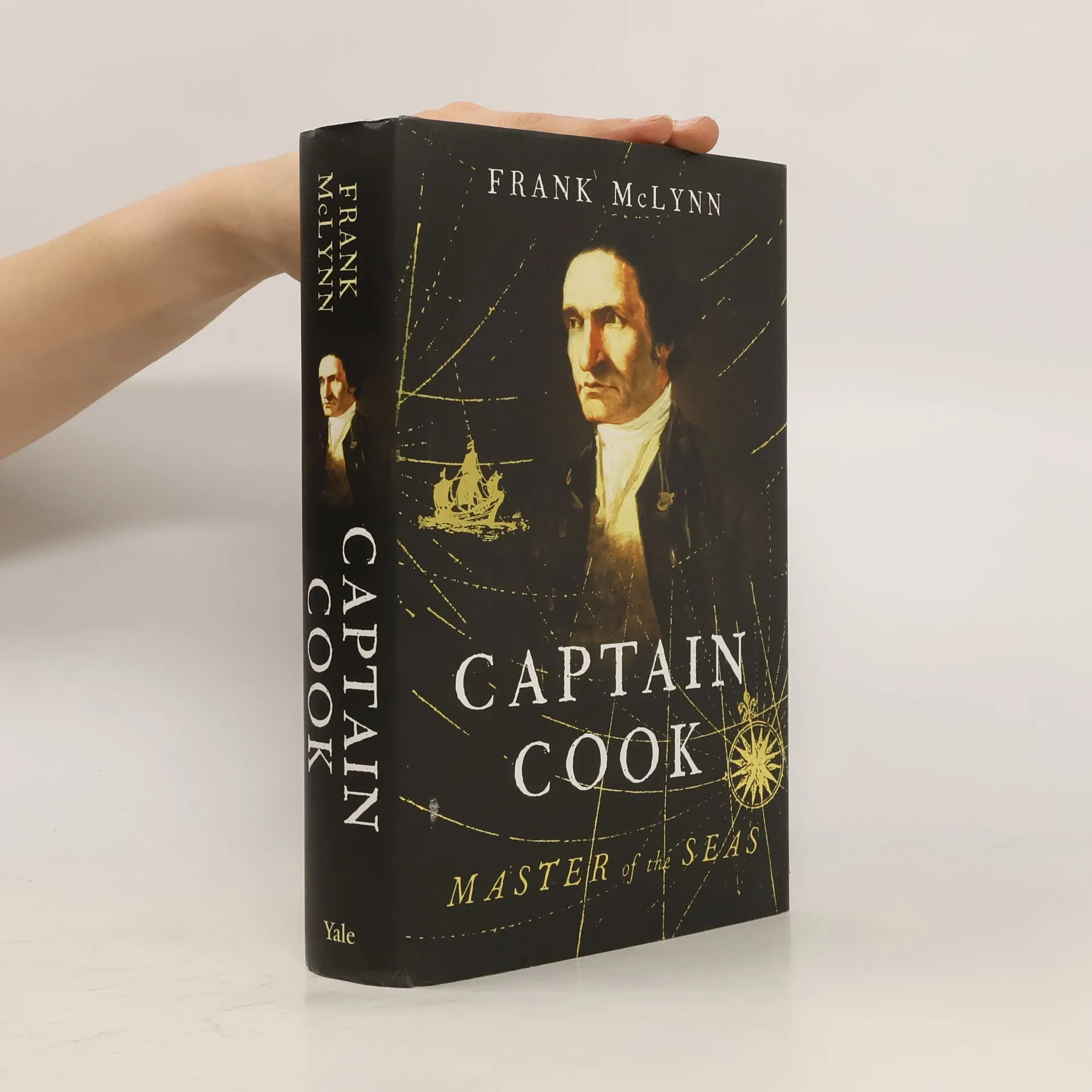
Profiles the famous navigator, addresses the common colonialist misconceptions about the explorer and his death, and re-creates the voyages that took him from his native England to the outer reaches of the Pacific Ocean.
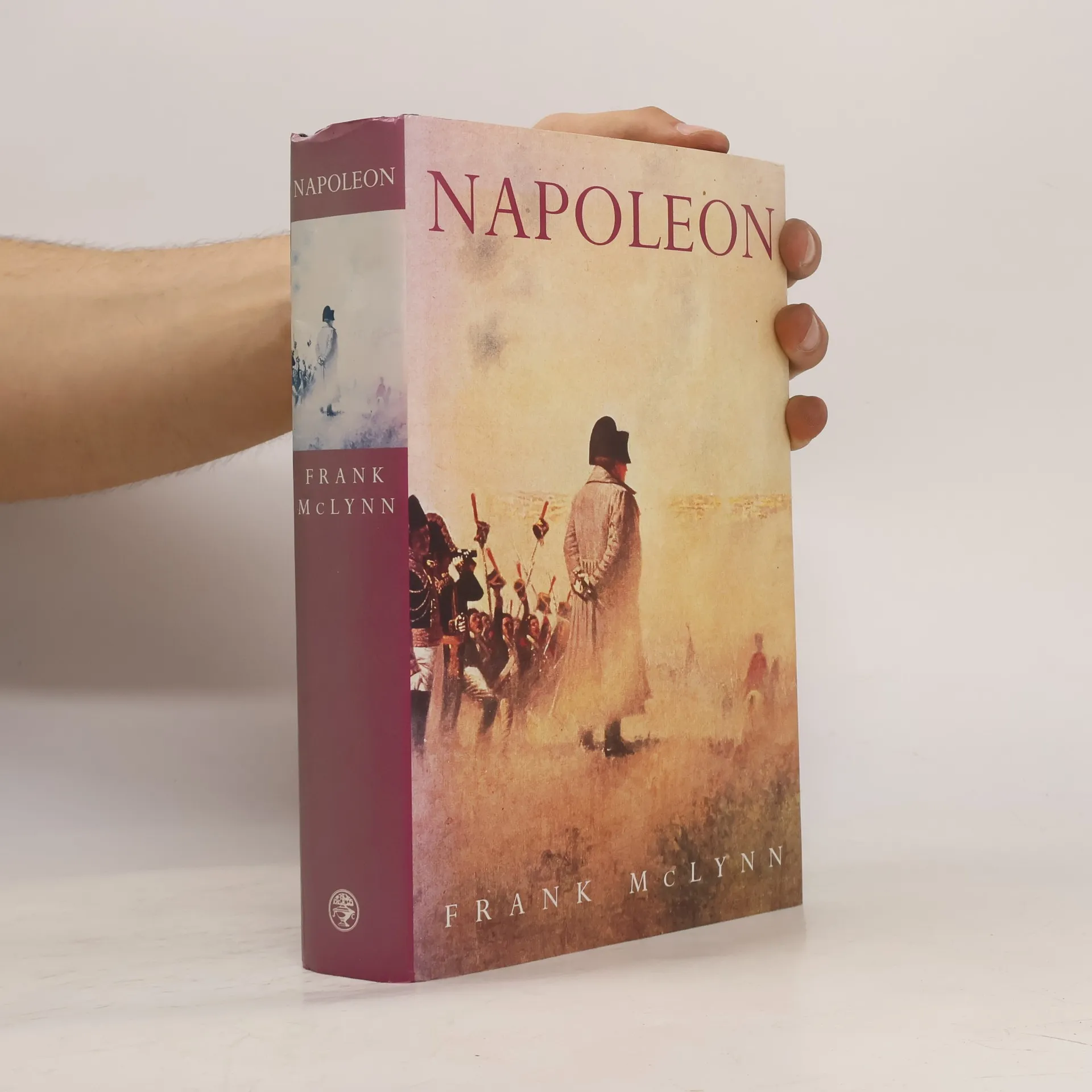
In this biography of Napoleon, the author gives particular emphasis to the Frenchman's military genius, the feats of his Grande Armee and his civil achievements as ruler of France. The psychology that motivated Napoleon and his relationships with women are also investigated.
Recounting the decade of bloody events that followed the eruption of the Mexican Revolution in 1910, Villa and Zapata explores the regional, international, cultural, racial, and economic strife that made the rebels Francisco (Pancho) Villa and Emiliano Zapata legends. Throughout this volume drama colludes with history, in a tale of two social outlaws who became legendary national heroes, yet—despite their triumph and only meeting, in 1914, in the Mexican capital—failed to make common cause and ultimately fell victim to intrigues more treacherous than their own. 16 pages of black-and-white photographs bring this gripping narrative to life. "McLynn ... tells it so well ... you can hear the strains of he Mexican patriotic standard ‘Zacatecas' as you read it."—Austin American-Statesman "An admirably clear account of the chaos of revolution, its rivalries and bloody struggles...."—The Spectator "Informative and insightful ... feels less like a history than a great story, as exciting as a Saturday serial Western."—Publishers Weekly
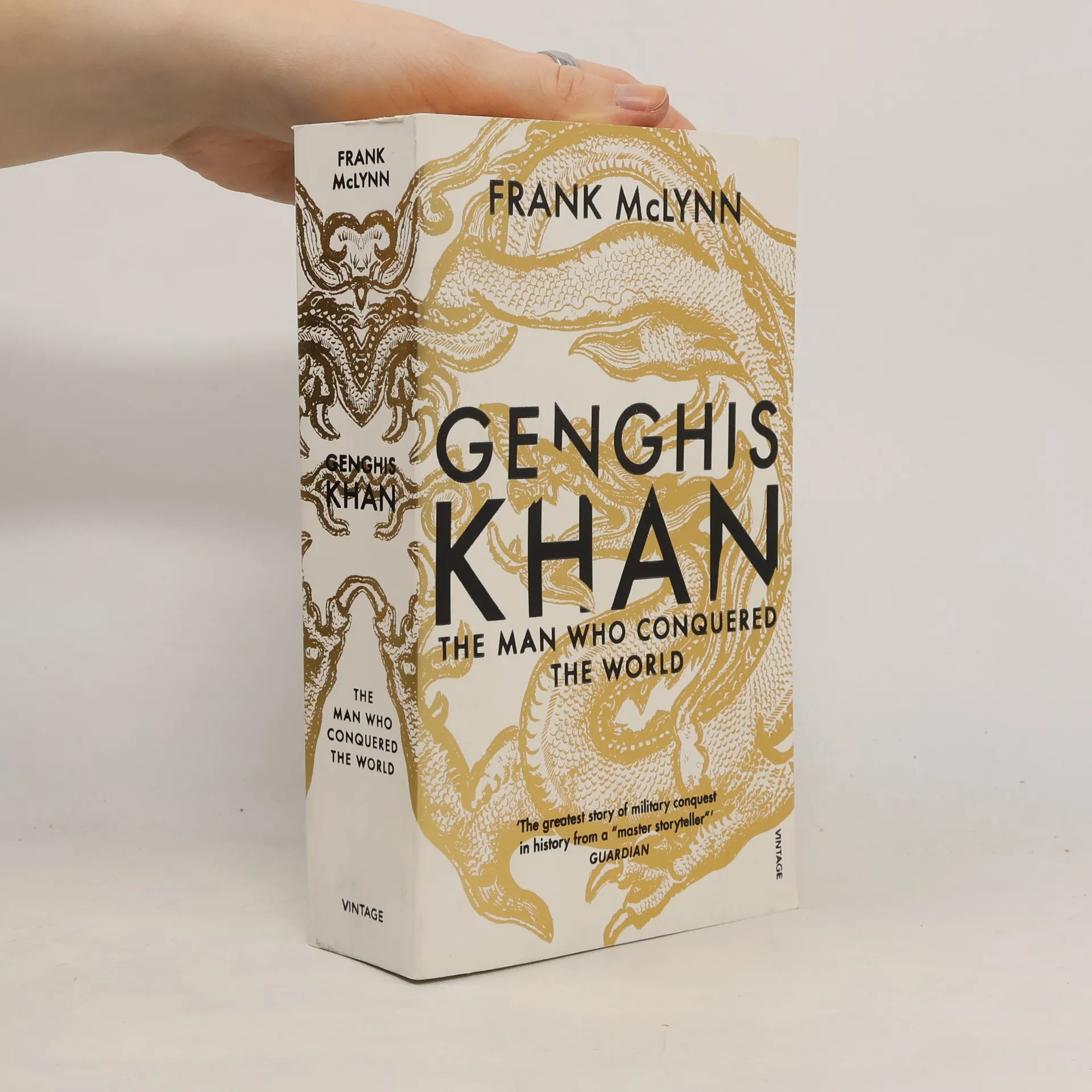
The greatest story of military conquest in history from a 'master storyteller'. (Guardian) Genghis Khan was by far the greatest conqueror the world has ever known, whose empire stretched from the Pacific Ocean to central Europe, including all of China, the Middle East and Russia. So how did an illiterate nomad rise to such colossal power, eclipsing Alexander the Great, Julius Caesar and Napoleon? Credited by some with paving the way for the Renaissance, condemned by others for being the most heinous murderer in history, who was Genghis Khan? His actual name was Temujin, and the story of his success is that of the Mongol people: a loose collection of fractious tribes who tended livestock, considered bathing taboo and possessed an unparallelled genius for horseback warfare. United under Genghis, a strategist of astonishing cunning and versatility, they could dominate any sedentary society they chose. Combining fast-paced accounts of battles with rich cultural background and the latest scholarship, Frank McLynn brings vividly to life the strange world of the Mongols, describes Temujin's rise from boyhood outcast to become Genghis Khan, and provides the most accurate and absorbing account yet of one of the most powerful men ever to have lived.
Frank McLynn beleuchtet in "Warriors" die Köpfe legendärer Kriegsstrategen wie Spartakus, Attila, Richard Löwenherz, Cortés, Tokugawa Ieyasu und Napoleon. Er untersucht ihre Motive, Stärken und Schwächen und definiert den Begriff „Krieger“. Begleitet von einer BBC-Serie bietet das Buch spannende Einblicke in die Psychologie dieser historischen Figuren.