
Knihobot

John W. Boyer

    John W. Boyer se zabývá politickou a kulturní historií Evropy, zejména Německa a habsburské monarchie v 19. a 20. století. Zkoumá vztah náboženství a politiky v moderní evropské historii a historii univerzit. Jeho dílo je oceňováno pro hluboký vhled do složitých společenských a politických procesů. Boyerovy práce osvětlují klíčové momenty evropských dějin s důrazem na kulturní a ideologické souvislosti.

    Karl Lueger
    Oxford History of Modern Europe: Austria 1867-1955
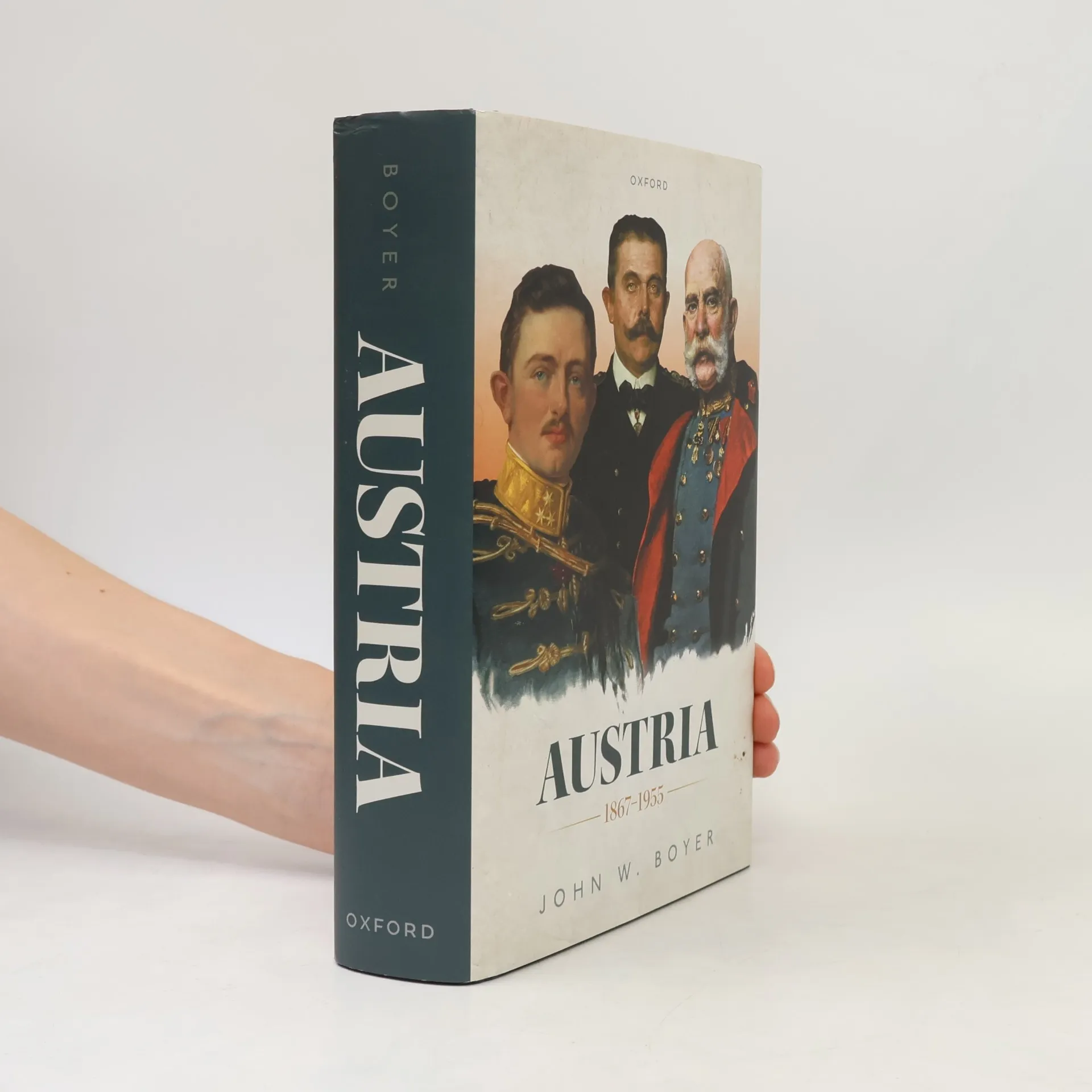
    • Austria 1867-1955 connects the political history of the German-speaking provinces of the Habsburg Empire with the Austrian Republic that emerged in 1918. John W. Boyer illustrates modern Austria as a compelling case of democratic nation-building. The process began in 1867 under Habsburg rule, where German-speaking bourgeois Liberals defined a political people (Volk) and established a constitution, along with a liberal legal and parliamentary framework to safeguard their rights against the Crown. Over the following decades, the Liberal state's administrative and judicial institutions were solidified, and by the 1880s and 1890s, the Volk expanded to include lower bourgeois and working-class members. Unlike the Czech lands, ethnic identity was not the main factor in everyday politics; instead, social class, occupational culture, and religion played significant roles, leading to the rise of two major ideological parties, Christian Socialism and Social Democracy, in Vienna during the 1890s. The 1914/1918 war crisis shattered the Empire, accelerating the development of democratic self-governance in German-speaking Austria, formalized in the republican Constitution of 1920. Although early democratic efforts faltered in the 1920s and 1930s, culminating in the 1938 Nazi occupation, post-1945 saw the remnants of the 1918 Revolution reassemble under Allied occupation, fostering a political culture that adapted to partisanship and ultimat

      Oxford History of Modern Europe: Austria 1867-1955
    • Karl Lueger

      • 595 stránek
      • 21 hodin čtení

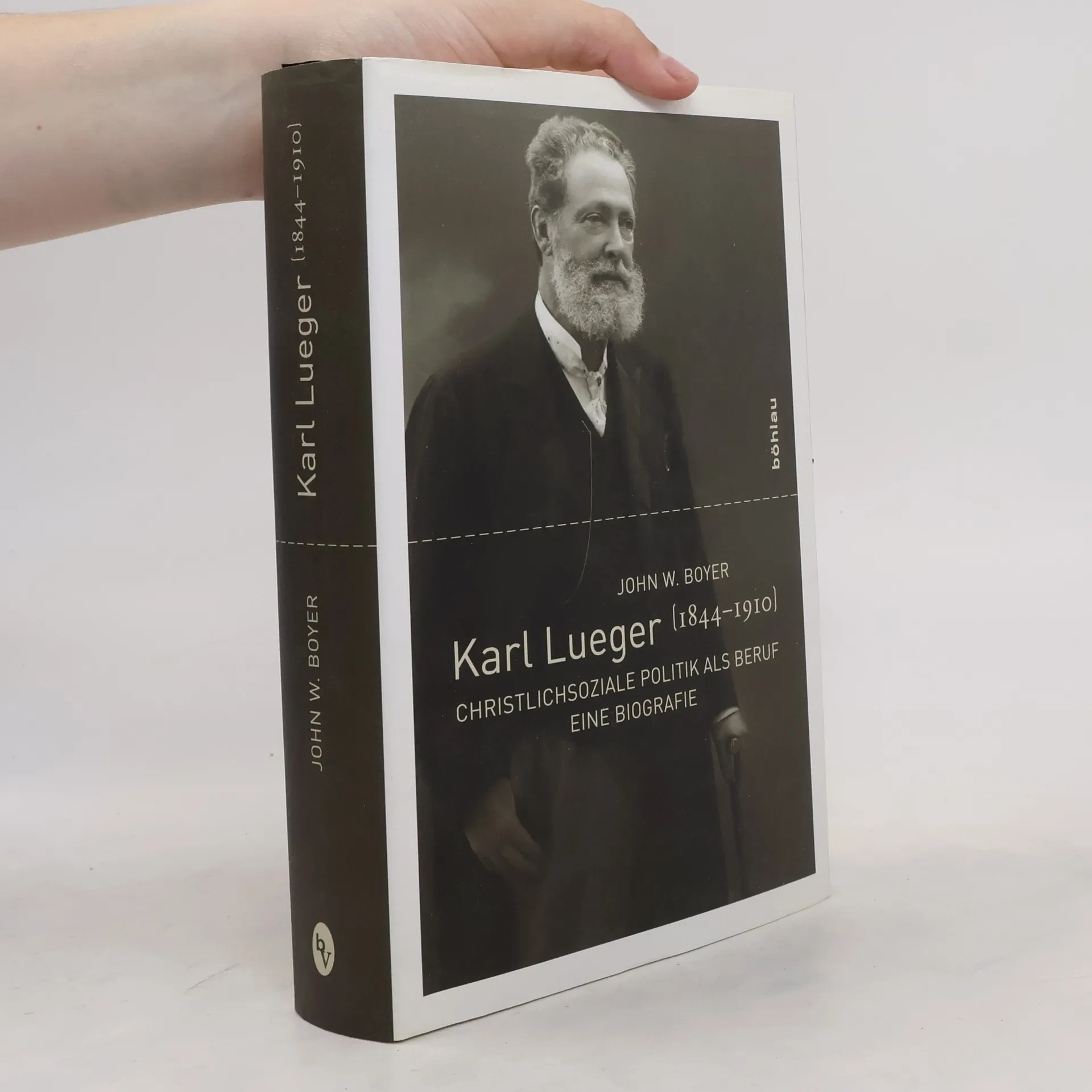
      Dies ist die erste fundierte Biografie, die Karl Luegers Leben in den Kontext der von ihm gegründeten Christlichsozialen Partei einbettet. Das Leben des Wiener Bürgermeisters war in so überragender Weise ein öffentlich-politisches, so untrennbar mit der Politik in Wien verknüpft, dass man Lueger als Person nicht verstehen kann, ohne die Partei mit zu bedenken, die er gründete. John W. Boyer untersucht, wie Luegers Verwaltung in Wien funktionierte, was seine Prioritäten waren, und wie sein politisches Agieren mit den größeren Problemen zusammenhing, die sich in der österreichischen Monarchie zwischen 1895 und 1914 entwickelten. Erstmals unternimmt der Autor auch den Versuch, die Christlichsozialen Karl Luegers der Zeit vor 1914 mit den Christlichsozialen nach 1918 unter der Führung von Ignaz Seipel zu vergleichen und kommt zum Schluss, dass Lueger und Seipel sich in ihren Anliegen sehr stark unterschieden und einem völlig anderen politischen Führungsstil folgten. Der Autor nimmt das Problem des Antisemitismus in einer kritischen Phase der europäischen Geschichte in den Blick. Wer pauschalierende Zusammenfassungen sucht, wird diese bei Boyer nicht finden; hingegen wird fündig, wer eine ganze Epoche aus einer Vielzahl, zum Teil einander widersprechender Quellen verstehen will.

      Karl Lueger