
Knihobot

Mary Fulbrook

    28. listopad 1951

    Mary Jean Fulbrook je britská akademička a historička, která se specializuje na německé dějiny. Její rozsáhlý výzkum zahrnuje náboženství a společnost v raně novověké Evropě, německé diktatury 20. století a Evropu po holocaustu. Fulbrook se zabývá také historiografií a sociální teorií a zkoumá, jakým způsobem jsou dějiny konstruovány a interpretovány. Její práce nabízí hluboký vhled do složitých společenských a politických sil, které formovaly Evropu.

    Mary Fulbrook
    Europe Since 1945
    A History of Germany 1918 - 2020
    The two Germanies, 1945 - 1990
    OCR A Level History A: Democracy and Dictatorship in Germany 1919-1963
    Reckonings
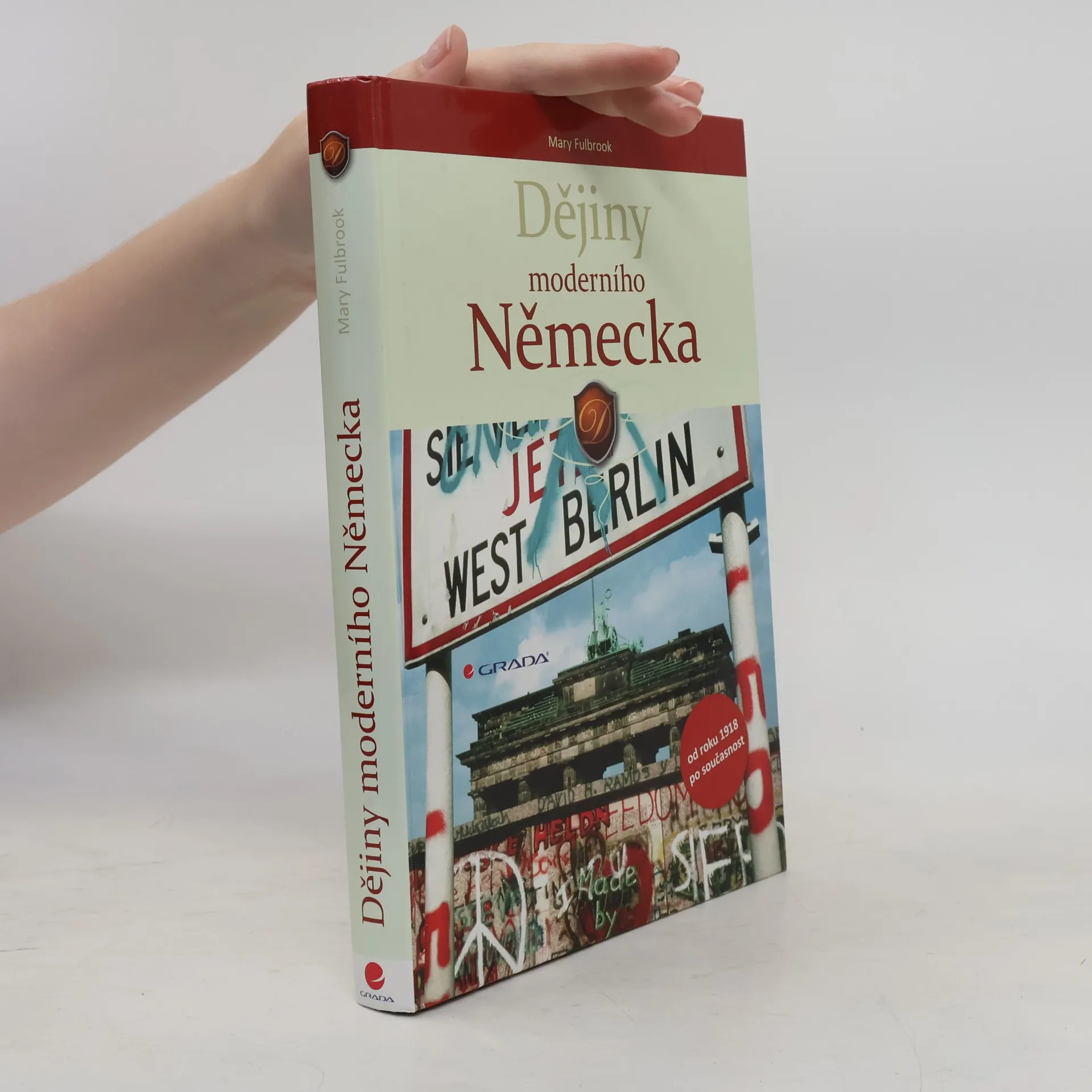
    Dějiny moderního Německa. Od roku 1918 po současnost
    • 2024

      Berlin

      • 254 stránek
      • 9 hodin čtení

      The book offers an engaging exploration of Berlin through ten vignettes, highlighting its historical layers and transformations. It delves into the city's unique past by focusing on specific locations, illustrating how these sites shape Berlin's identity and ongoing re-imagination. Mary Fulbrook examines the complex legacies that continue to influence the city's experience and perception today.

      Berlin
    • 2023

      Bystander Society

      Conformity and Complicity in Nazi Germany and the Holocaust

      Focusing on the actions of individuals during the Nazi era, Mary Fulbrook challenges the prevalent question of awareness among Germans, suggesting that the more critical inquiry is about their responses to what they knew. Through a compelling analysis, she explores the moral choices and responsibilities of people in the face of atrocities, delving into the complexities of knowledge and complicity in a historical context that remains deeply relevant today.

      Bystander Society
    • 2021

      A History of Germany 1918 - 2020

      The Divided Nation

      • 416 stránek
      • 15 hodin čtení
      4,0(6)Ohodnotit

      This acclaimed textbook offers a comprehensive exploration of modern German history, crafted by a prominent scholar. It provides in-depth analysis and insights into significant events and themes, making it an essential resource for students and enthusiasts alike. The new edition features updated research and perspectives, ensuring relevance in the study of Germany's complex past.

      A History of Germany 1918 - 2020
    • 2019

      This third edition of Mary Fulbrook's much-admired book provides a clear guide to German history from the early middle ages to the present day. Since the second edition in 2004, there have been significant changes in Germany, Europe and the wider world. This new edition captures these dramatic new developments.

      Cambridge Concise Histories
    • 2018

      In many of the recent studies of bystanders during the Holocaust, the reliance on postwar perspectives has made it difficult to accurately portray the motivating factors at the time. In this essay about German bystanders to anti-Jewish persecution during the 1930s, Mary Fulbrook addresses that problem by relying solely on contemporary sources, and provides a uniquely sharp and nuanced understanding.

      Bystanders to Nazi violence? The transformation of German society in the 1930s
    • 2018

      Reckonings

      • 657 stránek
      • 23 hodin čtení
      4,4(70)Ohodnotit

      Auschwitz often symbolizes the Holocaust's persecution and suffering, but focusing solely on one concentration camp presents an incomplete history. It fails to convey the complex ways individuals became entangled with perpetrators and overlooks the diverse experiences of victims who struggled, suffered, or survived. This book expands our understanding by exploring the lives of individuals across a spectrum of suffering and guilt, revealing the disconnection between official narratives about confronting the past and the reality that many Nazi perpetrators evaded justice. In the aftermath of 1945, the approaches to justice varied significantly among the successor states of the Third Reich. East Germany pursued Nazi criminals with severe sentences, while West Germany adopted a more lenient stance, aiming to move past the war. Austria largely ignored its Nazi ties until the 1980s, sparked by revelations about Kurt Waldheim's past. The book examines the shifting attitudes toward perpetrators and survivors through various trials and testimonials, emphasizing that the Holocaust is not merely history. The memorial landscape only scratches the surface of the enduring repercussions of the Nazi era. By highlighting the stories of individuals who remained largely unrecognized, the author situates their experiences within broader contexts of unprecedented suffering and explores the far-reaching consequences of violence across generations a

      Reckonings
    • 2017

      Dissonant Lives

      • 288 stránek
      • 11 hodin čtení

      An innovative study of the ways in which Germans of different ages and life stages lived through the violent eruptions of the two world wars, and through the rise of Nazism, looking at the ways in which this shaped, not merely German society, state, and economy, but also the character of the German people.

      Dissonant Lives
    • 2017
    • 2016

      Individuelle Erfahrungen, generationelle Prägungen und das »kollektive Gedächtnis« als Herausforderungen an die Geschichtsschreibung der beiden deutschen Diktaturen im 20. Jahrhundert. Wie werden Menschen von der Zeit beeinflusst, in die sie hineingeboren wurden? Wie finden ihre individuellen Erinnerungen Niederschlag, nicht nur in der öffentlichen Repräsentation von Geschichte, sondern auch in ihren Lebensweisen und Handlungen? Was bedeutet eine solche Herangehensweise für die Geschichtswissenschaft? Gilt der traditionelle Anspruch von Objektivität in der Geschichtsschreibung überhaupt noch, in Anbetracht der Katastrophen des 20. Jahrhunderts? Und wenn wir Subjektivität in die Geschichte einbeziehen wollen, ohne Strukturen und Ereignisse aus den Augen zu verlieren, welche neuen Formen der Geschichtsschreibung können und sollten wir entwickeln? Mary Fulbrook widmet sich diesen Fragen mit Blick auf die beiden deutschen Diktaturen. Sie setzt sich dabei kritisch mit dem Begriff des »kollektiven Gedächtnisses« auseinander und betont die Bedeutung individueller Erfahrungen und generationeller Prägungen für unser Verständnis der deutschen Geschichte im 20. Jahrhundert.

      Erfahrung, Erinnerung, Geschichtsschreibung
    • 2015

      Eine kleine Stadt bei Auschwitz

      Gewöhnliche Nazis und der Holocaust

      Wie haben „gewöhnliche“ Deutsche am Holocaust mitgewirkt? In ihrem Buch untersucht Mary Fulbrook die Rolle des Landrats Udo Klausa in Bedzinie, Oberschlesien, nur 37 Kilometer von Auschwitz entfernt. Klausa kann als Chef der Zivilverwaltung keine direkte Gewaltanwendung gegen Juden nachgewiesen werden, dennoch hat er Leid verursacht und auf seine Weise die Voraussetzungen für den Genozid geschaffen. Fulbrooks Buch bietet ein differenziertes Bild der „Banalität des Bösen“ und beschäftigt sich mit einer vernachlässigten Fragestellung: Bislang richtete sich der Blick eher auf die am Massenmord Beteiligten und die Schreibtischtäter wie Eichmann. Wie aber wurde der Holocaust in der Verwaltung umgesetzt bzw. ermöglicht, wie ist die Ghettoisierung durchgeführt worden – und wie hat der Leiter der Zivilverwaltung seine Beteiligung vor sich selbst gerechtfertigt und diese Erfahrung verarbeitet? Das Buch zeigt, wie die jüdische Bevölkerung schrittweise erniedrigt und geschwächt wurde, so dass eine „Endlösung“ aus der Perspektive der deutschen „Herrenrasse“ notwendig zu sein schien. Die Zivilverwaltung übte so eine systematische Gewalt aus und schuf Bedingungen, unter denen der Holocaust als einzige „Lösung“ denkbar wurde und eine solche „Lösung“ am effizientesten in die Praxis umgesetzt werden konnte.

      Eine kleine Stadt bei Auschwitz