Knihobot

Blaise Pascal

    19. červen 1623 – 19. srpen 1662

    Blaise Pascal byl francouzský matematik a filozof, který se ve své práci zabýval jak vědeckými, tak teologickými otázkami. Společně s Pierrem de Fermatem položil základy teorie pravděpodobnosti. Jeho pozdější život byl poznamenán náboženským obrácením, které ho inspirovalo k sepsání slavných Provinčních listů. Pascal je známý svou sázkou, která se zabývá racionální volbou víry v existenci Boha.

    Blaise Pascal
    Blaise Pascal Thoughts
    Blažeje Pascala O duchu geometrickém
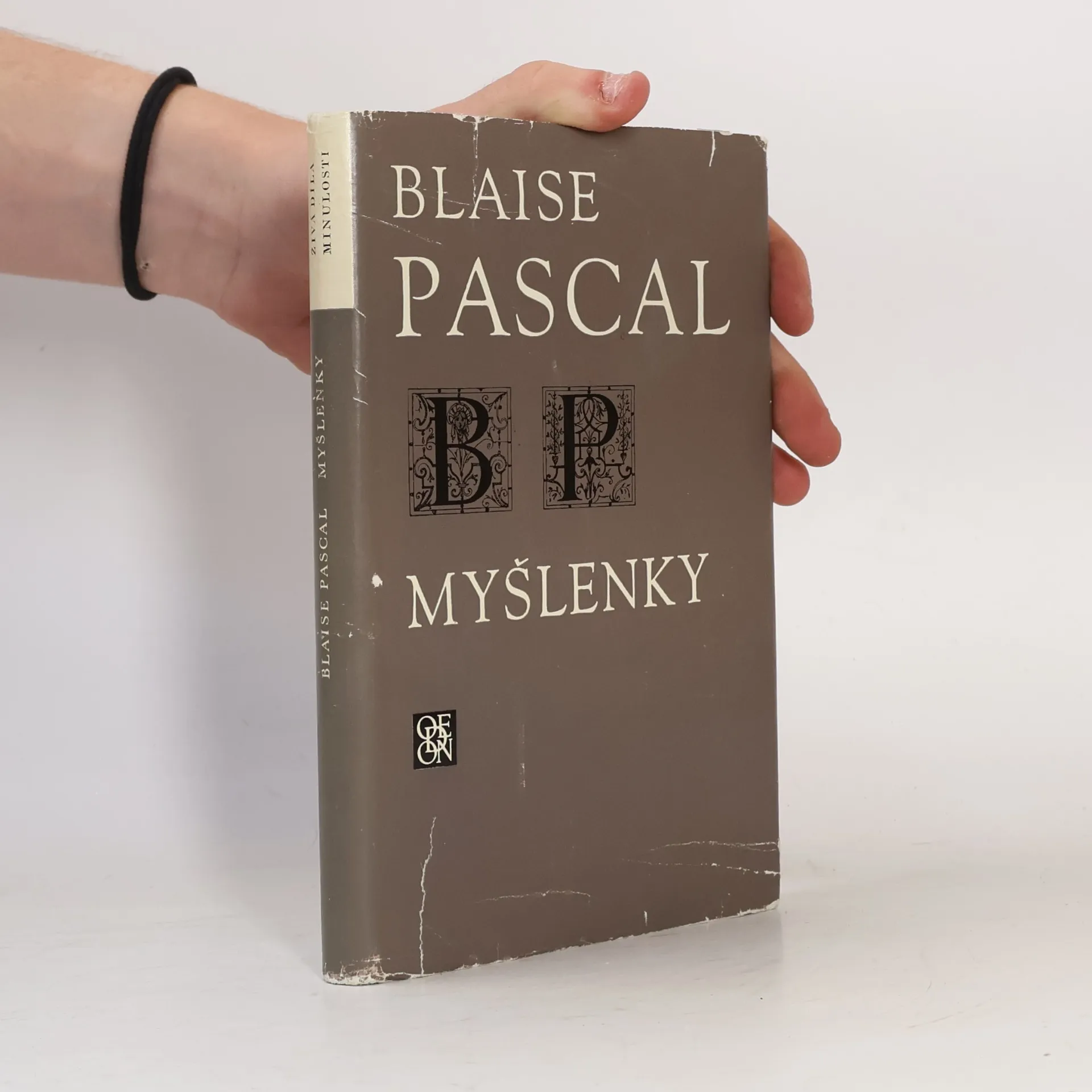
    Myšlenky. Výbor
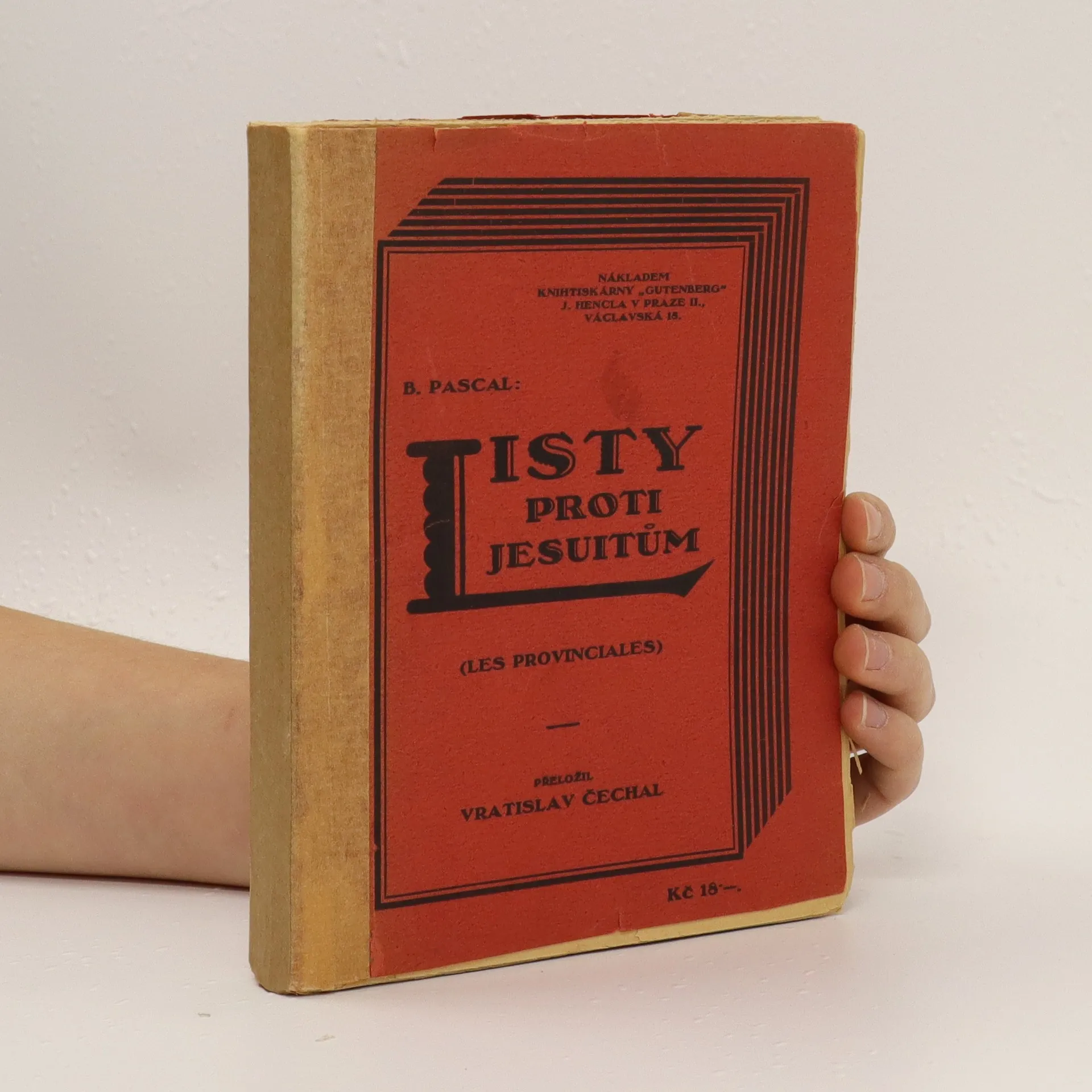
    Listy proti jesuitům : (Les provinciales)
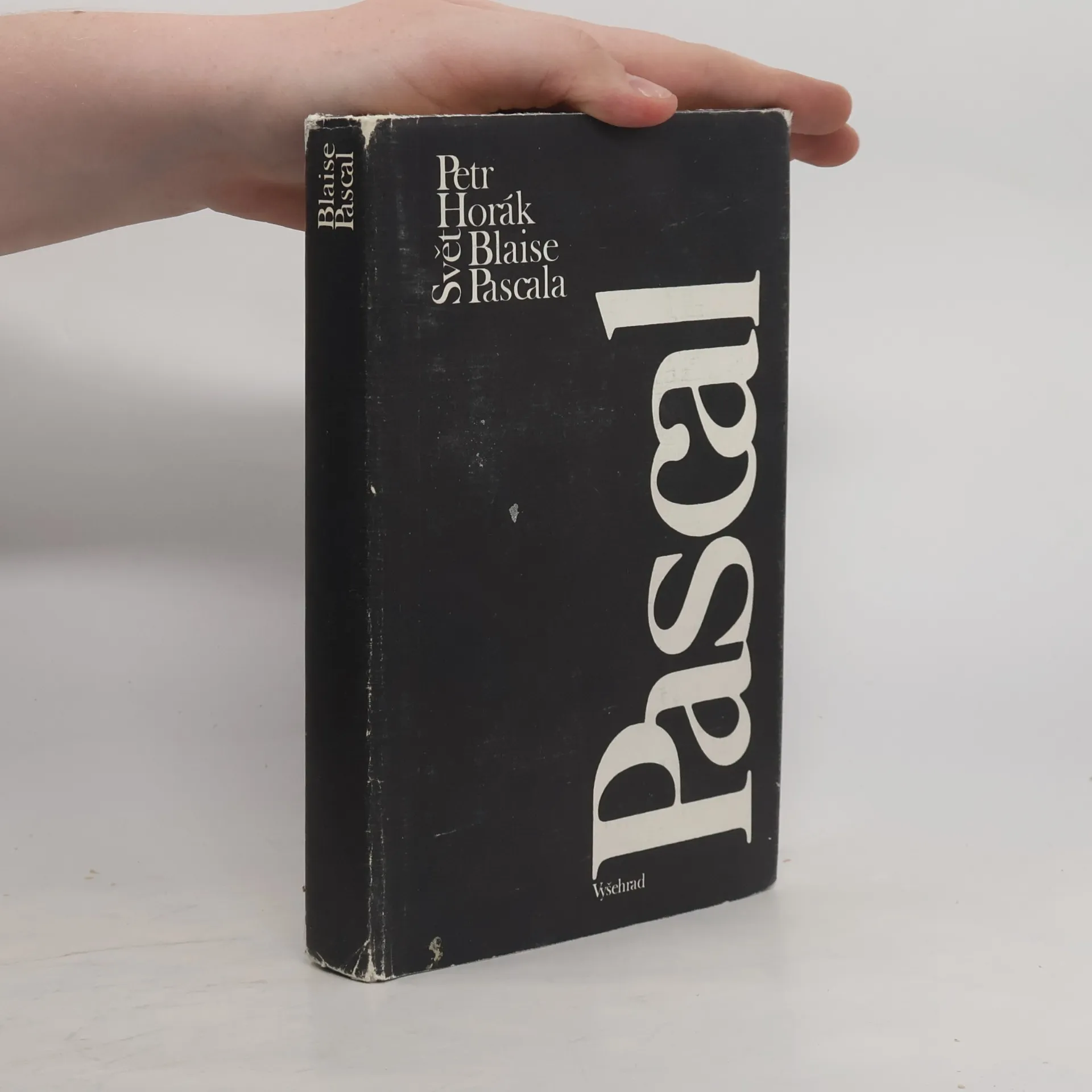
    Svět Blaise Pascala
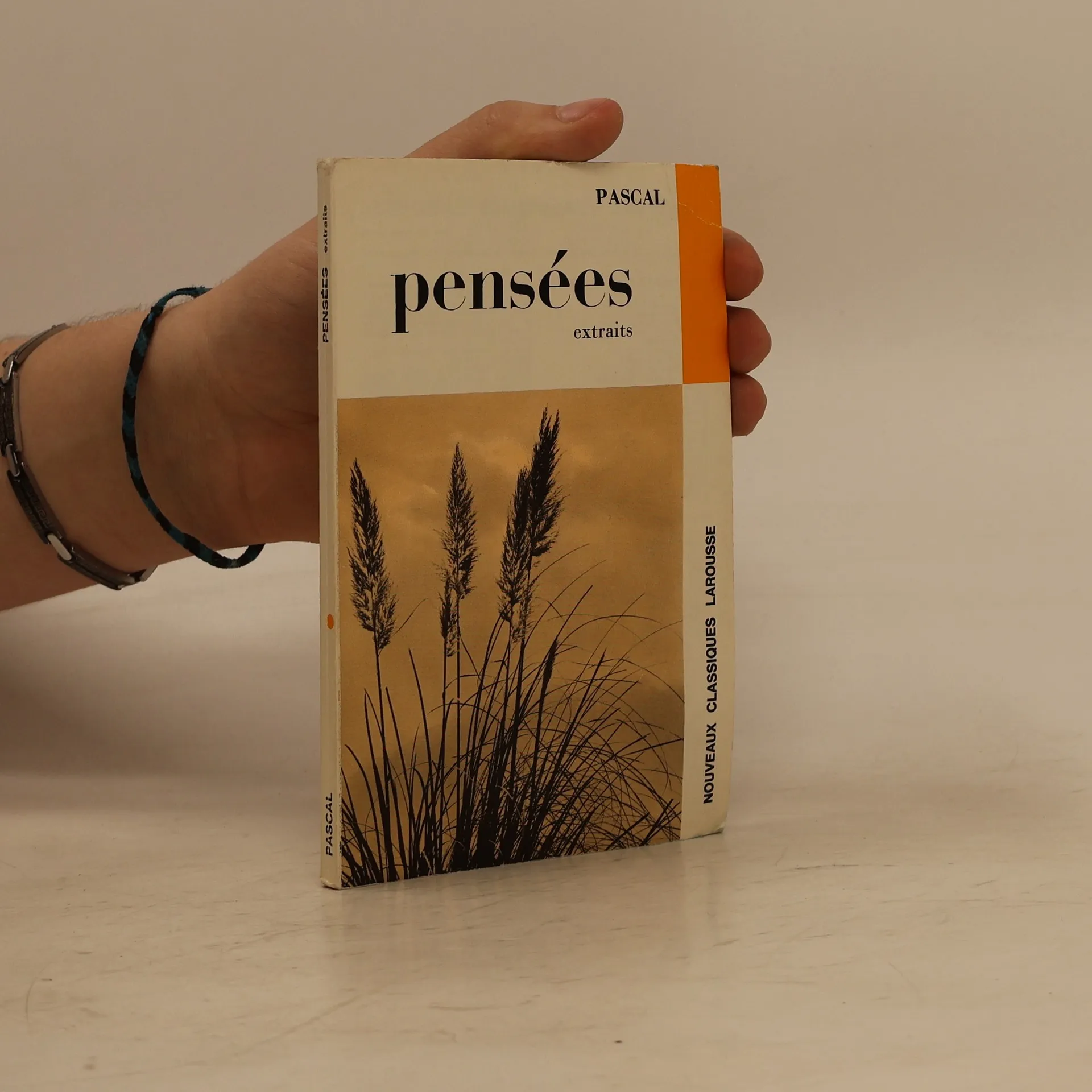
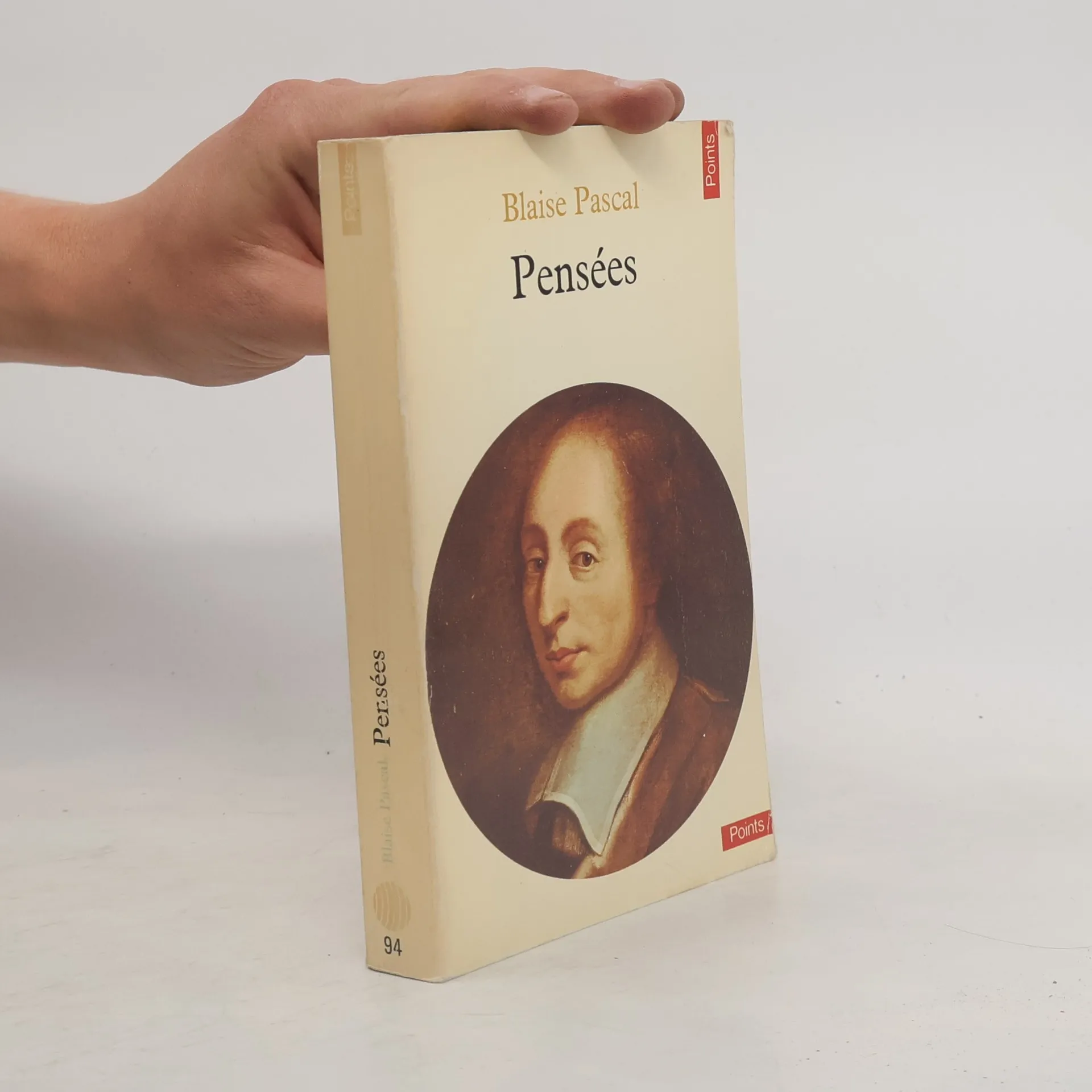
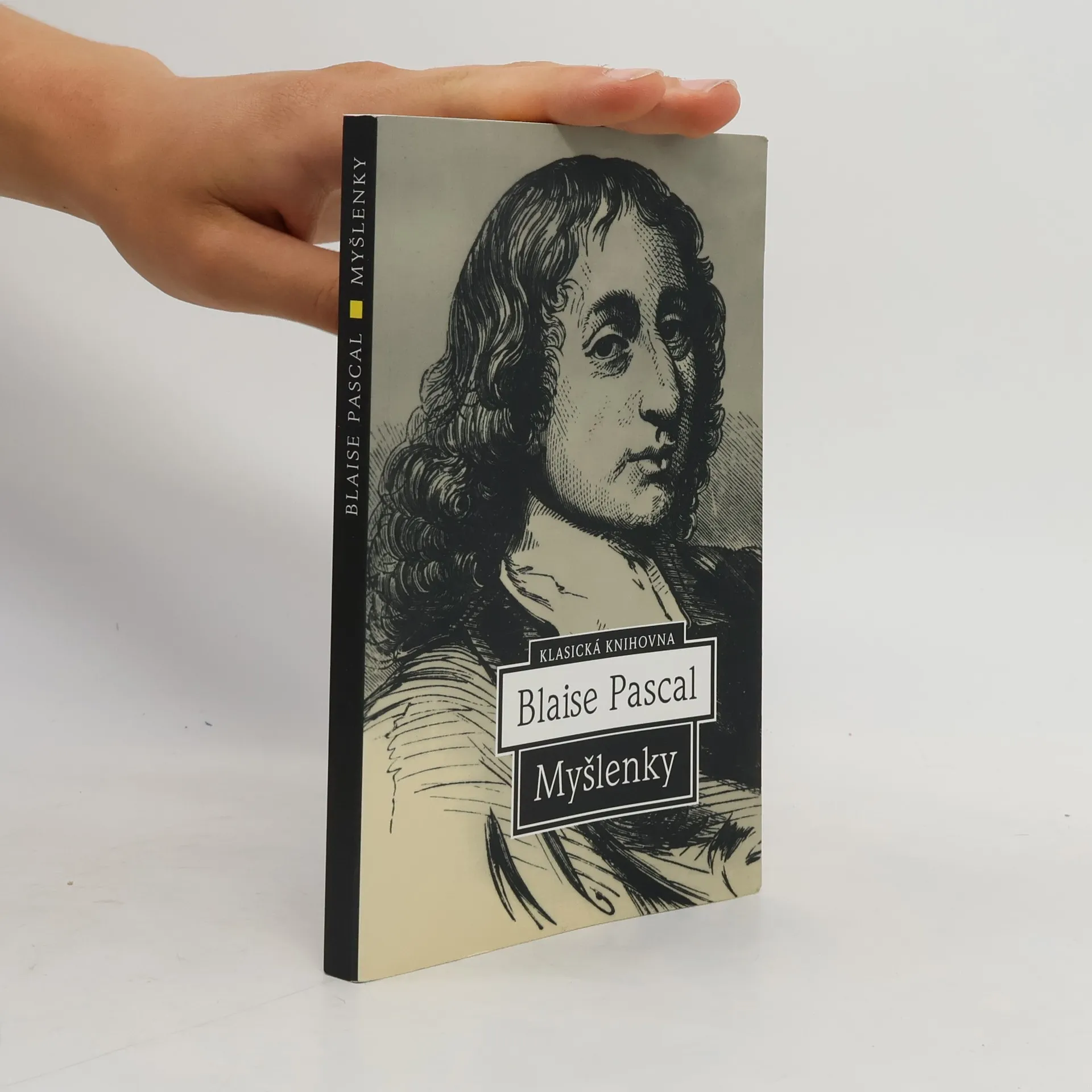
    Myšlenky
    • Výbor z nejznámějšího díla francouzského myslitele, přírodovědce a matematika (1623-1662). Nedokončené dílo, které mělo být obranou křestanského náboženství se zachovalo jenom ve zlomcích a proto se stalo v průběhu doby předmětem uspořádávání nejrůznějších editorů. Tento český výbor zachycuje všechna základní témata Pascalových myšlenek v devíti okruzích, ve kterých jsou výroky shromážděny v krátkých, někdy i jednovětých citacích. Autor v nich vyjadřuje svůj pevný postoj jansenistického filozofa k lidskému rozumu, k otázce dobra, k údělu člověka, k náboženství a víře,k lidské pýše, ale i k umění, literatuře a jazyku - postoj, že pravdu je možno poznat nejen rozumem, ale hlavně srdcem. Rozum se musí pokořit před nepochopitelností víry.
      Myšlenky
      4,5
    • Výbor ze stěžejního filosofického díla francouzského filosofa, matematika a fyzika. Nedokončené dílo (doplňující jeho Listy provinciálovi, útočící proti jezuitům), v němž se autor snaží zharmonizovat realitu společnosti a jedince a v němž se na pozadí snahy o obhajobu křesťanství snaží rozpor mezi vědou a náboženstvím, rozumem a vírou posvětit jako rozpor neřešitelný, a tím zachovat jak vědu, tak i náboženství. Dílo vyniká neobyčejnou formální krásou, silou představivosti, lyrismem, expresivitou a dramatičností.

      Myšlenky. Výbor
    • Blaise Pascal Thoughts

      Selected and Translated

      • 242 stránek
      • 9 hodin čtení

      The work features curated selections from Pascal's Pensées, offering insights into his philosophical and theological reflections. Known for its profound exploration of faith, reason, and the human condition, the text delves into existential questions and the nature of belief. This English translation makes Pascal's influential ideas accessible to a wider audience, highlighting his unique perspective on life's complexities.

      Blaise Pascal Thoughts
      4,5
    • A collection of philosohical fragments, notes and essays in which the author explores the contradictions of human nature in pscyhological, social, metaphysical and - above all - theological terms.

      Pensées
      4,0
    • The Provincial Letters

      • 232 stránek
      • 9 hodin čtení

      The book is a facsimile reprint of a scarce antiquarian work, preserving its historical significance despite potential imperfections like marks and notations. It aims to protect and promote important literature by providing affordable, high-quality modern editions that remain faithful to the original text.

      The Provincial Letters
      4,1
    • Pensees and Other Writings

      • 267 stránek
      • 10 hodin čtení

      For much of his life Pascal (1623-62) worked on a magnum opus which was never published in its intended form. Instead, he left a mass of fragments, some of them meant as notes for the Apologie. These were to become known as the Pensées, and they occupy a crucial place in Western philosophy and religious writing. This translation is the only one based on the Pensées as Pascal left them. It includes the principal dossiers classified by Pascal, as well as the essential portion of the important Writings on Grace.

      Pensees and Other Writings
      4,1
    • Exploring profound themes of theology and philosophy, this collection features fragments that reflect Blaise Pascal's deep insights and intellectual struggles. Written in the 17th century, it encapsulates his thoughts on faith, reason, and the human condition, showcasing his unique perspective as both a philosopher and mathematician. The work serves as a significant contribution to existential thought and continues to resonate with readers seeking to understand the complexities of belief and existence.

      Pensees (Royal Collector's Edition) (Case Laminate Hardcover with Jacket)
    • Renowned for his literary and philosophical contributions, Blaise Pascal's collection features his most celebrated works, such as "Pensées" and "Provincial Letters," alongside a selection of essays. This compilation showcases the brilliance of a 17th-century French thinker whose insights remain influential and engaging for readers and scholars alike, offering a profound exploration of human thought and experience.

      Complete Works of Blaise Pascal (Grapevine edition)
    • Pascal's Pensees

      Introduction By T. S. Eliot

      • 266 stránek
      • 10 hodin čtení

      The book aims to contribute to the preservation and repair of classic literature, highlighting the importance of maintaining original works for future generations. It reflects a commitment to safeguarding literary heritage, ensuring that timeless stories remain accessible and intact.

      Pascal's Pensees
    • Blaise Pascal's "Thoughts" is a posthumously published compilation of his notes intended for a defense of Christianity, showcasing his keen observations on human life and intricate reasoning. Despite its incomplete nature, the work remains a classic in Christian literature, offering insights that resonate with discerning readers. The edition features W. F. Trotter's translation and includes an introduction by Thomas S. Kepler, printed on premium acid-free paper, ensuring both quality and accessibility for contemporary audiences.

      Pensées (Thoughts): [Translated by W. F. Trotter with an Introduction by Thomas S. Kepler]
    • Pensees

      Pascal's Thoughts on God, Religion, and Wagers

      • 208 stránek
      • 8 hodin čtení

      Blaise Pascal's unfinished work, originally intended as a comprehensive Christian apologetics, consists of fragmentary notes that offer profound insights into faith and reason. Despite their incomplete nature, these thoughts are celebrated for their literary excellence and continue to resonate with readers today. This edition enhances the reading experience with an index, allowing readers to navigate Pascal's intricate ideas and arguments effectively.

      Pensees
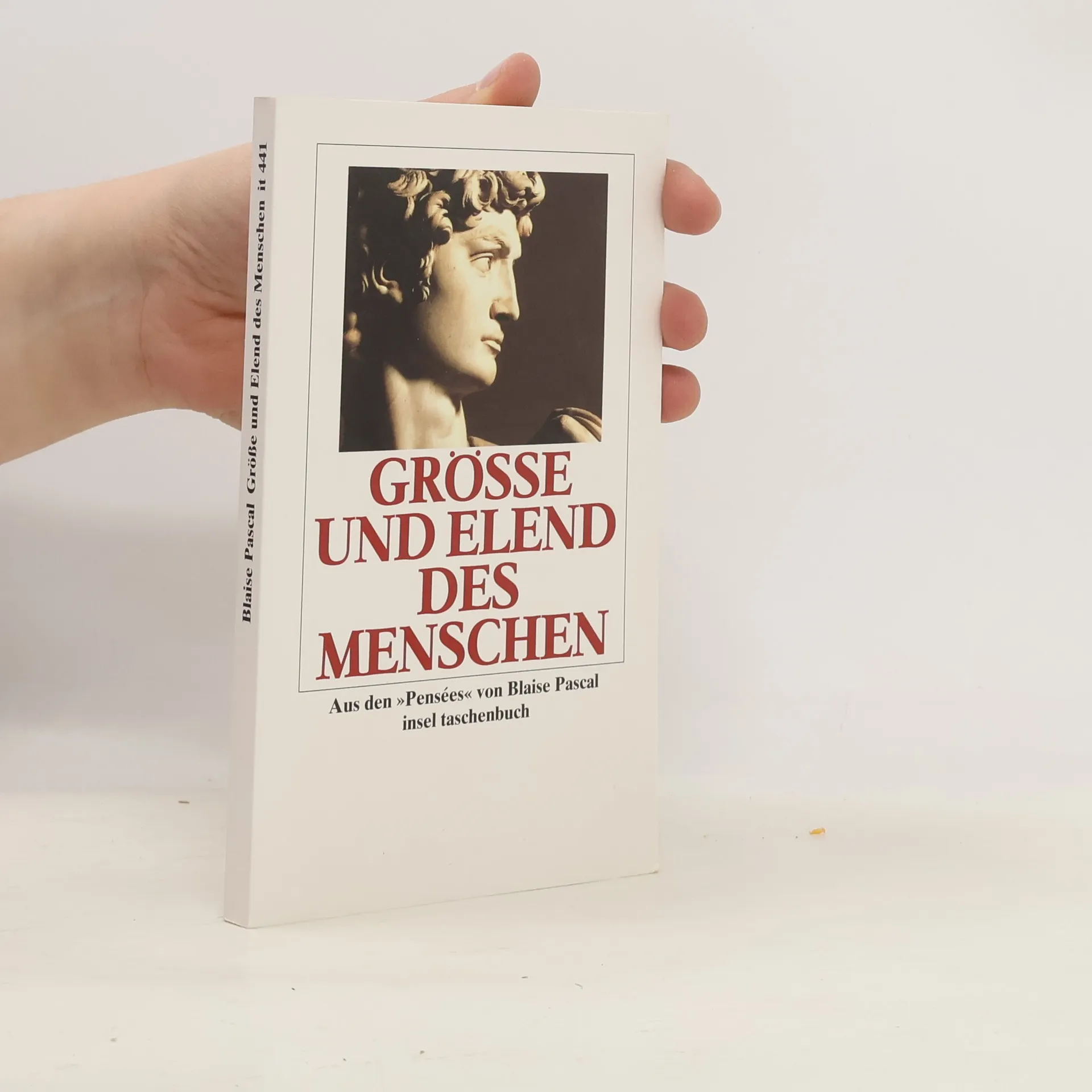
    • Grösse und Elend des Menschen

      • 119 stránek
      • 5 hodin čtení

      Die Pensées des Blaise Pascal (1623-1662) sind eine Sammlung von Notizen und Entwürfen für eine geplante „Apologie des Christentums“. Pascals Gedanken beeindrucken durch ihre psychologische Einsicht

      Grösse und Elend des Menschen
      4,3
    • Discours sur les passions de l'amour

      • 47 stránek
      • 2 hodiny čtení

      Discours sur les passions de l’amour Blaise Pascal, Mathématicien, physicien, inventeur, philosophe, moraliste et théologien français (1662-1623) Ce livre numérique présente «Discours sur les passions de l’amour», de Blaise Pascal, édité en texte intégral. Une table des matières dynamique permet d'accéder directement aux différentes sections. Table des Matières -01- Présentation -02- Discours sur les passions de l’amour

      Discours sur les passions de l'amour
      3,0
    • Gedanken

      • 423 stránek
      • 15 hodin čtení

      Blaise Pascal (1623–1662), der große französische Schriftsteller, Philosoph und Mathematiker, fasziniert durch die Schärfe seines Denkens und stellt einmal gewonnene Erkenntnisse immer wieder in Frage. Seine Gedanken sind tief und suchen nach dem Besonderen, das die Menschen auszeichnet. Er gibt uns eine Idee von der Unvollkommenheit der Menschheit und von dem Traum, sie zu verändern. 'Man glaubt, die Tasten einer gewöhnlichen Orgel anzuschlagen, wenn man die Tasten des Menschen anschlägt. Er ist zwar eine Orgel, doch sie ist seltsam, wandelbar und veränderlich.'

      Gedanken
      1,0
    • Les Trois discours sur la condition des grands sont des discours éducatifs prononcés par Blaise Pascal au futur duc de Chevreuse, Charles-Honoré d'Albert, vers 1660, et retranscrits par Pierre Nicole dans De l'éducation d'un prince, publié en 1670. Dans le premier discours, Pascal soutient que la condition des grands dépend davantage du hasard que de qualités naturelles. Il insiste sur la nécessité pour un grand d'adopter une double-pensée, agissant selon son rang tout en reconnaissant son égalité intrinsèque avec les autres. Le second discours distingue les grandeurs d'établissement, qui méritent respect, des grandeurs naturelles, qui relèvent du talent ou de la vertu. Un grand ne doit pas exiger admiration pour des qualités qu'il ne possède pas, afin d'éviter une injustice. Dans le troisième discours, Pascal explore les relations d'un grand avec son peuple, comparant cette dynamique à celle d'un roi de concupiscence, qui doit satisfaire les désirs de son peuple sans devenir tyrannique. Ces discours, le seul texte politique de Pascal, abordent des thèmes présents dans les Pensées, comme le caractère conventionnel des coutumes. Pascal vise à prévenir les abus de pouvoir tout en évitant le chaos d'une contestation populaire de l'autorité, affirmant que la véritable grandeur réside dans la soumission à la voie de Dieu.

      Trois discours sur la condition des Grands et six liasses extraites des Pensées
      3,5
    • Blaise Pascal, der vor 400 Jahren geboren wurde, reflektierte über Glück, Liebe und Glauben mit präzisen und aktuellen Gedanken. Diese Aphorismen zeigen den Mathematiker und Physiker von einer neuen Seite und vereinen Herz und Verstand. Illustriert mit Natur-Aquarellen und einer umfassenden Biografie.

      Der Mensch ist für die Freude geboren. Unterhaltsame Lebensweisheiten
    • Gedanken

      Leinen mit Goldprägung

      »Gedanken« ist eine posthum veröffentlichte Sammlung von Blaise Pascals philosophischen Fragmenten und Essays. Er beleuchtet die Widersprüche der menschlichen Natur aus theologischer Perspektive und beschreibt den Menschen als unglücklich, der durch den Glauben an Gottes Gnade transformiert werden kann.

      Gedanken
    • Blaise Pascal (1623-62) - francuski filozof, etyk, teolog, także wybitny matematyk i fizyk. Przeciwnik jezuitów, jeden z twórców jansenizmu, a poprzez to w pewnym sensie prekursor chrześcijańskiego egzystencjalizmu. Jego najważniejsze dzieło to niewątpliwie Myśli . Opowiada się w nich Pascal (jako człowiek niezwykle głęboko religijny)za odnową wiary, powrotem do św. Augustyna, będąc bowiem racjonalistą uważał, że w pewnym zakresie racjonalizm jest bezradny, trzeba jednak - by nie zwątpić - przyjąć pewien zakład (zwany zakładem Pascala) i zawierzyć sercu, gdyż rozum niezdolny jest do poznania Jak pisze W. Tatarkiewicz Albo Bóg jest albo go nie ma: jedno z dwojga musimy przyjąć, decyzja jest nieuchronna, boć albo żyć będziemy z Bogiem, albo bez niego. Otóż Pascal nie próbował dowieść, że istnienie Boga jest pewne, ani nawet, o ile jest prawdopodobne; natomiast próbował obliczyć, o ile uznanie go jest dla człowieka zyskowniejsze. I dalej Stawiając na istnienie Boga, ryzykujemy niewiele, bo tylko jedno doczesne; jeśli zaś okaże się, iż mamy rację, to zyskamy - wieczne życie i szczęście. Założeniem było tu, że Bóg nagradza wiarę, a karze niewiernych.. Przyjąć zatem należy porządek serca, gdyż jaki pisze Pascal rozum zawsze pada ofiarą pozorów...

      Myśli BR
    • „Ich werde hier meine Gedanken ordnungslos aufschreiben ... Das ist die Wahre Ordnung ...“ So führt der Naturwissenschaftler und Philosoph Pascal in sein Hauptwerk ein, dessen System die Systemlosigkeit ist. In brillanter Prosa - von aphoristischen Einzelsätzen bis zu ausgefeilten Essays - behandelt er Themen wie Ordnung, Eitelkeit, Elend, Langeweile, Ursachen und Wirkungen, Widersprüche, Zerstreuung, das höchste Gut, Natur, vor allem aber Religion und christliche Moral. Die vorliegende Gesamtausgabe fußt auf Pascals „unordentlicher“ Originalsammlung und eigenen Abschriften, die seit einigen Jahren als verbindliche Textgrundlage für jede wissenschaftliche Edition gelten.

      Gedanken über die Religion und einige andere Themen
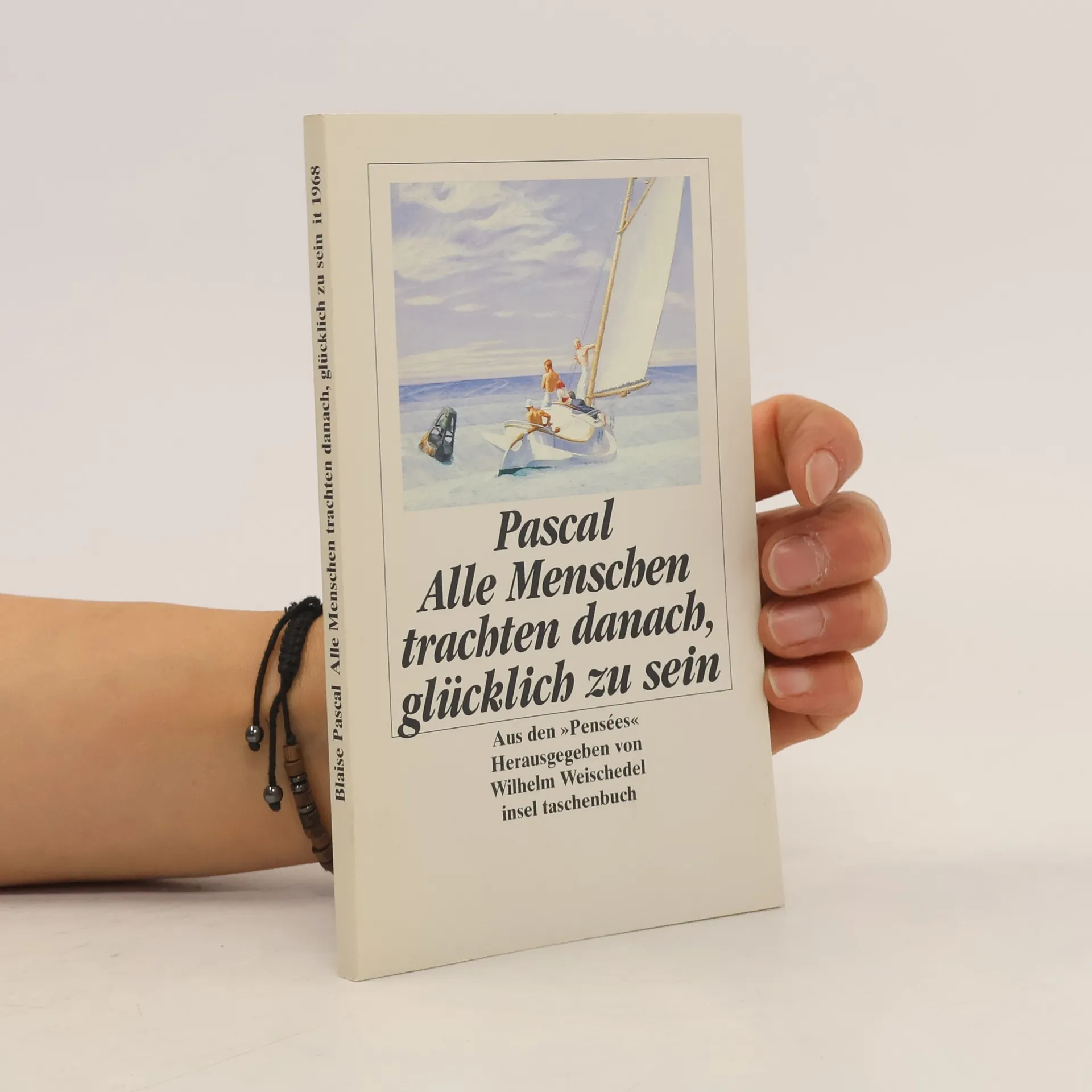
    • Zum 400 Geburtstag Blaise Pascals (1623–1662) erscheint dieser Jubiläumsband mit den schönsten Aphorismen und wichtigsten Gedanken aus seinen Pensées („Gedanken“). Dieses Bündel von Notizen aus dem Nachlass des Autors ist eines der meistgelesenen philosophisch-theologischen Meisterwerke der europäischen Geistesgeschichte. Pascal, der brillante Mathematiker und Naturwissenschaftler, das religiöse und literarische Genie, hat uns scharfsinnige und glänzende Einsichten hinterlassen, die lebendig in die Tiefe der Dinge dringen. Mit seinen provokativen Gedanken lädt er über die Jahrhunderte hinweg ein in ein Gespräch zu den wesentlichen Fragen des Lebens.

      Das Herz hat seine Gründe
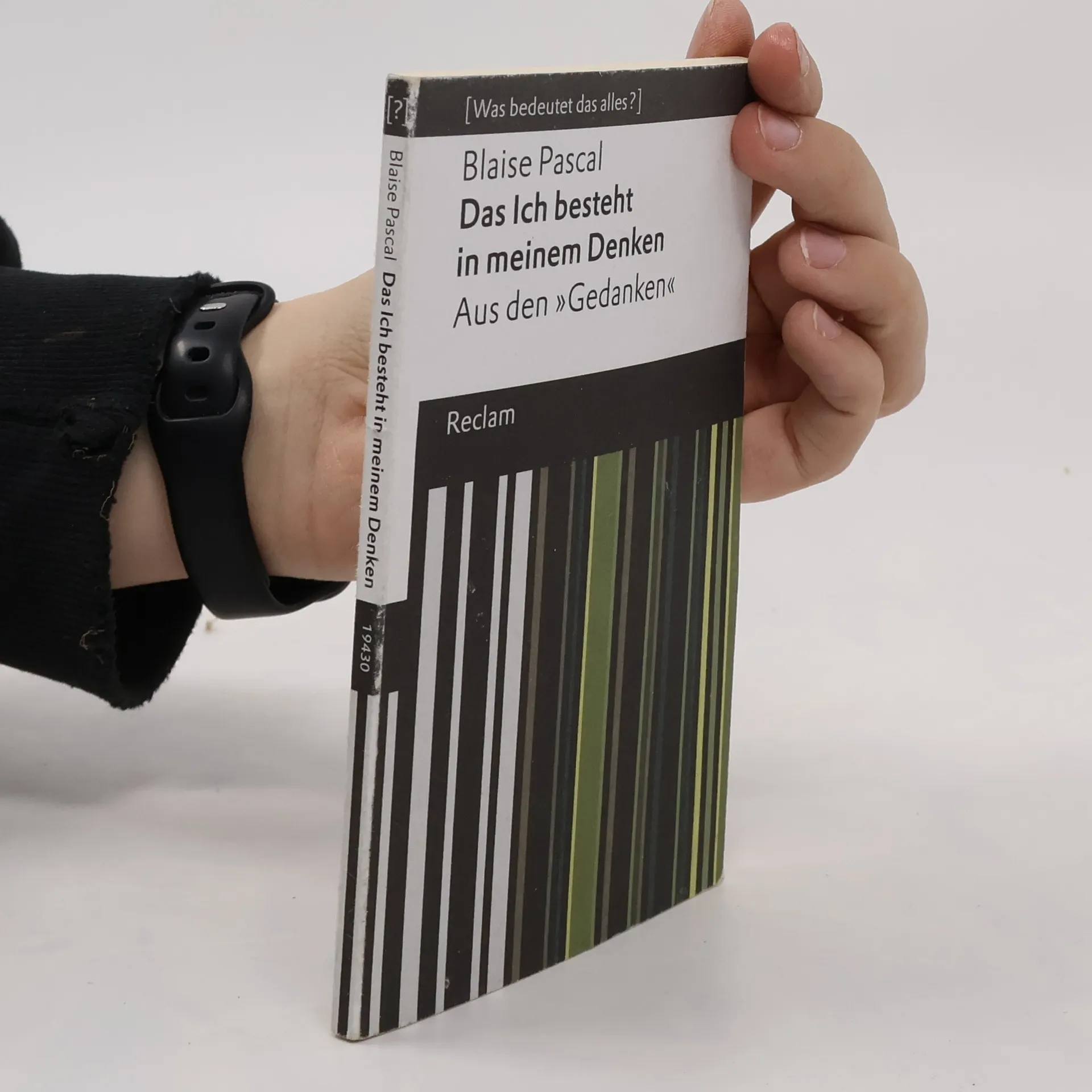
    • In seinem Hauptwerk, den Pensées , schrieb der Philosoph, Theologe, Mathematiker und Naturwissenschaftler Blaise Pascal (1623–1662) vor allem gegen eines an: die Gedankenlosigkeit, mit der die meisten seiner Mitmenschen den ausgetretenen Pfaden der Gewohnheit folgten, ohne sich je den höchsten und letzten Fragen der menschlichen Existenz zu stellen. Brillant im Stil und faszinierend in der Argumentation behandelt er Themen wie Würde und Elend, Langeweile und Trostlosigkeit, Zweifel und Glauben, Sterben und Tod. Die hier vorgelegte Auswahl aus den Gedanken bietet eine unerschöpfliche Quelle fürs Weiterdenken und Meditieren.

      Das Ich besteht in meinem Denken
    • Der erste Band einer vierbändigen Ausgabe aller Briefe des Mathematikers, Physikers und Philosophen Blaise Pascal. Das Spektrum dieser Briefe reicht vom alltäglichen Privatbrief bis zur ausgefeilten literarischen Kunstform in den ›Lettres Provinciales‹ und den ›Pensées‹. Band I umfasst 22 Briefe und Brieffragmente aus den Jahren 1643–1660/61. Sie gewähren einen sehr persönlichen Einblick in Pascals Herzen- und Gedankenwelt, eröffnen aber auch erhellende Bezüge und Einsichten hinsichtlich seiner theologischen und philosophischen Schriften. Die folgenden Bände enthalten die wissenschaftliche Korrespondenz (Band II), die ›Briefe in die Provinz‹ (Band III) sowie philosophische Briefe und die ›Pensées‹ (Band IV).

      Briefe 1