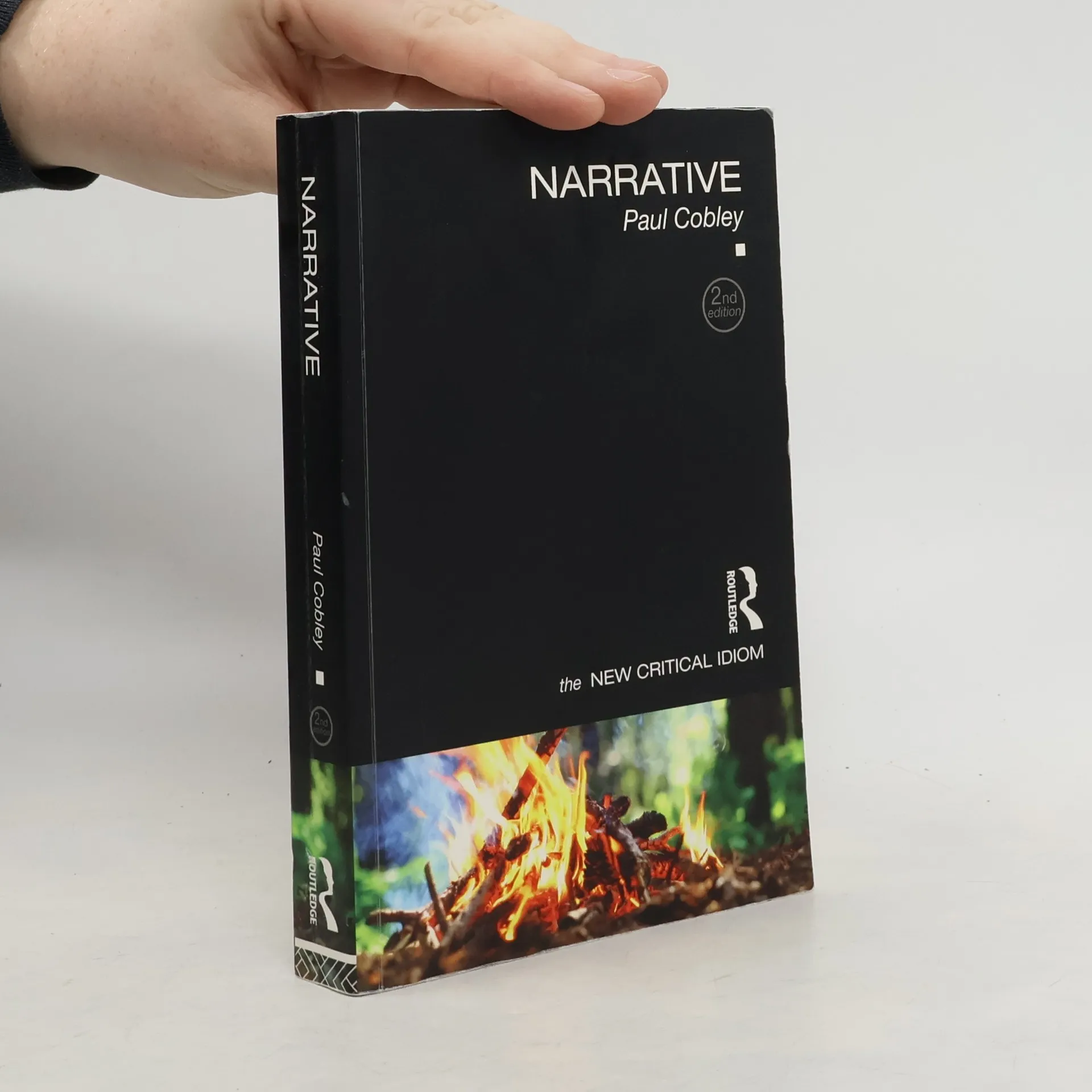
Narrative
- 304 stránek
- 11 hodin čtení
This fully updated second edition traces the ways in which centuries of human beings have used narrative to make sense of time, space and identity.


Paul Cobley je čtenářem v oboru komunikací na London Metropolitan University, který se zabývá především sémiotikou. Jeho výzkum se zaměřuje na kulturní dopady biosemiotiky, zejména prostřednictvím modelování teorií systémů. Cobley je autorem několika knih a editorem mnoha dalších, které se zabývají teorií komunikace, sémiotikou a mediálními studiemi. Jeho práce se snaží osvětlit složité vztahy mezi znaky, lidskou komunikací a širším biologickým světem.
This fully updated second edition traces the ways in which centuries of human beings have used narrative to make sense of time, space and identity.
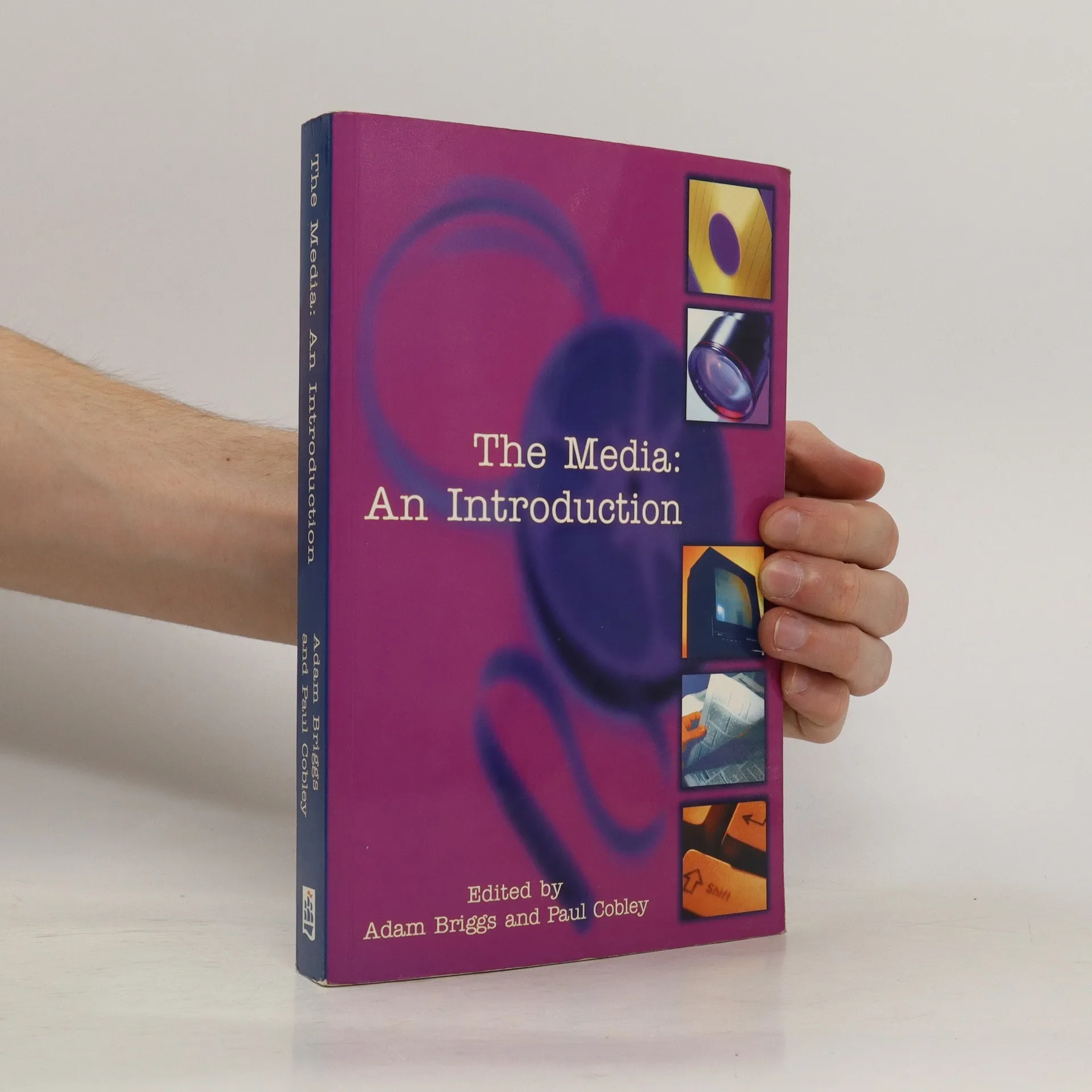
Provides a comprehensive introduction to all the important recent developments in the media from constitutions to policy and practice. Describes the diversity of the media as a series of separate and distinct industries and practices; explores the issues which directly infringe on the different media- audience feedback, belief about effects, broadcast policy and different traditions of organising, studying and funding; and examines the presentations that actually appear in the media and how the media presents different facets of the real world
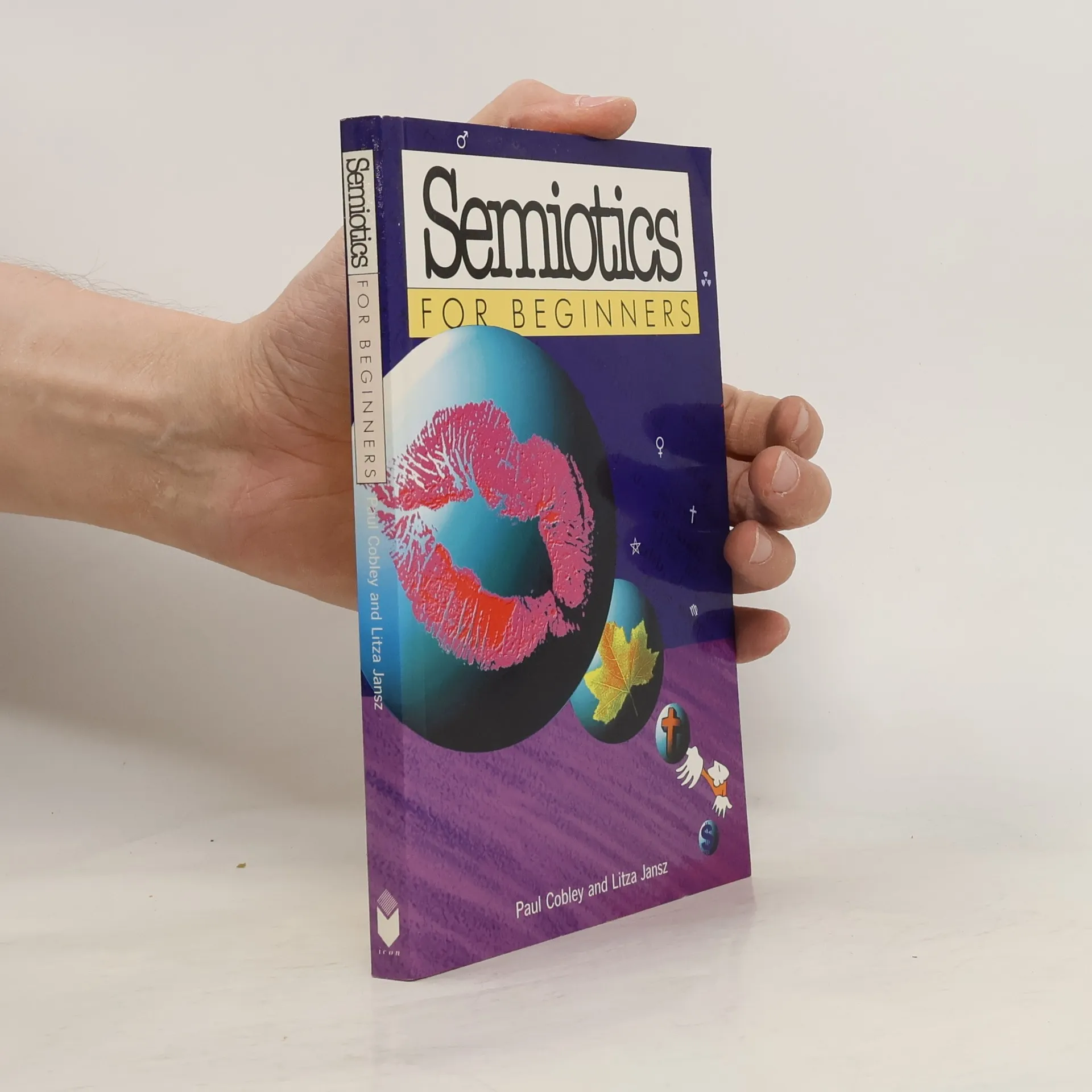
An animal's cry, language disorders, the medical symptom, and body language are all signs of semiotics.
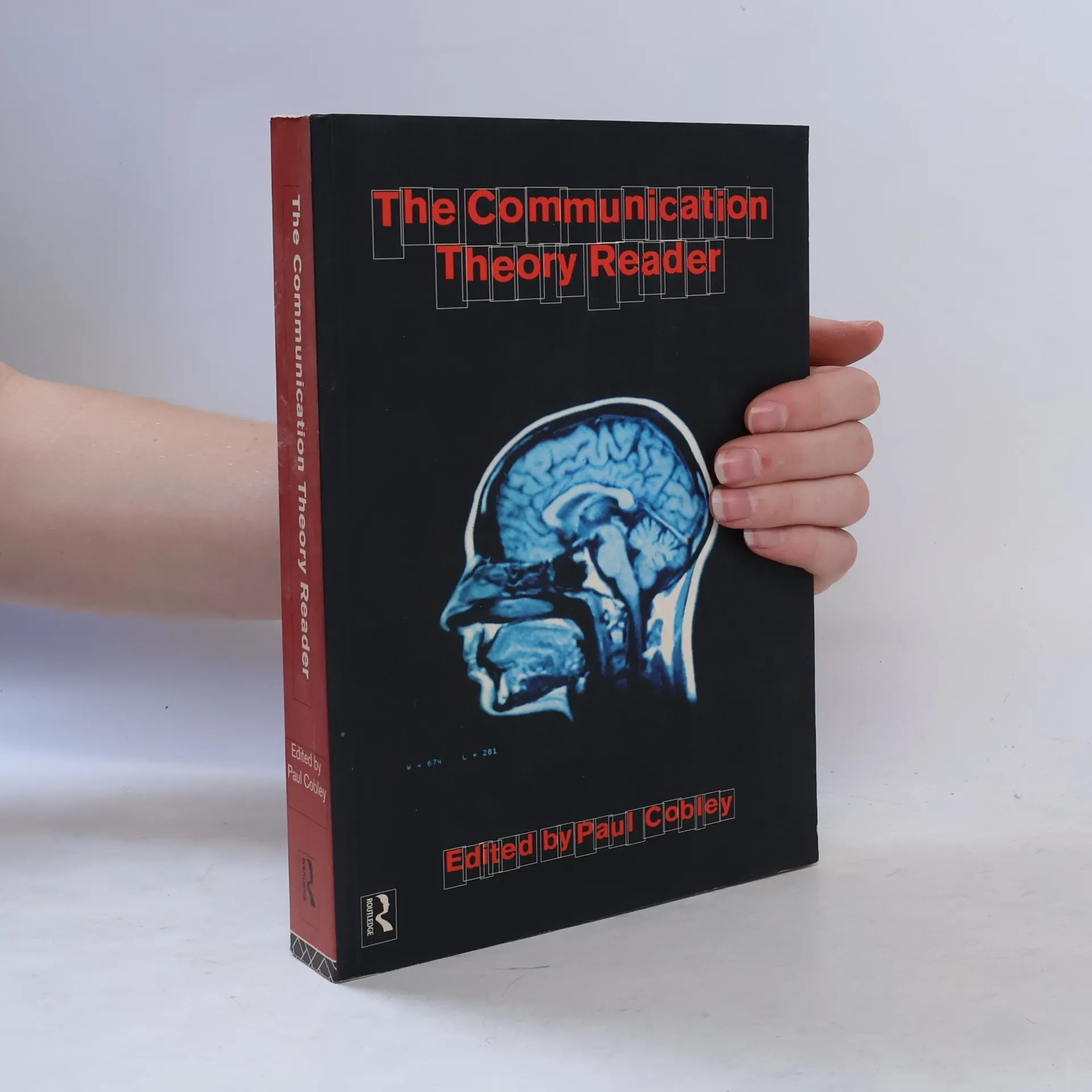
This collection of readings is designed to provide easy access to Communication Theory. Many of the essays in the Reader have previously been difficult to obtain and many have appeared in contexts where their relevance for communications, media and cultural studies was not immediately apparent. The Reader presents the most important work which has shaped the field as it stands today. The articles are grouped in subject sections, with an editor's introduction, indications of further reading together with a glossary and comprehensive bibliography.