

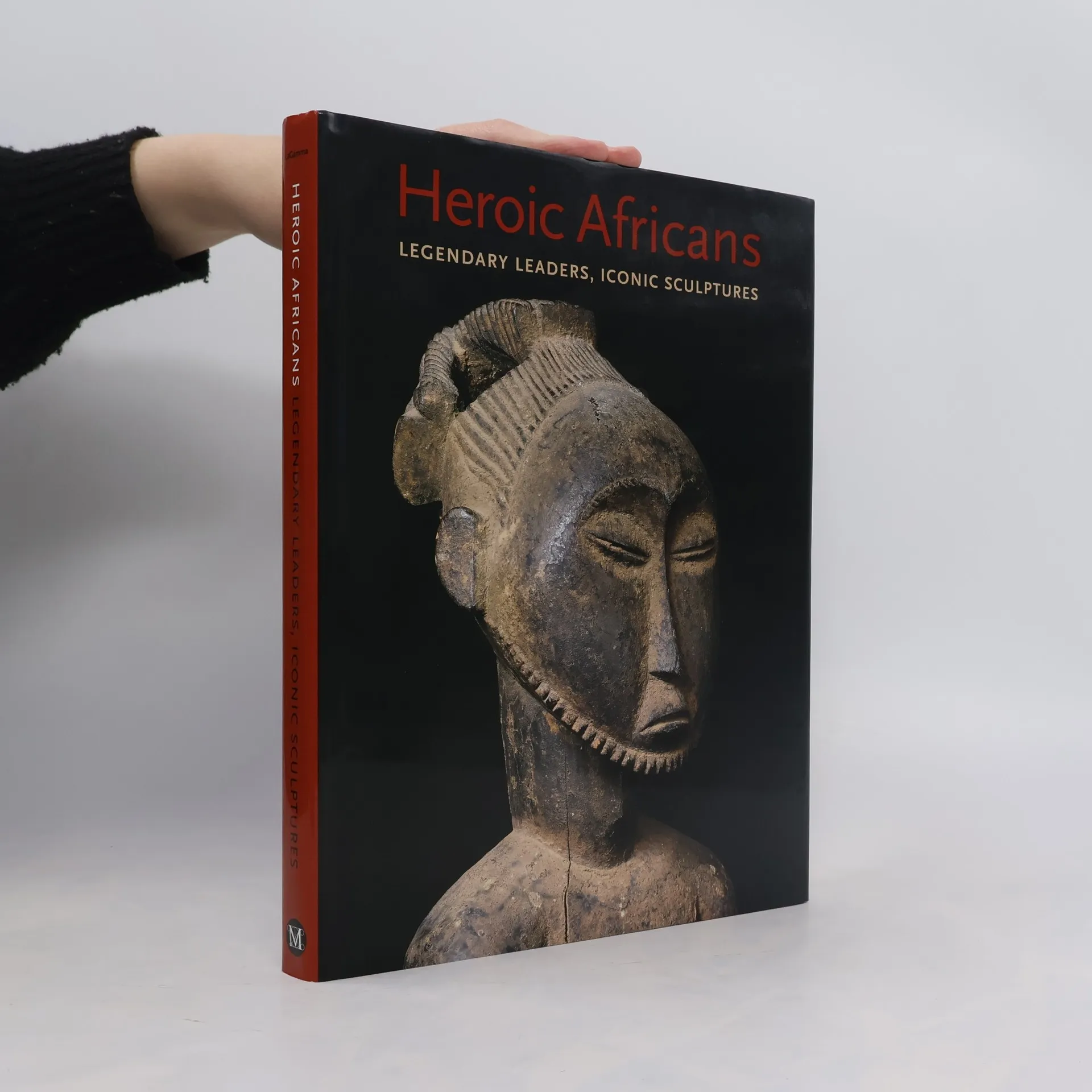
Over the centuries, artists in sub-Saharan Africa have memorialized prominent figures using a diverse range of naturalistic and abstract sculptural styles. By employing complex aesthetic formulations, they idealized their subjects while incorporating specific details—such as emblems of rank, scarification patterns, and elaborate hairstyles—to evoke the individuals represented. These works, infused with the essence of their formidable subjects, played a crucial role in reinforcing connections with important ancestors during significant transitions. Their transfer from one generation to the next was often essential for legitimizing subsequent leaders. The arrival of Europeans as traders and colonizers resulted in the dislocation of many sculptures from their original contexts, leading to their perception as timeless representations of generic archetypes. This examination reconsiders these sculptures in light of the individuals who inspired them and the cultural values that shaped them, offering insights into the hidden meanings behind these artistic achievements. The author explores landmark sculptural traditions from various regions, including Nigeria's Ife and Benin kingdoms, Ghana and Côte d'Ivoire's Akan chiefdoms, and others in Cameroon, Angola, and the Democratic Republic of the Congo. More than 140 masterpieces created between the 12th and early 20th century, alongside maps and photographs, reveal the religious and aesthe
Alisa LaGamma Knihy

Helden - ein neuer Blick auf die Kunst Afrikas
- 308 stránek
- 11 hodin čtení
In den höchsten Tönen wird derzeit eine Schau im Metropolitan Museum, New York, gelobt: 'Wenn Sie denken, afrikanische Kunst sei nicht so Ihr Ding, dann gibt es jetzt eine Ausstellung, die Ihre Meinung ändern könnte. Sie ist so schön anzuschauen, wie es eine Ausstellung nur sein kann', schreibt etwa die New York Times. Ab Februar 2012 wird die vielgepriesene Ausstellung im Zürcher Museum Rietberg gezeigt, und dazu erscheint das begleitende Buch auf Deutsch. Helden präsentiert Skulpturen von Herrschern und anderen prägenden Persönlichkeiten aus mehr als acht Jahrhunderten und räumt mit zahlreichen falschen Vorstellungen auf, die – gerade in Europa – über die afrikanische Kunst grassieren. Zum Beispiel mit der, Naturalismus sei eine exklusiv europäische Erfindung gewesen. Die Skulpturen aus Terrakotta, Holz und Elfenbein stammen aus acht Regionen in West- und Zentralafrika und datieren vom 12. bis ins frühe 20. Jahrhundert. Sie sind das materielle Vermächtnis längst vergangener, vorkolonialer Zeiten. Und sie begeistern durch die Motivik, durch stilistische Vorzüge wie durch ihre Vielfalt. Zudem bieten die Kunstwerke Gelegenheit, mehr über wichtige historische Persönlichkeiten zu erfahren, und ermöglichen Einsichten in die verborgenen Bedeutungen, die hinter diesen grossartigen Skulpturen stehen.