
Knihobot

Helmut Puff

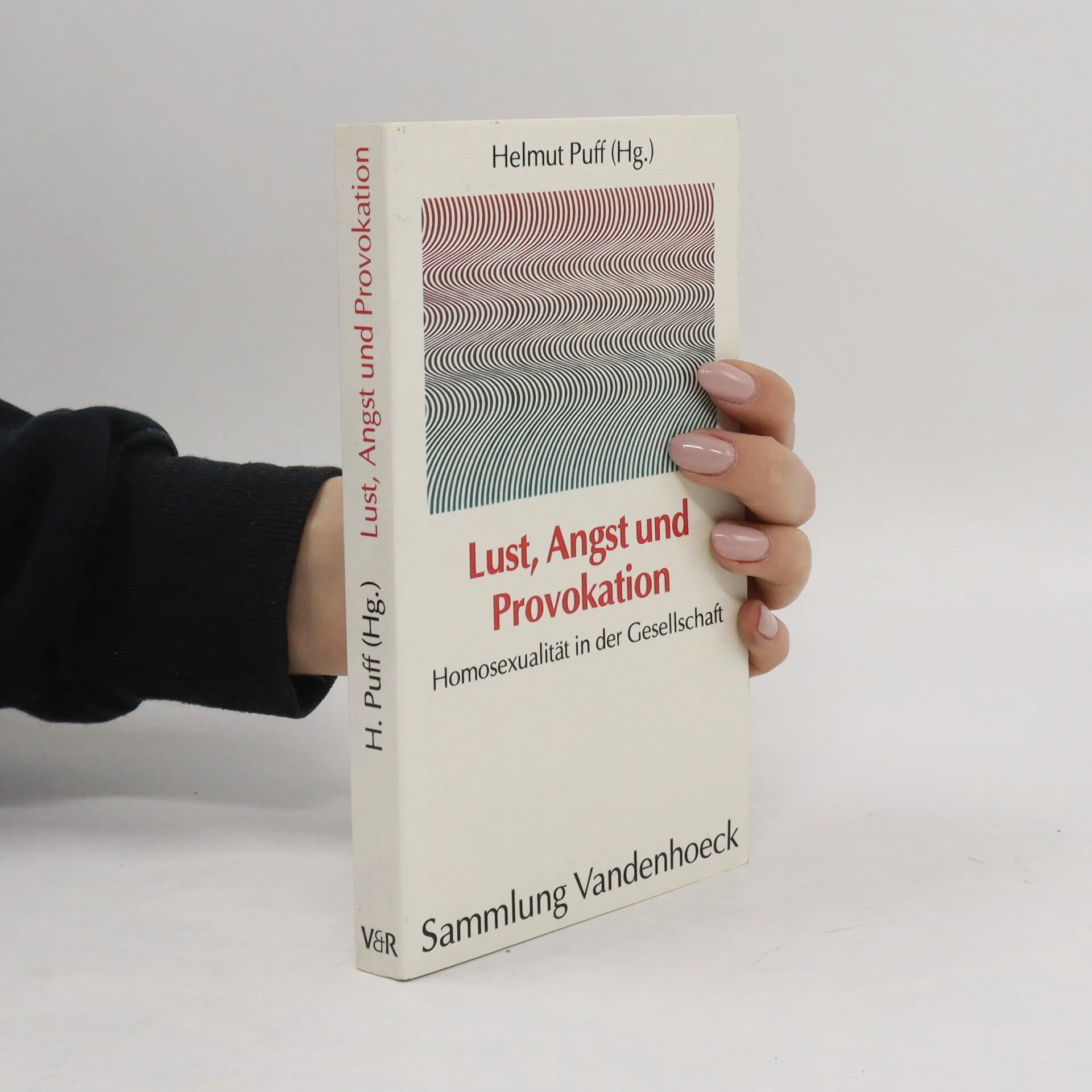
    Lust, Angst und Provokation
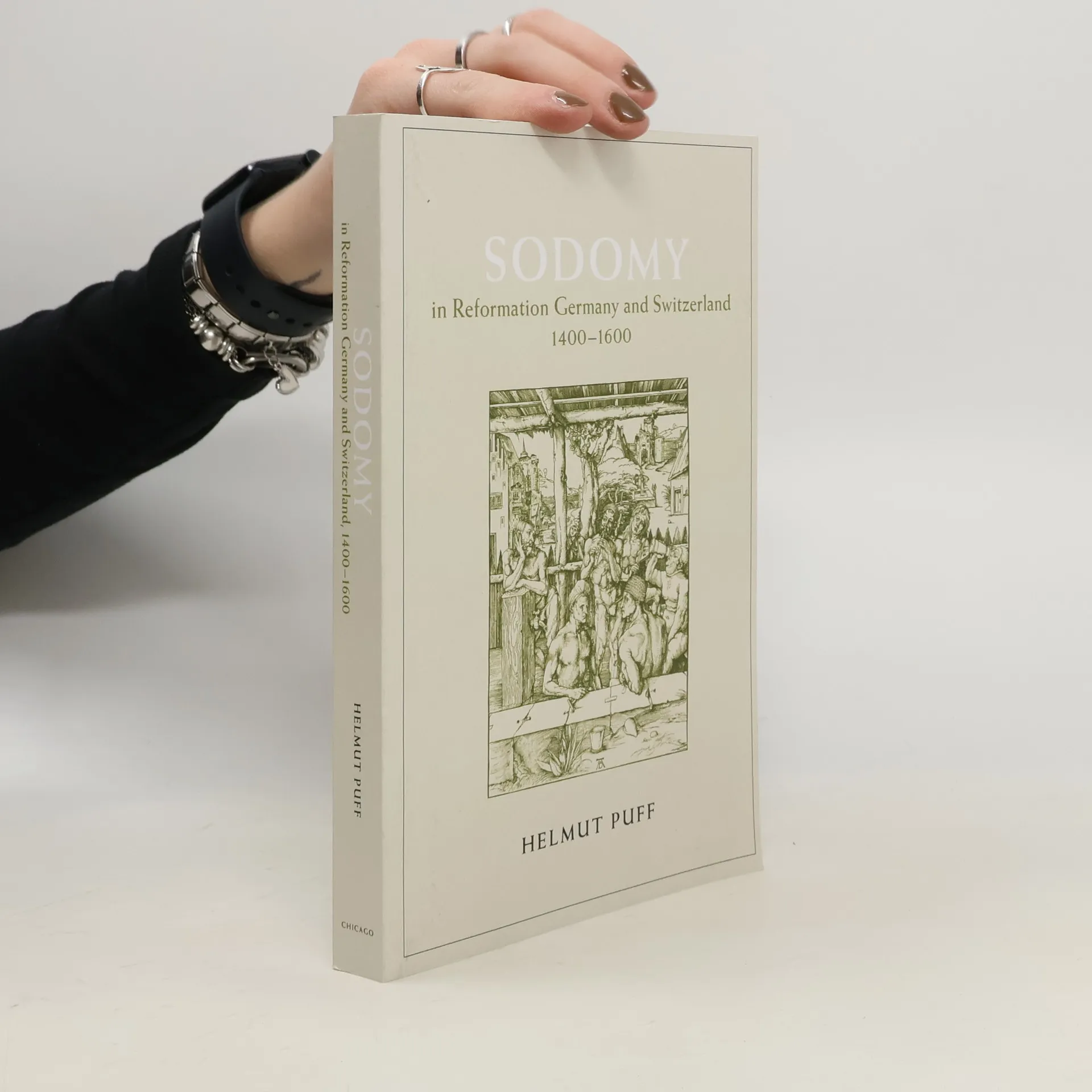
    Sodomy in Reformation Germany and Switzerland, 1400-1600
    The Antechamber
    • Helmut Puff invites readers to visit societies and spaces of the past through the lens of a particular temporal modality: waiting. From literature, memoirs, manuals, chronicles, visuals, and other documents, Puff presents a history of waiting anchored in antechambers--interior rooms designated and designed for people to linger. In early modern continental Western Europe, antechambers became standard in the residences of the elites. As a time-space infrastructure these rooms shaped encounters between unequals. By imposing spatial distance and temporal delays, antechambers constituted authority, rank, and power. Puff explores both the logic and the experience of waiting in such formative spaces, showing that time divides as much as it unites, and that far from what people have said about early moderns, they approached living in time with apprehensiveness. Unlike how contemporary society primarily views the temporal dimension, to early modern Europeans time was not an objective force external to the self but something that was tied to acting in time. Divided only by walls and doors, waiters sought out occasions to improve their lot. At other times, they disrupted the scripts accorded them. Situated at the intersection of history, literature, and the history of art and architecture, this wide-ranging study demonstrates that waiting has a history that has much to tell us about social and power relations in the past and present.

      The Antechamber
    • During the late Middle Ages, a considerable number of men in Germany and Switzerland were executed for committing sodomy. Even in the seventeenth century, simply speaking of the act was cause for censorship. Here, in the first history of sodomy in these countries, Helmut Puff argues that accusations of sodomy during this era were actually crucial to the success of the Protestant Reformation. Drawing on both literary and historical evidence, Puff shows that speakers of German associated sodomy with Italy and, increasingly, Catholicism. As the Reformation gained momentum, the formerly unspeakable crime of sodomy gained a voice, as Martin Luther and others deployed accusations of sodomy to discredit the upper ranks of the Church and to create a sense of community among Protestant believers. During the sixteenth century, reactions against this defamatory rhetoric, and fear that mere mention of sodomy would incite sinful acts, combined to repress even court cases of sodomy.Written with precision and meticulously researched, this revealing study will interest historians of gender, sexuality, and religion, as well as scholars of medieval and early modern history and culture.

      Sodomy in Reformation Germany and Switzerland, 1400-1600
    • Dieses Buch rückt den Beitrag homosexuellen Lebens zur gesellschaftlichen Entwicklung und zu unserer Kultur in den Vordergrund - und die unbedachten Ängste, die dagegenstehen.

      Lust, Angst und Provokation