Wendy L. Brown is an American political theorist whose work challenges conventional understandings of power and governance. She explores the impact of neoliberalism on subjectivity, culture, and political life, examining how market logic reshapes our desires and identities. Brown's rigorous analysis offers critical insights into the forces shaping contemporary society.
Detailed contribution to a seldom-covered aspect of aviation history, the
creation and development of all the many engines produced by Japanese aviation
manufacturers from the First World War to the Second.
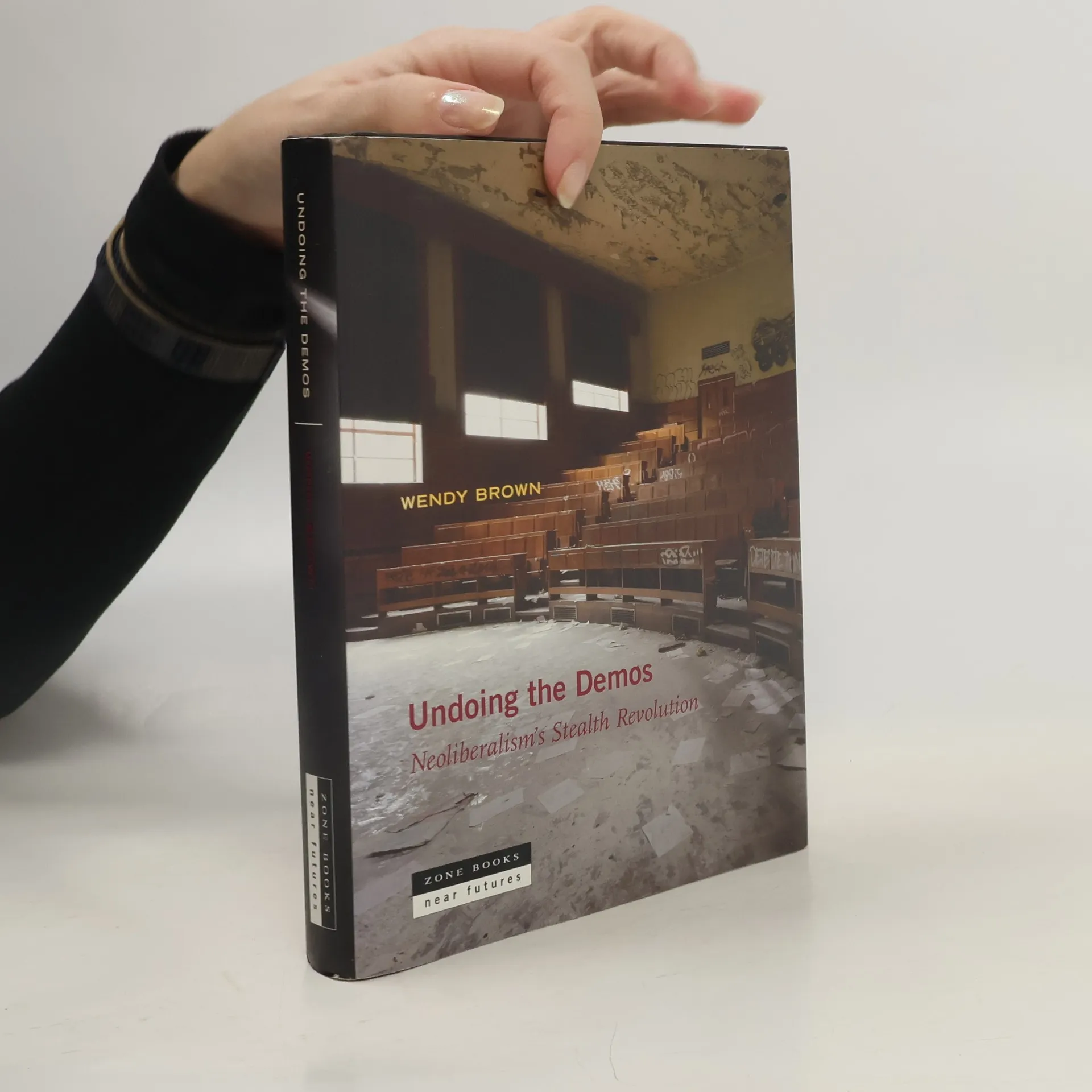
Neoliberal rationality -- ubiquitous today in statecraft and the workplace, in jurisprudence, education, and culture -- remakes everything and everyone in the image of homo oeconomicus . What happens when this rationality transposes the constituent elements of democracy into an economic register? In Undoing the Demos , Wendy Brown explains how democracy itself is imperiled. The demos disintegrates into bits of human capital; concerns with justice bow to the mandates of growth rates, credit ratings, and investment climates; liberty submits to the imperative of human capital appreciation; equality dissolves into market competition; and popular sovereignty grows incoherent. Liberal democratic practices may not survive these transformations. Radical democratic dreams may not either. In an original and compelling argument, Brown explains how and why neoliberal reason undoes the political form and political imaginary it falsely promises to secure and reinvigorate. Through meticulous analyses of neoliberalized law, political practices, governance, and education, she charts the new common sense. Undoing the Demos makes clear that for democracy to have a future, it must become an object of struggle and rethinking.
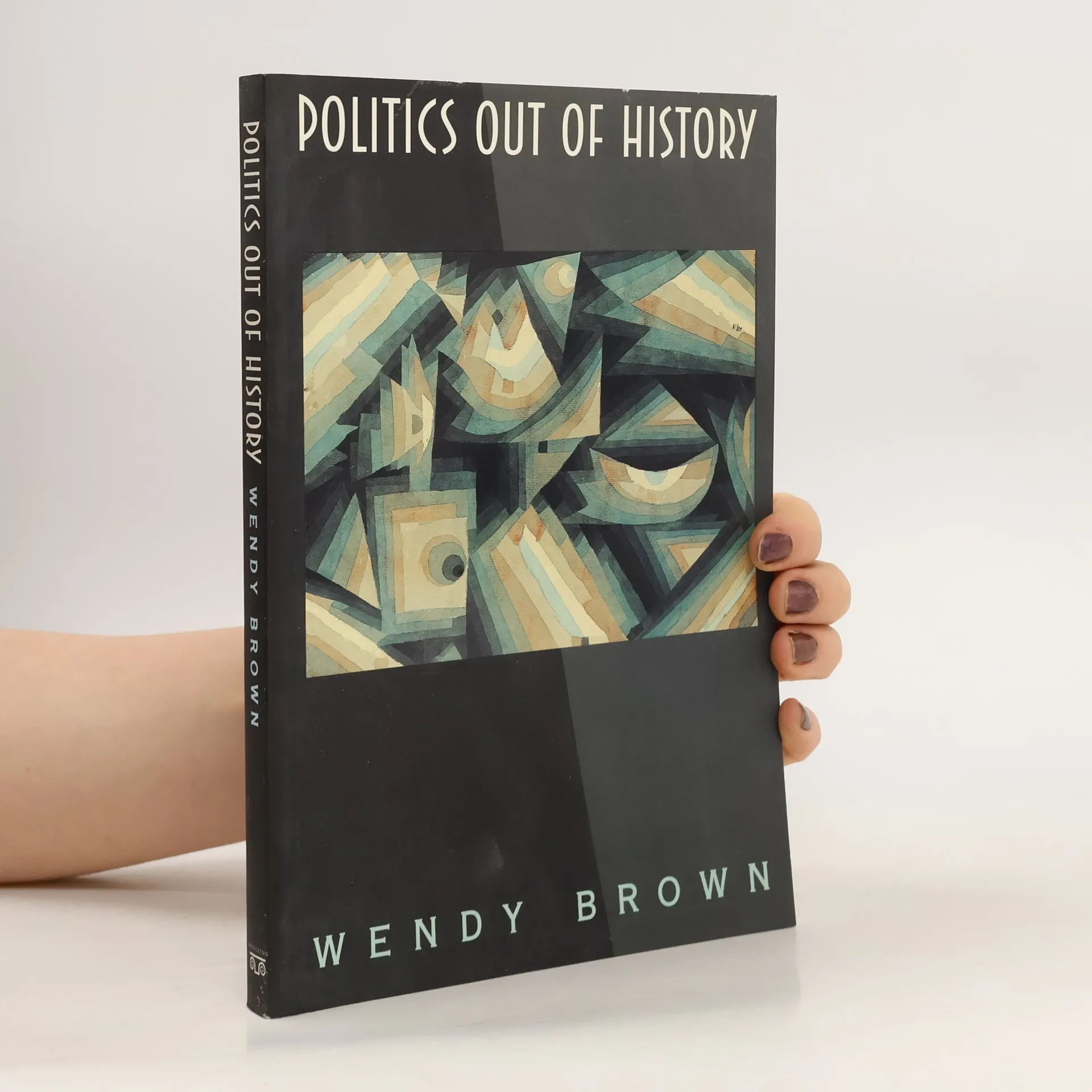
Looks at qustions, such as: What happens to left and liberal political
orientations when faith in progress is broken, when both the sovereign
individual and sovereign states seem tenuous, when desire seems as likely to
seek punishment as freedom, when all political conviction is revealed as
contingent and subjective? schovat popis
Wendy Brown explains the hard-right turn in Western politics. She argues that
neoliberalism's intensification of nihilism coupled with its accidental
wounding of white male supremacy generates an apocalyptic populism willing to
destroy the world rather than endure a future in which this supremacy
disappears.
In Walled States, Waning Sovereignty, Wendy Brown considers the recent spate
of wall building in contrast to the erosion of nation-state sovereignty.
Drawing on classical and contemporary political theories of state sovereignty
in order to understand how state power and national identity persist amid its
decline, Brown considers both the need of the state for legitimacy and the
popular desires that incite the contemporary building of walls. The new walls
- dividing Texas from Mexico, Israel from Palestine, South Africa from
Zimbabwe - consecrate the broken boundaries they would seem to contest and
signify the ungovernability of a range of forces unleashed by globalization.
Yet these same walls often amount to little more than theatrical props,
frequently breached, and blur the distinction between law and lawlessness that
they are intended to represent. But if today's walls fail to resolve the
conflicts between globalization and national identity, they nonetheless
project a stark image of sovereign power. Walls, Brown argues, address human
desires for containment and protection in a world increasingly without these
provisions. Walls respond to the wish for horizons even as horizons are
vanquished.
Wendy Brown diagnoses a late-modern nihilism that trivializes values-including
truth itself-and reduces politics to narcissism and power-mongering. Rereading
Max Weber, who saw a similar predicament in his own time, Brown seeks to
reground political action in responsibility and reorient classrooms to the
critical thinking citizens need today.
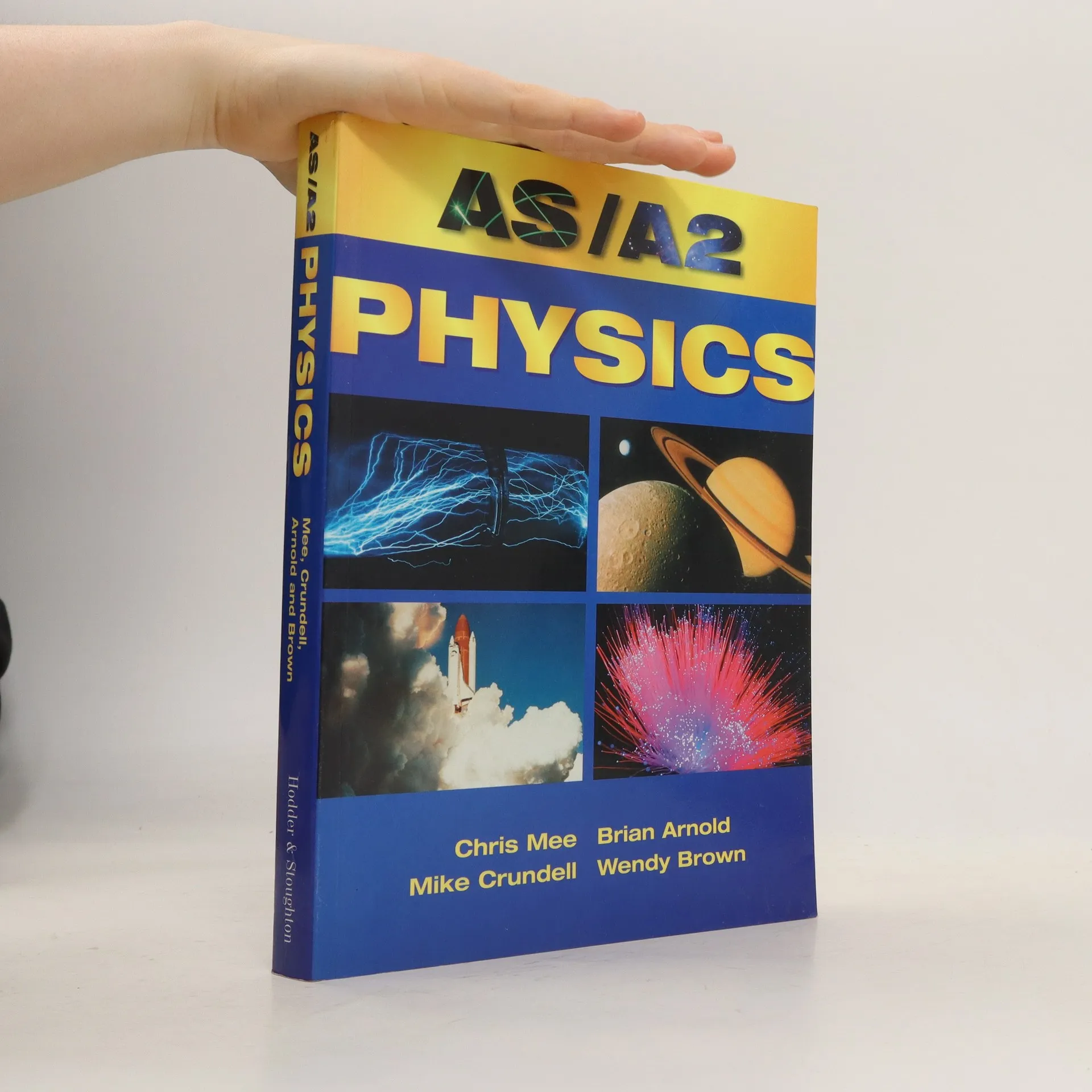
This text is designed for physics students of all abilities and covers all the main AS and A Level specifications. The text has been differentiated between AS and A2 Level material and recognizes the different levels and approaches needed for each. The AS material builds on the knowledge gained at GCSE and leads on to the A2 material. Colour photographs are featured throughout to help put the material covered in context. There are exam-style questions for each chapter, along with a whole chapter of synoptic-style questions, with hints and advice for pupils.
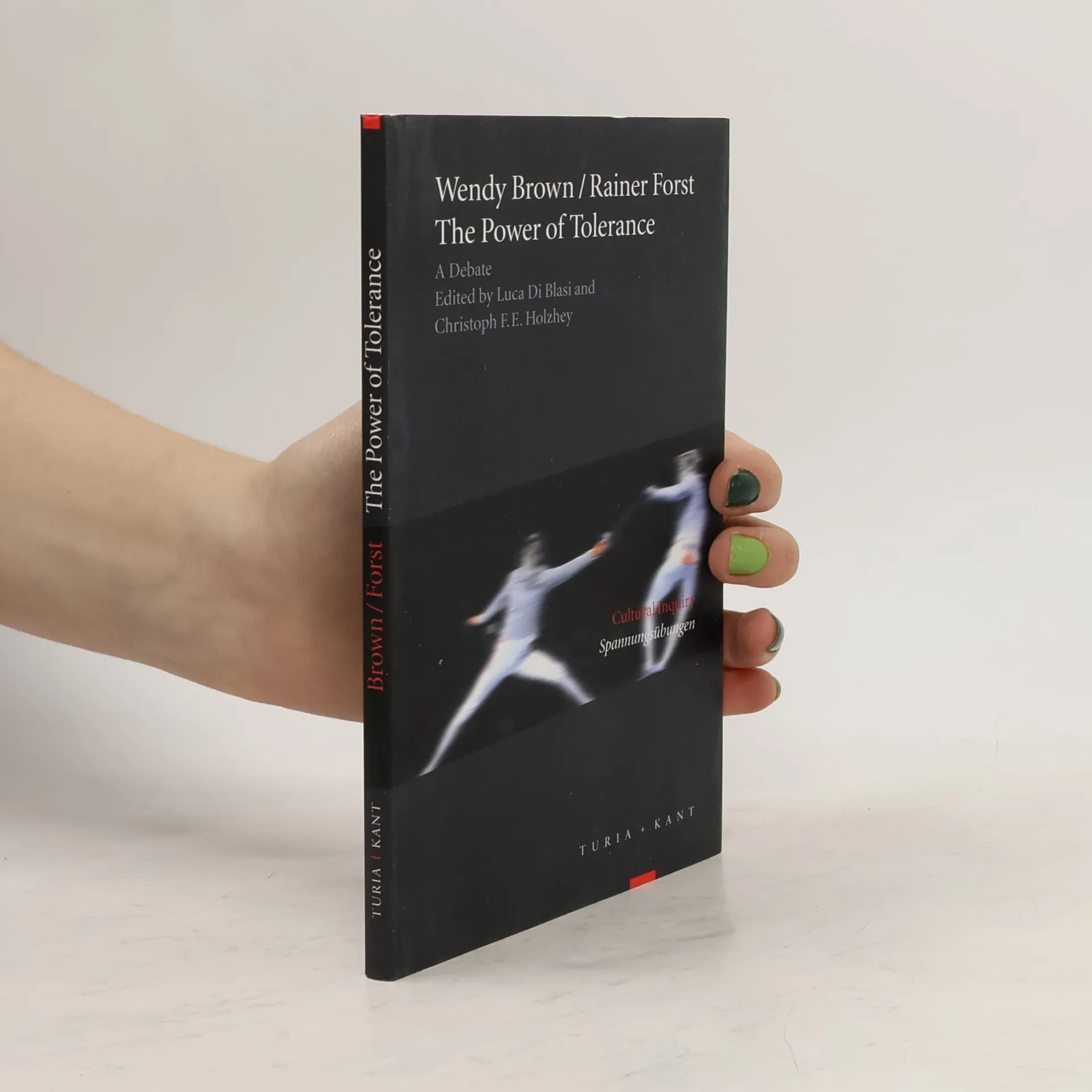
The ideal of tolerance is only invoked once there is a conflict. But what does it mean to answer a conflict with a call for tolerance? Is tolerance a way of resolving conflicts or rather a means of sustaining them? Does tolerance help to turn conflicts into productive tensions or does it perpetuate underlying power relations? To what extent does tolerance hide its involvement with power and thereby constitute a form of de-politicization? Two major theoreticians and critics of tolerance – Wendy Brown and Rainer Forst – discussed such questions at the ICI Berlin, organized and moderated by Antke Engel. In an intense debate, in which fundamental issues between different critical traditions became visible despite political similiarities, both scholars discussed different notions of tolerance, their normative premises, limits, and political implications.
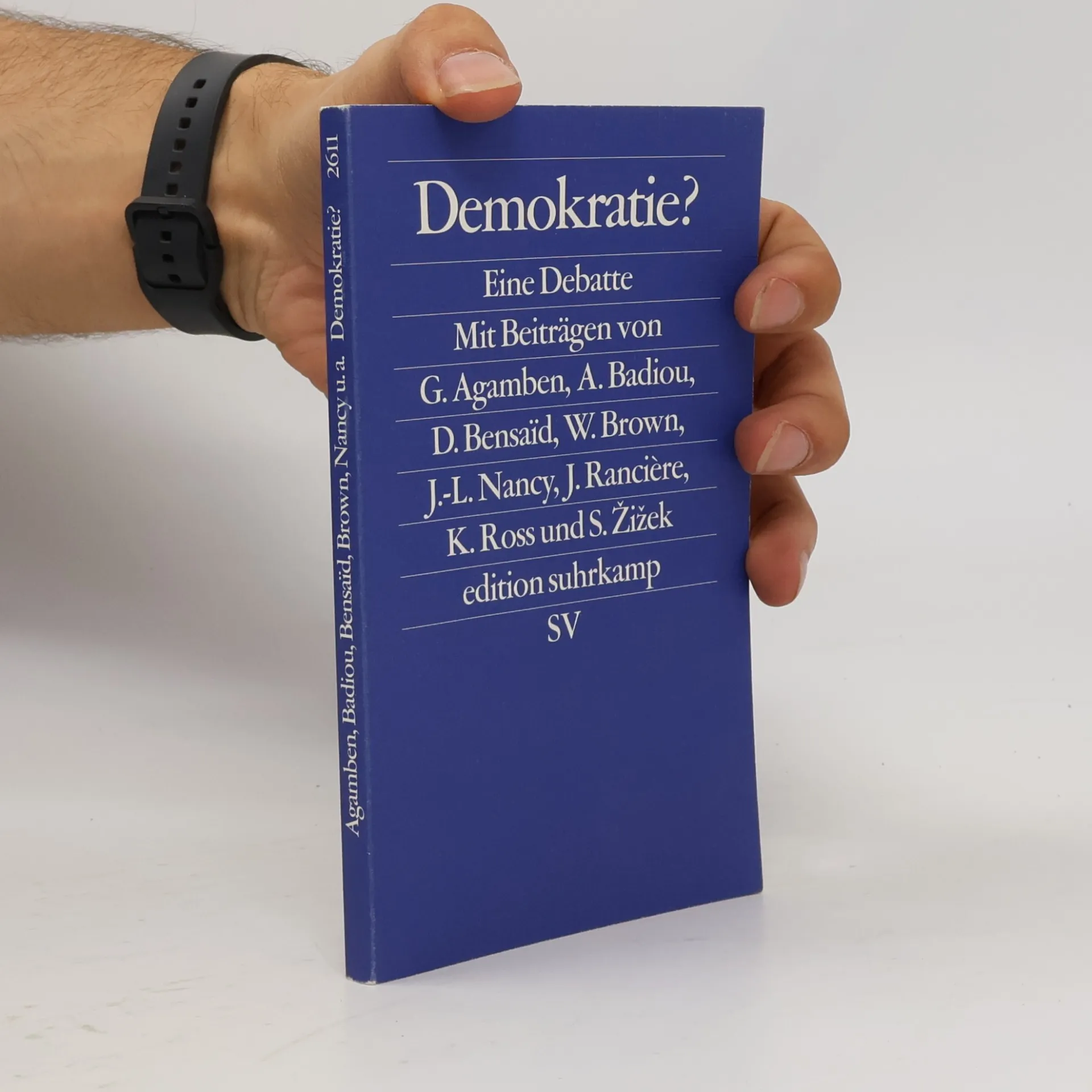
Zu Beginn des dritten Jahrtausends ist die Situation der Demokratie paradox: Einerseits sind mehr Staaten denn jemals zuvor demokratisch verfaßt, andererseits nehmen die Krisensymptome in den Staaten, die einstmals so etwas wie eine demokratische Avantgarde bildeten, zu: Die Wahlbeteiligung sinkt, schillernde Persönlichkeiten wie Silvio Berlusconi oder Nicolas Sarkozy gewinnen an Bedeutung, Wahlkämpfe geraten zu schalen Marketingkampagnen. Colin Crouch hat all diese Trends in dem Band „Postdemokratie“ präzise auf den Punkt gebracht. In diesem Band setzen sich nun acht herausragende politische Denkerinnen und Denker mit dem Zustand und den Perspektiven der am wenigsten schlechten aller Regierungsformen (Winston Churchill) auseinander, die tageszeitung sprach von einem »Who's who der internationalen linken Theorie«. Der Diskussionsband enthält Beiträge von Giorgio Agamben, Alain Badiou, Daniel Bensaïd, Wendy Brown, Jean-Luc Nancy, Jacques Rancière, Kristin Ross und Slavoj Žižek.