Patrick Dillon, který žije v Kenningtonu, vede úspěšnou architektonickou praxi. Jeho první román navázal na dílo, které se zabývá komplexními lidskými vztahy a morálními dilematy, a představuje autora, který se s citem pro detail a pronikavou psychologií noří do hlubin lidské povahy. Jeho psaní je známé svou schopností provokovat čtenáře k zamyšlení nad pravdou a lží a nad tím, jak tyto koncepty formují naše životy a rozhodnutí.
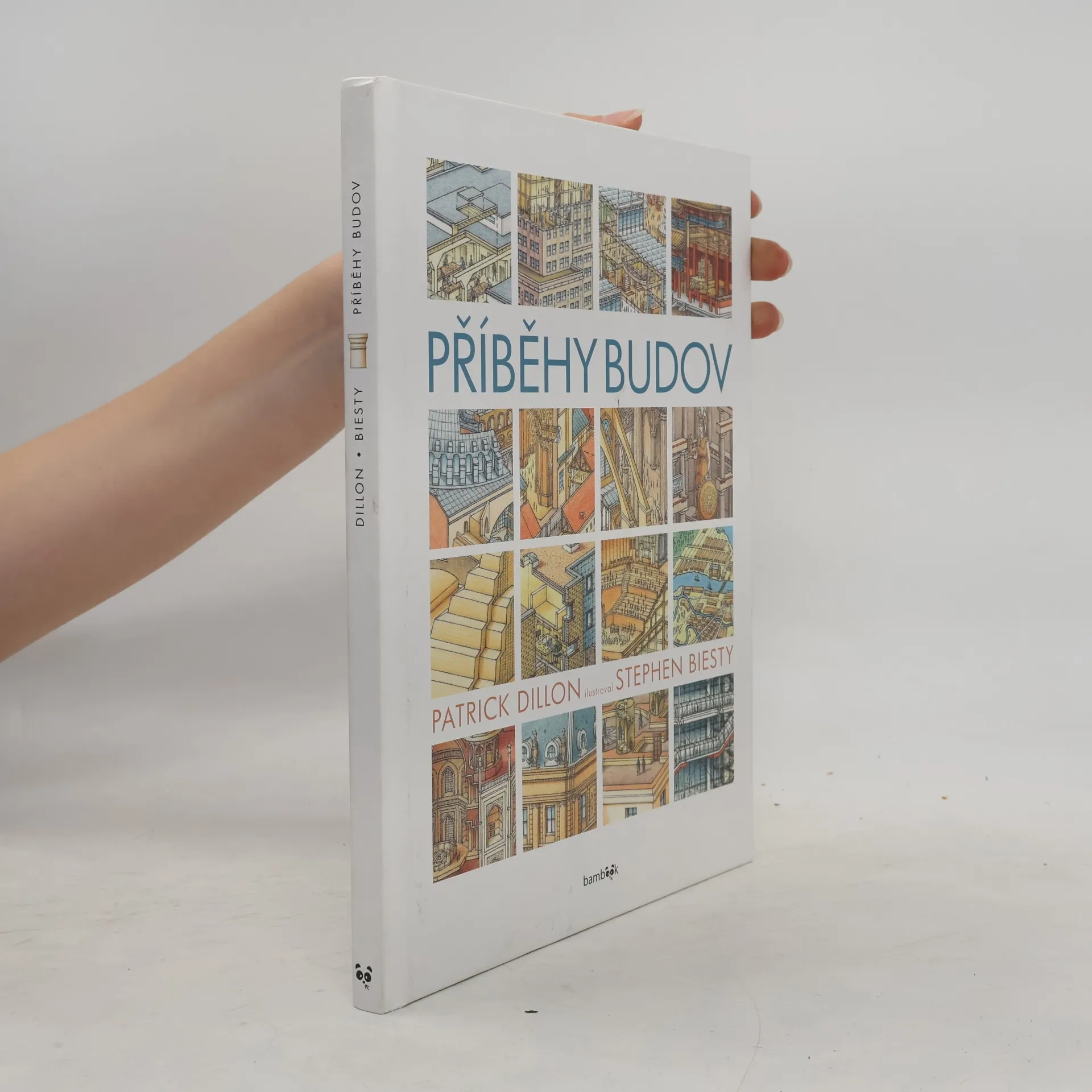
Většinu svého života trávíme uvnitř budov. Víme však, proč a jak je ale lidé začali stavět? Zdobit?
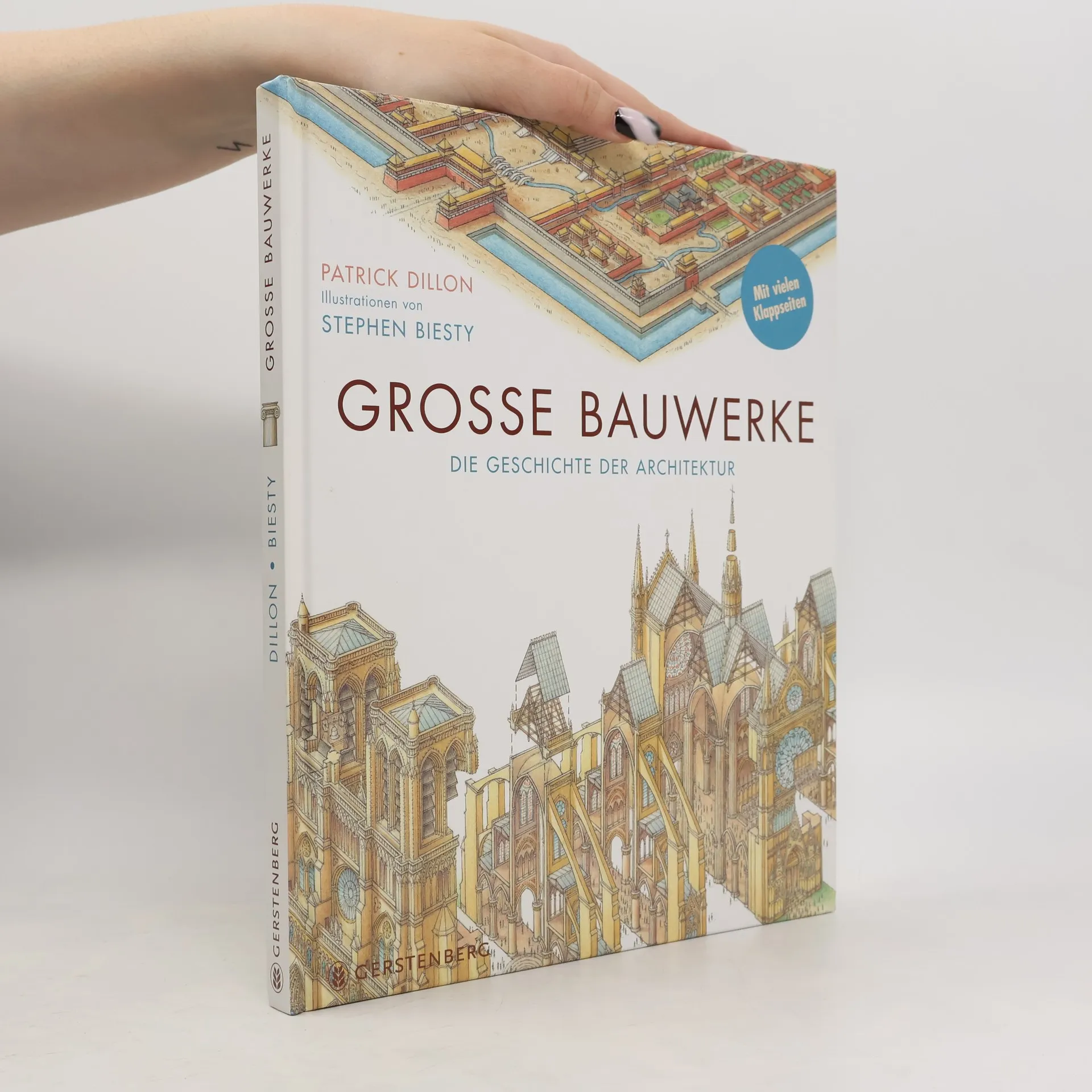
Navštivme slavné stavby, od pyramid egyptských faraonů až po Centre Pompidou v Paříži. Příběhy Patricka Dillona o významných budovách – a významných lidech, kteří je postavili – oslavuje vynalézavost lidského ducha.
Mimořádně podrobné ilustrace Stephena Biestyho nás zavedou dovnitř slavných budov a ukáží nám, jak tyto pozoruhodné stavby vlastně drží pohromadě.
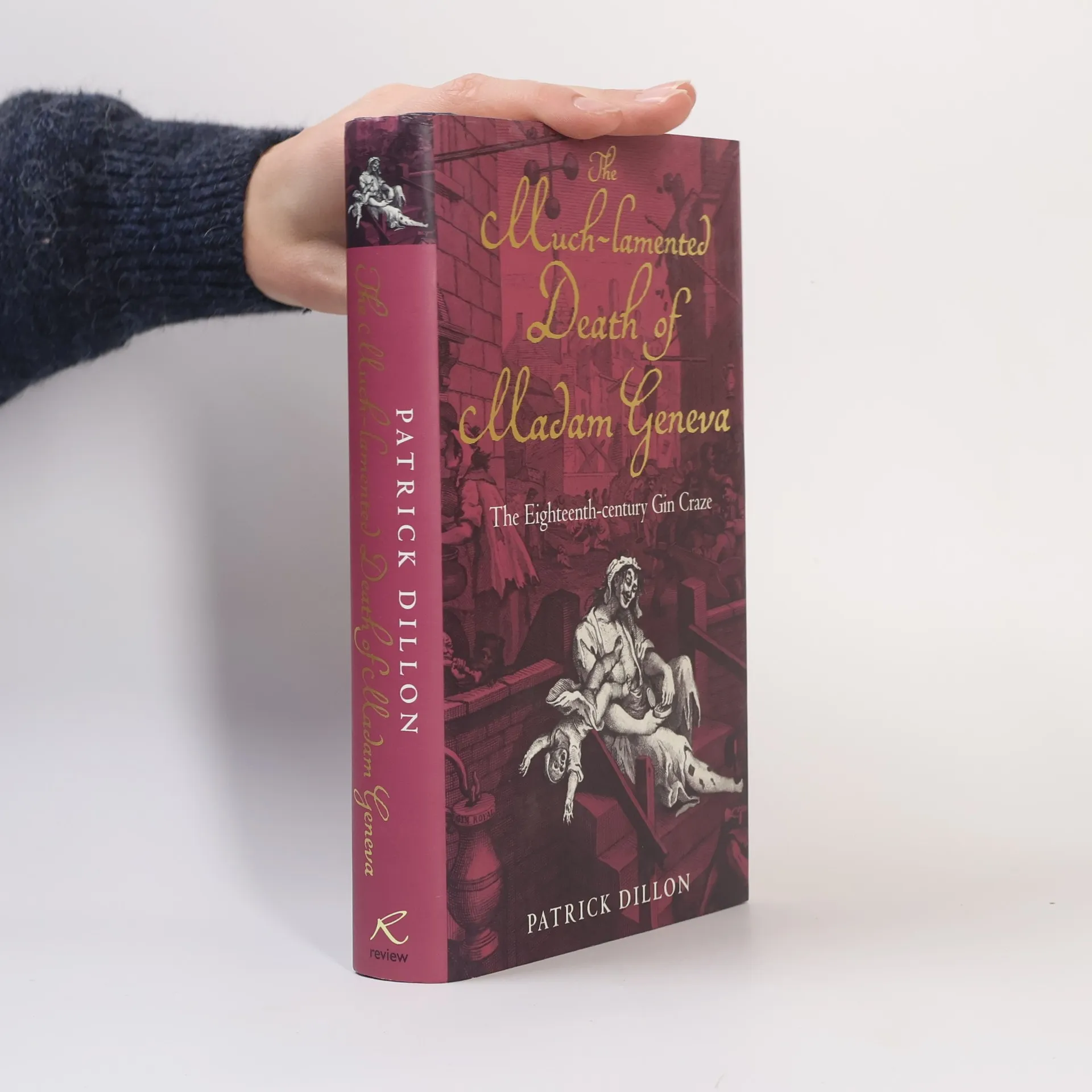
During the early eighteenth century, gin-drinking surged in London's slums, with each resident averaging two pints weekly. This period was marked by violence and insecurity, leading reformers to blame 'Madam Geneva' for social decay and rising crime, resulting in eight major acts aimed at controlling gin consumption. Attempts at prohibition sparked riots and even a bombing in Westminster Hall. The debate surrounding gin attracted notable writers like Daniel Defoe and Henry Fielding, culminating in the iconic image of Hogarth's 'Gin Lane.' The narrative explores the rise and fall of 'Madam Geneva,' featuring perspectives from gin-drinkers, sellers, politicians, and distillers, all contributing to a vivid account of London's first drug craze and the eventual successful reform efforts. Critics praise the book for its engaging storytelling, with Andrew Marr calling it "excellent." The Daily Telegraph highlights the collection of sensational tales and Dillon's ability to simplify complex issues, while the Sunday Times commends the crisp, fast-paced narrative that vividly depicts a city intoxicated by spirits and speculation, resonating with authentic voices.
"In the tumultuous aftermath of the Trojan War, a young man battles to save his home and his inheritance. Setting out to find his father, he ends up discovering himself." --