Knihobot

Joel Grus

    Data science od podstaw. Analiza danych... w.2
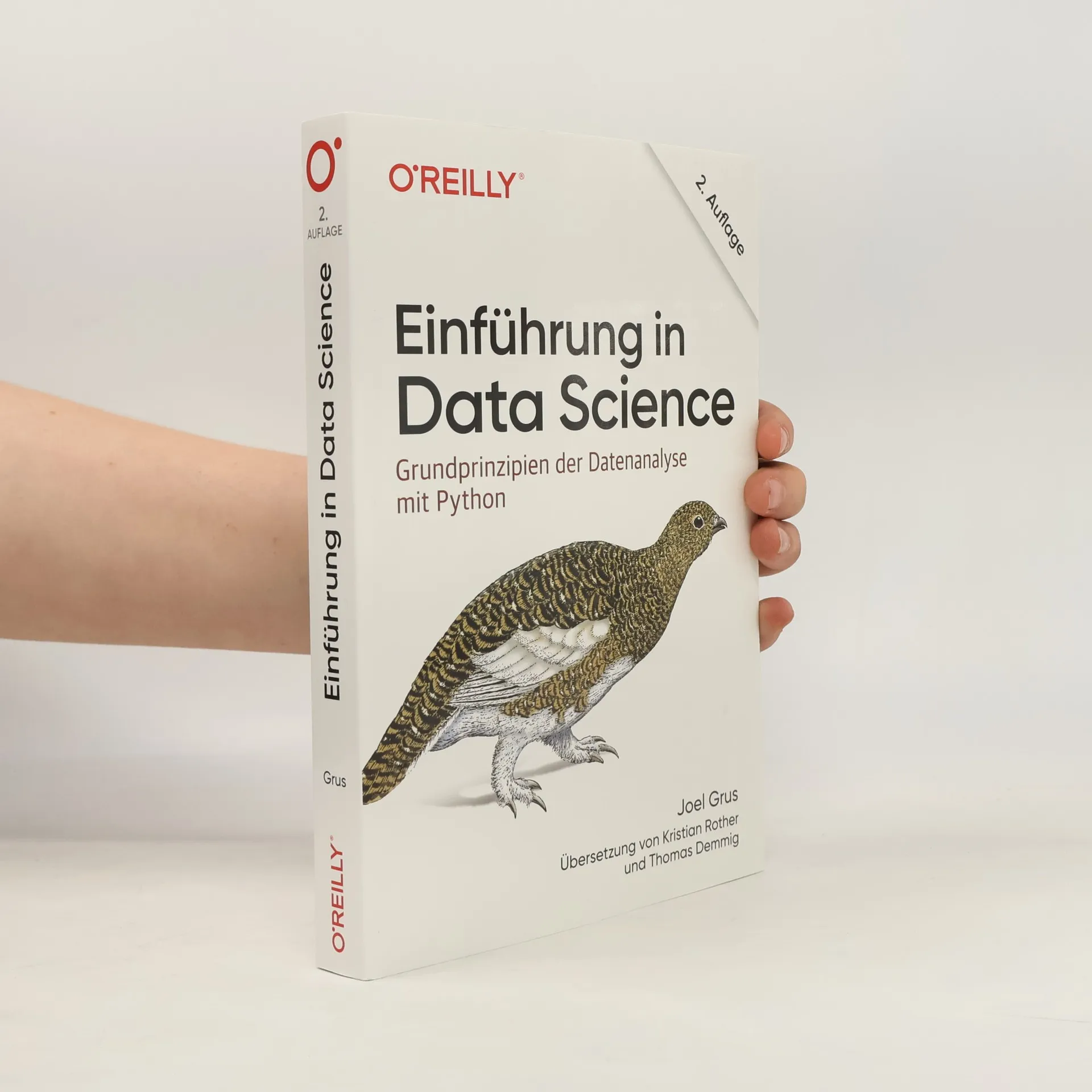
    Einführung in Data Science
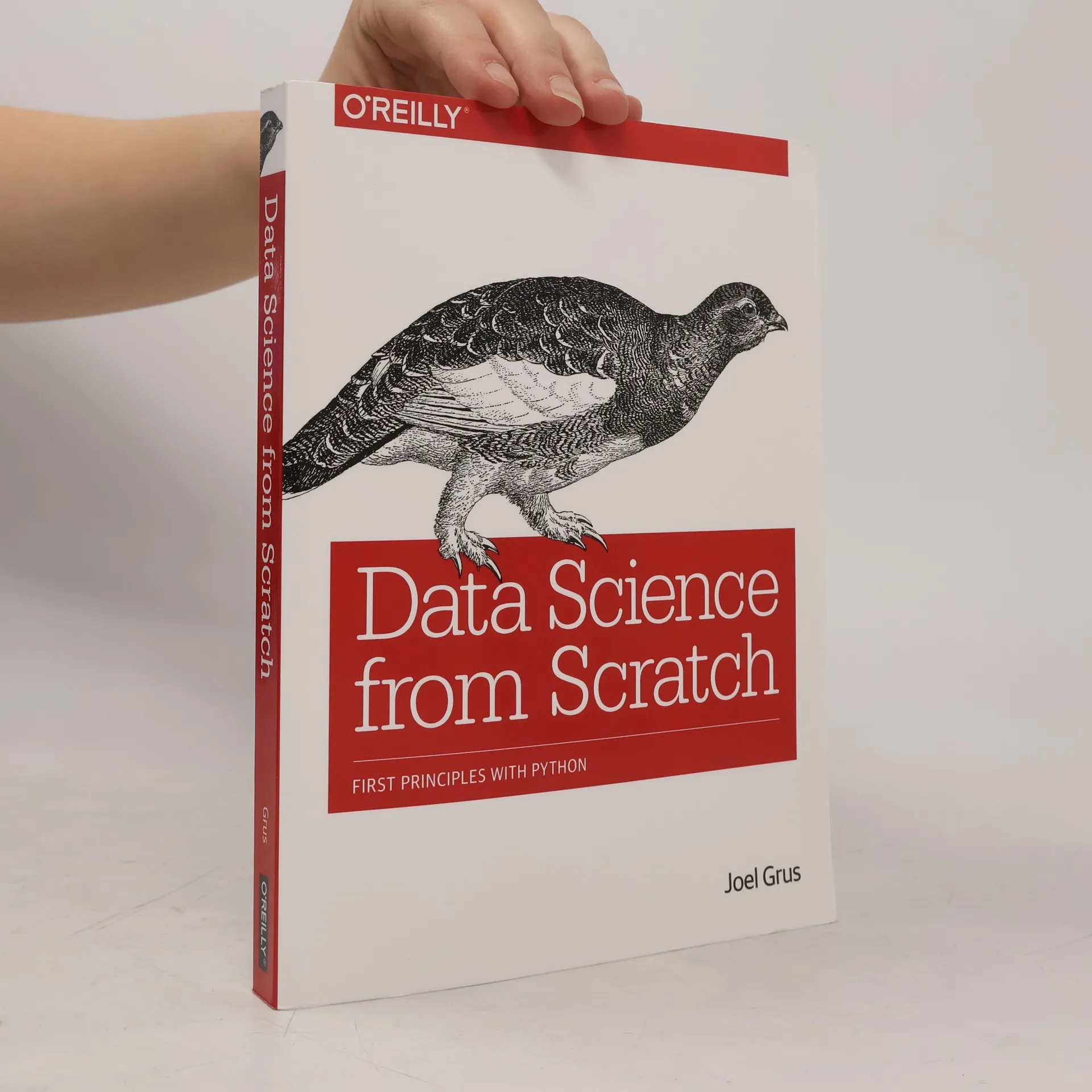
    Data Science from Scratch
    Ten Essays on Fizz Buzz: Meditations on Python, mathematics, science, engineering, and design
    • Through ten engaging essays, this book explores core Python concepts and software engineering principles using the Fizz Buzz problem as a central theme. It offers a unique blend of practical coding solutions and broader discussions on mathematics, software design, and technical interviews. Aimed at both beginners and experienced programmers, it provides valuable insights into algorithmic thinking and problem-solving. The author shares his journey from a viral blog post to becoming a thought leader in the Fizz Buzz space, making this an entertaining and informative read.

      Ten Essays on Fizz Buzz: Meditations on Python, mathematics, science, engineering, and design
      5,0
    • Data Science from Scratch

      • 406 stránek
      • 15 hodin čtení

      To really learn data science, you should not only master the tools--data science libraries, frameworks, modules, and toolkits--but also understand the ideas and principles underlying them. Updated for Python 3.6, this second edition of Data Science from Scratch shows you how these tools and algorithms work by implementing them from scratch. If you have an aptitude for mathematics and some programming skills, author Joel Grus will help you get comfortable with the math and statistics at the core of data science, and with the hacking skills you need to get started as a data scientist. Packed with new material on deep learning, statistics, and natural language processing, this updated book shows you how to find the gems in today's messy glut of data. Get a crash course in Python Learn the basics of linear algebra, statistics, and probability--and how and when they're used in data science Collect, explore, clean, munge, and manipulate data Dive into the fundamentals of machine learning Implement models such as k-nearest neighbors, Naïve Bayes, linear and logistic regression, decision trees, neural networks, and clustering Explore recommender systems, natural language processing, network analysis, MapReduce, and databases

      Data Science from Scratch
      4,1
    • Einführung in Data Science

      Grundprinzipien der Datenanalyse mit Python

      • 379 stránek
      • 14 hodin čtení

      Dieses Buch führt Sie in Data Science ein, indem es grundlegende Prinzipien der Datenanalyse erläutert und Ihnen geeignete Techniken und Werkzeuge vorstellt. Sie lernen nicht nur, wie Sie Bibliotheken, Frameworks, Module und Toolkits konkret einsetzen, sondern implementieren sie auch selbst. Dadurch entwickeln Sie ein tieferes Verständnis für die Zusammenhänge und erfahren, wie essenzielle Tools und Algorithmen der Datenanalyse im Kern funktionieren. Falls Sie Programmierkenntnisse und eine gewisse Sympathie für Mathematik mitbringen, unterstützt Joel Grus Sie dabei, mit den mathematischen und statistischen Grundlagen der Data Science vertraut zu werden und sich Programmierfähigkeiten anzueignen, die Sie für die Praxis benötigen. Dabei verwendet er Python: Die weit verbreitete Sprache ist leicht zu erlernen und bringt zahlreiche Bibliotheken für Data Science mit

      Einführung in Data Science
      5,0
    • Analityka danych to dynamicznie rozwijająca się dziedzina, oferująca ciekawe możliwości zawodowe i atrakcyjne warunki zatrudnienia. Aby zostać analitykiem danych, niezbędna jest znajomość matematyki, statystyki oraz programowania, a także umiejętności w zakresie uczenia maszynowego i głębokiego. Kluczowe jest zdobycie solidnych podstaw i ich dogłębne zrozumienie. Przewodnik ten omawia podstawy nauki o danych, wyjaśniając istotne elementy matematyki i statystyki, techniki budowy narzędzi oraz działanie kluczowych algorytmów. Książka została zaprojektowana z myślą o przejrzystości i zrozumiałości implementacji, a przykłady są napisane w Pythonie, co ułatwia naukę dzięki dostępności przydatnych bibliotek. W drugim wydaniu dodano nowe tematy, takie jak uczenie głębokie, statystyka, przetwarzanie języka naturalnego oraz praca z dużymi zbiorami danych, co jest istotne w codziennej pracy analityka. W książce omówiono m.in. algebrę liniową, statystykę, zbieranie i oczyszczanie danych, algorytmy analizy danych, podstawy uczenia maszynowego, systemy rekomendacji, przetwarzanie języka naturalnego, analizę sieci społecznościowych oraz algorytm MapReduce.

      Data science od podstaw. Analiza danych... w.2