
Dr. Carolyne Larringtonová se specializuje na středověkou anglickou literaturu, od nejstarších dob po počátek renesance. Její výzkum se zaměřuje na staroislandskou literaturu, středověké ženské psaní, evropskou artušovskou literaturu a nedávno na středověké emoce. Její překlad Poetic Edda je považován za standardní. Ve své práci zkoumá, jak středověké texty zachycují lidské emoce a vztahy v rámci artušovských a folklórních tradic.
Exploring emotion in Middle English literature, this work introduces innovative methodologies for analyzing feelings and affect in literary texts. It reveals how contemporary audiences cultivated empathy and self-awareness through fictionality and the rise of interiority, shaping their understanding of emotions in themselves and others.
A fresh look at the stories at the heart of Norse mythology, exploring their cultural impact right up to the present day. The heroes and villains of Norse mythology have endured for centuries, infiltrating art, opera, film, television and books, shape-shifting - like the trickster Loki - to suit the cultures that encountered them. Through careful analysis of the literature and archaeology of the Norse world, Carolyne Larrington takes us deep into the realm described in the Icelandic sagas, from the gloomy halls of Hel to the dazzling heights of Asgard. She expertly examines the myths' many modern-day reimaginings, revealing the guises that have been worn by the figures of Norse myth, including Marvel's muscled, golden-haired Thor and George R.R Martin's White Walkers, who march inexorably southwards, bringing their eternal winter with them. This sophisticated yet accessible guide explores how these powerful stories have inspired our cultural landscape, from fuelling the creative genius of Wagner to the construction of the Nazi's nationalist ideology. Larrington's elegantly written retellings capture the essence of the original myths while also delving into the history of their meanings. The myths continue to speak to such modern concerns as masculinity and environmental disaster - after the inevitable, apocalyptic ragna rök, renewal comes from the roots of Yggdrasill, the World Tree.
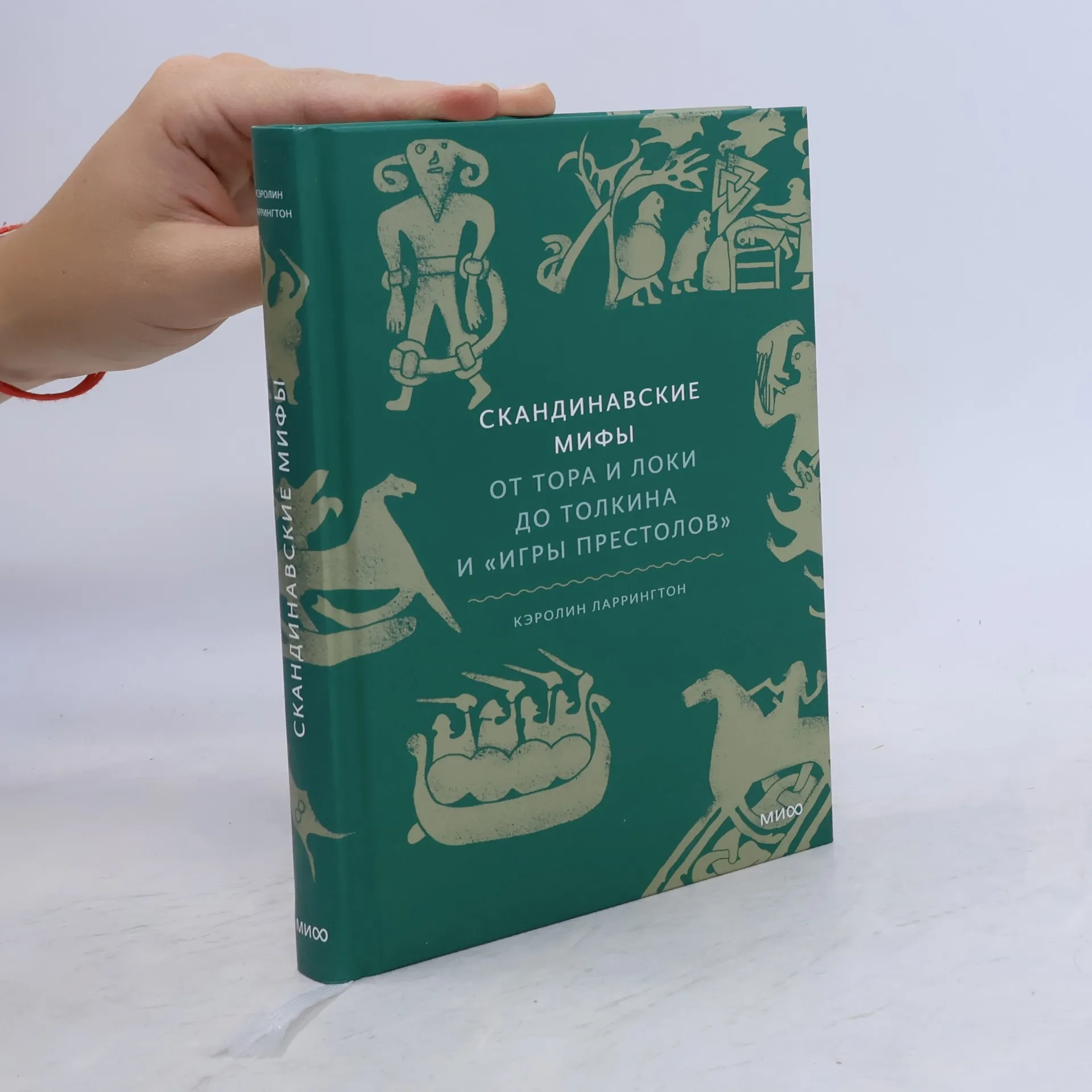
Fascinujúci úvod do legiend Vikingov a starej Škandinávie ponúka detailný prehľad severskej mytológie, vrátane bohov, bohýň, nadprirodzených zvierat a ľudských hrdinov. Tieto mýty oslovujú súčasných čitateľov rovnako ako kedysi Vikingov. Príbehy zo Škandinávie a Islandu boli zaznamenané v ságach a epických básňach, ako aj v dielach stredovekých kresťanských autorov. Archeologické nálezy nám priblížili vzhľad vikinských lodí a ich predstavy o osemnohých koňoch a titanských bitkách, zobrazených na runových kameňoch a v kovových či drevorezbárskych scénach. Autorka pútavo skúma pôvod bohov a ich ľudské, často nepríjemné charakteristiky, pričom ukazuje, ako sú božstvá zrkadlovým obrazom ľudských udalostí. Oboznamuje čitateľov s vikinským chápaním stvorenia a boja o nadvládu v univerze, ktoré nevyhnutne smeruje k zániku. Jazyk je svieži a zrozumiteľný, doplnený bohatým obrazovým materiálom. Kniha obsahuje živo prerozprávané, často vtipné a kruté príbehy severských bohov a objasňuje význam mená a príbehy, ktoré prežívajú v kultúrne významných dielach, ako sú dielo Richarda Wagnera, Williama Morrisa a J. R. R. Tolkiena, či v Hre o tróny.
'All men must die': or 'Valar Morghulis', as the traditional Essos greeting is rendered in High Valyrian. And die they do – in prodigious numbers; in imaginatively varied and gruesome ways; and often in terror within the viciously unpredictable world that is HBO's sensational evocation of Game of Thrones. Epic in scope and in imaginative breadth, the stories that are brought to life tell of the dramatic rise and fall of nations, the brutal sweeping away of old orders and the advent of new autarchs in the eternal quest for dominion.Yet, as this book reveals, many potent and intimate narratives of love and passion can be found within these grand landscapes of heroism, honour and death. They focus on strong relationships between women and family, as well as among the anti-heroes, the 'cripples, bastards and broken things'. In this vital follow-up to Winter Is Coming (2015), acclaimed medievalist Carolyne Larrington explores themes of power, blood-kin, lust and sex in order to draw entirely fresh meanings out of the show of the century.
Wer sind die nordischen Götter und Helden? Was wissen wir über sie? Welche
Rolle spielen sie in den Mythen, aus denen wir sie auch heute noch kennen?
Carolyne Larrington leitet den Leser in diesem großartigen Überblick durch die
schillernde und packende Welt der Asen, Wanen und Riesen, mitsamt ihren
furchteinflößenden Kreaturen und tapferen Helden.
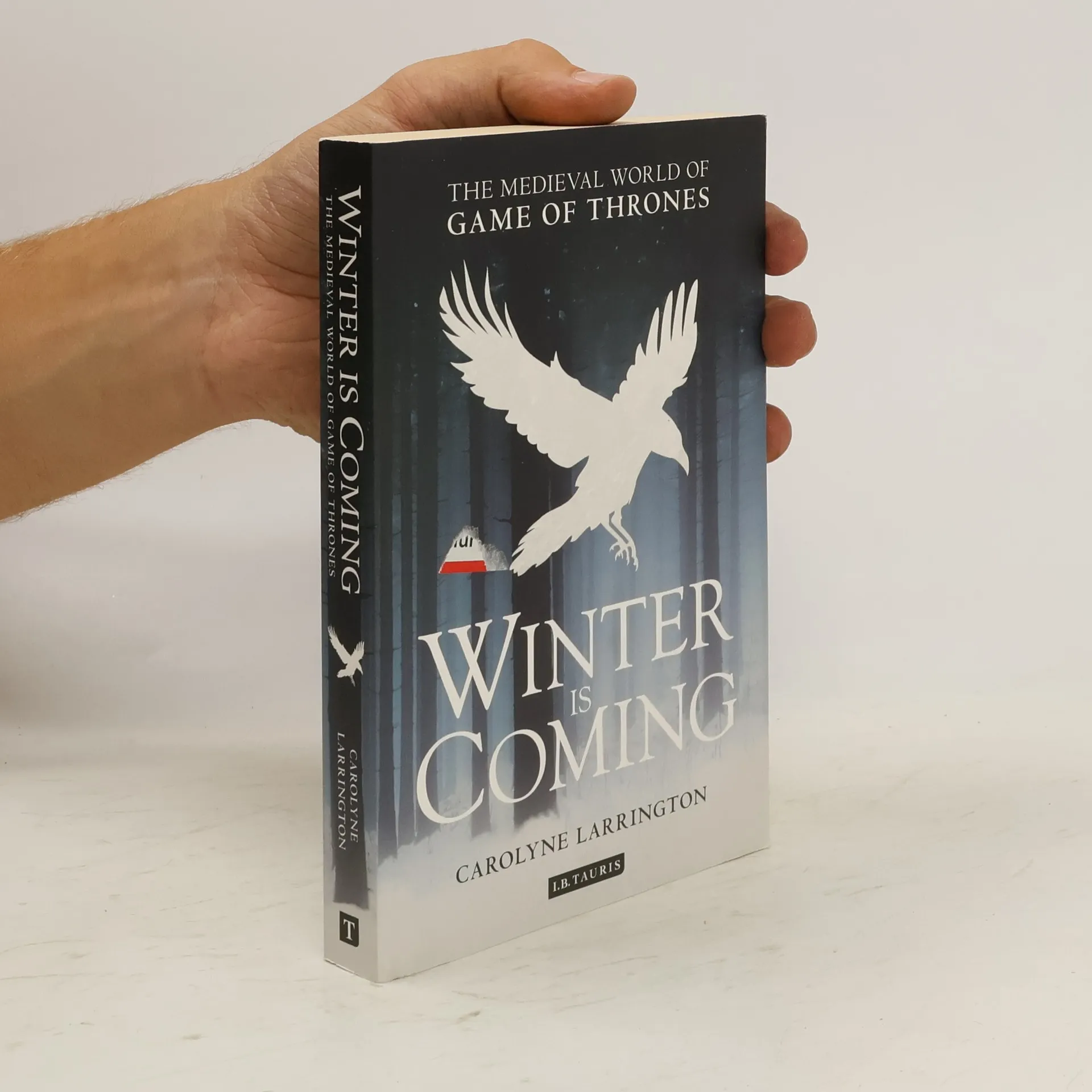
Game of Thrones is a phenomenon. As Carolyne Larrington reveals in this essential companion to George R R Martin's fantasy novels and the HBO mega-hit series based on them the show is the epitome of water-cooler TV. It is the subject of intense debate in national newspapers; by PhD students asking why Westeros has yet to see an industrial revolution, or whether astronomy explains the continent's climatic problems and unpredictable solstices ('winter is coming'); and by bloggers and cultural commentators contesting the series' startling portrayals of power, sex and gender. Yet no book has divulged how George R R Martin constructed his remarkable universe out of the Middle Ages. Discussing novels and TV series alike, Larrington explores among other topics: sigils, giants, dragons and direwolves in medieval texts; ravens, old gods and the Weirwood in Norse myth; and a gothic, exotic orient in the eastern continent, Essos. From the White Walkers to the Red Woman, from Casterly Rock to the Shivering Sea, this is an indispensable guide to the twenty-first century's most important fantasy creation.
This collection of Norse-Icelandic mythological and heroic poetry contains the greater narratives of the creation of the world and the coming of Ragnarok, the Doom of the Gods.
Die Frauensicht der Menschheitsmythen. Die Autorinnen berufen sich auf die Tradition kritischer Mytheninterpretation, die Geschlechterdifferenz als zentrale Kategorie begreift