

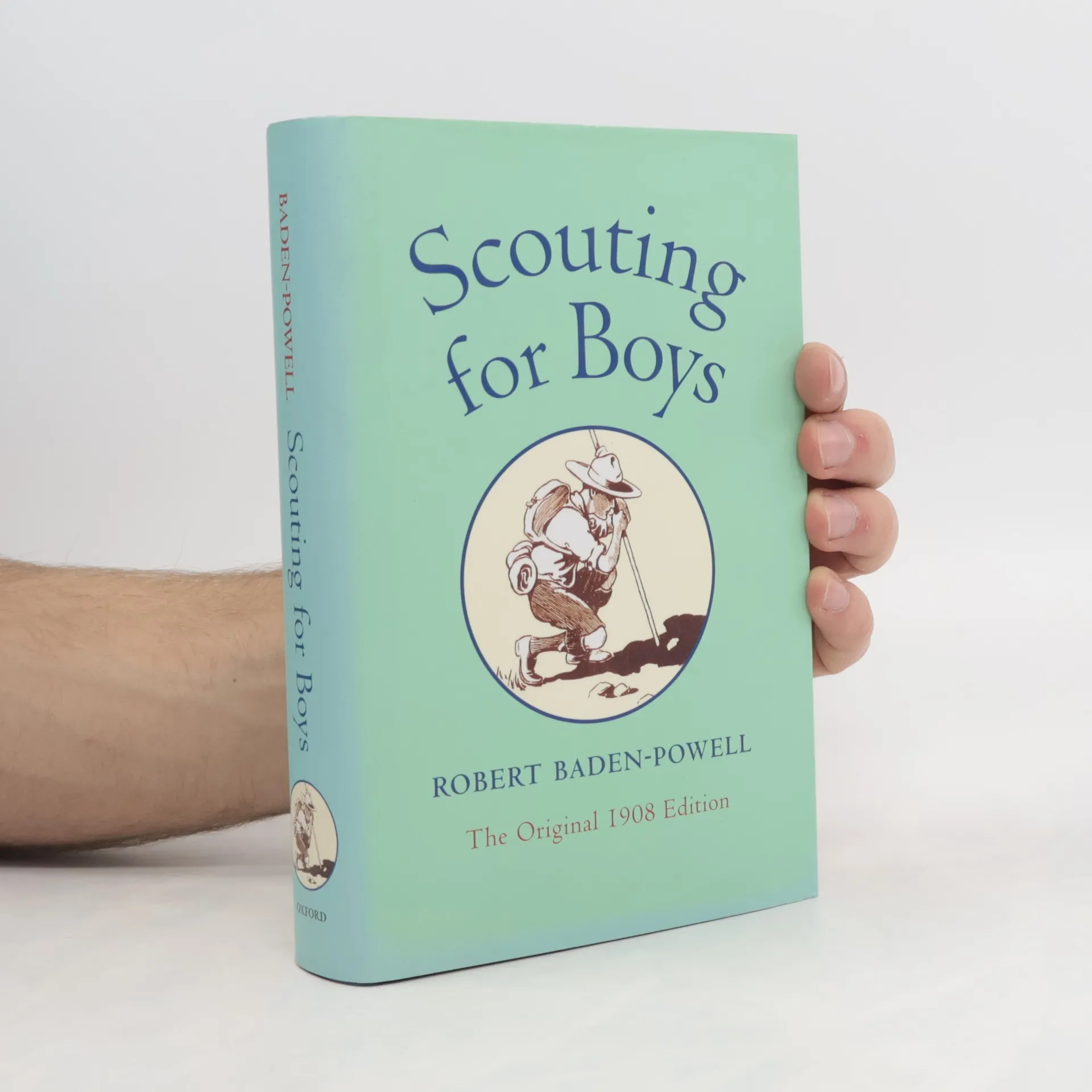
A startling amalgam of Zulu war-cry and Sherlock Holmes, this work is the original blueprint for the Boy Scout Movement. An all-time bestseller in the English-speaking world, it is one of the most influential manuals for youth ever published. This new critical edition includes all of Baden-Powell's original illustrations and offers a rich mix of true crime stories, moral lessons, adventure tales, natural history, first-aid tips, and advice on observation and tracking. Readers will encounter a pastiche of jingoist lore and tracker legend, interspersed with lengthy quotations from adventure fiction by authors like Rudyard Kipling and Arthur Conan Doyle, reflecting the anxieties of its time, including fears of degeneration and looming war. Alongside practical instructions on lighting fires and building boats, it covers themes of chivalry, self-discipline, self-improvement, and citizenship. The book embodies Baden-Powell's philosophy of prioritizing service, country, and duty over self. An introduction by Elleke Boehmer highlights its complexity, while her notes clarify obscure references. Despite being nearly a century old, this work continues to captivate and inspire readers today, appealing to those interested in popular culture, Victorian history, and children's literature.
Elleke Boehmer Knihy


Offers an introduction to the growth area of colonial and postcolonial writing in English. This book combines a contextualising narrative situating key developments in imperial and postcolonial history, with theoretical readings of key texts that illuminate important concepts and definitions, including 'writing back' and 'mimicry'.
Exploring the intersection of literature and postcolonial theory, this work delves into the ways cultural narratives shape identity and experience in a postcolonial context. It examines various texts and authors, highlighting how their works respond to colonial legacies and engage with themes of displacement, hybridity, and resistance. By analyzing poetic forms and their political implications, the book offers insights into the complexities of postcolonial identities and the transformative power of literature in articulating social and cultural critiques.
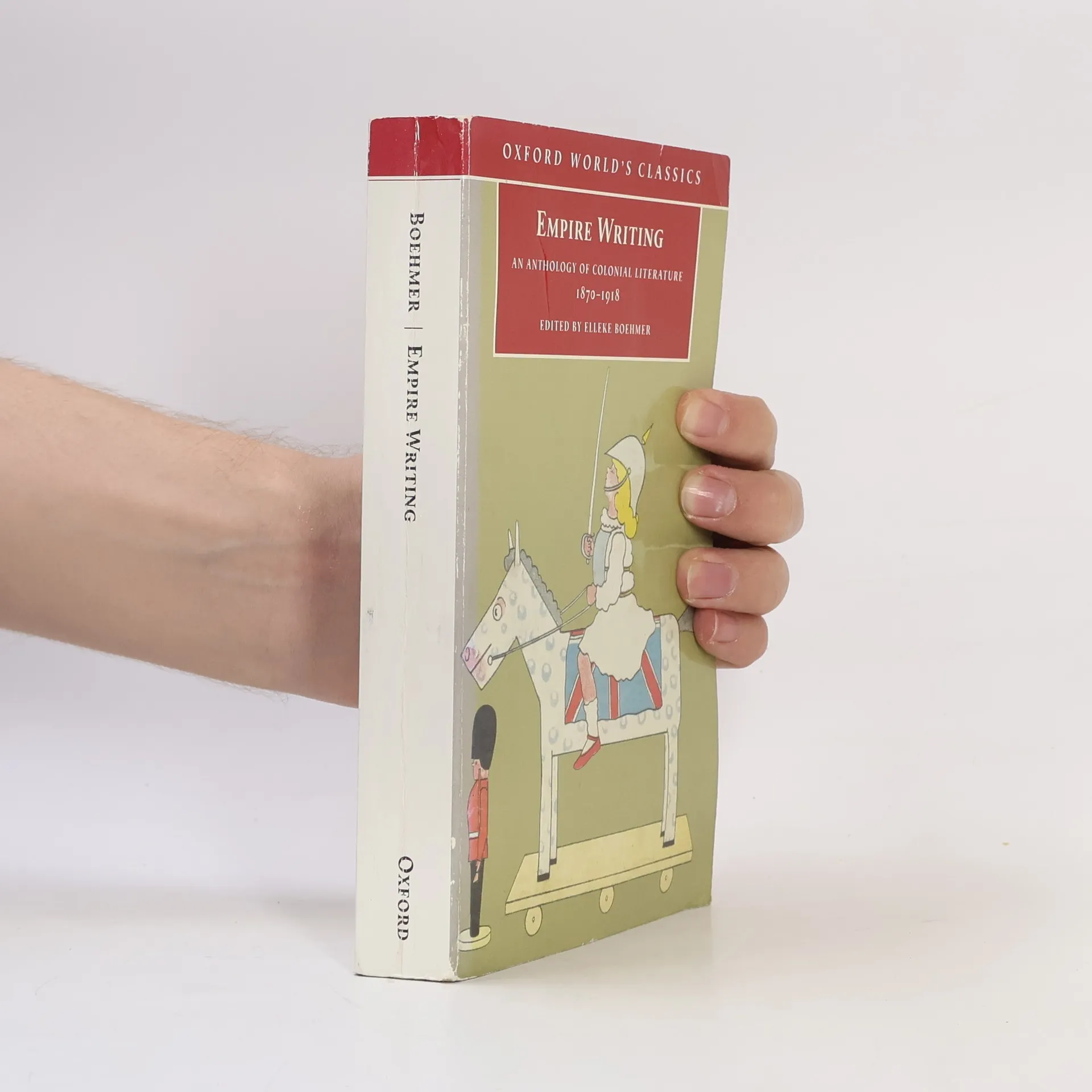
Empire Writing is the first anthology to gather together British imperial writing alongside native and settler literature, interweaving short stories, poems, essays, travel writing, and memoirs from the phase of British expansionist imperialism known as high empire. This wide-ranging selectionreveals the diversity of responses to colonial experience, and encompasses some of the empire's key symbols and emblematic moments. Comprehensive notes and full biographies ensure that this is one of the most compelling, readable and academically valuable source books on the period.