

Focusing on the Mediterranean economy from the 10th to 12th centuries, this book challenges traditional views of medieval economic systems. Chris Wickham utilizes documentary and archaeological evidence to provide an in-depth analysis of individual economies and their interconnections. The work encourages readers to reconsider the complexities and dynamics of economic relationships during this period, offering fresh insights into historical economic practices.
Chris Wickham Pořadí knih (chronologicky)
18. květen 1950
Chris Wickham je profesorem středověkých dějin a předsedou fakulty. Jeho práce se zaměřuje na hluboké pochopení sociální a ekonomické historie středověku, přičemž zkoumá společenské struktury, mocenské vztahy a každodenní život lidí v tomto období. Jeho přístup je založen na pečlivém studiu primárních pramenů a snaží se nabídnout ucelený obraz středověké společnosti, který přesahuje tradiční historické narativy. Wickhamovo dílo je ceněno pro svou detailnost, analytickou hloubku a schopnost osvětlit složité procesy, které formovaly středověký svět.


Medieval Rome
- 536 stránek
- 19 hodin čtení
A new history of medieval Rome, told not from the standpoint of the Church, but of the Romans themselves. This volume examines Rome's cultural, political, religious, legal, and social identity to discover how the city functioned between 900 and 1150.
Angielski historyk, podejmując się zadania napisania książki na temat Rzymu w dobie między innymi rewolucji gregoriańskiej, przestudiował ogromną ilość źr�deł archiwalnych zgromadzonych w r�żnych włoskich archiwach, takich jak na przykład Biblioteca Apostolica Vaticana, Archivio Segreto Vaticano czy Archivio Storico Capitolino. W tym celu odbył około stu wizyt na P�łwyspie Apenińskim w ciągu dwudziestu lat.
Medieval Europe
- 352 stránek
- 13 hodin čtení
A spirited and thought-provoking history of the vast changes that transformed Europe during the 1,000-year span of the Middle Ages The millennium between the breakup of the western Roman Empire and the Reformation was a long and hugely transformative period--one not easily chronicled within the scope of a few hundred pages. Yet distinguished historian Chris Wickham has taken up the challenge in this landmark book, and he succeeds in producing the most riveting account of medieval Europe in a generation. Tracking the entire sweep of the Middle Ages across Europe, Wickham focuses on important changes century by century, including such pivotal crises and moments as the fall of the western Roman Empire, Charlemagne's reforms, the feudal revolution, the challenge of heresy, the destruction of the Byzantine Empire, the rebuilding of late medieval states, and the appalling devastation of the Black Death. He provides illuminating vignettes that underscore how shifting social, economic, and political circumstances affected individual lives and international events. Wickham offers both a new conception of Europe's medieval period and a provocative revision of exactly how and why the Middle Ages matter.
Sleepwalking into a New World
- 320 stránek
- 12 hodin čtení
Amid the disintegration of the Kingdom of Italy in the eleventh and twelfth centuries, a new form of collective government—the commune—emerged in northern and central Italian cities. This work offers a fresh perspective on the origins of these autonomous city-states, reshaping our understanding of a pivotal political and cultural innovation of the medieval era. The author presents detailed portraits of Milan, Pisa, and Rome, set against a backdrop of other towns, arguing that the elites in these cities inadvertently created one of the first nonmonarchical forms of governance in medieval Europe. While not a democracy in the modern sense, the Italian city commune was so unprecedented that it baffled outsiders. As the old order collapsed, these communes arose, governed by consular elites "chosen by the people," independent of emperor or king. Despite frequent conflicts among themselves, they became organized and confident enough to unite against Frederick Barbarossa, the German emperor, achieving victory at the Battle of Legnano in 1176. This exploration reveals how the rise of the autonomous city-state laid the groundwork for the vibrant civic culture that would characterize the Renaissance.
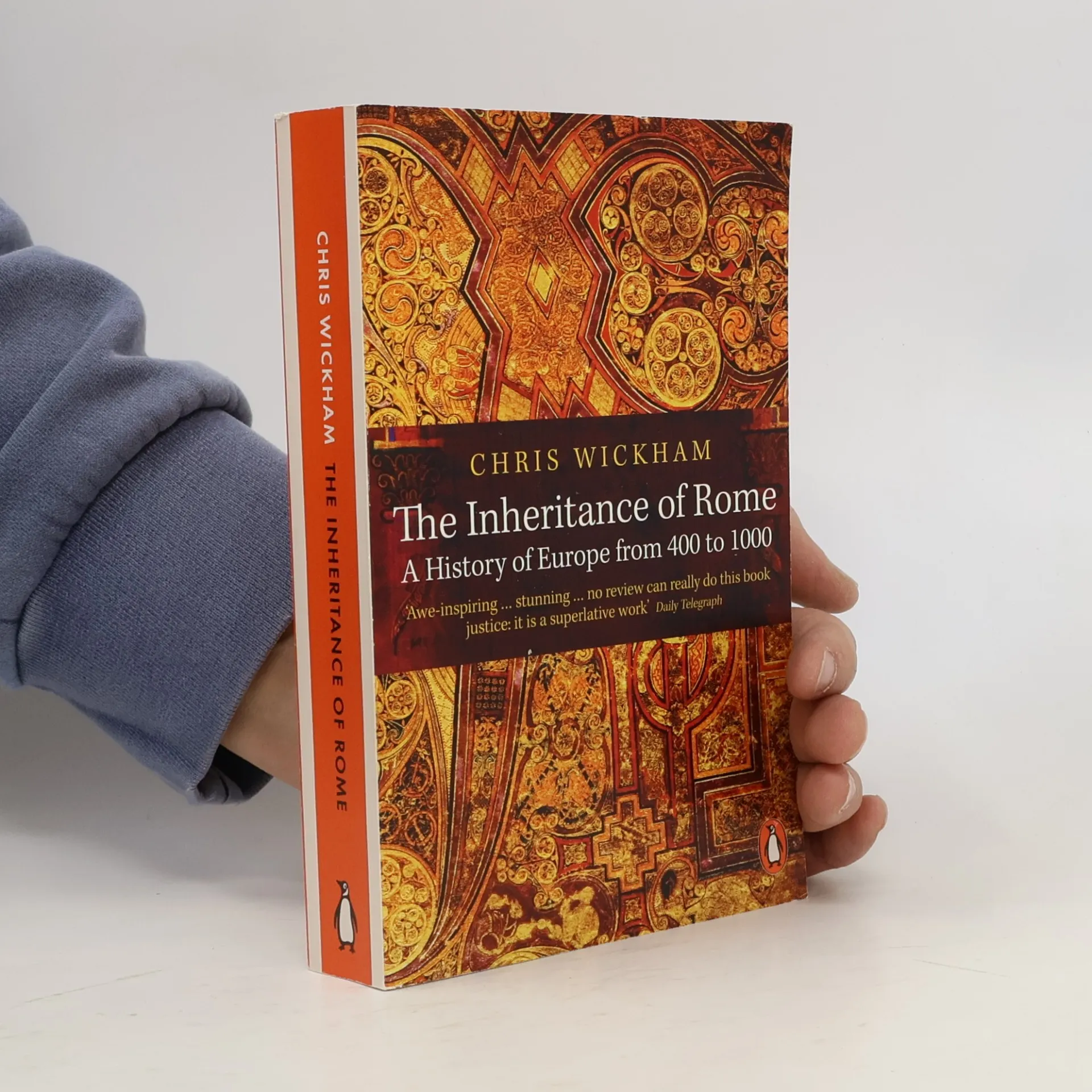
The Inheritance of Rome : A History of Europe from 400 to 1000
- 688 stránek
- 25 hodin čtení
The world known as the 'Dark Ages', often seen as a time of barbarism, was in fact the crucible in which modern Europe would be created. This book shows how this period, encompassing peoples such as Goths, Franks, Vandals, Byzantines, Arabs, Anglo-Saxons and Vikings, was central to the development of our history and culture.