

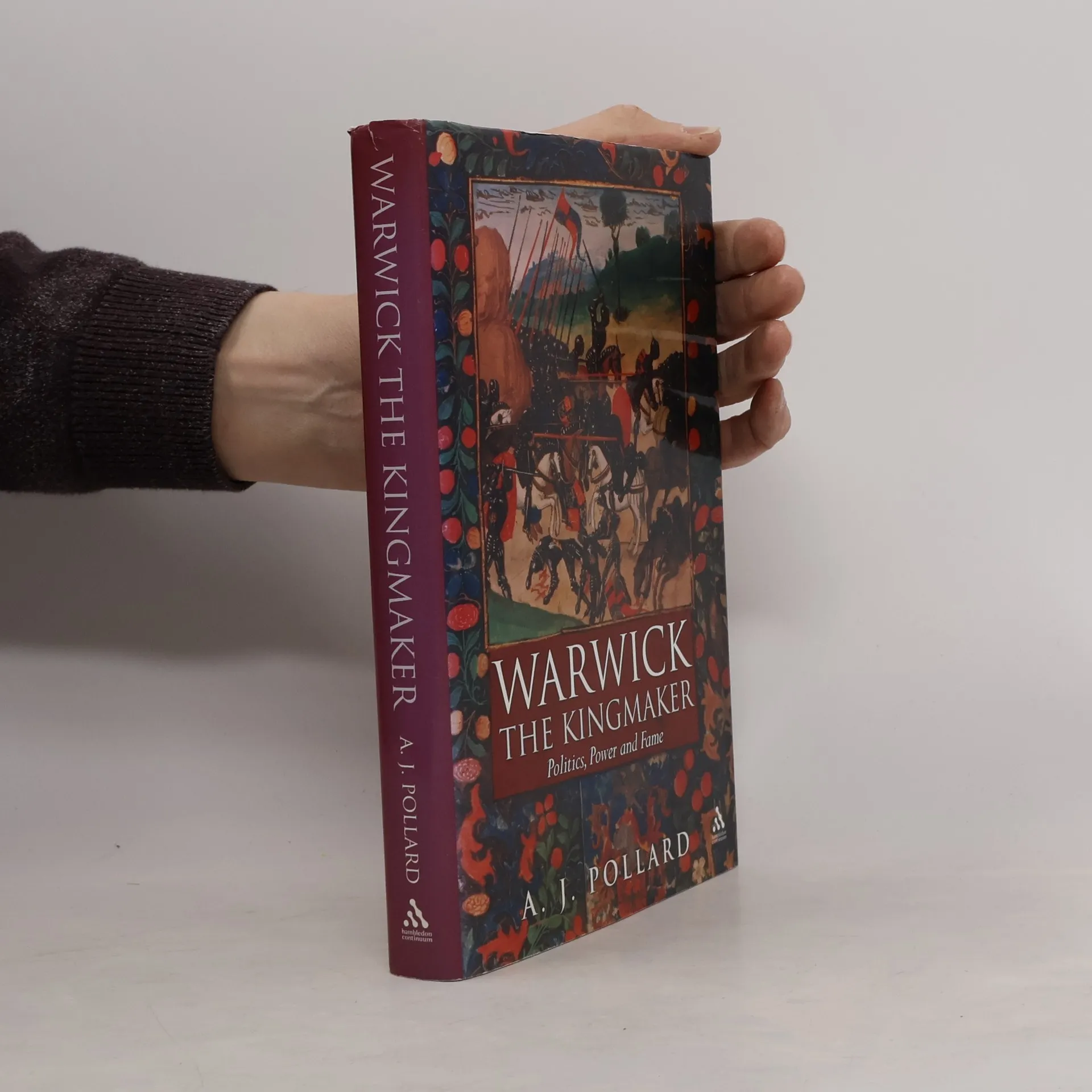
Warwick the Kingmaker was a fifteenth-century celebrity; a military hero, self-publicist and populist. For twelve years he was the arbiter of English politics, not hesitating to set up and put down kings. In the dominant strand of recent English historical writing, Warwick is condemned as a man who hindered the development of the modern state; in earlier centuries he was admired as an exemplar of true nobility who defied the centralising tendencies of the crown. A. J. Pollard offers a fresh assessment, to which neither approach is entirely appropriate, of the man whose nickname has become synonymous with power broking.
A. J. Pollard Knihy
Anthony James Pollard je britský medievalista, který se specializuje na severovýchodní Anglii během válek růží. Je považován za předního autoritu v tomto oboru. Jeho práce se zaměřuje na hluboké pochopení politických a sociálních dynamik, které formovaly tuto bouřlivou éru. Pollardův výzkum osvětluje složité vztahy mezi šlechtou a obyčejnými lidmi, a nabízí nový pohled na události, které ovlivnily anglické dějiny.
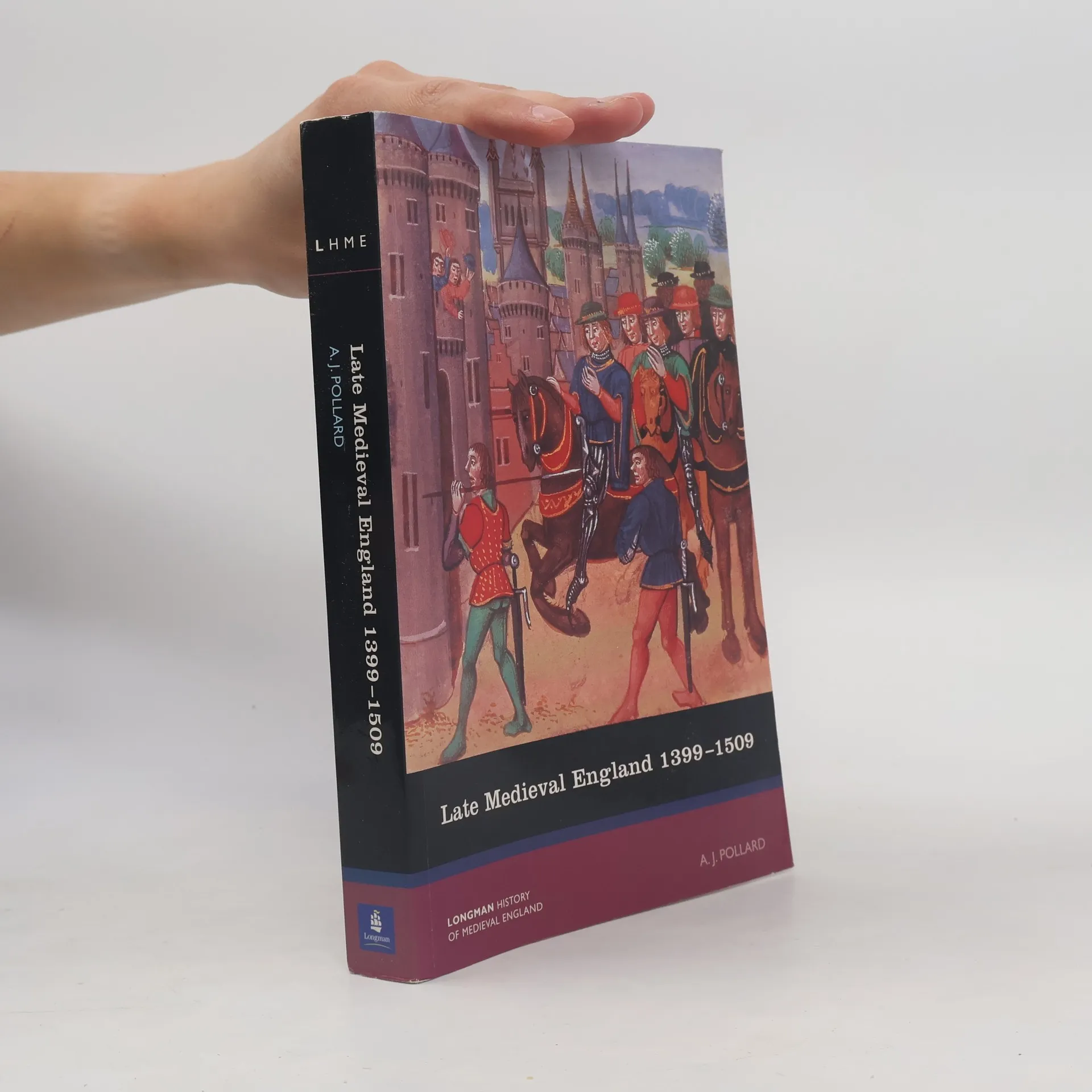
Longman History of Medieval England: Late Medieval England 1399-1509
- 472 stránek
- 17 hodin čtení
A highly accessible and unashamedly `King-centred' history of the 15th century which, as Pollard clearly shows, was not only a period of change and disunity, but also witnessed a great increase in the English sense of identity and self-worth. Beginning with the deposition of Richard II in 1399, Pollard investigates the political, religious and social factors that transformed England from a medieval to a modern society during the reigns of Lancastrian, Yorkist and Tudor monarchs. Chapters also consider the place of the 15th century within the broader history of England, different interpretations of the period and the social changes that affected all sectors of the population.