Neighbours & Tourists: Short stories
- 160 stránek
- 6 hodin čtení
A collection of short stories divided into two parts: 'Neighbours' and 'Tourists'. The first is inspired by author's home village in Poland; the second by her travels.
Ewa Mazierska je profesorkou filmových studií, jejíž práce se hluboce zabývá filmem a kinematografií. Její autorský styl se vyznačuje pronikavým pohledem na zobrazování práce a lidské kondice v evropském filmu, často s využitím postkoloniálních přístupů. Její výzkum nabízí jedinečné perspektivy na proměny pracovního života a společenských změn, jak jsou zachyceny na plátně. Její rozsáhlé publikace a editorská činnost přispívají k hlubšímu pochopení kinematografických tradic a současných filmových trendů.


A collection of short stories divided into two parts: 'Neighbours' and 'Tourists'. The first is inspired by author's home village in Poland; the second by her travels.
Gender, especially masculinity, is a perspective rarely applied in discourses on cinema of Eastern/Central Europe.

"The Cinema of Nanni Moretti" provides an analysis and interpretation of the work of the most important Italian film-maker of the past thirty years and an outstanding figure in contemporary European cinema. Interdisciplinary and wide-ranging, the book uses Moretti's films as a lens to view and discuss contemporary phenomena such as the crisis of masculinity and authority, the crisis of the political Left and the transformation of the citizen's relationship to the State. Films discussed include "Aprile, Dear Diary" and "The Son's Room," winner of the Palme d'Or at Cannes 2001.
The narrative explores themes of identity and sacrifice through the lens of biblical references. It reflects on the relationship between characters, where one is mistakenly identified as another, drawing parallels to Joseph's role in the life of Mary and her child. The story delves into the complexities of love and the idea of preparing someone for a future without oneself, highlighting emotional depth and introspection.
Exploring the relationship between Polish popular music and screen media, this book contextualizes its findings within Polish history and culture. It covers a range of formats, including musicals, biographical films, and music videos, highlighting the popularity of musical comedies in interwar cinema and their resurgence in the 2010s. The author examines key figures in the industry and the impact of technological advancements, particularly YouTube, on music-centered genres. The work raises questions about the local and global significance of Polish popular music and its representation on screen.
Contrary to the assumption that Western and Eastern European economies and cinemas were very different from each other, they actually had much in common. After the Second World War both the East and the West adopted a mixed system, containing elements of both socialism and capitalism, and from the 1980s on the whole of Europe, albeit at an uneven speed, followed the neoliberal agenda. This book examines how the economic systems of the East and West impacted labor by focusing on the representation of work in European cinema. Using a Marxist perspective, it compares the situation of workers in Western and Eastern Europe as represented in both auteurist and popular films, including those of Tony Richardson, Lindsay Anderson, Jean-Luc Godard, Andrzej Wajda, DušanMakavejev, Jerzy Skolimowski, the Dardenne Brothers, Ulrich Seidl and many others.
Polish Electronic Music 1970-2020 offers a cultural history of popular Polish electronic music, from its beginning in the late 1960/early 1970s till the present day, in the context of Polish economic, social and political history and the history of popular music in this country. From the perspective of production, scene, industry and consumption, the volume considers the issue of access to electronic instruments in the 1970s and 1980s, and the variety of inspirations, such as progressive rock and folk music, that have contributed to the development of Polish electronic music as it is known today. The widespread contribution of Polish electronic music within film is also considered. This is a valuable resource for scholars and researchers of electronic music, popular music, and (Eastern) European music and culture
Like many Eastern European countries, Poland has seen a succession of divergent economic and political regimes over the last century, from prewar “embedded liberalism,” through the state socialism of the Soviet era, to the present neoliberal moment. Its cinema has been inflected by these changing historical circumstances, both mirroring and resisting them. This volume is the first to analyze the entirety of the nation’s film history—from the reemergence of an independent Poland in 1918 to the present day—through the lenses of political economy and social class, showing how Polish cinema documented ordinary life while bearing the hallmarks of specific ideologies.
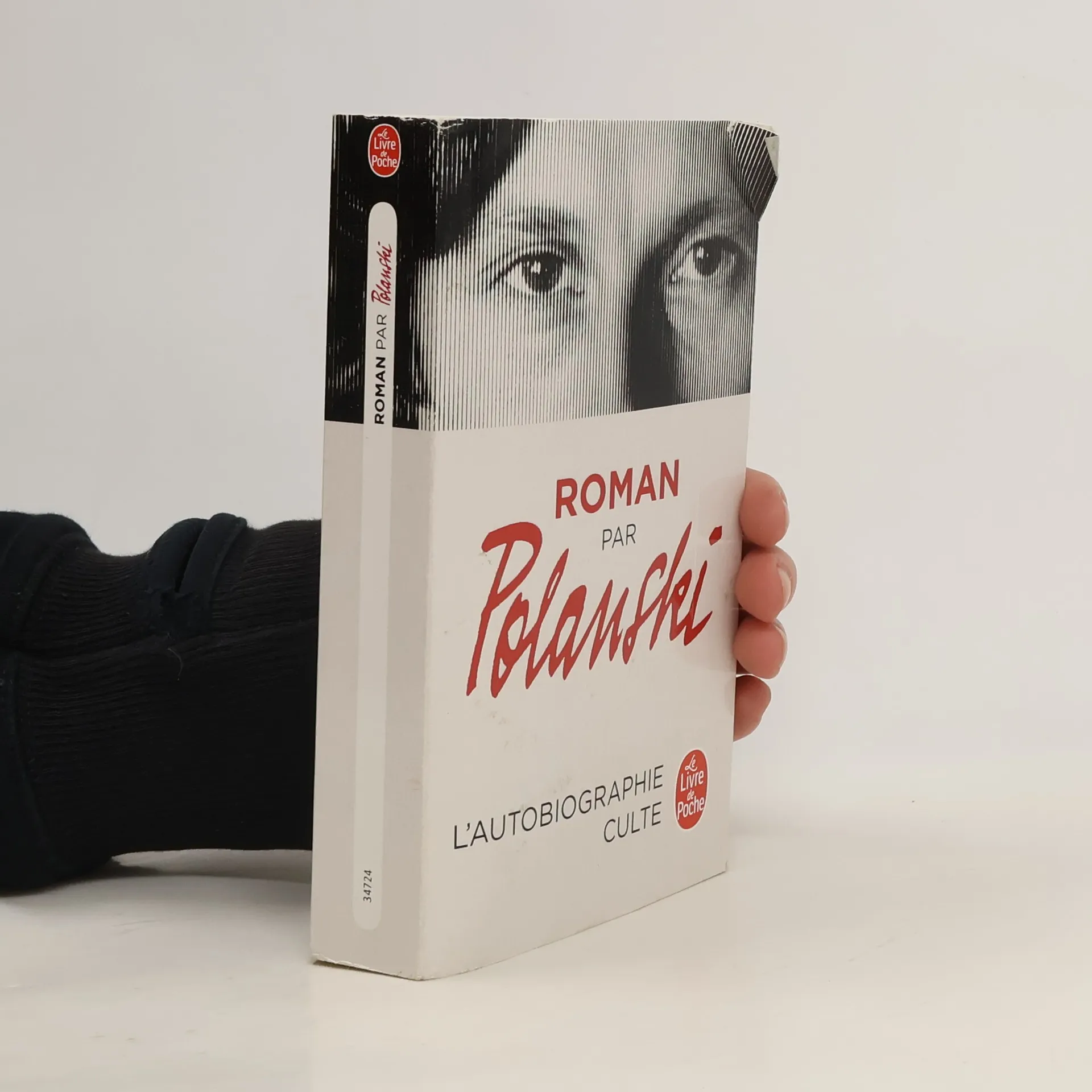
J'ai passé une grande partie de ma vie sur des montagnes russes, à négocier d'impossibles virages, à escalader les hauteurs - triomphes immenses, joies et plaisirs - avant de plonger, éperdument, vers des abîmes de tragédie et de douleur. Mais c'est bien ce périple insensé qui m'a conduit vers cet endroit inattendu : un présent de bien-être, et, oserais-je le dire, de bonheur. Voilà pourquoi je ne regrette rien du chemin que j'ai parcouru.