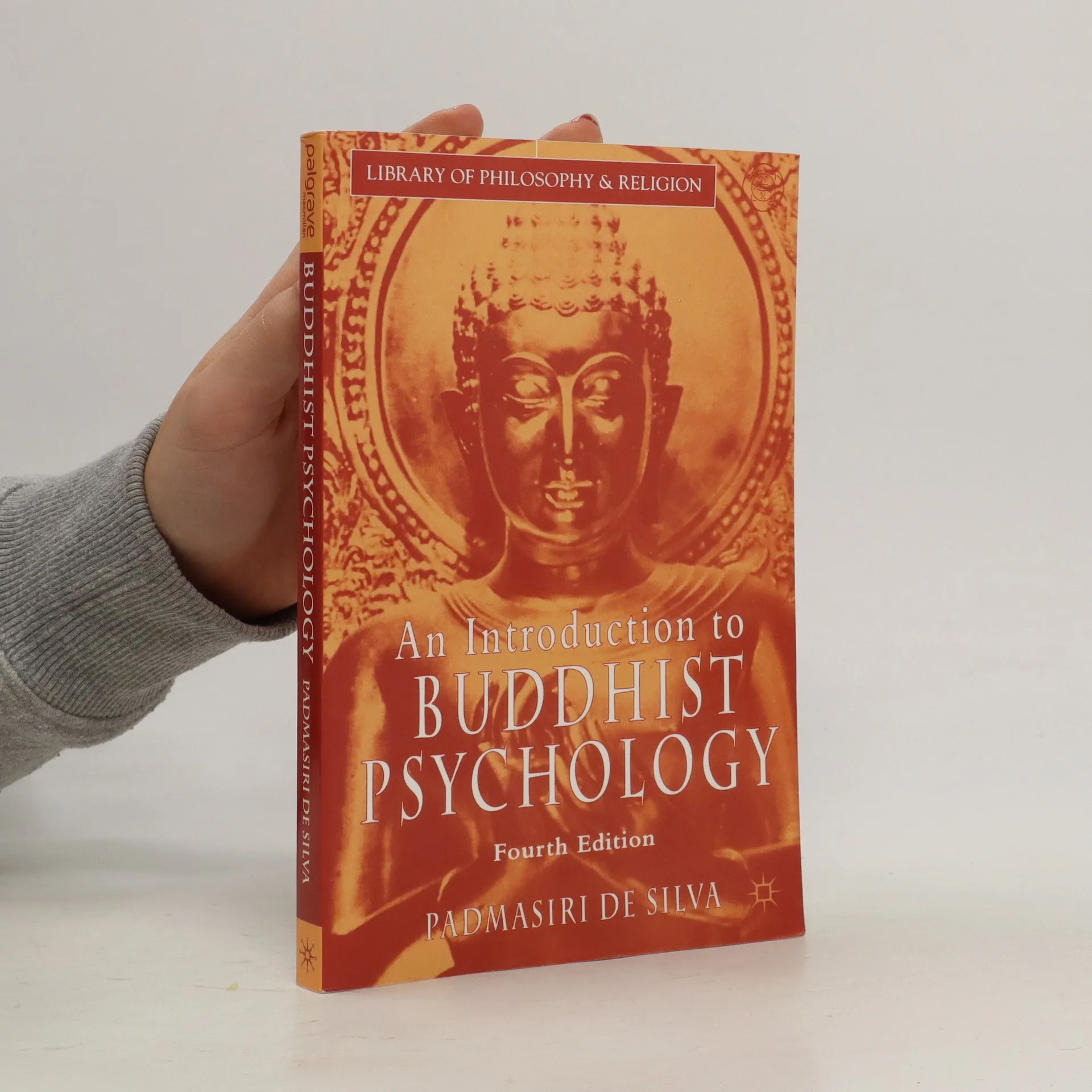
An Introduction to Buddhist Psychology is a lucid, intelligible and authentic introduction to the foundations of Buddhist psychology. It provides comprehensive coverage of the basic concepts and issues in the psychology of Buddhism and thus it deals with the nature of psychological inquiry, concepts of mind, consciousness and behavior, motivation, emotions, perception, and the therapeutic structure of Buddhist psychology. For the fourth edition, a new chapter on "emotional intelligence" and its relationship with Buddhism has been added.
Padmasiri De Silva Knihy


Mindfulness-based Emotion Focused Counselling
- 300 stránek
- 11 hodin čtení
This book explores Buddhist concepts, particularly mindfulness, as tools for managing a wide range of emotions and addressing pressing social and economic challenges, including climate change. It begins with a concise history of emotion studies, emphasizing advancements in neuroscience and cognitive science that facilitate the application of Buddhist principles to contemporary psychological and social issues. The text examines various emotions from both Western and Buddhist perspectives, such as anger, sadness, depression, pride, and compassion, while analyzing how these ideas can be integrated into modern clinical practices. The author illustrates the effectiveness of mindfulness in regulating emotions across diverse environments, including psychiatric clinics, educational institutions, and workplaces. Rooted in Buddhist traditions, this work serves as a valuable resource for students and scholars in counseling, psychotherapy, clinical psychology, and philosophy. The chapters cover topics ranging from the architecture of the mind and historical perspectives on emotions to practical applications in stress and pain management, as well as the role of compassion and ethics in mental health care. Overall, it presents a comprehensive approach to understanding and addressing emotional well-being through a Buddhist lens.