The Story of Mary MacLane
- 114 stránek
- 4 hodiny čtení
The Story of Mary MacLane By Mary MacLane


Mary MacLane byla kontroverzní americká spisovatelka kanadského původu, jejíž otevřené paměti pomohly prosadit zpovědní styl autobiografického psaní. Byla známá jako „divoká žena z Butte“. Její spisy, které se dotýkaly témat jako bisexualita a feminismus, pobuřovaly tehdejší společnost. MacLane si vybudovala pověst nespoutané umělkyně, která otevřeně prozkoumávala osobní témata s neobvyklou upřímností, čímž předběhla svou dobu.

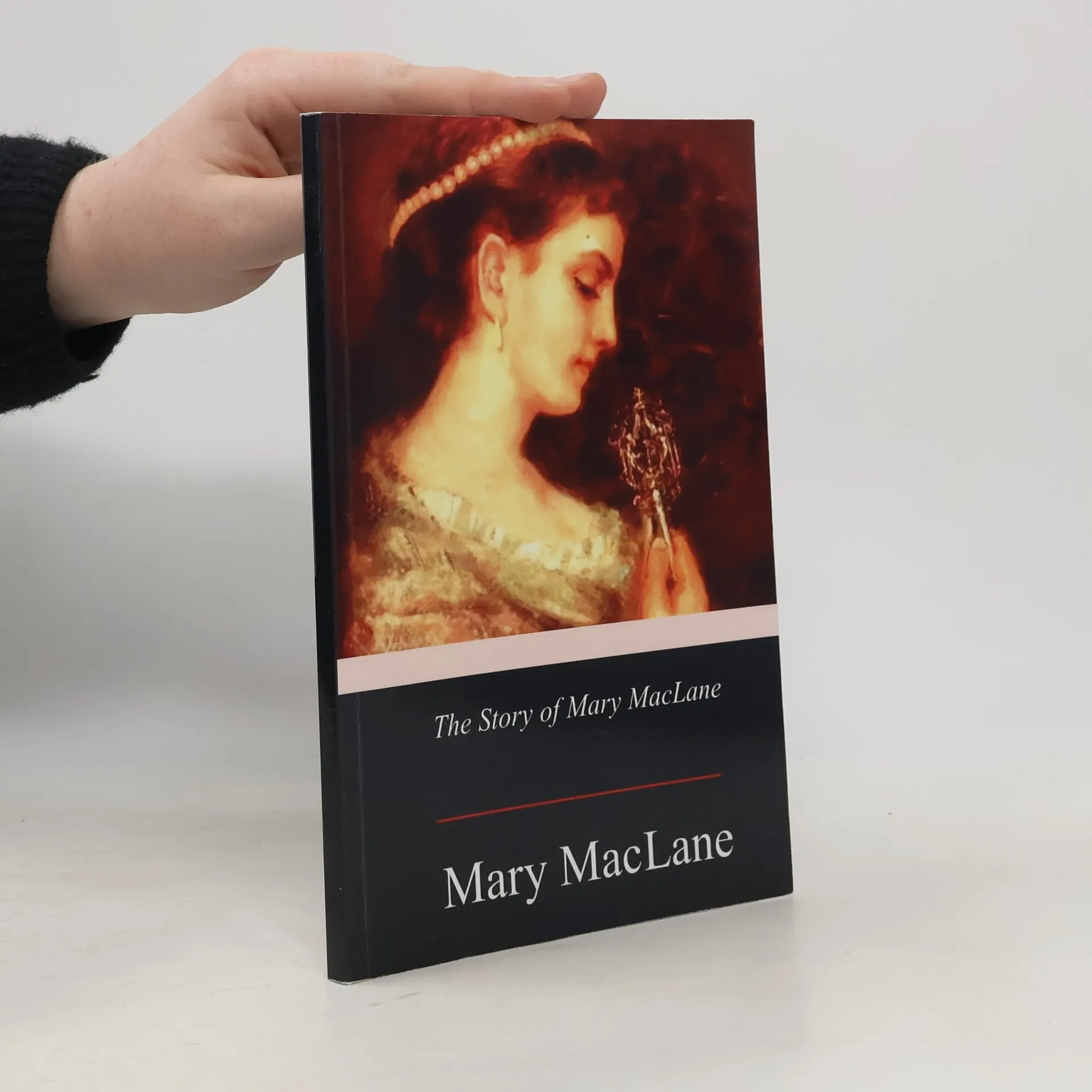
The Story of Mary MacLane By Mary MacLane
“Anyone who reads her will never forget her voice.” - Biographile She’s been called first in many things - the first blogger, the first New Woman, the first female proto-surrealist, the first screen writer/star to break the fourth wall and directly address her audience (in 1917’s ground-breaking "Men Who Have Made Love to Me"). In her final book, Mary MacLane is the first media icon to destroy the celebrity distance and expose her inmost doubts, her hopes, her conflicted sexual history, the inner worlds of a creative personality - all in visionary prose unlike anything before or since. With her first book - written in 1901 at age nineteen - she was hailed as a marvel by the likes of H.L. Mencken, Clarence Darrow, and Harriet Monroe. She went on to become a pioneering newswoman, gambler extraordinaire, and bon vivant, to influence Gertrude Stein, inspire F. Scott Fitzgerald, be puzzled over by Mark Twain, and upon her death in 1929 be eulogized as “an errant daughter of literature ... the first of the self-expressionists, and also the first of the Flappers,” as the creator of “that revolution in manners, that transvaluation of values in the female code of behavior known as the Roaring Twenties.” This edition - fully annotated, with an illuminating introduction by Michael R. Brown, foremost MacLane scholar in the world today - conveys the full complexity and potency of Mary MacLane’s final self-expression.
»Letzten Endes bin ich eine ausdrücklich vernünftige Frau. Nur dass Vieles, worauf ich in meinem Inneren stoße, knirscht, unerklärlich ist und nicht zusammenpasst. Ich bin so verlassen, als hätte ich keinen menschlichen Platz auf dieser Erde. Meine Tage sind so still, als lebte nur ich auf der Welt.« – MARY MACLANE Mary MacLane wünschte sich mit 19 Jahren nichts sehnlicher, als die Enge ihrer Heimatstadt in der amerikanischen Provinz zu verlassen. Mit 36 Jahren kehrt sie nun nach Montana zurück; eine turbulente und glamouröse Zeit in den Künstlerkreisen an der Ostküste liegt hinter ihr. Die Stadt hat sich nicht verändert, und doch ist nichts mehr wie zuvor. MacLane wendet sich wieder der Form des Tagebuchs zu und scheint darin ihr jüngeres, naiveres Ich direkt anzusprechen. Immer wieder parodiert sie sich selbst mit melancholischer Ironie und legt eine so unbestechliche wie unterhaltsame Bestandsaufnahme vor. Wie in ihrem Debüt widmet sich die 36-Jährige dem eigenen Ich, das sie gerade deshalb virtuos zu feiern weiß, weil sie sich darüber keine Illusionen macht. – Ein Buch über die Herausforderung des Menschen, in der Einsamkeit »Ich« zu sagen und »Ich« zu sein.
Zwei Frauen erzählen einander alles, was sie bewegt: Sie sprechen über Freundschaft und Liebe, über die Schönheit des Alltäglichen, die Einsamkeit und die Anonymität der Großstadt. Doch wer ist Annabel Lee, die Freundin der Ich-Erzählerin, eigentlich? Ist es ihre Geliebte? Oder doch nur eine japanische Porzellanfigur, benannt nach der Heldin des schwermütigen Gedichts von Edgar Allan Poe? Oder handelt es sich am Ende um ein Selbstgespräch? Mary MacLanes Roman lässt all das elegant in der Schwebe. Das literarische Können der Autorin, die 1902 mit ihrem ungestümen Debüt »Ich erwarte die Ankunft des Teufels« für Furore sorgte, zeigt sich hier von einer zarten und melancholischen Tonart. Nachdem MacLanes Werk zwischenzeitlich völlig in Vergessenheit geraten war, wird es seit einigen Jahren wiederentdeckt und in immer mehr Sprachen übersetzt. Die deutsche Erstübersetzung ihres Debüts von Ann Cotten stand 2020 auf Platz 1 der SWR-Bestenliste, der Süddeutschen Zeitung galt sie als »die literarische Wiederentdeckung der Saison«, und die NZZ urteilte: »Die Autorin wird schreibend zu ihrem eigenen Kunstwerk.«