Americký psychiatr Thomas Szasz podává v této významné práci důkladnou a originální historickou analýzu postojů společnosti k problematice drog. Ty jsou podle jeho závěrů „obětním beránkem“, který slouží dnešnímu „farmahrabickému“ establishmentu ke kontrole společnosti. Kniha byla nadšneně přijata americkými intelektuály, mj. Allenem Ginsbergem.
Thomas Szasz Knihy
15. duben 1920 – 8. září 2012
Thomas Szasz byl psychiatr a akademik, který ostře kritizoval morální a vdecké základy psychiatrie. Byl klíovou postavou antipsychiatrického hnutí a zamoval se na spoleenskou kontrolu medicine. Jeho dílo zpochybovalo samotnou podstatu mentálních nemocí a poukazovalo na paralely mezi historickými represivními praktikami a moderním psychiatrickým systémem. Szaszův pístup nabdl radikální psohled na lidskou psychiku a spolenost.





Historický vývoj celosvětového postoje vůči drogám.
Every age, labels others to a particular fate, such as the witch consigned to the fire. The priest has now been replaced by the psychiatrist and this text examines the role of medicine as a more insidious tyrant than religion, as it claims to be beneficial to both the patient and the commonwealth.
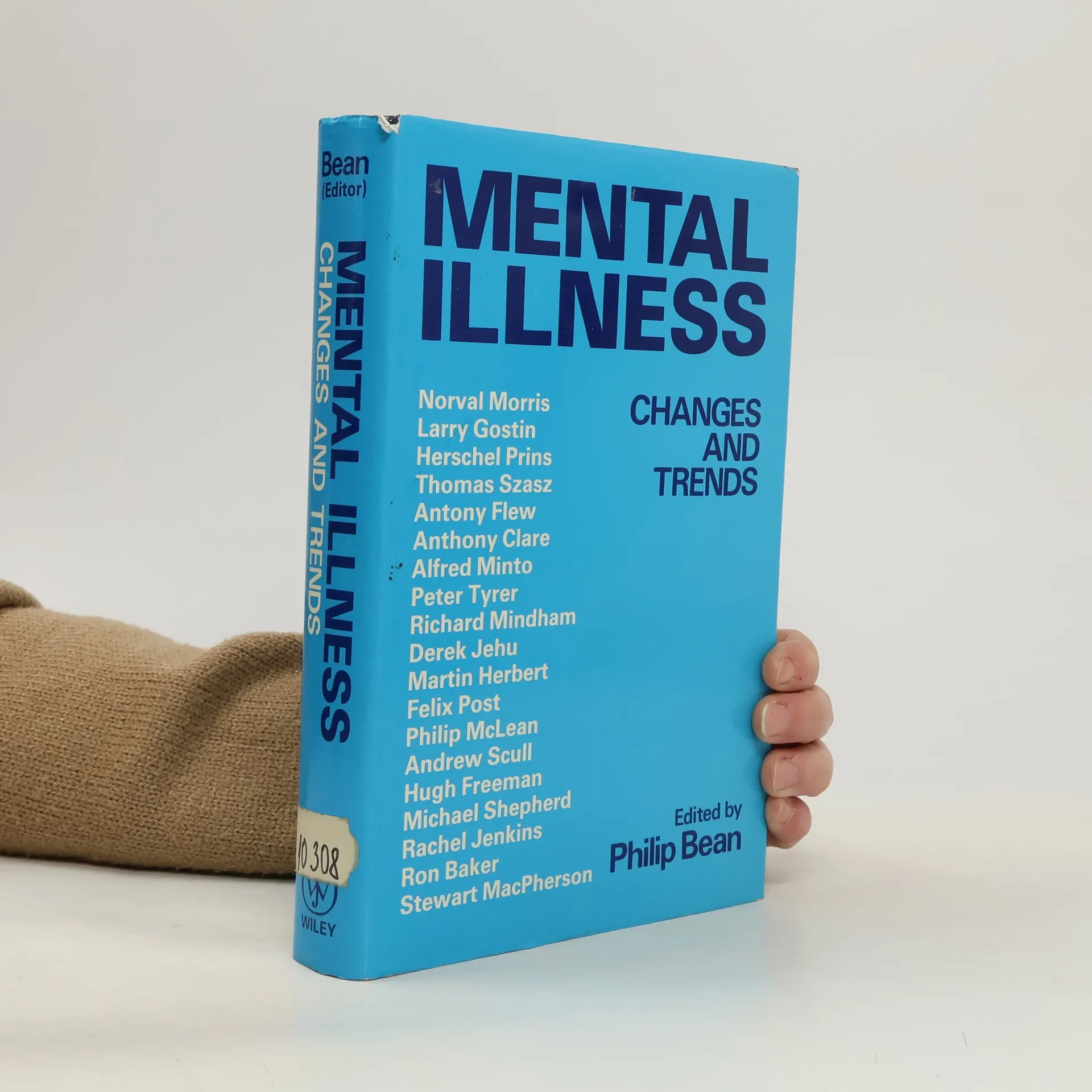
This book is a collection of the earliest essays of Thomas Szasz, in which he staked out his position on “the nature, scope, methods, and values of psychiatry.” On each of these issues, he opposed the official position of the psychiatric profession. Where conventional psychiatrists saw themselves diagnosing and treating mental illness, Szasz saw them stigmatizing and controlling persons; where they saw hospitals, Szasz saw prisons; where they saw courageous professional advocacy of individualism and freedom, Szasz saw craven support of collectivism and oppression.
Suicide prohibition the shame of medicine
- 132 stránek
- 5 hodin čtení
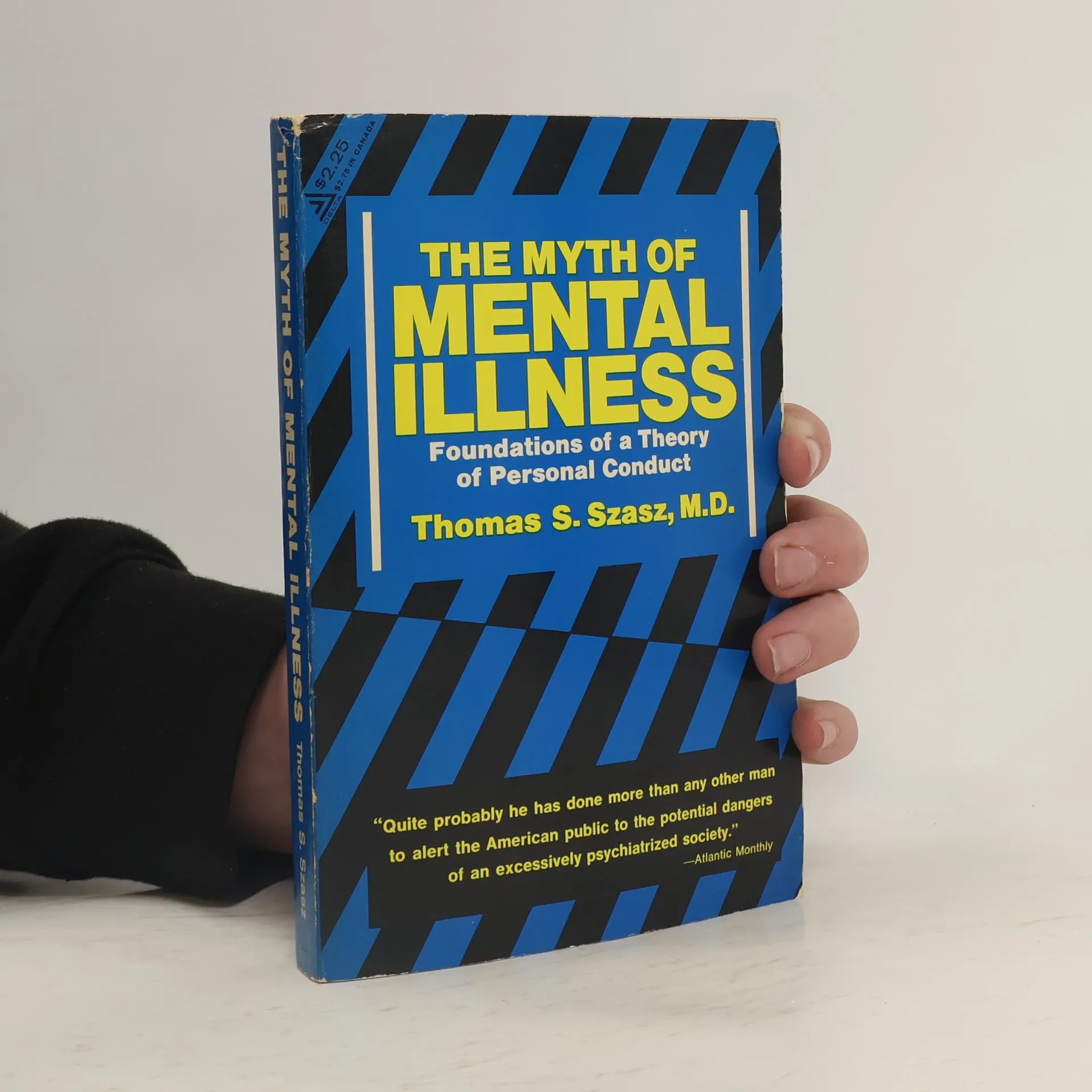
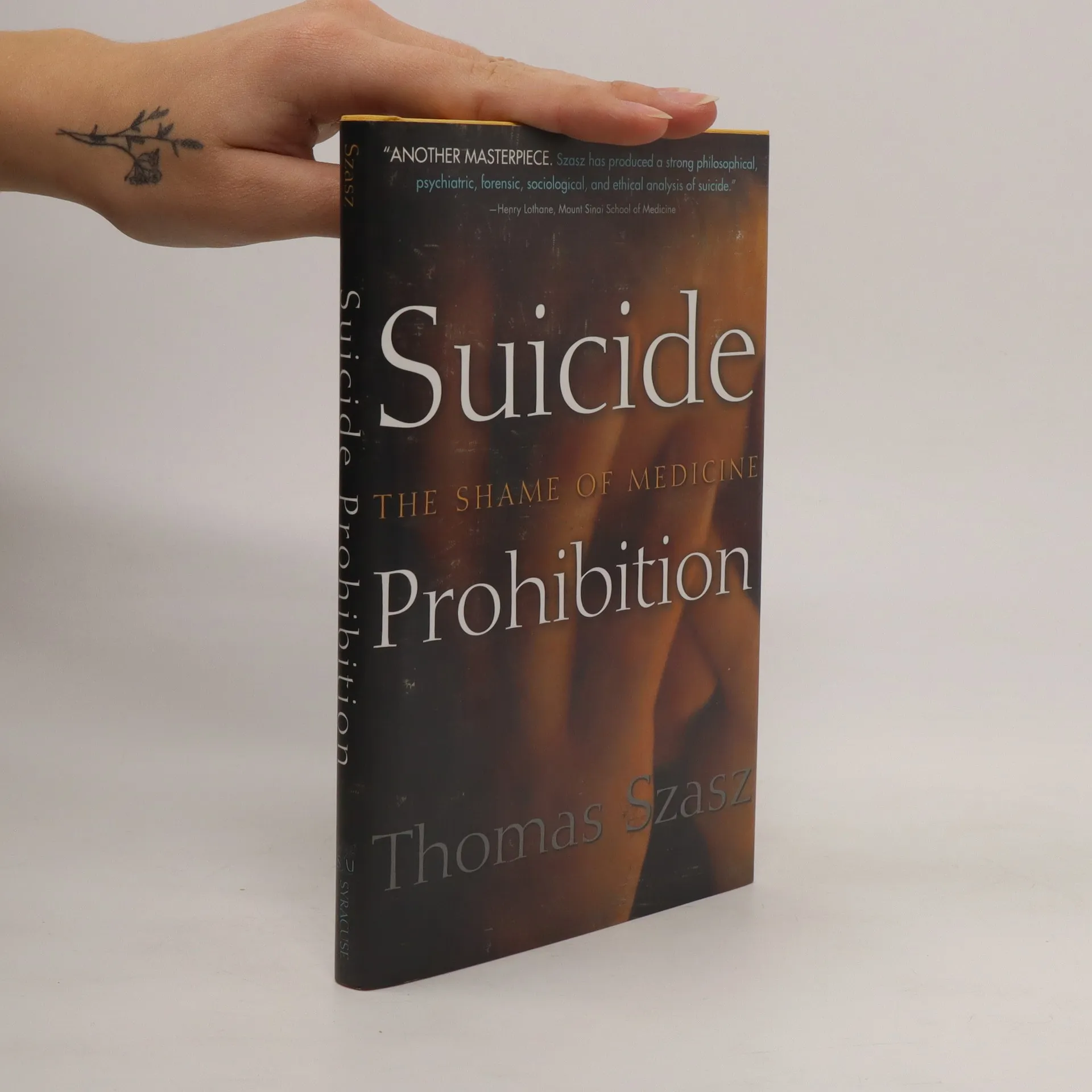
In Western thought, suicide has evolved from sin to sin-and-crime, to crime, to mental illness, and to semilegal act. A legal act is one we are free to think and speak about and plan and perform, without penalty by agents of the state. While dying voluntarily is ostensibly legal, suicide attempts and even suicidal thoughts are routinely punished by incarceration in a psychiatric institution. Although many people believe the prevention of suicide is one of the duties the modern state owes its citizens, Szasz argues that suicide is a basic human right and that the lengths to which the medical industry goes to prevent it represent a deprivation of that right. Drawing on his general theory of the myth of mental illness, Szasz makes a compelling case that the voluntary termination of one's own life is the result of a decision, not a disease. He presents an in-depth examination and critique of contemporary anti-suicide policies, which are based on the notion that voluntary death is a mental health problem, and systematically lays out the dehumanizing consequences of psychiatrizing suicide prevention. If suicide be deemed a problem, it is not a medical problem. Managing it as if it were a disease, or the result of a disease, will succeed only in debasing medicine and corrupting the law. Pretending to be the pride of medicine, psychiatry is its shame.
This intriguing book undercuts everything you thought you knew about psychotherapy.
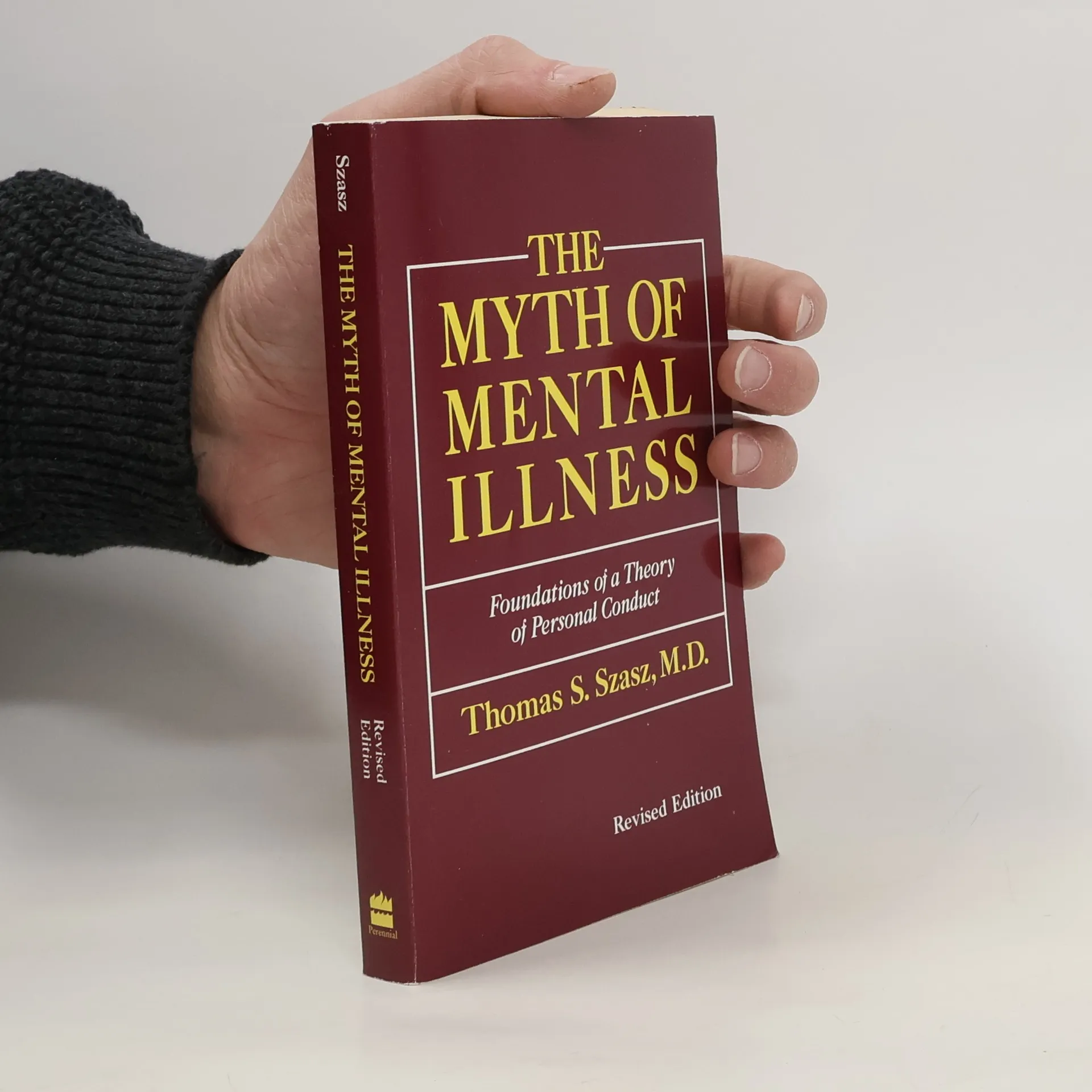
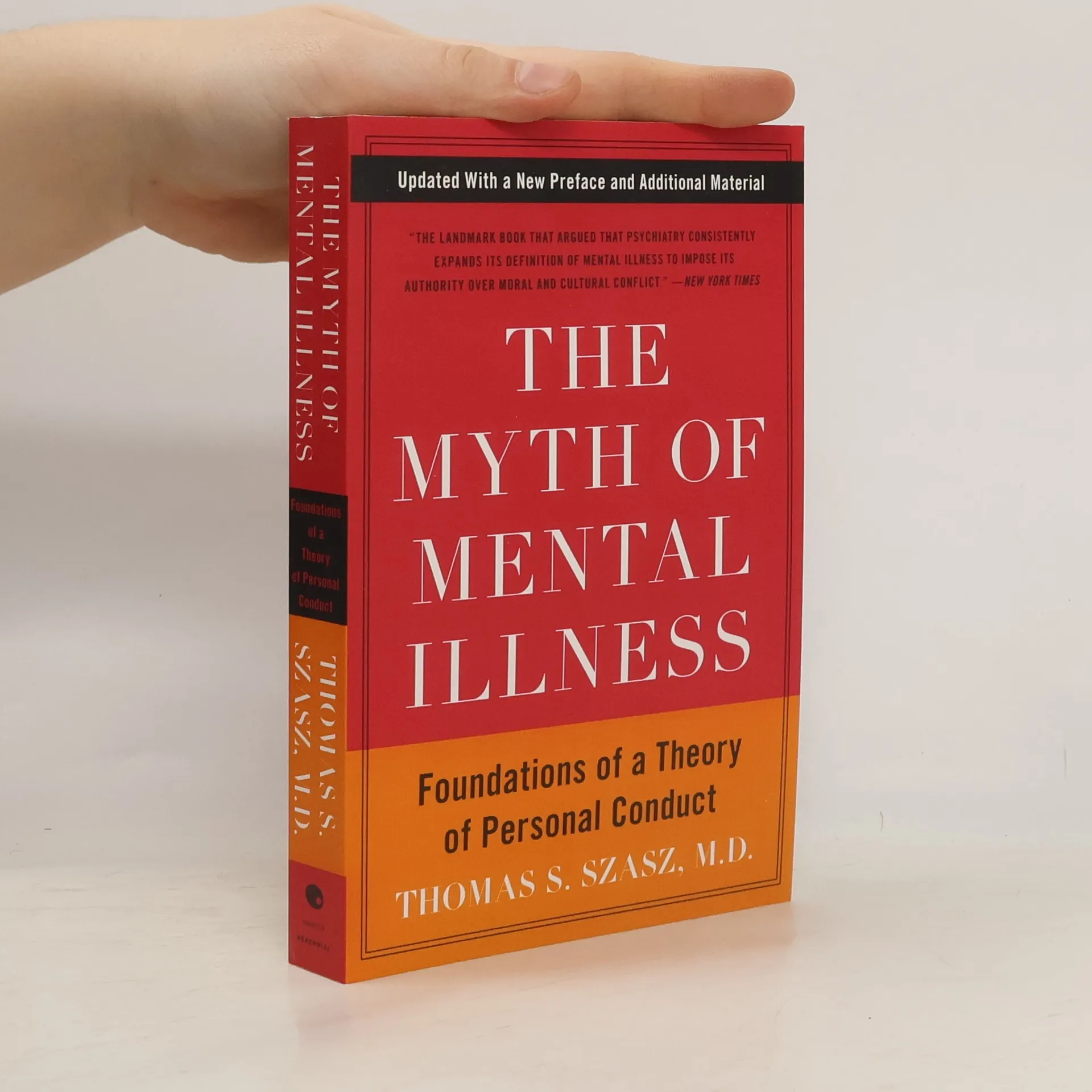
The Myth of Mental Illness Revised Edition
- 324 stránek
- 12 hodin čtení
“The landmark book that argued that psychiatry consistently expands its definition of mental illness to impose its authority over moral and cultural conflict.” — New York Times “Controversial and influential . . . an iconoclastic work.” — Joyce Carol Oates, New York Times Book Review A 50th Anniversary Edition of Thomas Szasz’s famous, influential critique of the field of psychiatry, with a new preface on the age of Prozac, Ritalin, and the rise of designer drugs.
The myth of mental illness: foundation of a theory of personal conduct
- 370 stránek
- 13 hodin čtení
50th Anniversary Edition With a New Preface and Two Bonus Essays The most influential critique of psychiatry ever written, Thomas Szasz's classic book revolutionized thinking about the nature of the psychiatric profession and the moral implications of its practices. By diagnosing unwanted behavior as mental illness, psychiatrists, Szasz argues, absolve individuals of responsibility for their actions and instead blame their alleged illness. He also critiques Freudian psychology as a pseudoscience and warns against the dangerous overreach of psychiatry into all aspects of modern life.
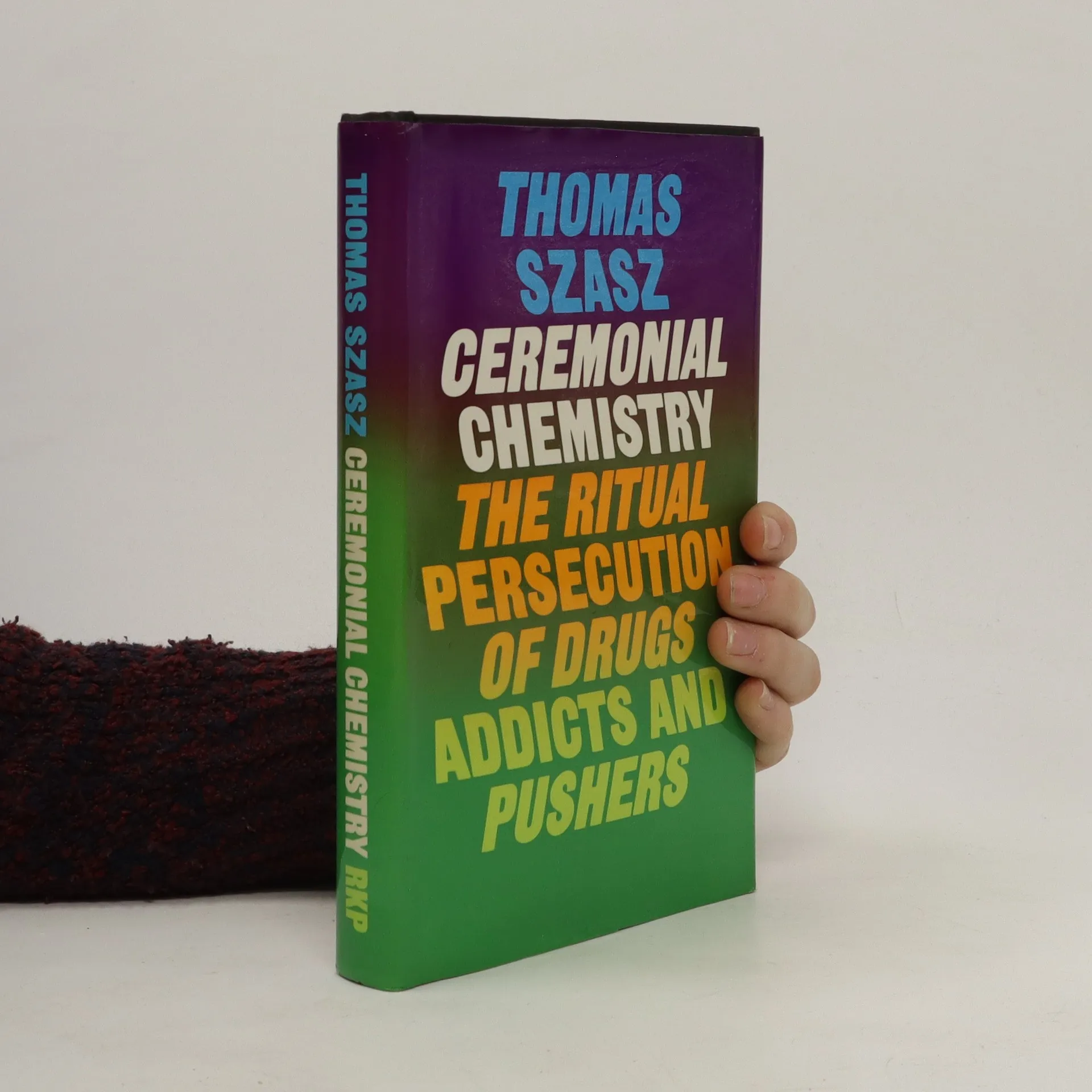
Ceremonial chemistry : the ritual persecution of drugs, addicts, and pushers
- 243 stránek
- 9 hodin čtení
Thomas Szasz suggests that governments have overstepped their bounds in labeling and prohibiting certain drugs as "dangerous" substances and incarcerating drug "addicts" in order to cure them. Szasz asserts that such policies scapegoat illegal drugs and the persons who use and sell them, and discourage the breaking of drug habits by pathologizing drug use as "addiction." Readers will find in Szasz's arguments a cogent and committed response to a worldwide debate.
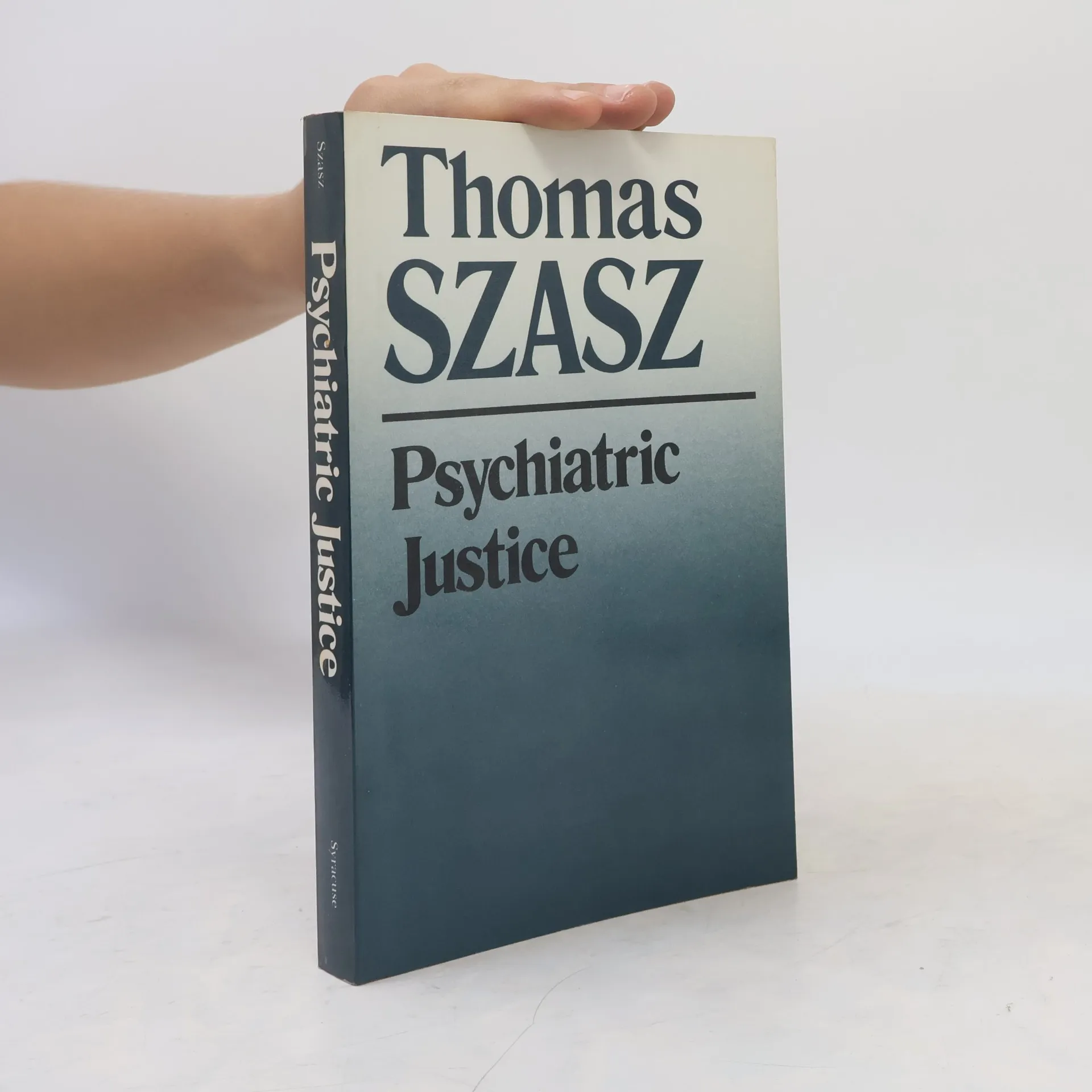
Psychiatric Justice
- 298 stránek
- 11 hodin čtení
Dealing with the relationship between psychiatry and the law, this book looks at the federal and state procedures which render impotent the constitutional right to a speedy and public trial. Trial transcripts are used to support the author's arguments.
* from USA. Will take 25-35 days
Geisteskrankheit - ein moderner Mythos
Grundlagen einer Theorie des persönlichen Verhaltens
Vor 50 Jahren sorgte Thomas Szasz mit seinem Buch „The Myth of Mental Illness“ für Aufruhr. Es stellte das komplette Selbstverständnis der Psychiatrie als humanmedizinische Wissenschaft infrage. Ob jemand psychisch „normal“ oder „verrückt“ sei, sei eine willkürliche Definition, so Szasz. Anders als bei somatischen Erkrankungen finden sich für einen Großteil der psychiatrischen „Krankheiten“ nämlich keine eindeutigen Ursachen. Heute, in Zeiten der Hirnscanner, die bunte Bildchen zeigen, deren Suggestivkraft hoch, deren Erklärungswert dagegen gering ist, feiert der Mythos der Geisteskrankheit erneut Triumphe. Vor dem Hintergrund dieser Entwicklung wird die Lektüre von Szaszs revolutionärem Buch zum Aha-Erlebnis. Seine Positionen decken sich auf interessante Weise mit Überlegungen aus der Systemtheorie, denn systemisch gesehen können biologische Faktoren nie das Verhalten eines menschlichen Individuums erklären. Die vorliegende Neuausgabe wurde vom Autor ergänzt, aktualisiert und in vielen Formulierungen geschärft. Für die deutsche Ausgabe wurde der Text vollständig neu übersetzt.
Yalanlar Bilimi Psikiyatri
- 208 stránek
- 8 hodin čtení
"Psikanaliz gibi psikoloji de yeni bir insan icadı ve yeni bir akademik disiplindir. İkisi de Aydınlanma'nın, modernitenin, bilim çağının zararlı yan ürünleridir... ve sahte-bilimdir." Yarım asırdan uzun zaman boyunca Thomas Szasz kariyerinin büyük bölümünü psikiyatrinin kökten eleştirisine adadı. Neredeyse tüm yaşamını kaplayan bu uğraşın doruk noktasını teşkil eden son yapıtı Psikiyatri: Yalanlar Bilimi'nde Szasz, psikiyatri tarihi ve pratiğinin ayrılmaz parçası olan aldatmacanın rolünü betimliyor. "Psikiyatrinin şimdiye kadar yazılmış en etkili ve radikal eleştirisi" -New York Times- "Psikiyatrinin tüm meşruiyetini yerle bir ediyor" -Los Angeles Times- "Psikiyatri: Yalanlar Bilimi, psikiyatri kurumunda çürümüş bir şey olduğu iddiasını çok kuvvetli biçimde ortaya koyuyor. Psikiyatrik kölelik karşıtlığının asi adamı Thomas Szasz, psikiyatrinin aldatmacalarını çok yerinde örneklerle, güçlü ve etkili argümanlarla gözler önüne seriyor. Szasz, ahlaksal sorumluluk ile sahte bilim arasında yeni bir iç savaş başlatabilir." -David Ramsay Steele- "Thomas Szasz dünyada psikiyatrinin en sert eleştiricisi." -Richard Vatz- (Tanıtım Bülteninden)
Der renommierte Störenfried der Psychiatrie untersucht die wachsende Praxis, Individuen (insbesondere Erwachsene, die wirtschaftlich von anderen abhängig sind) angeblich zu ihrem eigenen Besten zu zwingen. Er zeigt, wie der moralische Mensch in der modernen Gesellschaft durch den psychisch Kranken ersetzt wurde, wie Sünde in psychische Krankheit umgewandelt wurde, um Unerwünschte zu kontrollieren. Er behandelt die Psychiatrie als ein Medium sozialer Kontrolle, wie sie unerwünschte Personen entsorgt, und präsentiert ein überzeugendes Argument für die Begrenzung der Zwangsmacht der Psychiatrie, um den Menschen ihre persönliche Freiheit zu entziehen und sie von ihrer persönlichen Verantwortung zu befreien.
Schizophrenie, das heilige Symbol der Psychiatrie
- 206 stránek
- 8 hodin čtení
Recht, Freiheit und Psychiatrie
- 350 stránek
- 13 hodin čtení
In diesem Buch geht es um zwei Hauptziele: Erstens um eine kritische Untersuchung der gängigen sozialen und namentlich juristischen Anwendungsarten der Psychiatrie und zweitens um den Vorschlag wohldurchdachter Alternativen der Theorie und Praxis eines falsch verstandenen psychiatrischen Liberalismus. Szasz hat das Buch nicht allein für Juristen, Psychiater und Sozialwissenschaftler geschrieben, sondern vor allem für den interessierten Laien, da dieser der organisierten Psychiatrie vie hilfloser gegenübersteht als der Fachmann.
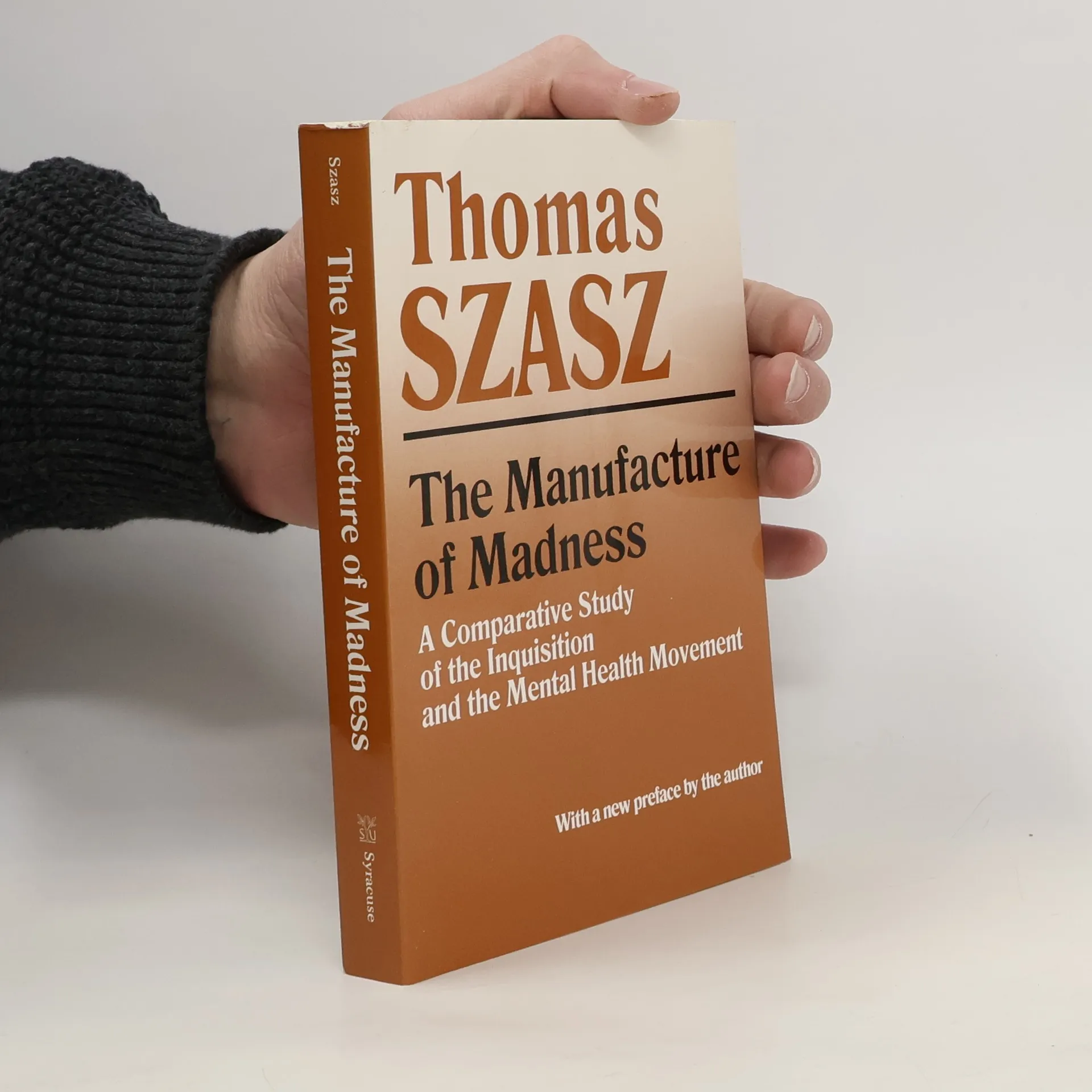
Die Fabrikation des Wahnsinns
- 490 stránek
- 18 hodin čtení