Widely considered to be one of the most engaging and fascinating artists of our time, Kiki Smith has, over the past 25 years, developed into a major figure in the world of twenty-first-century art. Her subject matter is as wide-ranging as the materials her work has encompassed. In the 1980s, with her earliest figural sculptures in plaster, glass and wax, Smith developed an elaborate vocabulary around the forms and functions of the body and its metaphorical as well as physical relationship to society. By the early 1990s, she began to engage with themes of a more religious and mythological nature. Her re-imaginings of biblical women as inhabitants of physical bodies--rather than as abstract bearers of doctrine--led her to make series of sculptural works related to the figure of the Virgin Mary, Mary Magdalene, Lilith and others. The artist has more recently considered fairy tales and folk narratives as well as nurturing a growing menagerie of work concerned with animals and the natural world. Smith has now earned a considerable reputation as a virtuoso printmaker and draftsperson, and as a re-inventor of the startling sculptural possibilities present in materials ranging from paper and resin to bronze and porcelain. Organized by the Walker Art Center with the full collaboration of the artist, the exhibition Kiki Smith represents the artist's first full-scale monograph.
Linda Nochlin Knihy
Linda Nochlin byla vlivná americká historička umění a spisovatelka, jejíž práce se soustředila na kritické zkoumání vlivu genderu na umění. Proslavila se esejí „Proč neexistovaly žádné velké ženy umělkyně?“, v níž se ptá na institucionální a společenské překážky, které bránily ženám v umělecké dráze. Kromě feministické historie umění se Nochlin věnovala také studiu realismu, zejména díla Gustava Courbeta. Její průkopnický přístup k umělecké historii nadále inspiruje badatele i umělce v pochopení složitých vztahů mezi pohlavím, mocí a uměleckou tvorbou.




The Jew in The text
- 335 stránek
- 12 hodin čtení
What does the Jew stand for in modern culture? The conscious or unconscious, often hysterical repetition of myths and exaggerations, and the repertory of cliches, fantasies and phobias surrounding the stereotypes of the Jew and the Jewess, have meant that they are figures frequently represented both in the world of literature and art and in the industries of popular culture.
Women Artists:The Linda Nochlin Reader
- 472 stránek
- 17 hodin čtení
Providing an overview of Nochlins life and work, this book includes both her major thematic texts and her monographic texts on major women artists, both historical and modern. It will be suitable for students and academics working in the fields of art history and historiography, gender and womens studies, cultural history and theory.
Representing Women
- 272 stránek
- 10 hodin čtení
`Fascinating essays ... Nochlin is a woman of learning and accomplishment' Andrea Dworkin
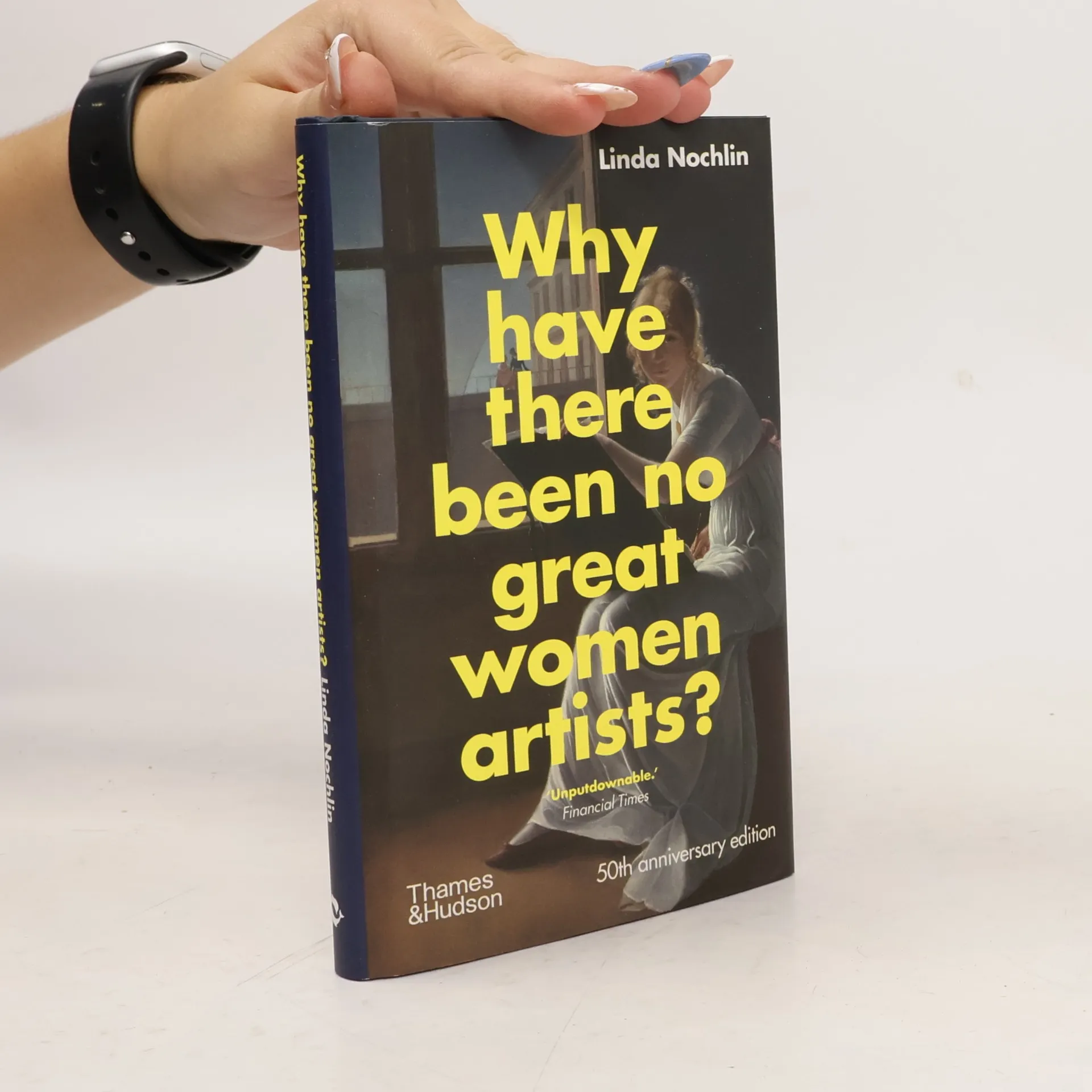
Why Have There Been No Great Women Artists?
- 112 stránek
- 4 hodiny čtení
This fiftieth anniversary edition features Linda Nochlin's groundbreaking essay, recognized as a foundational work in feminist art theory, alongside her reflections from three decades later. Nochlin's seminal piece is often viewed as the first serious attempt at a feminist history of art. In her revolutionary approach, she challenged the question of why there were no 'great women artists' by dismantling the very notion of greatness itself, exposing the male-centric assumptions that have dominated art history. With sharp insight and wit, she critiqued the acceptance of a white male perspective and argued that true progress requires women to embrace uncertainty and disrupt existing art institutions to create new ones. This edition includes "Thirty Years After," a reappraisal written during a time of flourishing feminist, queer, race, and postcolonial theories. In this reflection, Nochlin examines the emergence of a new canon, referencing artists like Joan Mitchell, Louise Bourgeois, and Cindy Sherman. Her essay has become a rallying cry that continues to resonate today, emphasizing the ongoing struggle for recognition and equality in the art world. As Nochlin stated in 2015, "There is still a long way to go." The edition includes 13 black-and-white illustrations.
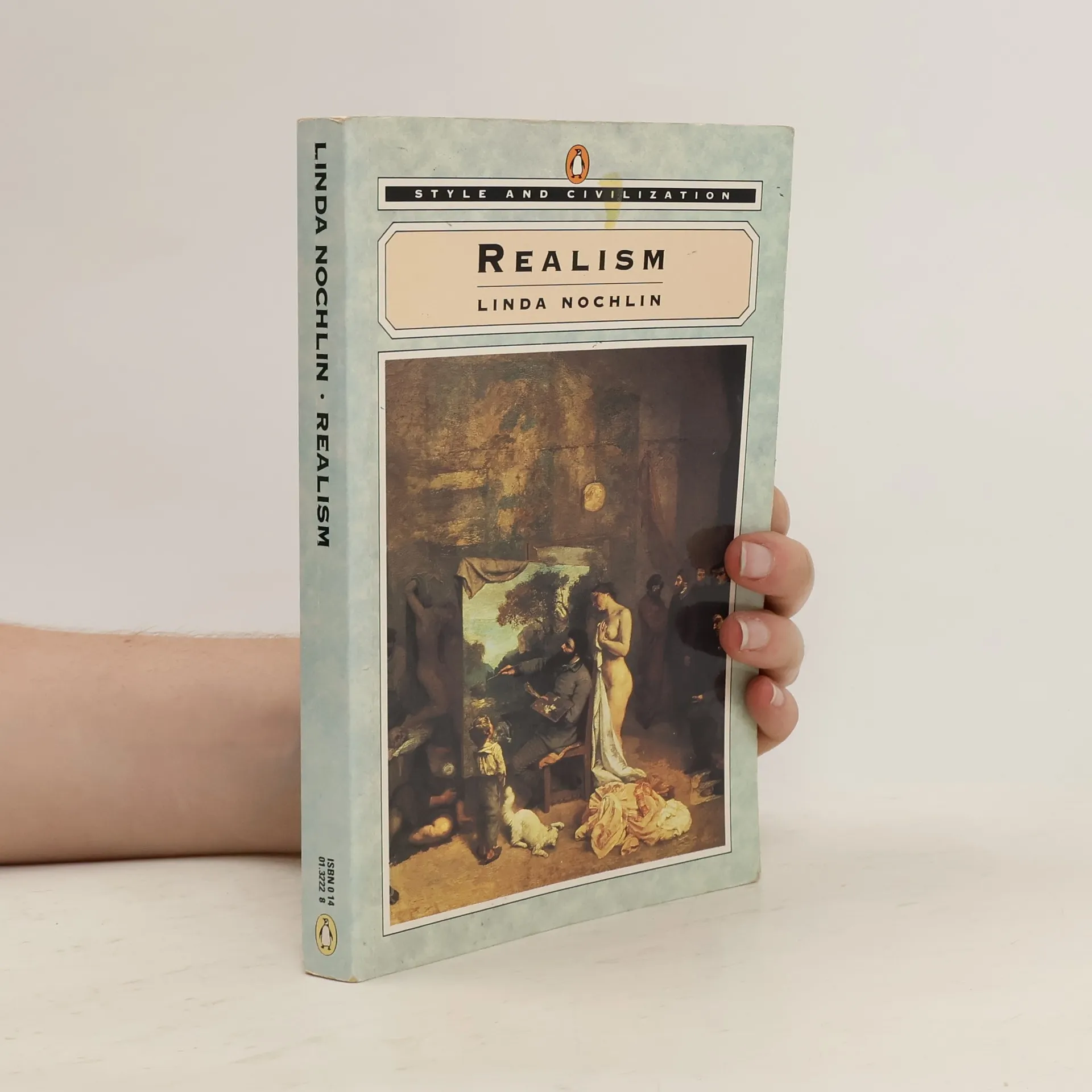
Realism
- 288 stránek
- 11 hodin čtení
Setting Realism in its social and historical context, the author discusses the crucial paradox posed by Realist works of art - notably in the revolutionary paintings of Courbet, the works of Manet, Degas and Monet, of the Pre-Raphaelites and other English, American, German and Italian Realists.
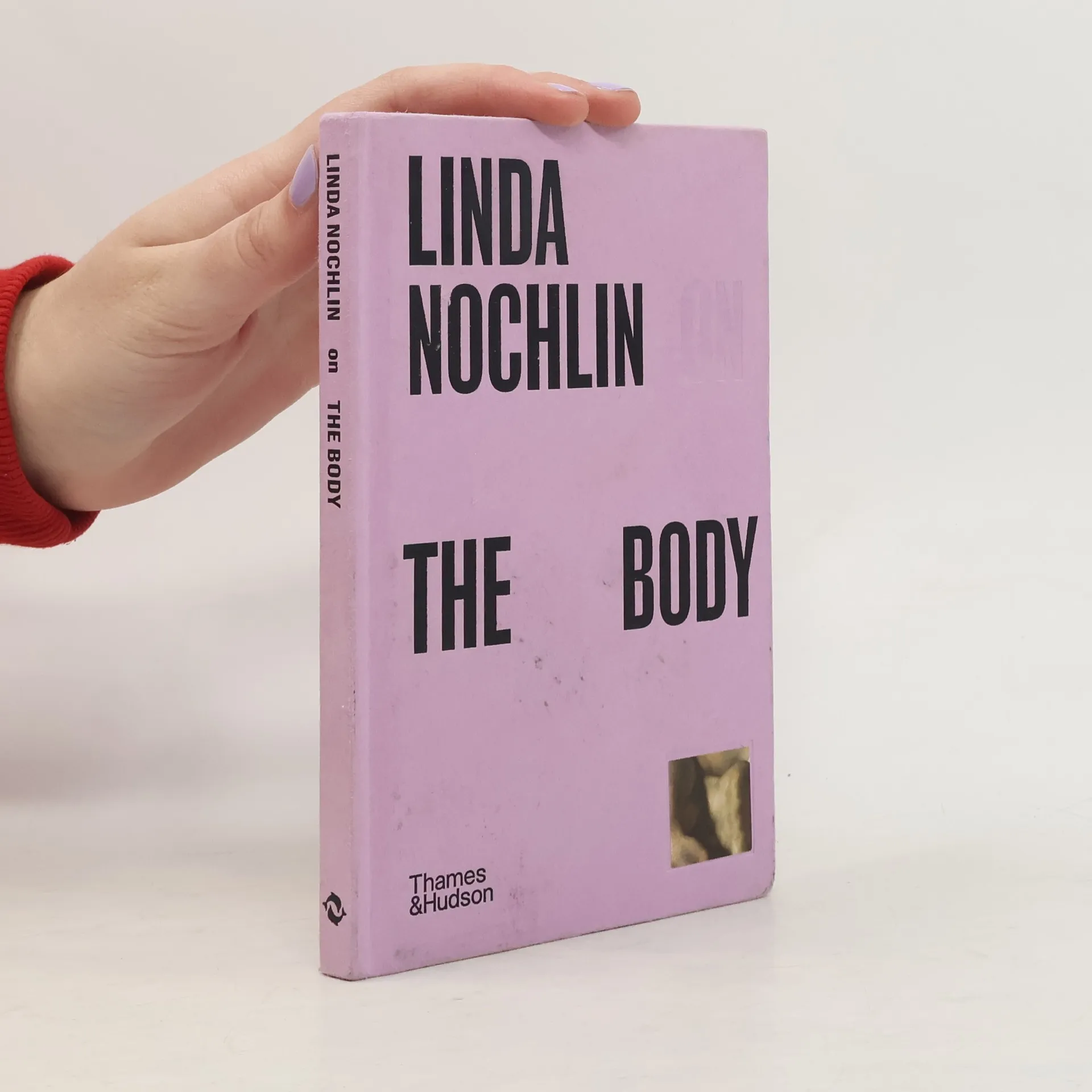
Linda Nochlin on The Body
- 88 stránek
- 4 hodiny čtení
Renowned art historian and pioneering feminist Linda Nochlin explores how, from the late eighteenth century, fragmented, mutilated, and fetishized representations of the human body came to constitute a distinctively modern view of the world.
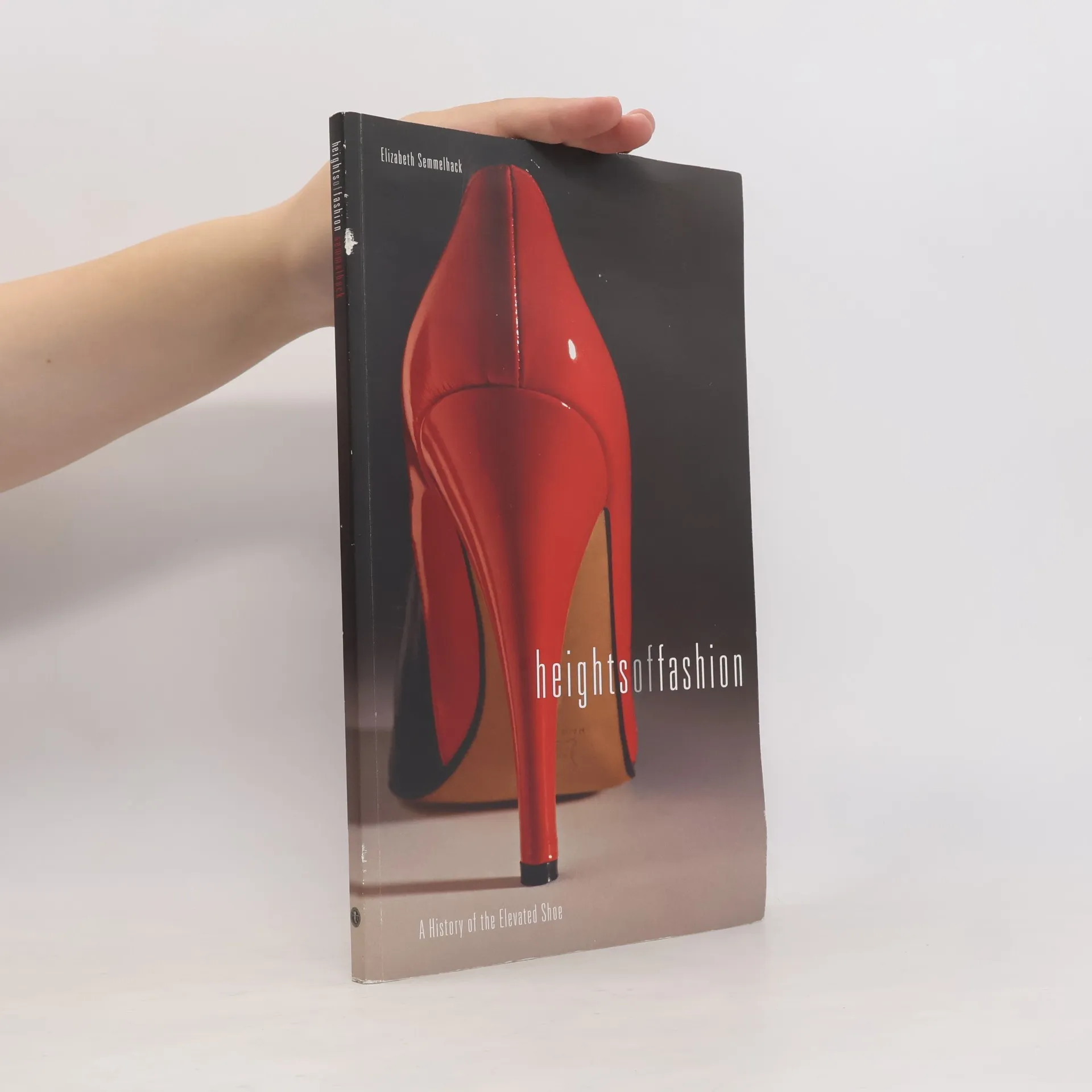
This book does reproduce some wondrous shoes by top designers. But its focus lies outside the kingdom of fashion, in the lowly outpost of social history, where shoes generally appear only as modest, utilitarian artifacts. Here, the two worlds are shown to be intimately connected. Drawing on historical sources, paintings and prints, this volume explores how and why shoes or boots with high heels came into common use throughout the last five centuries. The result? A book on shoes unlike any other. It considers the function of high heels in daily life, in the production of class and gender, and in the staging of erotic fantasy, illustrated through stunning shoes from the collection of the Bata Shoe Museum in Toronto.
Die großen Themen der Weiblichkeit. Essays 2000-2015
- 360 stránek
- 13 hodin čtení
Linda Nochlin zählt zu den einflussreichsten Kunsthistoriker:innen. Seit den 1960er Jahren hat sie zahlreiche Bücher und Artikel verfasst sowie bedeutende Ausstellungen kuratiert. Der zweite Teil ihrer Essaysammlung versammelt ihre Beiträge über Frauen in der Kunst aus den Jahren 2000 bis 2015, einschließlich Arbeiten über viele prominente Künstlerinnen.
Misère
- 240 stránek
- 9 hodin čtení
In Misère zeigt die bekannte Kunsthistorikerin Linda Nochlin, wie Schriftsteller und Künstler des neunzehnten Jahrhunderts ihr Handwerk nutzten, um sich mit den oft neuen und beispiellosen sozialen, materiellen und psychologischen Umständen auseinanderzusetzen, die durch die industrielle Revolution entstanden sind. Nochlin untersucht das Phänomen des Elends, wie es in den populären und schönen Künsten des neunzehnten Jahrhunderts dargestellt wurde. Sie analysiert Werke einiger großer Denker der Epoche – darunter Dickens, Carlyle, Engels, Hugo, Buret, Disraeli und de Tocqueville – sowie von relativ Unbekannten, die nach Wegen suchten, neue Realitäten darzustellen. Nochlin schöpft aus einer Vielzahl von Quellen, darunter Gemälde, Drucke, Zeitungsillustrationen, Fotografie und verschiedene Texte: von dem Bericht über einen Tag im Leben eines achtjährigen Bergarbeitermädchens bis hin zu den grundlegenden Texten des Fachgebiets wie Friedrich Engels’ The Condition of the Working Class in England .
Es gibt wenige Kunsthistoriker: innen, die so einflussreich, provokant und produktiv waren wie Linda Nochlin. Seit den späten 1960er Jahren hat Nochlin siebzehn Bücher und unzählige Artikel geschrieben und herausgegeben, dazu zahlreiche bahnbrechende Ausstellungen kuratiert, von Women Artists 1550–1950 bis Global Feminisms. 1971 publizierte sie ihren richtungweisenden Artikel »Warum gab es keine großen Künstlerinnen?«, ein feministisches Statement, in dem sie die traditionellen kunsthistorischen Sichtweisen in Frage stellte. Seither ist ihr Name mit dem Begriff der Feministischen Kunst verbunden. In den vergangenen fünf Jahrzehnten hat Nochlin beständig über Künstlerinnen geschrieben und Vorträge gehalten. Die meisten dieser Texte sind in Zeitschriften, Ausstellungskatalogen und Büchern verstreut, wurden als Vorträge präsentiert oder überhaupt nicht publiziert. Zum ersten Mal vereint dieser Band I wie der 2024 erscheinende zweite Band viele dieser Essays über Künstlerinnen und feministische Kunst von 1971 bis zur Gegenwart. Band I bietet eine Sammlung von Nochlins Essays, die bis zum Jahr 2000 erschienen.