

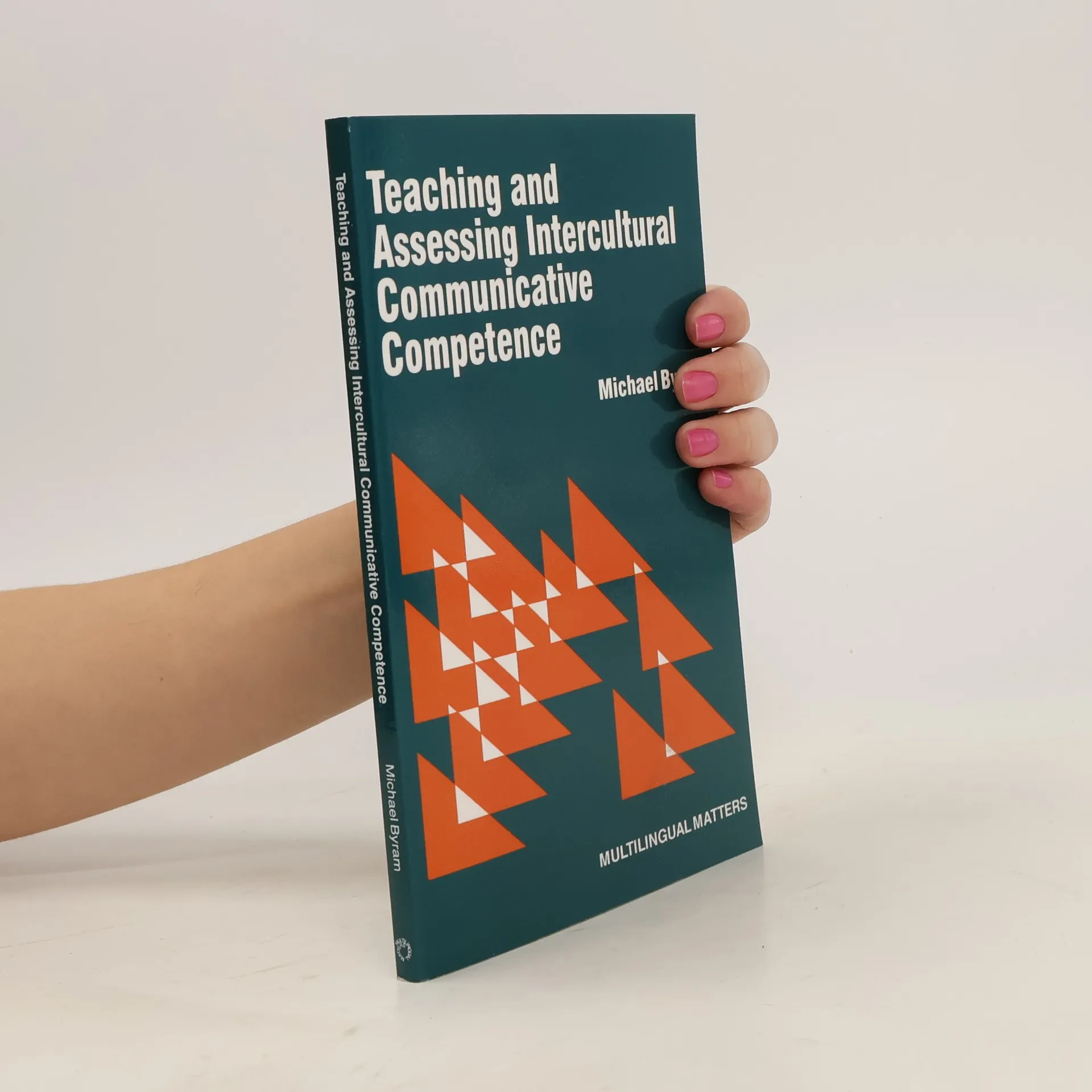
Foreign and second language teaching should prepare learners to use a language with fluency and accuracy, and also to speak with people who have different cultural identities, social values and behaviours. This text aims to define precisely what competencies are required, how these can be included in teachers' objectives and methods, and how the ability to communicate across cultural differences can be assessed.
Michael Byram Knihy
Michael Byram se věnuje vzdělávání v oblasti jazyků, a to jak na středních školách, tak v dospělých vzdělávacích programech. Jeho výzkum se zaměřuje na vzdělávání jazykových menšin a výuku cizích jazyků, přičemž klade důraz na rozvoj interkulturního občanství. Jeho práce zkoumají, jak jazykové vzdělávání formuje porozumění a schopnost komunikovat napříč kulturami.
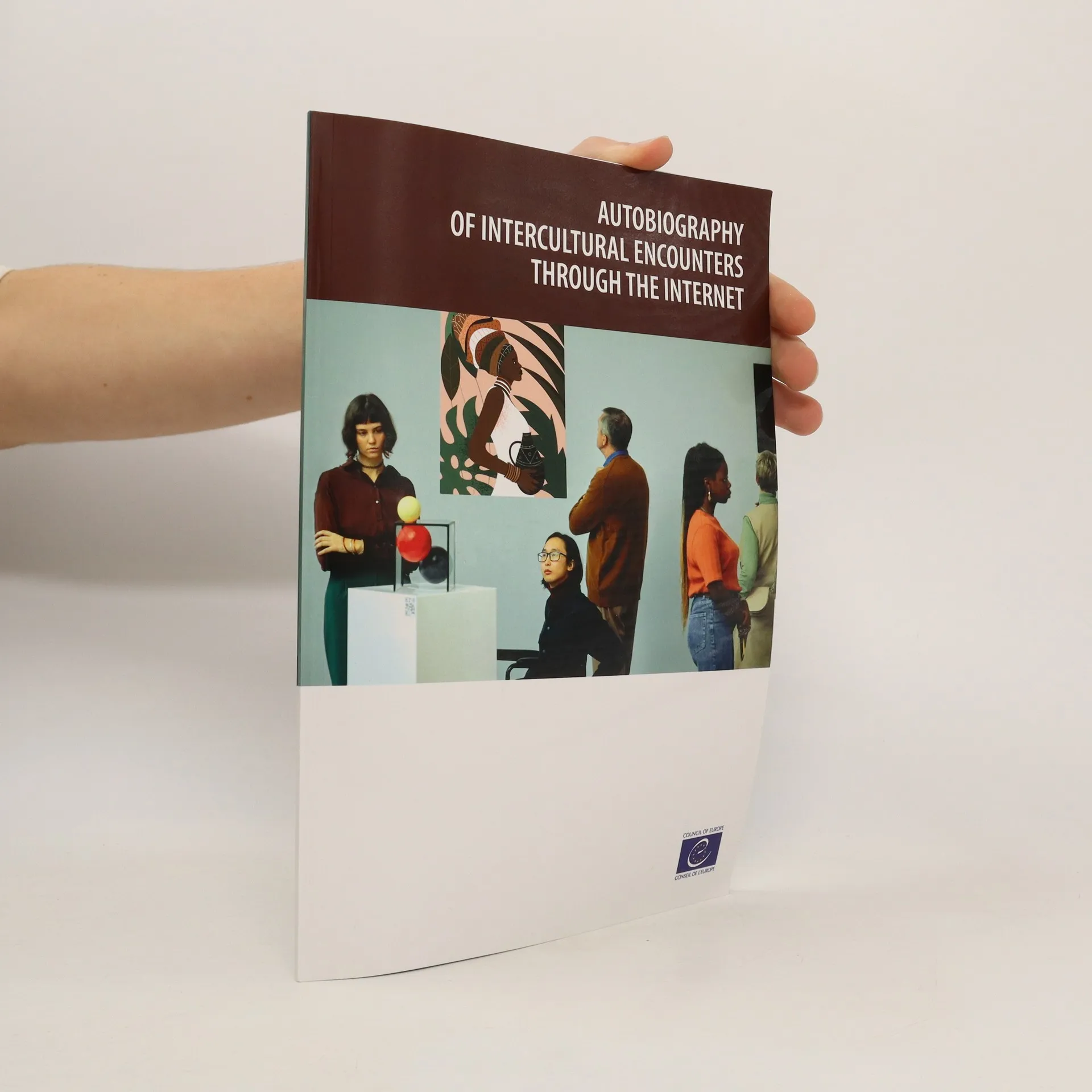
The present volume contains an updated and revised edition of the original Autobiography of intercultural encounters through the internet (AIETI), which supports learners' reflections on intercultural encounters that take place through the internet. There are two versions of the AIETI: a standard version for those who can complete it on their own and a younger learners' version for use by children who need support from an adult in thinking about intercultural encounters. Both versions are accompanied by notes for facilitators which explain in detail how the AIETI may be used. These new editions have been fully updated and aligned with the Council of Europe's Reference Framework of Competences for Democratic Culture and may be used by educators and learners in primary, secondary and higher education and in non-formal and informal education.
Stapled book.
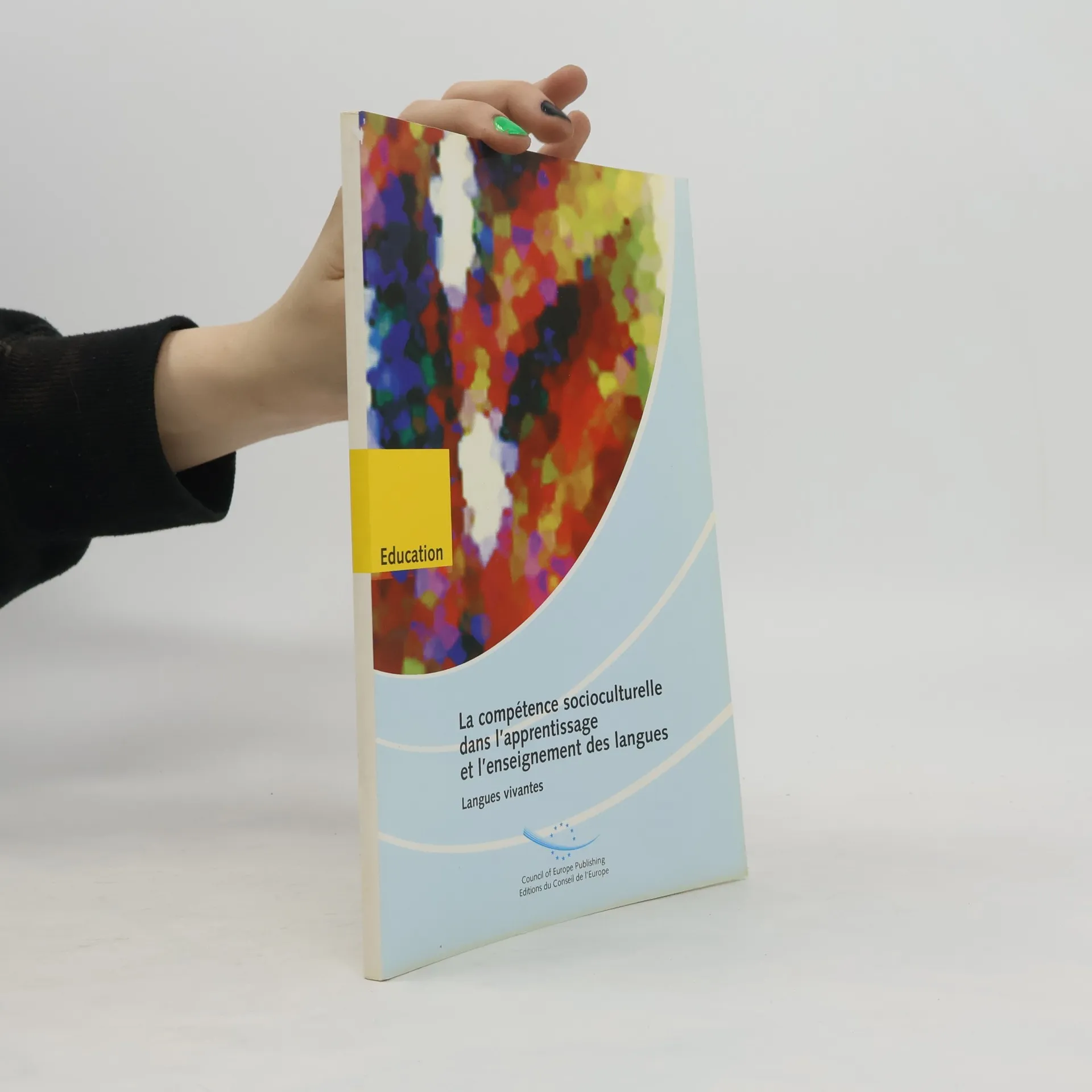
La compétence socioculturelle dans l'apprentissage et l'enseignement des langues
- 124 stránek
- 5 hodin čtení
Lorsqu'on utilise une langue étrangère dans la vie quotidienne, que ce soit dans son propre pays ou à l'étranger, on ne se sert pas seulement de la grammaire et du vocabulaire pour encoder ou échanger des informations. On aborde d'autres personnes en tant qu'individu et en tant que représentant de sociétés et de cultures qu'on incarne. Les apprenants en langue ont par conséquent besoin non seulement d'une précision grammaticale et d'aisance, mais aussi d'une compétence socioculturelle ; celle-là inclut l'aptitude à établir un rapport avec autrui, une certaine connaissance de son mode vie, une conscience de soi et de la façon dont les autres nous voient, une aptitude à " découvrir " et à entrer dans de nouvelles situations d'échange interculturel. Cet ouvrage comprend deux études qui décrivent la compétence socioculturelle. Les auteurs examinent la manière dont la compétence socioculturelle peut être décrite et évaluée, afin de pemettre aux apprenants en langues de rendre pleinement compte de leur potentiel pour la communication interculturelle, essentielle pour une citoyenneté européenne.