

Knihobot

Michael J. Neufeld

    1. leden 1951

    Michael J. Neufeld je přední odborník na historii letectví a kosmonautiky. Jeho práce se hluboce zabývá komplexními vztahy mezi vědou, technologií a společností. Prostřednictvím svých publikací odhaluje fascinující příběhy vizionářů a jejich ambiciózních projektů, které posunuly hranice lidského poznání. Jeho přístup je charakterizován pečlivým výzkumem a poutavým vyprávěním.

    Wernher von Braun
    The Rocket and the Reich
    Between Home and the Front
    • Between Home and the Front offers not only a unique first-person account from those that experienced the Civil War but an annotation in meticulous detail to provide valuable historical context for the events, people, and material culture described in the letters.

      Between Home and the Front
    • The Rocket and the Reich

      • 384 stránek
      • 14 hodin čtení
      3,8(54)Ohodnotit

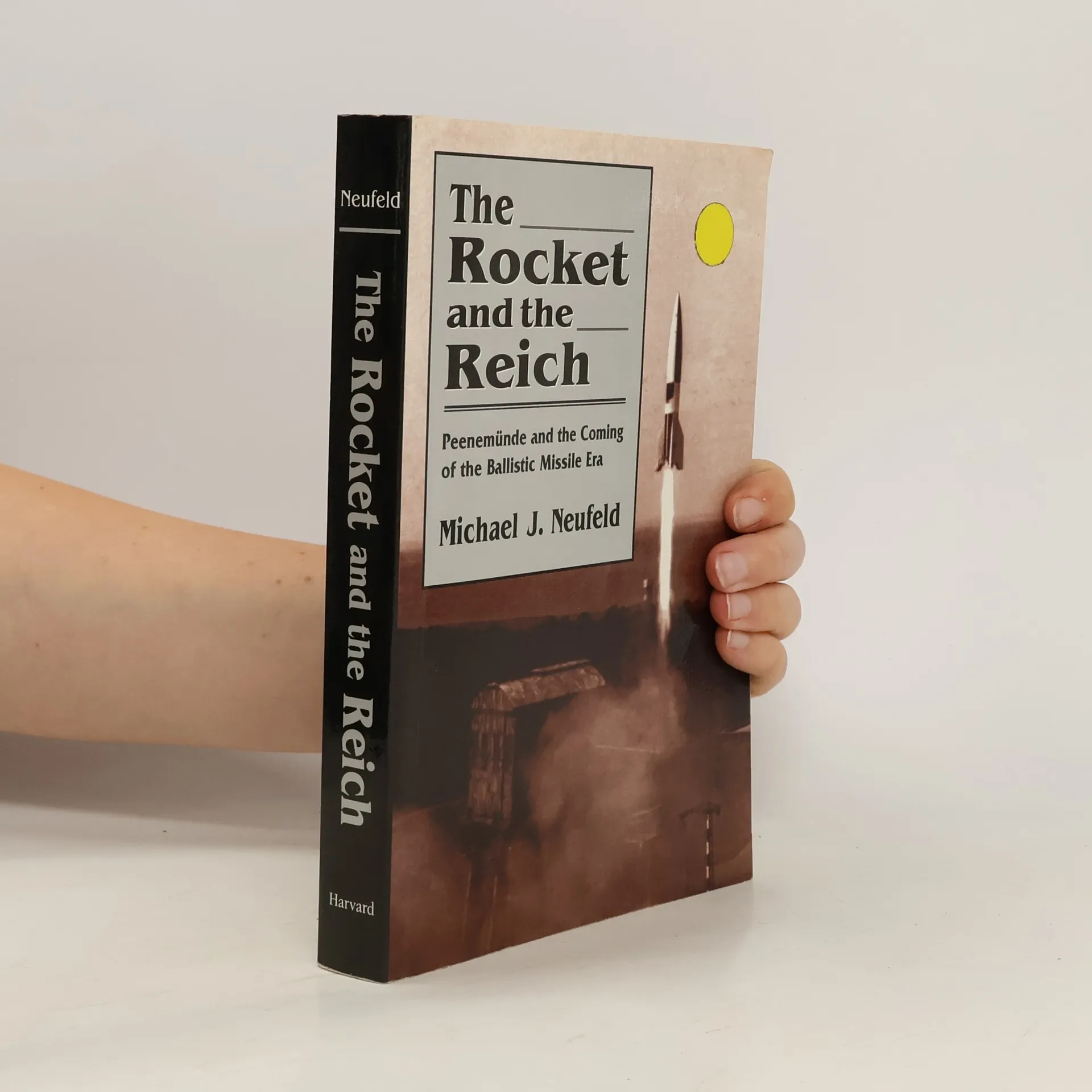
      Launched by the Third Reich in late 1944, the first ballistic missile, the V-2, fell on London, Paris, and Antwerp after covering nearly two hundred miles in five minutes. The design and construction of this daring and deadly advance in weaponry took place at the German rocket development center at Peenemunde, a remote island off the Baltic Coast. Now, Michael J. Neufeld gives the first comprehensive and accurate account of the story behind one of the greatest engineering feats of World War II. At a time when rockets were minor battlefield weapons, Germany ushered in a new form of warfare that would bequeath a long legacy of terror to the Cold War era and a tactical legacy that remains essential today. Both democracy's and communism's ballistic missile and space programs, as well as the SCUD and Patriot missiles of the Gulf War, began in the service of the Nazi State.

      The Rocket and the Reich
    • Am 20. Juli 1969 landeten Menschen zum ersten Mal auf dem Mond, ein Triumph des genialen Ingenieurs Wernher von Braun, der seit seiner Jugend von der Eroberung des Weltraums träumte und dafür auch mit den Nationalsozialisten kooperierte. Michael J. Neufelds Biographie bietet ein differenziertes Porträt dieses Raumfahrtpioniers und seiner Zeit. Wernher von Braun (1912–1977) war eine zentrale Figur der Raumfahrt im 20. Jahrhundert, beginnend mit seiner Kindheit, als er sich für Raketen interessierte und in den 1930er Jahren im Berliner Verein für Raumschifffahrt experimentierte. Nach seinem Ingenieurstudium wurde er vom Heereswaffenamt angeworben und war ab 1937 maßgeblich an der Entwicklung der V2-Rakete beteiligt, wobei er die unmenschlichen Bedingungen, unter denen Zwangsarbeiter litten, ignorierte. Trotz seiner NS-Vergangenheit gelang ihm 1945 die Flucht in die USA, wo er für das amerikanische Raketenprogramm arbeitete. Ab 1959 war er bei der NASA aktiv und trug zur bemannten Raumfahrt bei, die ihren Höhepunkt in den Mondflügen der späten 1960er und frühen 1970er Jahre fand. Neufeld zeichnet ein faszinierendes Bild dieses Ingenieurs, der trotz seiner umstrittenen Vergangenheit zum Star der Raumfahrt avancierte.

      Wernher von Braun