
Exploring the archetype of The Gothic Forest, this study delves into its deep-rooted significance in Western culture. It examines the forest's portrayal as a mysterious and perilous space, tracing its historical evolution and ongoing influence in modern popular culture. The analysis highlights how this archetype reflects societal fears and fascinates audiences, making it a compelling subject for both literary and cultural studies.
Elizabeth Parker Knihy
Tento autor píše s temnou myslí a mimořádně svérázným smyslem pro humor. Díla se často inspirují autorovým hlubokým citem pro psy, přičemž tato zvířata jsou začleněna do řady jeho napínavých příběhů. Se silným zaměřením na psí téma autor doufá, že čtenáře inspiruje nadějí a vytrvalostí, zejména v kontextu výcviku psů. Díla zkoumají radost a výzvy spojené se životem se psy, přičemž značná část výtěžku z prodeje je věnována záchranným skupinám zvířat.
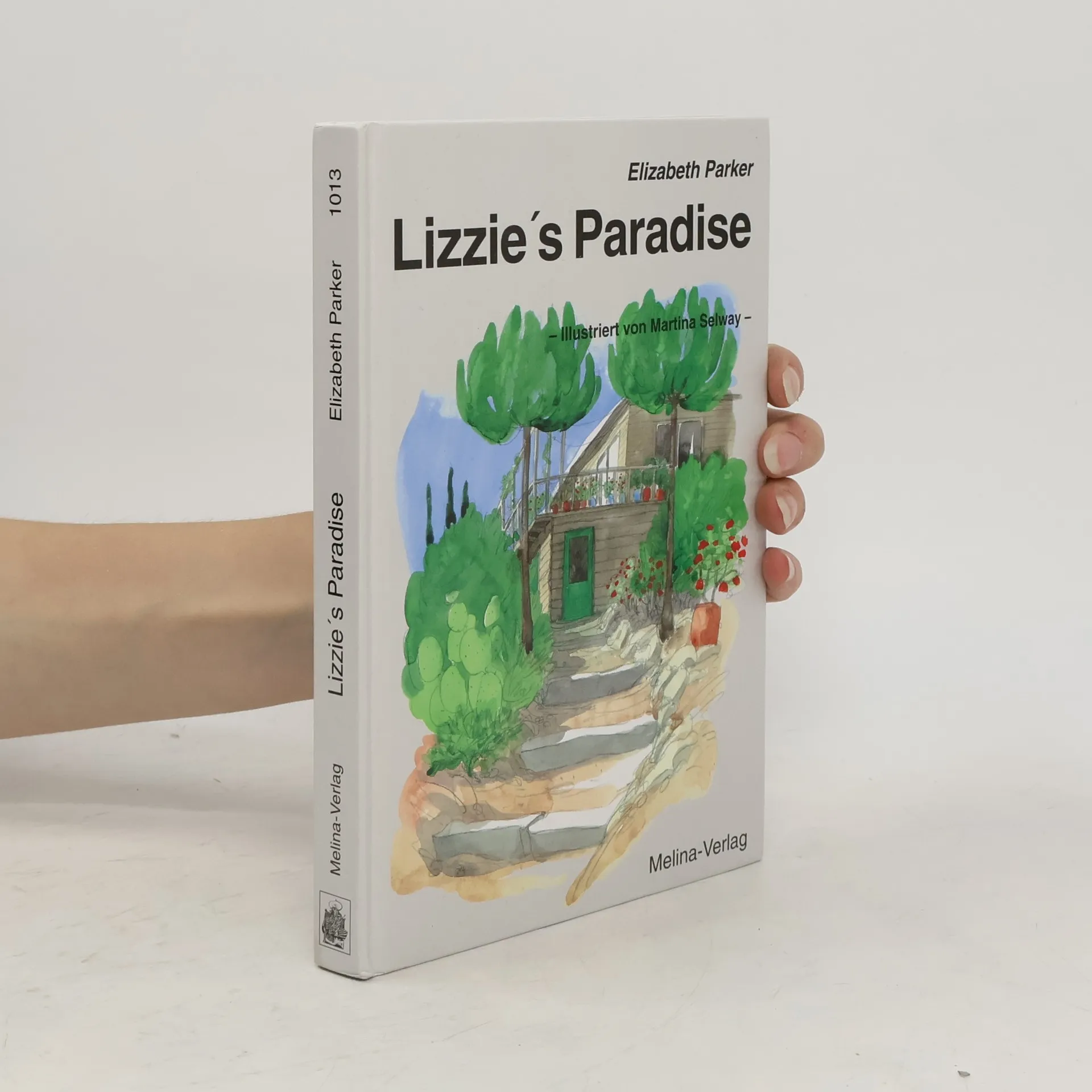



Set against a backdrop of intrigue and romance, the narrative explores the complexities of love and betrayal. Characters navigate a web of secrets and lies, each driven by their desires and fears. Themes of trust and redemption intertwine as they confront their pasts and the choices that define their futures. The story delves into the emotional and psychological struggles faced by individuals caught in a tumultuous world, highlighting the fine line between passion and peril.
Anyone who sets out to study Joel S. Goldsmith's mystical message of The Infinite Way finds a rich, but perhaps daunting, treasure of over fifty books and more than 1250 recordings of Joel's classwork. How does one begin? This book provides a framework, a context for study, which comes from the author's decades of dedicated work with The Infinite Way message. An Introduction to the Infinite Way Message of Joel S. Goldsmith explains the premise, the purpose, and the major spiritual principles and practices of The Infinite Way message. It introduces the reader to spiritual healing and the mystical life as Joel Goldsmith teaches them, and it suggests a beginning study plan. It gives new students a place to start, a foundation from which they can engage in a uniquely personal exploration of the momentous message that Joel Goldsmith brought to the world.
Elizabeth Parker’s second collection, Cormorant, explores the creature of the title from all angles. The bird itself however is always untameable and irreducible to human impressions. It is a ‘Devil Bird’ (‘Dart’), ‘omens in a dying beech’ (‘Cormorant’), the bubble of an underwater diver, an enemy of anglers, or the elusive subject watched by humans. Parker plays close attention to the city of Bristol and its inhabitants whether they are human or more-than-human. There is a powerful depth to place here, which is full of carefully observed details about a live and independent natural world, but human history and human losses also resonate.