Eva Hoffman Knihy
Eva Hoffmanová se ve své tvorbě zabývá složitými tématy identity a paměti, často s ohledem na zkušenosti imigrace a kulturního přechodu. Její psaní prozkoumává způsob, jakým jazyk a prostředí formují naše vnímání sebe sama a světa kolem nás. Autorka klade důraz na hluboké reflexe o lidské zkušenosti, o hledání domova a o neustálém procesu sebepoznávání. Její literární styl je známý svou propracovaností a pronikavostí, která čtenáře vtahuje do nitra lidské psychiky a společenských mechanismů.

Sixty years after the Holocaust, the author of "Lost in Translation" explores the difficult process of preserving an authentic version of its tragic events
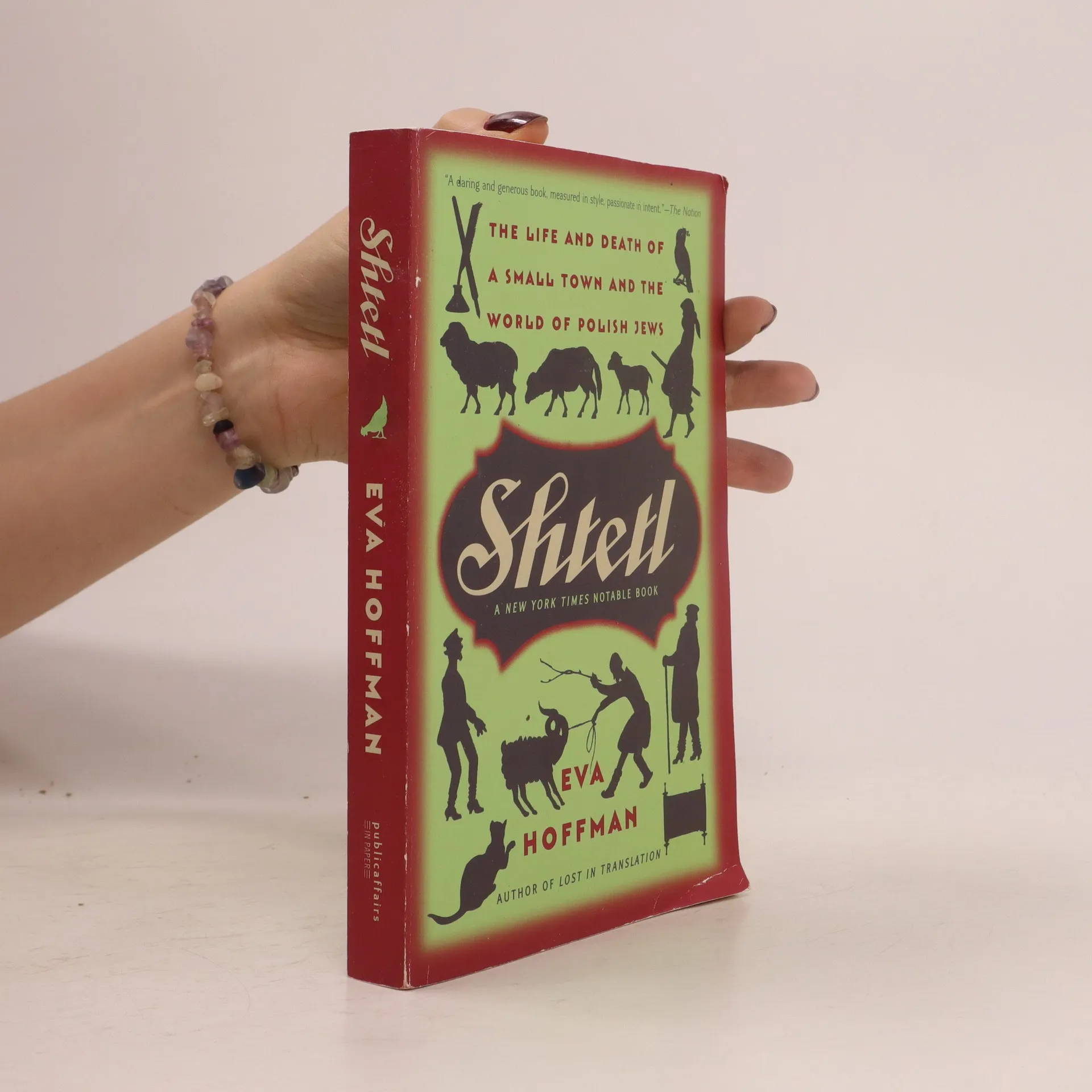
Shtetl
- 276 stránek
- 10 hodin čtení
In Shtetl (Yiddish for "small town"), critically-acclaimed author Eva Hoffman brings the lost world of Eastern European Jews back to vivid life, depicting its complex institutions and vibrant culture, its beliefs, social distinctions, and customs. Through the small town of Braƒsk, she looks at the fascinating experiments in multicultural coexistence--still relevant to us today-- attempted in the eight centuries of Polish-Jewish history, and describes the forces which influenced Christian villagers' decisions to conceal or betray their Jewish neighbors in the dark period of the Holocaust.
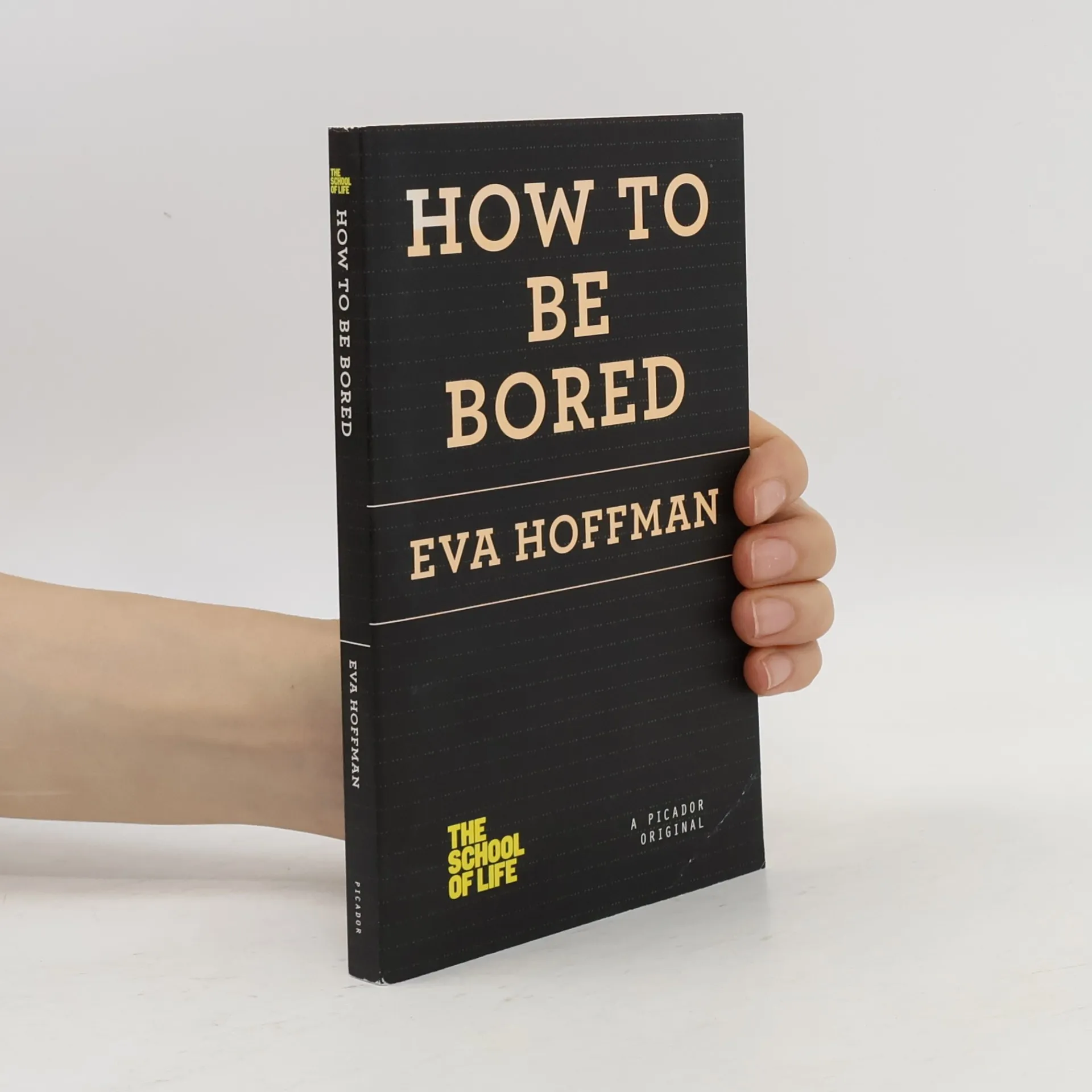
How to Be Bored
- 174 stránek
- 7 hodin čtení
In the latest installment of the acclaimed School of Life series, learn how to make peace with your down time—and even benefit from it. Lethargic inactivity can be debilitating and depressing, but in the modern world the pendulum has swung far in the other direction. We live in a hyperactive, over-stimulated age. Uninterrupted activity can seem exciting, but it can also leave us emotionally disorientated and mentally depleted. How can we recover a sense of balance and a richness in our lives? In How to Be Bored, Eva Hoffman argues for the need to cultivate curiosity and self-knowledge and to relish moments of unplugged idleness and non-virtual contact with others. Drawing on psychoanalysis, neuroscience, and a wide range of literature, she emphasizes the need to understand our own preferences and purposes and to replenish our inner resources. This book aims to make readers more vigorously engaged in their lives and to restore a sense of depth and meaning to their experiences.
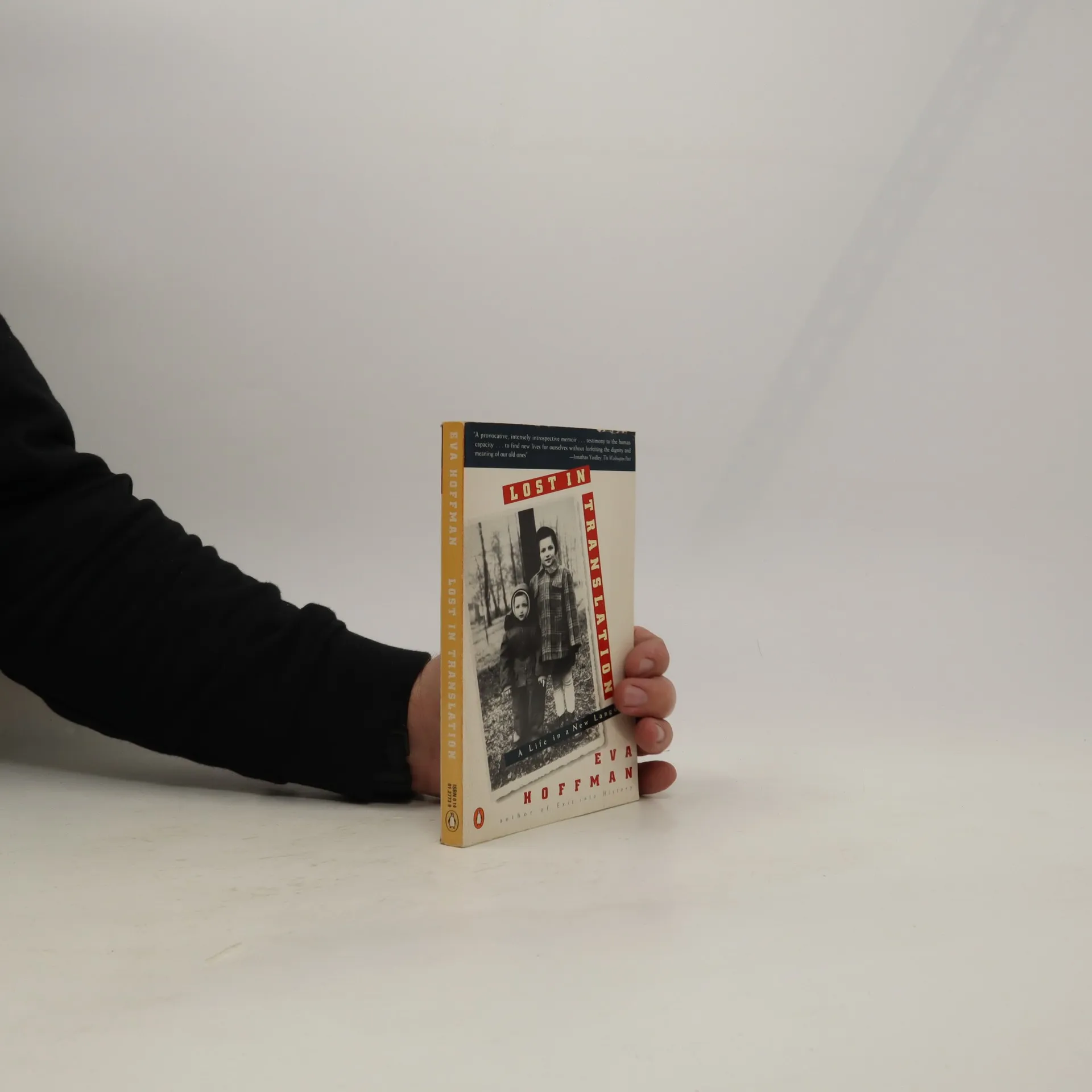
“A marvelously thoughtful book . . . It is not just about emigrants and refugees. It is about us all.” –The New York Times When her parents brought her from the war-ravaged, faded elegance of her native Cracow in 1959 to settle in well-manicured, suburban Vancouver, Eva Hoffman was thirteen years old. Entering into adolescence, she endured the painful pull of nostalgia and struggled to express herself in a strange unyielding new language. Her spiritual and intellectual odyssey continued in college and led her ultimately to New York’s literary world yet still she felt caught between two languages, two cultures. But her perspective also made her a keen observer of an America in the flux of change. A classically American chronicle of upward mobility and assimilation. Lost in Translation is also an incisive meditation on coming to terms with one’s own uniqueness, on learning how deeply culture affects the mind and body, and finally, on what it means to accomplish a translation of one’s self.
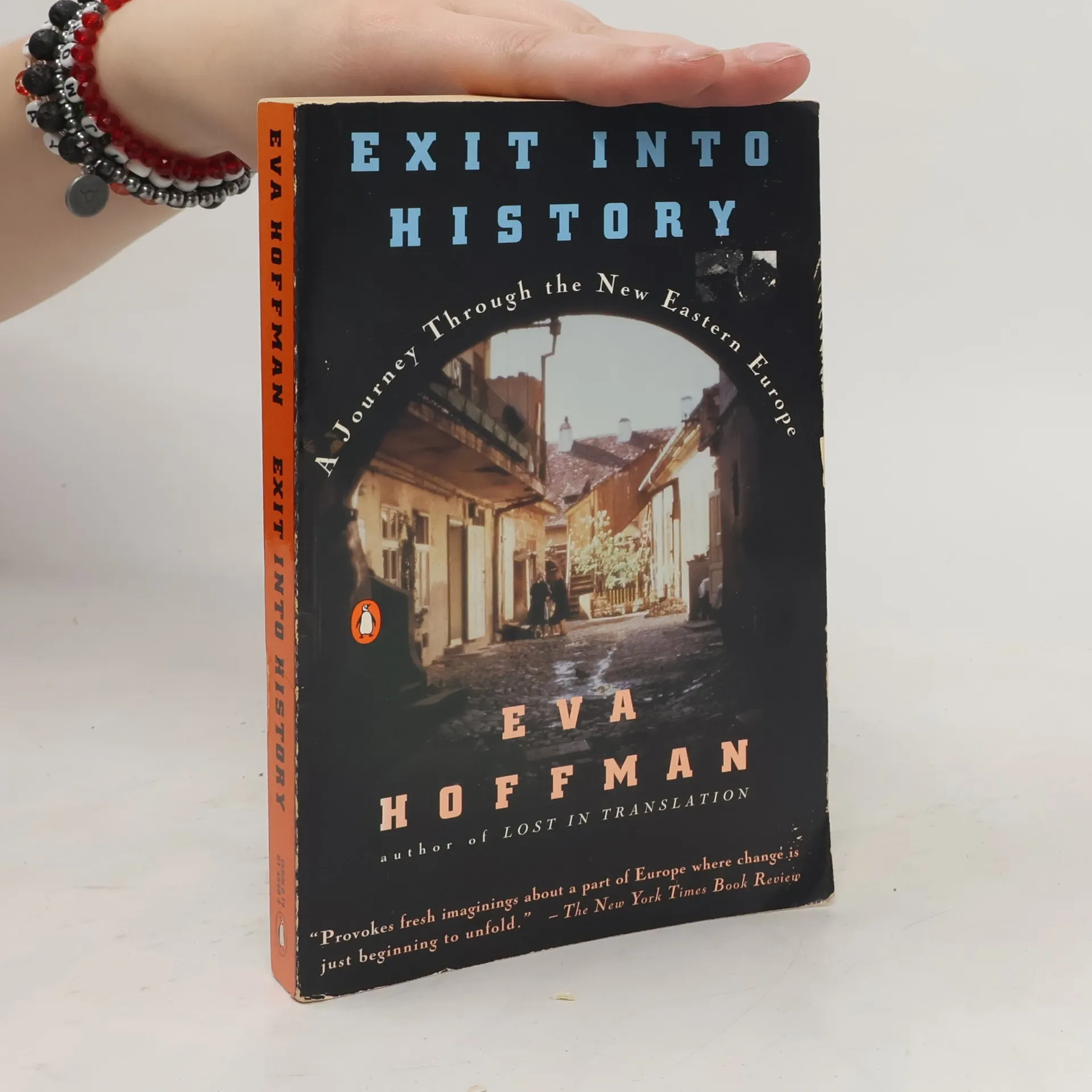
Exit into History
- 432 stránek
- 16 hodin čtení
In this intimate narrative journey, Hoffman returns to her Polish homeland and five other countries--Hungary, Romania, Bulgaria, and the two nations of the former Czechoslovakia--to vividly portray a landscape in the midst of change. "Alert and intuitive."--The Washington Post. Author readings.
Time has always been the great Given, a fact of existence which cannot be denied or wished away; but the character of lived time is changing dramatically. This book offers a look at life's ineffable element, spanning fields from biology and culture to psychoanalysis and neuroscience.
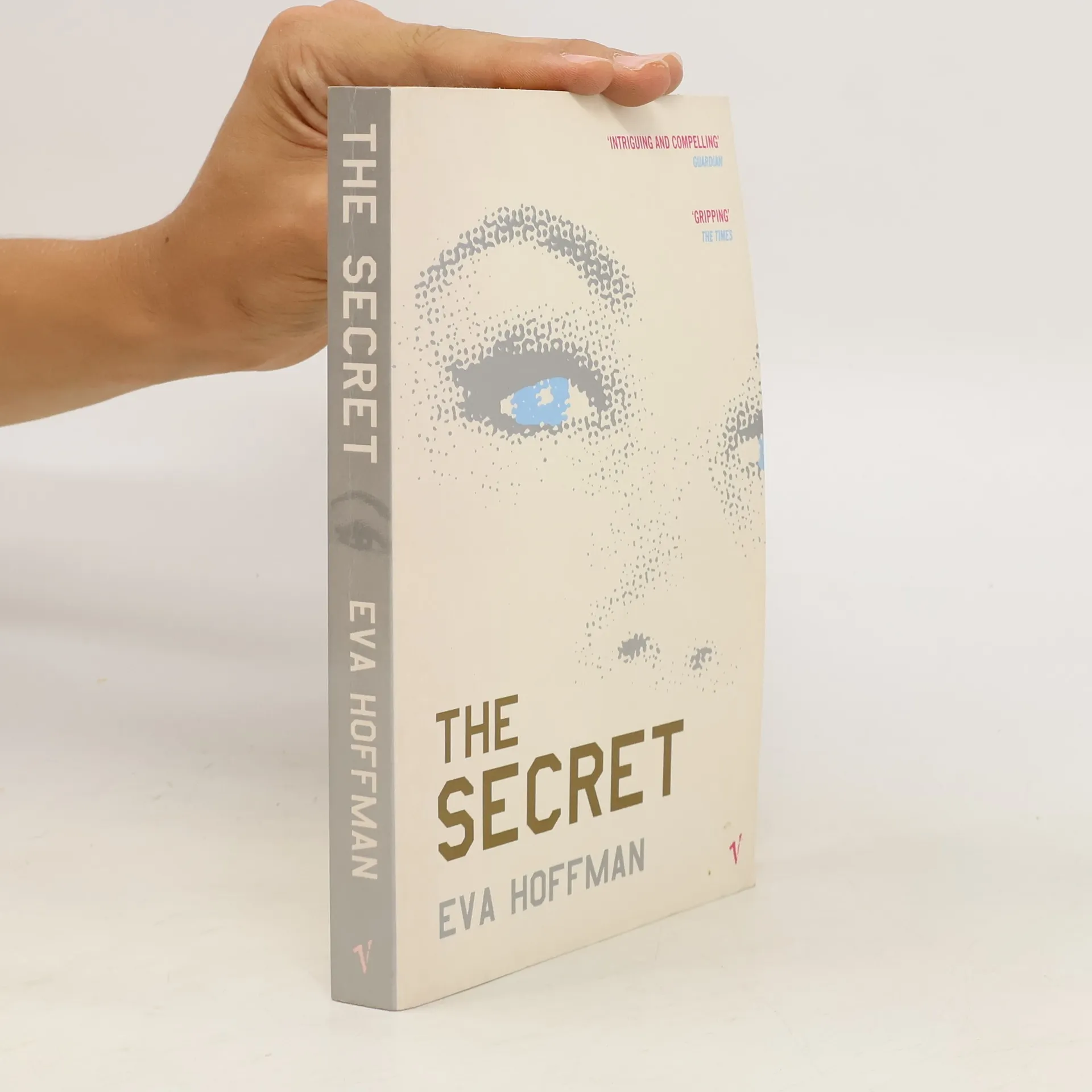
The Secret
- 272 stránek
- 10 hodin čtení
That is, I knew and didn't know-'In this novel, Eva Hoffman explores various kinds and strata of secrets: intimate secrets, and secrets of family past; the kinds of secrets that can be decoded from clues, and the kind that themselves seem to offer tantalizing clues to the fundamental mysteries of the human selfhood. schovat popis
On Czeslaw Milosz
- 224 stránek
- 8 hodin čtení
Czeslaw Milosz (1911-2004) was a significant literary figure of the twentieth century, deeply influenced by the events and ideologies of his time. Born into a Polish family in what is now Lithuania, Milosz's life was disrupted by World War I and his father's conscription into the Russian army. During World War II, he aided Jews in Warsaw as a partisan and member of the Polish socialist underground. After the war, he became a permanent exile, distancing himself from Poland, Soviet communism, his early Catholicism, and later, the stark inequalities of American society. His enduring legacy includes poetry available in multiple languages and two classic prose works, "The Captive Mind," which explores the effects of ideology, and "Native Realm," a memoir reflecting on his life in Poland and abroad. He received the Nobel Prize in Literature in 1980. In this volume of the Writers on Writers series, Eva Hoffman draws from her conversations with Milosz and her own engagement with his work to explore themes such as his resistance to dogma, fascination with place, awareness of exile, love for life, capacity for pleasure, and fundamental humanism that informs his poetry.
Etwas Seltsames ist um Ada und ihre Mutter Elizabeth. Symbiotisch verbunden leben die beiden in einer Kleinstadt des amerikanischen Mittelwestens; ohne Ehemann und Vater, ohne Geschwister und Verwandte. Eines Tages entdeckt Ada den Grund ihres Andersseins: Sie ist der Klon ihrer Mutter. Eva Hoffman hat einen spannend-hintergründigen Roman aus einer Zukunft geschrieben, die unmittelbar bevorsteht, der Fragen stellt, auf die es noch keine Antworten gibt. Ein visionärer Roman über eine junge Frau auf der Suche nach dem Rätsel der Identität.