

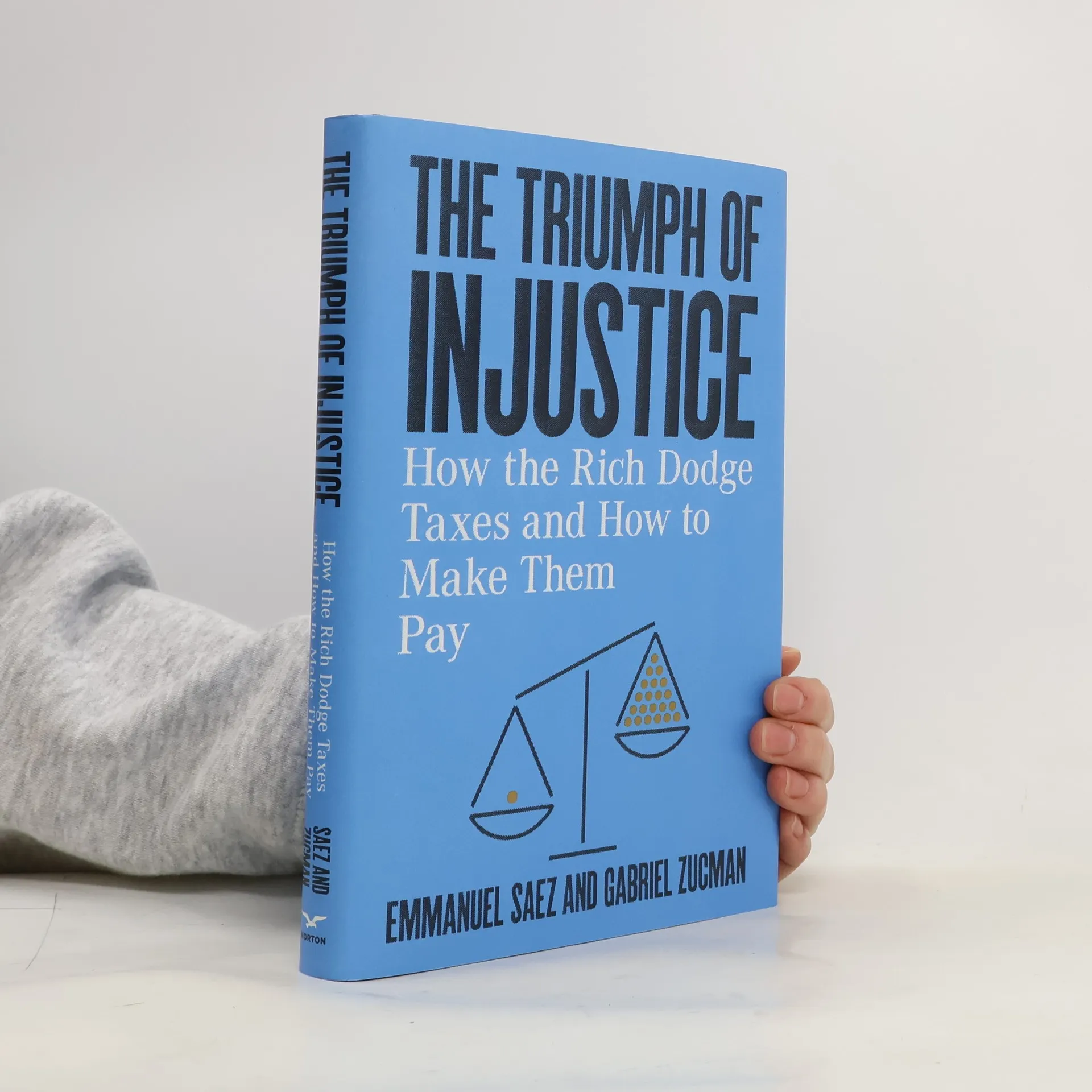
The book examines the stark disparity in tax burdens between the wealthy and working-class Americans, revealing that the rich now pay lower tax rates than in the 1920s. Economists Emmanuel Saez and Gabriel Zucman conduct a thorough analysis of the factors contributing to this shift, including the exemptions for capital owners, the rise of tax avoidance strategies, and international tax competition. Their investigation highlights the deliberate policy decisions and missed opportunities that have allowed this inequality to flourish, offering critical insights into the current economic landscape.
Gabriel Zucman Knihy
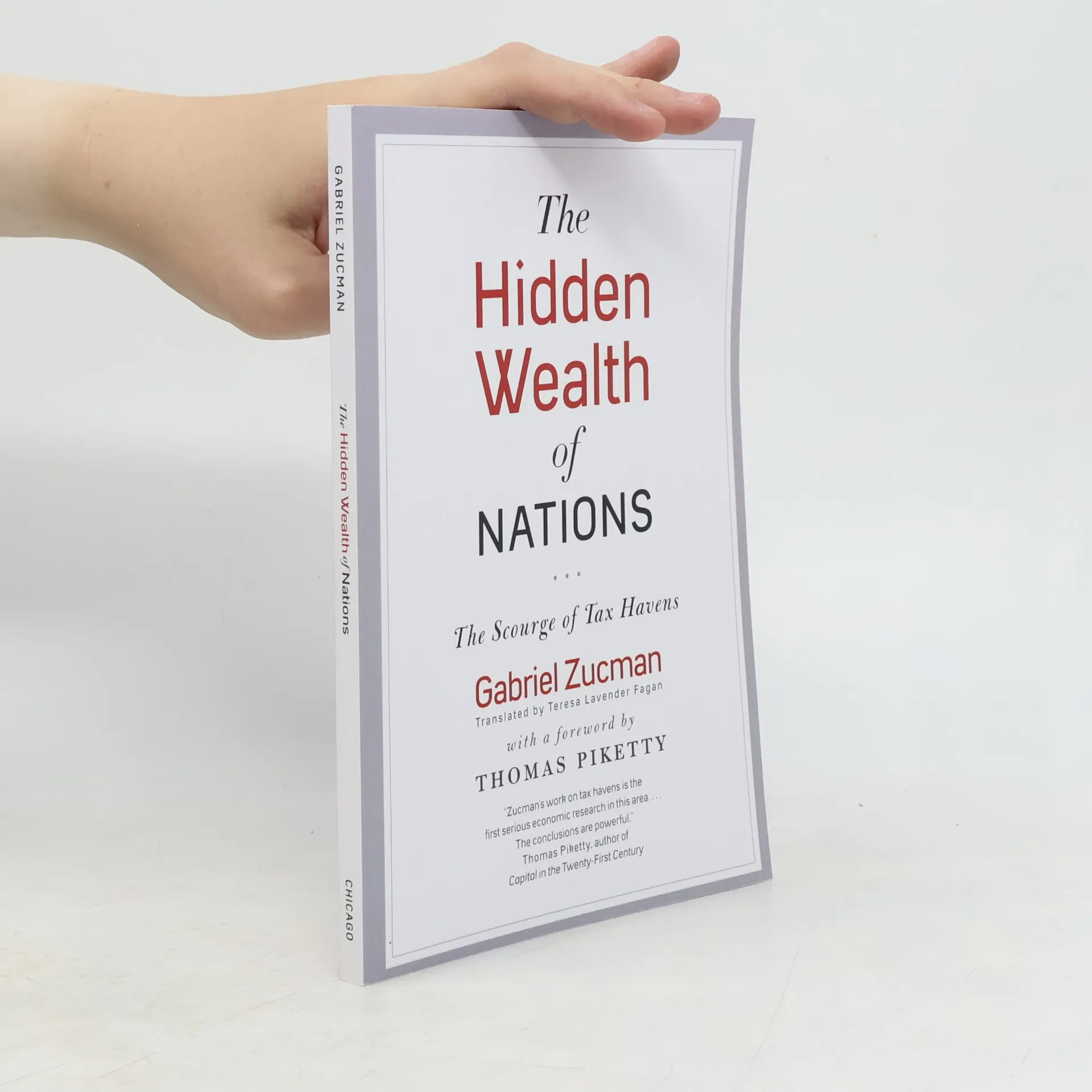
Hidden Wealth of Nations
- 200 stránek
- 7 hodin čtení
Everyone knows the super rich are hiding tons of money and not paying near enough taxes. This common knowledge that the wealthy have found ways around taxation by moving their assets to countries that don t tax them raises the question of how much of the world s wealth is hidden and how. Gabriel Zucman, a prominent young French economist, has come up with novel yet effective ways of quantifying how big the problem is, how tax havens work and are organized, and how we can begin to tackle the problem. Digging deep into the global data and comparing it with that of individual and international institutions, "The Hidden Wealth of Nations" offers for the first time a full picture of how this sophisticated international system works and is organized in practice. It is an invaluable glimpse at one of the most powerful forces contributing to inequality across the globe."
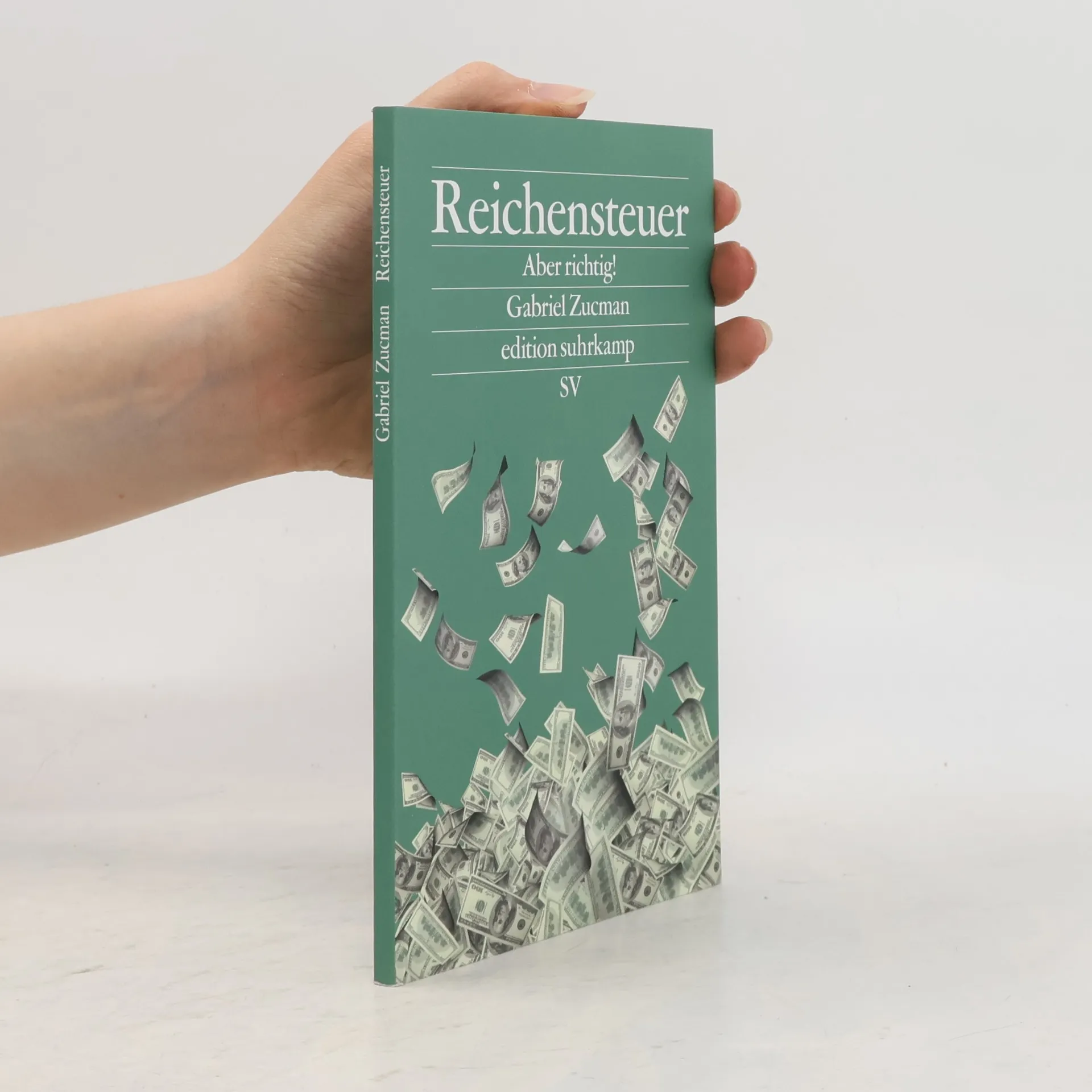
Reichensteuer
Aber richtig! | Warum Milliardäre zu wenig Steuern zahlen und wie wir das ändern
- 50 stránek
- 2 hodiny čtení
»Der Robin Hood der Ökonomie.« Wirtschaftswoche Gabriel Zucman gehört zu den bekanntesten und renommiertesten Ökonomen weltweit. Seit Jahren forscht er zu Steuergerechtigkeit und Steuervermeidung. Gerade diejenigen, so sein Befund, die ein im wahrsten Sinne des Wortes unvorstellbares Vermögen angehäuft haben, leisten oft keinen angemessenen Beitrag zur Finanzierung öffentlicher Kassen. Das ist nicht nur ein Problem für die Staatsfinanzen, sondern auch eine eklatante Verletzung des Gleichheitsgrundsatzes. Im Februar 2025 votierte die französische Nationalversammlung für die »Taxe Zucman«: eine Steuer von zwei Prozent für Superreiche. Seither steht Gabriel Zucman im Zentrum einer hitzigen Debatte. Während einer der reichsten Menschen der Welt ihn persönlich diffamierte, wird er auf den Straßen Frankreichs als eine Art Robin Hood gefeiert. In seinem neuen Buch erläutert er seinen Vorschlag so kompakt wie verständlich und erklärt, wie seine Steuer auch in Deutschland funktionieren kann.